
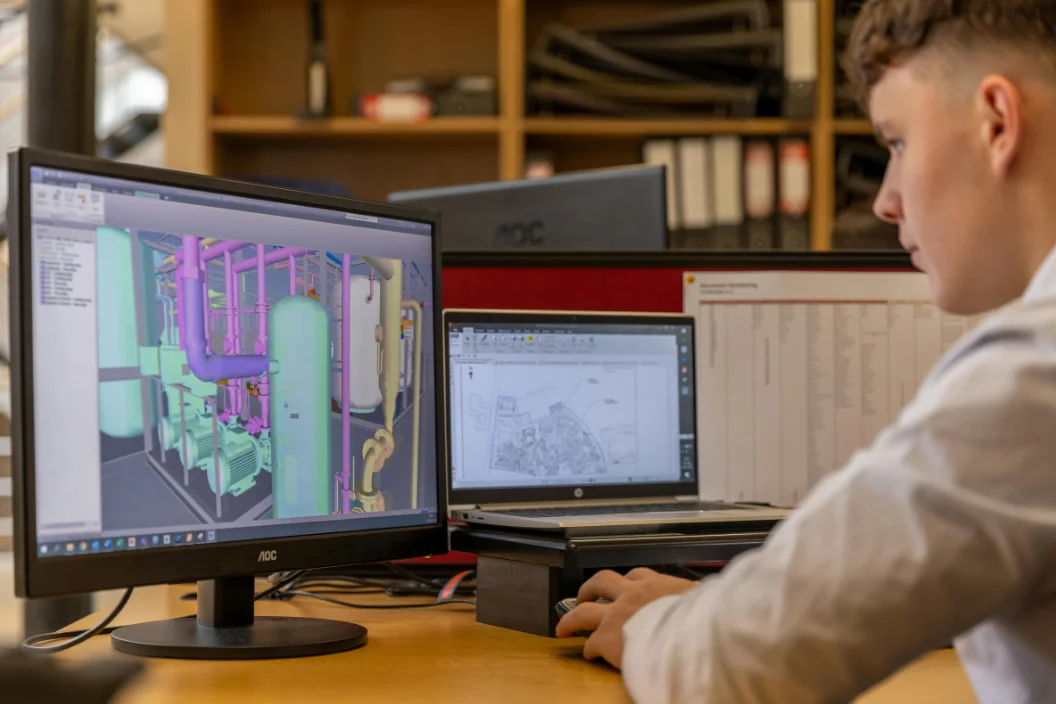
Maßgeschneiderte Softwareentwicklung für das Bauingenieurwesen
Maßgeschneiderte Software, die Ihr Design und Ihre Berechnungen, technische Arbeitsabläufe, Datenstrukturen sowie Projektabwicklung und Berichterstattung unterstützt. NEXATEK entwickelt Software, die technische Daten, interne Prozesse und Entscheidungswege vom Konzept bis zum Detailentwurf verknüpft.
Online-Software und Rechner

Workflow- & Prozessoptimierung

Datenmanagement & Integration

Ähnliche Projekte
Entdecken Sie weitere innovative Projekte:





Großartige
Lösungen
beginnen mit einem GesprächGroßartige Lösungen beginnen mit einem Gespräch
Möchten Sie herausfinden, wie unsere Dienstleistungen Ihr Unternehmen voranbringen können?
Individuelle Softwareentwicklung für das Bauingenieurwesen
Ein Stützwandprojekt generiert über Jahre – mitunter über Jahrzehnte – statische Berechnungen, Zeichnungen, Prüfbemerkungen und Freigabeprotokolle. Individuelle Softwareentwicklung für das Bauingenieurwesen richtet digitale Systeme exakt an dieser Praxis aus, statt bautechnische Prozesse in generische Standardplattformen zu zwingen. NEXATEK entwickelt als Softwarepartner für die Bauwirtschaft spezialisierte Lösungen, die ingenieurtechnische Abläufe in strukturierte digitale Gesamtsysteme überführen.
Die meisten kommerziellen Standardpakete bilden ausschließlich die in Normen und Richtlinien geregelten Standardverfahren ab. Die Ingenieurpraxis reicht oft darüber hinaus: Viele Lösungen sind produktspezifisch oder stützen sich auf den aktuellen Stand der Technik. Das Abbilden dieser spezialisierten Methoden in maßgeschneiderten Werkzeugen ist ein wesentlicher Bestandteil der digitalen Transformation im Bauingenieurwesen. Im Vordergrund stehen dabei prozessuale Klarheit und langfristige Anpassungsfähigkeit, nicht die bloße Anhäufung von Einzelfunktionen.
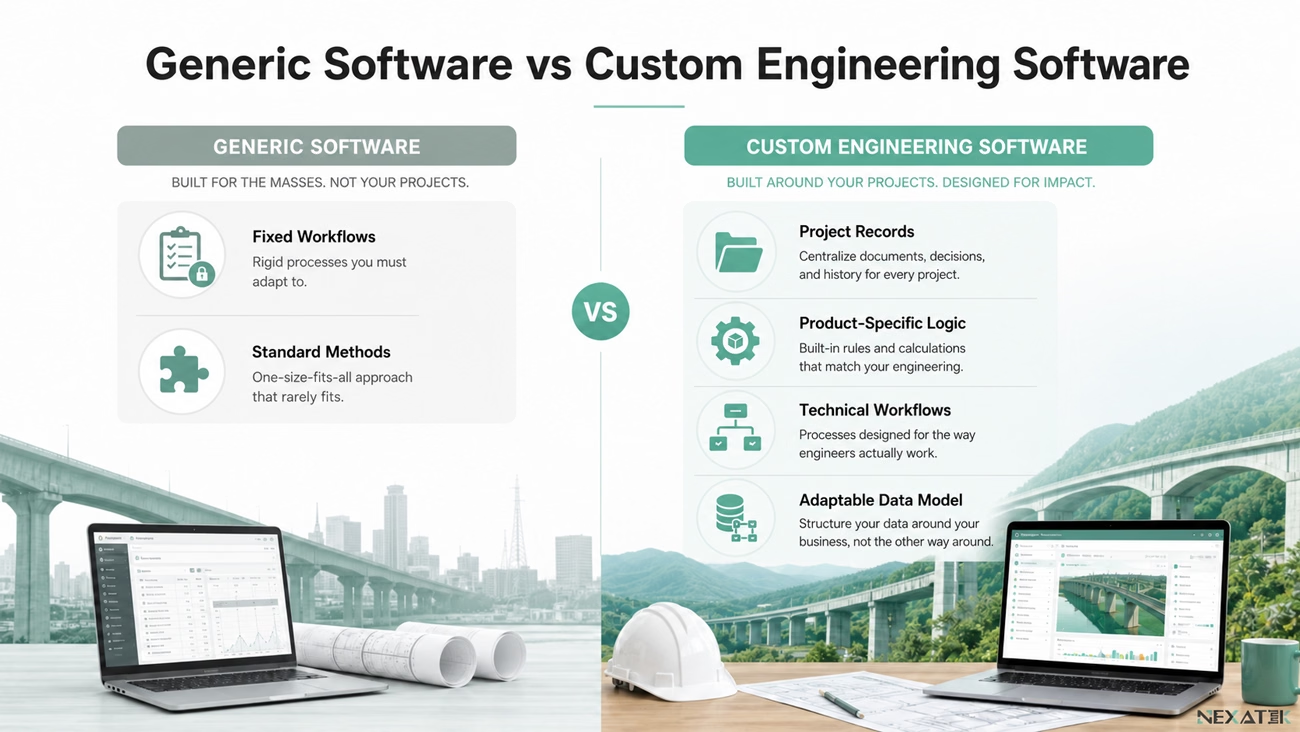 Individuelle Software gibt Ingenieurteams den nötigen Raum, um produktspezifische Verfahren, Baudokumente und technische Workflows präzise abzubilden, die Standardplattformen meist unzulässig vereinfachen.
Was bedeutet individuelle Softwareentwicklung im Bauingenieurwesen?
Individuelle Softwareentwicklung im Bauingenieurwesen bezeichnet den Entwurf und die Implementierung von Systemen, die um spezifische bautechnische Aufgabenstellungen und Projektanforderungen herum aufgebaut sind. Die Ingenieurlogik ist fest im System verankert: Datenfelder, Prozessschritte, Benutzerrollen und Berichtsvorlagen spiegeln reale Projektabläufe wie statische Prüfungen und bautechnische Freigaben exakt wider.
Viele dieser Systeme fungieren als zentrale Ingenieurinformationssysteme: Eine gemeinsame Umgebung verknüpft technische Daten, Dokumente, Entscheidungen und Verantwortlichkeiten miteinander. Ein Ingenieur, der einen Setzungsmesswert prüft, sieht unmittelbar das zugrundeliegende Bohrprofil sowie die Entwurfsannahme, die durch die Messung verifiziert wird.
Die Entwicklung solcher Systeme erfordert zwei Fachdisziplinen zugleich: NEXATEK besetzt jedes Vorhaben mit Bauingenieuren und Softwareentwicklern in einem gemeinsamen Team, damit das Datenmodell die reale bautechnische Funktionsweise fehlerfrei abbildet.

Warum das Bauingenieurwesen individuelle Softwarelösungen erfordert
Generische ERP- und Projektmanagement-Plattformen wurden für transaktionsbasierte Geschäftsprozesse konzipiert. Das Bauingenieurwesen ist hingegen durch lange Projektlebenszyklen, enorme Dokumentenmengen und technische Abhängigkeiten geprägt, die sich im Zuge der fortschreitenden Planung kontinuierlich verändern. Individuelle Softwareentwicklung richtet Systeme an diesen fachspezifischen Randbedingungen aus, anstatt Prozesse an starre Herstellervorgaben anzupassen.
Komplexität ingenieurtechnischer Prozesse
Planung ist ein iterativer Prozess: Ein modifizierter Bodenkennwert kann eine Fundamentbemessung hinfällig machen, was wiederum Änderungen in Bewehrungsplänen und Massenberechnungen nach sich zieht. Software in diesem Umfeld muss Revisionsstände, Abhängigkeiten, Prüfstatus und deren Querverbindungen nachvollziehbar verwalten, ohne den Datenfluss zu unterbrechen. Starre Standardplattformen pressen diese Prozessketten in lineare Abläufe – wodurch der eigentliche ingenieurtechnische Kontext verloren geht.
Individuelle Softwarelösungen stellen sicher, dass die Systemlogik der realen Planungsabfolge folgt. Berechnungsmodule und Freigabestufen stimmen mit der angewendeten Methode überein, und die technische Nachvollziehbarkeit bleibt über Planungsänderungen hinweg gewahrt.
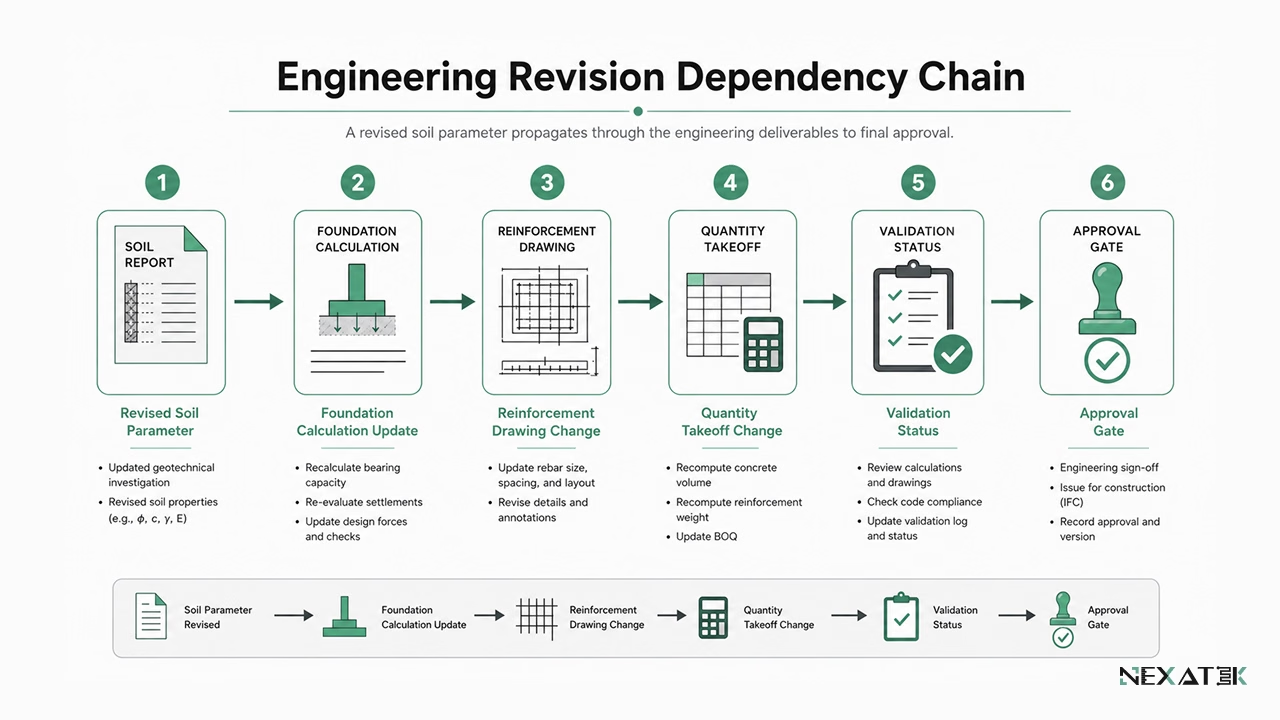 Ein Prozessablauf zeigt, wie sich eine technische Planungsänderung kaskadierend durch Berechnungen, Zeichnungen, Massenermittlungen und Freigabestufen fortpflanzt.
Projektzentrierte und dokumentenintensive Arbeitsabläufe
Ingenieurleistungen sind projektbezogen organisiert, nicht transaktionsbasiert. Ein einzelnes Infrastrukturprojekt generiert über fünf oder mehr Jahre hinweg Tausende Pläne, statische Nachweise, Protokolle und Baustellenkorrespondenzen. Standardwerkzeuge behandeln diese Unterlagen lediglich als unstrukturierte Dateianhänge.
Individuelle Systeme begreifen Dokumente dagegen als relationale Datenobjekte – inklusive lückenloser Versionskontrolle und Kontextverknüpfung. Dies bildet das Fundament für eine funktionierende Workflow-Automatisierung im Bauwesen. Das gezielte Wiederauffinden ist ebenso entscheidend wie die Speicherung: Ein Ingenieur, der den genehmigten Entwässerungsnachweis sucht, sollte nicht wissen müssen, in welcher Ordnerstruktur ein Kollege die Datei im Jahr 2019 abgelegt hat.
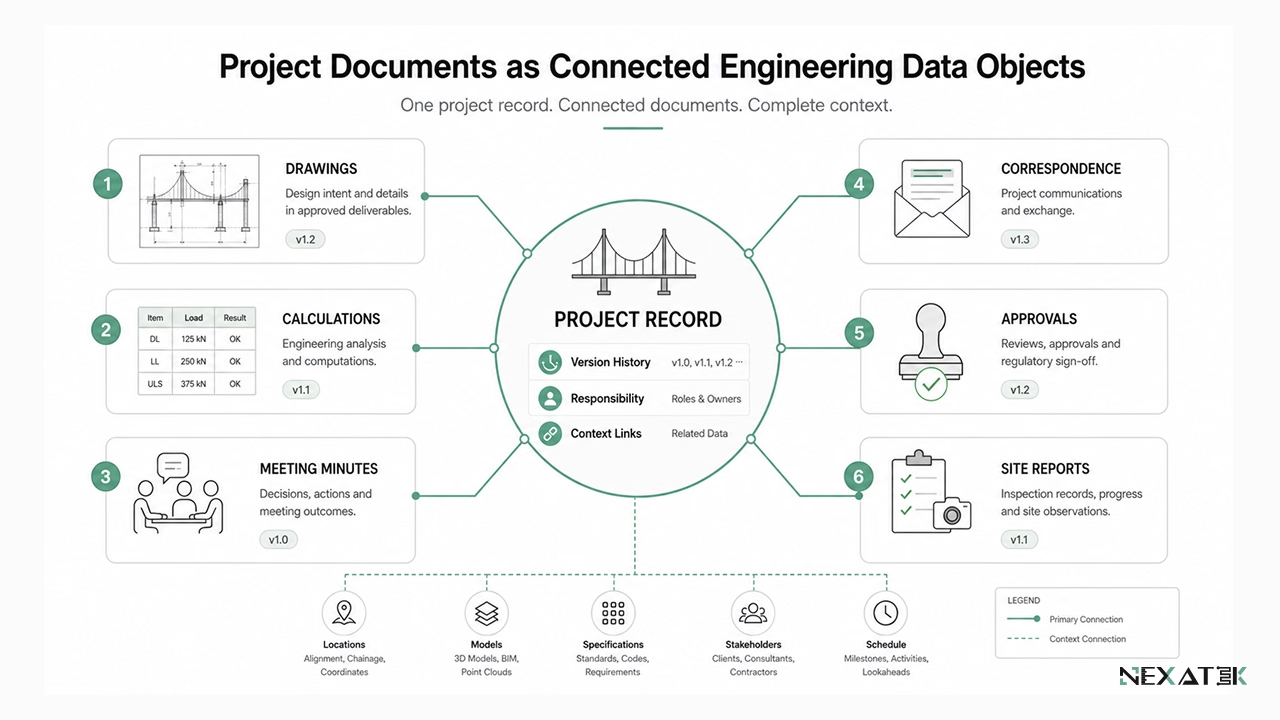 Werden Dokumente als strukturierte Datenobjekte behandelt, bleiben Kontext, Revisionen, Freigaben und Verantwortlichkeiten über lange Bauwerkslebenszyklen hinweg nachvollziehbar.
Typen individueller Software im Bauingenieurwesen
Vier Systemtypen dominieren die Praxis in Ingenieurorganisationen. Jeder Typus unterstützt das projektbezogene Arbeiten aus einem spezifischen Blickwinkel.
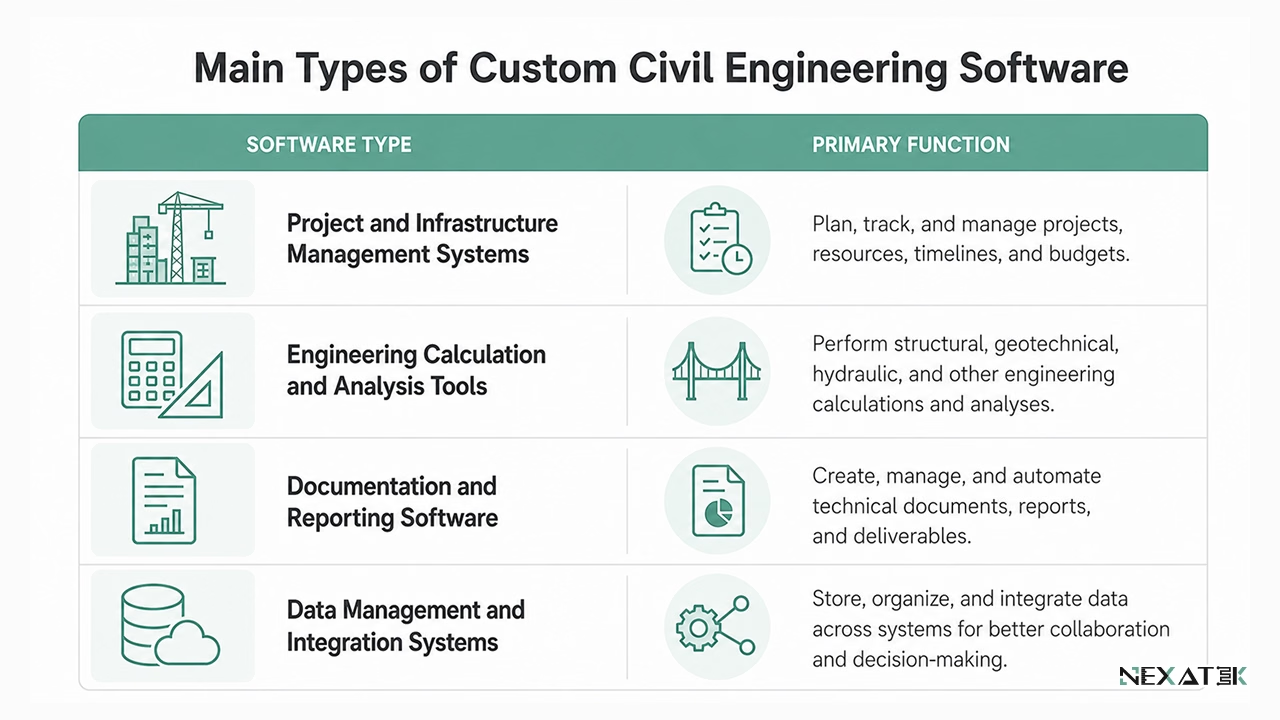 Die vier Softwaretypen lassen sich als tabellarische Übersicht darstellen, die jeden Systemtyp mit den unterstützten bautechnischen Aufgaben verbindet.
Projekt- und Infrastrukturmanagementsysteme
Terminpläne und Kostenkontrolle bilden nur einen Teil der Steuerungsaufgabe ab. Ingenieurprojekte durchlaufen zudem Planungsmeilensteine, technische Vorlagen, Freigabeläufe und Baustellenrückmeldungen. Die Projektleitung benötigt alle vier Dimensionen in einer konsistenten Ansicht. Maßgeschneiderte Projektmanagementsysteme stellen Termindaten direkt neben die zugehörigen technischen Liefergegenstände.
Ein verspätetes Baugrundgutachten wird somit unmittelbar neben der blockierten Gründungsbemessung sichtbar. Dashboards aggregieren den Leistungsstand nach Vergabepaket, sodass Projektleiter überfällige Prüfungen vor der wöchentlichen Baustellenbesprechung erkennen.
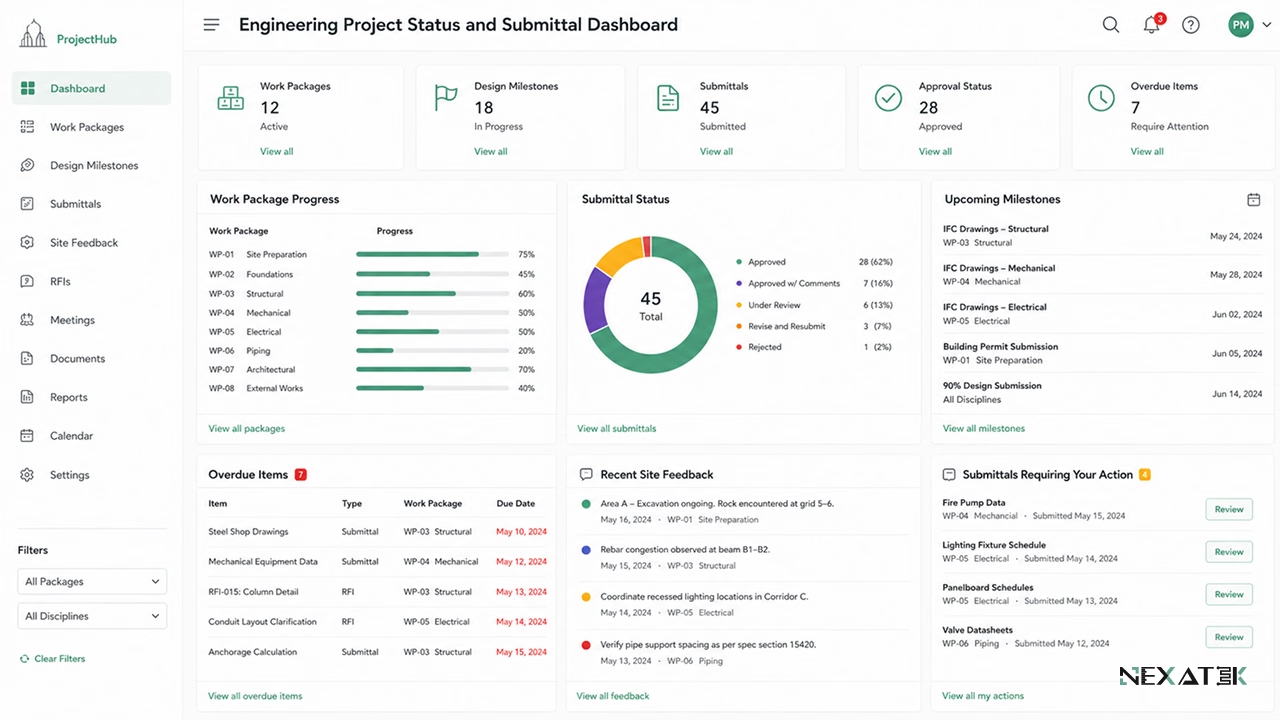 Ein maßgeschneidertes Projekt-Dashboard führt Terminpläne, technische Liefergegenstände, überfällige Prüfläufe, Freigaben und Baustellenrückmeldungen in einer Ansicht zusammen.
Statische Berechnungs- und Analysewerkzeuge
Tabellenkalkulationen dominieren nach wie vor das bautechnische Rechnen – und bergen erhebliche Risiken: Eine kopierte Formel mit verschobenen Zellbezügen kann unbemerkt über Monate in einer Lastberechnung verbleiben. Individuelle Berechnungswerkzeuge bündeln diese Rechenlogik in kontrollierten, versionierten Modulen und speichern Annahmen, Eingangsparameter, Zwischenschritte und Ergebnisse in strukturierter Form.
Ingenieure können exakt nachvollziehen, wie sich eine Parameteränderung durch die Berechnungshistorie fortpflanzt. Dieselbe Disziplin gilt für bautechnische Simulationssoftware, bei der Eingabedatensätze und Ergebnisdateien fest mit dem zugehörigen Planungsstand verknüpft bleiben. Routinemäßige Nachweise laufen browserbasiert über schlanke bautechnische Online-Rechner.
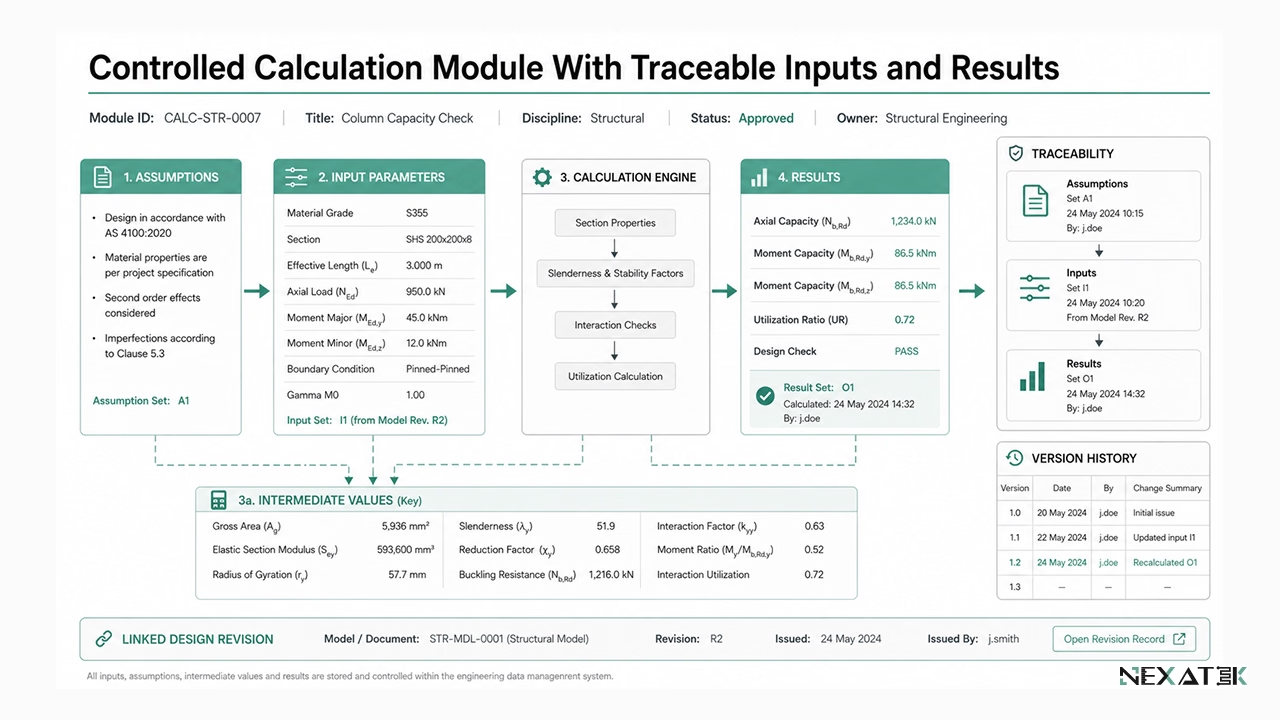 Kontrollierte Berechnungsmodule machen Annahmen, Eingabewerte, Zwischenergebnisse, Endwerte und Revisionen prüffähig und revisionssicher.
Dokumentations- und Berichtssysteme
Technische Berichte und Leistungsbeschreibungen folgen festen Gliederungen und Prüfketten. Maßgeschneiderte Dokumentationssoftware steuert Vorlagen, Revisionsverläufe, Nummerierungsregeln und Freigabewege im Hintergrund. Ingenieure konzentrieren sich auf den fachlichen Inhalt statt auf Formatierungsarbeiten.
Ein messbarer Vorteil: Ein Baugrundbericht, der Laborergebnisse automatisiert aus der Projektdatenbank bezieht, eliminiert manuelle Übertragungsfehler vollständig. Integrierte Freigabeprozesse hinterlassen zudem einen lückenlosen Prüfpfad, sodass die Frage, wer Revision C zu welchem Zeitpunkt freigegeben hat, rechtssicher beantwortet werden kann.
Datenmanagement- und Integrationssysteme
Vermessung, Baustoffprüflabore, Messsensorik und Baustellenkolonnen liefern Daten in völlig unterschiedlichen Formaten. Das Zusammenführen dieser Ströme in einen einheitlichen Projektdatensatz ist die Kernaufgabe individueller Datenbankentwicklung.
Integrierte Datenbestände ermöglichen eine verlässliche Prozessautomatisierung, da Informationen ohne manuelle Zwischenschritte zwischen Systemen ausgetauscht werden: Ein auf der Baustelle gemessener Inklinometerwert fließt direkt in das Überwachungs-Dashboard ein. Laborprüfungen folgen demselben Prinzip: Ein einmalig erfasster Verdichtungsnachweis speist das tägliche Bautagebuch und das abschließende Qualitätsprüfdossier gleichermaßen.
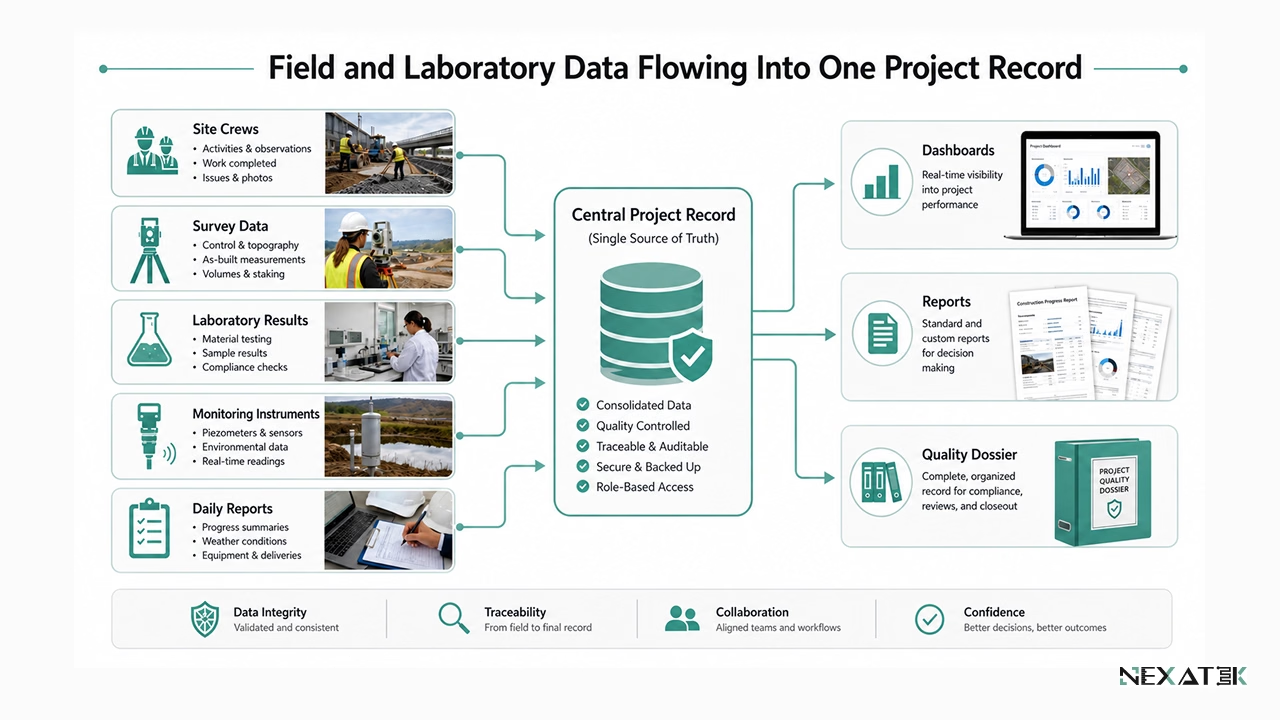 Ein Datenflussdiagramm veranschaulicht, wie Messwerte von der Baustelle, Laborprüfungen, Monitoringdaten und Tagesberichte in einen gemeinsamen Projektdatensatz einfließen.
Individuelle Software vs. Standardlösungen im Bauwesen
Die Entscheidung zwischen maßgeschneiderter Individualsoftware und Standardsoftware ist eine Frage strategischer Abwägungen. Der Projektkontext und der digitale Reifegrad der Organisation bestimmen, welche Kriterien den Ausschlag geben.
Grenzen generischer Softwareplattformen
Breite Marktabdeckung ist das Ziel jeder Standardplattform. Daraus resultieren zwangsläufig starre Abläufe und vereinfachte Datenstrukturen. Ingenieurteams müssen ihre Prozesse an das Werkzeug anpassen; entstehende Lücken werden mit Tabellenkalkulationen und E-Mail-Absprachen überbrückt. Jede parallele Behelfslösung fragmentiert Informationen und erhöht das Projektrisiko.
Produktspezifische Bemessungen verdeutlichen diese Schwachstelle: Die meisten Standardprogramme können herstellerspezifische Materialkennwerte nicht vollumfänglich abbilden, sodass Ingenieure auf konservative, unwirtschaftliche Standardannahmen zurückgreifen müssen.
Vorteile passgenauer Ingenieursoftware
Zweckgebundene Systeme modellieren bautechnische Beziehungen anstelle rein administrativer Kategorien. Prozessschritte folgen der Entwurfslogik statt vorgegebenen Masken. Behelfslösungen entfallen, da das System die etablierte Arbeitsweise der Ingenieure unterstützt, während das Datenmodell mit neuen Projektanforderungen flexibel mitwächst.
Ein maßgeschneidertes System entwickelt sich synchron zur Ingenieurpraxis weiter – Standardsoftware wartet auf den Release-Zyklus des Herstellers. Auch die Wartbarkeit folgt diesem Prinzip: Ein Datenmodell, das die bautechnische Realität abbildet, nimmt neue Anforderungen mit geringerem Anpassungsaufwand auf als eine Konfiguration, die über einen generischen Kern gestülpt wurde.
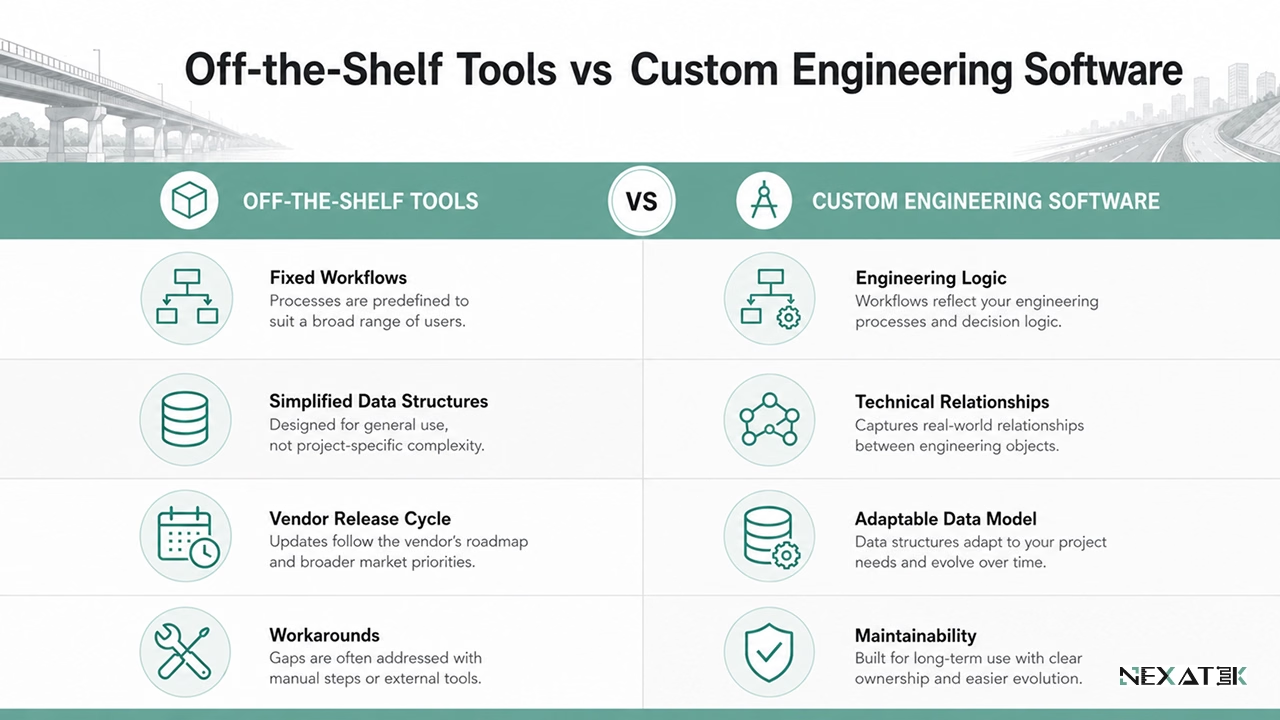 Der Vergleich verdeutlicht die Abwägung zwischen schneller Standardeinführung und einer tiefen Ausrichtung auf Fachlogik, Datenbeziehungen und langfristige Anpassbarkeit.
Softwareentwicklung im Einklang mit Ingenieur-Workflows
Bei NEXATEK beginnt die Softwareentwicklung im Bauingenieurwesen mit dem Prozessverständnis, nicht mit der Wahl des Technologie-Stacks. Architekturfragen folgen an zweiter Stelle. Systemanforderungen leiten sich direkt aus den täglichen Aufgaben der Ingenieure und ihren Arbeitsergebnissen ab – etwa dem Bautagebuch oder dem Leistungsverzeichnis.
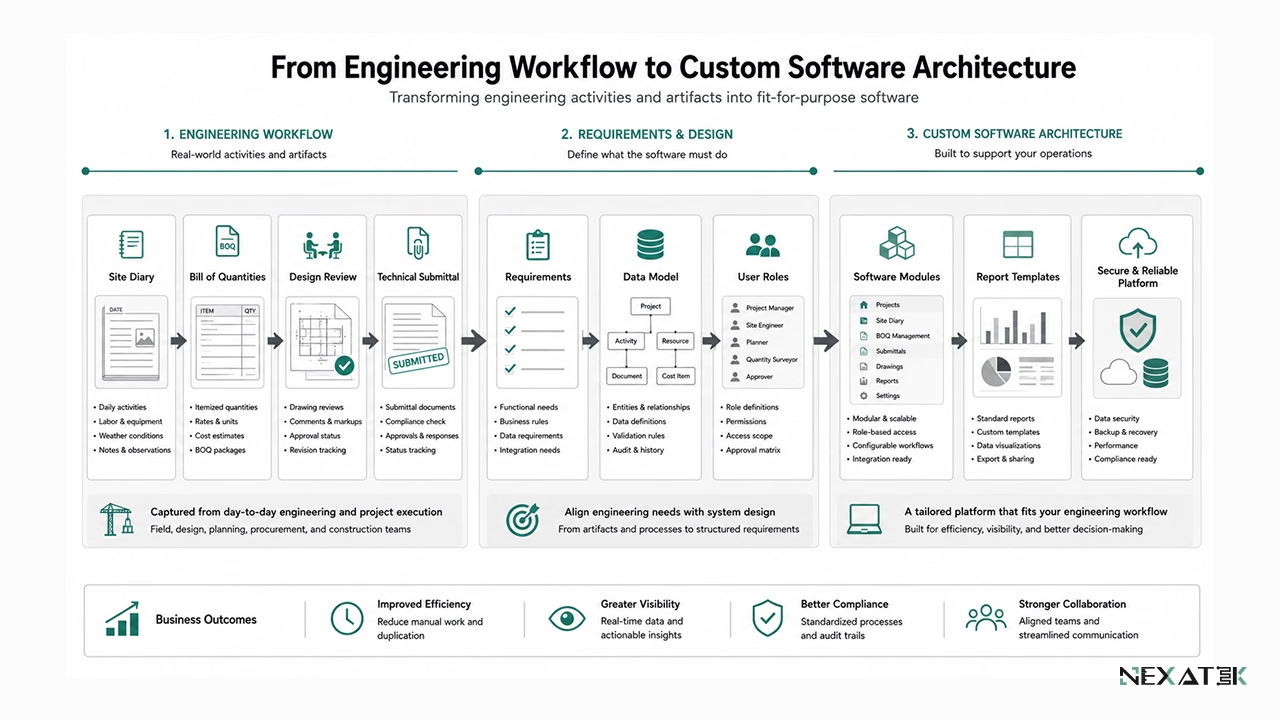 Ein Prozessdiagramm verdeutlicht, wie tägliche Ingenieurtätigkeiten in Anforderungen, Datenstrukturen, Rollen, Module und Berichte überführt werden.
Anpassung der Software an gewachsene Ingenieurpraktiken
Arbeitsmethoden haben sich über Jahre bewährt. Erfolgreiche Individualsoftware überführt diese bestehenden Abläufe in strukturierte digitale Prozesse, anstatt sie radikal zu ersetzen. Ein Bauleiter, der über ein Jahrzehnt Bautagebücher auf Papier geführt hat, sollte das digitale Äquivalent auf den ersten Blick intuitiv verstehen.
Vertraute Konzepte senken die Hemmschwelle für Teams mit geringerer digitaler Routine. Die Digitalisierung technischer Abläufe kann so schrittweise erfolgen – Prozess für Prozess.
Unterstützung multidisziplinärer Ingenieurteams
Tragwerksplanung, Geotechnik, Wasserbau und Vermessung arbeiten parallel am selben Bauvorhaben. Allen Disziplinen einen starren Einheitsablauf aufzuzwingen, erzeugt Reibungsverluste. Individuelle Systeme definieren gemeinsame Schnittstellen – wie den zentralen Projektstammdatensatz –, während jede Fachrichtung ihren spezifischen Workflow beibehält.
Der Mehrwert liegt im zielgerichteten Arbeiten: Ein Geotechniker interagiert mit Bohrprofilen und Setzungsberechnungen, während die Tragwerksplaner Lastfälle und Bewehrungspläne bearbeiten – basierend auf derselben gemeinsamen Datenquelle.
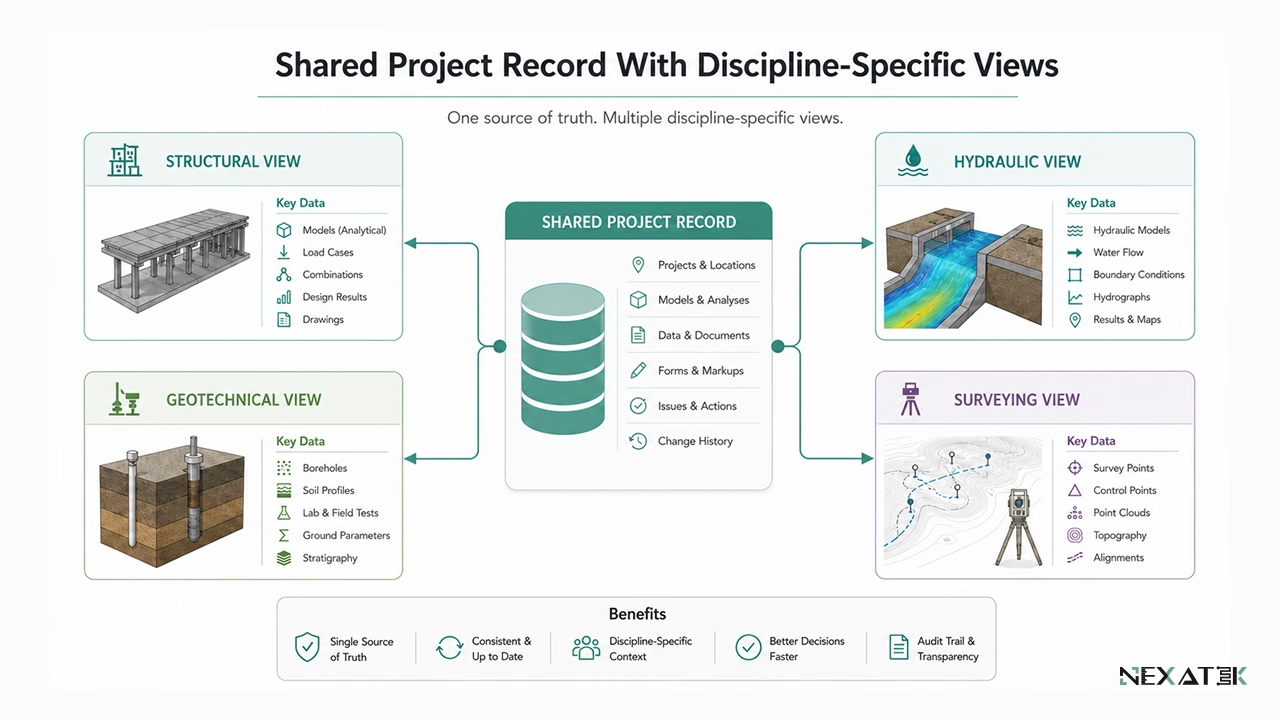 Ein gemeinsamer Projektdatensatz bedient unterschiedliche Fachdisziplinen, während spezifische Workflows, Daten und Fachansichten für jedes Team erhalten bleiben.
Anwendungsfälle entlang der baulichen Wertschöpfungskette
Die Anforderungen unterscheiden sich je nach Unternehmenstyp: Ein Hersteller benötigt lückenlose Produktnachverfolgbarkeit, während ein Bauunternehmen auf schnelle mobile Dateneingaben vor Ort angewiesen ist. Drei Kernprofile illustrieren das Spektrum:
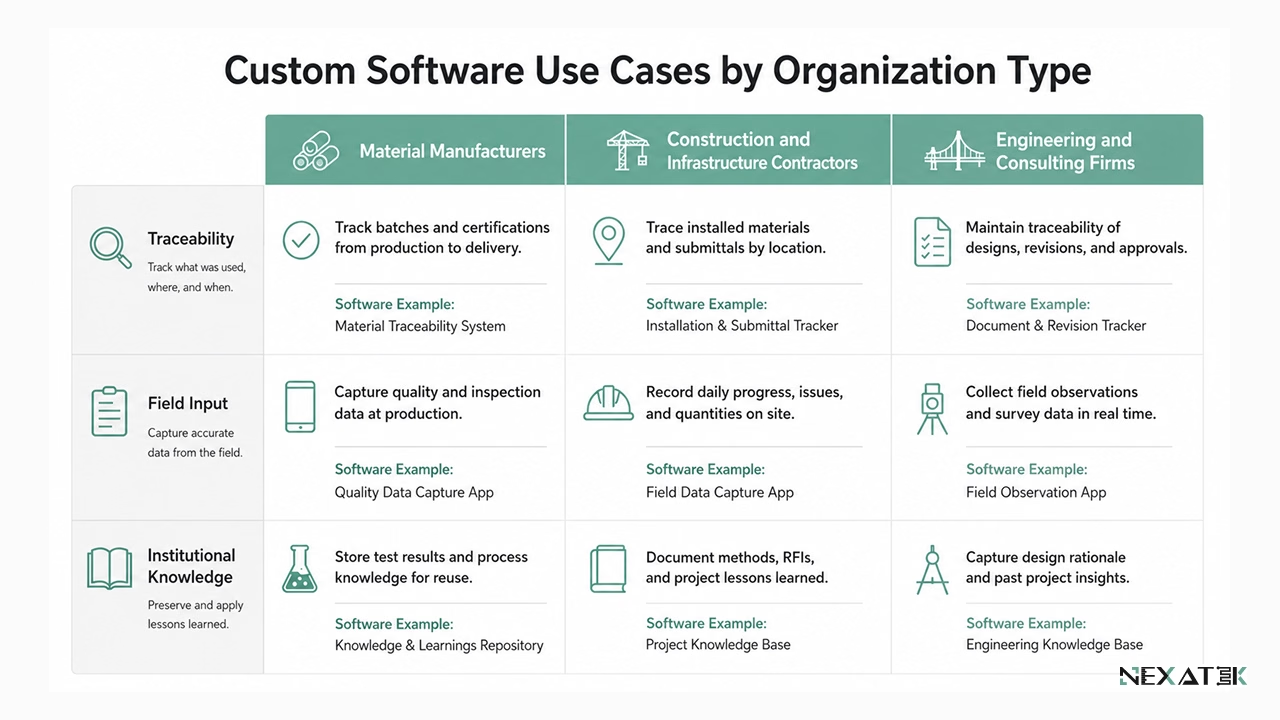 Eine Übersicht verknüpft konkrete Software-Anwendungsbeispiele mit Baustoffherstellern, Bauunternehmen und Ingenieurbüros.
Baustoffhersteller und industrienahes Engineering
Hersteller bewegen sich an der Schnittstelle zwischen Labordaten und Projektanforderungen. Maßgeschneiderte Systeme verbinden Prüfergebnisse, Produktionsdaten und Lieferscheine, sodass die Rückverfolgbarkeit von den Materialkennwerten bis zum Einbauort im Bauwerk gewährleistet ist. Ein Geokunststoffhersteller kann so jede gelieferte Rolle mit der jeweiligen Produktionscharge und der zugehörigen statischen Bemessung verknüpfen.
Spezifische Bemessungstools, die auf den herstellereigenen Produktdaten aufsetzen, gehen einen Schritt weiter: Reale Messwerte ersetzen konservative Standardannahmen generischer Programme.
Bauunternehmen und Infrastrukturentwickler
Baustellenteams erzeugen Daten oft schneller, als Bürosysteme sie verarbeiten können: Tagesberichte, Abnahmeprotokolle und Fotodokumentationen treffen von mehreren Kolonnen gleichzeitig ein. Bauunternehmenssoftware konzentriert sich auf die direkte Verbindung von Baustellenerfassung und Planungsinformationen – vor allem über mobile Apps zur Baustellendatenerfassung.
Weichen die Verhältnisse vor Ort von der Planung ab, fließt dieser Befund direkt in die Projektakte ein, statt im Notizbuch des Poliers zu verbleiben. Die intuitive Nutzbarkeit auf der Baustelle entscheidet darüber, ob eine Baustellen-Softwarelösung den ersten Monat übersteht.
Ingenieur- und Planungsbüros
Planungsbüros bearbeiten viele Projekte mit unterschiedlichen Normen und Leistungsbildern parallel. Maßgeschneiderte Ingenieursoftwarelösungen schaffen interne Konsistenz bei gleichzeitiger Flexibilität für projektspezifische Anforderungen. Systeme, die Entwurfsansätze und Lessons-Learned strukturiert dokumentieren, machen aus verstreuten Einzelerfahrungen dauerhaft nutzbares Unternehmenswissen.
Ein Team, das ein Durchlasskonzept wiederverwendet, findet auf Anhieb die ursprünglichen Bemessungsannahmen, statt sie mühsam aus alten Projekt-PDFs rekonstruieren zu müssen.