

Custom Database Development for Civil Engineering
Custom database development for civil engineering creates structured data systems for projects, documents, materials, and asset records.
Engineering Data Foundation

Documentation and Technical Record Management

Project and Material Data Management

Integration and Long-Term Maintainability

Similar Projects
Discover more innovative projects:





Great
Solutions
Start With A ConversationGreat Solutions Start With A Conversation
Want to Explore How Our Services Can Grow Your Company?
Custom Database Development for Civil Engineering: Structured Data Systems for Engineering Projects
A bridge design package can outlive the engineers who produced it. Custom database development for civil engineering turns drawings, calculation notes, material test results, and asset records into connected, structured data instead of isolated files. Structured records are also the base layer for digital transformation in civil engineering, which stalls quickly when the underlying data is inconsistent.
Storage is only part of the job. A database management system in civil engineering acts as a technical data repository where projects, material batches, test reports, and assets exist as defined entities with explicit relationships. NEXATEK designs these systems around daily engineering work, with record ownership and review history built into the model.

Custom database development helps engineering teams connect project records, review history, and technical data in one structured environment.
What Is Custom Database Development in Civil Engineering?
Custom database development in civil engineering means designing a database whose structure mirrors engineering operations. Entities such as projects, assets, material batches, test reports, and calculation records are stored with their relationships made explicit. A revised batch record stays visible in every test result that references it.
The difference from a generic business database lies in the data model. One project may connect to four contract packages, two design versions, a geotechnical investigation, and forty test series. Engineering database development represents these links directly, so nobody maintains them by hand in folder trees and file names.
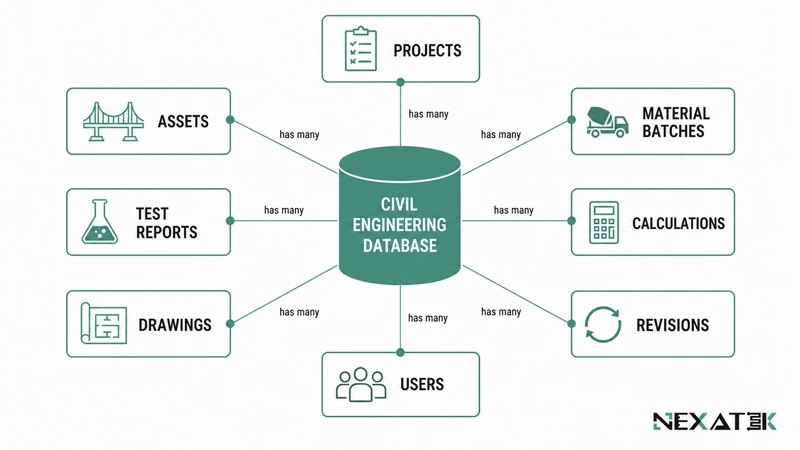 A purpose-built engineering database makes relationships between projects, assets, batches, tests, calculations, and documents explicit.
Custom database development services also define how users enter, review, and retrieve records in daily work.
Why Civil Engineering Requires Custom Databases?
Engineering data has two demanding properties. Volume grows with every project, and old records keep their value: a soil investigation from 2015 can still drive a foundation review in 2026. Generic tools store the files but not the relationships between them, and that gap surfaces during design changes and handovers. Civil engineering data management therefore depends on structure as much as on storage.
Fragmented Engineering Data and Documentation
Records typically sit in spreadsheets, email threads, shared drives, and personal folders. Each location holds valid data. The combination offers no single source of truth, so engineers spend hours reconciling competing versions of the same record.
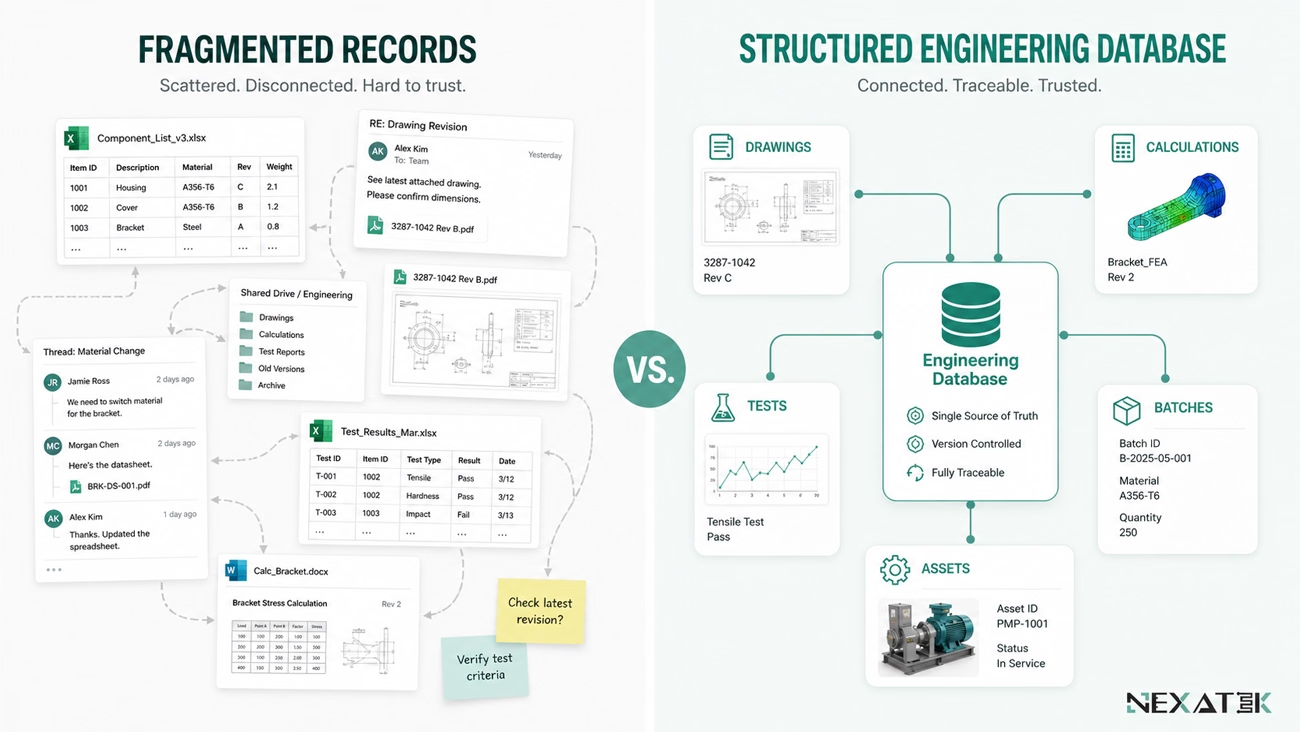 Fragmented storage separates drawings, calculations, test records, and emails, while a structured database connects them through defined relationships.
Fragmentation produces specific failures. One drawing reaches revision C while its supporting calculation note remains at revision A. A test certificate gets filed without any link to its batch number or sampling location. Structured engineering data closes these gaps by making relationships mandatory instead of optional.
Project-Based and Long-Lifecycle Data Needs
Every asset moves through design, procurement, construction, and operation, and its records must survive each transition. Data requirements shift between phases. Early decisions stay binding decades later. File-based archives treat each phase as a fresh start, which is precisely where context disappears.
Handover is the classic failure point. When a construction team receives design records without revision history or clear ownership, questions appear that the documents can no longer answer. A custom database development company structures records so each phase inherits full context, across an asset life of 50 years or more.
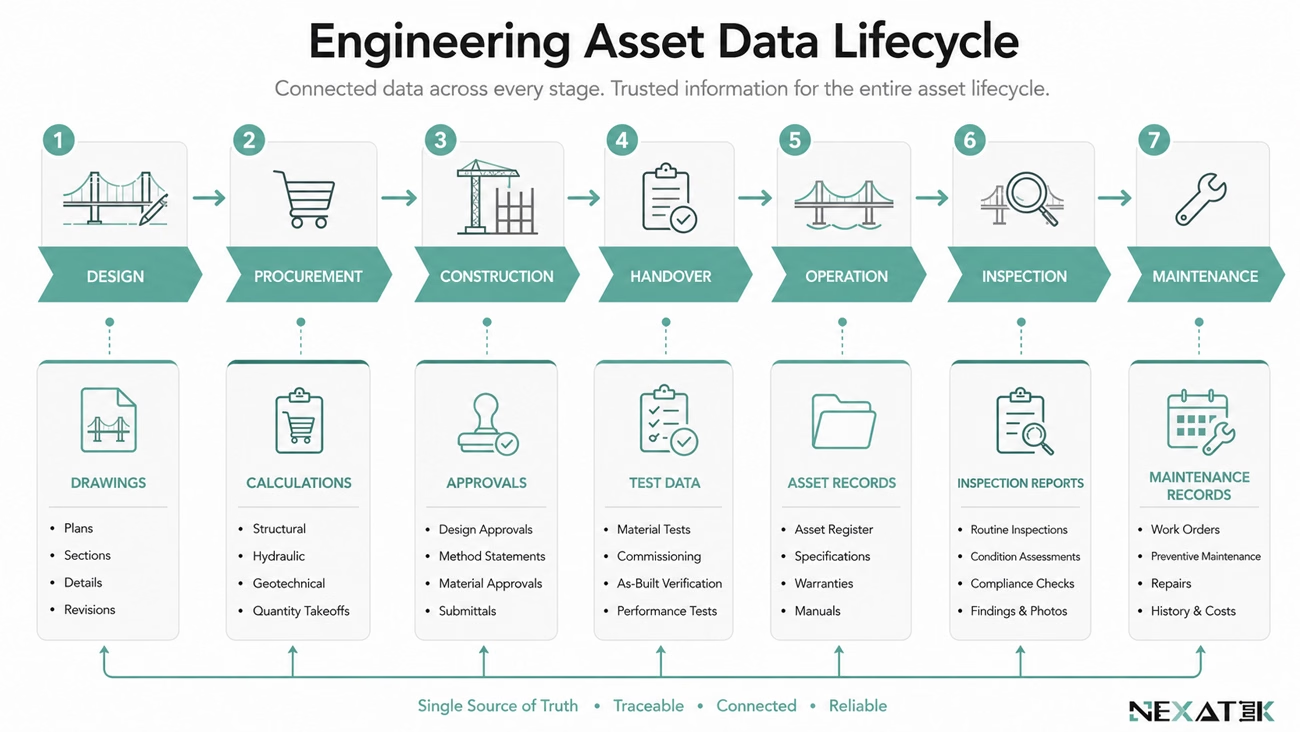 Engineering records need to remain connected from design and procurement through construction, handover, operation, inspection, and maintenance.
Types of Data Managed in Civil Engineering Databases
Four data categories cover most of what civil engineering organizations manage. Keeping them in one repository is the central argument for custom database software development, because the categories constantly reference each other.
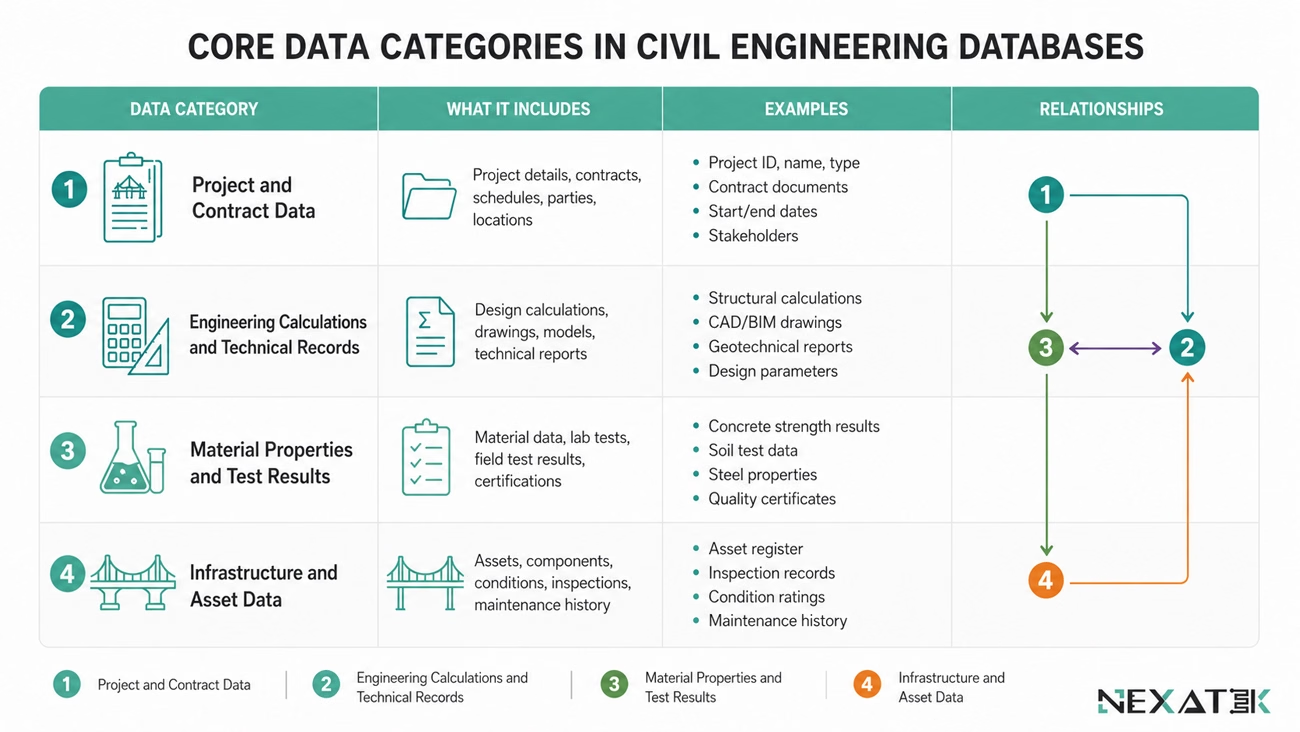 This table shows the main engineering data categories and how they connect inside a structured database.
Project and Contract Data
Project identifiers, work packages, contract scope items, deliverables, key dates, and responsibility matrices form the backbone for every other record. In spreadsheet-based setups, the same package code gets retyped in twenty files, and a single renaming breaks the set.
A database holds one core record per project. Each technical record then points back to the relevant package, so reporting across departments draws on identical project data.
Engineering Calculations and Technical Records
Calculation notes carry the assumptions and parameter sets that later design stages depend on. A pile capacity check revised in week 12 can invalidate a drawing approved in week 9. The database stores calculation metadata together with revision status and links to each affected drawing.
Analysis itself stays in dedicated tools, including online calculators used for routine checks. The database only records which calculation version supports which approved output. During a design audit, the real question is which revision was valid on the approval date.
Material Properties and Test Results
Material and test data storage covers mix designs, supplier batches, sampling locations, and laboratory results such as 28-day compressive strength values. Mixed file formats block comparison across projects. One structured table changes that: every result links to a batch number, a test method, a sampling date, and a responsible party.
Engineers then retrieve comparable records without decoding file names. Trend analysis across production runs becomes a query instead of a week of manual consolidation.
Infrastructure and Asset Data
Asset data runs on a longer clock than project data. A culvert built in 2026 may sit on a six-year inspection cycle until 2080. Infrastructure data systems hold asset registers, inspection reports, condition observations, and maintenance records on that timeline.
Each asset links back to the design and construction records that produced it. Continuity between project delivery and operation depends on exactly this connection, which file archives rarely preserve.
Custom Databases vs. Generic Data Storage Tools
The practical comparison is not between database products. It is between a purpose-built data model and the spreadsheet-plus-shared-drive setup most engineering teams already run. Differences appear under project pressure, not in a quiet demonstration.
Limitations of Spreadsheets and Shared Drives
Spreadsheets are flexible, and that flexibility is the risk. Nothing in a spreadsheet enforces the link between a test result and its batch or revision context. A copy named final_v3 travels through four departments by email, and every copy diverges.
Shared drives show a parallel weakness: they manage documents, never the structured data inside them. Scale magnifies both problems. A test register that worked at 500 rows behaves differently at 50,000, and naming conventions drift as soon as a second team starts filing.
Benefits of Purpose-Built Engineering Databases
Custom database solutions define entities and relationships up front. Identifiers such as project codes and batch numbers become required fields, so two departments cannot describe one record in two different ways. Retrieval works by attribute: location, test type, revision status, or asset ID.
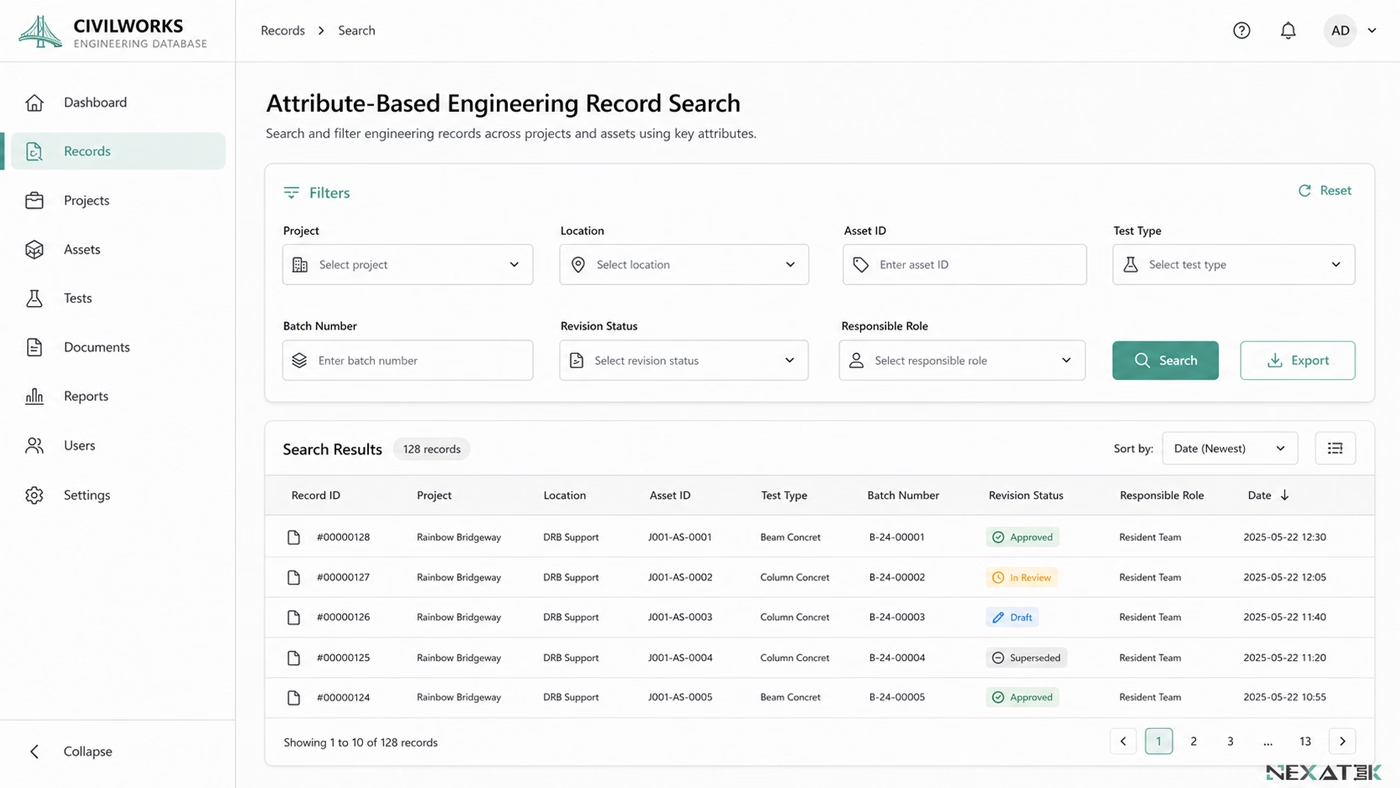 Attribute-based search lets engineers retrieve records by project, location, asset ID, test type, batch number, or revision status.
Growth also stays manageable. Custom database development for civil engineering anticipates new categories and fields, so the model extends without breaking existing records. The same structured layer can later feed custom engineering software built on the database.
Database Design Principles for Engineering Workflows
Sound engineering database development starts from how teams create and revise records, then derives the structure from that behavior. The three principles below stay at design level, not implementation. Each one also prepares the ground for later workflow automation in civil engineering, because automated processes need predictable data.
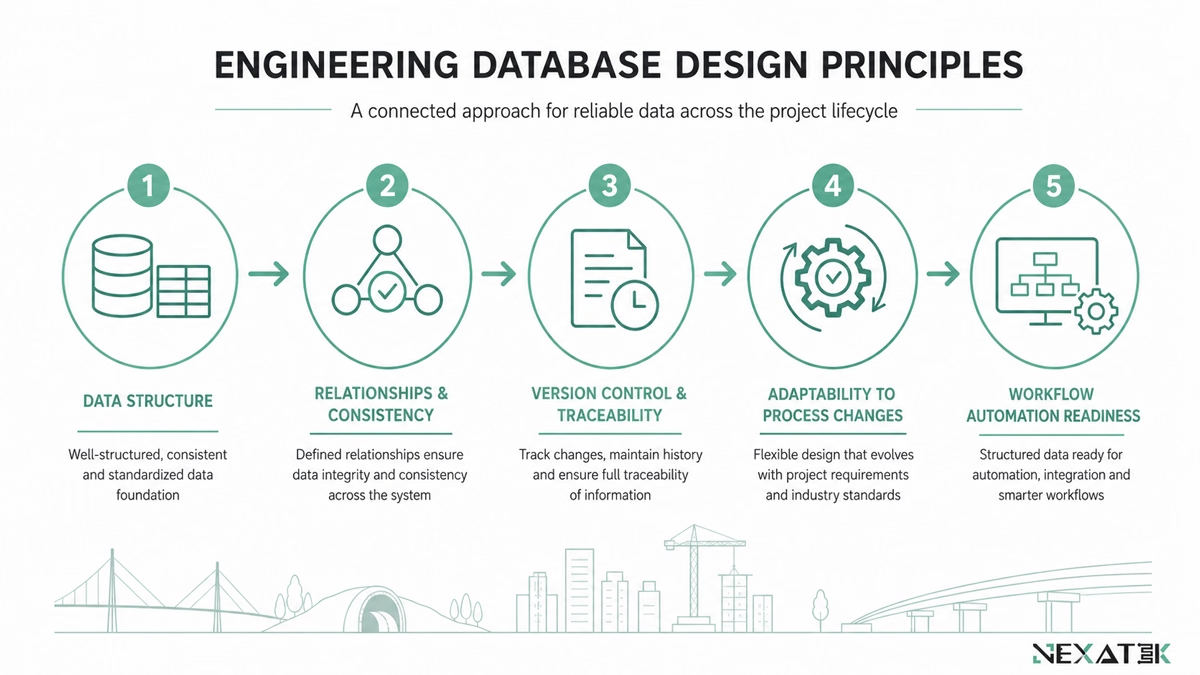 Strong engineering database design connects data structure, consistency, traceability, and adaptability before automation is introduced.
Data Structure, Relationships, and Consistency
Engineering records form chains. A drawing relates to a calculation note, the note to a design version, the version to a contract package. The design must state these relationships explicitly instead of leaving them implied by folder paths.
Consistent identifiers carry that structure. Project codes, document numbers, asset IDs, and batch numbers follow one convention across all projects, and the system checks whether a record already exists before accepting a duplicate.
Version Control and Data Traceability
Revisions are not a document problem alone. Assumptions, parameter sets, material data, and test records change as well. Each record therefore carries a revision status plus a review history with responsible roles and timestamps.
Traceability means the database can answer one precise question: which value was current on the date a design was approved. Technical data repositories that store only the latest state cannot answer it, and audits stall there.
Adaptability to Engineering Process Changes
New project types and changed documentation practices arrive sooner or later. The design question is whether a new report template forces a rebuild or an extension.
Adaptability comes from separating stable structures from variable ones. Core elements such as projects and document identifiers rarely change shape, while fields for a new test campaign change often. A model that isolates the two can grow for years without touching existing project records.
Use Cases Across Civil Engineering Organizations
Data priorities differ by organization type, even when the underlying need for structure is shared. Three patterns repeat across the industry.
Material Manufacturers and Testing Laboratories
A testing laboratory may log several hundred results per week, each needing a certificate and a batch reference. Folder-based filing absorbs that volume for a few months, then retrieval times climb.
Centralized material and test data storage links every result to its specification and supports comparison across production runs. A query by batch number returns the full test history in seconds rather than an afternoon of searching.
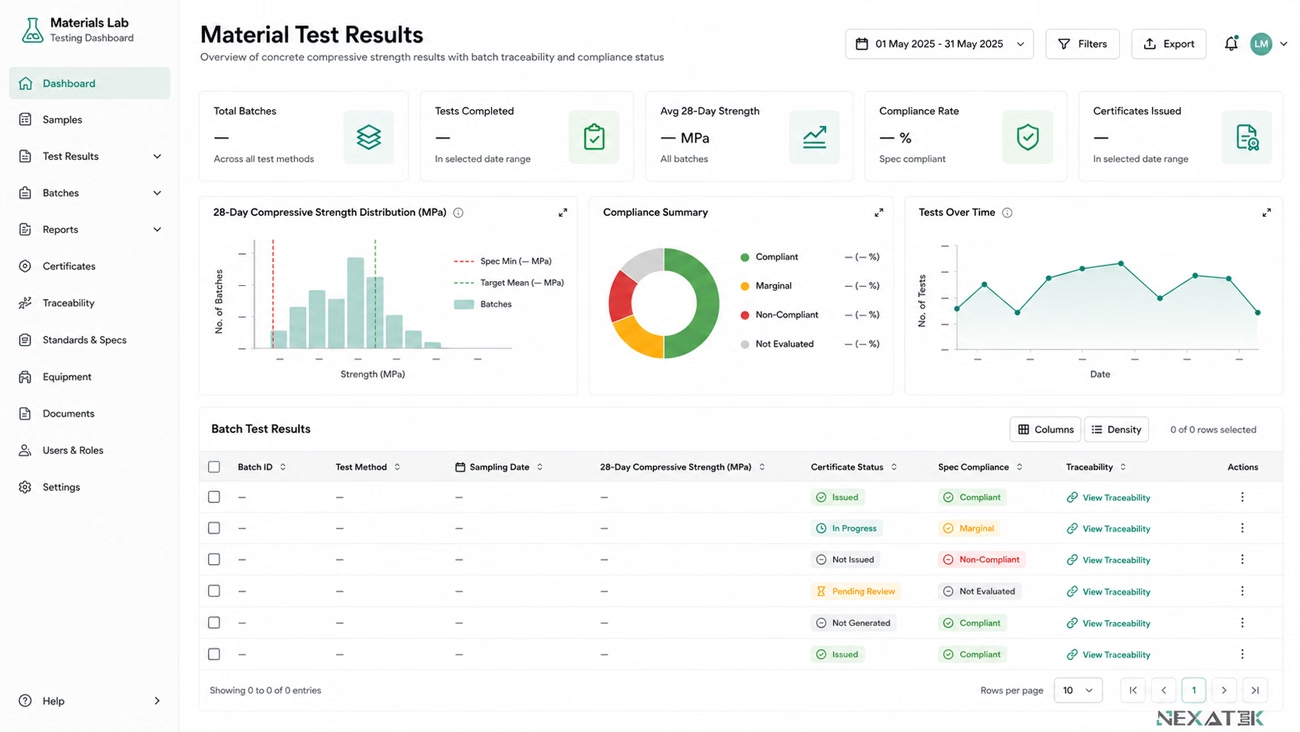 A material testing dashboard can show batch references, specifications, test results, certificates, and traceability status in one view.
Construction and Infrastructure Contractors
Contractors work under constant change. Design revisions during construction raise one urgent question on site: which drawing applies today.
Custom databases for construction projects connect drawings, site instructions, test records, and approval history as one set of project records. Retrieval by location or work package matters most when the question arrives from site at 7 a.m.
Engineering and Consulting Firms
Consulting firms repeat themselves across projects. A settlement calculation method used in 2024 returns in 2026 on a different project with a different team. Structured technical records turn that repetition into reuse instead of rework.
Version control supports internal review, and project information management stops depending on one senior engineer's personal folders. NEXATEK shapes these database structures around observed consulting workflows rather than a generic template.