
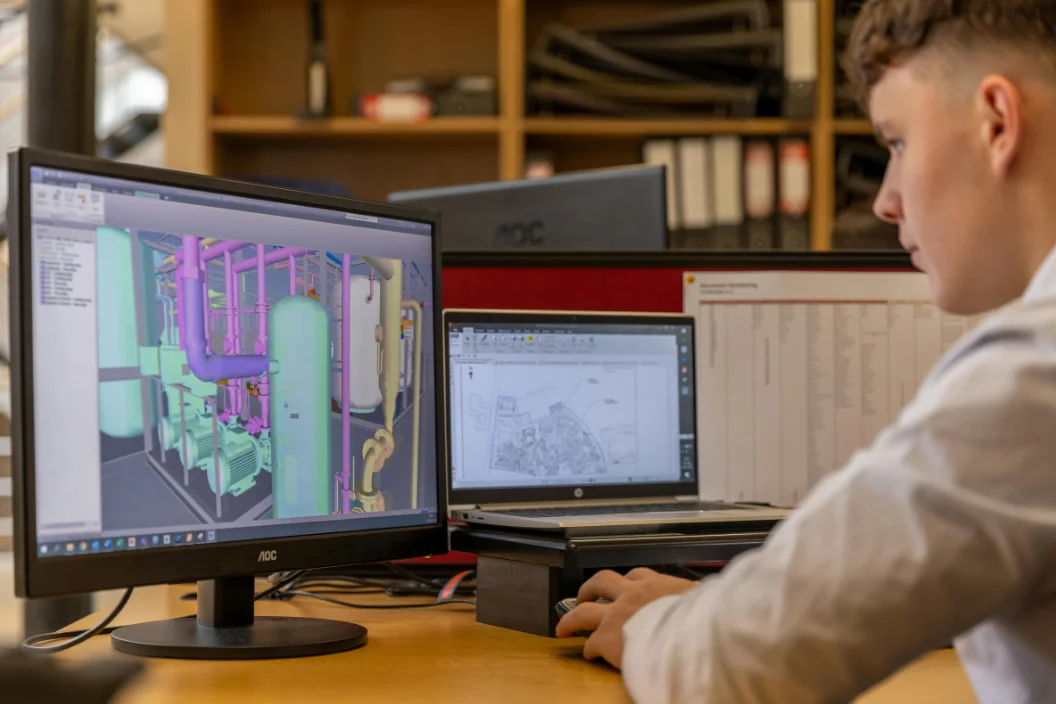
Custom Software Development for Civil Engineering
Custom software that support your design and calculation, engineering workflows, data structures, and project delivery and reporting. NEXATEK develops custom software that connects engineering data, internal processes, and decision paths from concept to detailed design.
Online Software and Calculators

Workflow & Process Optimization

Data Management & Integration

Similar Projects
Discover more innovative projects:




Great
Solutions
Start With A ConversationGreat Solutions Start With A Conversation
Want to Explore How Our Services Can Grow Your Company?
Custom Software Development for Civil Engineering
A retaining wall project produces calculations, drawings, review comments, and approval records for years, sometimes decades. Custom software development for civil engineering builds digital systems around that reality rather than pressing engineering work into a generic platform. NEXATEK works as a construction software development company that turns engineering processes into structured digital systems.
Most commercial packages encode the standard methods found in codes and guidelines. Engineering practice often runs ahead of both: many solutions are product-based or rest on the current state of the art. Capturing these specialized methods in tailored tools is a central part of digital transformation in civil engineering. The emphasis falls on workflow clarity and long-term adaptability, not on feature count.
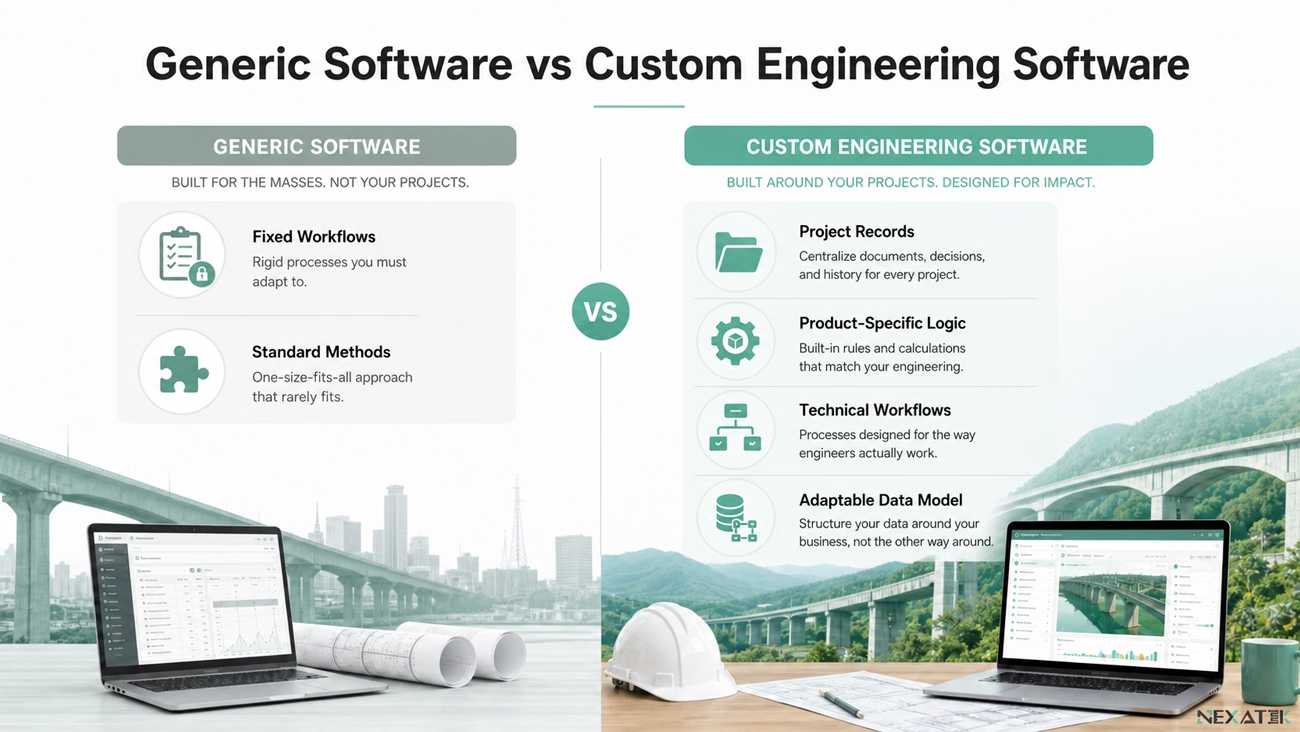 Custom software gives engineering teams room to model product-specific methods, project records, and technical workflows that generic platforms usually simplify.
What Is Custom Software Development in Civil Engineering?
Custom software development in civil engineering is the design and implementation of systems built around specific engineering tasks and project requirements. Engineering logic sits inside the system itself. Data fields, process steps, user roles, and report templates mirror real project activities such as design reviews and technical submittals.
Many of these systems work as engineering information systems. One environment connects technical data, documents, decisions, and responsibilities. An engineer checking a settlement reading sees the borehole log behind it and the design assumption it tests.
Building such systems takes two kinds of knowledge at once. NEXATEK staffs each project with civil engineers and software developers working as a single team, so the data model reflects how the engineering actually works.
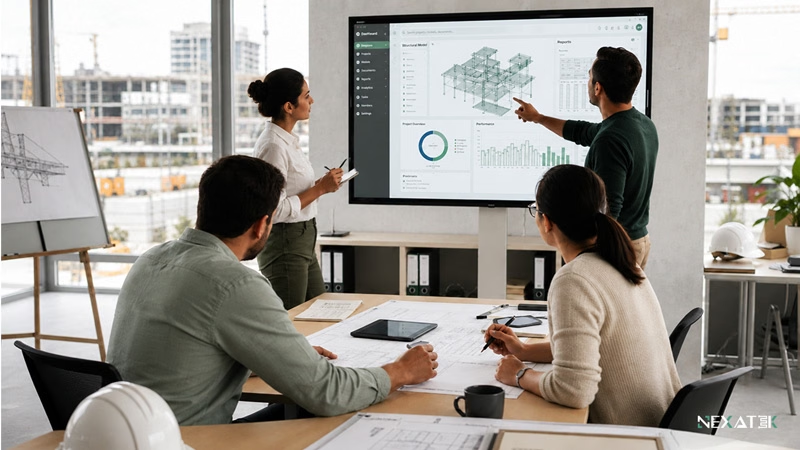
Why Civil Engineering Requires Custom Software Solutions?
Generic ERP and project management platforms were designed for transactional businesses. Civil engineering runs on long project lifecycles and heavy documentation, with technical dependencies that shift as the design matures. Custom software development for civil engineering shapes the system around these constraints rather than around a vendor's assumptions.
Complexity of Engineering Processes
Design is iterative. A revised soil parameter can invalidate a foundation calculation, which then forces changes in reinforcement drawings and quantity takeoffs. Software in this environment must track revisions, dependencies, validation status, and the links between them without breaking data continuity. Fixed-workflow platforms compress these chains into linear steps, and engineering intent gets lost in the compression.
Custom development solutions let process logic follow the actual design sequence. Calculation modules and approval gates align with the method in use, and technical intent survives project changes.
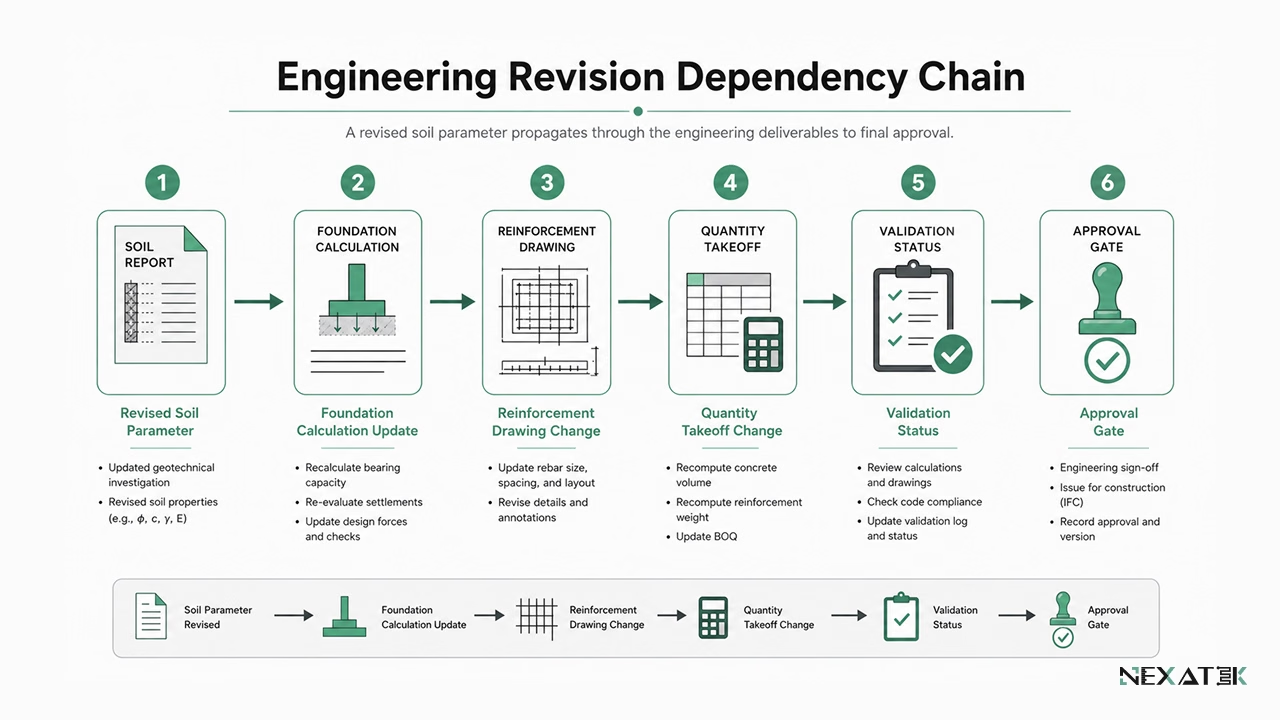 A workflow visual can show how one technical change moves through calculations, drawings, quantities, and approval gates.
Project-Centric and Documentation-Heavy Workflows
Civil engineering work is organized around projects, not transactions. A single infrastructure project can generate thousands of drawings, calculation reports, correspondence items, and meeting minutes across five or more years. Off-the-shelf tools treat these documents as attachments.
Custom systems treat them as core data objects, with version control and contextual links, which is the basis for practical construction workflow automation. Retrieval matters as much as storage: an engineer searching for the approved drainage calculation should not need to know which folder a colleague used in 2019.
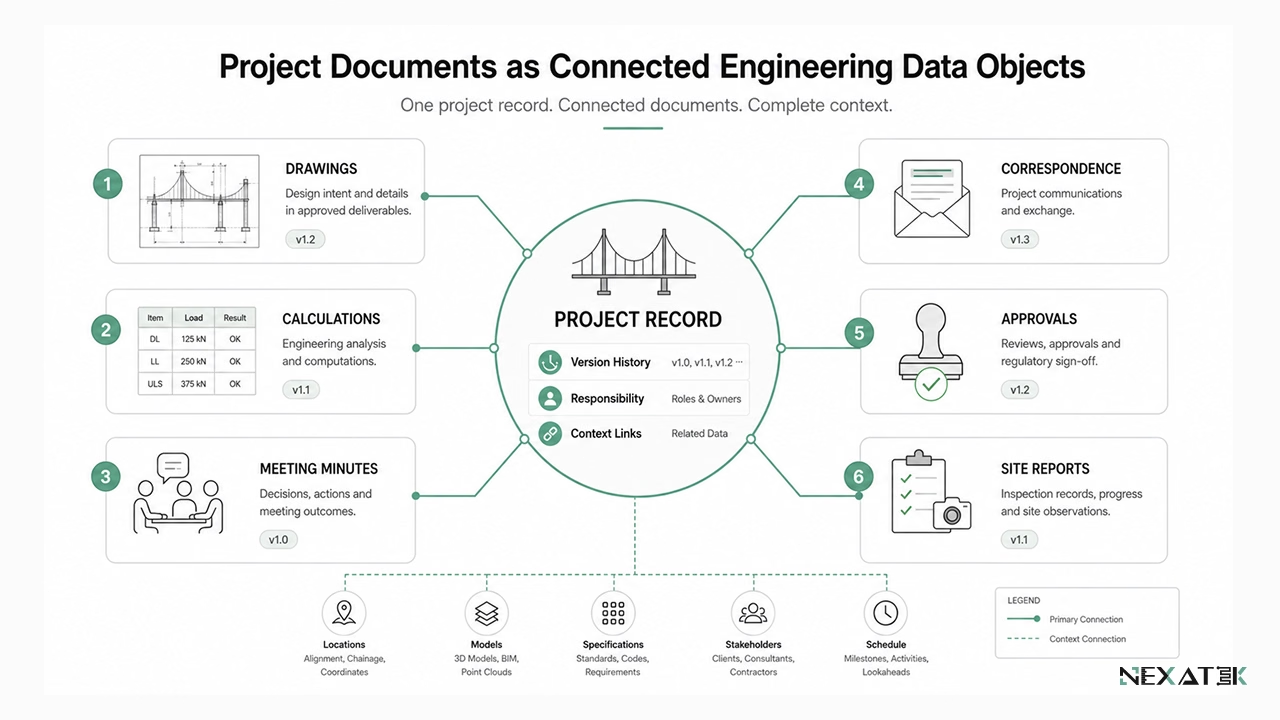 Treating documents as structured data objects helps teams preserve context, versions, approvals, and responsibility over long project lifecycles.
Types of Custom Software Used in Civil Engineering
Four system types appear most often in civil engineering organizations. Each one supports project-based work from a different angle.
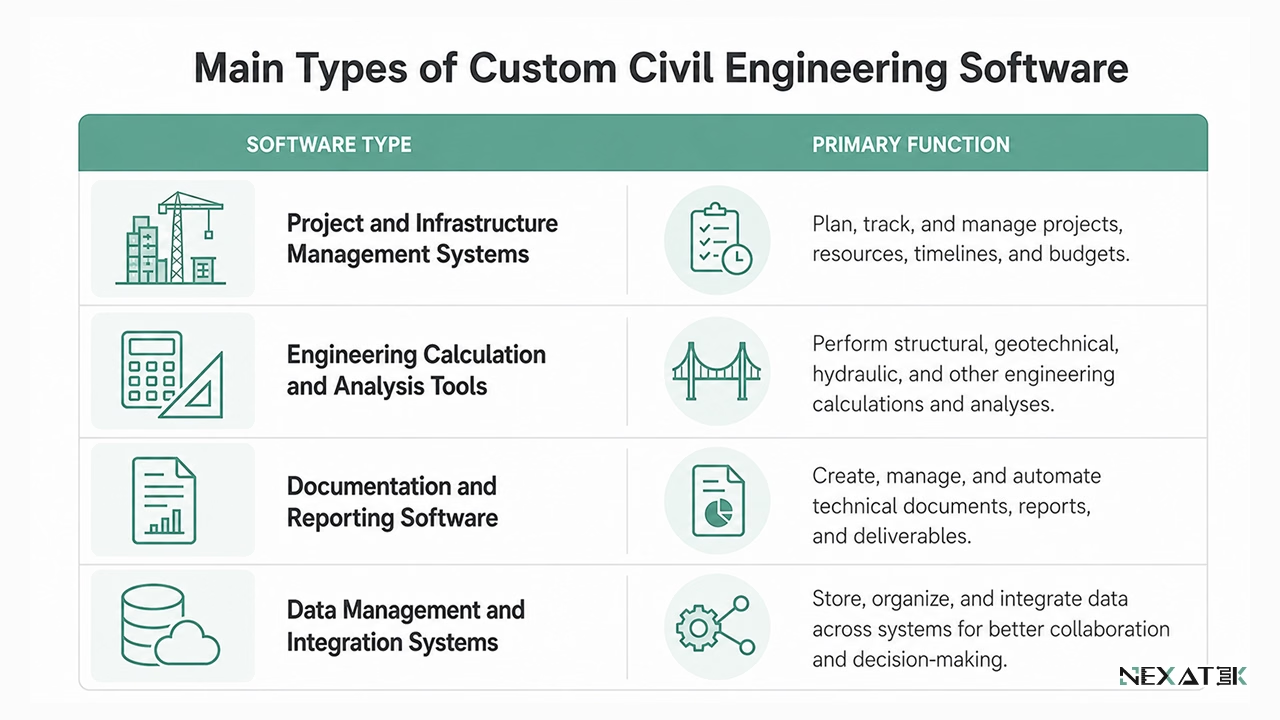 The four software types can be presented as a scannable visual table that connects each system type to the engineering work it supports.
Project and Infrastructure Management Systems
Schedules and budgets are only part of the picture. Engineering projects also move through design milestones, technical submittals, approvals, and site feedback, and managers need all four in one consistent view. Custom project-based software systems place planning data next to technical deliverables.
A delayed soil report then becomes visible beside the foundation design task it blocks. Dashboards aggregate progress per work package, so a manager sees which submittals are overdue before the weekly meeting.
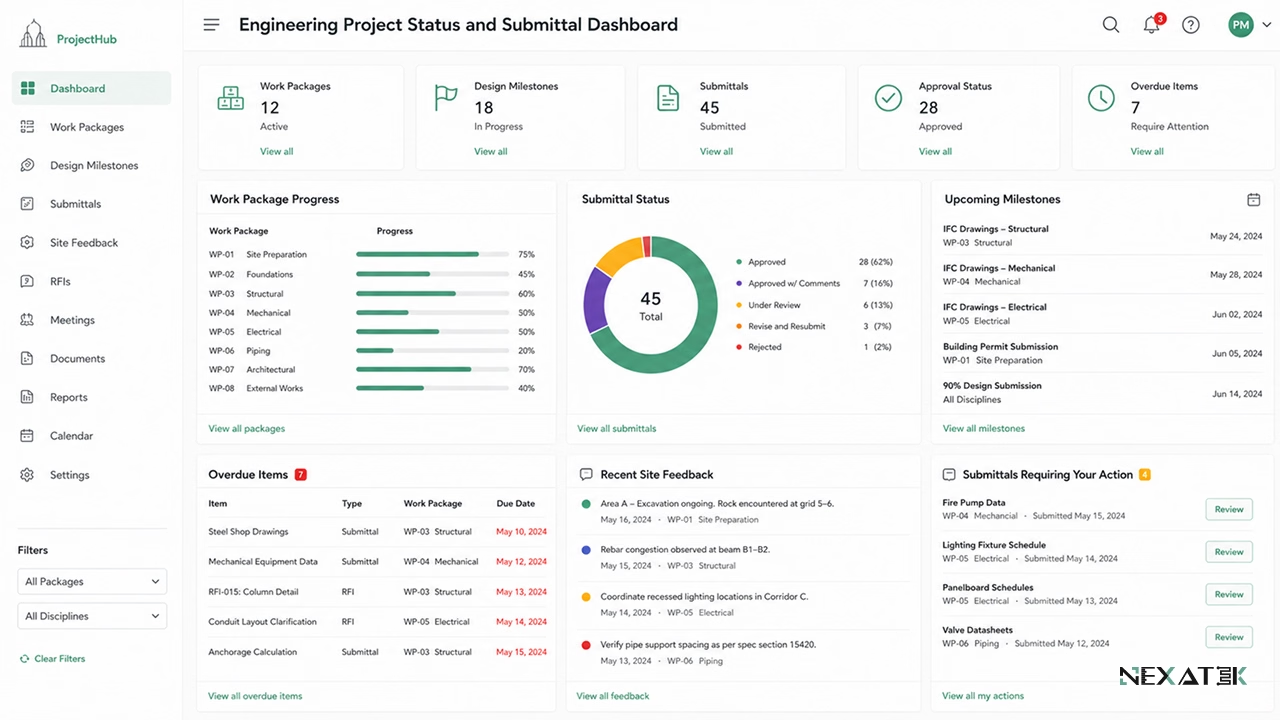 A custom project dashboard can connect schedules, technical deliverables, overdue submittals, approvals, and site feedback in one management view.
Engineering Calculation and Analysis Tools
Spreadsheets dominate engineering calculation work, and they fail quietly. A copied formula with a shifted cell reference can sit inside a load calculation for months. Custom calculation tools place that logic in controlled, versioned modules and store assumptions, input parameters, intermediate values, and results in structured form.
Engineers can trace how a parameter change propagates through the calculation history. The same discipline applies to civil engineering simulation software, where input sets and result files stay linked to the design revision they belong to. Light, repetitive checks often run in the browser as online engineering calculators.
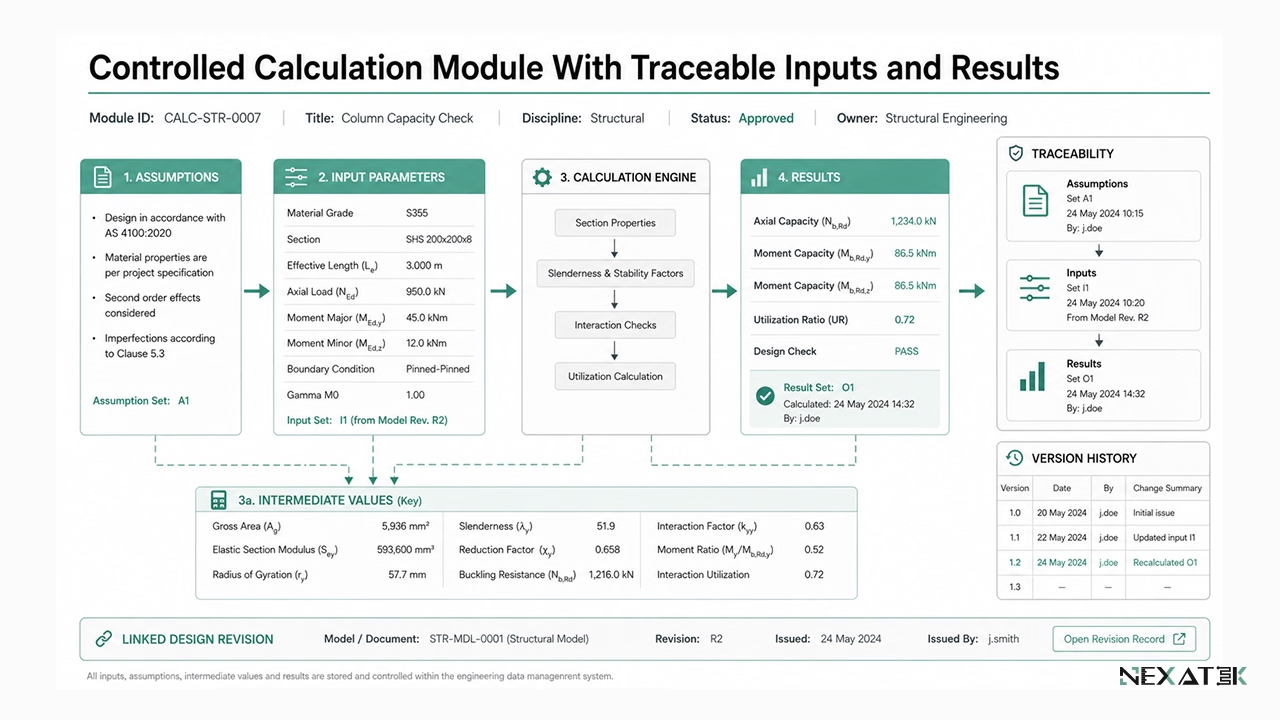 Controlled calculation modules make assumptions, inputs, intermediate values, results, and revisions easier to audit than disconnected spreadsheets.
Documentation and Reporting Software
Technical reports and specifications follow defined structures and approval chains. Custom documentation software manages the templates, revision histories, numbering rules, and approval routes behind them. Engineers spend their hours on content, not on formatting.
One concrete gain: a geotechnical report that pulls laboratory results straight from the project database removes a transcription step and the typing errors that come with it. Approval routing also leaves an audit trail, so the question of who released revision C has a recorded answer.
Data Management and Integration Systems
Surveys, laboratories, monitoring instruments, and site crews all produce data in different formats. Connecting these streams into one coherent project record is the core task of custom database development.
Integrated records support engineering process automation because data moves between systems without manual transfer. An inclinometer reading logged on site reaches the monitoring dashboard without being retyped. Laboratory results follow the same path: a compaction test entered once serves both the daily report and the final quality dossier.
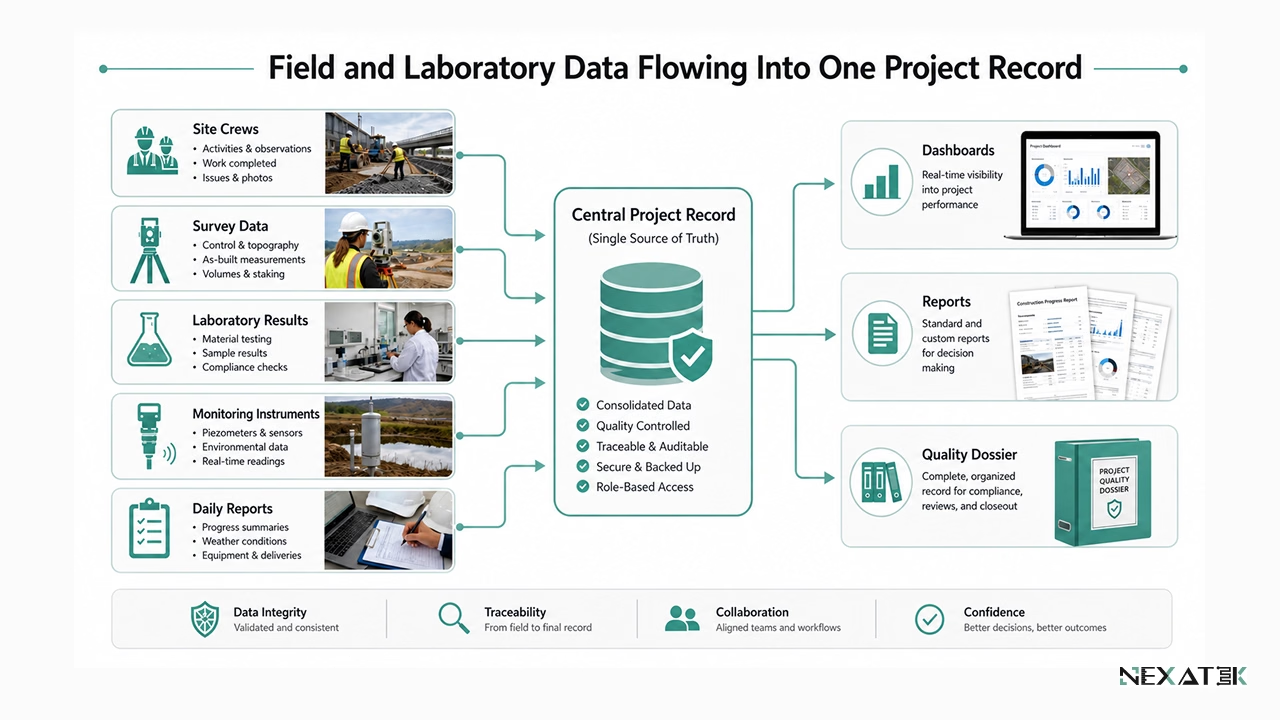 A data-flow visual can show how site readings, laboratory tests, monitoring data, and daily reports move into one shared engineering record.
Custom Software vs. Off-the-Shelf Engineering Tools
The choice between custom and packaged tools is a question of trade-offs, not preference. Project context and the organization's digital maturity decide which constraints matter most.
Limitations of Generic Software Platforms
Broad applicability is the design goal of every generic platform. Fixed workflows and simplified data structures follow from that goal. Engineering teams then bend their processes to fit the tool, and the gaps fill up with spreadsheets and email chains. Every parallel workaround hides information and adds risk.
Product-specific design is a typical gap. Most packages cannot represent the full material characteristics of a manufacturer's product, so engineers fall back on conservative generic assumptions.
Advantages of Software Built for Engineering Needs
Purpose-built systems model technical relationships instead of administrative categories. Process steps follow design logic rather than predefined templates. Workarounds shrink because the system supports the method engineers already use, and the data model can grow as new project types appear.
A custom system evolves when the engineering practice evolves. Packaged tools wait for the vendor's release cycle. Maintainability follows the same logic: a data model that matches the engineering domain absorbs new requirements with less rework than a configuration layered over a generic core.
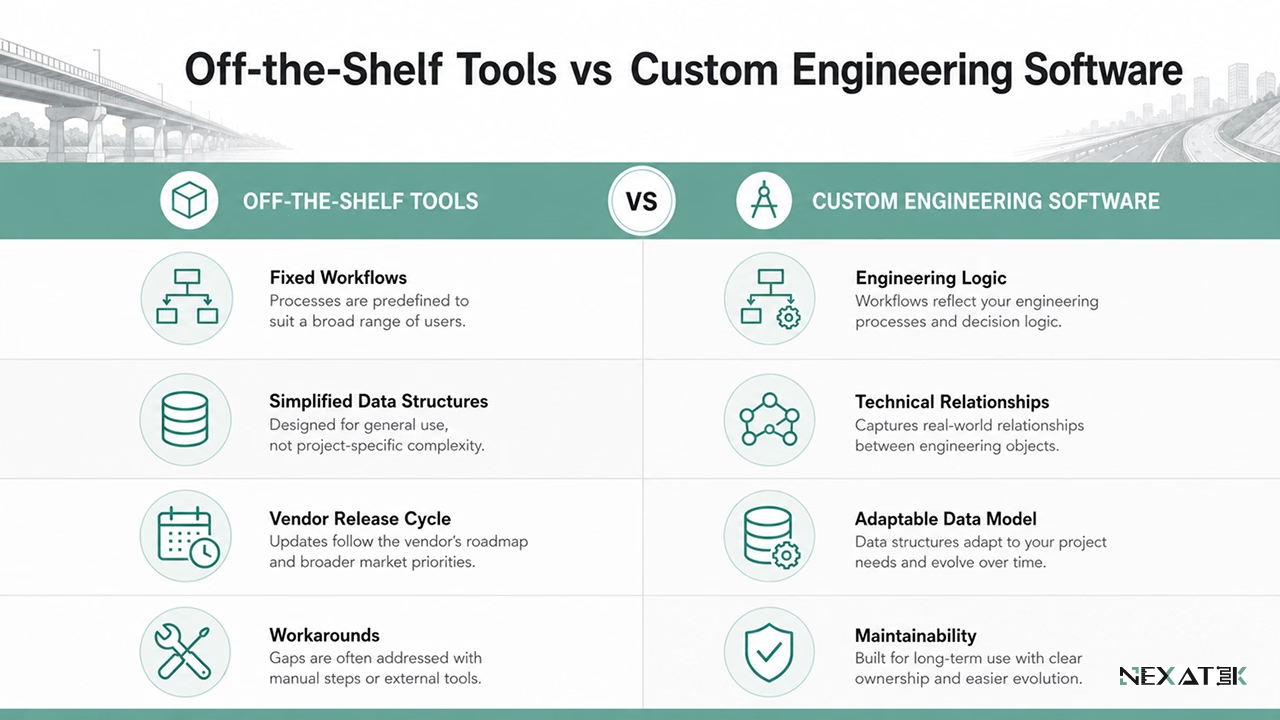 The comparison should show the trade-off between fast generic setup and deeper alignment with engineering logic, data relationships, and future adaptability.
Software Development Aligned with Engineering Workflows
At NEXATEK, civil engineering software development starts with process understanding, not with a technology stack. The architecture question comes second. System requirements come from what a team does each day and from the artifacts it produces, such as the site diary or the bill of quantities.
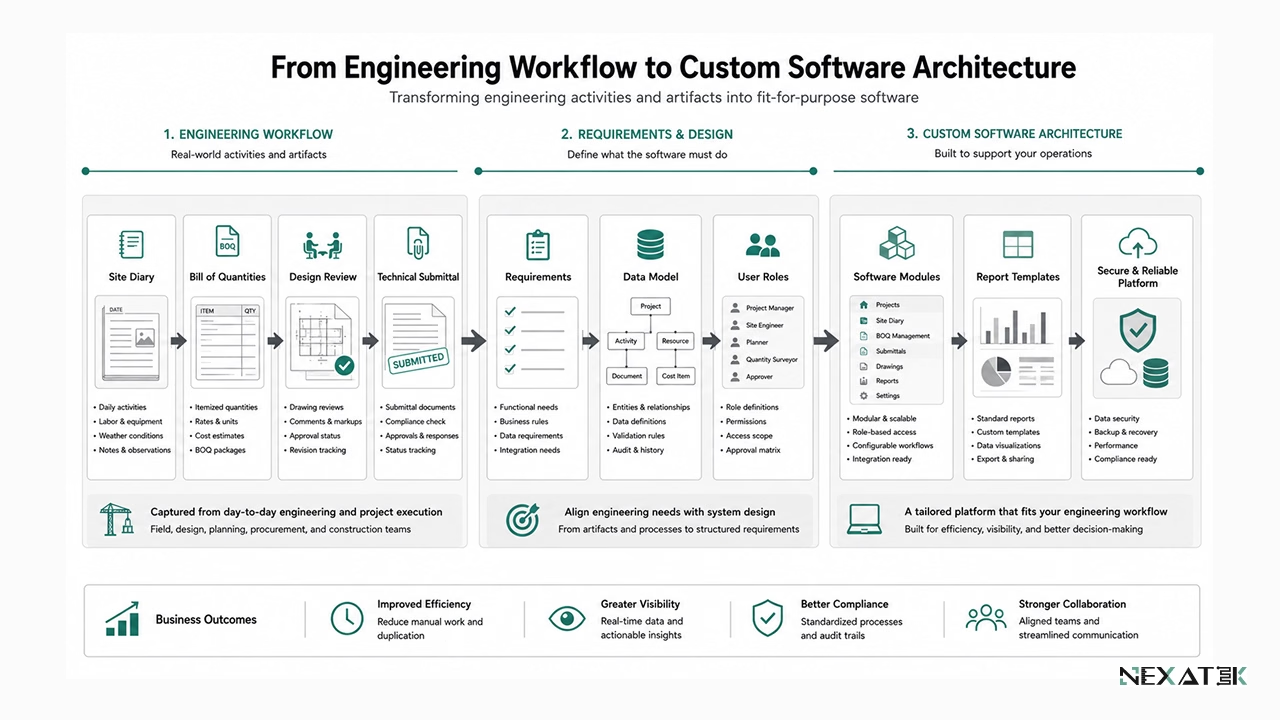 A process map can clarify how daily engineering activities become requirements, data structures, user roles, modules, and reports.
Adapting Software to Existing Engineering Practices
Working methods grow over years and usually survive for good reasons. Successful custom software maps these existing workflows into structured digital processes instead of replacing them all at once. An engineer who has filled in a paper site diary for a decade should recognize its digital successor at first glance.
Familiar concepts lower the adoption barrier for teams with limited digital maturity. Technical workflow digitization can then proceed in stages, one process at a time.
Supporting Multi-Disciplinary Engineering Teams
Structural, geotechnical, hydraulic, and surveying disciplines work in parallel on the same project. Forcing one uniform process across them creates friction. Custom systems define shared interfaces, such as a common project record, while each discipline keeps its own workflow.
The payoff is focus. A geotechnical engineer sees borehole data and settlement models. Structural colleagues see load cases and reinforcement schedules, drawn from the same underlying record.
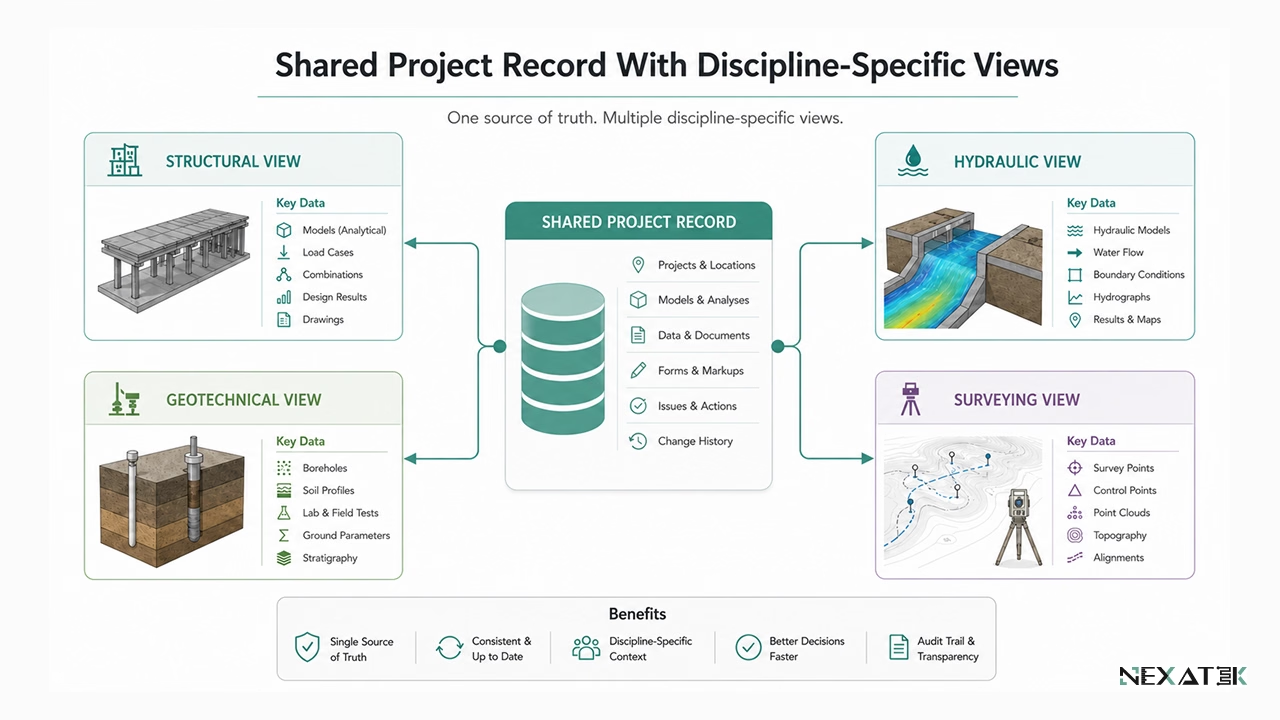 A shared project record can serve different disciplines while preserving the workflows, data, and technical views each team needs.
Use Cases Across Civil Engineering Organizations
Requirements differ sharply by organization type. A manufacturer needs product traceability, while a contractor needs fast field input. Three common contexts show the spread.
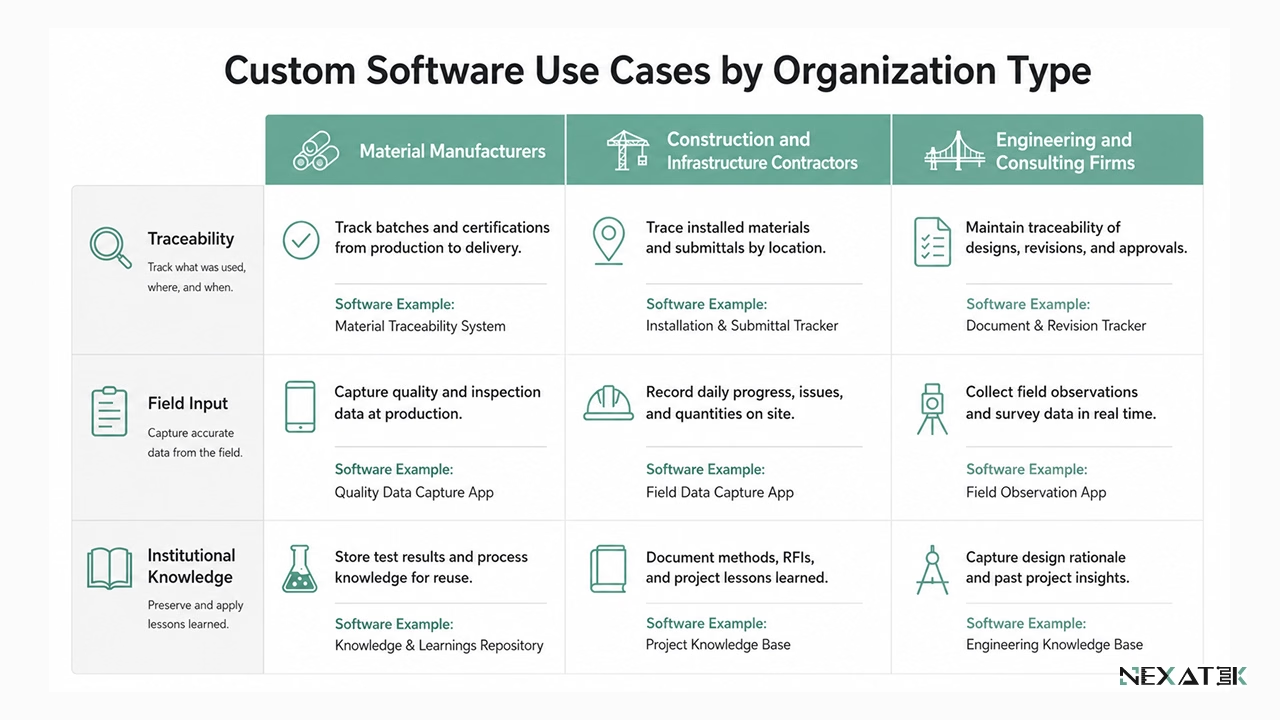 A use-case visual can help readers quickly connect the article examples to manufacturers, contractors, and consulting firms.
Material Manufacturers and Engineering Production
Manufacturers sit between laboratory data and project requirements. Tailored systems connect test results, production records, and delivery data, so traceability runs from material properties to project use. A geosynthetics producer, for example, can link each delivered roll to its production batch and to the design calculation that specified it.
Design tools built around the manufacturer's own product data go a step further. Measured characteristics replace the conservative generic assumptions that standard packages force.
Construction and Infrastructure Contractors
Site teams generate data faster than office systems absorb it. Daily reports, submittals, and progress photos arrive from several crews at once. Construction software development in this context centers on the link between field input and design information, often through mobile field data collection tools.
When site conditions deviate from the drawings, the deviation flows into the engineering record instead of staying in a foreman's notebook. Usability on site decides whether construction technology solutions survive their first month.
Engineering and Consulting Firms
Consulting firms run many projects with different scopes and standards at the same time. Custom engineering software solutions give them internal consistency while leaving room for project-specific adaptation. Systems that record design approaches and lessons learned turn scattered experience into structured institutional knowledge.
A team reusing a culvert design concept finds the original assumptions rather than reconstructing them from old PDFs.