

Maßgeschneiderte Datenbankentwicklung
Maßgeschneiderte Datenbankentwicklung für das Bauingenieurwesen schafft strukturierte Datensysteme für Projekte, Dokumente, Materialien und Anlagenprotokolle.
Grundlage technischer Daten

Dokumentation und Verwaltung technischer Aufzeichnungen

Projekt- und Materialdatenmanagement

Integration und langfristige Wartbarkeit

Ähnliche Projekte
Entdecken Sie weitere innovative Projekte:





Großartige
Lösungen
beginnen mit einem GesprächGroßartige Lösungen beginnen mit einem Gespräch
Möchten Sie herausfinden, wie unsere Dienstleistungen Ihr Unternehmen voranbringen können?
Individuelle Datenbankentwicklung für das Bauingenieurwesen: Strukturierte Datensysteme für Bau- und Infrastrukturprojekte
Die Planungsunterlagen einer Brücke können die Ingenieure überdauern, die sie verfasst haben. Eine individuelle Datenbankentwicklung für das Bauingenieurwesen überführt Zeichnungen, statische Berechnungen, Materialprüfzeugnisse und Bauwerksakten in vernetzte, strukturierte Datenbestände statt in isolierte Dateisammlungen. Strukturierte Datensätze bilden zudem das unverzichtbare Fundament für die digitale Transformation im Bauingenieurwesen, die ohne konsistente Datenstrukturen rasch zum Stillstand kommt.
Reine Datenspeicherung ist nur ein Teil der Aufgabe: Ein Datenbankmanagementsystem im Ingenieurbau fungiert als technisches Daten-Repository, in dem Projekte, Materialchargen, Prüfberichte und bauliche Anlagen als klar definierte Entitäten mit expliziten Beziehungen zueinander existieren. NEXATEK richtet diese Systeme präzise an der täglichen Ingenieurpraxis aus – mit fest im Datenmodell verankerten Datenverantwortlichkeiten und lückenlosen Prüfhistorien.

Individuelle Datenbankentwicklung unterstützt Ingenieurteams dabei, Projektdaten, Prüfhistorien und technische Nachweise in einer strukturierten Umgebung zu verbinden.
Was bedeutet individuelle Datenbankentwicklung im Bauingenieurwesen?
Individuelle Datenbankentwicklung im Bauingenieurwesen bedeutet, eine Datenbankarchitektur zu entwerfen, die reale ingenieurtechnische Abläufe exakt abbildet. Entitäten wie Projekte, Bauwerke, Materialchargen, Prüfprotokolle und statische Berechnungen werden mit ihren gegenseitigen Abhängigkeiten relational verknüpft. Wird ein Chargenprotokoll revidiert, schlägt sich diese Änderung transparent in jedem zugehörigen Prüfergebnis nieder.
Der Unterschied zu einer herkömmlichen Unternehmensdatenbank liegt im Datenmodell: Ein einzelnes Projekt kann mit vier Vergabepaketen, zwei Planungsständen, einem Baugrundgutachten und vierzig Prüfserien verknüpft sein. Eine maßgeschneiderte Ingenieurdatenbank bildet diese Verknüpfungen direkt ab, sodass niemand mehr manuelle Verweise über Ordnerpfade und Dateinamen pflegen muss.
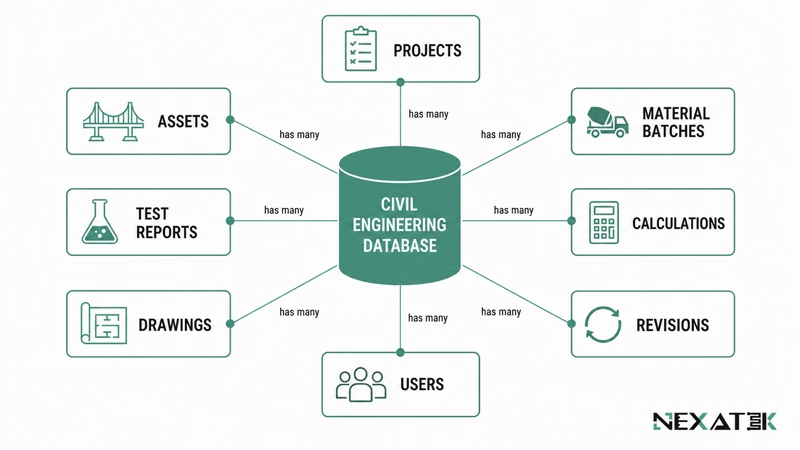 Eine maßgeschneiderte Ingenieurdatenbank stellt Beziehungen zwischen Projekten, Bauwerken, Chargen, Prüfungen, Berechnungen und Plänen transparent dar.
Dienstleistungen für individuelle Datenbankentwicklung definieren zudem verbindlich, wie Benutzer Datensätze in der täglichen Praxis erfassen, freigeben und abrufen.
Warum das Bauingenieurwesen maßgeschneiderte Datenbanken erfordert
Ingenieurdaten stellen zwei anspruchsvolle Anforderungen: Das Datenvolumen wächst mit jedem Vorhaben, und historische Daten behalten ihren Wert über Jahrzehnte. Ein Baugrundgutachten aus dem Jahr 2015 kann die Neubewertung einer Fundamentgründung im Jahr 2026 maßgeblich bestimmen. Standardwerkzeuge speichern zwar Dokumente, nicht aber deren funktionale Abhängigkeiten – ein Defizit, das bei Planungsänderungen und Bauwerksübergaben schlagartig zutage tritt. Datenmanagement im Bauingenieurwesen erfordert daher ebenso viel Struktur wie Speicherkapazität.
Fragmentierte Ingenieurdaten und Baudokumentation
Projektdaten verteilen sich typischerweise auf Tabellenkalkulationen, E-Mail-Verläufe, Netzlaufwerke und lokale Ordner. Jede dieser Quellen enthält gültige Teilinformationen. In der Summe fehlt jedoch eine einheitliche Datenbasis (Single Source of Truth), sodass Ingenieure viele Stunden damit verbringen, konkurrierende Dateiversionen abzugleichen.
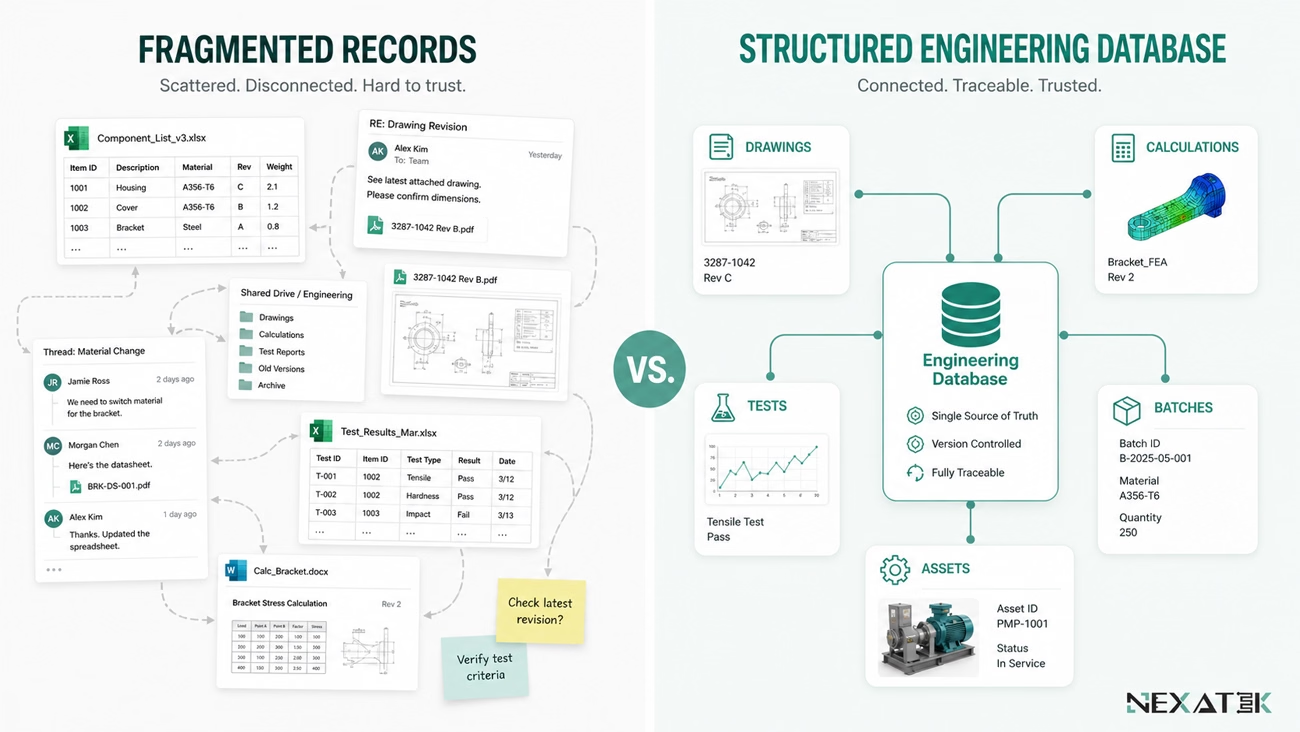 Eine fragmentierte Ablage trennt Pläne, Statiken, Prüfzeugnisse und E-Mails, während eine strukturierte Datenbank sie über definierte Beziehungen zusammenführt.
Fragmentierung führt zu handfesten Fehlern: Eine Ausführungszeichnung erreicht Revision C, während die zugrundeliegende statische Berechnung auf Revision A verharrt. Ein Prüfzeugnis wird archiviert, ohne dass der Bezug zur Chargennummer oder Einbaustelle nachvollziehbar bleibt. Strukturierte Ingenieurdaten schließen diese Lücken, indem sie Verknüpfungen obligatorisch vorschreiben statt freizustellen.
Projektbezogene Anforderungen und lange Bauwerkslebenszyklen
Jedes Bauwerk durchläuft die Phasen Entwurf, Vergabe, Bauausführung und Betrieb – und die Daten müssen jeden dieser Übergänge verlustfrei überstehen. Die Anforderungen an die Datentiefe ändern sich entlang der Phasen, doch frühe Entscheidungen bleiben über Jahrzehnte bindend. Dateibasierte Archive betrachten jede Phase isoliert, wodurch der ingenieurtechnische Kontext verloren geht.
Die Bauwerksübergabe ist die klassische Schnittstelle für Informationsverluste: Erhält das Baustellenteam Ausführungspläne ohne nachvollziehbare Revisionshistorie oder klare Verantwortlichkeiten, entstehen Fragen, die das Dokument nicht mehr beantworten kann. Ein Partner für individuelle Datenbankentwicklung strukturiert Daten so, dass der vollständige Kontext über eine Nutzungsdauer von 50 oder mehr Jahren erhalten bleibt.
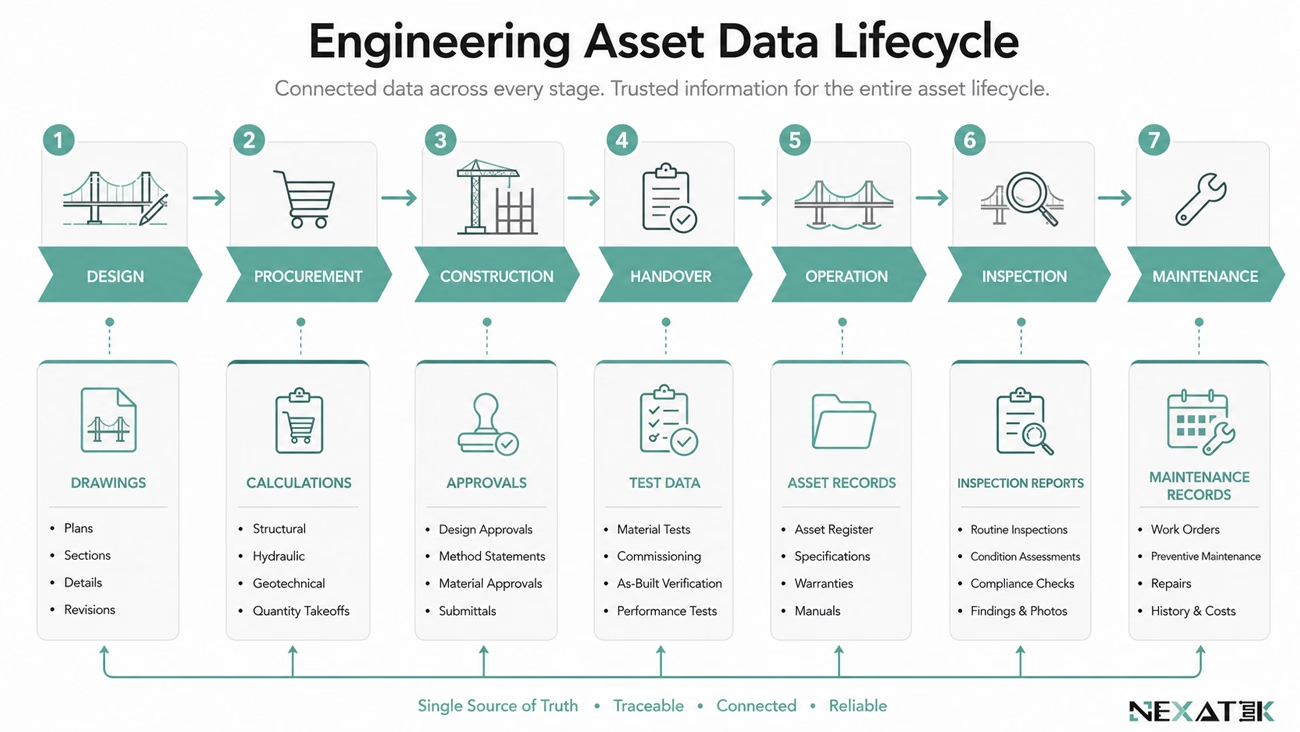 Technische Unterlagen müssen vom Entwurf über Ausschreibung, Bau, Übergabe, Betrieb und Inspektion bis zur Instandhaltung durchgängig verknüpft bleiben.
Verwaltete Datentypen in Datenbanken des Bauingenieurwesens
Vier Datenkategorien decken den Großteil dessen ab, was Ingenieurbüros und Bauunternehmen verwalten. Ihre Zusammenführung in einem zentralen System ist das Kernargument für eine maßgeschneiderte Datenbanksoftware-Entwicklung, da sich diese Bereiche kontinuierlich aufeinander beziehen.
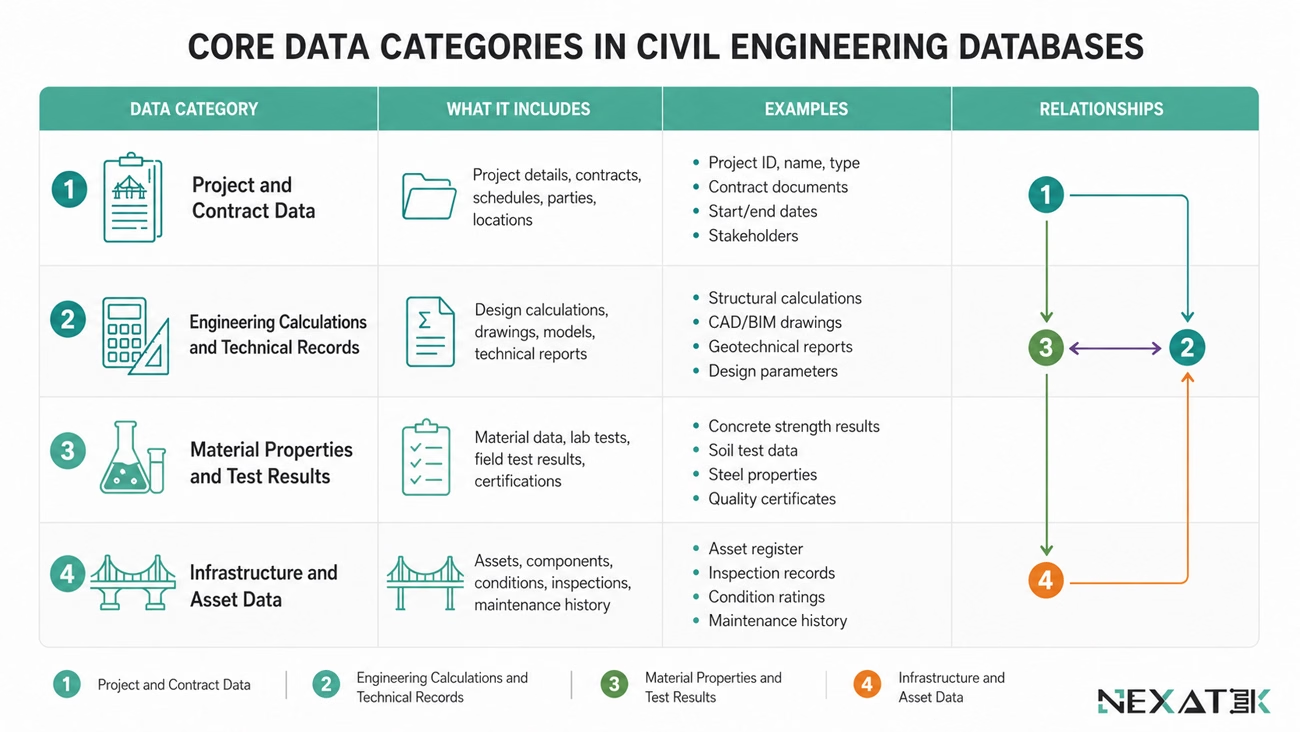 Diese Tabelle stellt die wichtigsten bautechnischen Datenkategorien und ihre Verknüpfungen innerhalb einer relationalen Datenbank dar.
Projekt- und Vertragsdaten
Projektnummern, Vergabepakete, Leistungsumfänge, Meilensteine, Terminketten und Zuständigkeitsmatrizen bilden das formale Rückgrat aller weiteren Datensätze. In tabellenbasierten Umgebungen wird derselbe Los-Code in zwanzig verschiedenen Dateien manuell eingegeben – eine einzige Umbenennung führt zum Bruch der Datenkette.
Eine Datenbank führt genau einen Stammdatensatz pro Projekt. Jeder technische Nachweis referenziert diesen Primärschlüssel, wodurch abteilungsübergreifende Auswertungen stets auf identische Projektstammdaten zurückgreifen.
Statische Berechnungen und technische Nachweise
Berechnungsunterlagen enthalten grundlegende Bemessungsannahmen und Parameter, von denen nachfolgende Planungsphasen direkt abhängen. Ein in Woche 12 geänderter Pfahltragfähigkeitsnachweis kann einen in Woche 9 freigegebenen Bewehrungsplan hinfällig machen. Die Datenbank erfasst Metadaten von Berechnungen zusammen mit ihrem Revisionsstatus und verknüpft sie direkt mit den betroffenen Ausführungszeichnungen.
Die eigentliche Bemessung verbleibt in spezialisierten Statikprogrammen oder Online-Berechnungstools für Routineprüfungen. Die Datenbank dokumentiert, welcher Berechnungsstand welchen freigegebenen Plan stützt. Bei einem Audit zählt allein der Nachweis, welcher Revisionsstand zum Freigabezeitpunkt gültig war.
Materialkennwerte und Prüfergebnisse
Die Erfassung von Material- und Prüfdaten umfasst Rezepturen, Lieferchargen, Probenahmestellen sowie Laborprüfungen wie die 28-Tage-Druckfestigkeit von Beton. Heterogene Dateiformate verhindern projektübergreifende Vergleiche. Eine relationale Tabellenstruktur ändert dies: Jeder Prüfwert wird zwingend mit Chargennummer, Prüfnorm, Probedatum und verantwortlichem Prüfer verknüpft.
Ingenieure können Kennwerte dadurch ohne Umwege über kryptische Dateinamen abrufen und vergleichen. Trendanalysen über Produktionsserien hinweg reduzieren sich von tagelanger manueller Recherche auf eine präzise Datenbankabfrage.
Bauwerks- und Bestandsdaten (Asset Management)
Bauwerksdaten unterliegen anderen Zeithorizonten als Projektdaten: Ein Durchlassbauwerk aus dem Jahr 2026 folgt oft bis 2080 einem sechsjährigen Prüfzyklus. Anlagendatenbanksysteme führen Bauwerksbücher, Prüfbefunde, Zustandsnoten und Instandhaltungshistorien entlang dieser langfristigen Zeitachse.
Jedes Bauwerk bleibt dabei dauerhaft mit den Ausführungs- und Bestandsunterlagen verknüpft, aus denen es hervorgegangen ist. Diese Kontinuität zwischen Errichtung und Erhaltung geht in konventionellen Dateiarchiven meist unwiederbringlich verloren.
Individuelle Datenbanken vs. generische Dateiablagesysteme
Der praxisrelevante Vergleich findet nicht zwischen verschiedenen Datenbankprodukten statt, sondern zwischen einem maßgeschneiderten Datenmodell und der typischen Kombination aus Tabellenkalkulationen und Netzlaufwerken. Die Qualitätsunterschiede zeigen sich nicht in statischen Demos, sondern unter dem Zeitdruck realer Bauprojekte.
Grenzen von Tabellenkalkulationen und Netzlaufwerken
Tabellenkalkulationen sind flexibel – und genau darin liegt das Risiko. Nichts in einer Tabelle erzwingt die logische Verknüpfung zwischen einem Prüfergebnis, seiner Charge und dem Revisionsstand. Eine per E-Mail versandte Datei namens final_v3.xlsx wird in vier Abteilungen parallel weiterbearbeitet, bis die Datenstände divergieren.
Netzlaufwerke weisen eine parallele Schwachstelle auf: Sie verwalten Dokumentenhüllen, niemals die darin enthaltenen Fachdaten. Mit wachsender Datenmenge verschärft sich das Problem: Eine Prüfliste, die bei 500 Zeilen funktionierte, stößt bei 50.000 Zeilen an funktionale Grenzen. Zudem weichen Benennungskonventionen auf, sobald mehrere Teams Dateien ablegen.
Vorteile zweckgebundener Ingenieurdatenbanken
Individuelle Datenbanklösungen definieren Entitäten und Relationen im Vorfeld. Pflichtfelder für Kennziffern wie Projektnummern und Chargencodes verhindern, dass verschiedene Abteilungen denselben Sachverhalt unterschiedlich bezeichnen. Die Suche erfolgt attributbasiert nach Baulos, Prüfart, Revisionsstand oder Bauwerks-ID.
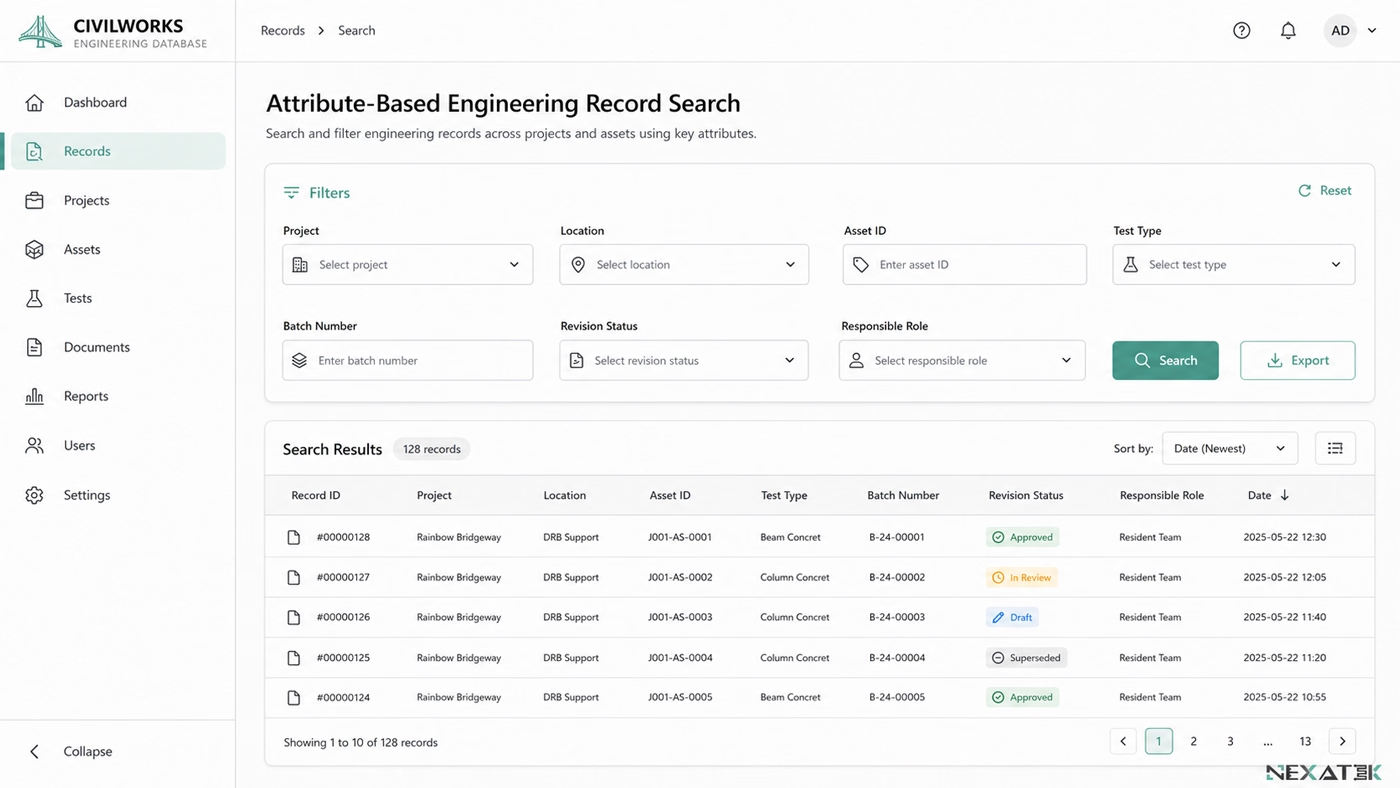 Attributbasierte Suchen ermöglichen das Abrufen von Daten nach Projekt, Bauteil, Bauwerks-ID, Prüfart, Charge oder Revisionsstand.
Auch die Skalierbarkeit ist gesichert: Eine maßgeschneiderte Datenbankentwicklung für das Bauingenieurwesen antizipiert künftige Entitäten und Attribute, sodass sich das Datenmodell modular erweitern lässt, ohne Altdaten zu beschädigen. Diese strukturierte Datenbasis speist später problemlos individuelle Ingenieursoftware, die auf der Datenbank aufsetzt.
Entwurfsprinzipien für Ingenieurdatenbanken
Eine fundierte Datenbankentwicklung analysiert zuerst, wie Ingenieure Daten erzeugen, prüfen und fortschreiben, und leitet daraus das Schema ab. Die drei folgenden Prinzipien betreffen die Entwurfsebene und schaffen die Grundlage für die spätere Workflow-Automatisierung im Bauingenieurwesen, die auf verlässliche Datenstrukturen angewiesen ist.
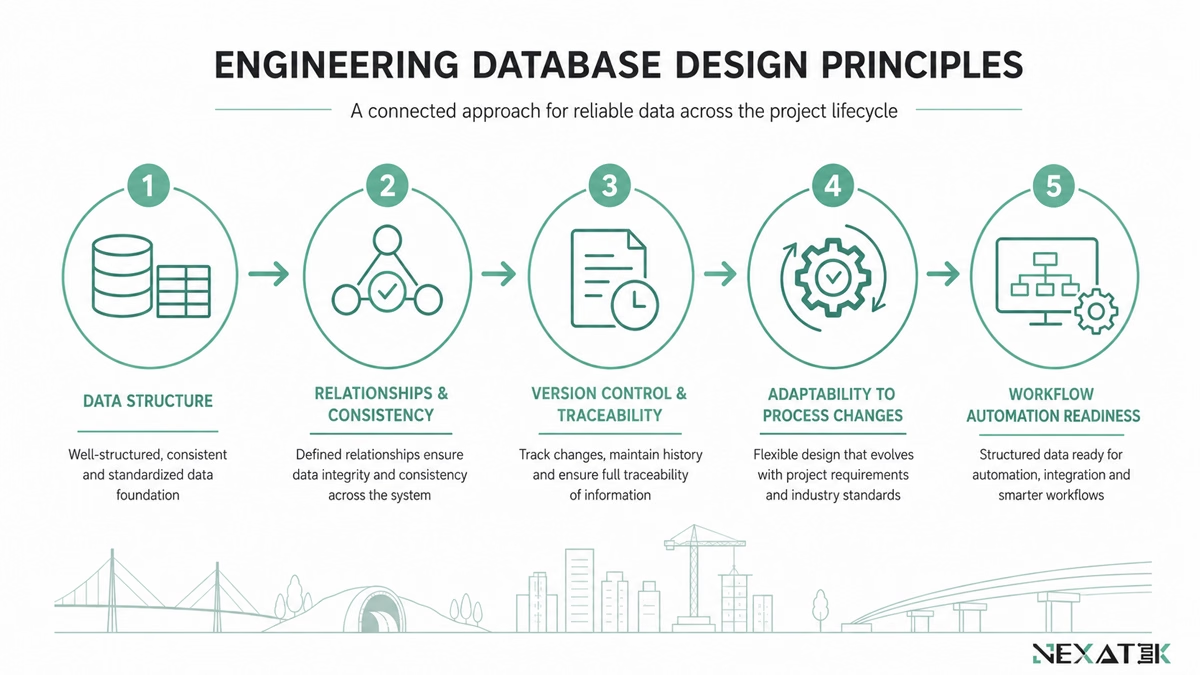 Belastbares Datenbankdesign verzahnt Datenstruktur, Konsistenz, Nachvollziehbarkeit und Erweiterbarkeit vor der Automatisierung.
Datenstruktur, Relationen und Konsistenz
Ingenieurtechnische Dokumente bilden Abhängigkeitsketten: Ein Plan verweist auf eine Statik, die Statik auf eine Entwurfsfassung, die Fassung auf ein Vertragslos. Das Datenbankschema bildet diese Relationen explizit ab, statt sie in Verzeichnispfaden zu vermuten.
Einheitliche Identifikatoren sichern die Konsistenz: Projektnummern, Plandokumente, Bauwerks-IDs und Chargencodes folgen unternehmensweit einer eindeutigen Syntax. Das System prüft vor dem Speichern neuer Datensätze automatisch, ob Dubletten vorliegen.
Versionskontrolle und Datenrückverfolgbarkeit
Revisionsstände sind nicht nur für Dokumente relevant: Bemessungsannahmen, Parameterwerte, Materialkennwerte und Prüfdaten ändern sich im Projektverlauf ebenso. Jeder Datensatz führt daher einen Revisionsstatus und eine Prüfhistorie mit Benutzerrollen und Zeitstempeln.
Rückverfolgbarkeit bedeutet, dass die Datenbank präzise beantworten kann, welcher Wert an dem Tag gültig war, an dem ein Entwurf freigegeben wurde. Technische Repositorien, die ausschließlich den Letztstand vorhalten, versagen bei dieser Frage – woran Prüfungen und Audits regelmäßig scheitern.
Anpassungsfähigkeit an veränderte Ingenieurprozesse
Neue Projekttypen und veränderte Dokumentationsrichtlinien treten unausweichlich ein. Die entscheidende Frage im Datenbankdesign lautet, ob neue Vorlagen einen Umbau des Datenbankschemas erfordern oder sich nahtlos als Erweiterung einfügen.
Anpassungsfähigkeit entsteht durch die saubere Trennung stabiler Grundstrukturen von variablen Fachdaten: Kernentitäten wie Projekte und Planverzeichnisse ändern ihre Struktur selten, während Attribute für neue Versuchsreihen häufig variieren. Ein Datenmodell, das beide Ebenen entkoppelt, wächst über Jahre mit, ohne bestehende Datensätze zu beeinträchtigen.
Anwendungsfälle entlang der Wertschöpfungskette
Trotz des universellen Bedarfs an Datenstruktur variieren die Schwerpunkte je nach Organisationstyp im Bauwesen. Drei Kernprofile stechen hervor:
Baustoffhersteller und Prüflabore
Ein Baustoffprüflabor erfasst wöchentlich Hunderte von Prüfresultaten, die jeweils Prüfzeugnisse und Chargenreferenzen erfordern. Eine ordnerbasierte Dateiablage stößt hier binnen weniger Monate an ihre Grenzen, wodurch Suchzeiten stark ansteigen.
Eine zentrale Material- und Prüfdatenbank koppelt jedes Ergebnis an die geltende Güteanforderung und ermöglicht Vergleiche über Produktionsserien hinweg. Eine Abfrage nach Chargennummer liefert die vollständige Prüfhistorie in Sekunden statt nach stundenlanger manueller Suche.
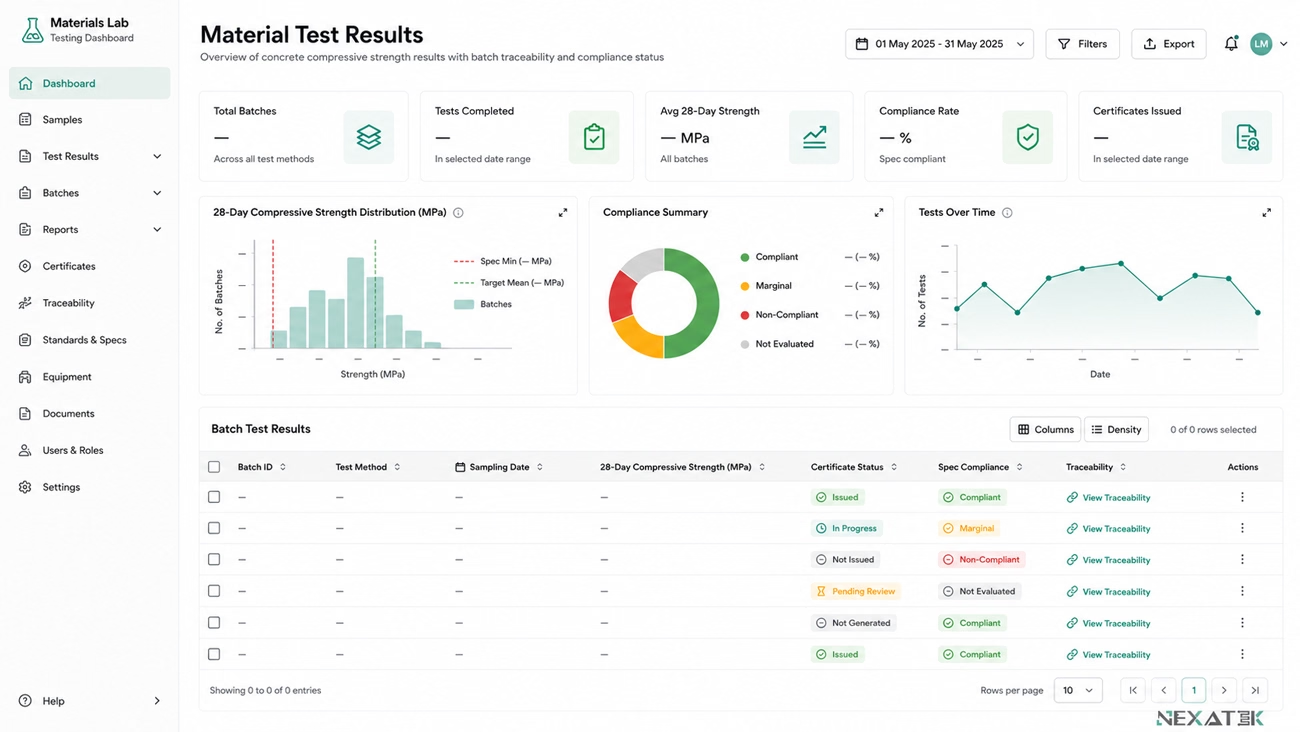 Ein Prüflabor-Dashboard visualisiert Chargenreferenzen, Sollwerte, Prüfergebnisse, Zeugnisse und Rückverfolgbarkeitsstatus auf einen Blick.
Bauunternehmen und Infrastrukturentwickler
Bauunternehmen agieren unter fortlaufenden Plananpassungen. Planungsänderungen während der Bauausführung werfen auf der Baustelle eine zentrale Frage auf: Welcher Planstand ist heute baurechtlich und technisch freigegeben?
Maßgeschneiderte Datenbanken für Bauprojekte verbinden Ausführungspläne, Bedenkenanmeldungen, Prüfberichte und Freigabehistorien zu einem durchgängigen Projektbestand. Die gezielte Filterung nach Bauteilachse oder Gewerk ist besonders dann unverzichtbar, wenn morgens um 07:00 Uhr auf der Baustelle eine Freigabe verifiziert werden muss.
Ingenieur- und Planungsbüros
Planungsbüros greifen projektübergreifend auf bewährte Berechnungsansätze zurück: Ein im Jahr 2024 entwickeltes Setzungsberechnungsmodell wird 2026 in einem anderen Projekt von einem neuen Team erneut angewendet. Strukturierte Daten machen aus dieser Wiederholung echte Wiederverwendbarkeit statt doppelter Arbeit.
Die Versionskontrolle sichert das Vier-Augen-Prinzip ab, und das Informationsmanagement wird unabhängig von den lokalen Dateiarchiven einzelner Projektleiter. NEXATEK entwickelt diese Datenstrukturen passgenau entlang der realen Arbeitsabläufe von Ingenieurbüros statt auf Basis generischer Standardvorlagen.