

Digitalisierungsdienste für das Bauingenieurwesen
Durch maßgeschneiderte Software, Automatisierung und datengesteuerte Lösungen in der Bauindustrie.
Datenmanagement & Integration

Online-Software und Rechner

Workflow- & Prozessoptimierung

Häufig gestellte Fragen
Die digitale Transformation im Bauingenieurwesen bezieht sich auf die Integration fortschrittlicher digitaler Technologien...
NEXATEK bietet spezialisierte Digitalisierungsdienste für das Bauingenieurwesen...
Die Digitalisierung im Bauingenieurwesen verbessert die Genauigkeit, reduziert Verzögerungen...
NEXATEK bietet End-to-End-Dienste für die digitale Transformation im Ingenieurwesen...
Bauunternehmen, Berater, Bauherren und Hersteller...
Ähnliche Projekte
Entdecken Sie weitere innovative Projekte:





Großartige
Lösungen
beginnen mit einem GesprächGroßartige Lösungen beginnen mit einem Gespräch
Möchten Sie herausfinden, wie unsere Dienstleistungen Ihr Unternehmen voranbringen können?
Digitale Transformation im Bauingenieurwesen
Ein mittelständisches Ingenieurbüro wickelt seine Projekte häufig über einen Flickenteppich aus Tabellenkalkulationen, Netzlaufwerken, E-Mail-Verläufen und handschriftlichen Baustellenberichten ab. Die digitale Transformation im Bauingenieurwesen ersetzt dieses Stückwerk durch durchgängig vernetzte Projektdaten, die ein Vorhaben vom ersten Vorentwurf bis zur Übergabeakte begleiten. Der Wandel geht weit über das bloße Einscannen von Dokumenten hinaus: Er strukturiert grundlegend neu, wie bautechnische Informationen erzeugt, geprüft, weiterverwendet und archiviert werden.
NEXATEK unterstützt Unternehmen entlang der gesamten baulichen Wertschöpfungskette bei diesem Übergang – vom Baustoffhersteller bis zum Planungsbüro. Mittelständische Unternehmen mit geringer bis mittlerer digitaler Reife stehen dabei vor den größten Herausforderungen, da sie selten über freie Ressourcen für fehlgeschlagene Softwareexperimente verfügen.

Vernetzte Projektdaten bieten Ingenieurteams eine transparente Gesamtsicht auf Zeichnungen, Modelle, Baustellenberichte und Reportings.
Was bedeutet digitale Transformation im Bauingenieurwesen?
Im Bauingenieurwesen bedeutet digitale Transformation, zentrale technische Kernprozesse auf strukturierte, vernetzte Datensätze statt auf isolierte Einzeldokumente umzustellen. Die allgemeine betriebswirtschaftliche Digitalisierung konzentriert sich auf Buchhaltung, Rechnungsstellung oder Personalverwaltung. Die bauingenieurtechnische Digitalisierung setzt dagegen direkt an den Arbeitsergebnissen an, die Ingenieure tatsächlich erarbeiten: CAD/BIM-Modelle, statische Berechnungen, Ausführungspläne, Prüfprotokolle und Bautagebücher.
Systemische Durchgängigkeit ist hierbei der entscheidende Praxistest: Ändert ein Tragwerksplaner die Deckenstärke, müssen sich Bewehrungsplan und Leistungsverzeichnis (LV) automatisch anpassen, ohne dass Werte manuell neu eingetippt werden. Auf der Baustelle gilt dasselbe Prinzip: Ein eingescannter Lieferschein ist lediglich digitale Ablage. Ein Lieferschein hingegen, der digital mit der zugehörigen Bestellung und dem konkreten Einbauort verknüpft ist, stellt digitalisierte Daten dar. Eine Organisation, die zwar digitale Werkzeuge nutzt, Zwischenergebnisse aber weiterhin manuell überträgt, hat ihre Dokumente lediglich digitalisiert – mehr nicht.
Ebenso wichtig ist die Abgrenzung zur reinen Automatisierung: Automatisierung führt eine fest vordefinierte Einzelaufgabe aus, etwa das Befüllen einer Berichtsvorlage aus den Ausgaben einer statischen Berechnung. Digitalisierung hingegen strukturiert grundlegend neu, wo Projektdaten gespeichert sind und wie sie zwischen Ingenieurteams fließen. Eine zuverlässige Automatisierung wird erst durch diese Neustrukturierung möglich, da automatisierte Prozessschritte zwangsläufig scheitern, wenn die zugrundeliegenden Eingangsdaten inkonsistent sind.
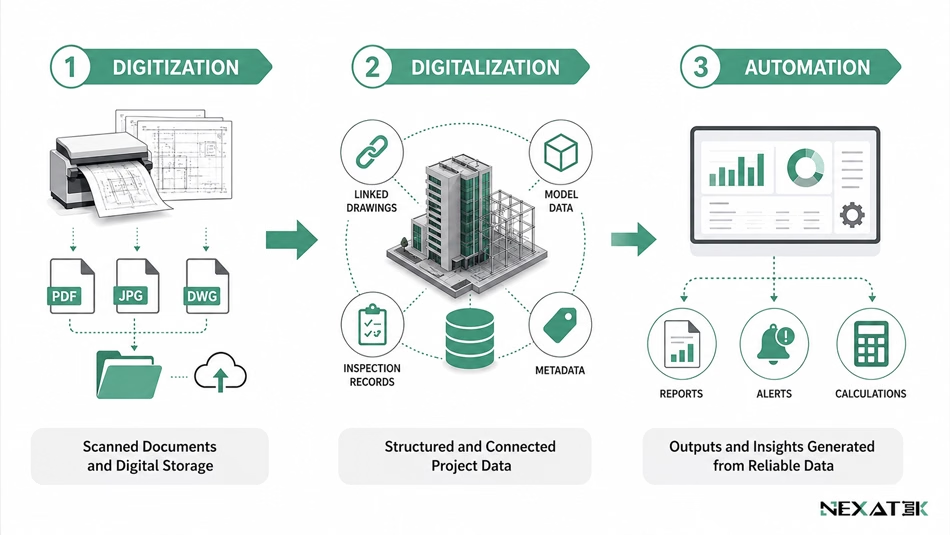
Prozessautomatisierung wird erst verlässlich, wenn Ingenieurdokumente zuvor in strukturierte, vernetzte Projektdaten überführt wurden.
Warum digitale Transformation für den Bauingenieurbetrieb relevant ist
Bau- und Infrastrukturprojekte sind temporäre Organisationen: Der Bau einer Kläranlage oder eines Autobahnabschnitts führt Dutzende Unternehmen für zwei bis drei Jahre zusammen, danach löst sich das Projektteam auf. Ohne strukturierte Projektdaten geht das erarbeitete Erfahrungswissen mit dem Team verloren, und das nächste Projekt beginnt wieder bei null.
Das Dokumentationsvolumen ist das zweite branchenspezifische Merkmal: Ein einziges Infrastrukturprojekt generiert Tausende von Plänen, Inspektionsberichten, Freigabeformularen und Materialdatenblättern. Die manuelle Ablage bindet enorme Kapazitäten, und fehlende Nachweise tauchen erfahrungsgemäß im ungünstigsten Moment auf – etwa bei Nachtragsverhandlungen oder im Übergabe-Audit.
Der Koordinationsaufwand ist der dritte Faktor: Konventionelle Abläufe koordinieren sich über Besprechungen und langwierige E-Mail-Schleifen, sodass ein am Montag identifizierter Trassenkonflikt oft zwei Wochen auf eine Entscheidung wartet. Digitale Workflows koordinieren über gemeinsame Modelle und strukturierte Datenflüsse, was den Weg von der Erkennung einer Kollision bis zu deren baulicher Lösung drastisch verkürzt.
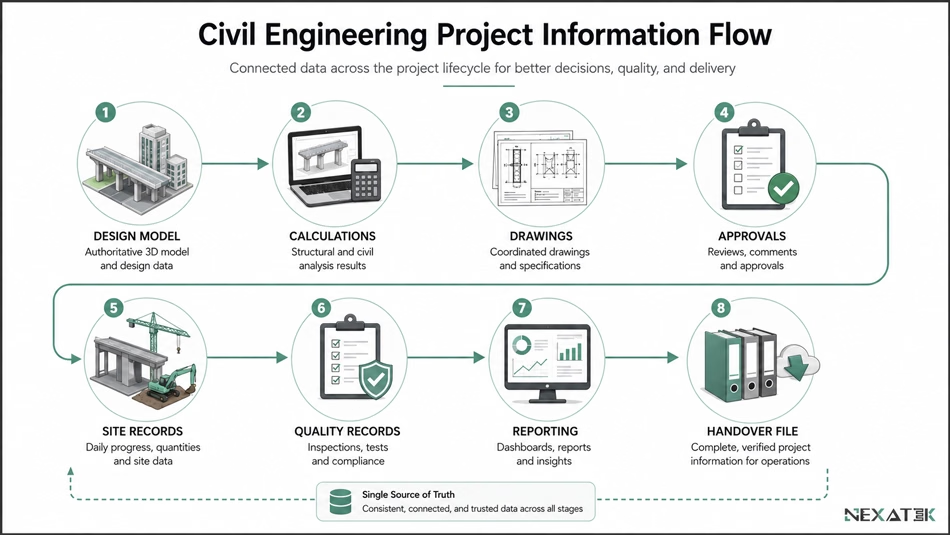
Ein durchgängiger Informationsfluss hält das Projektwissen von der Entwurfskoordination bis zur Bauwerksübergabe nutzbar.
Kernbereiche der Digitalisierung im Bauingenieurwesen
Die Digitalisierungsarbeit im Bauingenieurwesen konzentriert sich auf drei zentrale operative Bereiche. Jeder Bereich bringt eigene Datentypen und spezifische Fehlerquellen mit sich.
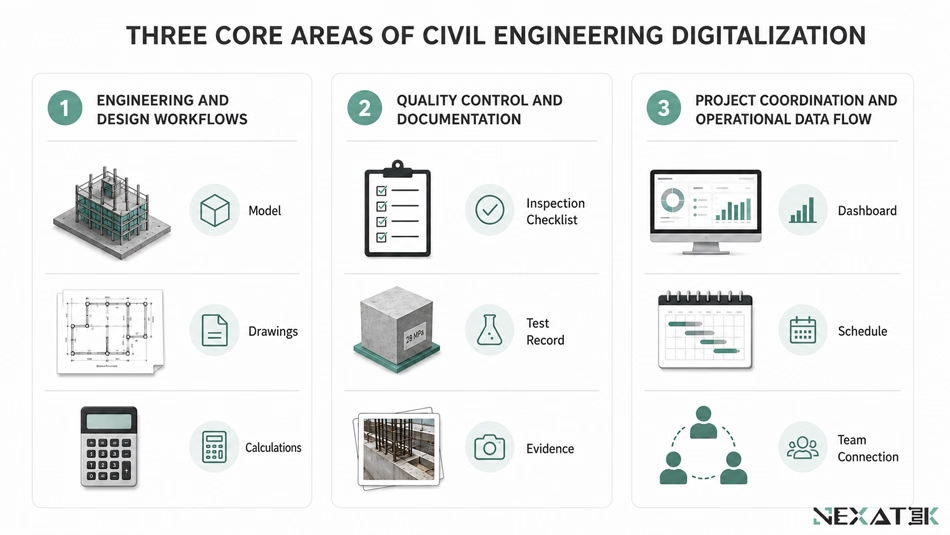
Die Digitalisierung im Bauingenieurwesen konzentriert sich primär auf Entwurfsprozesse, Qualitätsdokumentation und operative Datenflüsse.
Planungs- und Entwurfsprozesse
Die Digitalisierung der Planung beginnt mit Building Information Modeling (BIM). In einem BIM-basierten Arbeitsprozess ist ein Unterzug kein bloßes Linienkonstrukt auf einem Plan mehr, sondern ein digitales Datenobjekt, das Materialgüte, Querschnittsabmessungen, Lastannahmen und Herstellerangaben in sich trägt.
Vernetzte Fachmodelle ermöglichen eine automatisierte Kollisionsprüfung: Software gleicht Tragwerks- und TGA-Elemente geometrisch ab und meldet räumliche Konflikte, bevor der erste Beton fließt. Ein Lüftungskanal, der eine tragende Wand durchdringt, fällt somit bereits bei der Modellprüfung auf und nicht erst bei der Montage auf der Baustelle, wo Nacharbeiten ein Vielfaches kosten.
Ein durchgängiges Revisionsmanagement schließt den Prozess ab: Ingenieure arbeiten ausnahmslos auf dem aktuellen Planungsstand, und veraltete Pläne geraten auf der Baustelle nicht mehr in Umlauf. Das Bauen nach veralteten Planständen zählt nach wie vor zu den teuersten Fehlerquellen konventioneller Bauabwicklung.
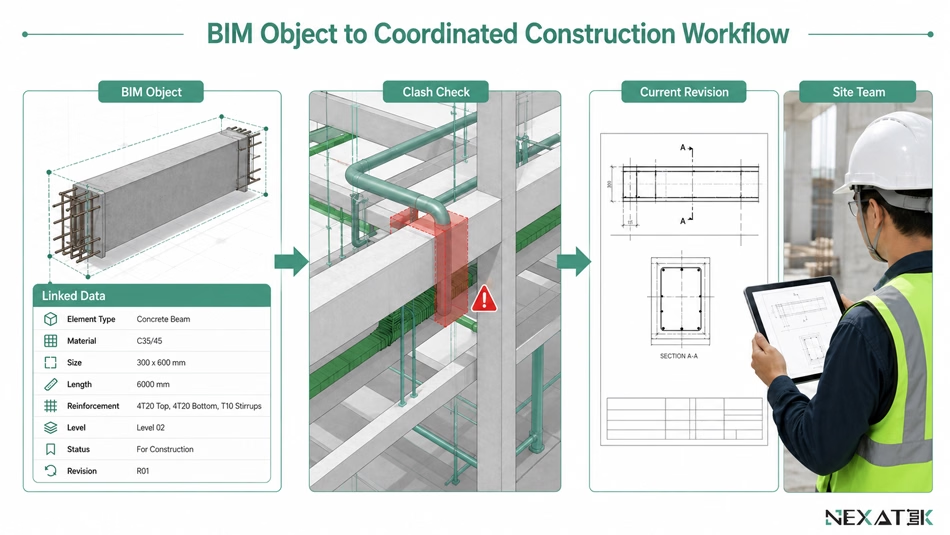
BIM-Objekte entfalten ihren vollen Nutzen, wenn ihre Daten Fachkoordination, Kollisionsprüfungen und Versionskontrollen unterstützen.
Qualitätssicherung und Dokumentationsprozesse
Papierbasierte Prüflisten versagen meist unbemerkt: Ein Baustoffprüfer notiert das Ergebnis einer Würfeldruckprüfung im Baustellennotizbuch, überträgt es eine Woche später in eine Tabellenkalkulation, und ein Zahlendreher bleibt bis zum offiziellen Prüfbericht unentdeckt.
Digitale Qualitätssicherung erfasst Messwerte einmalig direkt an der Entstehungsquelle. Wird eine Druckfestigkeit von 36 MPa statt der geforderten 40 MPa eingegeben, schlägt das System sofort Alarm – nicht erst drei Wochen nach dem Betonieren. Das Baustellenpersonal erfasst Ergebnisse über mobile Datenerfassungs-Apps, die jede Eingabe in Echtzeit gegen bauteilspezifische Toleranzen prüfen.
Dokumentation wird so zum integralen Nebenprodukt der eigentlichen Bauausführung statt zu einer separaten bürokratischen Last. Jeder Prüfbericht bleibt fest mit dem Bauteil verknüpft, das er beschreibt, und ist auch Jahre nach der Übergabe sofort auffindbar.
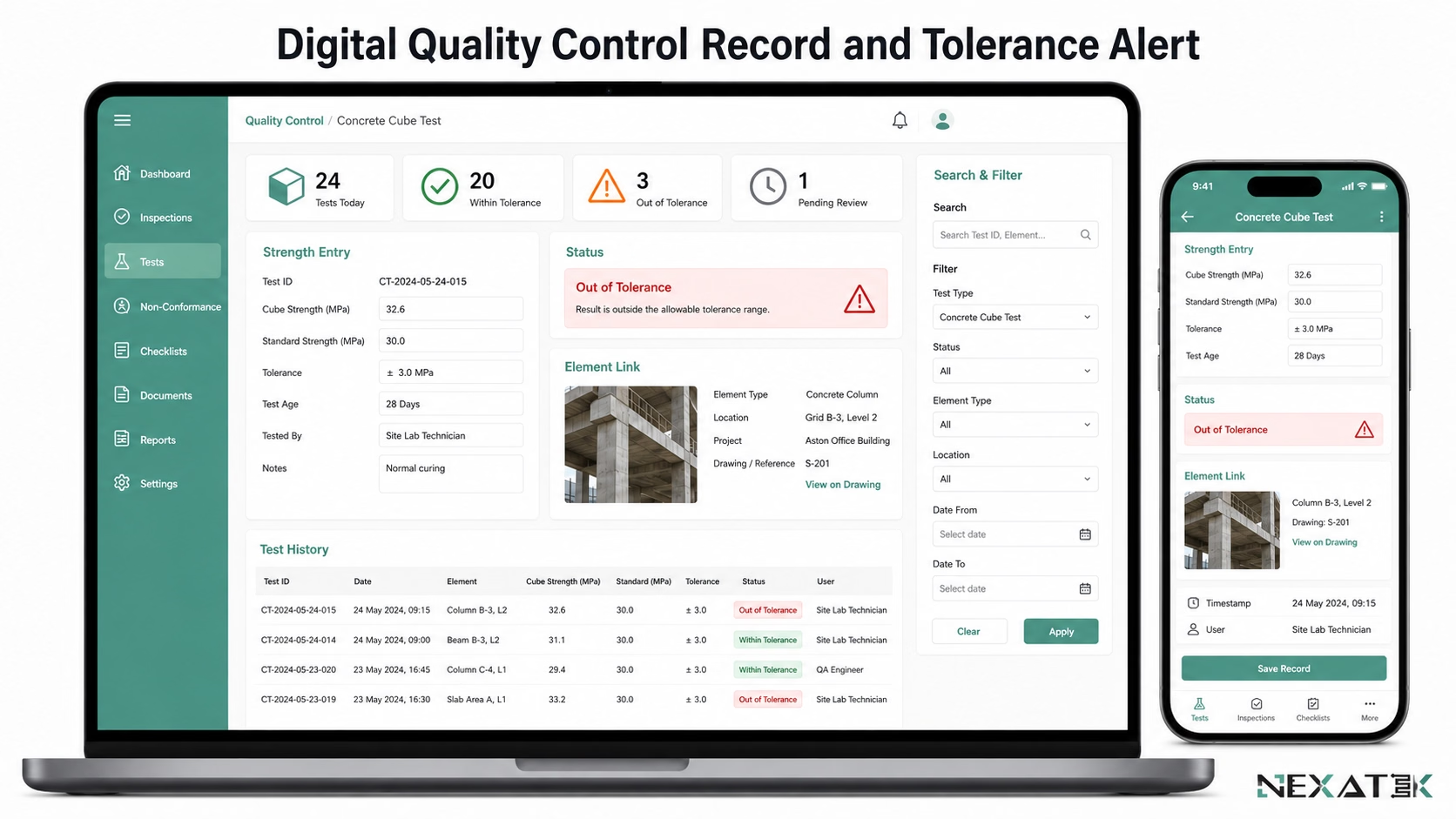
Digitale Qualitätsdaten unterstützen Baustellenteams bei der Echtzeitprüfung vor Ort und bleiben langfristig revisionssicher abrufbar.
Projektkoordination und operativer Datenfluss
Projektteams scheitern selten an fehlenden Daten, sondern daran, dass Daten im falschen System isoliert sind. Eine gemeinsame Datenumgebung (Common Data Environment, CDE) bündelt alle Projektinformationen in einem zentral verwalteten Repositorium mit klar definierten Zugriffs- und Revisionsregeln.
Der Aufbau und die laufende Betreuung dieses Repositoriums bilden die Kernaufgabe individueller Datenbankentwicklung im Bauingenieurwesen. Steht die CDE bereit, fließen Daten automatisiert zwischen den Plattformen: Terminplanungssoftware übernimmt Baufortschritte direkt aus den Baustellenberichten, und statische Berechnungssoftware liest Geometriedaten unmittelbar aus dem Entwurfsmodell aus. Bauingenieurtechnisches Datenmanagement verlagert sich damit vom fehleranfälligen Abtippen zur Pflege einer einzigen verlässlichen Datenquelle. Bei einem Projekt mit 40 Nachunternehmern entscheidet genau diese zentrale Quelle darüber, ob Leistungsberichte und Abrechnungen übereinstimmen.
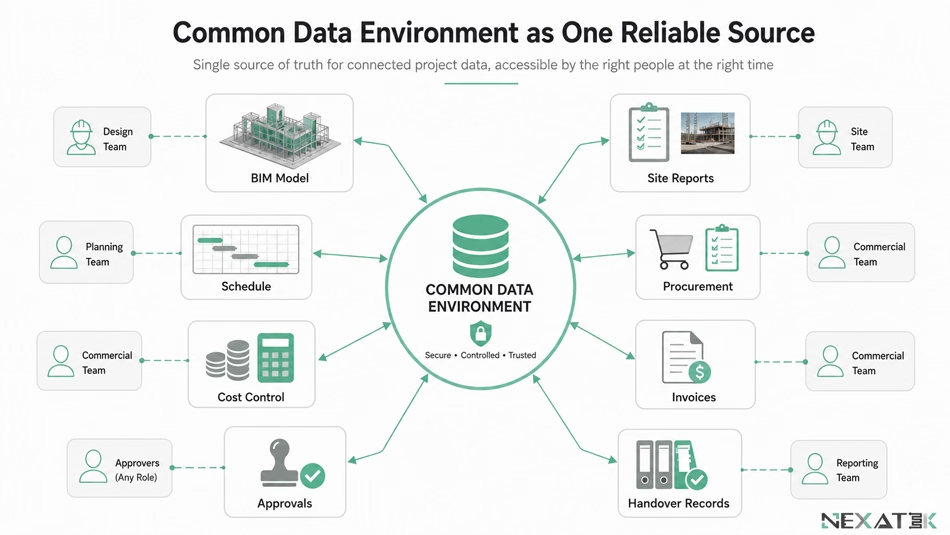
Eine gemeinsame Datenumgebung vernetzt Projektteams durch kontrollierte Zugriffsrechte, Revisionsregeln und gemeinsame Datenbestände.
Digitale Transformation nach Organisationstypen
Dieselbe Basistechnologie verfolgt unterschiedliche operative Ziele, je nachdem, wo ein Unternehmen in der Wertschöpfungskette angesiedelt ist. Drei Unternehmensprofile prägen die Branche:
Baustoff- und Komponentenhersteller
Für Hersteller von Fertigteilen oder Geokunststoffen steht das Produktdatenmanagement im Zentrum. Planer erwarten heute digitale Produktdatenblätter und BIM-Objekte, die sie direkt in ihre Fachmodelle einfügen können. Ein Hersteller, der aktuelle Lieferzeiten und Lagerbestände digital bereitstellt, wird für Bauunternehmen vom anonymen Lieferanten zum verlässlichen Terminpartner.
Die internen Abläufe profitieren gleichermaßen: Die digitale Verfolgung von Chargenqualitäten und Lieferscheinen verknüpft jedes ausgelieferte Bauteil lückenlos mit seiner Prüfhistorie – ein entscheidender Vorteil, falls ein nicht bestandener Festigkeitstest Rückruffragen aufwirft.
Bauunternehmen
Bauunternehmen digitalisieren in der Regel zuerst die operativen Baustellenabläufe. Baufortschrittserfassung und Baumaschinentelematik stehen an erster Stelle, da beide den wöchentlichen Steuerungszyklus speisen. Ein digitales Bautagebuch liefert eine manipulationssichere, zeitgestempelte Dokumentation von Witterung, Personalstärke, Materiallieferungen und Behinderungen. Im Streitfall dient diese Aufzeichnung als belastbares Beweismittel.
Ihren vollen Nutzen entfalten Baustellendaten, wenn sie in die übergeordnete Unternehmenssteuerung zurückfließen. NEXATEK verknüpft mobile Baustellenerfassungen mit integrierten Unternehmenslösungen, sodass die Baukostenkontrolle auf realem Baufortschritt basiert statt auf veralteten Monatsabschlüssen.
Ingenieur- und Planungsbüros
Ingenieurbüros verkaufen Fachkompetenz und Urteilsvermögen. Ihre Digitalisierung zielt daher primär auf Wiederholbarkeit und Qualitätsstandardisierung ab: Standardisierte Berechnungsvorlagen und gemeinsame Konstruktionsbibliotheken verhindern, dass zehn Projekte denselben Anschlussknoten auf zehn verschiedene Arten neu konstruieren. Ein Nachwuchsingenieur greift auf die geprüfte Standardberechnung für Stützwände zurück, statt sie von Grund auf neu aufzusetzen.
Auch die Projektübergabe verändert sich: Auftraggeber erhalten zunehmend koordinierte Datenmodelle und interaktive Dashboards über Portale für die Projektzusammenarbeit anstelle statischer PDF-Berichte.
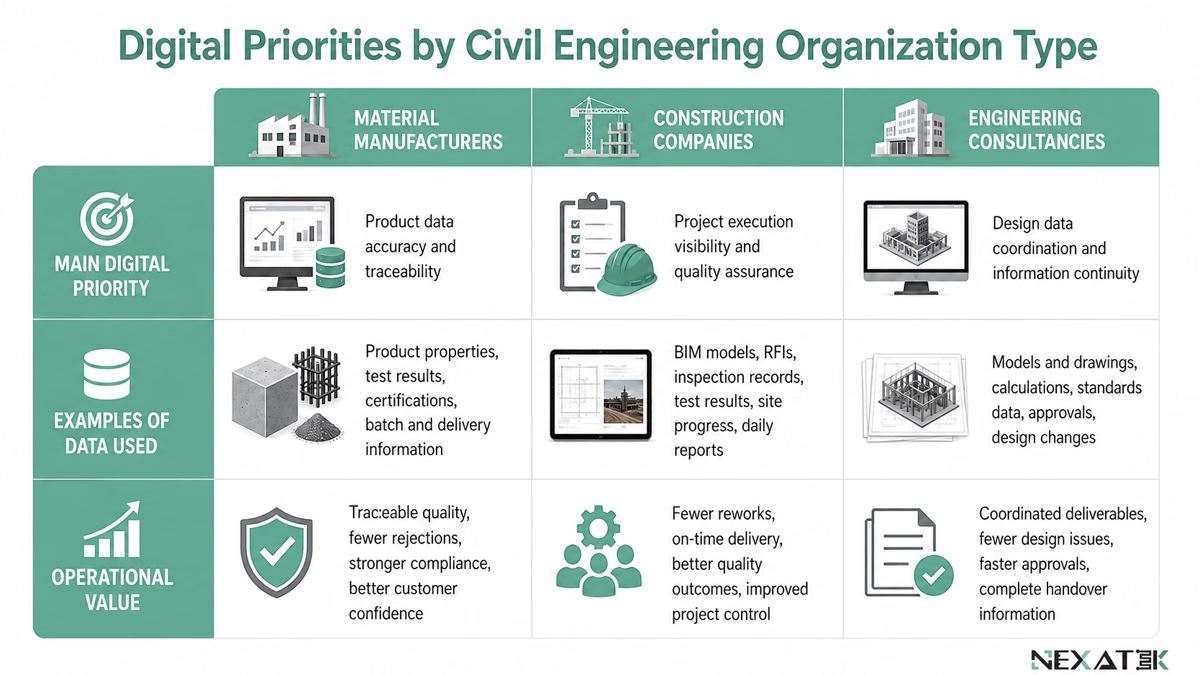
Unterschiedliche Organisationstypen nutzen die digitale Transformation, um spezifische operative Hürden entlang der Bau-Wertschöpfungskette zu lösen.
Konventionelle vs. digitale Arbeitsweisen im Ingenieurbau
Am deutlichsten wird der Unterschied am Lebensweg eines einzelnen Messwerts: Im manuellen Ablauf wird eine Verdichtungsprüfung vor Ort im Notizbuch notiert, im Büro in eine Tabelle abgetippt und schließlich in den Monatsbericht kopiert. Drei manuelle Übertragungen bedeuten drei potenzielle Fehlerquellen. Das Wiederfinden dieses Werts nach zwei Jahren erfordert aufwendiges Suchen in unübersichtlichen Ordnerstrukturen.
Ein digitaler Workflow erfasst den Wert einmalig und synchronisiert ihn systemweit. Validierungsregeln weisen fehlerhafte oder außerhalb der Toleranz liegende Werte bereits beim Eintippen zurück. Das Wiederauffinden wird zu einer Metadatensuche im Sekundenbereich. Jede nachträgliche Änderung wird mit Benutzerkennung und Zeitstempel revisionssicher protokolliert.
Dieser Gewinn an Zuverlässigkeit erfordert Prozessdisziplin: Manuelle Abläufe erlauben Improvisation, wenn ein Formular nicht zur Baustellensituation passt. Digitale Workflows verlangen dagegen, dass sich alle Beteiligten an die definierte Datenstruktur halten. Konsistenz entsteht hier über Verbindlichkeit.
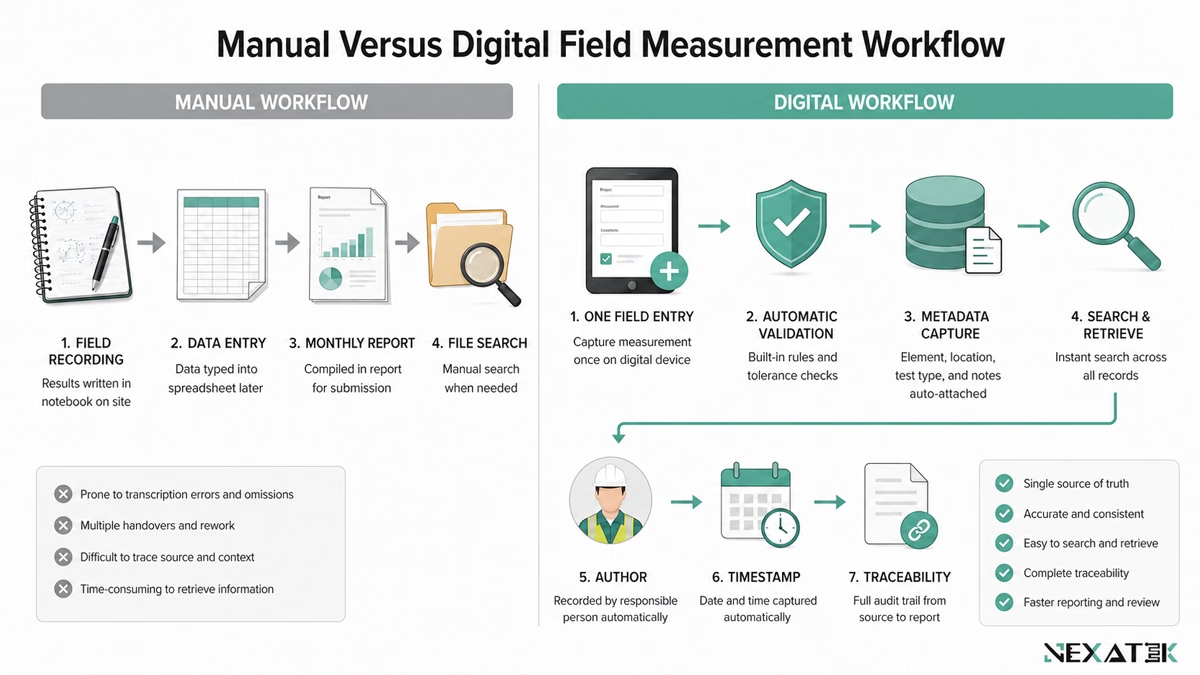
Die einmalige digitale Erfassung von Felddaten reduziert Mehrfacheingaben, verbessert die Validierung und sichert die lückenlose Rückverfolgbarkeit.
Typische Digitalisierungsansätze im Bauingenieurwesen
Die digitale Transformation in der Baupraxis folgt üblicherweise einem von drei Einführungsmodellen, die sich vor allem in Umfang und zeitlicher Abfolge unterscheiden:
Schrittweise Digitalisierung widmet sich einem konkreten Problem nach dem anderen: Ein Büro digitalisiert im ersten Jahr die Zeiterfassung und im Folgejahr die Planverwaltung. Die operative Belastung bleibt gering, und die Einzelinvestitionen sind überschaubar. Das Risiko zeigt sich meist nach einigen Jahren: Es entsteht ein Park isolierter Einzellösungen, die untereinander keine Daten austauschen können.
Prozessorientierte digitale Transformation analysiert und optimiert die bestehenden Ingenieur-Workflows vor der Softwareauswahl. Das Unternehmen definiert seinen künftigen Soll-Arbeitsablauf und wählt erst danach die passenden Werkzeuge aus. Dies verhindert, dass ineffiziente manuelle Gewohnheiten digital zementiert werden. NEXATEK wendet dieses Modell im Rahmen einer strukturierten Workflow-Optimierung im Bauingenieurwesen vor jeder Systementscheidung an.
Ganzheitliche integrierte Plattformen ersetzen die gesamte bestehende Werkzeugkette durch eine zentrale Plattform, die Entwurfsdaten, Bauzeitenplanung, kaufmännische Daten und Berichtswesen vereint. Der Investitionsbedarf und der Aufwand für das Change Management sind hierbei am höchsten. Dieser Ansatz eignet sich vor allem für größere Unternehmen mit eigener, etablierter IT-Abteilung.

Das passende Einführungsmodell richtet sich nach Reifegrad, personellen Kapazitäten und Veränderungsbereitschaft der Organisation.
Hemmnisse und Herausforderungen bei der Digitalisierung
Die meisten ins Stocken geratenen Digitalisierungsinitiativen scheitern an organisatorischen Hürden, nicht an der Technik. Ingenieurteams haben ihre manuellen Routinen über Jahrzehnte eingespielt. Ein neues System, das zusätzliche Arbeitsschritte ohne spürbaren Mehrwert abverlangt, wird im Alltag rasch umgangen. Die Einführungsreife hängt maßgeblich von gezielten Schulungszeiten und Management-Unterstützung ab – und der neue Arbeitsablauf muss für den Anwender spürbar schneller sein als der gewohnte.
Eine zweite Hürde liegt in den Datenstrukturen selbst: Softwarehersteller strukturieren Projektdaten oft nach proprietären Standards. Bei Konvertierungen zwischen Formaten gehen nicht selten baurelevante Attribute wie Lastfälle oder Materialkennwerte verloren. Historische Archive verschärfen das Problem: Tausende von Bestandsplänen liegen lediglich als Scans vor; ihre nachträgliche Überführung in strukturierte Vektordaten lässt sich im Projektgeschäft wirtschaftlich kaum darstellen.
Die Komplexität bautechnischer Prozesse ist die dritte Herausforderung: Jede Baustelle weist andere Baugrundverhältnisse auf, und fast jedes Tragwerk enthält Sonderkonstruktionen. Ein starres Standardschema kann diese Vielfalt niemals vollständig abdecken. Digitale Systeme für das Bauingenieurwesen benötigen daher eine klare Datenstruktur bei gleichzeitig kontrolliertem Spielraum für bauliche Ausnahmen. Diese Balance herzustellen ist eine ingenieurtechnische Fachaufgabe – und kein reiner Softwareeinkauf.
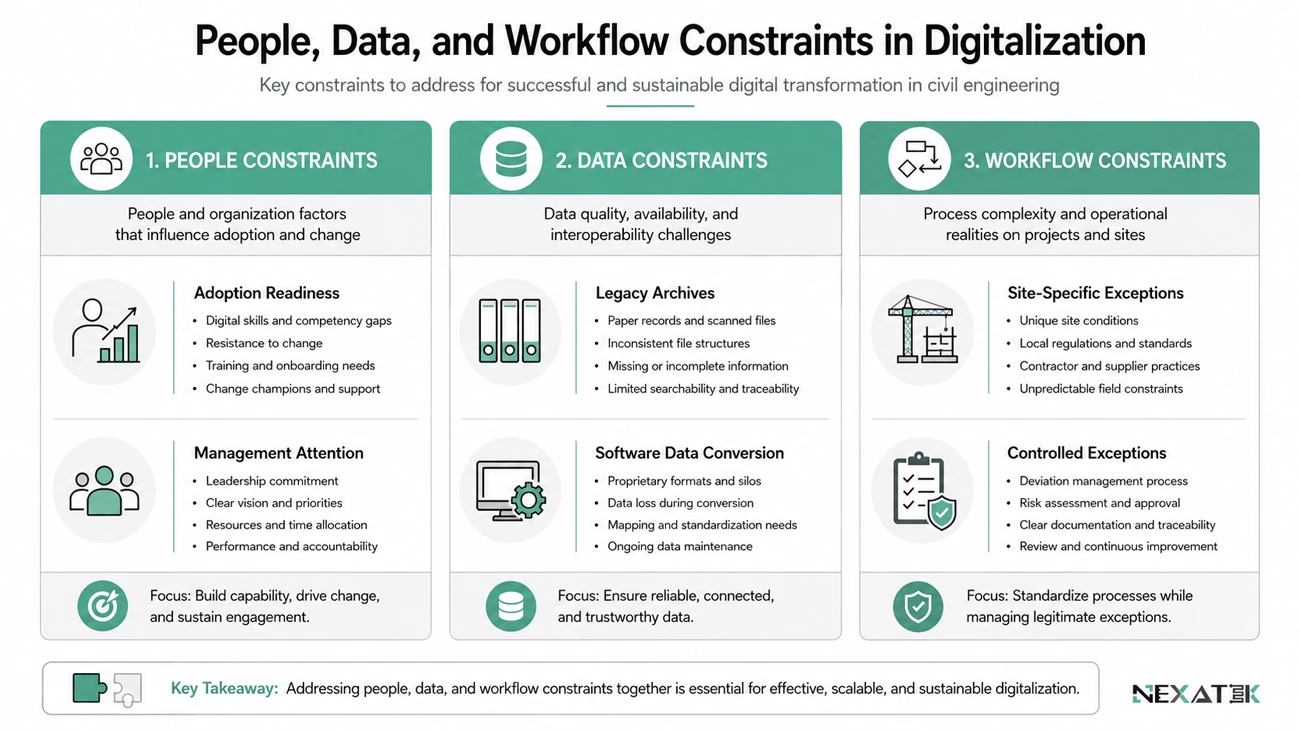
Erfolgreiche Digitalisierung basiert auf Anwenderakzeptanz, robusten Datenstrukturen und Workflows, die kontrollierte Ausnahmen ermöglichen.