

Entwicklung von Kundenportalen im Bauingenieurwesen
Eine kontrollierte Self-Service-Schnittstelle für Ihre Kunden und Ihr internes Team zum Zugriff auf Projektinformationen. NEXATEK entwickelt Kundenportale rund um technische Liefergegenstände, Rechner, Dokumente, Anfragen, Revisionskontrolle und rollenbasierten Zugriff. Das Ziel ist eine berechenbare Kundeninteraktion über lange Projektlebenszyklen hinweg.
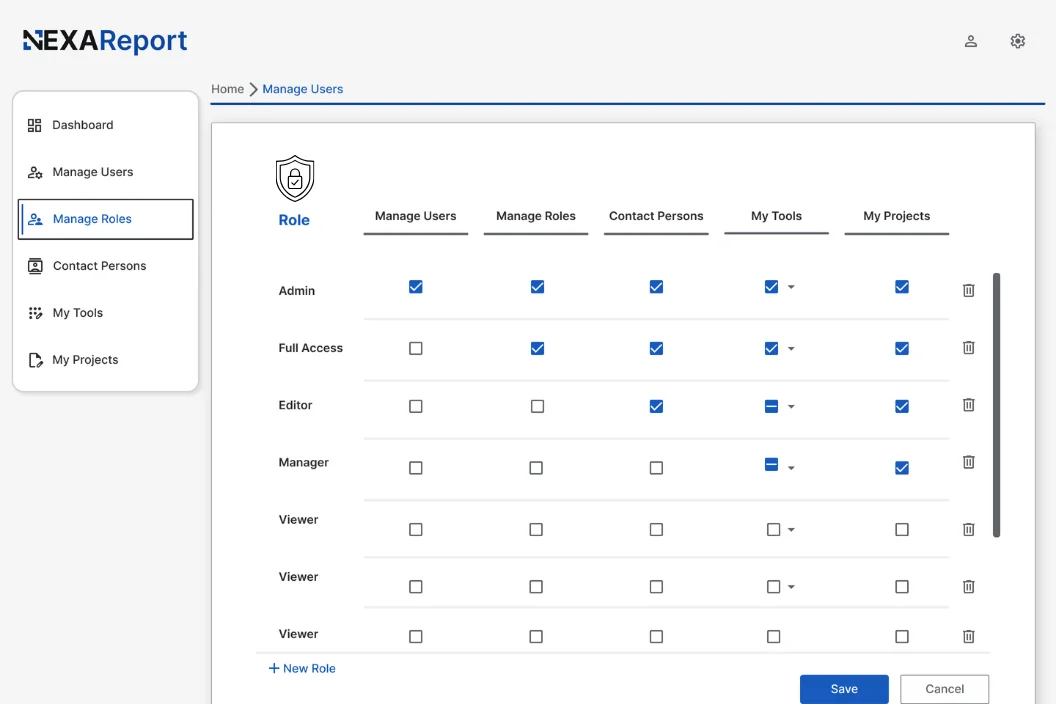
Portalzugang & Sicherheit
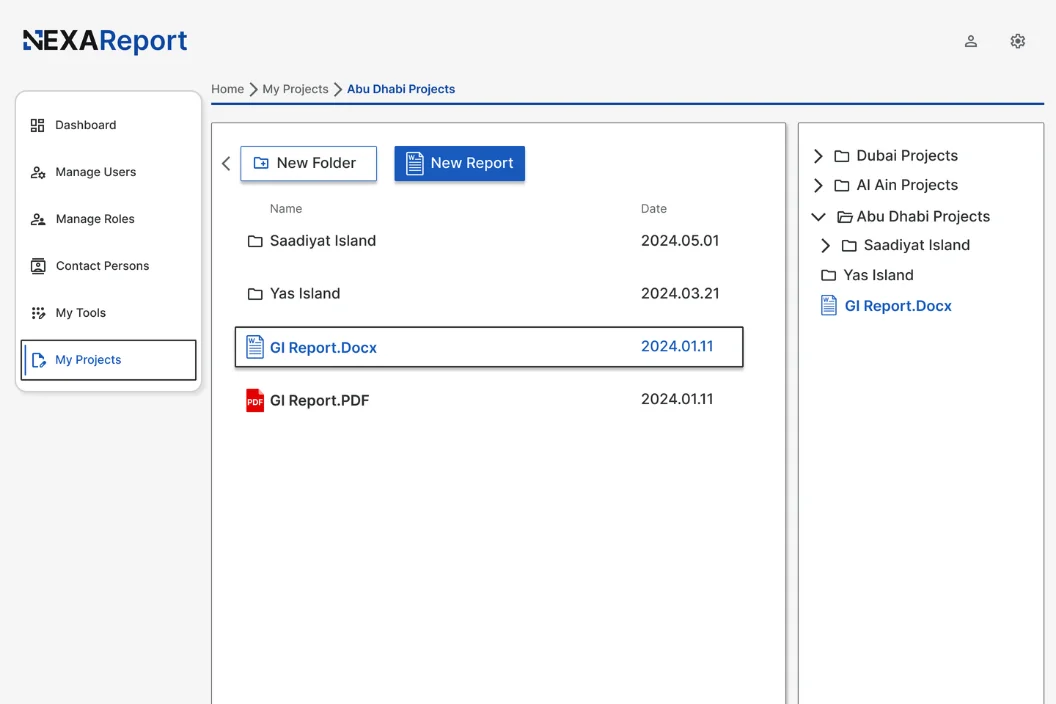
Projektdaten & Verteilung von Liefergegenständen
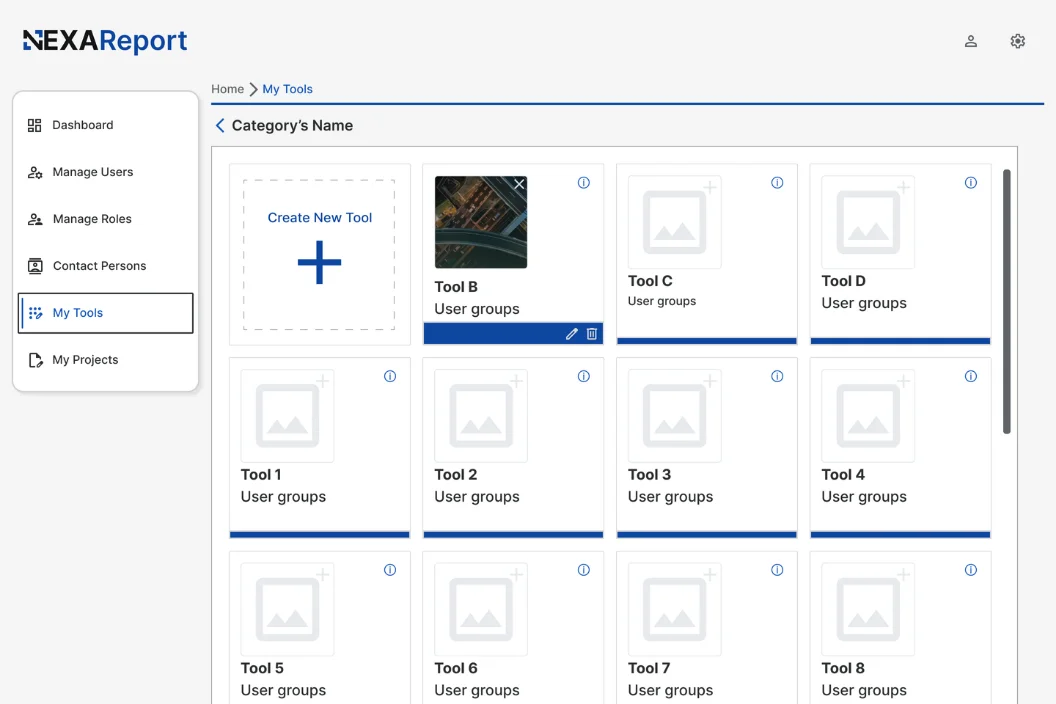
Designtools und Berichte
Kommunikation, Updates & Kundenanfragen
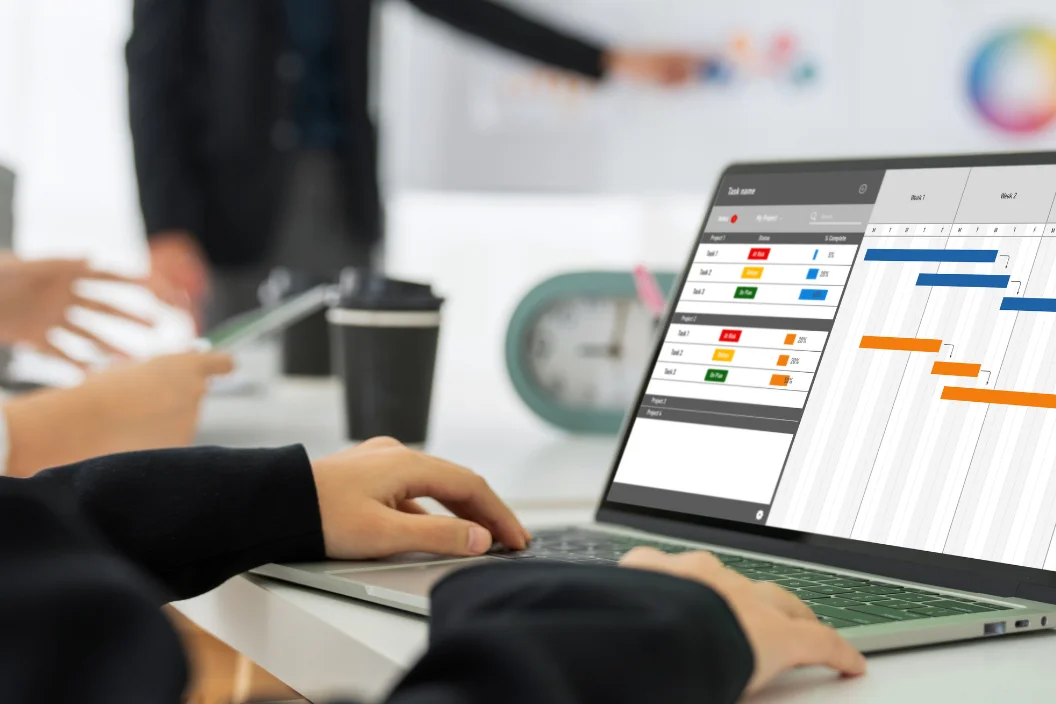
Dashboard und Übersichtsfeld
Ähnliche Projekte
Entdecken Sie weitere innovative Projekte:



Großartige
Lösungen
beginnen mit einem GesprächGroßartige Lösungen beginnen mit einem Gespräch
Möchten Sie herausfinden, wie unsere Dienstleistungen Ihr Unternehmen voranbringen können?
Kundenportal-Entwicklung für das Bauingenieurwesen
Die Entwicklung von Kundenportalen für das Bauingenieurwesen ermöglicht Auftraggebern einen kontrollierten Zugriff auf Projektdaten, freigegebene Dokumente, Baufortschrittsberichte und vereinbarte Reportings über eine zentrale, strukturierte Benutzeroberfläche. Der Ausbau einer Autobahn kann sich über drei Jahre erstrecken und Tausende von Plänen und Bauübertragungsakten erzeugen. Konventioneller E-Mail-Verkehr kann diesen Umfang nicht zuverlässig bewältigen. Ein Portal ersetzt unübersichtliche Dateitransfers durch eine revisionssichere Projektkommunikationsplattform, die sowohl für das Ingenieurteam als auch für den Auftraggeber lückenlos nachvollziehbar ist.
Auftraggeberportale sind meist ein logischer Teilschritt einer umfassenden digitalen Transformation von Ingenieurprozessen. NEXATEK richtet diese Portale an den Dokumenten aus, die Ingenieure wöchentlich ausgeben: Planverzeichnisse, statische Berechnungsberichte, Prüfzeugnisse und formelle Korrespondenz.
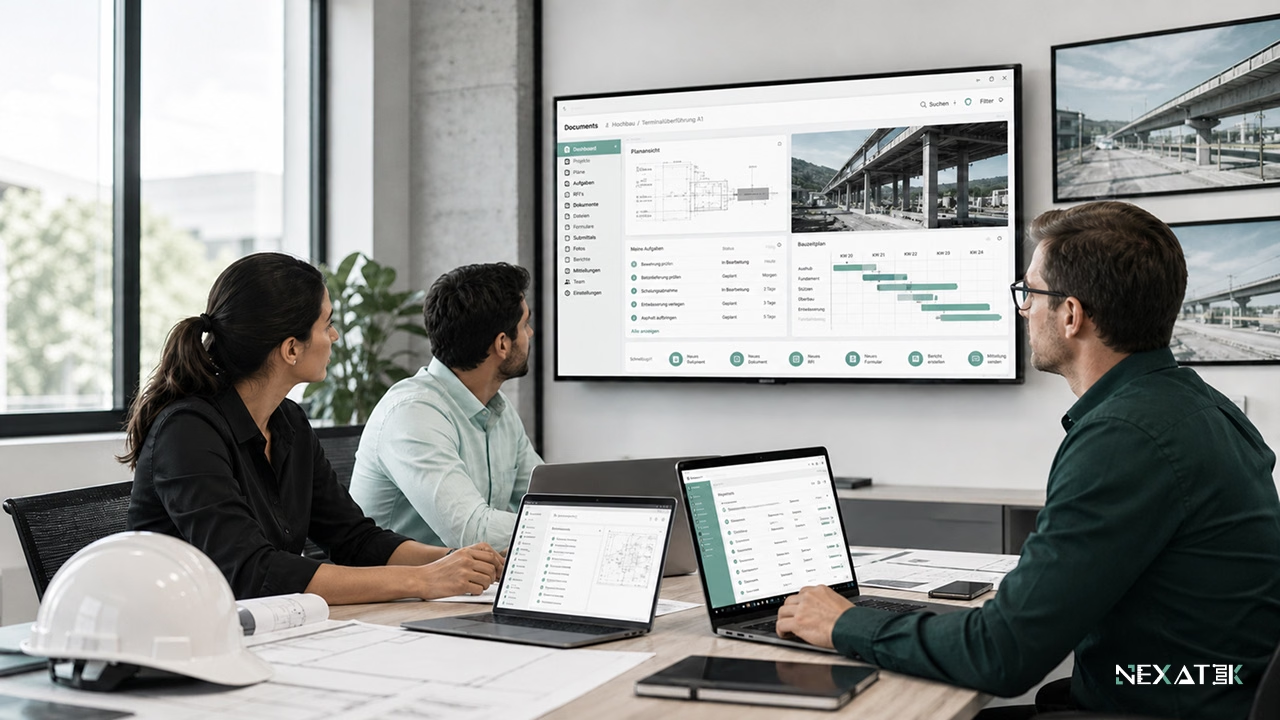 Ein Bauingenieur-Portal bietet Auftraggebern einen kontrollierten, zentralen Zugriff auf Pläne, Berichte, Projektdokumente und Meilenstein-Updates.
Was ist ein Kundenportal im Bauingenieurwesen?
Ein Kundenportal im Bauingenieurwesen ist eine webbasierte Plattform, über die Auftraggeber Projektinformationen nach klar definierten Zugriffsregeln abrufen. Es dient als zentrale Ausgabestelle (Single Point of Truth) für technische Liefergegenstände und Statusberichte. Während herkömmliche Dashboards lediglich aggregierte Kennzahlen abbilden, steuert ein technisches Portal dokumentenintensive Arbeitsabläufe unter formeller Versionskontrolle – vergleichbar mit einem kontrollierten System zur Verteilung bautechnischer Dokumente.
Die Strukturierung folgt der ingenieurtechnischen Fachlogik: gegliedert nach Projekten, Vergabepaketen, Fachdisziplinen oder Leistungsgruppen statt nach improvisierten Ordnerstrukturen. Ein solches Portal kann auch Online-Berechnungswerkzeuge für Ingenieure auf Auftraggeberseite bereitstellen, um produktspezifische Vordimensionierungen durchzuführen und die Ergebnisse direkt als Projektunterlagen zu exportieren.
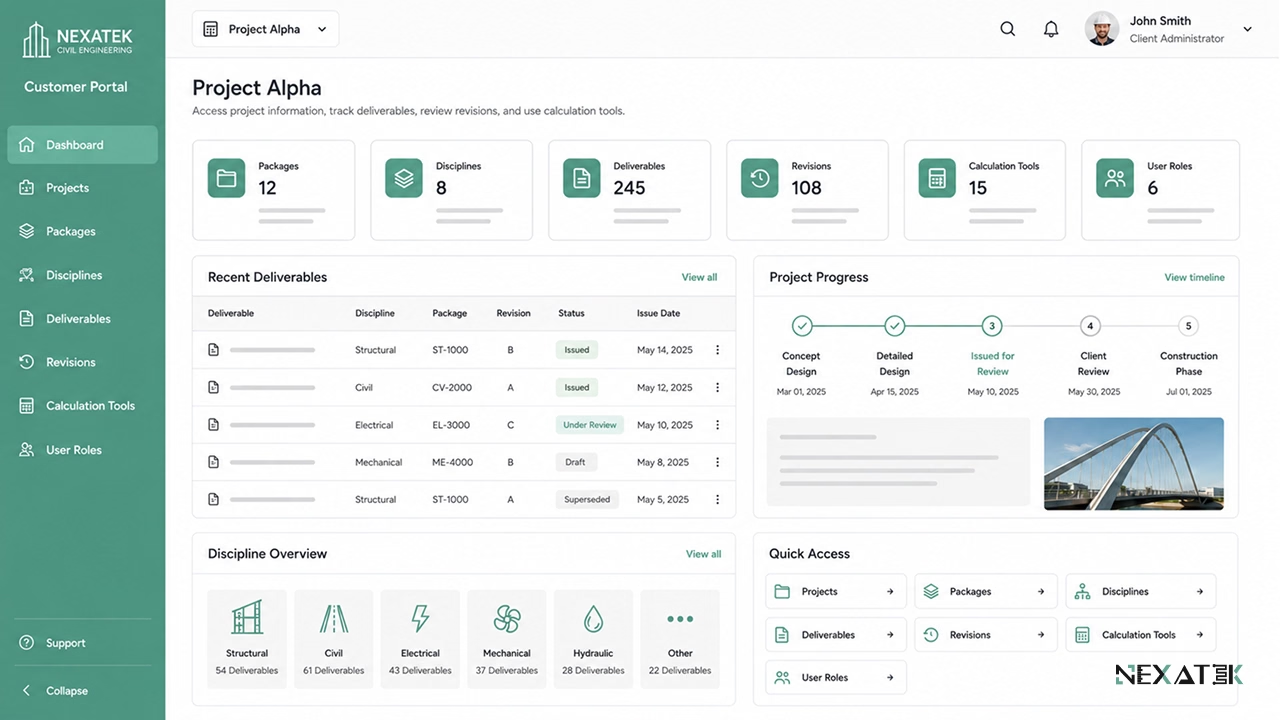 Ein praxisgerechtes Portal bildet die Projektlogik des Ingenieurbaus ab – inklusive Vergabepaketen, Fachdisziplinen, Liefergegenständen, Revisionen und Benutzerrollen.
Warum Bau- und Infrastrukturprojekte Kundenportale erfordern
Lange Entscheidungszyklen stellen die zentrale Herausforderung dar. Ein Planungsordner durchläuft zwischen Ausschreibung und Bauausführung oft ein Dutzend Revisionen und bindet bis zu 40 Prüfer ein. Die Interaktion mit dem Auftraggeber muss dabei vom Vorentwurf bis zum Projektabschluss konsistent bleiben.
Projektbezogene Interaktion mit Auftraggebern
Auftraggeber erleben ein Bauvorhaben nicht als linearen Dialog, sondern interagieren an definierten Schnittstellen: Meilensteinprüfungen, Nachforderungsanträge, formelle Freigaben oder Korrekturschleifen. Jeder dieser Schritte besitzt einen fachlichen Kontext, insbesondere den Bezug zum konkreten Planungspaket und dessen Revisionsstand.
E-Mail-Kommunikation zersplittert diesen Zusammenhang in unzusammenhängende Verläufe. Eine einfache Dateifreigabe speichert zwar das Dokument, sagt jedoch nichts darüber aus, warum es ausgegeben wurde oder welchen Stand es ersetzt. Ein B2B-Kundenportal protokolliert jede Interaktion als Projekt-Ereignis: Eine in Projektwoche 12 gestellte Frage bleibt somit dauerhaft mit dem Planstand verknüpft, auf den sie sich bezog.
Rollenbasierte Berechtigungen stellen sicher, dass ein Prüfingenieur die vollständige Revisionshistorie einsehen kann, während das Projektmanagement primär Terminlinien und Meilensteine im Blick behält.
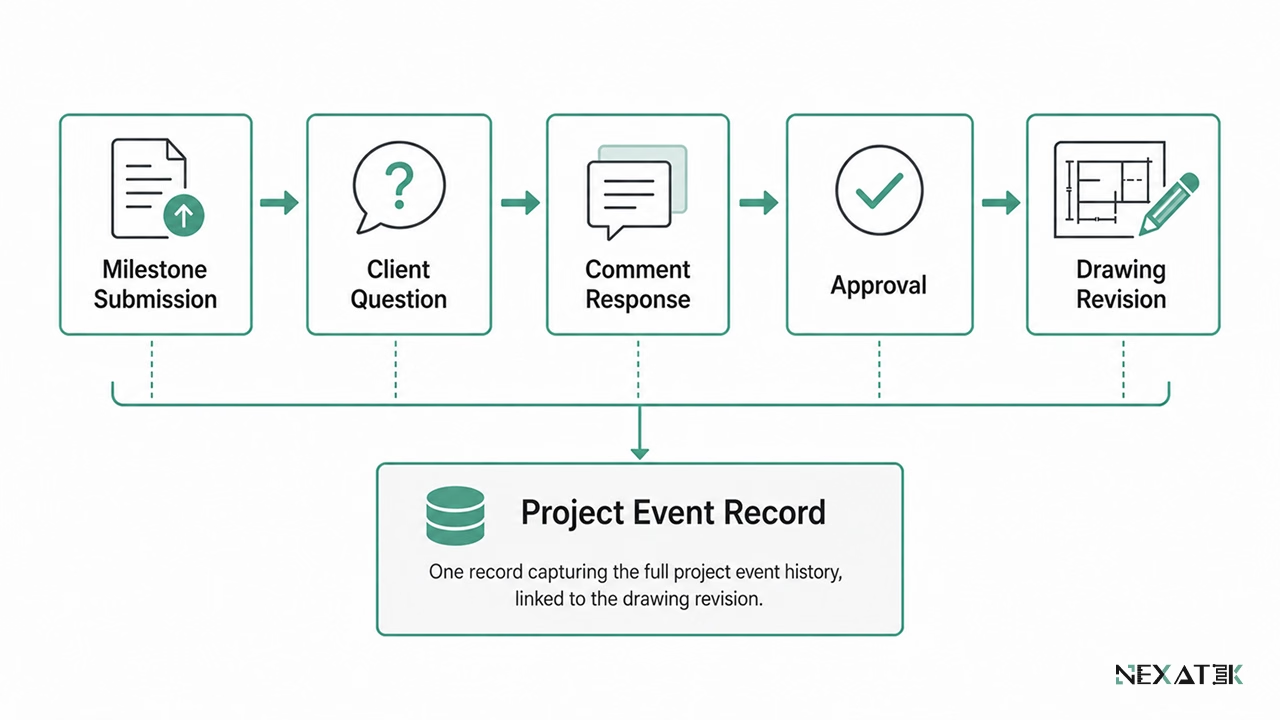 Die Verknüpfung von Kundenfragen, Prüfkommentaren und Freigaben mit dem jeweiligen Planstand sichert die Nachvollziehbarkeit der Projektkommunikation.
Dokumentenintensive technische Liefergegenstände
Ein finaler Abschlussbericht macht nur einen Bruchteil der gesamten Projektdokumentation aus. Ausführungspläne, technische Memos, Prüfberichte und fortlaufende Zwischenabgaben summieren sich in regelmäßigen Zyklen – häufig begleitet von Prüf- und Überarbeitungsphasen vor der endgültigen Abnahme.
Generische File-Sharing-Dienste bilden diesen Kontext nicht ab. Ein typisches Fehlerszenario: Der Auftraggeber kalkuliert Bauleistungen auf Basis von Index C, während das Ingenieurbüro intern bereits Index D freigegeben hat. Das Portaldesign für Ingenieuranwendungen behandelt Revisionsmanagement daher als Kernfunktionalität und nicht als optionales Zusatzmodul.
Ebenso entscheidend ist das Wiederauffinden von Unterlagen: Benötigt ein Bauleiter 14 Monate später einen freigegebenen Plan zur Absicherung einer Gründungsentscheidung, reduziert ein indexierter Datenzugriff die Suche von Tagen auf wenige Minuten.
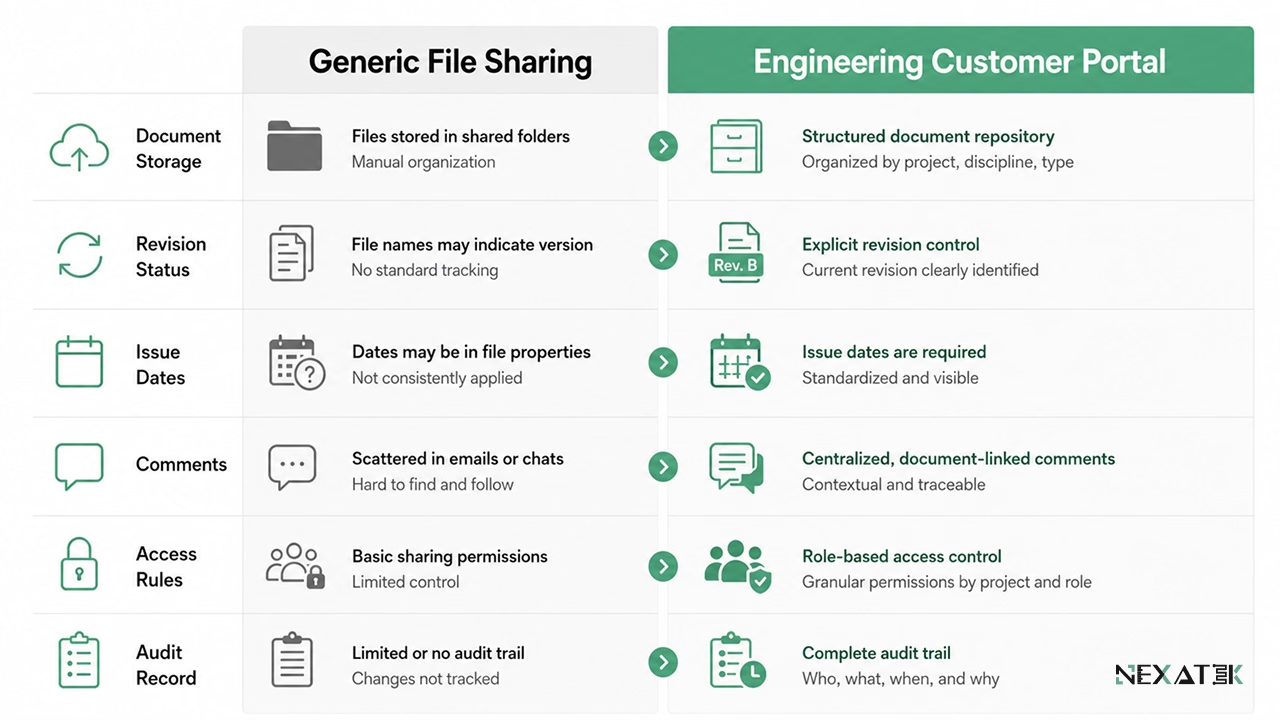
Einfache Cloud-Speicher verwalten Dateien; ein Ingenieurportal steuert Ausgabestände, Dokumentenstatus, Revisionskontexte und Zugriffsrechte.
Kernfunktionen eines Kundenportals im Ingenieurbau
Vier Kernfunktionen prägen ein einsatzfähiges Kundenportal im Bauingenieurwesen: Statusübersicht, Dokumentenzugriff, Verteilung von Arbeitsergebnissen und strukturierte Kommunikation. Jede dieser Funktionen deckt wiederkehrende Kundenanforderungen entlang des Projektlebenszyklus ab.
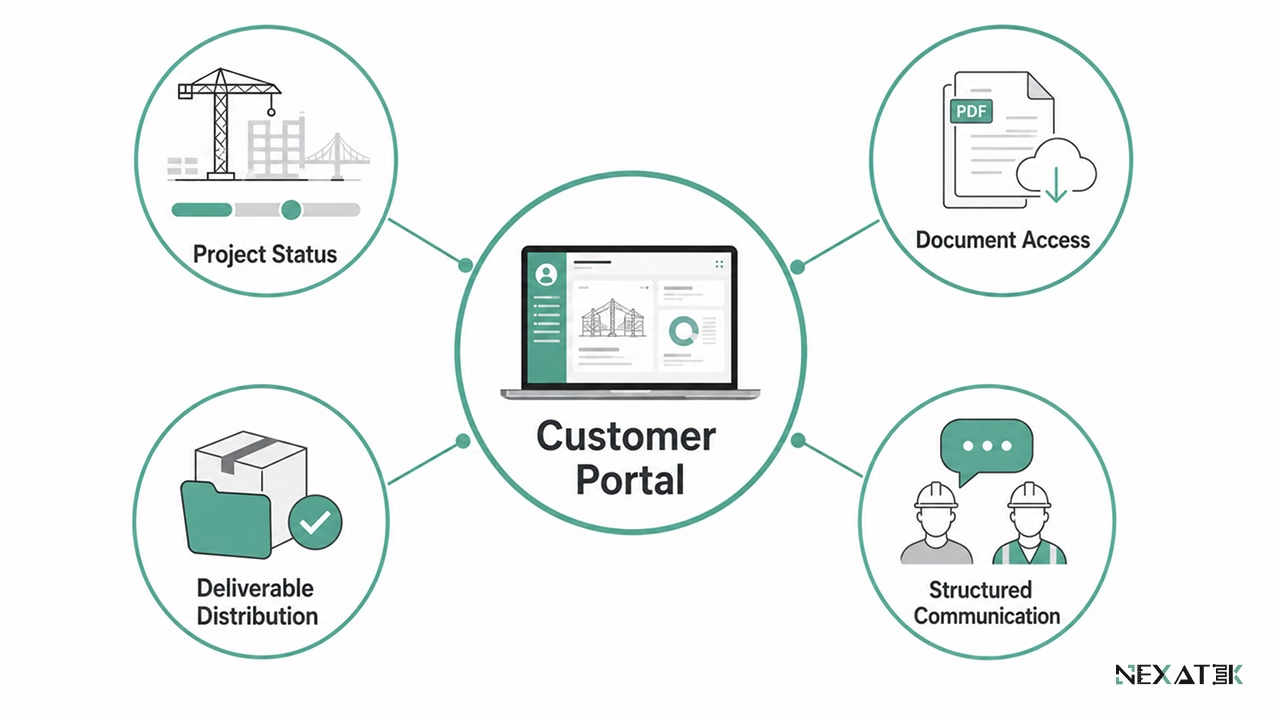 Das Portal bündelt Projektstatus, Dokumentenzugriff, Verteilung von Liefergegenständen und strukturierte Kommunikation in einem zentralen System.
Projektstatus und transparente Baufortschrittskontrolle
Statusansichten stiften erst dann Nutzen, wenn die Statusdefinitionen der bautechnischen Realität entsprechen: In Bearbeitung, Interne Prüfung, Zur Prüfung freigegeben, Zur Ausführung freigegeben. Ein generischer Status wie „in Bearbeitung“ liefert einem bauherrenseitigen Ingenieurteam keinen Mehrwert.
Erst der Kontext macht aus einer Statusanzeige eine Entscheidungsgrundlage: Ein Meilenstein ohne Verknüpfung zu den zugehörigen Dokumenten und Ausgabedaten bleibt aussageschwach. Das Portal verbindet daher jeden Meilenstein direkt mit den hinterlegten Nachweisen.
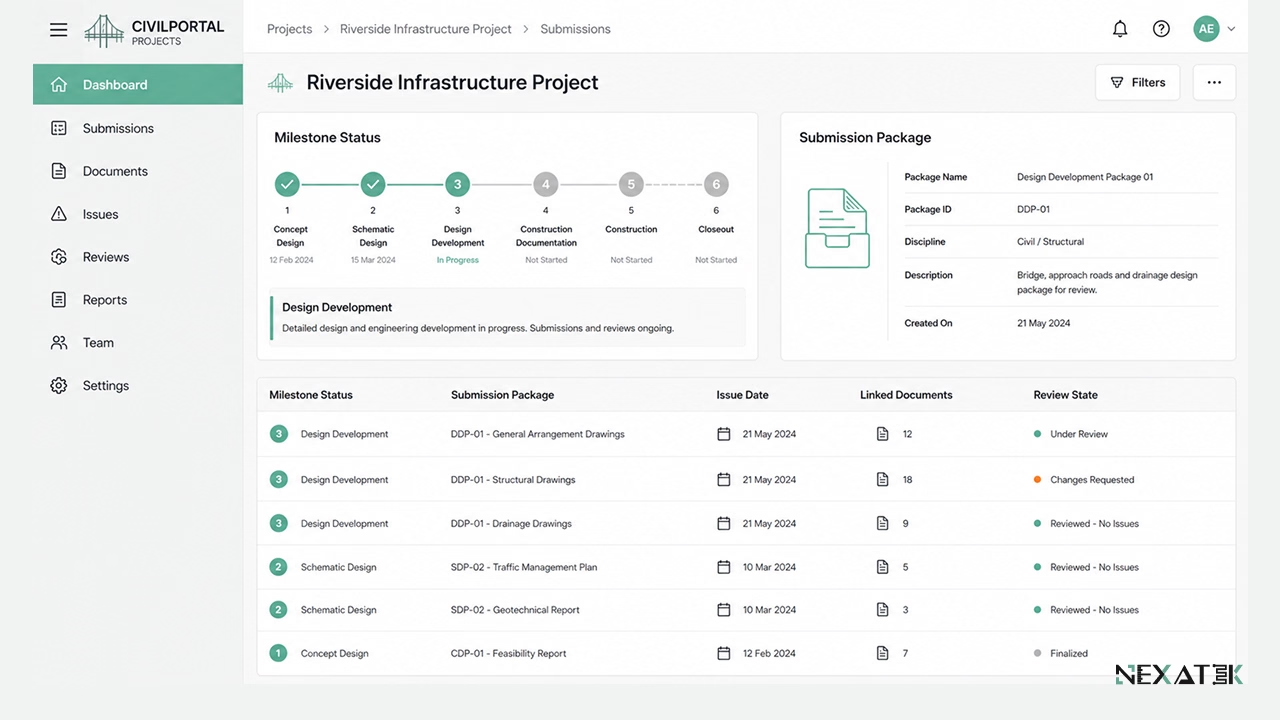 Statusübersichten werden aussagekräftig, wenn jeder Meilenstein direkt mit den zugrundeliegenden Abgaben, Terminen und Dokumenten verknüpft ist.
Zugriff auf technische Dokumente und Ausführungspläne
Der geordnete Zugriff auf Ausführungsunterlagen steht im Mittelpunkt der Portalentwicklung. Dateien werden nach Vergabepaket oder Fachdisziplin gegliedert – passend zur Recherchelogik der Ingenieure –, während Revisionsstände direkt in den Übersichten ersichtlich sind.
Entwurfsfassungen stellen ein erhebliches Risiko dar: Viele Streitigkeiten im Bauablauf entstehen, wenn vorläufige statische Berechnungen vorzeitig an unbefugte Stellen gelangen. Das Portal regelt präzise, welche Benutzerrollen welche Dokumentenstände öffnen dürfen, und trennt Arbeitsentwürfe unmissverständlich von bauaufsichtlich freigegebenen Ausführungsunterlagen.
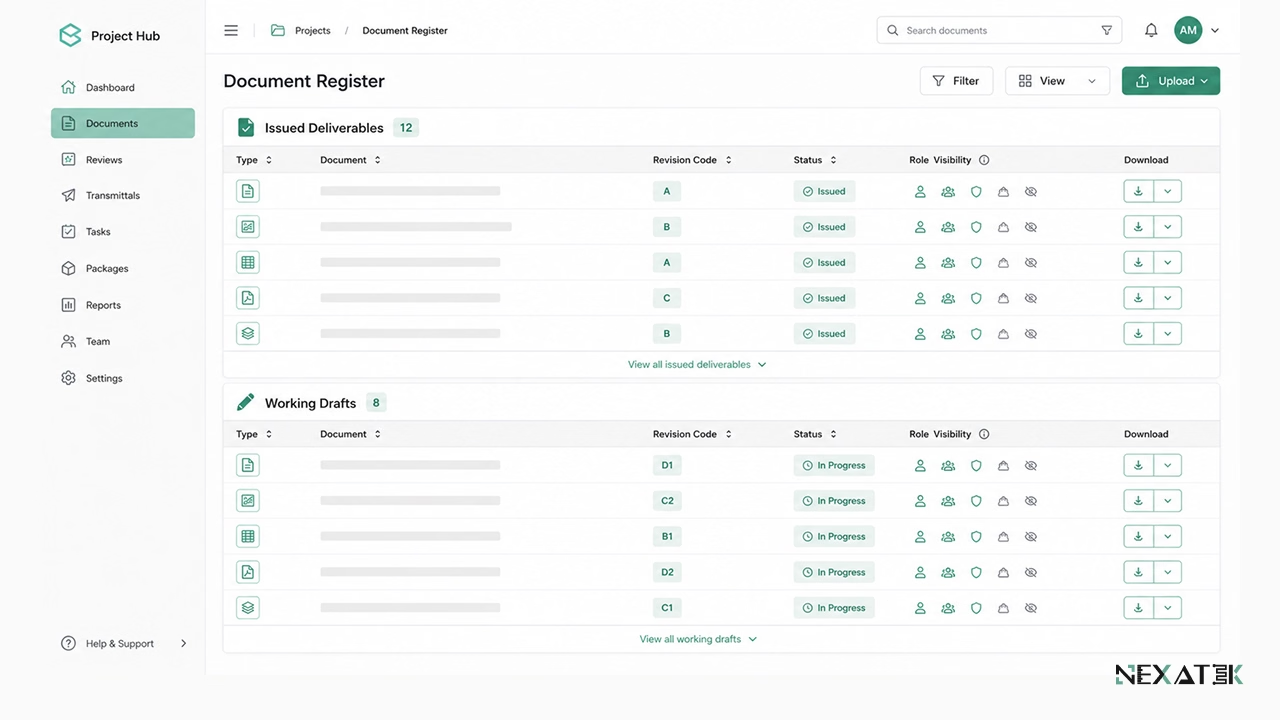 Eindeutige Kennzeichnungen helfen Auftraggebern, freigegebene Ausführungsunterlagen sicher von internen Arbeitsständen zu unterscheiden.
Verteilung von Berichten, Messdaten und Nachweisen
Auftraggeber benötigen weit mehr als formelle Berichte. Baustoffprüfergebnisse, Monitoring-Exporte, Bautagebücher und Zwischenberichte werden über das Portal in standardisierten Zyklen und mit einheitlicher Namenskonvention bereitgestellt. Als technisches Berichtswesen stellt das System sicher, dass jeder Datensatz fest an sein Erfassungsdatum gebunden bleibt.
Zeitreihendaten erfordern besondere Sorgfalt: Vergleicht ein Auftraggeber Setzungsmessungen aus dem März mit Werten aus dem September, müssen beide Stände separat und reproduzierbar abrufbar sein – nicht nur der aktuelle Letztstand. Strukturierte Datenbanken hinter dem Portal, aufbauend auf bauspezifischen Datenmanagementsystemen, stellen dies sicher.
Strukturierte Kommunikation und Projektmitteilungen
Mitteilungen behalten ihren Nutzen, wenn sie direkt am Dokument verankert sind. Übergabebenachrichtigungen und Antworten auf Prüfbemerkungen verlieren ihren Kontext, sobald sie isoliert per E-Mail ausgetauscht werden. Das Portal bindet jede Anmerkung an den jeweiligen Dokumentensatz.
Dadurch greifen alle Projektbeteiligten auf denselben Wissensstand zu. Während zersplitterte E-Mail-Ketten oft dazu führen, dass die kaufmännische Leitung und die technische Projektleitung eines Auftraggebers von unterschiedlichen Planungsständen ausgehen, schafft eine zentrale Veröffentlichungsplattform verlässliche Klarheit.
Kundenportale vs. traditionelle Kommunikationswege
Etablierte Kommunikationswege halten sich hartnäckig, da sie scheinbar keine Einführungskosten verursachen. Bei dokumentenintensiven Vorhaben stoßen sie jedoch an Grenzen. Die Unterschiede sind struktureller Natur:
Grenzen von E-Mail, Netzlaufwerken und manuellem Berichtswesen
Für die informelle Abstimmung ist die E-Mail ein bewährtes Werkzeug. Als rechtssichere Projektablage versagt sie jedoch: Dateianhänge vervielfachen sich, Revisionsketten reißen ab, und Projektbeteiligte arbeiten häufig unbemerkt auf unterschiedlichen Planständen.
Netzlaufwerke zentralisieren zwar Speicherplatz, strukturieren aber keine Arbeitsabläufe. Ordnerstrukturen variieren je nach Projektleiter, und Benennungsregeln verwässern oft nach wenigen Monaten. Eine rollenbasierte Freigabe nach Vergabepaketen lässt sich über herkömmliche Ordnerberechtigungen kaum sicher administrieren.
Manuelle Statusberichte verursachen Zeitverzug. Ein monatlicher PDF-Bericht bildet nur den Stichtag ab, bietet aber keinen direkten Absprung zu den referenzierten Fachberichten. Dies löst erneute Nachfragen per E-Mail aus – und der Fragmentierungszyklus beginnt von vorn.
Vorteile zentralisierter Kundenportale
Ein zentrales Portal verändert die Nachweisführung grundlegend: Bei Unstimmigkeiten oder baubetrieblichen Prüfungen liegen alle Projektdaten an einem Ort – mit Zeitstempeln und Revisionskennungen – statt verstreut in privaten Postfächern und lokalen Archiven.
Rollenbasierte Profile ermöglichen zudem eine gezielte Berechtigungssteuerung: Fachprüfer erhalten Zugriff auf vollständige Prüf- und Planunterlagen, während das Management komprimierte Statusübersichten einsehen kann. Nach Projektabschluss wird das System zu einem geschlossenen Übergabearchiv, das dokumentiert, welche Informationen wann freigegeben wurden.
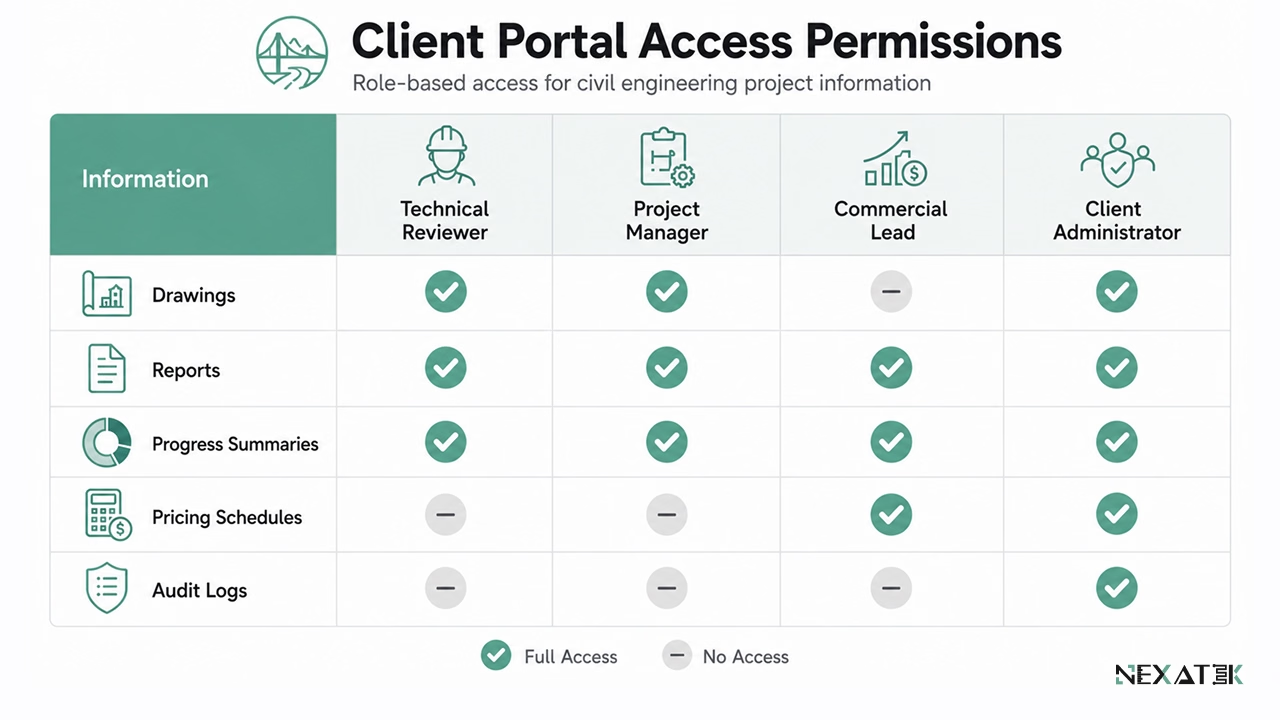 Rollenbasierte Rechte stellen sicher, dass Projektbeteiligte Zugriff auf die relevanten Daten erhalten, ohne vertrauliche Unterlagen offenzulegen.
Portal-Konzeption für ingenieurtechnische Workflows
Die Entwicklung eines Bau-Kundenportals beginnt stets beim fachlichen Arbeitsablauf, nicht beim visuellen Interface. Die Art und Weise, wie ein Büro Pläne freigibt und Revisionsstände pflegt, bestimmt die Architektur des Portals. NEXATEK verknüpft Portalprojekte eng mit einer systematischen Prozessoptimierung im Bauingenieurwesen, damit das Kundenportal die reale Projektabwicklung exakt widerspiegelt.
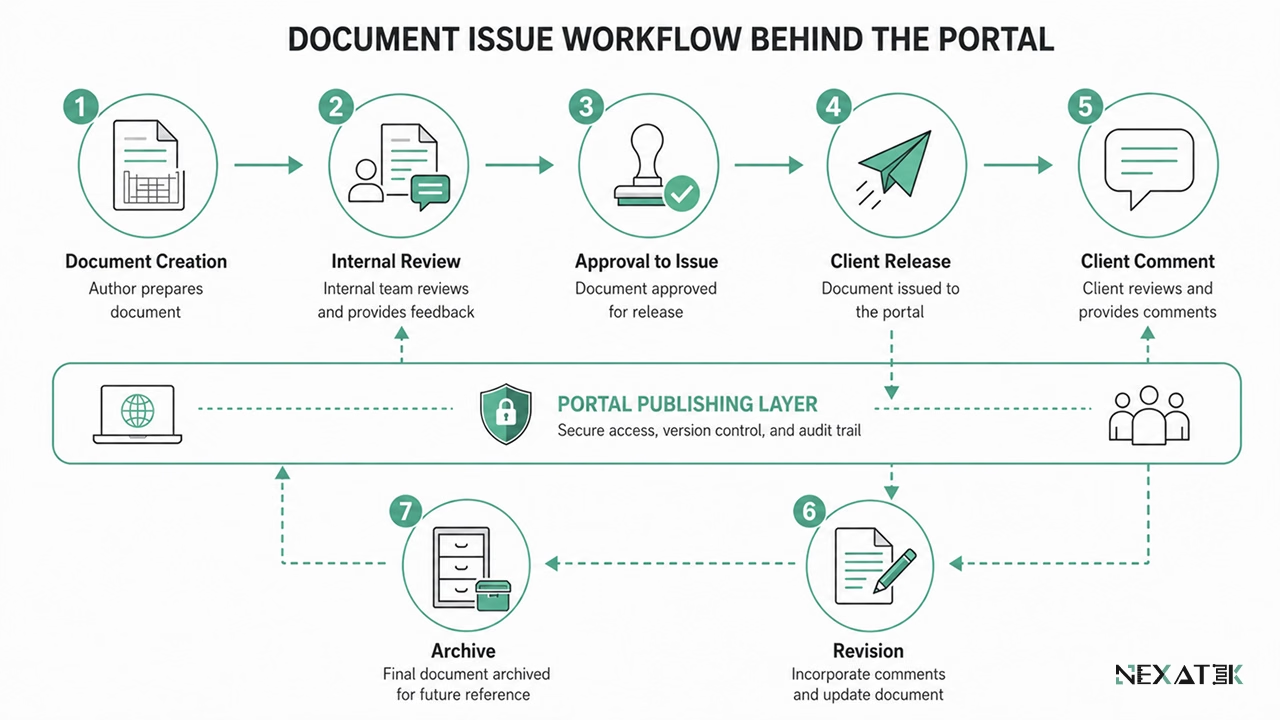 Das Portaldesign sollte dem Ausgabeprozess folgen: von der internen Prüfung über die Kundenfreigabe bis zur Revisionsverfolgung.
Zugriffskontrolle und Datensegmentierung
Die Vertraulichkeit von Daten variiert innerhalb eines Bauprojekts: Vergabesummen und interne Statikunterlagen erfordern strengere Restriktionen als freigegebene Schalpläne, und auch auf Auftraggeberseite soll nicht jeder Beteiligte jedes Dokument einsehen. Berechtigungen werden daher an Rollen und Dokumentkategorien gekoppelt – nicht an einzelne Dateien.
Praxistauglichkeit setzt hierbei die Grenzen: Ein Berechtigungskonzept mit 60 Einzelfreigaben überfordert die Administration. Ein Schema, das auf einer überschaubaren Zahl typischer Projektrollen basiert, bleibt über die gesamte Projektlaufzeit wartbar.
Versionsmanagement und Dokumentenkonsistenz
Jeder ausgegebene Planungsstand muss dauerhaft identifizierbar bleiben. Ein professionelles Portal führt Dokumentennummer, Revisionsindex und Ausgabedatum als strukturierte Metadatenfelder, anstatt sich auf fehleranfällige Dateinamen zu verlassen.
Integrierte Revisionsvergleiche erleichtern die fachliche Prüfung: Ein Prüfingenieur, der Änderungen zwischen Index B und Index C nachvollziehen möchte, findet beide Stände direkt im Portal – inklusive der zugehörigen Prüfbemerkungen. Eine manuelle Suche in E-Mail-Archiven entfällt.
Anpassungsfähigkeit an den Bauwerkslebenszyklus
Leistungsänderungen sind im Bauwesen der Regelfall; das Portal muss diese abbilden können, ohne den Bestand zu beeinträchtigen. Neue Vergabepakete oder veränderte Projektbeteiligte werden im laufenden Betrieb integriert, während historische Datensätze unangetastet bleiben.
Auch die Berichtszyklen wandeln sich: Die Berichterstattung in der Entwurfsphase unterscheidet sich in Taktung und Inhalt deutlich von der Ausführungsüberwachung. Ein gutes Portal deckt beide Phasen ab, ohne dass ein paralleles Zweitsystem eingeführt werden muss.
Anwendungsfälle entlang der baulichen Wertschöpfungskette
Das Basiskonzept des Portals dient verschiedenen Organisationstypen, setzt jedoch unterschiedliche Schwerpunkte. Der strukturierte Datenzugriff für Auftraggeber bleibt stets die Konstante:
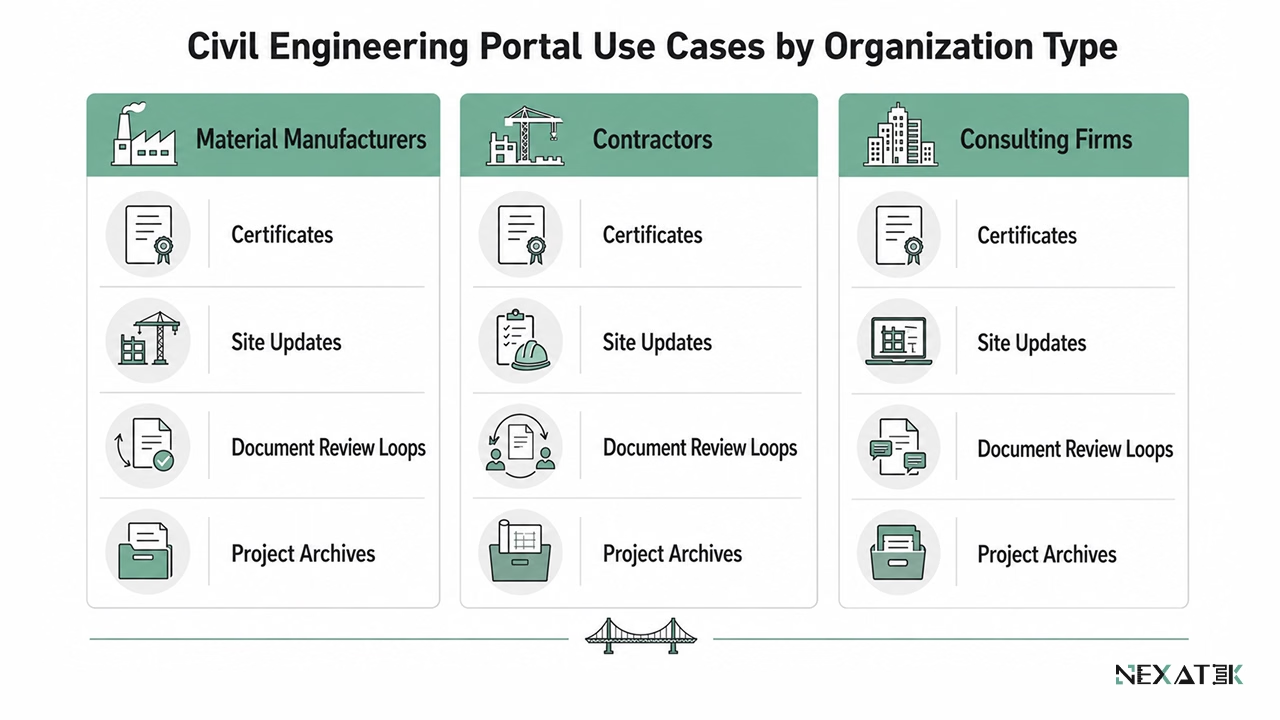 Dieselbe Portalstruktur unterstützt Hersteller, Bauunternehmen und Ingenieurbüros mit ihren jeweils spezifischen Dokumentationsanforderungen.
Baustoff- und Komponentenhersteller
Hersteller interagieren mit technischen Kunden über Produktdatenblätter, Prüfzeugnisse, Zulassungsdokumente und projektspezifische Nachweise. Wiederkehrende Abfragen prägen dieses Profil: Ein Geokunststoff-Kunde fordert dieselben Zertifikate häufig für mehrere Bauvorhaben im Jahr an.
Ein Portal bedient diesen Bedarf automatisiert ohne manuellen E-Mail-Versand. Viele Hersteller erweitern das System zusätzlich, sodass Kunden Materialmengen bestellen oder statische Vorbemessungen direkt im Portal durchführen können.
Bauunternehmen und Infrastrukturentwickler
Bauunternehmen berichten in hoher Frequenz über den Projektfortschritt. Baustellenteams erstellen tägliche Bautagebücher, Abnahmeprotokolle, Fotodokumentationen und technische Freigaben – häufig direkt vor Ort über mobile Datenerfassungs-Apps erfasst.
Ein Kundenportal für Bauprojekte stellt diese Informationen im bautechnischen Gesamtkontext bereit. Bei täglichen Datenmengen stößt die Verteilung per E-Mail an Grenzen. Eine strukturierte Zugriffskontrolle trennt die Informationen nach Baulosen: Der Bauherr erhält eine Gesamtsicht, während vertrauliche Nachunternehmerdaten geschützt bleiben.
Ingenieur- und Planungsbüros
Planerische Leistungen durchlaufen iterative Schleifen: interner Entwurf, Kundenprüfung, Einarbeitung von Anmerkungen, erneute Ausgabe. Die Entwicklung von Ingenieur-Kundenportalen unterstützt diesen Rhythmus durch lückenlose Statusverfolgung und Revisionssicherheit über alle Bearbeitungsschritte hinweg.
Ein weiterer Faktor ist die Projektlaufzeit: Rahmenverträge binden Büros und Auftraggeber oft über Jahre hinweg aneinander. Über diesen Zeitraum wird das Portal zu einem beständigen Projektarchiv aller freigegebenen Unterlagen – vollkommen unabhängig von personellen Wechseln auf beiden Seiten.
 Ein Kundenportal sollte sich an den realen Arbeitsabläufen orientieren, nach denen Ingenieurteams Dokumente erstellen, prüfen und freigeben.