

Maßgeschneiderte Unternehmenslösungen
Systeme auf Unternehmensebene, die rund um Projektdaten, technische Dokumentation und technische Arbeitsabläufe in der Bauindustrie aufgebaut sind.
Grundlage technischer Daten

Technische Dokumentation und Kontrolle der Liefergegenstände

Workflow-Koordination über Unternehmensteams hinweg

Ähnliche Projekte
Entdecken Sie weitere innovative Projekte:





Großartige
Lösungen
beginnen mit einem GesprächGroßartige Lösungen beginnen mit einem Gespräch
Möchten Sie herausfinden, wie unsere Dienstleistungen Ihr Unternehmen voranbringen können?
Maßgeschneiderte Unternehmenslösungen für das Bauingenieurwesen
Ein Autobahnkreuzprojekt generiert im Laufe seines Lebenszyklus Zehntausende Datensätze: geotechnische Berichte, statische Berechnungen, Planungsstände, Prüfprotokolle und Baustellenkorrespondenz. Generische Unternehmenssoftware behandelt diese Dokumente lediglich als Dateianhänge. Maßgeschneiderte Unternehmenslösungen für das Bauingenieurwesen begreifen dieselben Datensätze dagegen als strukturierte bautechnische Informationen.
Dieser Unterschied prägt das gesamte System. Entsprechende Plattformen werden um technische Prüfzyklen und nachvollziehbare Planrevisionsketten herum aufgebaut – statt um abstrakte betriebswirtschaftliche Geschäftsprozesse. NEXATEK entwickelt diese Lösungen als Kernbestandteil einer umfassenden Strategie zur digitalen Transformation im Bauingenieurwesen, die Projektdaten und Dokumentation direkt mit den Teams verknüpft, die sie erarbeiten.
 Maßgeschneiderte Unternehmenssysteme überführen Baudokumente in vernetzte Projektinformationen statt in lose Dateianhänge.
Was sind maßgeschneiderte Unternehmenslösungen im Bauingenieurwesen?
Maßgeschneiderte Unternehmenslösungen im Bauingenieurwesen sind Softwaresysteme, die auf bauspezifische Datenstrukturen und fachliche Kollaborationsmuster zugeschnitten sind. Projekte, Berechnungen, Zeichnungen und technische Freigaben existieren als eigenständige Datensätze mit spezifischer Funktionslogik. Ein Plan führt eine lückenlose Revisionshistorie und einen definierten Freigabestatus mit sich, anstatt als unstrukturierte Datei mit Datumsstempel im Ordnersystem zu verharren.
Technische Rahmenbedingungen ändern sich im Projektverlauf fortlaufend: Baugrunduntersuchungen präzisieren Bodenparameter, und Baumethoden passen sich den angetroffenen Verhältnissen im Baugrund an. Spezifische Unternehmenslösungen integrieren diese Fortschreibungen als strukturierte Revisionen, sodass der Weg von der Annahme bis zum Ergebnis stets nachvollziehbar bleibt. Dieses Verhalten direkt im Datenmodell zu verankern, ist die Kernaufgabe der individuellen Softwareentwicklung für Ingenieurunternehmen.
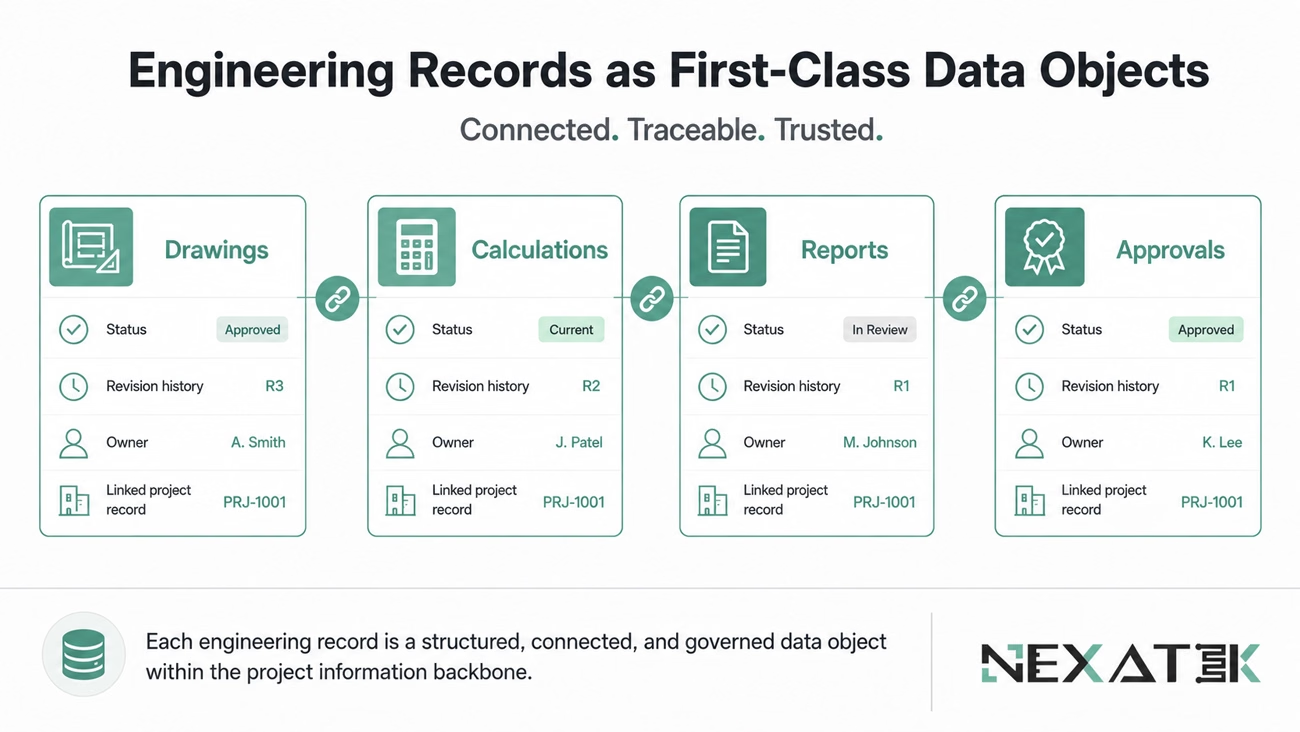
Ein maßgeschneidertes Datenmodell verleiht Zeichnungen, Berechnungen, Berichten und Freigaben einen eigenen Status, eine Historie und logische Beziehungen.
Das Ergebnis ist eine durchgängige Übereinstimmung mit der ingenieurtechnischen Logik: Ein Fachprüfungs-Workflow oder eine Meilensteinprüfung existiert im System exakt so, wie er in der Projektorganisation gelebt wird. Die Software folgt den fachlichen Entscheidungen der Ingenieure, anstatt sie in starre, generische Verwaltungsabläufe zu zwingen.
Warum das Bauingenieurwesen maßgeschneiderte Unternehmenslösungen erfordert
Generische Unternehmensplattformen setzen stabile Prozesse und standardisierte Ergebnisse voraus. Der Ingenieurbau bietet keines von beiden: Jedes Vorhaben beginnt mit neuen Baugrundverhältnissen sowie einer spezifischen Vertragskonstellation, während die technische Bearbeitung iterativ verläuft. Zwei strukturelle Besonderheiten verdeutlichen, warum maßgeschneiderte Systeme für Ingenieurunternehmen eine Notwendigkeit und keine reine Präferenz sind.
Komplexität ingenieurtechnischer Arbeitsabläufe
Bautechnische Entscheidungen bedingen einander wechselseitig: Ein überarbeitetes Bodengutachten kann Pfahltragfähigkeitsnachweise hinfällig machen und den Bauzeitenplan um Wochen verschieben. Generische Projektmanagementwerkzeuge bilden Arbeiten als lineare Aufgabenlisten ab; sie besitzen kein Konzept für eine statische Berechnung, die zwingend neu verifiziert werden muss, weil sich eine vorgelagerte Annahme geändert hat.
Die reine Erledigung von Teilaufgaben greift zu kurz. Software für bautechnische Workflows muss die gegenseitigen Abhängigkeiten technischer Beschlüsse abbilden. Parallele Fachprüfungen, kontrollierte Revisionsstände und fachübergreifende Rückkopplungsschleifen erfordern eine gezielte Systemunterstützung – und genau diese Unterstützung bildet den Ausgangspunkt für eine wirksame Automatisierung von Bauprozessen.
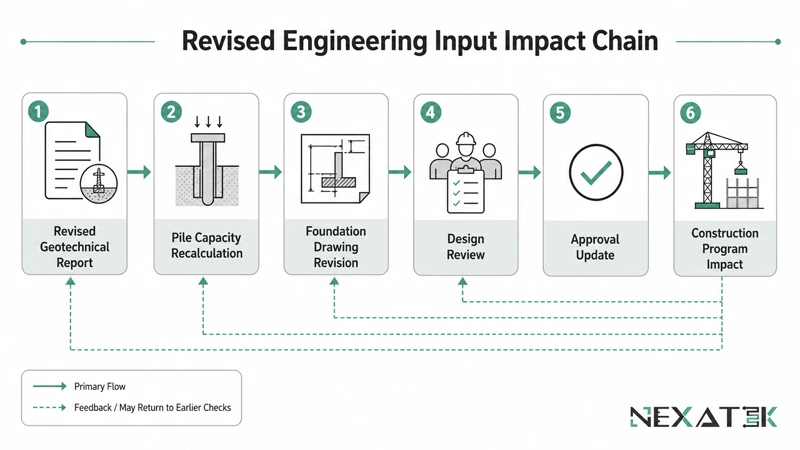
Ändert sich eine technische Annahme, müssen abhängige Berechnungen, Pläne, Prüfungen und Terminpläne oft erneut validiert werden.
Projektzentrierte und dokumentationsintensive Arbeitsweisen
Organisationen im Bauingenieurwesen wirtschaften in Projekten, nicht in isolierten Transaktionen. Ein einzelner Vertrag kann 5.000 Pläne und hunderte Fachberichte umfassen, von denen viele auch ein Jahrzehnt nach der Übergabe technisch relevant bleiben. Die Dokumentation dient gleichzeitig als Leistungsnachweis und als dauerhafte technische Referenz.
Standardsysteme behandeln Dokumente als bloße Anhänge. Maßgeschneiderte Plattformen verwalten Dokumentationen hingegen als strukturierte Datensätze mit Metadaten, Revisionsverläufen und Freigabestatus. Die entscheidende Frage eines Bauleiters vor Ort ist einfach: Welcher Planungsstand gilt verbindlich für den morgen früh angesetzten Betonierabschnitt? Systemisch integrierte Dokumenten-Workflows beantworten diese Frage verlässlich ohne zeitraubende Rücksprache mit dem Planungsbüro.
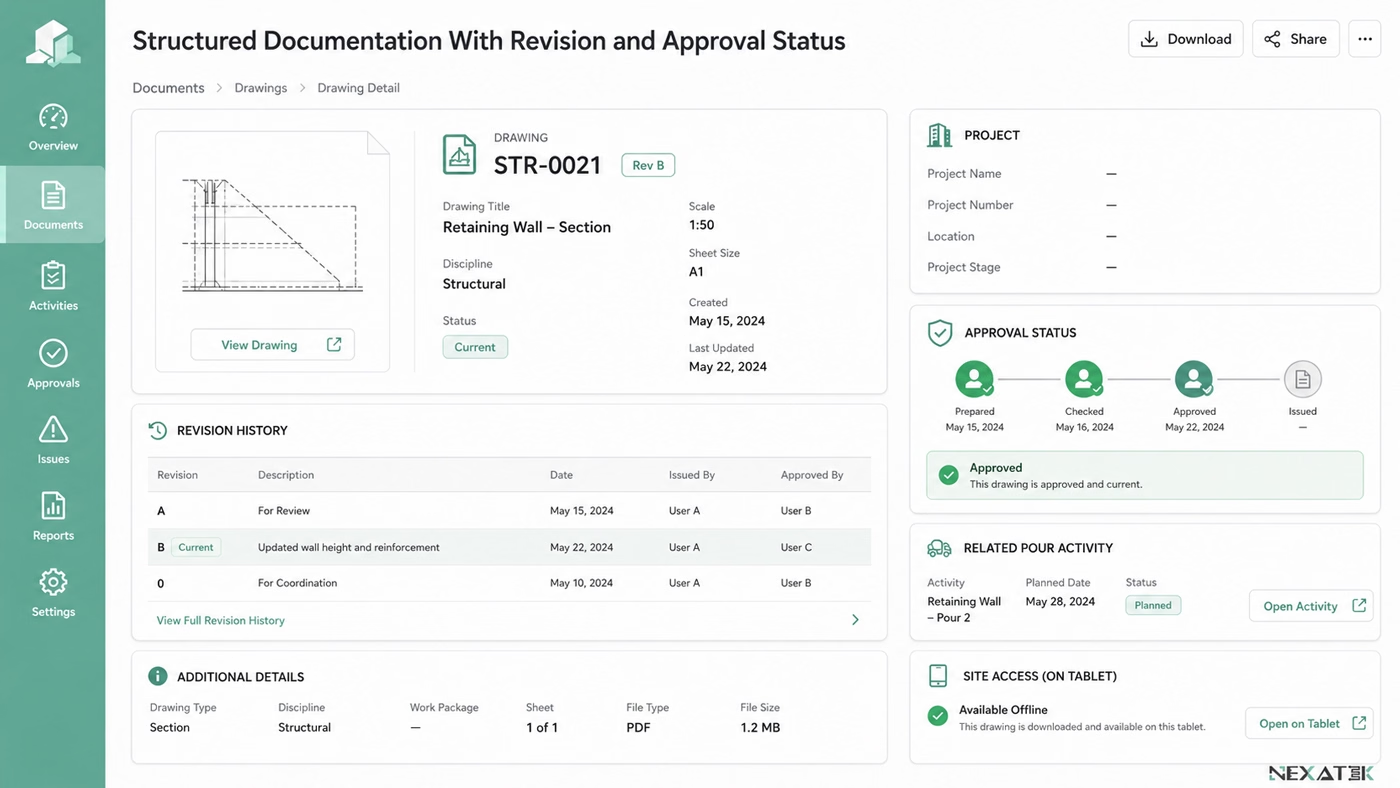 Strukturierte Dokumentation stellt den aktuell freigegebenen Revisionsstand transparent für die Teams auf der Baustelle bereit.
Kernkomponenten von Unternehmenslösungen im Bauingenieurwesen
Unternehmenssoftware für das Bauingenieurwesen führt funktionale Komponenten in einem geschlossenen System zusammen. Vier Bereiche sind in nahezu jeder Implementierung unverzichtbar.
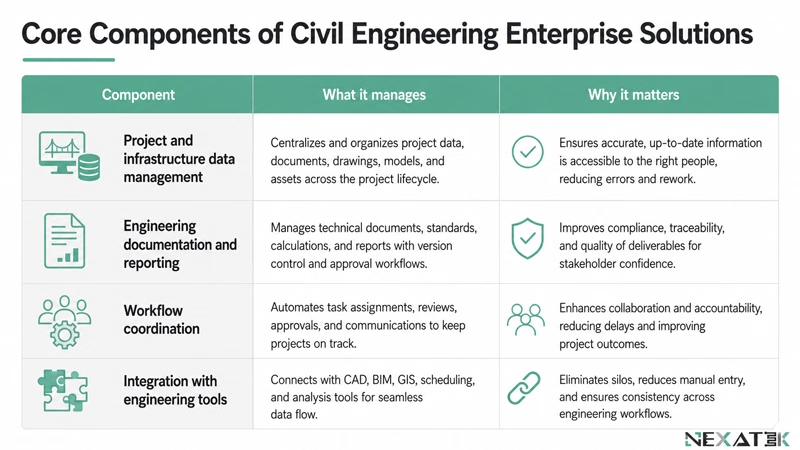 Diese Übersicht fasst die vier Kernkomponenten zusammen, verdeutlicht deren Aufgaben und stellt den operativen Nutzen für Bauprojekte dar.
Projekt- und Infrastrukturdatenmanagement
Projektdaten umfassen Baugrundkennwerte, Materialeigenschaften, Mengen und georeferenzierte Bauwerksstandorte. Eine Strukturierung entlang von Projekten und physischen Bauwerken – statt nach Kostenstellen – trennt technische Datenmanagementsysteme von reinen Buchhaltungsdatenbanken. Ein Leistungsverzeichnis verknüpft beispielsweise jede Massenposition direkt mit dem zugehörigen Planbezug und dem entsprechenden Bauabschnitt.
Annahmen verändern sich, und die lückenlose Erfassung dieser Veränderungen schafft rechtssichere Werte: Wird ein Massenansatz infolge einer Umplanung modifiziert, bleibt der vorherige Wert samt Begründung dokumentiert, was spätere Nachtragsprüfungen erheblich vereinfacht. Eine zweckgebundene Datenbankentwicklung im Bauingenieurwesen etabliert diese Schemata, sodass das System seinen Nutzen über Jahrzehnte hinweg behält.
Bautechnische Dokumentations- und Berichtssysteme
Statische Berechnungen, Zeichnungen, Gutachten und Prüfvermerke bilden das formale Rückgrat eines Ingenieurbaus. Ein maßgeschneidertes System verwaltet sie als relationale Datensätze: Ein Bericht verweist auf die zugrundeliegenden Berechnungen, und ein Prüfkommentar haftet fest an einer spezifischen Planrevision.
Das Berichtswesen greift direkt auf dieselbe Datenbasis zu: Ein monatlicher Fortschrittsbericht übernimmt Mengendaten und Prüfergebnisse direkt aus den Projektdatensätzen, wodurch manuelle Übertragungsfehler vermieden werden. NEXATEK konzipiert Dokumentationssysteme exakt entlang der Arbeitsweise, wie Ingenieure bautechnische Inhalte erarbeiten und validieren.
Fachübergreifende Workflow-Koordination
Planungsbüro und Baustelle greifen auf dieselben Informationen zu, agieren jedoch unter unterschiedlichen Rahmenbedingungen. Ein Plan durchläuft typischerweise Ersteller, Prüfer und Freigeber, bevor er den Status „Zur Ausführung freigegeben“ erhält. Individuelle Systeme bilden diese Zyklen digital ab; Freigaben folgen dabei der fachlichen Bauvorlageberechtigung und Verantwortung statt einer generischen Managementhierarchie.
Prüfbemerkungen bleiben direkt an das jeweilige Dokument gebunden. Fachliche Abstimmungen zerfasern nicht in unübersichtlichen E-Mail-Ketten, und die Zuständigkeit für offene Prüfpunkte bleibt transparent, bis sie formell geschlossen sind.
Integration in bauspezifische Fachanwendungen
Ingenieure nutzen etablierte Spezialsoftware für statische Berechnungen, FE-Simulationen und CAD/BIM-Konstruktionen. Diese Werkzeuge abzulösen, ist der falsche Ansatz. Maßgeschneiderte Integrationslösungen konzentrieren sich stattdessen auf Schnittstellen: Berechnungsausgaben und Modellgeometrien verknüpfen sich bidirektional mit den Projektdaten, die auf ihnen aufbauen.
Der Ingenieur arbeitet weiter in seinen gewohnten Fachanwendungen. Das übergeordnete Unternehmenssystem stellt den organisatorischen Kontext sicher und macht aus isolierten Dateiausgaben ein zusammenhängendes, prüffähiges Gesamtsystem.
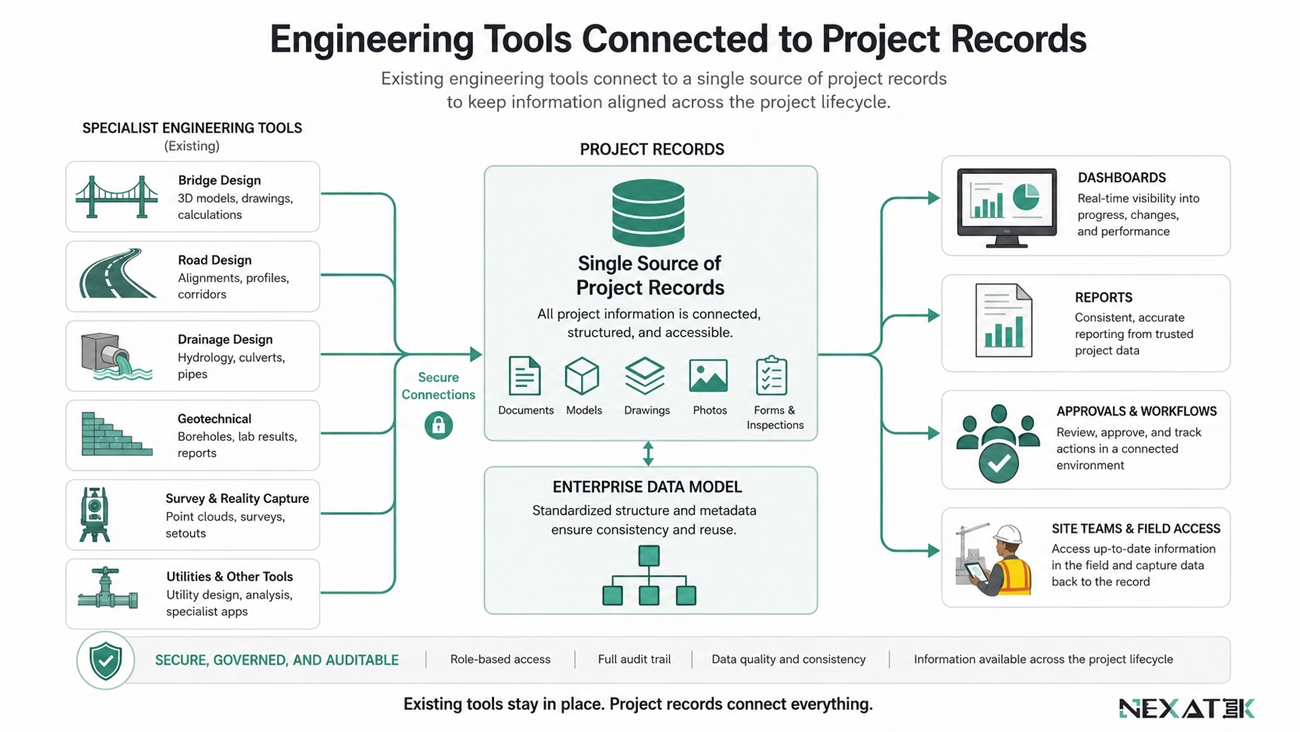 Systemintegration bindet spezialisierte Ingenieursoftware direkt in das übergeordnete Projektinformationssystem ein.
Maßgeschneiderte vs. Standard-Unternehmenssoftware im Ingenieurbau
Ein oberflächlicher Funktionsabgleich verfehlt den Kern des Systemvergleichs: Die Unterschiede sind struktureller Natur – sie manifestieren sich zuerst im Datenmodell und später in täglichen Notbehelfen.
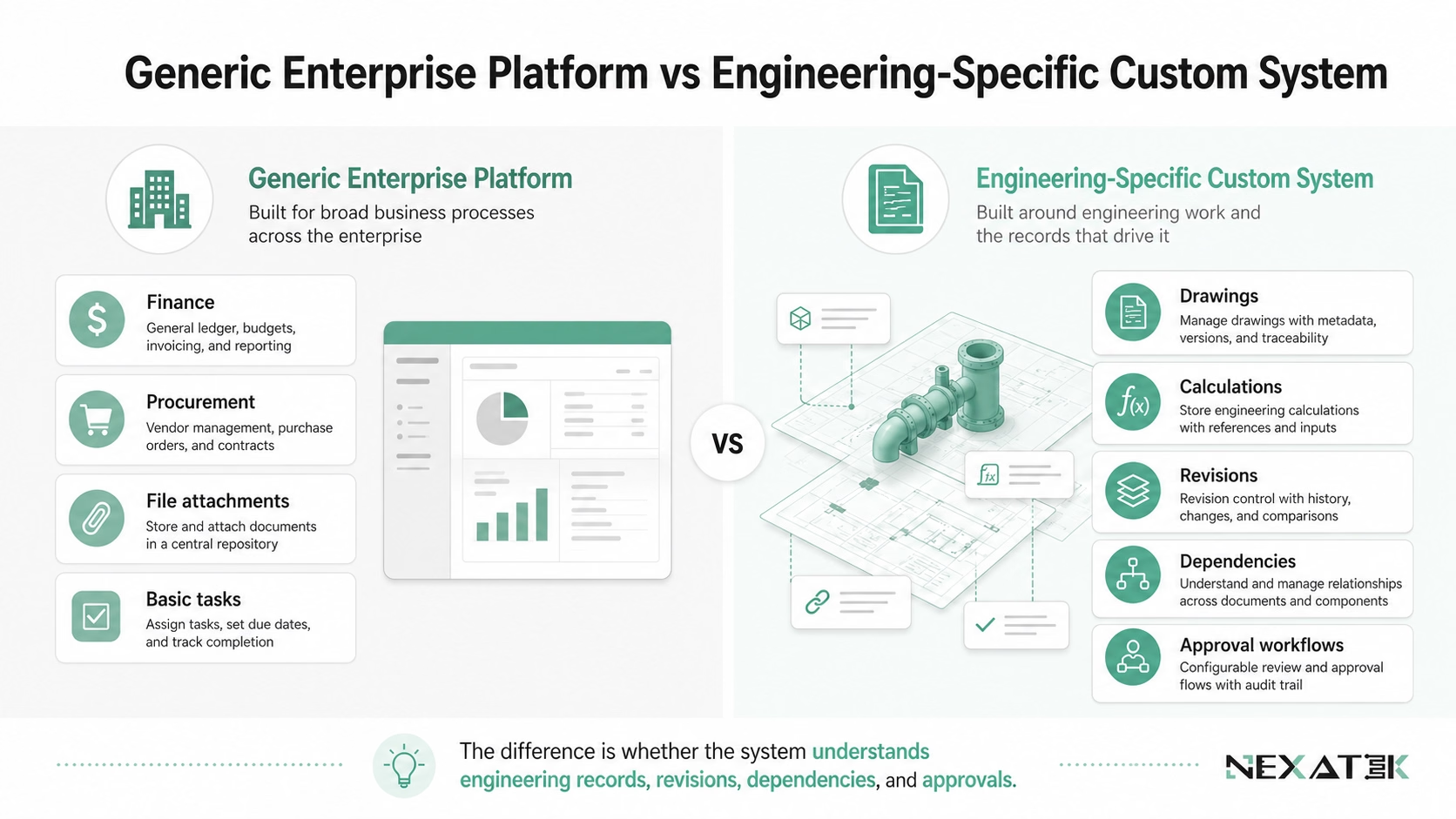 Der Unterschied liegt nicht in Feature-Listen, sondern darin, ob das System bautechnische Nachweise, Revisionen, Abhängigkeiten und Prüfzyklen versteht.
Grenzen generischer Unternehmensplattformen
Generische ERP-Systeme streben nach branchenübergreifender Standardisierung, mit Finanzen und Einkauf als Mittelpunkt. Ingenieurspezifische Anforderungen werden meist nur als nachträgliche Erweiterung angebunden. Komplexe Dokumentenhierarchien mit Hunderten von Querverweisen und mehrstufige, iterative Freigabeschleifen lassen sich in Standardmenüs selten abbilden.
Die Folge sind manuelle Behelfslösungen: Massen werden im ERP erfasst und parallel in einer Planungs-Kalkulationstabelle gepflegt, bis die Stände nach wenigen Wochen voneinander abweichen. Eine solche Datenfragmentierung erhöht das Haftungsrisiko und verstellt den Projektbeteiligten den Blick auf den tatsächlichen Leistungsstand.
Vorteile ingenieurspezifischer Individualsysteme
Eine maßgeschneiderte Entwicklung verankert die bautechnische Logik unmittelbar im Datenmodell. Masken und Abläufe spiegeln wider, wie Ingenieurleistungen in der Praxis erbracht werden – der Übersetzungsaufwand zwischen Software und Anwender entfällt.
Ein weiterer Vorteil ist die zukunftssichere Anpassbarkeit: Eine neue Berechnungsmethode oder ein modifiziertes Berichtsformat lässt sich in die bestehende Struktur integrieren, ohne den Betrieb laufender Projekte zu stören. Der Mehraufwand liegt zu Projektbeginn: Die bauspezifische Fachlogik muss präzise definiert werden, bevor die Entwicklung startet – diese Konzeptionsphase zahlt sich über die gesamte Betriebszeit aus.
Anwendungsfälle entlang der baulichen Wertschöpfungskette
Je nach Position in der Wertschöpfungskette variieren die operativen Schwerpunkte und damit die Systemanforderungen. Drei typische Profile veranschaulichen das Spektrum:
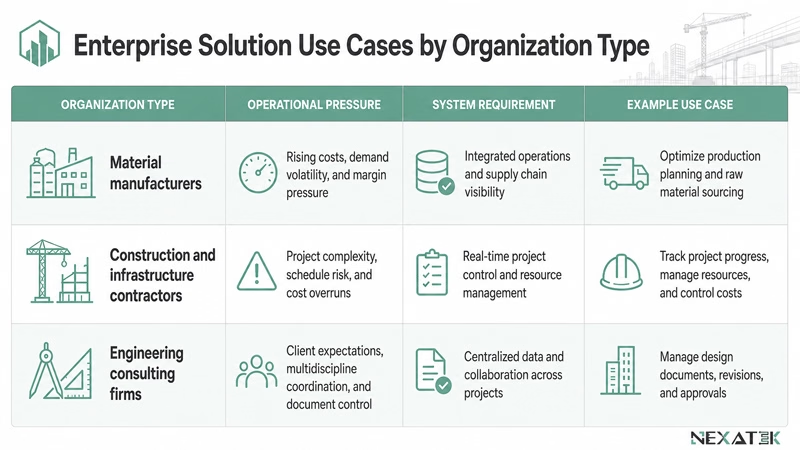 Diese Gegenüberstellung vergleicht Baustoffhersteller, Bauunternehmen und Ingenieurbüros hinsichtlich operativer Schwerpunkte und Systemanforderungen.
Baustoffhersteller und produktionsnahes Engineering
Ein Betonfertigteilwerk steuert Rezepturen, Güteprüfungen und Chargenprotokolle parallel zu projektspezifischen Einbauanforderungen. Eine passgenaue Branchenlösung verknüpft das Labor- und Prüfdatenmanagement direkt mit der Arbeitsvorbereitung. Jedes gefertigte Fertigteil lässt sich lückenlos auf seine spezifische Rezeptur und die zugehörigen Druckfestigkeitsprüfungen zurückführen.
Bauunternehmen und Infrastrukturentwickler
Bauunternehmen agieren unter hohem Termindruck mit sich täglich ändernden Baustellendaten. Bautagebücher und Abnahmeprotokolle fallen parallel zu den Ausführungsplänen an, und technische Freigaben können nicht bis zum nächsten Baustellenjournal warten.
Maßgeschneiderte Plattformen sichern die Nachvollziehbarkeit baubegleitender Änderungen gegenüber der Ausführungsplanung, sodass Bauleitung und Planungsbüro stets auf identischer Datengrundlage verhandeln. Da Baustellenteams Mess- und Prüfwerte zunehmend mobil erfassen, bildet die mobile App-Entwicklung für das Bauingenieurwesen eine logische Erweiterung der zentralen Plattform.
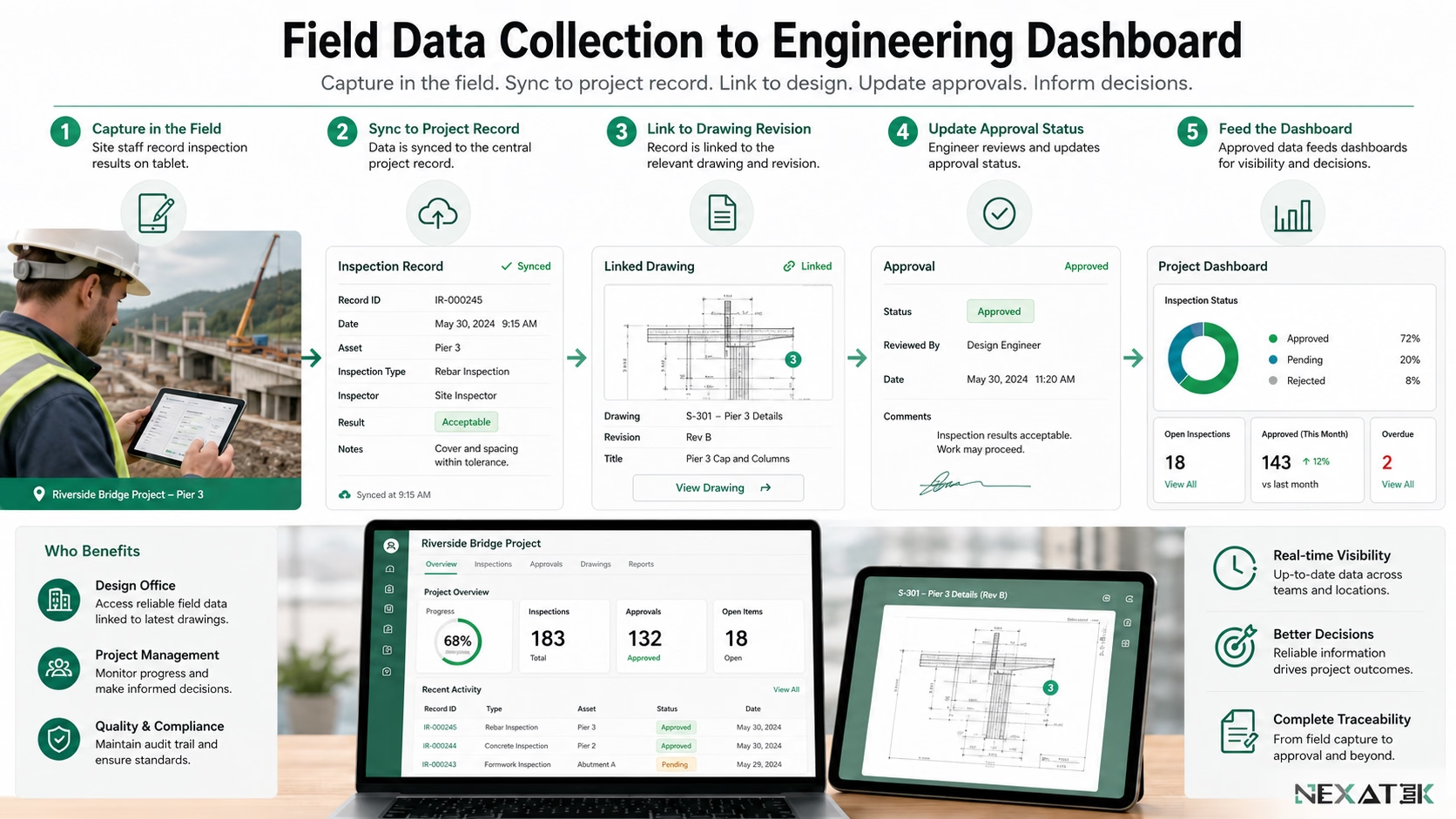 Baustellendaten entfalten ihren vollen Nutzen, wenn Erfassungen, Abnahmen, Planungsstände und Dashboards vernetzt bleiben.
Planungs- und Ingenieurbüros
Ein Ingenieurbüro mit 40 parallelen Projekten benötigt Konsistenz ohne bürokratische Erstarrung: Statische Berechnungsvorlagen und Erfahrungswerte aus abgeschlossenen Projekten müssen büroweit auffindbar sein, ohne jedes Projekt in ein starres Einheitskorsett zu zwingen.
Strukturiertes Datenmanagement ermöglicht echtes Wiederverwenden: Ein bewährtes Gründungskonzept dient als referenzierter Startpunkt für das Nachfolgeprojekt, während digitale Prüf-Workflows die Qualitätssicherung unterstützen.
Skalierbarkeit und langfristige Anpassungsfähigkeit
Unternehmenssysteme im Bauingenieurwesen weisen lange Nutzungsdauern auf. Eine Plattform, die heute eingeführt wird, muss Projekte verlässlich unterstützen, die erst in zehn Jahren abgeschlossen werden.
Unterstützung von Unternehmenswachstum und Projektgröße
Wachstum vervielfacht Projektdaten oft lange bevor personelle Kapazitäten aufgestockt werden. Ein Unternehmen, das von 50 auf 500 aktive Vorhaben skaliert, benötigt dieselben Abfragegeschwindigkeiten ohne aufwendige Zwischenmigrationen. Maßgeschneiderte Lösungen skalieren modular durch Erweiterung von Tabellenstrukturen und Workflows statt durch Systemwechsel. Ein neuer Fachbereich oder eine neue Niederlassung dockt nahtlos an die bestehende Architektur an; historische Projektdaten bleiben parallel zu aktuellen Vorgängen abfragefähig.
Anpassung an sich wandelnde Ingenieurmethoden
Regelwerke und Methoden verändern sich: Neue Nachweisverfahren oder modifizierte Umweltberichtsstandards treten in Kraft, und das System muss diese Neuerungen abbilden, ohne bewährte Bestandsdaten zu gefährden.
Eine kontrollierte Systemevolution sichert den laufenden Betrieb: Ein neuer Workflow wird schrittweise parallel zum bestehenden Prozess eingeführt, und Teams wechseln projektbezogen statt durch einen abrupten Schnitt. Diese Prozessstabilität kommt vor allem Mitarbeitern mit geringerer digitaler Routine zugute, die durch ständige Benutzeroberflächenwechsel verunsichert werden.
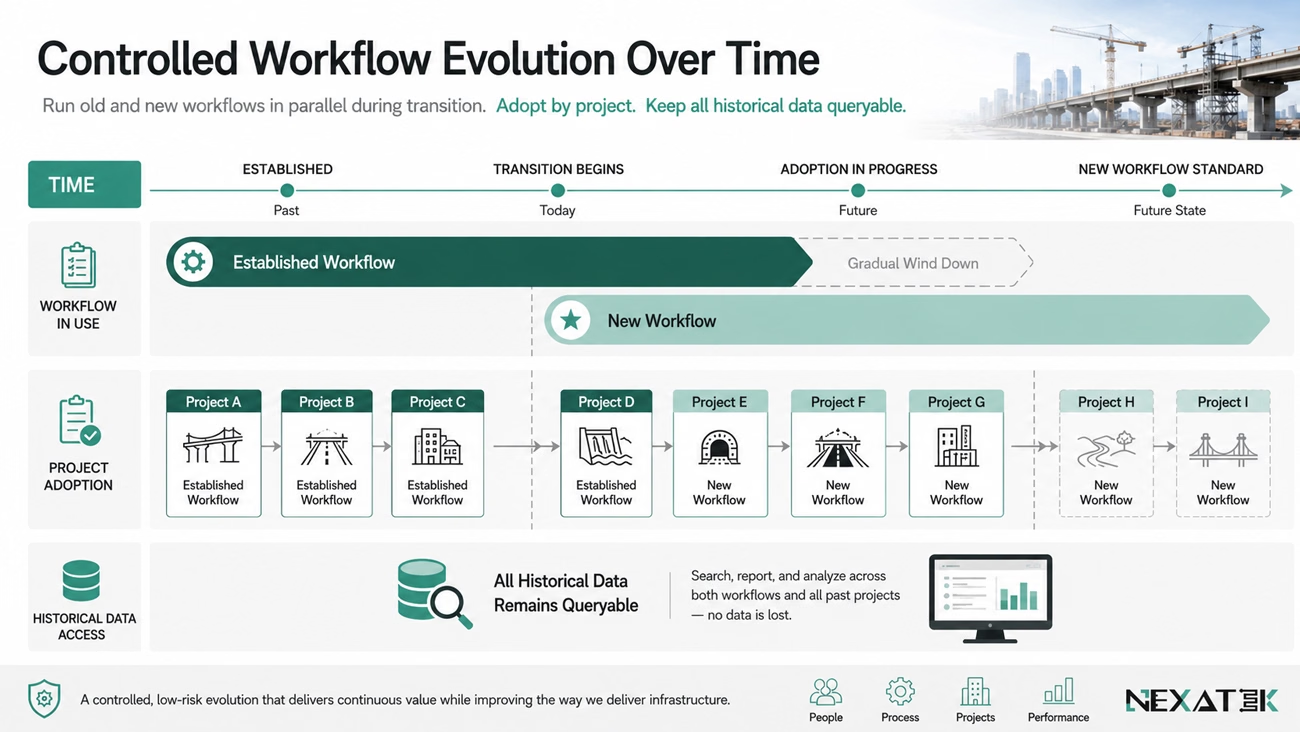 Maßgeschneiderte Systeme unterstützen neue Workflows schrittweise, während historische Daten und aktive Projekte stabil bleiben.