
Maatwerk Softwareontwikkeling voor Civiele Techniek
Software op maat die uw ontwerp en berekening, technische workflows, datastructuren en projectoplevering en rapportage ondersteunt. NEXATEK ontwikkelt maatwerksoftware die technische gegevens, interne processen en beslissingstrajecten verbindt van concept tot gedetailleerd ontwerp.
Online Software en Calculators
Workflow- & Procesoptimalisatie

Gegevensbeheer & Integratie

Vergelijkbare projecten
Ontdek meer innovatieve projecten:






Geweldige
Oplossingen
Beginnen Met Een GesprekGeweldige Oplossingen Beginnen Met Een Gesprek
Wilt u ontdekken hoe onze diensten uw bedrijf kunnen laten groeien?
Maatwerk softwareontwikkeling voor de civiele techniek
Een keerwandproject genereert gedurende jaren – soms decennialang – berekeningen, tekeningen, toetsopmerkingen en goedkeuringsdossiers. Maatwerk softwareontwikkeling voor de civiele techniek ontwerpt digitale systemen rondom deze realiteit, in plaats van technisch werk in een generiek platform te dwingen. NEXATEK treedt op als softwareontwikkelingspartner voor de bouw en infra, en transformeert civieltechnische processen naar gestructureerde digitale systemen.
De meeste commerciële softwarepakketten ondersteunen uitsluitend de gevestigde rekenregels uit normen en richtlijnen. De ingenieurspraktijk loopt hier vaak op vooruit: veel oplossingen zijn productspecifiek of gebaseerd op de nieuwste stand der techniek. Het vastleggen van deze gespecialiseerde methoden in op maat gesneden software vormt een essentieel onderdeel van digitale transformatie in de civiele techniek. De focus ligt hierbij op proceshelderheid en langdurige aanpasbaarheid, niet op het aantal losse functionaliteiten.
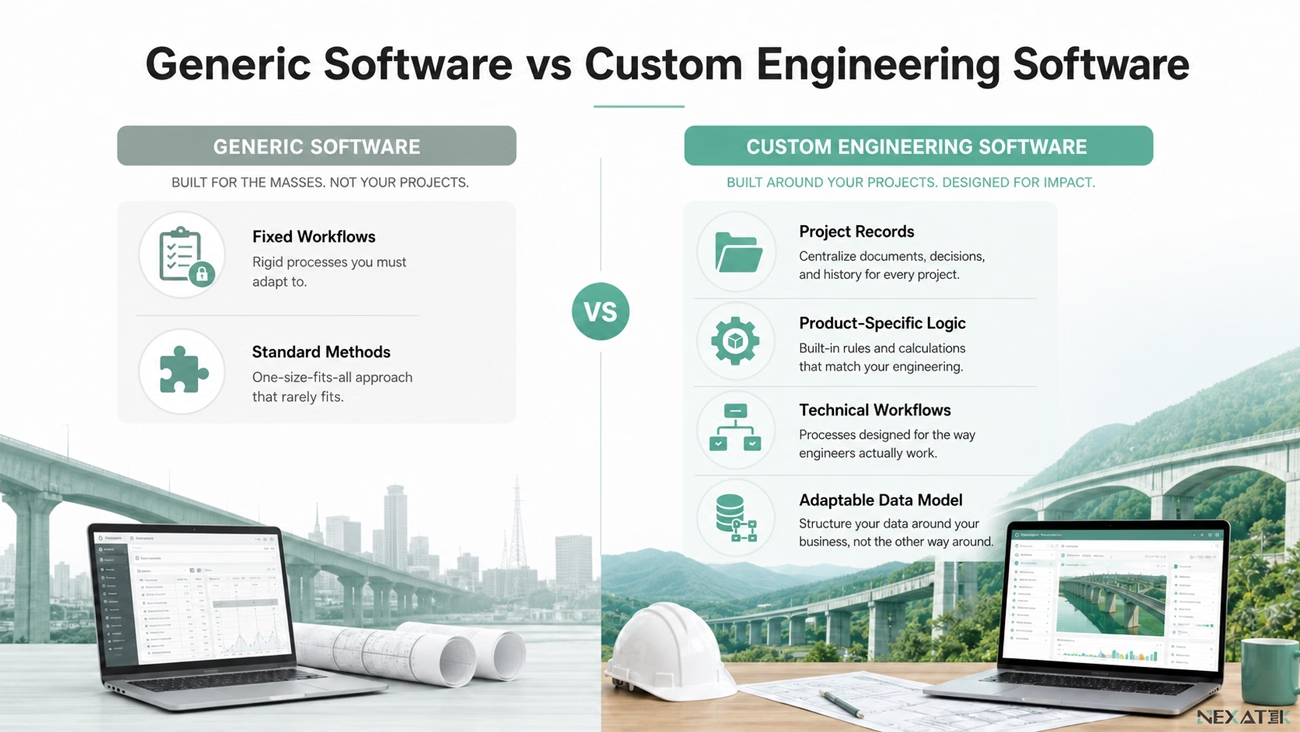 Maatwerksoftware biedt ingenieursteams de ruimte om productspecifieke methoden, projectarchieven en technische workflows nauwkeurig te modelleren, waar standaardplatformen dit meestal simplificeren.
Wat houdt maatwerk softwareontwikkeling in binnen de civiele techniek?
Maatwerk softwareontwikkeling in de civiele techniek omvat het ontwerpen en implementeren van softwaresystemen die specifiek zijn afgestemd op concrete technische vraagstukken en projecteisen. De civieltechnische logica is verankerd in het systeem zelf: datavelden, processtappen, gebruikersrollen en rapportagesjablonen weerspiegelen reële projectactiviteiten, zoals ontwerptoetsingen en technische goedkeuringsprocedures.
Veel van deze applicaties fungeren als technische informatiesystemen: één geïntegreerde omgeving verbindt data, documenten, besluiten en verantwoordelijkheden. Een ingenieur die een zettingsmeting beoordeelt, ziet direct het bijbehorende boorprofiel en de ontwerpuitgangspunten die met de meting worden geverifieerd.
Het bouwen van dergelijke systemen vereist twee soorten expertise tegelijkertijd: NEXATEK bemant ieder project met civiel ingenieurs en softwareontwikkelaars in één geïntegreerd team, zodat het datamodel naadloos aansluit op de werkelijke constructieve praktijk.
Waarom de civiele techniek maatwerk softwareoplossingen vereist
Generieke ERP- en projectbeheersoftware is ontworpen voor transactiegestuurde ondernemingen. De grond-, weg- en waterbouw drijft daarentegen op lange projectcycli, omvangrijke documentenstromen en technische afhankelijkheden die verschuiven naarmate een ontwerp vordert. Maatwerk softwareontwikkeling vormt het systeem rondom deze specifieke randvoorwaarden, in plaats van rondom de aannames van een softwareleverancier.
Complexiteit van civieltechnische processen
Ontwerpen is een iteratief proces: Een gewijzigde grondparameter kan een funderingsberekening ongeldig maken, wat vervolgens aanpassingen dwingt in wapeningstekeningen en meetstaten. Software in deze omgeving moet revisies, onderlinge afhankelijkheden, toetsingsstatussen en hun dwarsverbanden kunnen beheren zonder de datastroom te onderbreken. Starre standaardsystemen dwingen deze ketens in lineaire takenlijsten, waardoor het achterliggende ingenieursinzicht verloren gaat.
Maatwerkoplossingen zorgen ervoor dat de proceslogica de werkelijke ontwerprichting volgt. Rekenmodules en goedkeuringsstappen sluiten aan op de gehanteerde ontwerpmethodiek, en de technische intentie blijft behouden door alle projectwijzigingen heen.
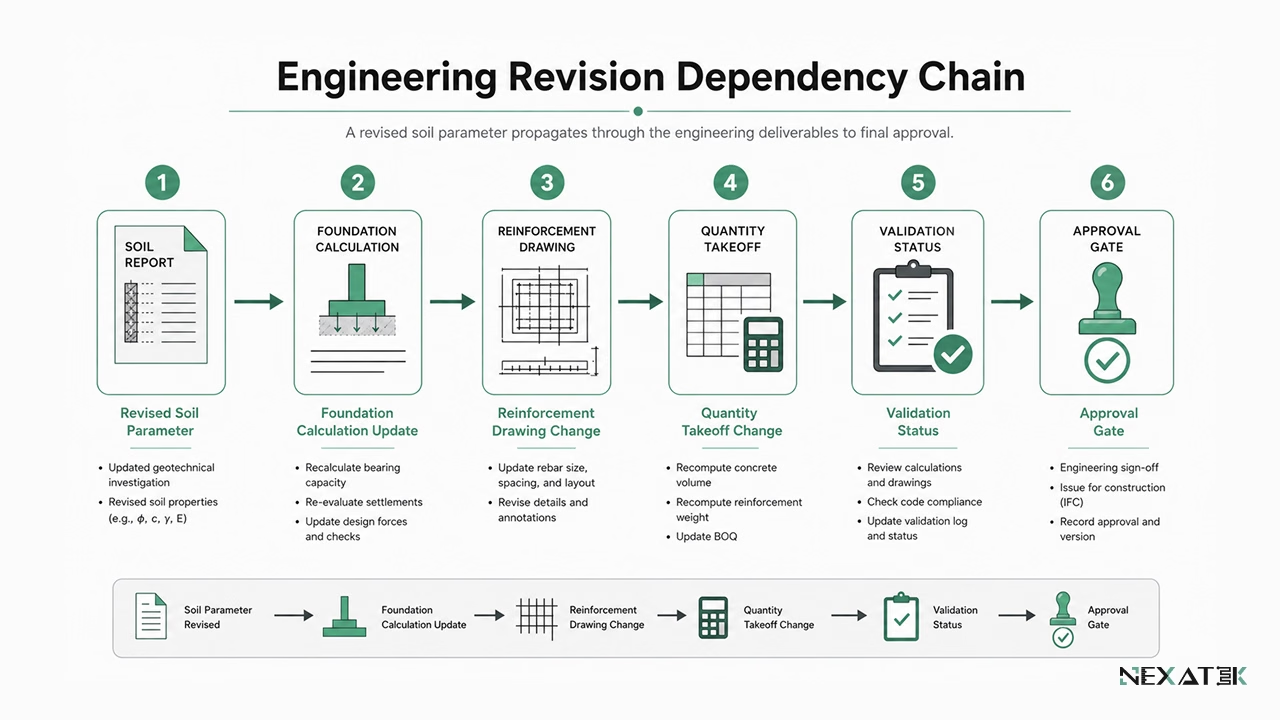 Een procesvisualisatie toont hoe één technische wijziging doorwerkt in berekeningen, tekeningen, hoeveelheden en goedkeuringsfasen.
Projectgeoriënteerde en documentintensieve werkprocessen
Civieltechnische werkzaamheden zijn georganiseerd rondom projecten, niet rondom transacties. Een enkel infrastructuurproject kan over een periode van vijf jaar of langer duizenden werktekeningen, rekennota's, correspondentie-items en verslagen voortbrengen. Standaardtools behandelen deze documenten louter als losse bijlagen.
Maatwerksystemen beheren ze daarentegen als volwaardige data-objecten met versiebeheer en contextuele relaties – de basis voor praktische procesoptimalisatie in de bouw. Het terugvinden van gegevens is minstens zo belangrijk als de opslag ervan: een constructeur die zoekt naar de goedgekeurde afwateringsberekening moet niet afhankelijk zijn van de vraag in welke netwerkmap een collega het bestand in 2019 heeft geplaatst.
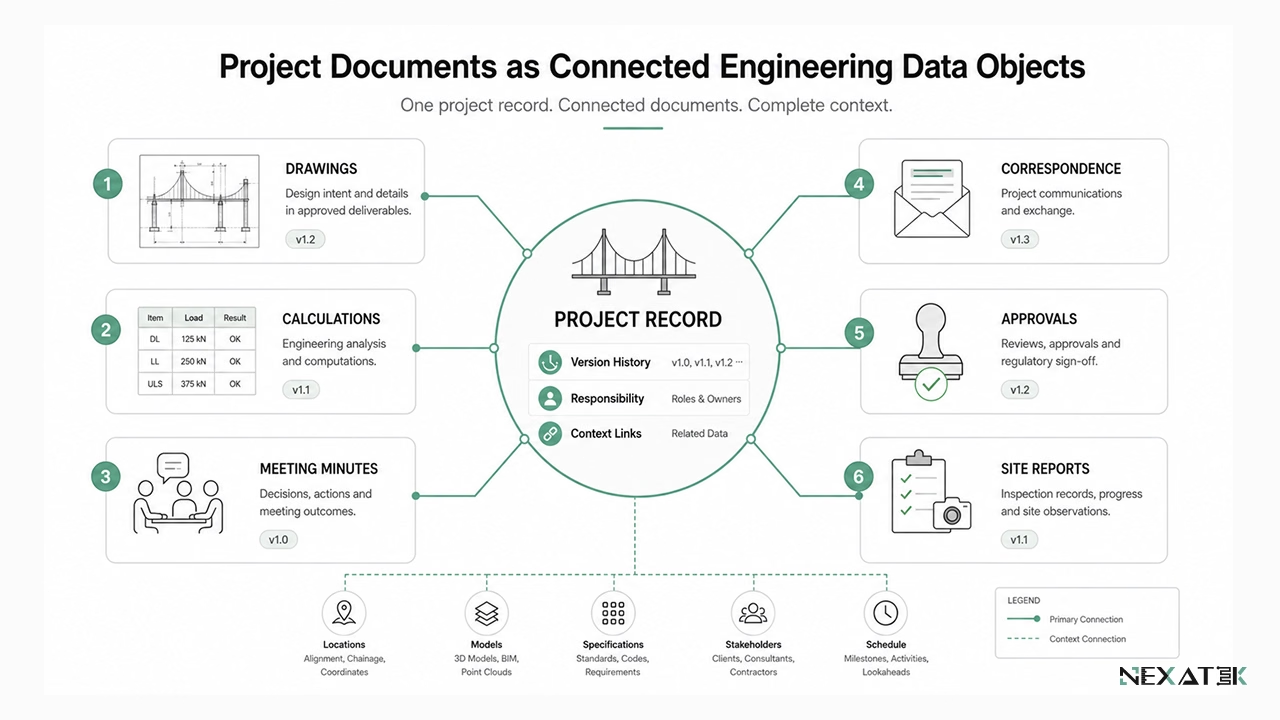 Door documenten te behandelen als gestructureerde data-objecten bewaren teams context, revisies, goedkeuringen en verantwoordelijkheden over lange beheerperioden.
Typen maatwerksoftware binnen de civiele techniek
Vier typen software komen het meest voor binnen civieltechnische organisaties. Elk type ondersteunt het projectmatige werk vanuit een eigen invalshoek.
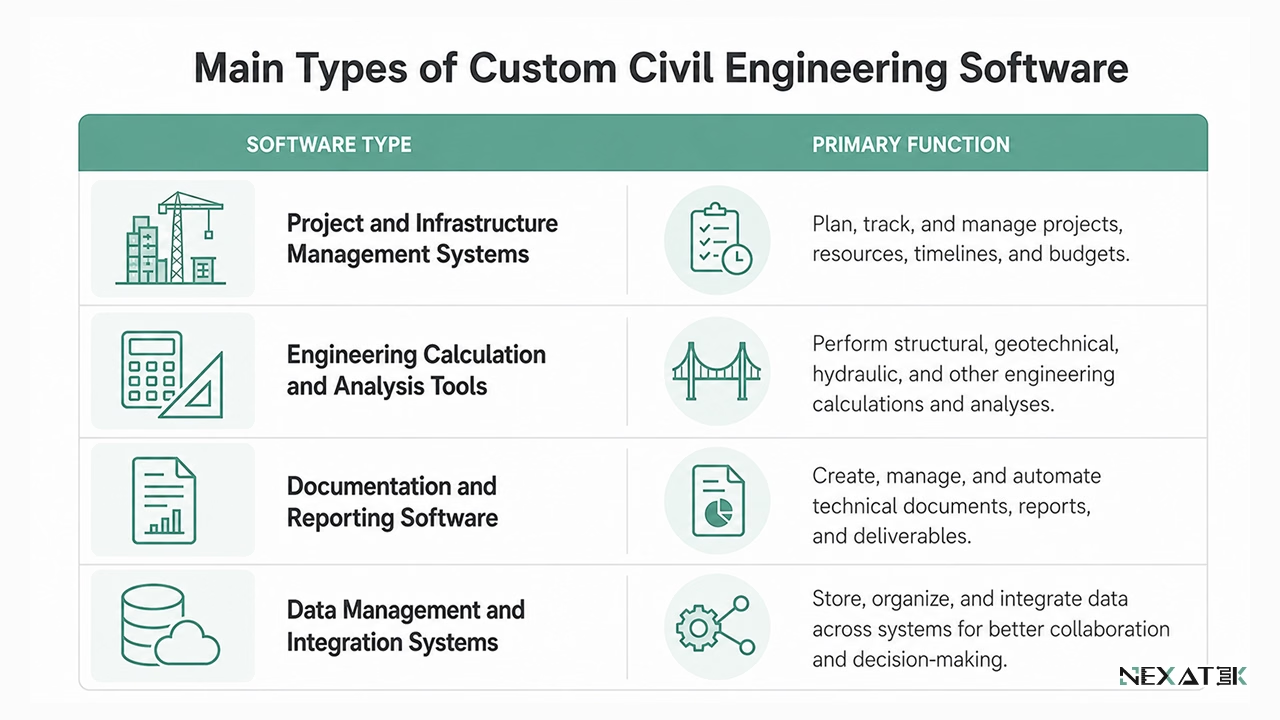 De vier softwaretypen kunnen worden gepresenteerd als een overzichtelijke tabel die elk systeemtype koppelt aan de ondersteunde werkzaamheden.
Project- en infrastructuurbeheersystemen
Planningen en budgetten vormen slechts een deel van de opgave. Technische projecten doorlopen bovendien ontwerpmijlpalen, formele indieningen, goedkeuringen en bouwplaatsrapportages. Projectmanagers hebben behoefte aan al deze data binnen één consistent overzicht. Maatwerk projectsoftware plaatst planningsdata direct naast de technische deliverables.
Een vertraagd geotechnisch rapport wordt zodoende direct zichtbaar naast de geblokkeerde funderingsberekening. Dashboards aggregeren de voortgang per werkpakket, zodat de projectleiding direct ziet welke indieningen achterlopen voorafgaand aan het wekelijkse overleg.
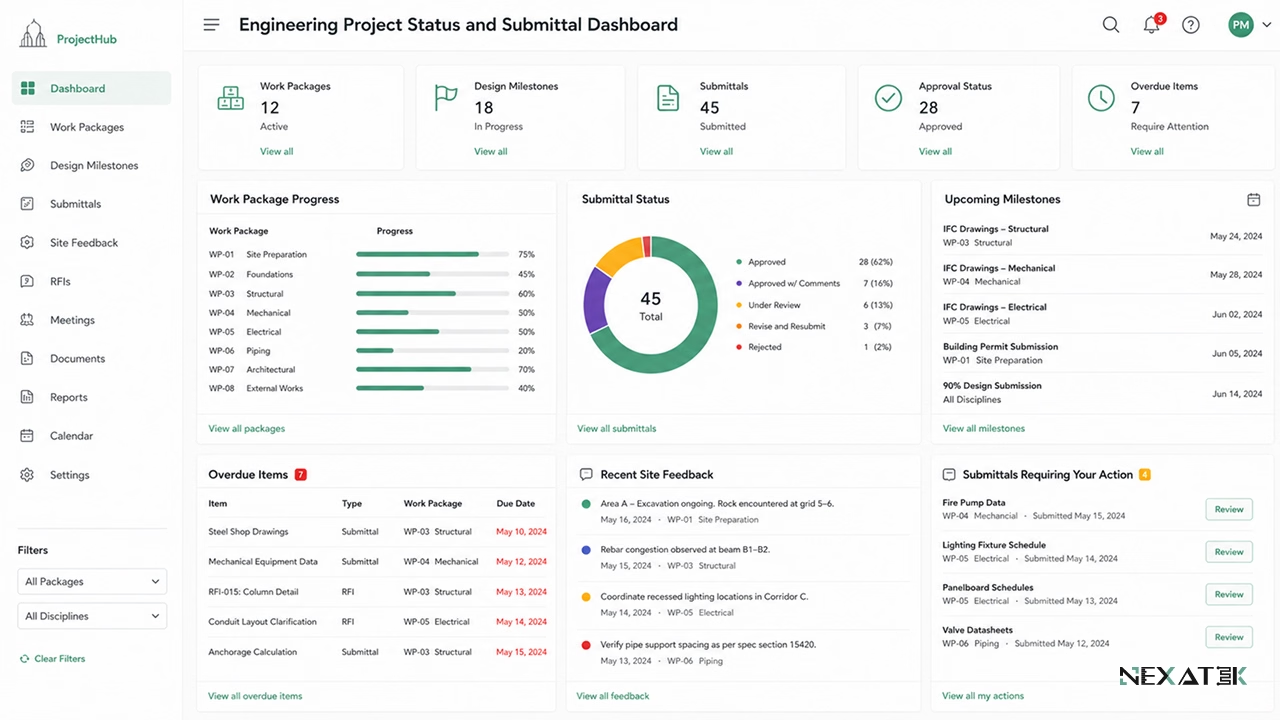 Een op maat gemaakt dashboard integreert planningen, technische documenten, openstaande indieningen, goedkeuringen en veldnotities in één besturingsweergave.
Reken- en analysetools voor ingenieurs
Spreadsheets domineren nog altijd het constructieve rekenwerk, en falen dikwijls geruisloos: Een overgenomen formule met een verschoven celverwijzing kan maandenlang onopgemerkt in een lastberekening aanwezig blijven. Maatwerk rekentools brengen deze rekenlogica onder in gecontroleerde, versiebeheerde modules en slaan uitgangspunten, invoerparameters, tussenresultaten en uitkomsten gestructureerd op.
Constructeurs kunnen exact herleiden hoe een parameterwijziging doorwerkt in de rekenhistorie. Ditzelfde principe geldt voor simulatiesoftware, waarbij invoersets en uitvoerbestanden gekoppeld blijven aan de bijbehorende ontwerprevisie. Eenvoudige, routinematige controles draaien veelal browsergebaseerd via technische online calculators.
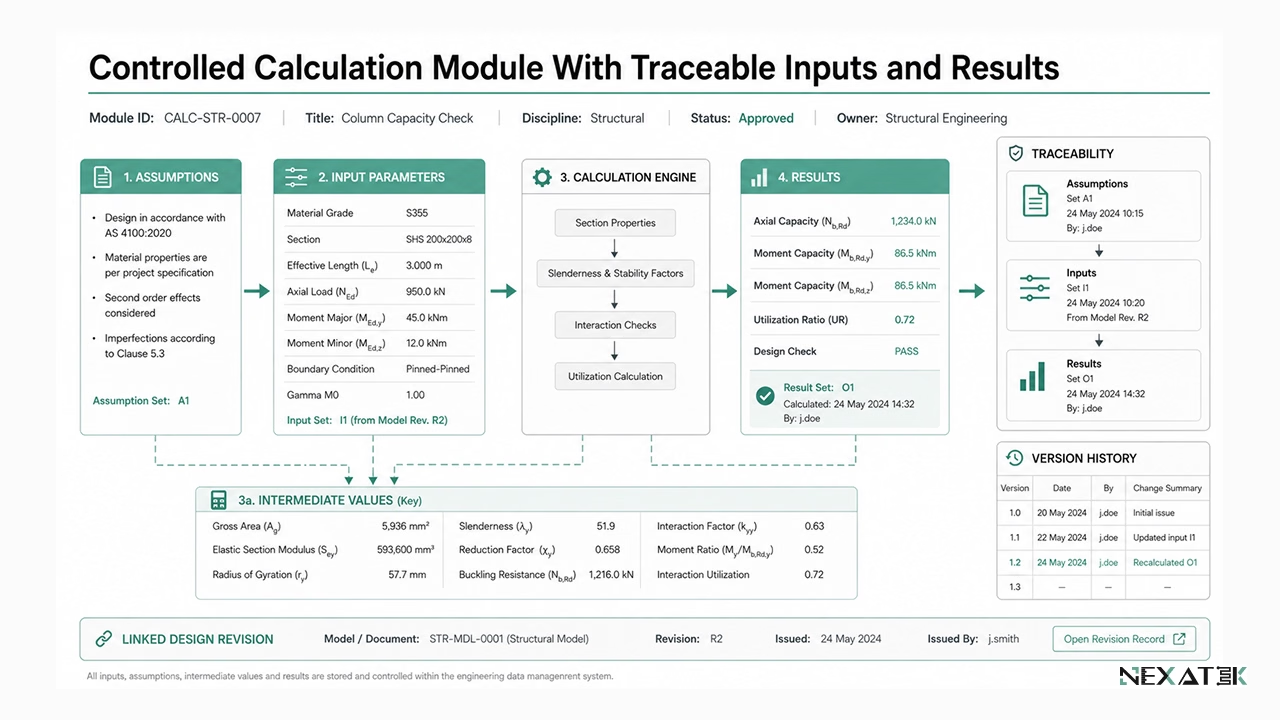 Gecontroleerde rekenmodules maken aannames, invoerparameters, tussenresultaten, eindwaarden en revisies aanzienlijk beter controleerbaar dan losse spreadsheets.
Documentatie- en rapportagesoftware
Technische rapportages en bestekken volgen vaste structuren en fiatteringsketens. Maatwerk documentatiesoftware beheert de onderliggende sjablonen, revisiehistorieën, coderingsregels en goedkeuringspaden. Ingenieurs besteden hun tijd aan de inhoud in plaats van aan opmaak.
Een concreet voordeel: Een geotechnisch rapport dat laboratoriumresultaten geautomatiseerd uit de projectdatabase inleest, elimineert een handmatige overnamestap en de bijbehorende foutkansen. Digitale fiattering borgt tevens een sluitende audit trail, zodat altijd traceerbaar is wie revisie C formeel heeft vrijgegeven.
Datamanagement- en integratiesystemen
Landmeters, laboratoria, meetapparatuur en buitenploegen leveren data aan in uiteenlopende formaten. Het samenbrengen van deze gegevensstromen tot één betrouwbaar projectarchief vormt de kerntaak van databaseontwikkeling op maat.
Geïntegreerde datasets maken procesautomatisering mogelijk doordat informatie zonder handmatige tussenstappen tussen systemen wordt uitgewisseld: Een buiten gemeten hellingmeting (inclinometer) bereikt het monitoring-dashboard direct. Laboratoriumuitslagen volgen dezelfde route: Een eenmaal ingevoerde verdichtingsmeting voedt zowel het dagrapport als het kwaliteitsdossier voor oplevering.
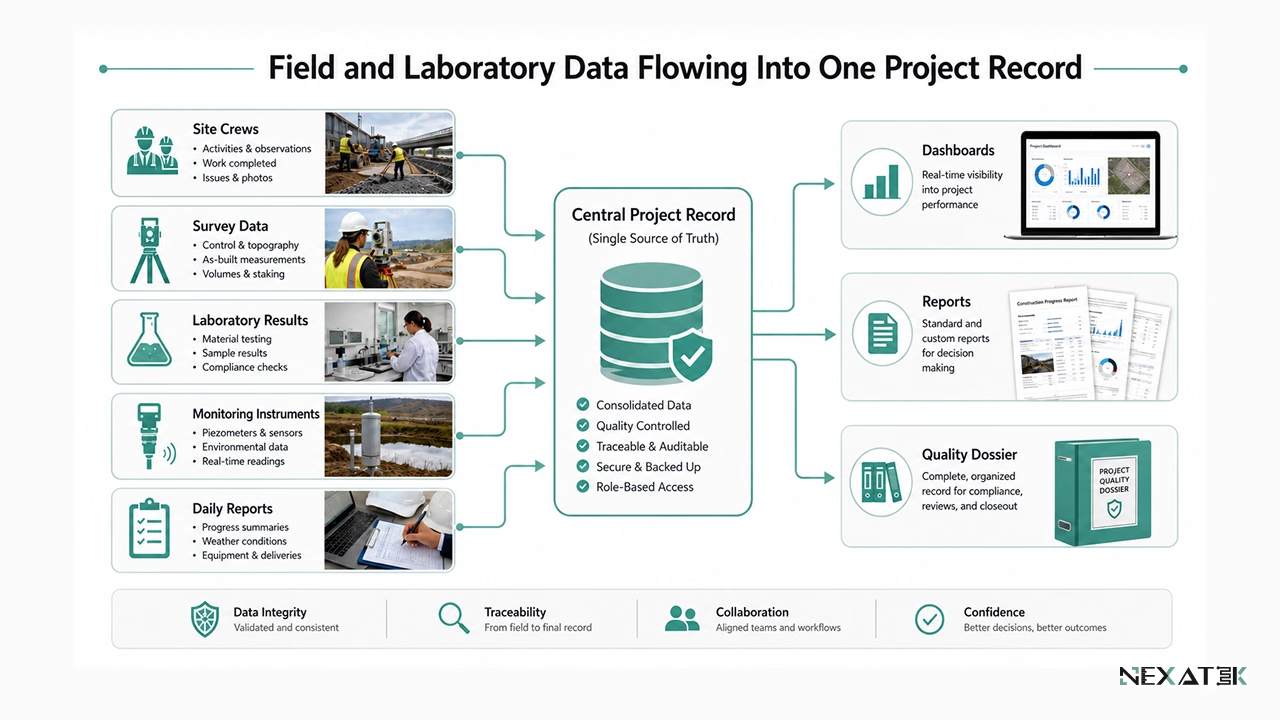 Een datastroomdiagram illustreert hoe veldmetingen, laboratoriumproeven, monitoringdata en dagrapportages samenkomen in één civieltechnisch projectarchief.
Maatwerksoftware vs. standaard ingenieurssoftware
De keuze tussen maatwerk en standaardsoftware is een afweging van voor- en nadelen, geen kwestie van voorkeur. De projectcontext en de digitale volwassenheid van de organisatie bepalen welke randvoorwaarden doorslaggevend zijn.
Beperkingen van generieke softwareplatformen
Een brede inzetbaarheid is het hoofddoel van ieder standaardplatform. Dit resulteert onvermijdelijk in rigide processen en vereenvoudigde datastructuren. Ingenieursteams moeten hun methoden aanpassen aan het pakket, en de ontstane leemtes worden opgevuld met spreadsheets en e-mailverkeer. Elke parallelle noodoplossing fragmenteert data en introduceert projectrisico's.
Productspecifiek ontwerpen vormt een klassiek knelpunt: De meeste standaardpakketten kunnen de volledige materiaalparameters van een fabrikant niet modelleren, waardoor ingenieurs terugvallen op conservatieve en kostbare standaardwaarden.
Voordelen van software ontworpen voor civieltechnische behoeften
Doelgerichte maatwerksystemen modelleren technische relaties in plaats van louter administratieve categorieën. Processtappen volgen de ontwerpvolgorde in plaats van starre sjablonen. Het aantal administratieve omwegen neemt af doordat de software de methoden ondersteunt die ingenieurs reeds toepassen, terwijl het datamodel flexibel meegroeit met nieuwe projecttypen.
Een maatwerksysteem evolueert wanneer de ingenieurspraktijk evolueert – standaardtools zijn afhankelijk van de releasecyclus van de softwareleverancier. Het onderhoud volgt hetzelfde principe: Een datamodel dat de civieltechnische werkelijkheid weerspiegelt, absorbeert nieuwe eisen met minder aanpassingen dan een configuratielaag die over een generieke kern is geplaatst.
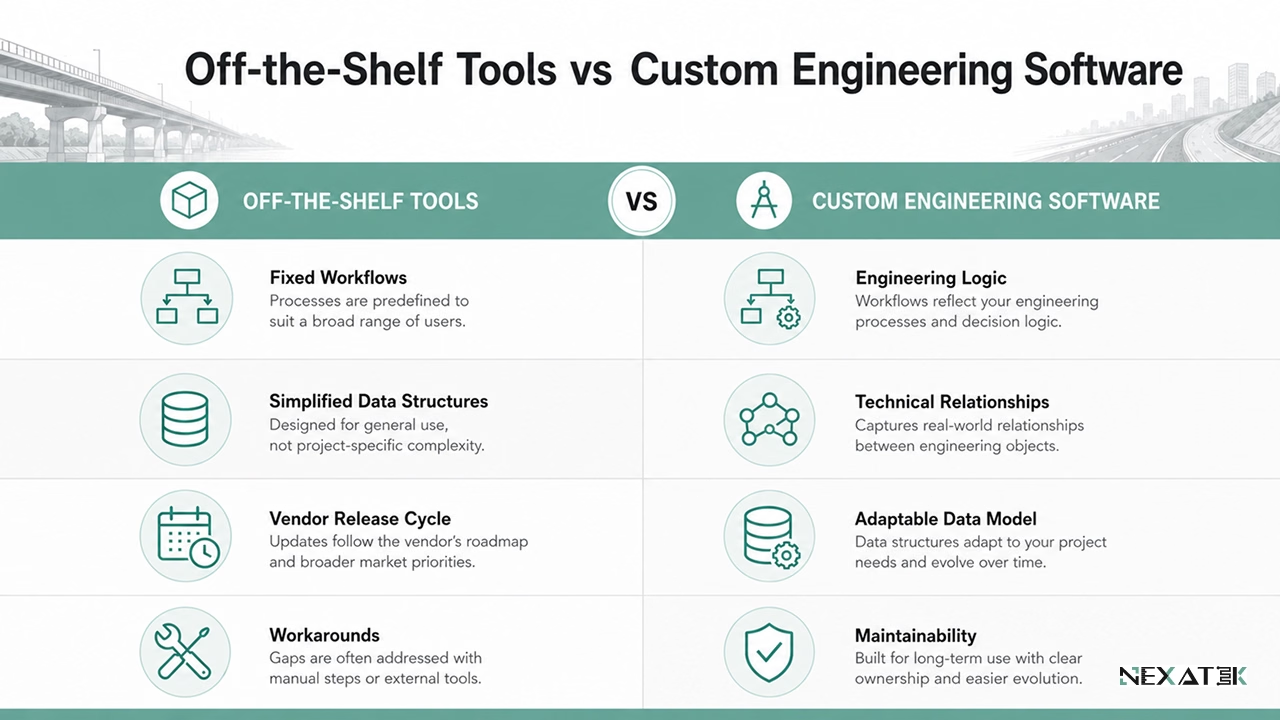 De vergelijking toont de afweging tussen een snelle standaardconfiguratie en een diepgaande aansluiting op technische logica, datarelaties en flexibiliteit.
Softwareontwikkeling afgestemd op de ingenieurspraktijk
Bij NEXATEK begint softwareontwikkeling voor de civiele techniek bij procesinzicht, niet bij de technologiestack. Systeemarchitectuur komt op de tweede plaats. Functionele eisen vloeien rechtstreeks voort uit de dagelijkse werkzaamheden van het projectteam en de documenten die zij opleveren – zoals het uitvoerdersdagboek of de meetstaat.
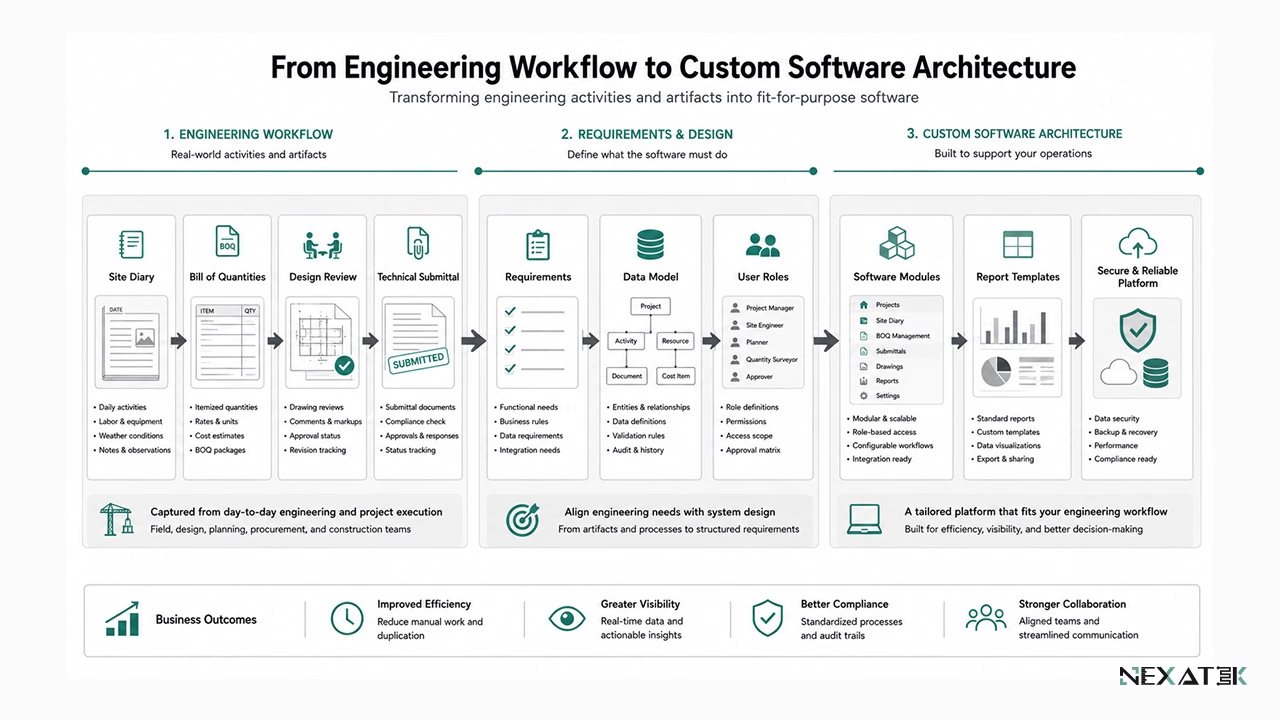 Een processchema toont hoe dagelijkse ingenieursactiviteiten worden vertaald naar systeemeisen, datastructuren, gebruikersrollen, modules en rapportages.
Aansluiten op bestaande ingenieurspraktijken
Werkmethoden zijn over vele jaren gevormd en bestaan meestal met goede redenen. Succesvolle maatwerksoftware vertaalt deze beproefde werkwijzen naar gestructureerde digitale processen in plaats van ze abrupt te vervangen. Een uitvoerder die jarenlang een papieren dagrapport heeft bijgehouden, moet de digitale opvolger direct intuïtief begrijpen.
Herkenbare concepten verlagen de drempel voor teams met beperkte digitale ervaring. De digitalisering van werkprocessen kan daardoor gefaseerd plaatsvinden – proces voor proces.
Ondersteuning van multidisciplinaire ontwerpteams
Constructeurs, geotechnici, hydrologen en landmeters werken gelijktijdig aan hetzelfde project. Het opleggen van één rigide werkwijze over alle disciplines heen leidt tot frictie. Maatwerksystemen definiëren gedeelde interfaces – zoals een centrale projectdatabase –, terwijl elke discipline haar eigen specifieke workflow behoudt.
Het resultaat is focus: De geotechnicus analyseert boorstaten en zettingsmodellen, terwijl de constructeur belastingcombinaties en wapeningstekeningen uitwerkt – beiden puttend uit dezelfde onderliggende gegevensbron.
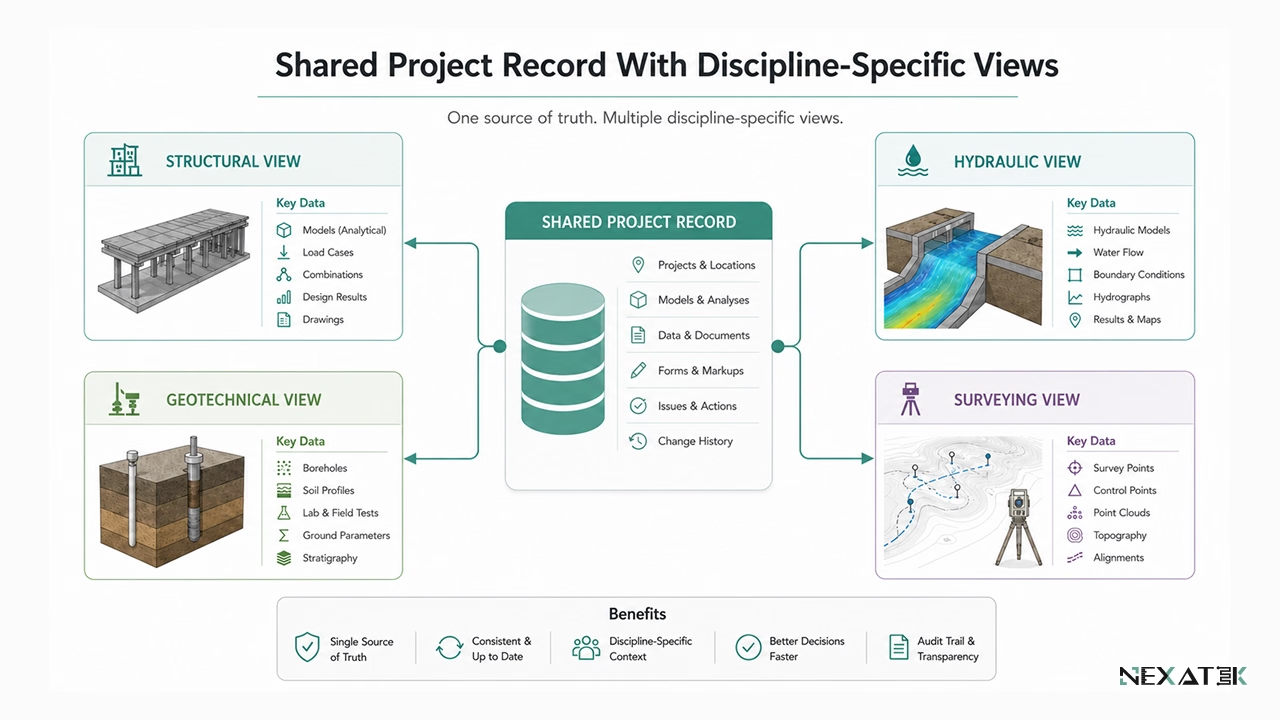 Een centrale projectdatabase bedient verschillende vakdisciplines en behoudt tegelijkertijd de specifieke workflows, data en weergaven die elk team nodig heeft.
Toepassingen binnen de civieltechnische keten
De eisen verschillen sterk per organisatieprofiel: Een fabrikant zoekt traceerbaarheid op productniveau, terwijl een aannemer snelle mobiele invoer op de bouwplaats vereist. Drie contexten illustreren de praktijk:
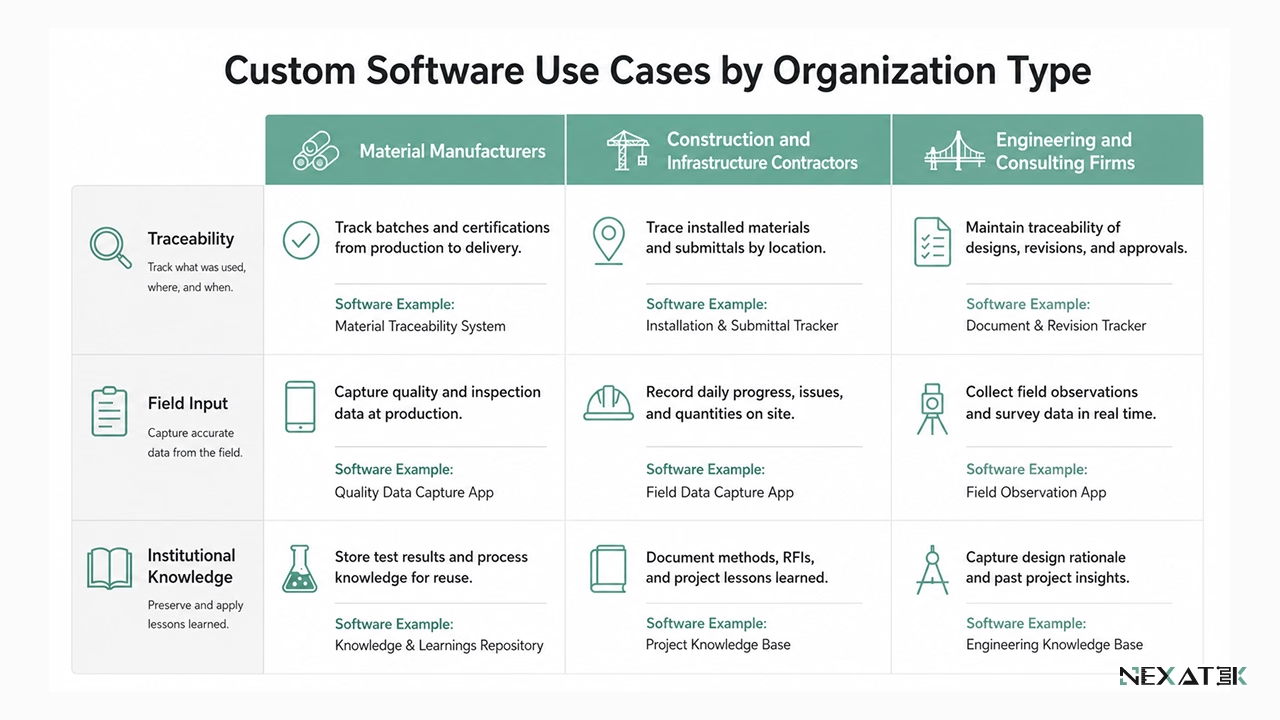 Een toepassingsmatrix koppelt de beschreven softwaretoepassingen direct aan materiaalproducenten, aannemers en ingenieursbureaus.
Materiaalproducenten en industriële productie
Producenten opereren tussen beproevingsdata en projecteisen. Maatwerksystemen verbinden proefresultaten, productiegegevens en afleverbonnen met elkaar, waardoor volledige traceerbaarheid ontstaat van materiaaleigenschappen tot de toepassing in het kunstwerk. Een fabrikant van geotextielen kan zo elke geleverde rol herleiden naar de specifieke productiebatch en de berekening waarin deze is voorgeschreven.
Ontwerpsoftware die specifiek is afgestemd op de productdata van de fabrikant gaat nog een stap verder: Werkelijke meetwaarden vervangen de conservatieve aannames die standaardsoftwarepakketten afdwingen.
Aannemers en infrabouwers
Bouwplaatsteams genereren data sneller dan kantoorsystemen deze kunnen verwerken: Dagrapportages, keuringsstaten en voortgangsfoto's komen van meerdere ploegen tegelijk binnen. Softwareontwikkeling in deze context richt zich op de koppeling tussen invoer buiten en projectinformatie binnen, veelal via mobiele applicaties voor dataverzameling.
Wanneer de situatie buiten afwijkt van de tekeningen, belandt deze afwijking direct in het centrale projectarchief in plaats van in het notitieboek van de uitvoerder. De praktische bruikbaarheid op de bouwplaats bepaalt of een digitale oplossing zijn eerste operationele maand overleeft.
Ingenieurs- en adviesbureaus
Adviesbureaus beheren gelijktijdig uiteenlopende projecten met variërende normkaders en eisen. Maatwerk softwareoplossingen voor ingenieurs bieden interne procesconsistentie en laten tegelijkertijd ruimte voor projectspecifieke aanpassingen. Systemen die ontwerpmethoden en evaluaties borgen, transformeren gefragmenteerde ervaringen naar gestructureerd bedrijfskapitaal.
Een ontwerpteam dat een duikerconstructie opnieuw ontwerpt, vindt direct de oorspronkelijke rekenaannames terug in plaats van deze moeizaam uit oude project-PDF's te moeten reconstrueren.