

Maatwerk Databaseontwikkeling voor Civiele Techniek
Databaseontwikkeling op maat voor civiele techniek creëert gestructureerde datasystemen voor projecten, documenten, materialen en activagegevens.
Technische Gegevensbasis

Documentatie en Beheer van Technische Dossiers

Project- en Materiaalgegevensbeheer

Integratie en Onderhoudbaarheid op Lange Termijn

Vergelijkbare projecten
Ontdek meer innovatieve projecten:





Geweldige
Oplossingen
Beginnen Met Een GesprekGeweldige Oplossingen Beginnen Met Een Gesprek
Wilt u ontdekken hoe onze diensten uw bedrijf kunnen laten groeien?
Databaseontwikkeling op maat voor de civiele techniek: Gestructureerde datasystemen voor infra- en bouwprojecten
Het ontwerp van een brug kan de ingenieurs overleven die het hebben berekend. Databaseontwikkeling op maat voor de civiele techniek transformeert werktekeningen, constructieberekeningen, materiaalproeven en beheerdata tot onderling verbonden, gestructureerde data in plaats van losse bestandsmappen. Deze gestructureerde gegevens vormen tevens de onmisbare basislaag voor de digitale transformatie in de civiele techniek, die direct stagneert wanneer de onderliggende data niet consistent is.
Opslag is slechts een deel van de opgave: Een databasebeheersysteem voor de civiele techniek fungeert als een technisch datarepository waarin projecten, materiaalbatches, keuringsrapporten en kunstwerken zijn vastgelegd als gedefinieerde entiteiten met expliciete onderlinge relaties. NEXATEK ontwerpt deze systemen rondom de dagelijkse ingenieurspraktijk, waarbij data-eigenaarschap en revisiehistorie direct in het datamodel zijn verankerd.

Databaseontwikkeling op maat helpt ingenieursteams om projectdocumenten, revisiehistorie en technische data te bundelen in één gestructureerde omgeving.
Wat houdt databaseontwikkeling op maat in voor de civiele techniek?
Databaseontwikkeling op maat in de civiele techniek betekent het ontwerpen van een databasearchitectuur die de feitelijke ingenieurs- en uitvoeringsprocessen exact weerspiegelt. Entiteiten zoals projecten, kunstwerken, materiaalcharges, beproevingsrapporten en rekennota's worden opgeslagen met expliciet gedefinieerde relaties. Een herziene chargeregistratie blijft daardoor direct inzichtelijk in elk beproevingsresultaat dat eraan refereert.
Het verschil met een standaard bedrijfsdatabase zit in het datamodel: Eén project kan verbonden zijn met vier contractdeelleveringen, twee ontwerpversies, een geotechnisch bodemonderzoek en veertig beproevingsreeksen. Een specifiek voor de techniek ontwikkelde database legt deze dwarsverbanden relationeel vast, zodat niemand ze handmatig hoeft bij te houden in mappenstructuren en bestandsnamen.
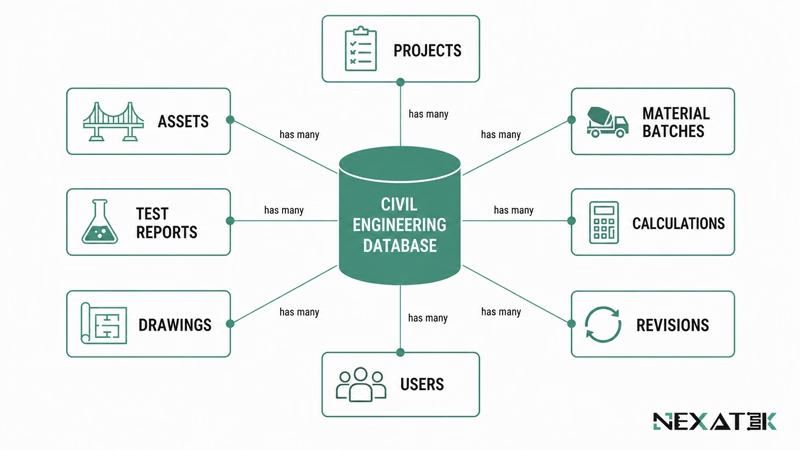 Een doordachte civieltechnische database maakt relaties tussen projecten, kunstwerken, batches, proeven, berekeningen en documenten inzichtelijk.
Diensten voor databaseontwikkeling op maat bepalen bovendien exact hoe gebruikers gegevens in het dagelijkse werk invoeren, controleren, accorderen en opvragen.
Waarom de civiele techniek maatwerkdatabases vereist
Civieltechnische data kent twee specifieke uitdagingen: Het datavolume groeit bij ieder project, en historische data behoudt zijn waarde over decennia. Een geotechnisch rapport uit 2015 kan bepalend zijn voor de herberekening van een fundering in 2026. Generieke software slaat bestanden op, maar niet de onderlinge technische afhankelijkheden – een gemis dat pijnlijk zichtbaar wordt bij ontwerpwijzigingen en projectopleveringen. Datamanagement in de civiele techniek vraagt daarom om evenveel structuur als opslagruimte.
Gefragmenteerde technische data en documentatie
Projectdata bevindt zich veelal verspreid over spreadsheets, e-mailcorrespondentie, netwerkschijven en lokale mappen. Iedere locatie bevat geldige informatie, maar het geheel biedt geen eenduidige bron van de waarheid (Single Source of Truth). Ingenieurs besteden daardoor vele uren aan het reconciliëren van conflicterende versies van dezelfde gegevens.
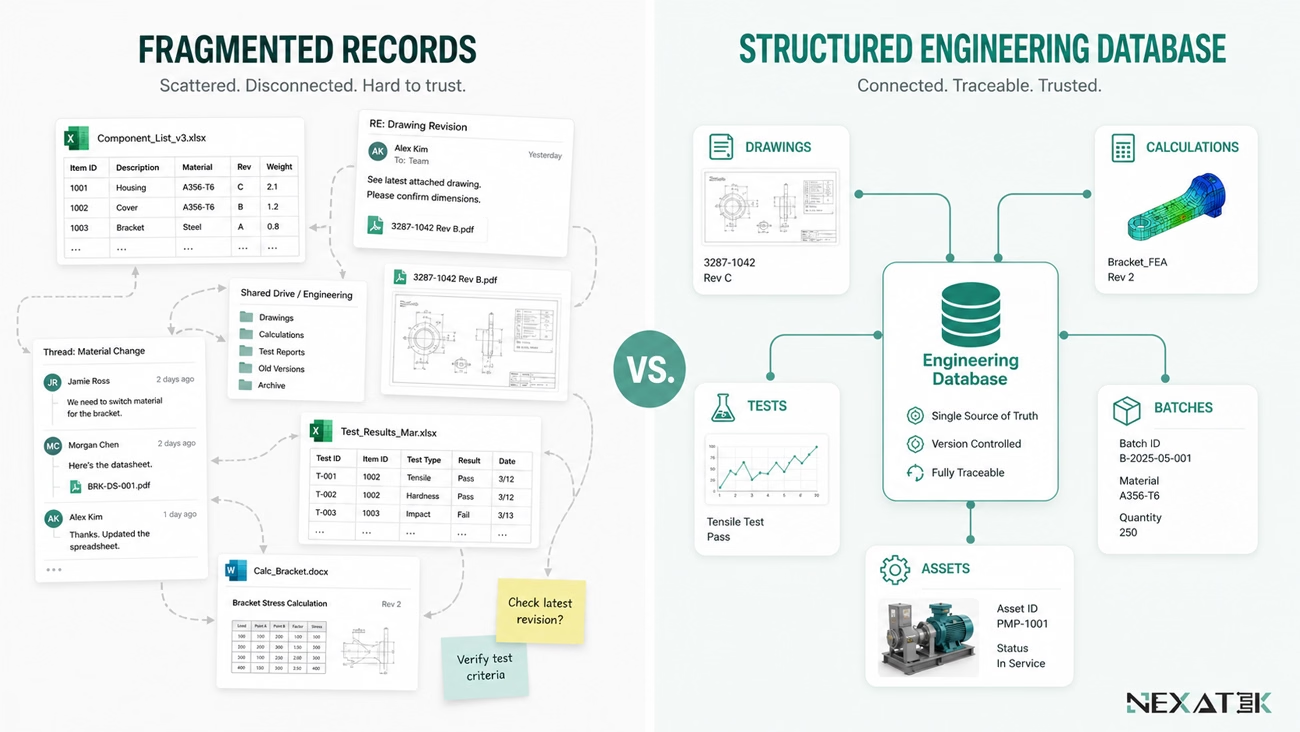 Gefragmenteerde opslag isoleert tekeningen, berekeningen, testrapporten en e-mails, terwijl een gestructureerde database ze verbindt via vaste relaties.
Versnippering leidt tot directe faalkosten: Een uitvoeringstekening bereikt revisie C, terwijl de onderliggende constructieberekening blijft steken op revisie A. Een keuringscertificaat wordt gearchiveerd zonder koppeling naar het chargenummer of de stortlocatie. Gestructureerde civieltechnische data dicht deze kloof door relaties verplicht te stellen in plaats van optioneel te laten.
Projectmatige behoeften en lange levenscycli
Elk infrastructureel kunstwerk doorloopt ontwerp, inkoop, uitvoering en beheer, en de data moet elke faseovergang heelhuids doorstaan. De informatiebehoefte verschuift per fase, maar vroege beslissingen blijven decennialang bindend. Bestandsgebaseerde archieven beschouwen elke fase als een nieuw begin, waardoor de cruciale context verloren gaat.
De overdracht naar de beheerfase is het klassieke faalpunt: Wanneer een uitvoerend team of assetmanager ontwerpgegevens ontvangt zonder revisiehistorie of helder eigenaarschap, ontstaan vragen die de documenten niet meer kunnen beantwoorden. Een partner in databaseontwikkeling op maat structureert gegevens zodanig dat de volledige context bewaard blijft gedurende een levensduur van 50 jaar of langer.
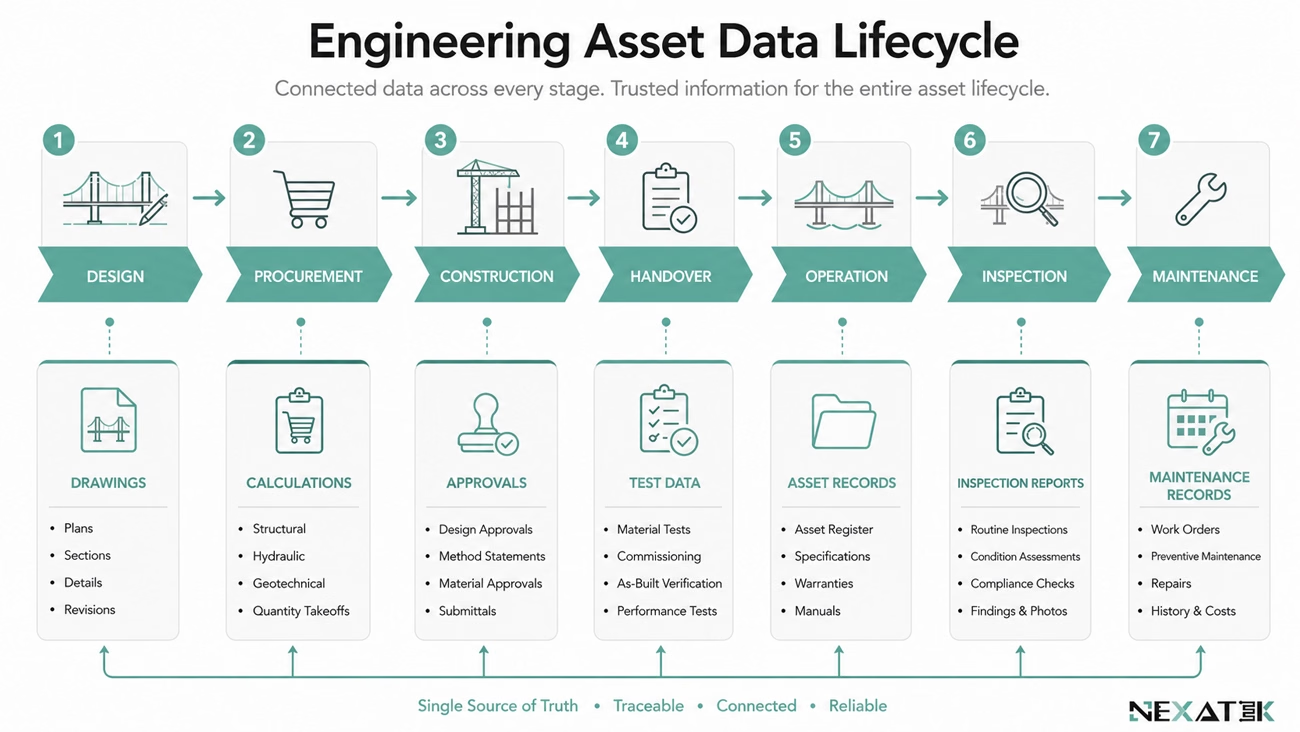 Technische gegevens moeten verbonden blijven vanaf ontwerp en inkoop tot en met uitvoering, oplevering, beheer, inspectie en onderhoud.
Datatypen beheerd in civieltechnische databases
Vier hoofdcategorieën omvatten het leeuwendeel van wat ingenieursbureaus en aannemers beheren. Het samenbrengen van deze stromen in één centrale database is het belangrijkste argument voor softwareontwikkeling voor maatwerkdatabases, aangezien de categorieën continu naar elkaar verwijzen.
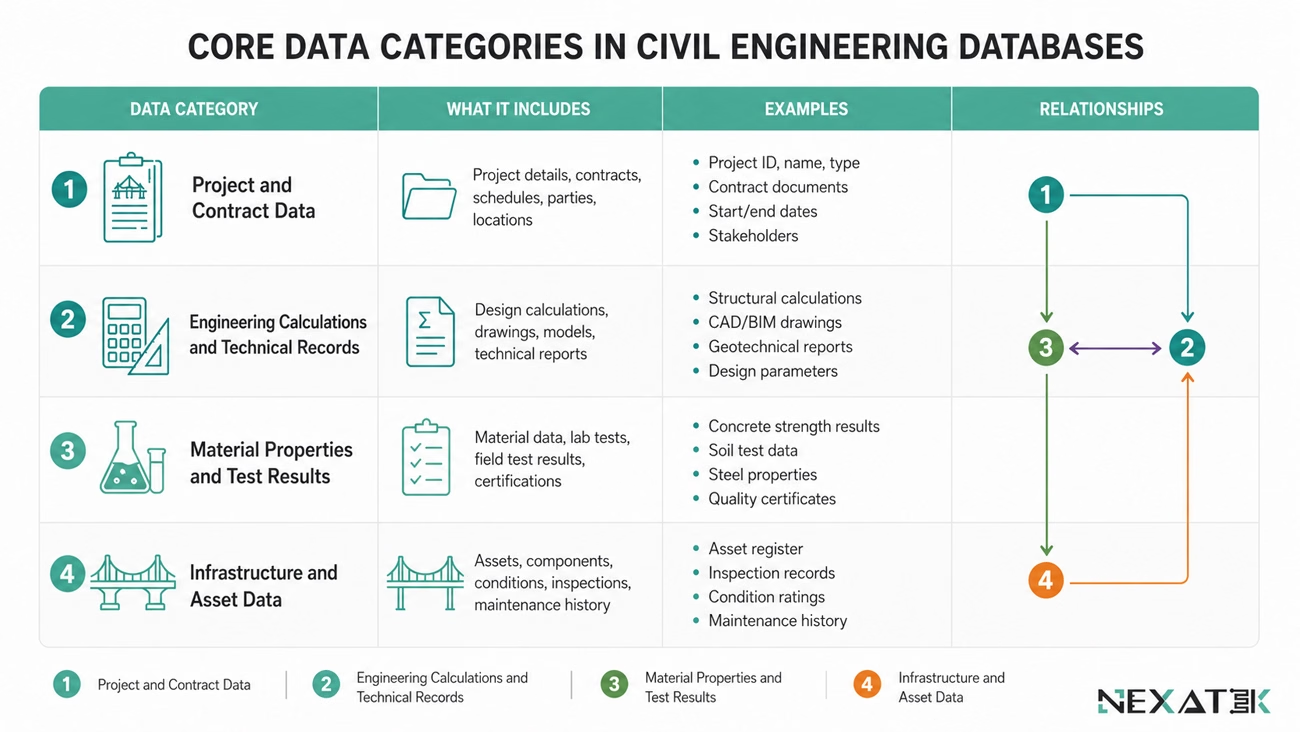 Deze tabel toont de primaire technische datacategorieën en hun onderlinge samenhang binnen een gestructureerde database.
Project- en contractdata
Projectcodes, deelpakketten, contractuele scopes, opleververplichtingen, planningen en verantwoordelijkheidsmatrices vormen de kapstok voor alle overige data. In spreadsheet-omgevingen wordt dezelfde bestekscode in twintig verschillende bestanden handmatig ingevoerd; een enkele typefout verbreekt direct het verband.
Een relationele database hanteert één stamrecord per project. Elke technische registratie verwijst terug naar dit unieke record, zodat afdelingsoverstijgende rapportages altijd putten uit identieke projectstamdata.
Constructieve berekeningen en technische dossiers
Rekennota's bevatten de uitgangspunten en parameters waarop vervolgfasen steunen. Een herberekening van de paaldraagkracht in week 12 kan een wapeningstekening die in week 9 is goedgekeurd direct ongeldig maken. De database bewaart metagegevens van berekeningen inclusief revisiestatus en koppelt deze aan elke beïnvloede werktekening.
De eigenlijke rekenmodellen draaien in gespecialiseerde software of via online rekentools voor routinecontroles. De database documenteert welke rekenversie ten grondslag ligt aan welke goedgekeurde tekening. Tijdens een audit is immers alleen van belang welke revisie formeel geldig was op de datum van accordering.
Materiaaleigenschappen en proefresultaten
De registratie van materiaal- en keuringsdata omvat mengselontwerpen, leverancierscharges, monsterlocaties en beproevingsresultaten zoals 28-daagse kubusdruksterktes. Versnipperde bestandsformaten belemmeren vergelijkingen over projecten heen. Een gestructureerde tabel brengt hier verandering in: elk meetresultaat is gekoppeld aan chargenummer, beproevingsnorm, monsterdatum en de verantwoordelijke controleur.
Constructeurs kunnen daardoor direct relevante gegevens opvragen zonder bestandsnamen te hoeven ontcijferen. Trendanalyses over meerdere productieseries reduceren van weken handmatig werk tot een gerichte databasequery.
Infrastructuur- en assetmanagementdata
Assetdata kent een wezenlijk langere horizon dan projectdata: Een duiker gebouwd in 2026 doorloopt mogelijk tot 2080 een zesjarige inspectiecyclus. Systemen voor infrastructuurdata beheren kunstwerkenregisters, inspectierapporten, schadedossiers en onderhoudshistorie op deze langjarige tijdlijn.
Elk asset blijft permanent gekoppeld aan de ontwerp- en opleveringsdossiers waaruit het is ontstaan. Deze continuïteit tussen aanleg en instandhouding is essentieel voor professioneel beheer – een koppeling die in conventionele bestandsarchieven vrijwel altijd verloren gaat.
Maatwerkdatabases versus generieke bestandsopslag
De relevante vergelijking draait niet om database-merknamen, maar om het verschil tussen een specifiek ontworpen datamodel en de gebruikelijke combinatie van spreadsheets en netwerkschijven. Dit kwaliteitsverschil openbaart zich vooral onder operationele tijdsdruk in lopende projecten.
Beperkingen van spreadsheets en gedeelde schijven
Spreadsheets zijn flexibel, en die flexibiliteit vormt direct het grootste risico: Niets in een spreadsheet dwingt de logische relatie tussen een beproevingsresultaat, de bijbehorende charge en de revisiestatus af. Een kopie genaamd definitief_v3.xlsx circuleert via e-mail langs vier afdelingen, waarna elke versie een eigen leven gaat leiden.
Netwerkschijven vertonen een parallelle zwakte: Zij beheren bestanden, nooit de gestructureerde technische data daarbinnen. Schaalvergroting verergert beide problemen: Een beproevingslijst die werkte bij 500 rijen verliest zijn bruikbaarheid bij 50.000 rijen, en bestandsnaamconventies verwateren zodra meerdere teams bestanden opslaan.
Voordelen van doelgerichte civieltechnische databases
Maatwerkdatabases leggen entiteiten en relaties aan de bron vast. Unieke sleutels zoals projectnummers en chargelabels zijn verplichte velden, waardoor afdelingen hetzelfde gegeven niet op verschillende wijzen kunnen registreren. Zoeken verloopt op basis van attributen: locatie, keuringstype, revisiestatus of asset-ID.
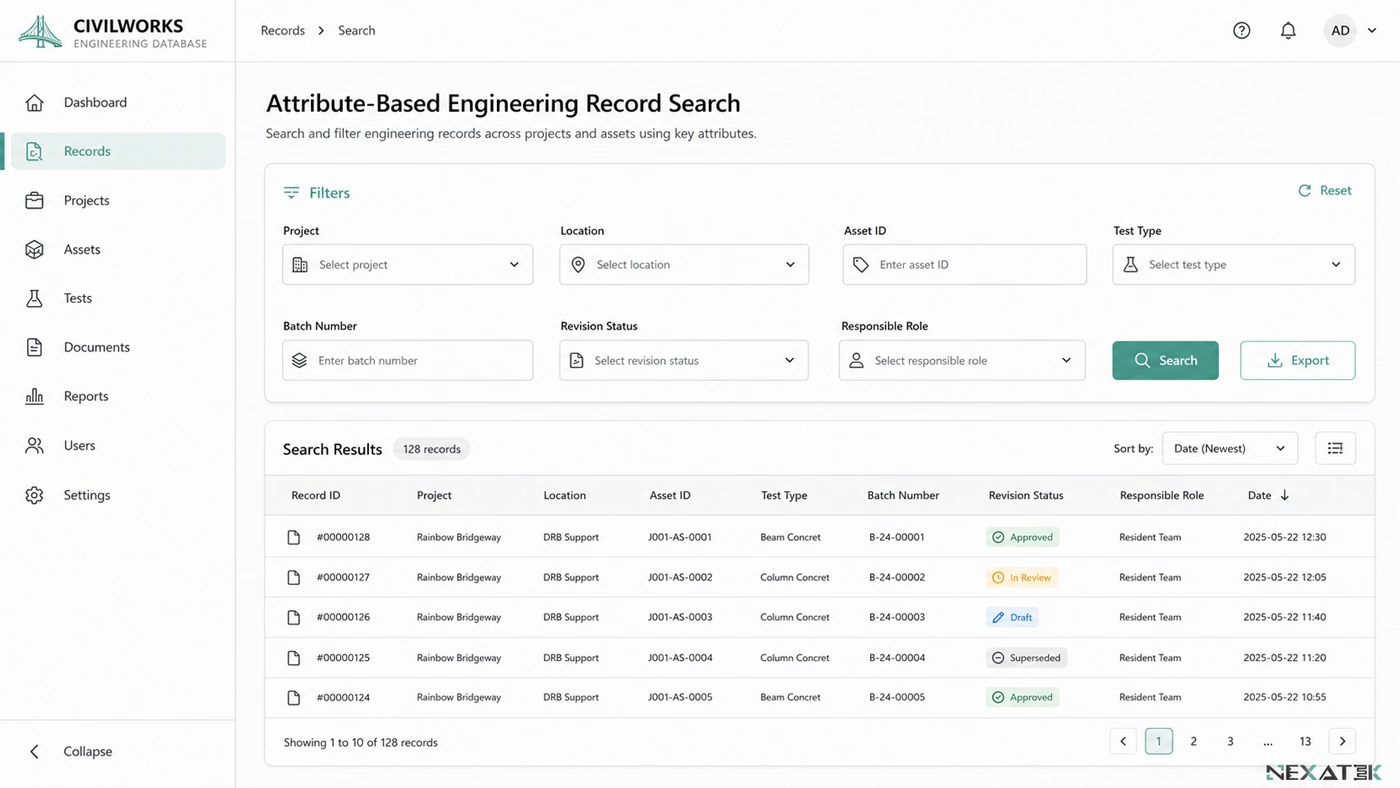 Attribuutgericht zoeken stelt ingenieurs in staat data op te vragen op basis van project, locatie, kunstwerk-ID, proeftype, charge of revisie.
Ook datagroei blijft beheersbaar: Maatwerk databaseontwikkeling voor de civiele techniek anticipeert op nieuwe gegevenscategorieën, zodat het model kan worden uitgebreid zonder historische data te beschadigen. Deze gestructureerde basislaag kan later naadloos worden gekoppeld aan op maat gemaakte ingenieurssoftware die op de database aansluit.
Ontwerpprincipes voor databases in de civiele techniek
Gedegen databaseontwikkeling vertrekt vanuit de manier waarop ingenieurs data creëren, controleren en aanpassen, en leidt daar de structuur uit af. De drie onderstaande principes worden op conceptueel niveau vastgelegd en leggen tevens het fundament voor latere procesoptimalisatie in de bouw, die leunt op voorspelbare datastructuren.
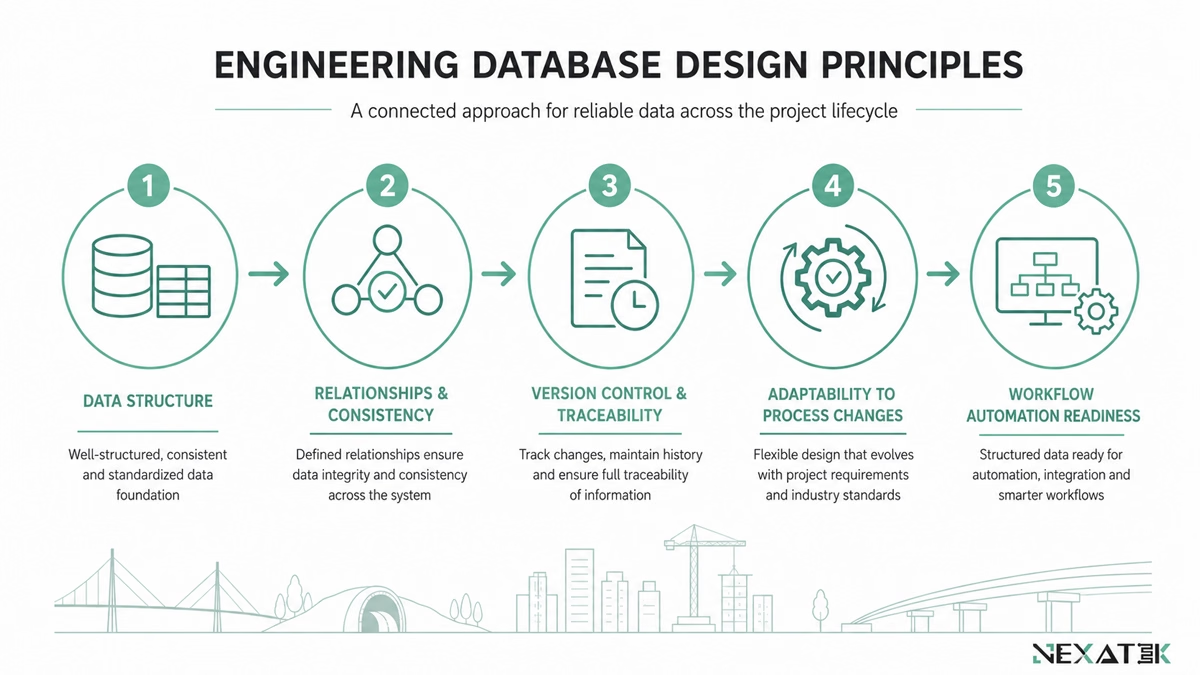 Gedegen databaseontwerp verbindt datastructuur, consistentie, traceerbaarheid en aanpasbaarheid voordat automatisering intreedt.
Datastructuur, relaties en consistentie
Technische gegevens vormen ketens: Een tekening verwijst naar een rekennota, de nota naar een ontwerpfase, de fase naar een contractdeellevering. Het databaseschema legt deze relaties expliciet vast in plaats van ze impliciet af te leiden uit mappenstructuren.
Consistente sleutels borgen deze structuur: Projectcodes, documentnummers, asset-ID's en chargenummers volgen één bedrijfsbrede standaard. Het systeem controleert automatisch op dubbelingen alvorens een nieuw record wordt opgeslagen.
Versiebeheer en traceerbaarheid van data
Revisies zijn niet louter een documentkwestie: Uitgangspunten, rekenparameters, materiaaldata en keuringsrapporten wijzigen gedurende het proces evenzeer. Elk record bevat daarom een revisiestatus en een controlehistorie inclusief gebruikersrollen en tijdstempels.
Traceerbaarheid houdt in dat de database exact antwoord kan geven op de vraag welke waarde formeel geldig was op de dag dat een ontwerp werd vrijgegeven. Technische systemen die uitsluitend de actuele status overschrijven kunnen dit niet aantonen, wat leidt tot risico's bij audits en juridische geschillen.
Aanpasbaarheid aan veranderende ingenieursmethodieken
Nieuwe contractvormen en aangescherpte documentatie-eisen doen zich vroeg of laat voor. De ontwerpvraag is of een nieuw rapportageformaat dwingt tot een complete verbouwing of eenvoudig als uitbreiding kan worden toegevoegd.
Flexibiliteit ontstaat door stabiele basisstructuren te scheiden van variabele invoervelden: Kernentiteiten zoals projecten en documentregisters wijzigen zelden van opzet, terwijl invoervelden voor nieuwe beproevingscampagnes frequent veranderen. Een datamodel dat beide niveaus ontkoppelt, kan jarenlang meegroeien zonder bestaande projectdata te verstoren.
Praktische toepassingen binnen de civiele sector
Hoewel de behoefte aan datastructuur universeel is, verschillen de operationele prioriteiten per type organisatie:
Materiaalproducenten en beproevingslaboratoria
Een keuringslaboratorium verwerkt wekelijks honderden meetresultaten die elk gekoppeld moeten worden aan certificaten en chargeverwijzingen. Mapgebaseerde opslag functioneert enkele maanden, waarna zoektijden exponentieel toenemen.
Centrale opslag van materiaal- en beproevingsdata linkt elk meetresultaat aan de gestelde norm en maakt kwaliteitsanalyses over productieseries heen mogelijk. Een zoekopdracht op chargenummer toont de volledige keuringshistorie in seconden in plaats van na uren handmatig zoeken in archieven.
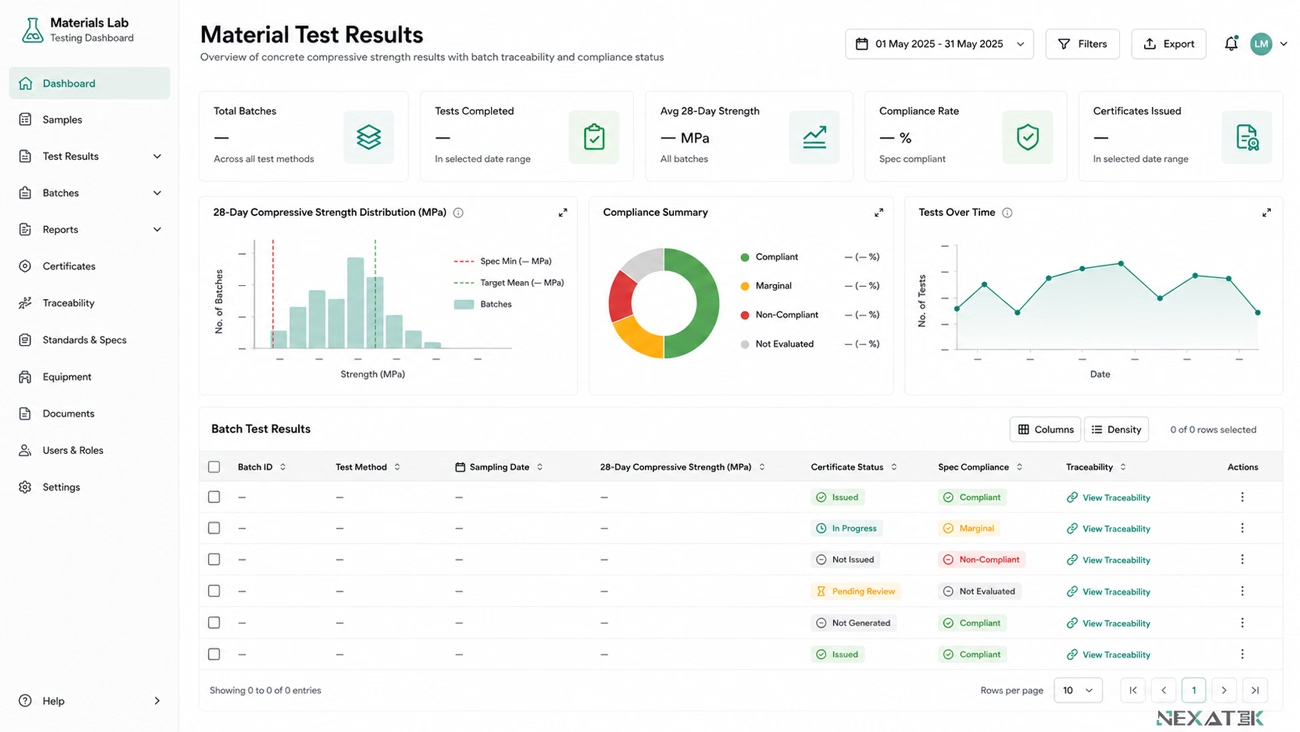 Een laboratoriumdashboard toont chargereferenties, specificaties, meetresultaten, certificaten en traceerbaarheid in één integraal overzicht.
Aannemers en infrabouwers
Aannemers opereren onder voortdurende veranderingen. Ontwerpwijzigingen tijdens de bouw roepen buiten op de keet één dringende vraag op: Welke werktekening is vandaag formeel van toepassing?
Maatwerkdatabases voor bouwprojecten verbinden uitvoeringstekeningen, afwijkingenrapporten, keuringen en goedkeuringsstatussen tot één samenhangend projectdossier. Direct filteren op constructie-as of werkpakket is doorslaggevend wanneer de vraag 's ochtends om 07:00 uur vanaf de bouwplaats binnenkomt.
Ingenieurs- en adviesbureaus
Adviesbureaus herhalen constructieve methodieken over projecten heen: Een methode voor zettingsberekeningen uit 2024 wordt in 2026 opnieuw ingezet binnen een ander project door een ander team. Gestructureerde data transformeert herhaling naar daadwerkelijk hergebruik in plaats van dubbel werk.
Versiebeheer ondersteunt het vier-ogen-principe, en projectbeheersing wordt onafhankelijk van de persoonlijke archieven van individuele senior engineers. NEXATEK modelleert deze databasestructuren rondom de feitelijke werkprocessen van adviesbureaus in plaats van generieke standaardsjablonen op te leggen.