
Workflowautomatisering & Procesoptimalisatie voor Civiele Techniek
Intelligente workflowautomatisering en digitale processen die bedrijfsprocessen stroomlijnen, handmatige inspanningen verminderen, samenwerking verbeteren en de operationele efficiëntie binnen technische organisaties verhogen.
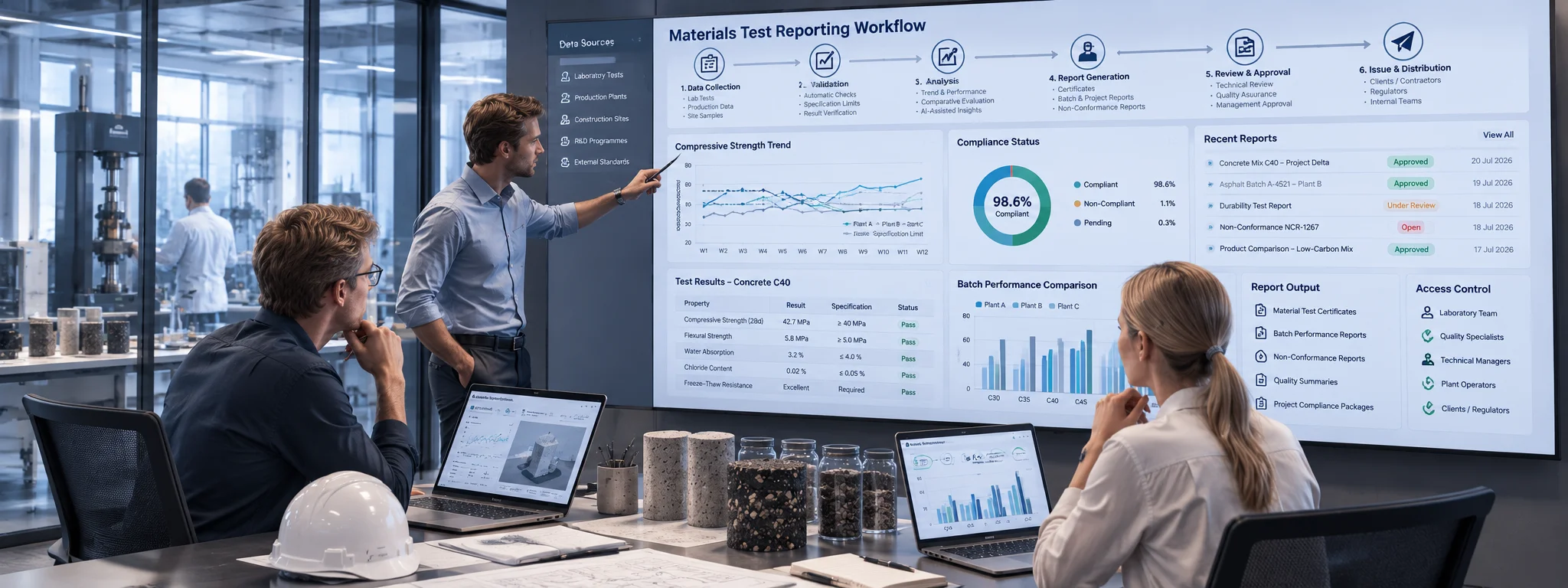
Automatisering van Bedrijfsprocessen
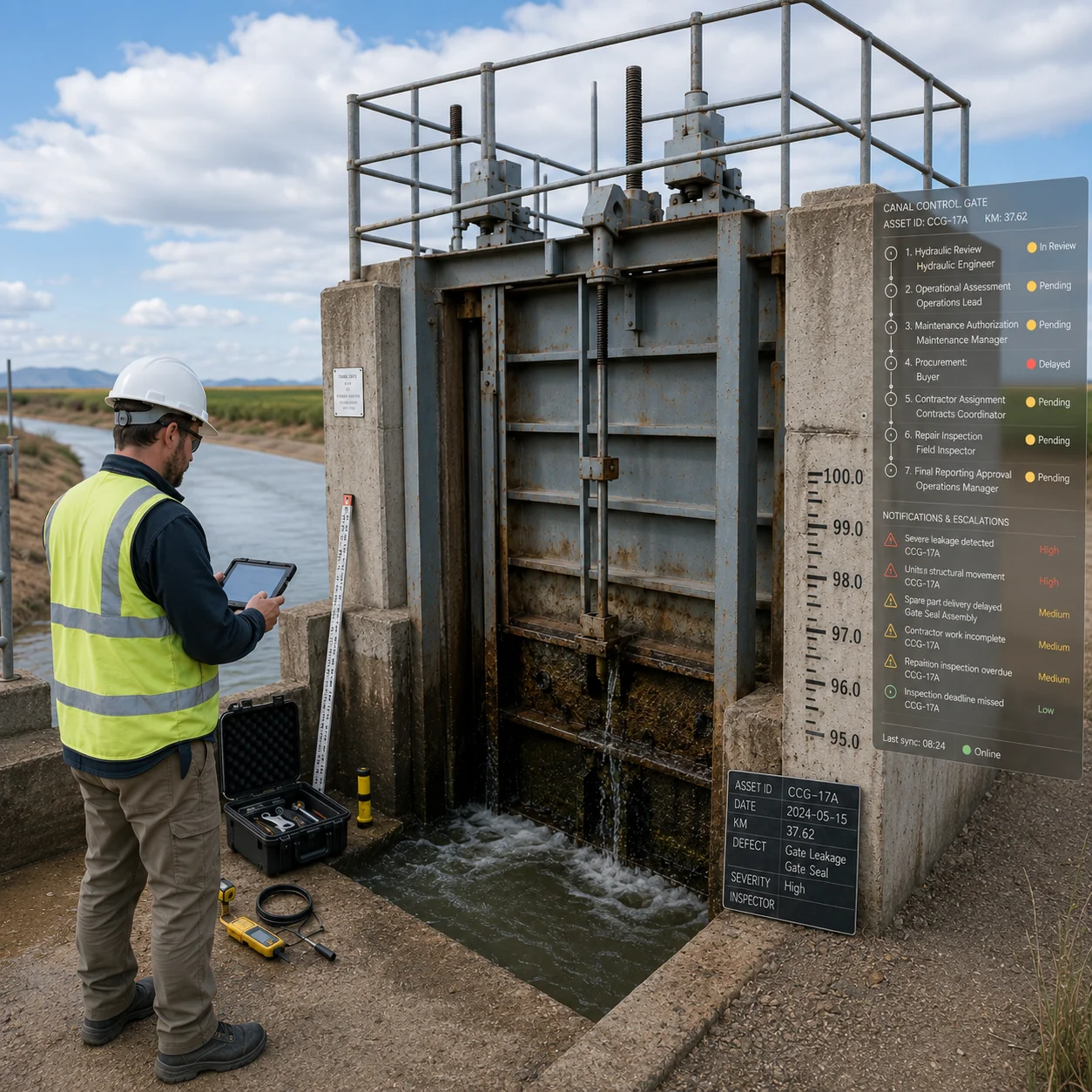
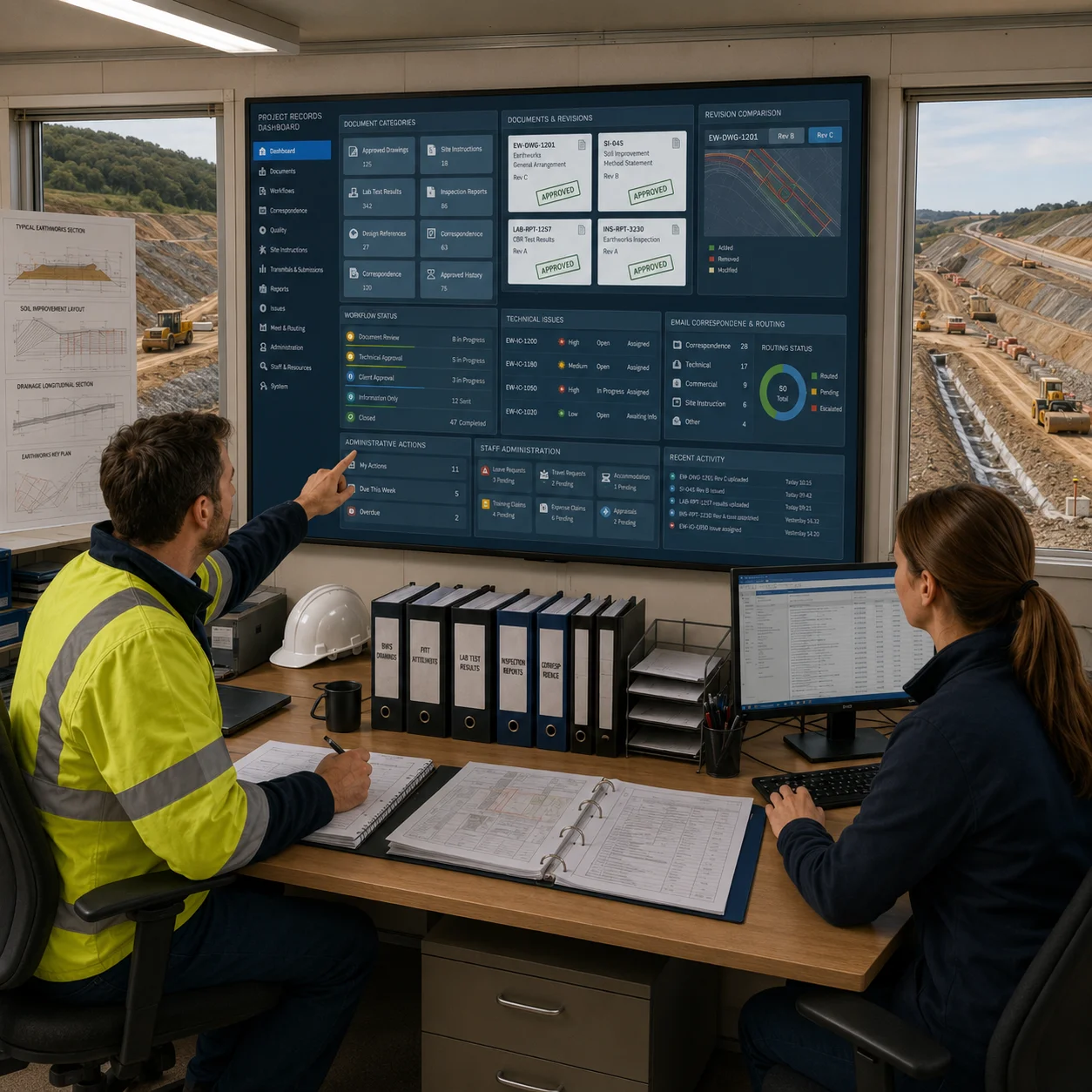
Optimalisatie van Administratieve Processen
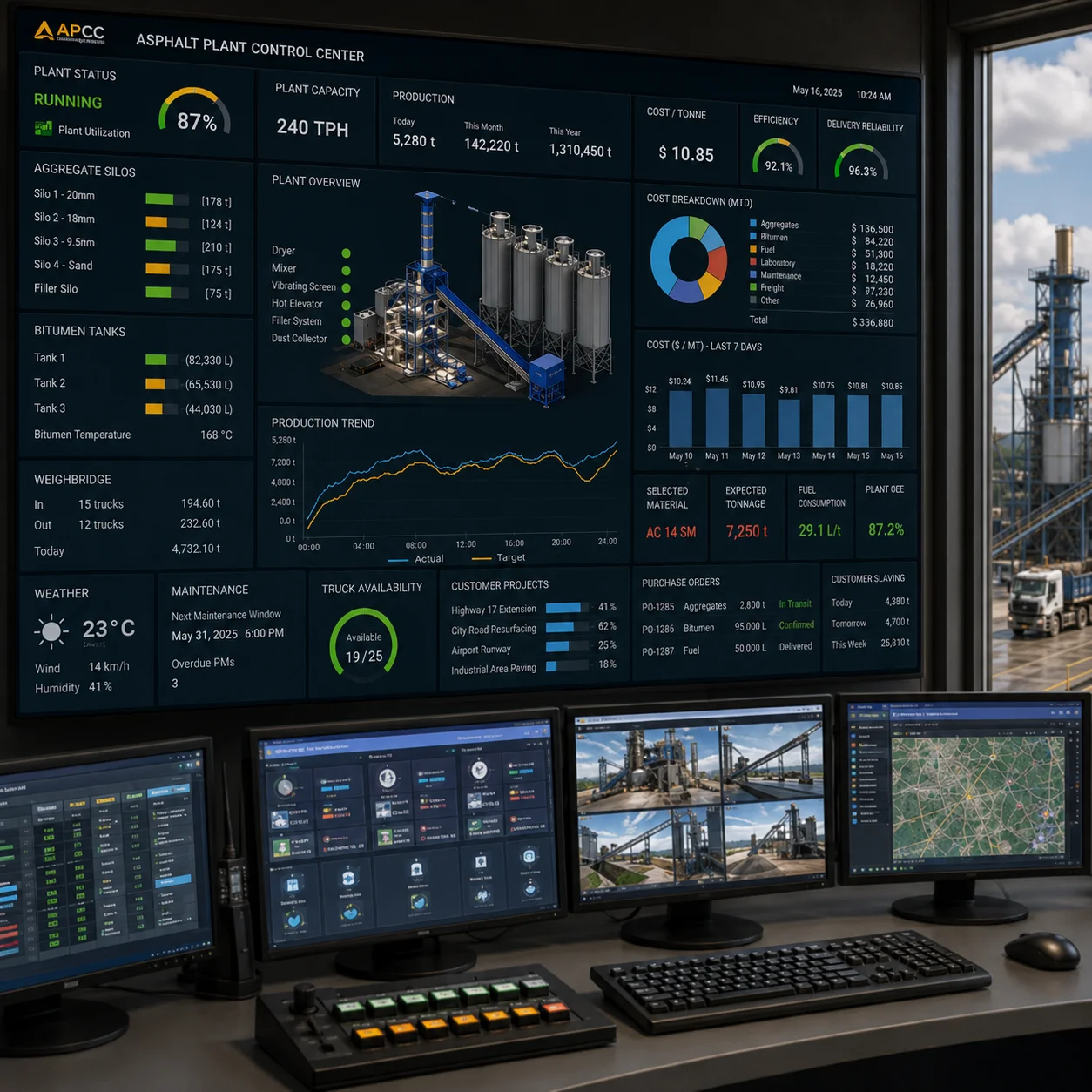
Financieel & Operationeel Beheer
Enterprise Digitale Transformatie
Vergelijkbare projecten
Ontdek meer innovatieve projecten:






Geweldige
Oplossingen
Beginnen Met Een GesprekGeweldige Oplossingen Beginnen Met Een Gesprek
Wilt u ontdekken hoe onze diensten uw bedrijf kunnen laten groeien?
Workflow-automatisering en procesoptimalisatie in de civiele techniek
Een middelgroot infrastructuurproject kan al vóór de eerste betonstort 4.000 documenten voortbrengen: werktekeningen, constructieberekeningen, RFI's, verslagen en goedkeuringsdossiers. Het merendeel hiervan wordt nog altijd via e-mail uitgewisseld. Workflow-automatisering en procesoptimalisatie in de civiele techniek vervangen dit handmatige verkeer door een regelgebaseerde informatiestroom. Het operationele resultaat: kortere doorlooptijden voor goedkeuringen en een projectdossier dat consistent blijft tot aan de overdracht.
NEXATEK benadert automatisering als een technische discipline en niet als een IT-project. Proceslogica komt op de eerste plaats, software op de tweede. Het stroomlijnen van de wijze waarop indieningen en keuringsrapporten door de organisatie bewegen, vormt doorgaans een bouwsteen van een bredere digitale transformatie in de civiele techniek.
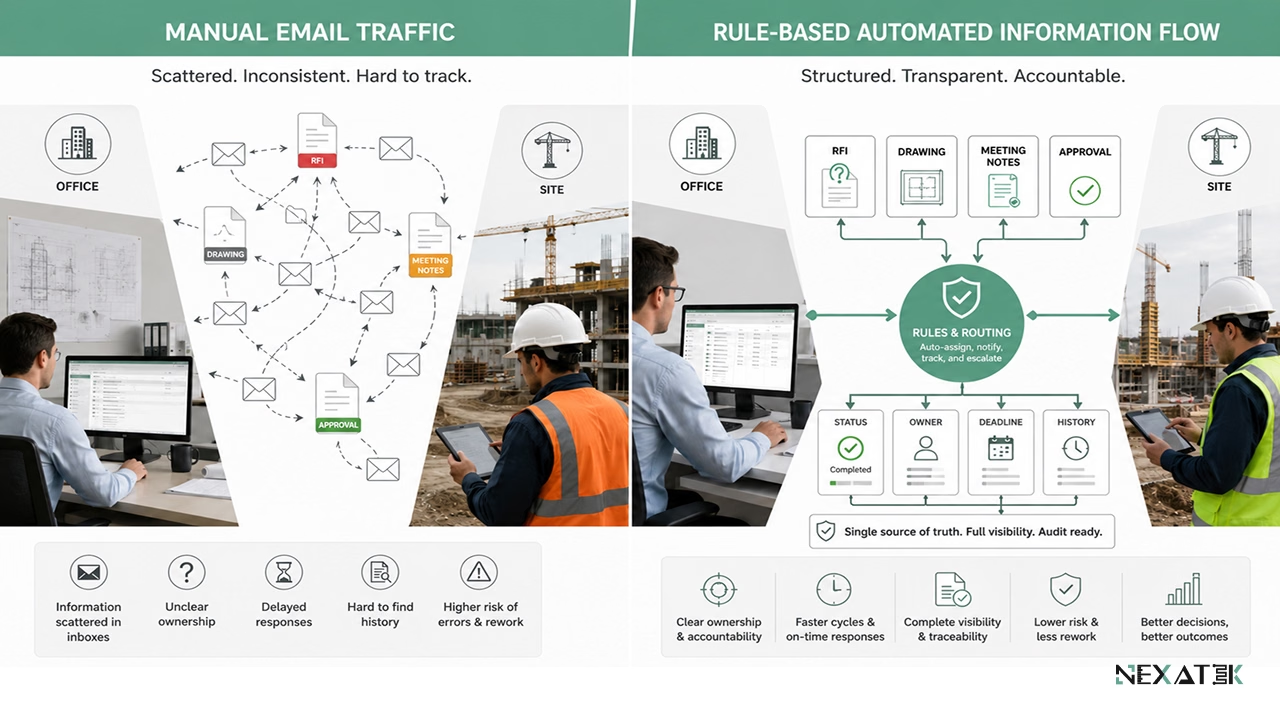 Workflow-automatisering vervangt versnipperde e-mailoverdrachten door een gecontroleerde projectinformatiestroom.
Knelpunten in civieltechnische werkprocessen
Civieltechnische projecten lopen zelden spaak op berekeningen. Ze falen in de tussenstappen – bij overdrachten en data-uitwisselingen waar niemand integraal verantwoordelijk voor is.
Gefragmenteerde engineering-workflows
Een doorsnee project draait op vijf of meer losstaande applicaties. De tekeningenlijst staat in een spreadsheet, RFI's zitten in een mailbox, bouwplaatsfoto's staan op smartphones en de planning zit in gespecialiseerde planningssoftware. Elke overdracht tussen deze datasilo's vereist dat iemand gegevens kopieert, hernoemt of handmatig overklopt. Fragmentatie vertroebelt bovendien de status: niemand kan met zekerheid vaststellen of revisie C van de afwateringstekening de buitenploeg al heeft bereikt.
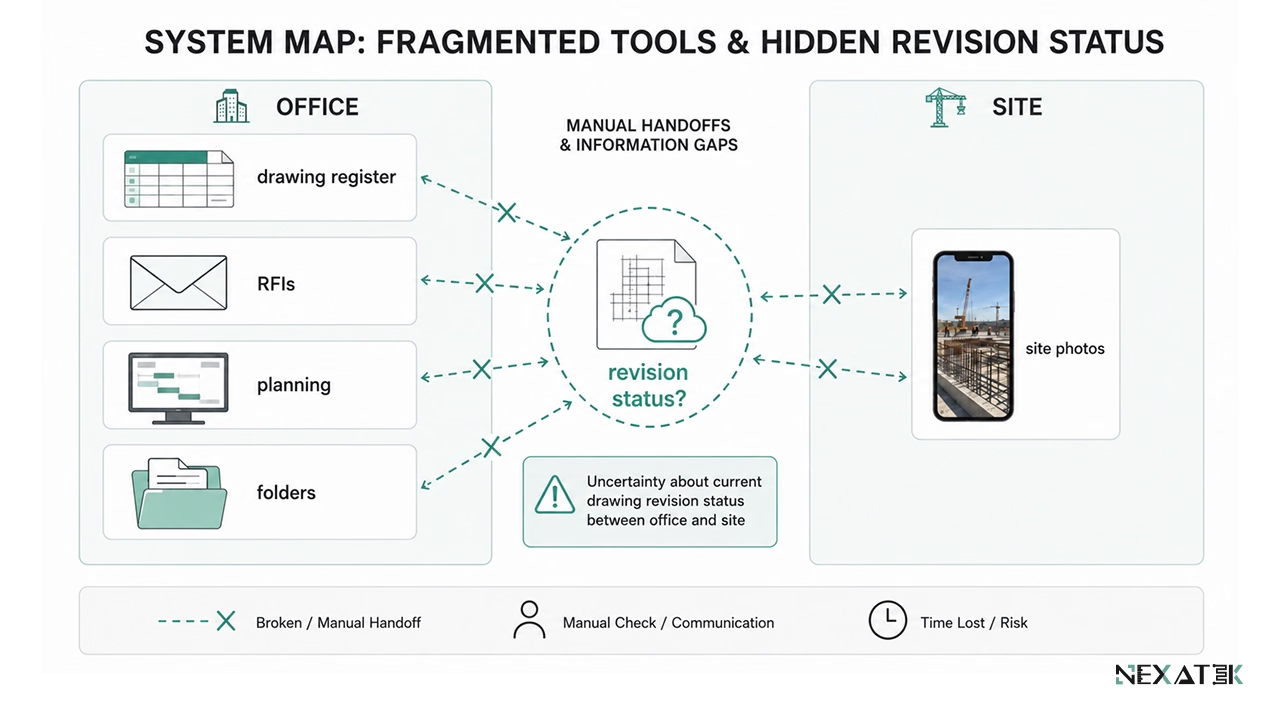 Losstaande applicaties maken het lastig te verifiëren welke tekening, RFI of dagrapportage actueel geldig is.
Handmatige documentatie en coördinatieproblemen
Uitvoerders besteden dagelijks gerust één tot twee uur aan het samenstellen van het dagrapport op basis van handgeschreven notities, foto's, weegbonnen en bevestigingen van onderaannemers. Dezelfde data wordt later opnieuw ingevoerd in maandrapportages en claimdossiers. Elke handmatige overnamestap vergroot de kans op fouten. Goedkeuringsverzoeken per e-mail zijn afhankelijk van de oplettendheid van de ontvanger; een toetser met verlof kan een formele indiening een week ophouden voordat iemand actie onderneemt.
Impact op planning en dataconsistentie
Vertragingen stapelen zich op langs de documentenketen. Wanneer een ontwerpbeoordeling tien dagen duurt in plaats van drie, verschuiven de inkoop en de inzet van onderaannemers direct mee. Datainconsistentie zorgt voor bijkomende schade: Een meetstaat gebaseerd op een vervallen revisietekening leidt tot foutieve bestelhoeveelheden, en die fout openbaart zich meestal pas buiten in het werk, waar herstelwerkzaamheden het kostbaarst zijn.
Wat houdt workflow-automatisering in binnen de civiele techniek?
Workflow-automatisering in een technische context betekent het regelgebaseerd routeren van projectinformatie tussen vastgelegde processtappen en verantwoordelijke rollen. Een indiening komt binnen in de workflow. Het systeem stuurt deze automatisch naar de aangewezen toetser, bewaakt de reactietermijn, legt het besluit vast en distribueert de uitkomst. De ingenieurs behouden het inhoudelijke oordeel. Het systeem draagt zorg voor de routering en de dossiervorming.
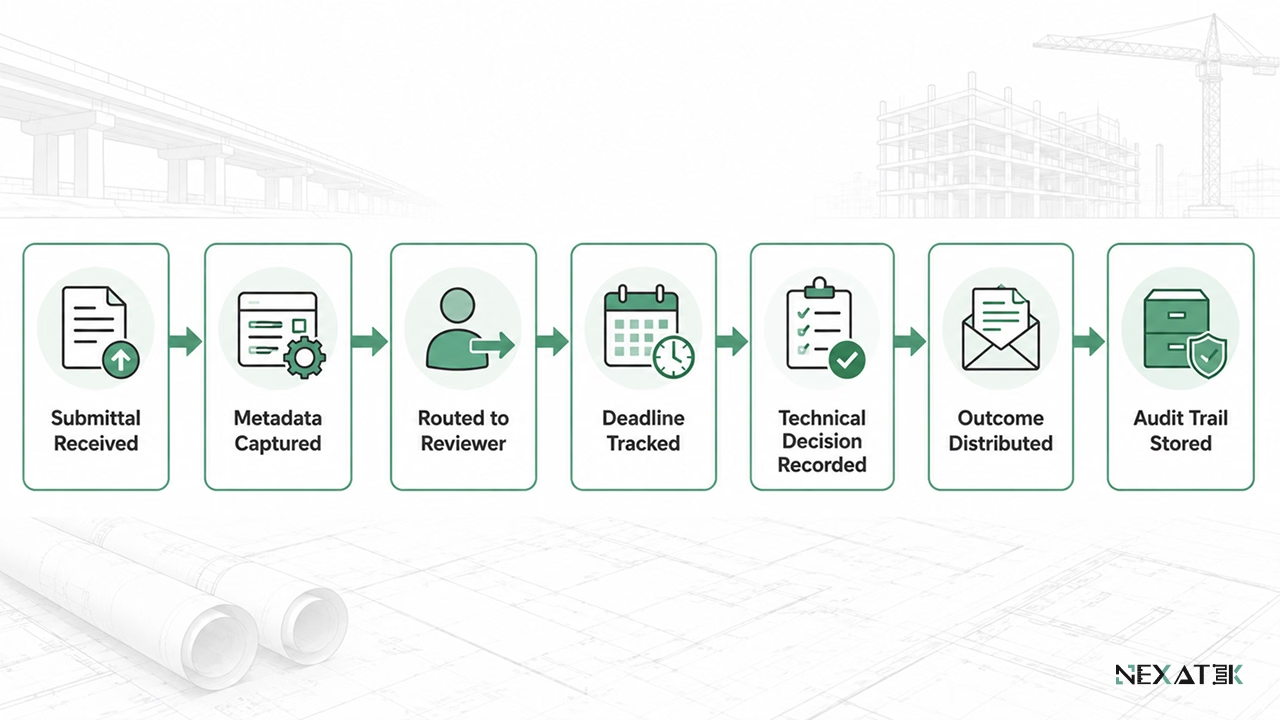 Het systeem beheert routering, deadlines, statusbewaking en besluitvorming, terwijl ingenieurs de technische controle behouden.
Het verschil tussen taakautomatisering en procesautomatisering
Taakautomatisering richt zich op één afzonderlijke, repeterende handeling – zoals het genereren van een overdrachtsformulier of het hernoemen van 200 bouwplaatsfoto's volgens een vaste zonecodering. Procesautomatisering verbindt meerdere taken tot een bewaakt traject met regels en overdrachten. Een ontwerptoetsingscyclus is een proces: verspreiding, toetscommentaar, bundeling van opmerkingen, reactie en heruitgifte. Het automatiseren van enkel de verspreiding bespaart minuten. Het borgen van de complete cyclus binnen één systeem bespaart werkdagen.
Typische civieltechnische activiteiten geschikt voor automatisering
Werkzaamheden met vaste regels en een hoge herhalingsgraad lenen zich bij uitstek voor automatisering. Documentnummering, fiatteringsflows, rapportagegeneratie op basis van gestructureerde data en revisienotificaties vallen hieronder. Mobiele data-inwinning sluit hier direct op aan wanneer bouwplaatsmetingen via maatwerk mobiele apps voor velddata in plaats van papieren formulieren naar kantoorsystemen vloeien. Inhoudelijk beoordelingswerk, zoals constructieve afwegingen en claimbeoordelingen, blijft het domein van de ingenieur.
Procesoptimalisatie binnen civiele projecten
Optimalisatie gaat vooraf aan automatisering; een geautomatiseerd gebrekkig proces produceert fouten enkel sneller. Civieltechnische procesoptimalisatie betekent het in kaart brengen van hoe het werk feitelijk verloopt, het elimineren van overbodige stappen en het opnieuw sequencen van de resterende activiteiten. NEXATEK start dit traject met een proceskaart van de actuele situatie, inclusief de informele workarounds die teams rondom hun software hebben opgebouwd. Samen bepalen beide trajecten wat workflow-automatisering en procesoptimalisatie opleveren: eerst een gecorrigeerd proces, daarna een systeem dat dit uitvoert.
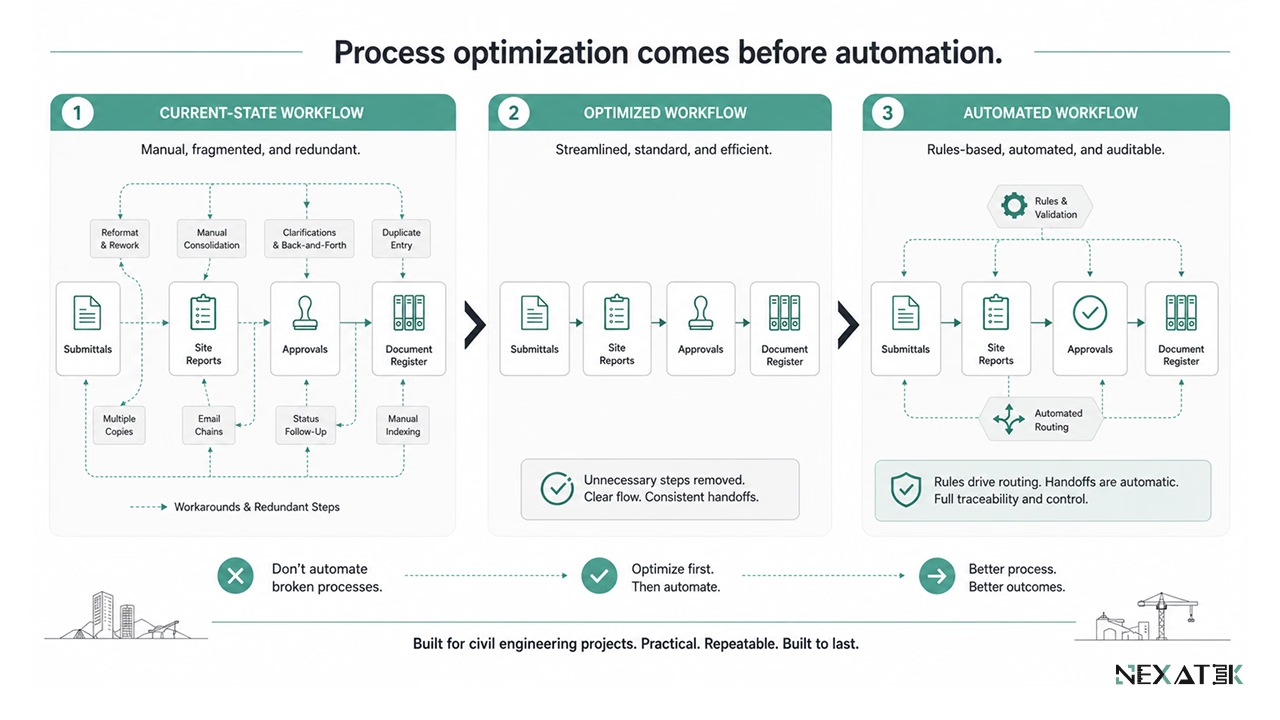 Procesoptimalisatie brengt de feitelijke werkwijze aan het licht voordat automatisering daaromheen wordt ingericht.
Het identificeren van inefficiënties in de projectuitvoering
Datagedreven engineering start met meten. Bruikbare parameters zijn bijvoorbeeld de doorlooptijd van indiening tot akkoord, het aantal handmatige invoermomenten per data-item en het percentage documenten dat onder een onjuiste revisie circuleert. Dubbele gegevensinvoer is de meest voorkomende inefficiëntie: Een enkel meetresultaat van een kubusdrukproef belandt dikwijls in een beproevingsrapport, een dagrapport, een kwaliteitsregister en een maandrapportage – viermaal afzonderlijk ingevoerd.
Standaardisatie versus flexibiliteit in technische processen
Niet elke stap moet rigide worden vastgelegd. Naamgevingsconventies, documenttemplates, goedkeuringsdrempels en registerstructuren hebben baat bij strikte standaardisatie. Het vakkundige ingenieursinzicht heeft dat niet. Een praktische vuistregel luidt: standaardiseer het kader en houd de inhoud flexibel. De rapportsjabloon en de distributieroute liggen vast, terwijl de geotechnische interpretatie in het rapport de verantwoordelijkheid van de ingenieur blijft.
Handmatige versus geautomatiseerde engineering-workflows
Het structurele onderscheid zit in de verankering van het proces. Handmatige workflows leven in de hoofden van medewerkers en in e-mailthreads. Geautomatiseerde workflows leggen diezelfde volgorde vast in een systeem met gedefinieerde statussen en routeringsregels. Een handmatige indiening is een losse bijlage in een inbox; een geautomatiseerde indiening is een traceerbaar object met status, eigenaar, deadline en mutatiehistorie.
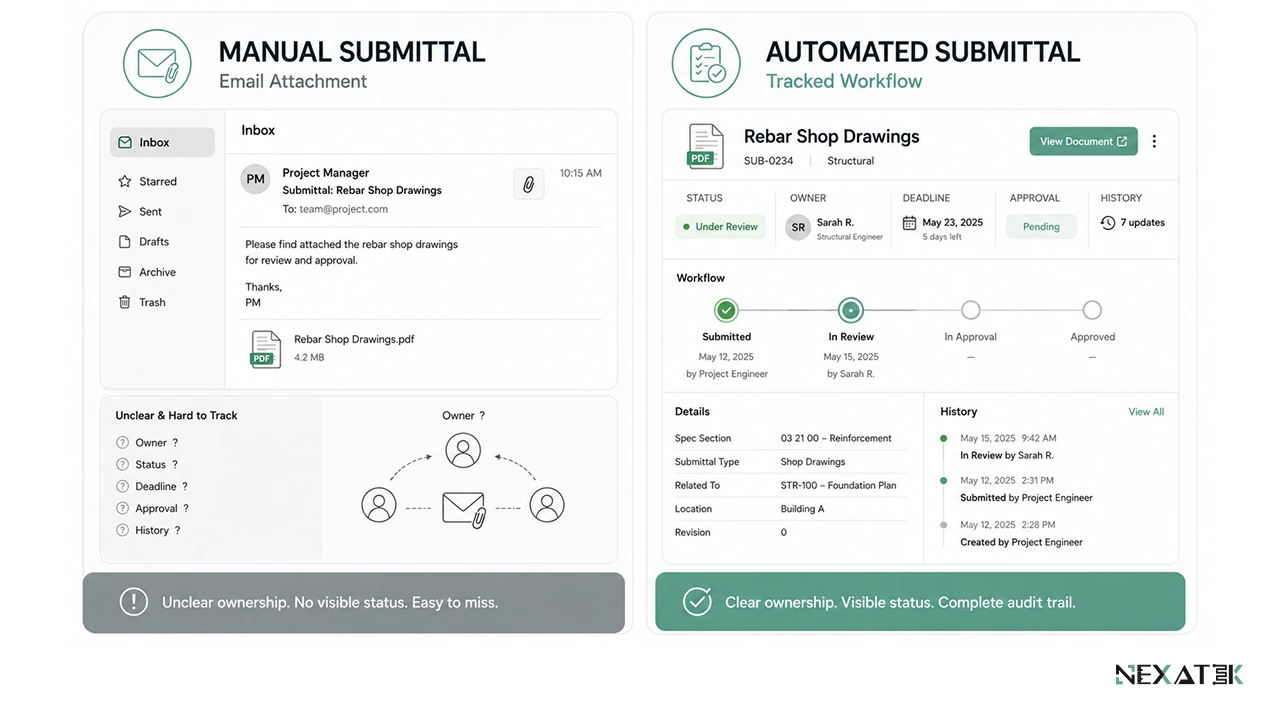 Geautomatiseerde workflows transformeren projectitems in traceerbare dossiers met eigenaarschap, deadlines, status en historie.
Operationele beperkingen van handmatige processen
Handmatige processen zijn kwetsbaar door afhankelijkheid van sleutelpersonen. Wanneer de documentcontroller die het archief beheert vertrekt, schieten zoektijden door het hele project omhoog. De audit trail blijft summier: achterhalen wie twee jaar geleden een bekistingstekening formeel heeft goedgekeurd, ontaardt in het doorzoeken van mailboxen. Schaalbaarheid vormt de derde belemmering: een verdubbeling van het projectvolume leidt grosso modo tot een verdubbeling van de coördinatielast.
Systeemvoordelen van geautomatiseerde workflows
Geautomatiseerde workflows genereren automatisch hun eigen dossier. Elke routeringsstap en elk besluit wordt opgeslagen met een tijdstempel, zodat de goedkeuringshistorie van een werktekening met één databasequery inzichtelijk is. Parallelle processtappen lopen gelijktijdig, waardoor toetsingen door meerdere disciplines tegelijkertijd plaatsvinden. De investering zit in de voorbereiding: een proces moet vooraf tot in detail worden vastgelegd voordat software het kan uitvoeren – en dat vergt voorbereidende ingenieursinzet.
Toepassing door de fasen van een civiel project
Het automatiseringspotentieel verschilt per projectfase. De data van infrastructuurprojecten verandert gedurende de cyclus van vorm – van landmeetkundige data tot het as-built-dossier –, terwijl de principes van routering en logging constant blijven.
Voorbereiding en planvorming
Vroege fasen drijven op verzamelde data: terreininmetingen, KLIC-gegevens, geotechnische sonderingen en correspondentie met bevoegde gezagen. Geautomatiseerde intake-workflows registreren elk binnenkomend document met metadata en routeren het direct naar de juiste discipline. Haalbaarheidsstudies putten zo uit één gestructureerde bron in plaats van uit mappenstructuren die per medewerker verschillen.
Ontwerpcoördinatie en documentbeheersing
De ontwerpfase veroorzaakt de hoogste documentdichtheid binnen het project. Revisor-workflows waarschuwen betrokken disciplines automatisch zodra een ontwerptekening wijzigt, trekken vervallen versies direct in en werken gelijktijdig de tekeningenlijst bij. Validatiecontroles in maatwerk ingenieurssoftware verifiëren een leveringspakket tegen de goedgekeurde documentenlijst vóór formele uitgifte.
Bouw- en uitvoeringsworkflows
Buiten op het werk verbindt procesautomatisering veldwaarnemingen met de kantoorsystemen. Een keuringsverzoek dat op een tablet wordt aangemaakt, bereikt de toezichthouder direct inclusief GPS-coördinaten, foto's, keuringscriteria en tijdstempel. Materiaalgoedkeuringen en afwijkingsrapporten volgen vaste routes met reactietermijnen. Het digitale uitvoerdersdagboek bouwt zichzelf op basis van geregistreerde gebeurtenissen op, in plaats van aan het eind van de dag uit het geheugen te moeten worden gereconstrueerd.
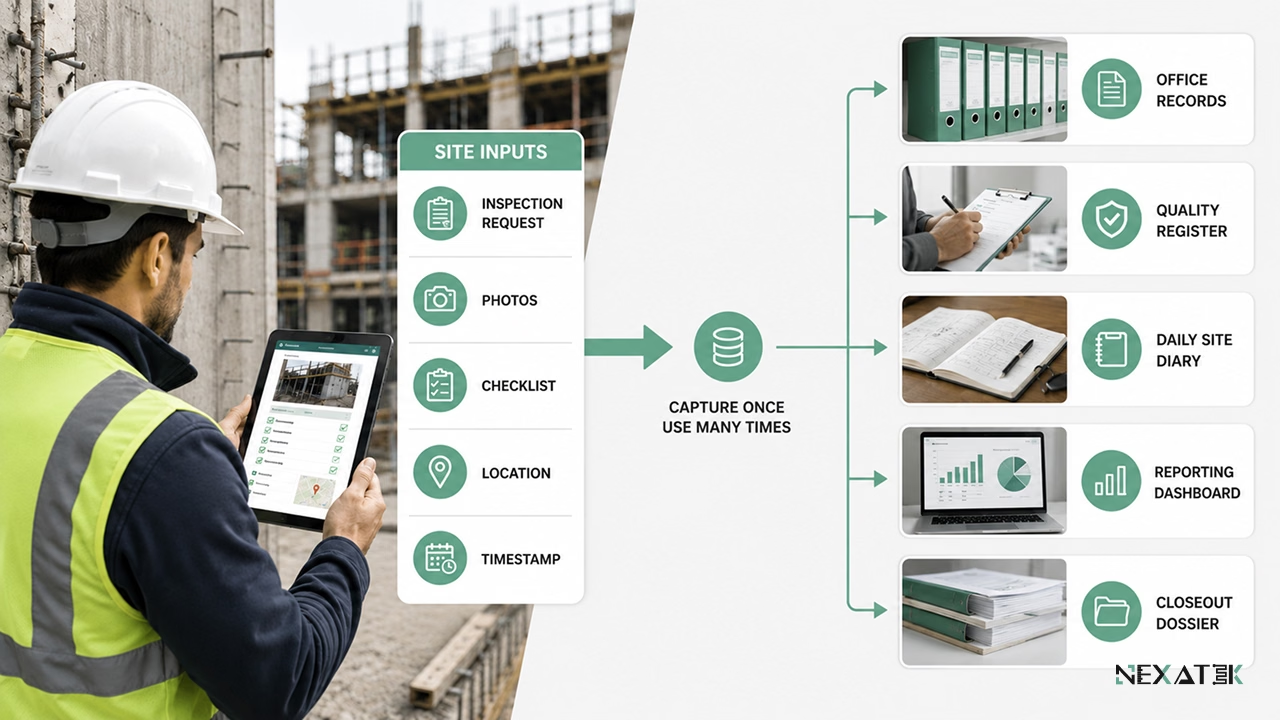 Eenmalig ingevoerde velddata voedt direct keuringsrapportages, kwaliteitsborging, rapportages en opleverdossiers.
Monitoring, rapportage en projectoverdracht
Rapportageworkflows genereren managementcijfers automatisch uit gestructureerde projectdata, zodat ingenieurs niet maandelijks handmatig data hoeven te verzamelen. Voortgangs- en kwaliteitsindicatoren actualiseren realtime op basis van uitvoeringsdata. Bij de oplevering ontstaat het as-built-dossier grotendeels als een natuurlijk bijproduct, omdat elk document en elke goedgekeurde keuring reeds gestructureerd aanwezig is in de civieltechnische projectdatabase.
Afstemming op civieltechnische bedrijfsmodellen
Het rendement van geautomatiseerde workflows hangt af van het achterliggende organisatiemodel. Drie gangbare marktprofielen leggen elk hun eigen accenten.
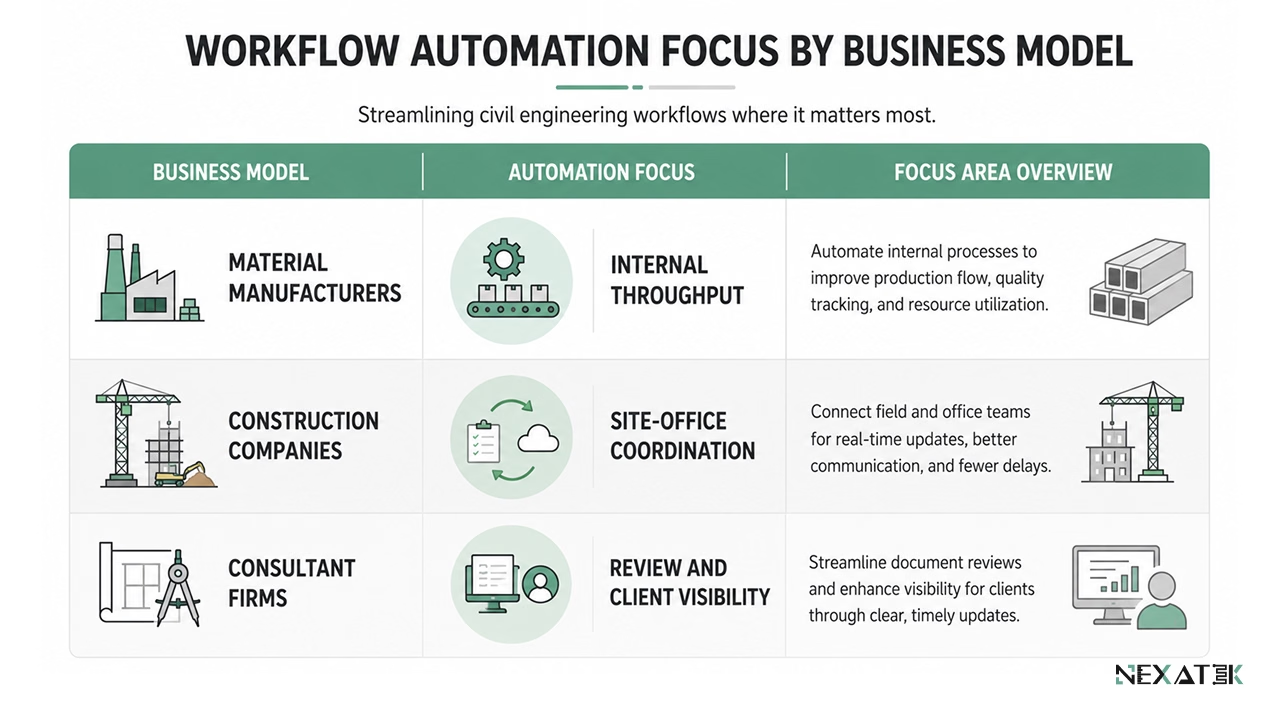 Verschillende bedrijfsmodellen in de civiele techniek benutten automatisering in verschillende fasen van het proces.
Materiaalproducenten en interne procesefficiëntie
Producenten van prefab betonelementen of geosynthetics integreren engineering binnen een industrieel productieproces. Ordergebonden berekeningen en technische datasheets volgen vaste patronen met gestandaardiseerde invoer en uitvoer. Automatisering richt zich hier op interne doorlooptijden: Een klantspecificatie die voorheen per e-mail circuleerde tussen verkoop, constructie en productie, wordt een bewaakt proces met vaste reactietermijnen.
Aannemers en afstemming tussen bouwplaats en kantoor
Aannemersbedrijven opereren op het raakvlak tussen uitvoering en projectleiding. Buiten gemeten hoeveelheden sturen de termijnfacturatie aan, en dagrapporten onderbouwen meerwerkclaims. Geautomatiseerde data-overdracht houdt beide stromen actueel, waardoor het projectbureau werkt met de data van gisteren in plaats van die van vorige maand. Operationele efficiëntie vertaalt zich hier direct in minder discussies over wat wanneer exact is gerealiseerd.
Ingenieurs- en adviesbureaus met kennisintensieve processen
Adviesbureaus leveren en beoordelen omvangrijke documentenstromen. Interne kwaliteitscontroles en toetsrondes van opdrachtgevers domineren de agenda. Automatisering brengt structuur in dit toetsverkeer, terwijl gedeelde portalen voor projectsamenwerking opdrachtgevers direct inzicht geven in de status van deliverables zonder tijdrovende statusmeetings. NEXATEK richt deze workflows in rondom de bestaande toetsingshiërarchie van het bureau in plaats van generieke standaardprocessen op te leggen.