

Ontwikkeling van Klantportalen in de Civiele Techniek
Een gecontroleerde, self-service interface voor uw klanten en intern team om toegang te krijgen tot projectinformatie. NEXATEK ontwikkelt klantportalen rond technische leverproducten, calculators, documenten, aanvragen, revisiebeheer en rolgebaseerde toegang. Het doel is voorspelbare klantinteractie gedurende lange projectlevenscycli.
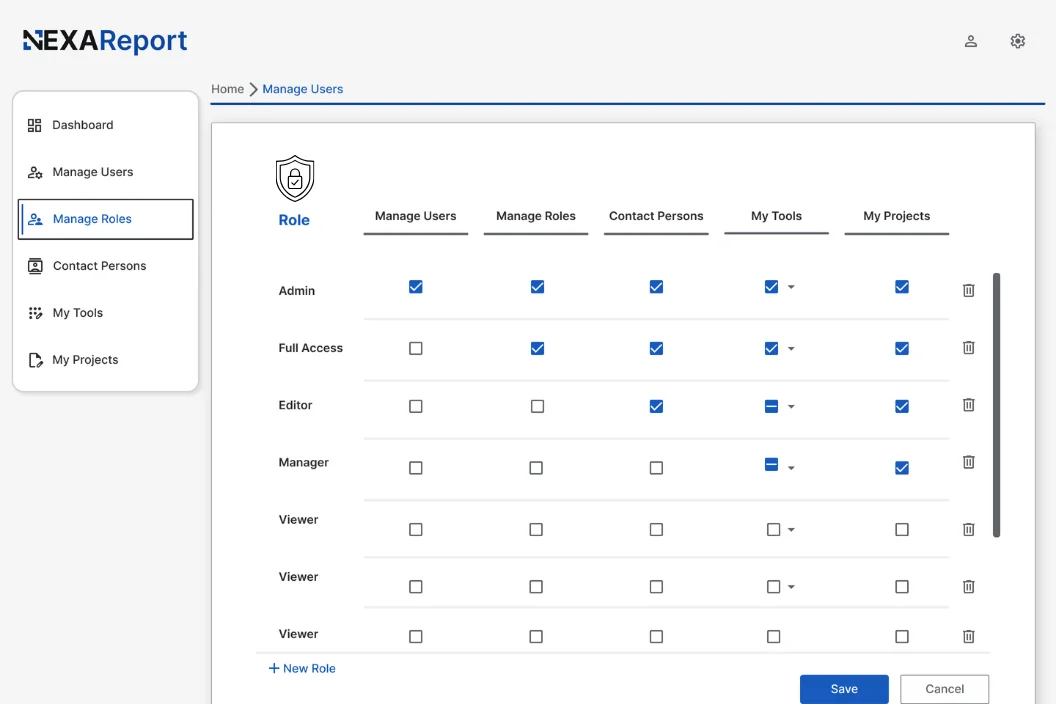
Portaaltoegang & Beveiliging
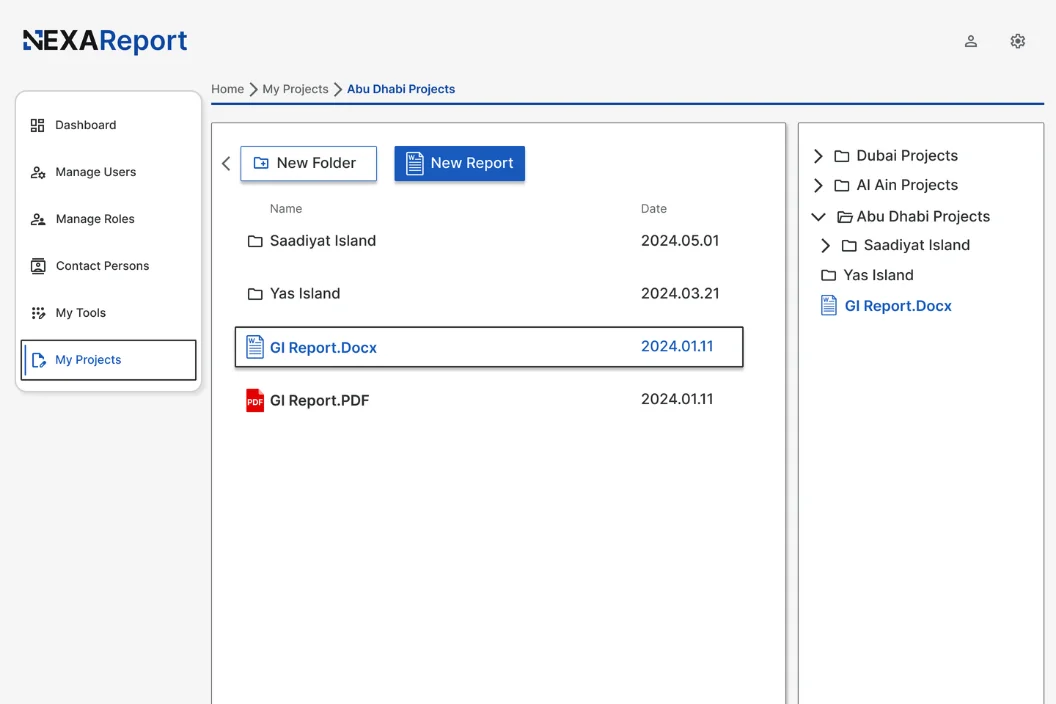
Projectgegevens & Distributie van Leverproducten
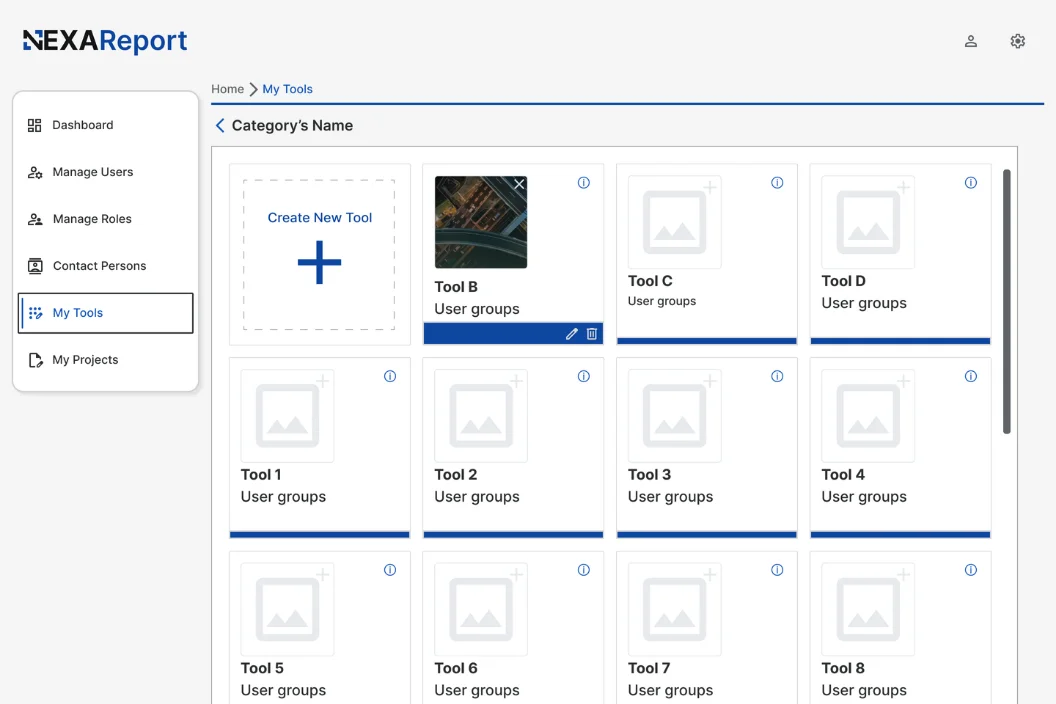
Ontwerptools en Rapporten
Communicatie, Updates & Klantaanvragen
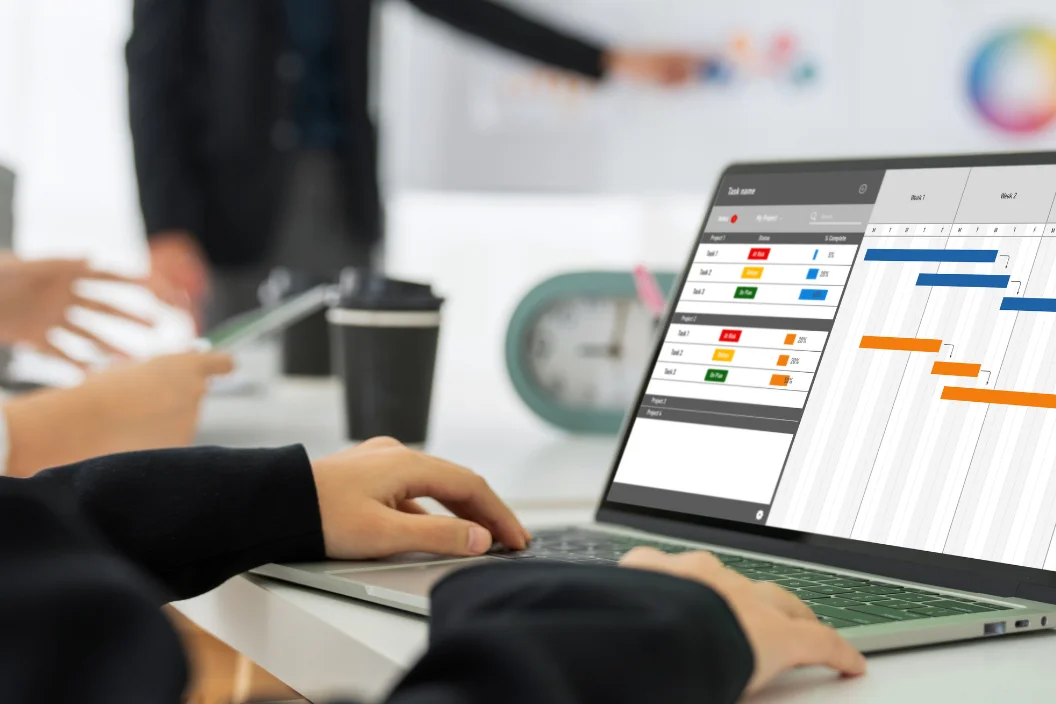
Dashboard en Overzichtspaneel
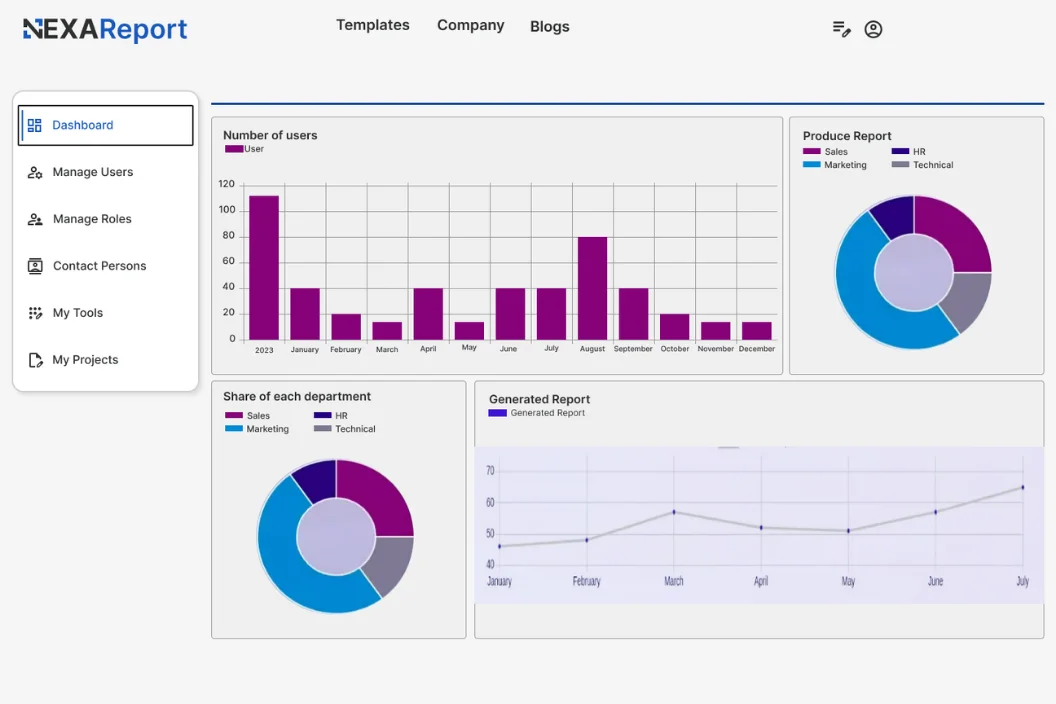
Vergelijkbare projecten
Ontdek meer innovatieve projecten:



Geweldige
Oplossingen
Beginnen Met Een GesprekGeweldige Oplossingen Beginnen Met Een Gesprek
Wilt u ontdekken hoe onze diensten uw bedrijf kunnen laten groeien?
Ontwikkeling van klantportalen voor de civiele techniek
Ontwikkeling van klantportalen voor de civiele techniek biedt opdrachtgevers en ketenpartners gecontroleerde toegang tot projectdata, vrijgegeven documenten, voortgangsrapportages en contractuele mijlpalen via één centrale, gestructureerde interface. De reconstructie van een knooppunt kan drie jaar in beslag nemen en duizenden tekeningen en overdrachtsdossiers genereren. E-mailverkeer is simpelweg niet toegerust om een dergelijk archief betrouwbaar te beheren. Een portaal vervangt versnipperde bestandsuitwisseling door een uniform projectcommunicatieplatform dat zowel door het ingenieursteam als door de opdrachtgever kan worden getoetst.
Opdrachtgeversportalen vormen doorgaans een logische stap binnen een bredere digitale transformatie van ingenieursdiensten. NEXATEK bouwt deze platformen rondom de documenten die ingenieurs wekelijks opleveren: tekeningenregisters, rekennota's, keuringsrapporten en formele correspondentie.
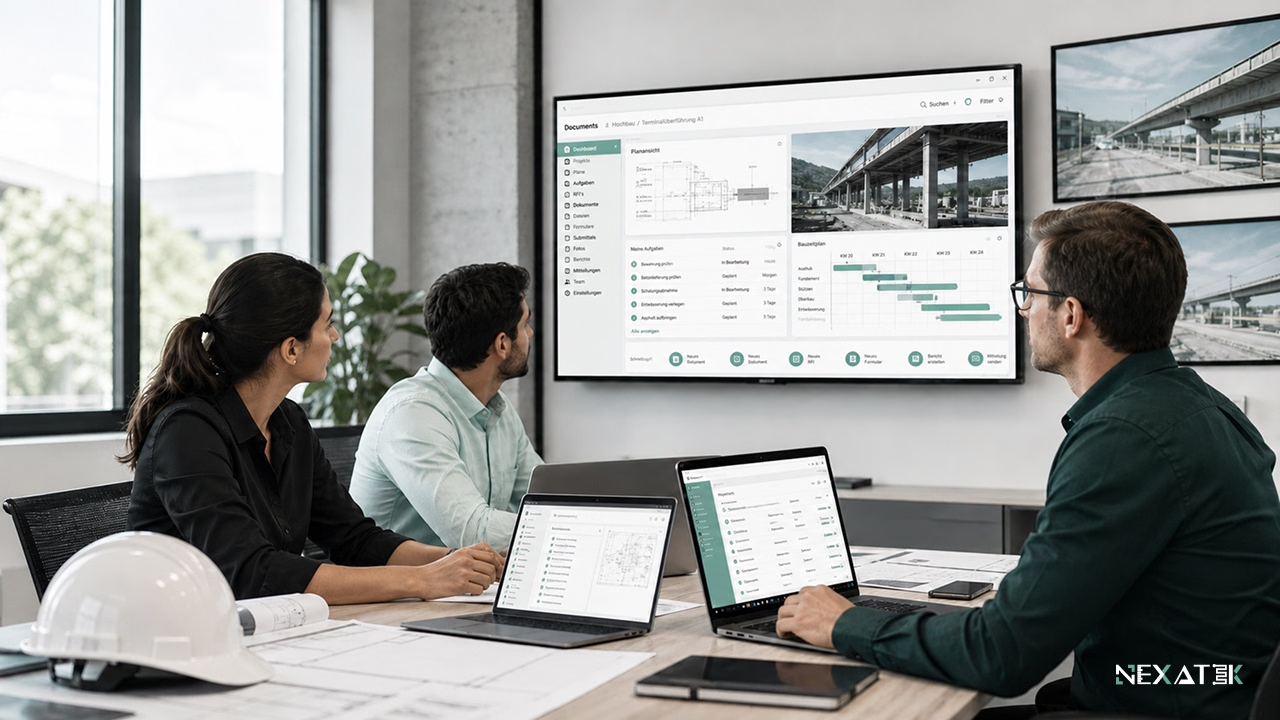 Een civieltechnisch portaal biedt opdrachtgevers één centrale plek voor toegang tot tekeningen, rapporten, projectdata en mijlpaalstatussen.
Wat is een klantportaal in de civiele techniek?
Een klantportaal binnen de civiele techniek is een webapplicatie waarmee opdrachtgevers projectinformatie raadplegen volgens vastgestelde autorisatieregels. Het fungeert als het centrale distributiepunt voor technische deliverables en statusupdates. Waar generieke klantdashboards vaak enkel samenvattende grafieken tonen, beheert een technisch portaal omvangrijke documentenstromen onder strikt versiebeheer – functionerend als een gecontroleerd beheer- en distributiesysteem voor technische documenten.
De gegevensstructuur sluit aan op de civieltechnische praktijk: ingedeeld op project, deelcontract, discipline of leveringspakket in plaats van geïmproviseerde mappenstructuren. Een portaal kan bovendien technische rekentools ontsluiten voor ingenieurs van de opdrachtgever, waarmee productspecifieke toetsingen kunnen worden uitgevoerd en direct als projectdocument kunnen worden geëxporteerd.
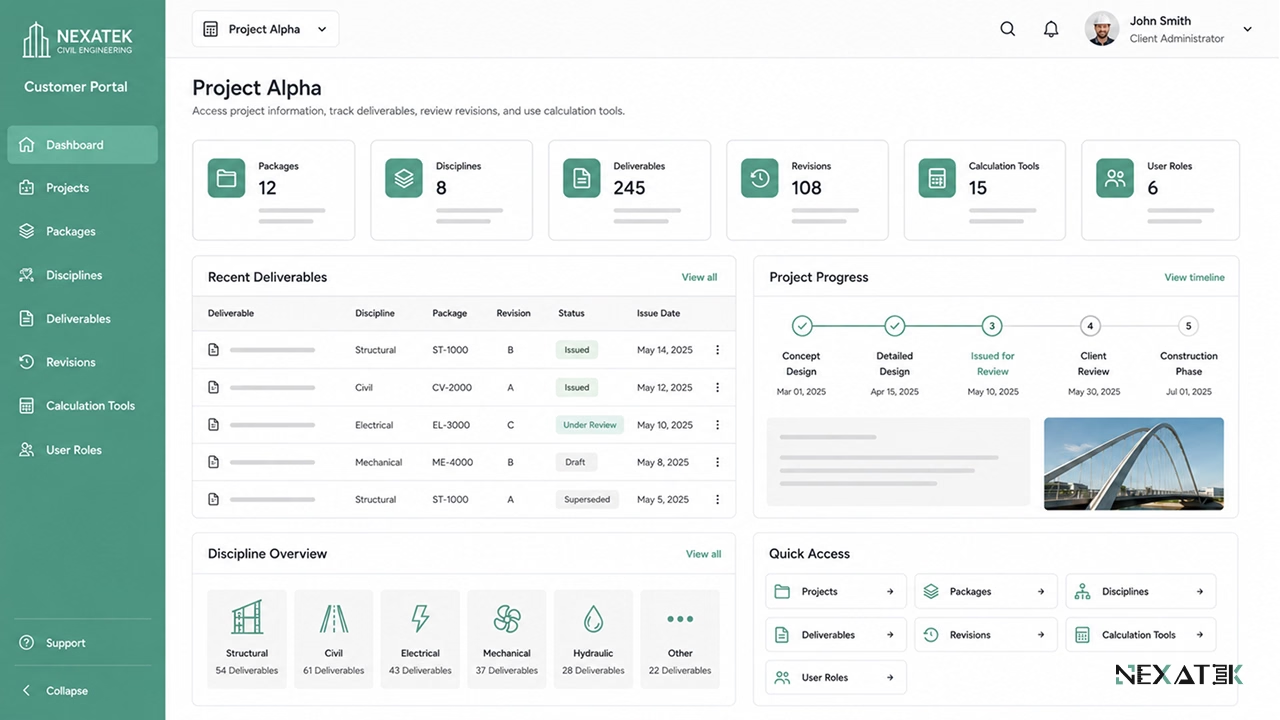 Een functioneel portaal weerspiegelt de projectstructuur van de civiele techniek, inclusief contractpakketten, disciplines, deliverables, revisies en gebruikersrollen.
Waarom civiele projecten klantportalen vereisen
Lange besluitvormingscycli vormen het voornaamste knelpunt. Een ontwerppakket doorloopt tussen aanbesteding en realisatie vaak tientallen revisies en passeert tientallen toetsers. De communicatie met de opdrachtgever moet van het schetsontwerp tot aan de overdracht aantoonbaar consistent blijven.
Projectmatige interactie met opdrachtgevers
Opdrachtgevers ervaren een infrastructureel werk niet als één doorlopende dialoog, maar interageren op vaste momenten: mijlpaalleveringen, verificatieverzoeken, formele goedkeuringen en toetsingsrondes. Elk moment bezit een inhoudelijke context, waaronder het betreffende ontwerppakket en de geldende revisiestatus.
E-mail splitst deze context op in onsamenhangende conversaties. Een gedeelde netwerkmap bewaart wellicht het bestand, maar vermeldt niets over de reden van vrijgave of welk document hiermee is komen te vervallen. Een B2B-klantportaal registreert elke interactie als een formele projectgebeurtenis, waardoor een vraag uit week 12 traceerbaar blijft gekoppeld aan de betreffende tekeningrevisie.
Dankzij rolgebaseerde toegangsrechten kan een constructeur de volledige revisiehistorie inzien, terwijl een projectmanager zich kan richten op de planning en mijlpalen.
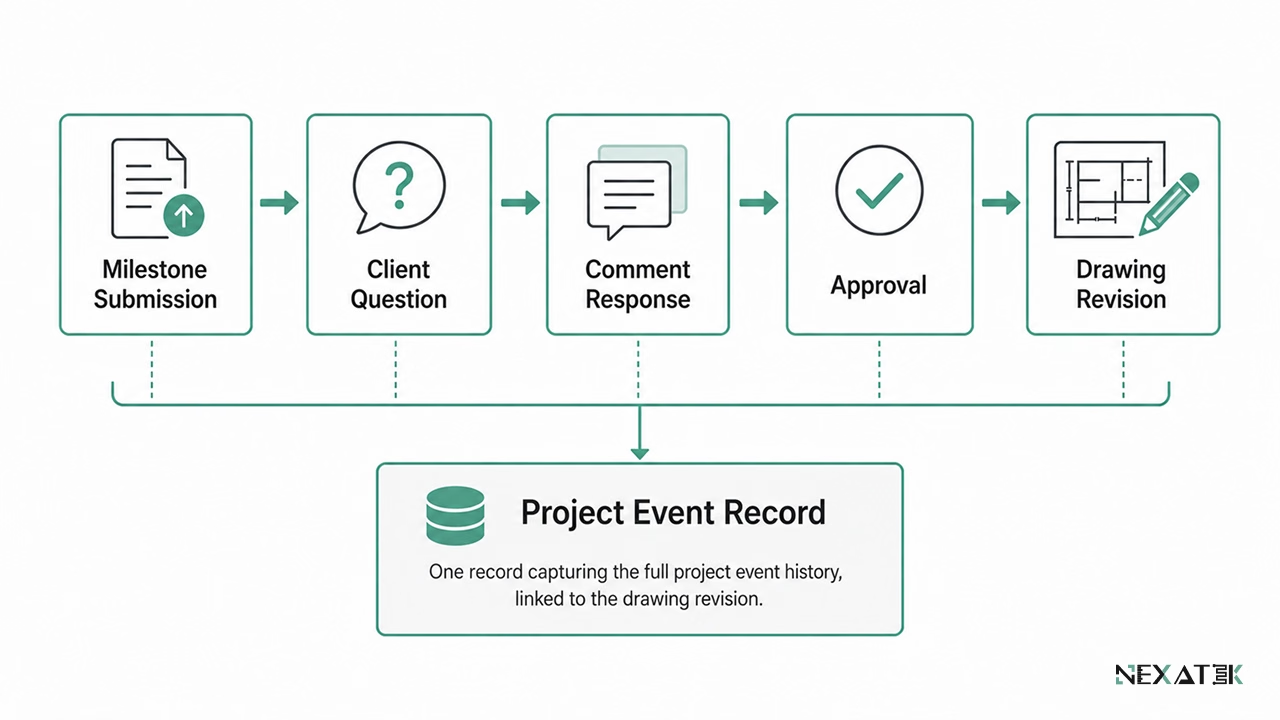 Het koppelen van vragen, toetsopmerkingen en goedkeuringen aan de betreffende tekeningrevisie houdt de communicatie auditeerbaar.
Documentintensieve technische deliverables
Een eindrapport vormt slechts een klein deel van de totale projectproductie. Werktekeningen, technische memo's, keuringsstaten en iteratieve indieningen stapelen zich op in formele uitgiftes – veelal met uitgebreide review- en aanpassingsrondes vooruitlopend op de formele acceptatie.
Reguliere bestandsuitwisseling biedt hierbij geen contextbeheer. Een klassieke faalmodus: de aannemer of opdrachtgever begroot een aanpassing op basis van revisie C, terwijl het ingenieursbureau intern reeds revisie D heeft vrijgegeven. Portaalontwerp voor de techniek beschouwt revisiebeheer daarom als een randvoorwaardelijke kernfunctie.
Vindbaarheid is minstens zo belangrijk: Wanneer een toezichthouder op de bouwplaats 14 maanden later een goedgekeurde wapeningstekening nodig heeft om een stortbesluit te onderbouwen, brengt een geïndexeerd portaal de zoektijd terug van dagen naar minuten.
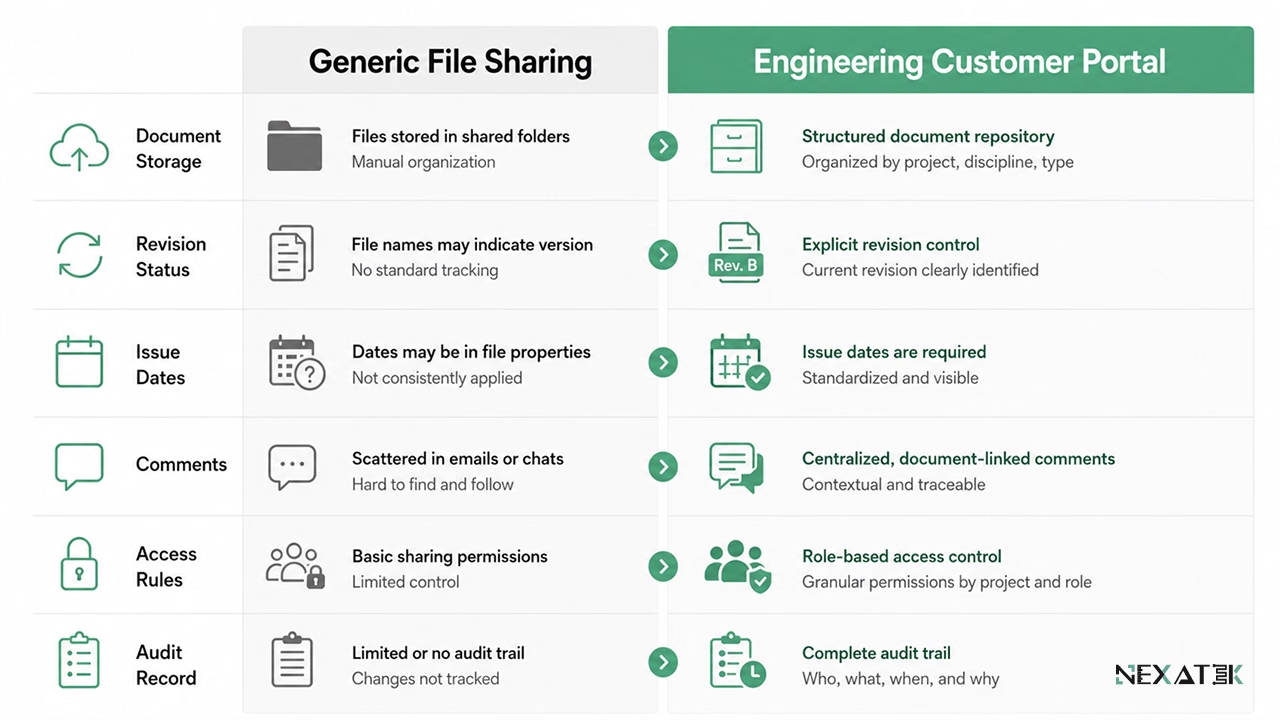
Generieke clouddiensten slaan bestanden op, terwijl een civieltechnisch portaal uitgiftehistorie, documentstatussen, revisiecontext en autorisaties bewaakt.
Vier kernfuncties van een civieltechnisch klantportaal
Vier basisfuncties definiëren een doeltreffend klantportaal binnen de civiele techniek: voortgangsinzicht, documenttoegang, distributie van deliverables en gestructureerde communicatie. Elk van deze functies beantwoordt aan een terugkerende behoefte gedurende de projectlevenscyclus.
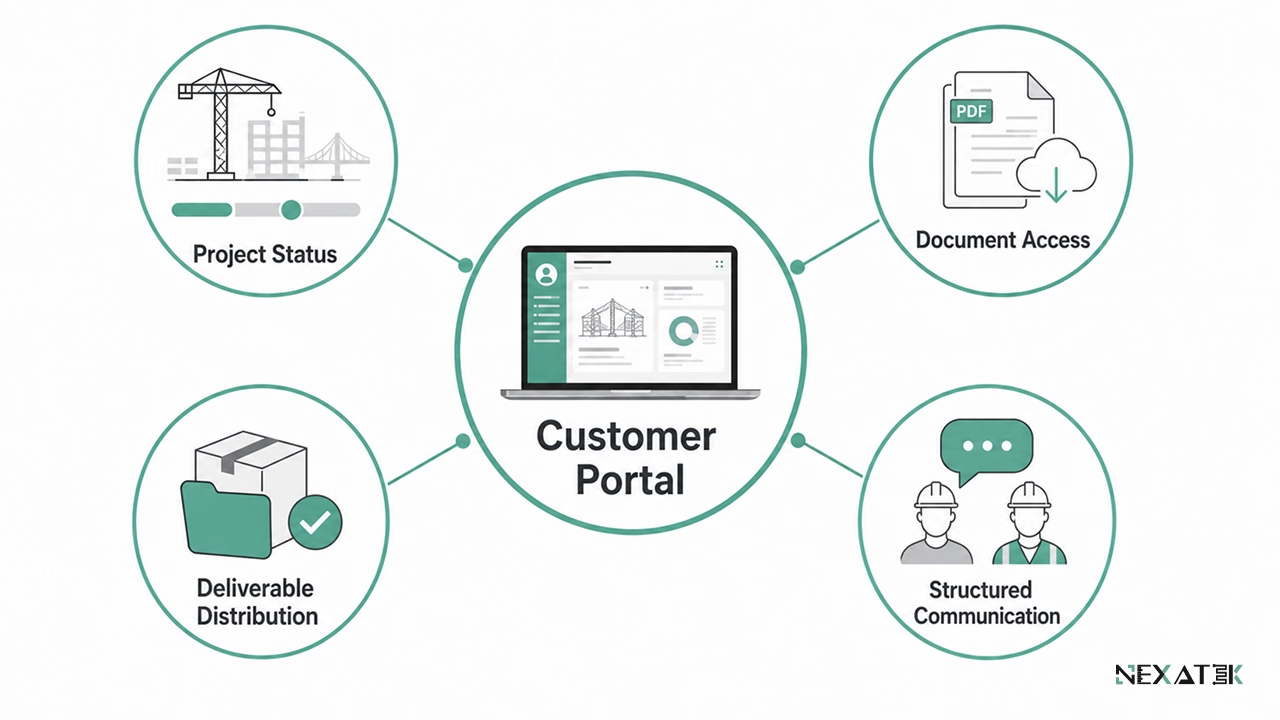 Het portaal verenigt projectstatus, documenttoegang, deliverabledistributie en gestructureerde communicatie binnen één systeem.
Projectstatus en voortgangsinzicht
Statusoverzichten bieden pas meerwaarde wanneer de statuscodes overeenkomen met de werkelijkheid van het ontwerp- en bouwproces: In bewerking, Interne toetsing, Ter toetsing vrijgegeven, Vrijgegeven voor uitvoering (VVO). Een generieke status zoals „in behandeling” zegt een opdrachtgever weinig.
Context maakt van een statusindicator bruikbare informatie: Een mijlpaalmarkering zonder directe koppeling naar de onderliggende stukken en overdrachtsdata helpt de opdrachtgever niet vooruit. Het portaal verbindt daarom elke statuswijziging direct met de achterliggende documenten.
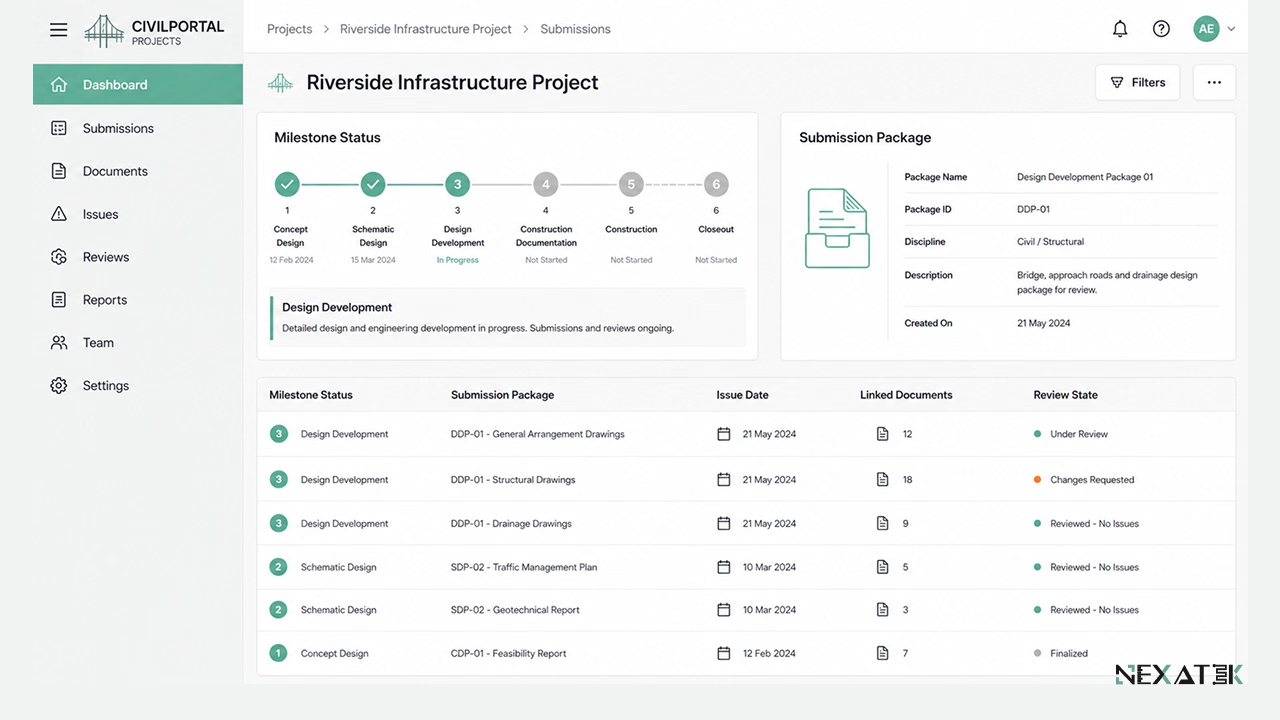 Statusweergaven worden bruikbaar wanneer elke mijlpaal direct linkt naar de bijbehorende documenten, data en indieningen.
Toegang tot technische documenten en tekeningen
Toegang tot tekeningen en rapportages vormt het fundament van het portaal. Bestanden worden ingedeeld op contractpakket of discipline – aansluitend op hoe ingenieurs naar documenten zoeken – en revisiecodes worden expliciet in de lijstweergaven getoond.
Concepten vormen een aanzienlijk projectrisico: Veel juridische geschillen in de bouw ontstaan doordat voorlopige berekeningen zijn gaan circuleren buiten de beoogde groep specialisten. Het portaal reguleert strikt welke bestanden per gebruikersrol geopend mogen worden en scheidt werkversies duidelijk van definitief goedgekeurde deliverables.
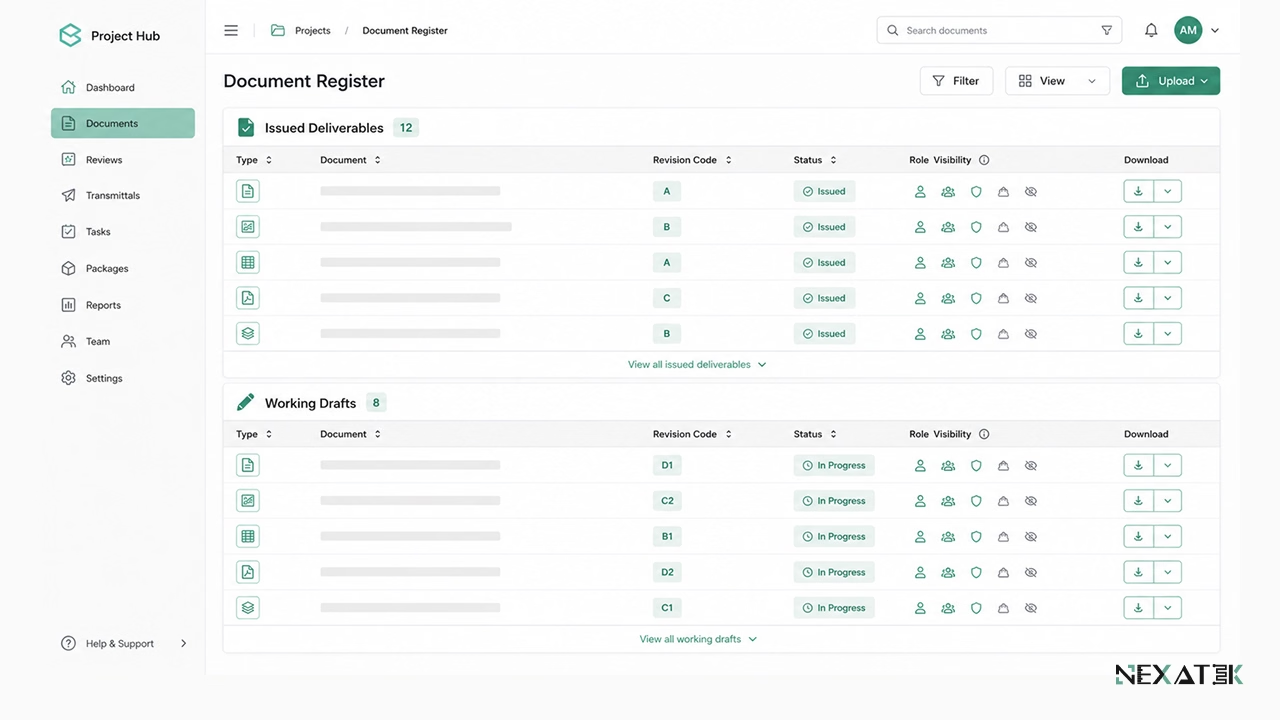 Duidelijke statusaanduidingen helpen opdrachtgevers om definitieve deliverables direct te onderscheiden van interne concepten.
Distributie van rapportages, meetdata en overdrachten
Opdrachtgevers vragen om meer dan alleen formele eindrapporten. Meetstaten, monitoringdata, dagrapporten en periodieke voortgangsrapportages worden via het portaal verspreid als gestructureerde publicaties met vaste naamgevingsconventies. Als technisch rapportageplatform borgt het systeem dat elke dataset gekoppeld blijft aan zijn specifieke peildatum.
Tijdreeksdata vraagt om extra zorgvuldigheid: Wanneer een opdrachtgever zettingsmetingen uit maart wil vergelijken met die van september, moeten beide versies betrouwbaar raadpleegbaar zijn – niet enkel de recentste stand. Gestructureerde opslag achter het portaal, veelal steunend op gespecialiseerde databasemanagementsystemen, houdt elke data-export intact.
Gestructureerde communicatie en notificaties
Projectcommunicatie blijft waardevol zolang deze gekoppeld is aan het betreffende werkstuk. Kennisgevingen van indieningen en reacties op toetsopmerkingen verliezen hun betekenis zodra ze uitsluitend in e-mailboxen verblijven. Het portaal houdt elke melding direct gekoppeld aan de documentenset waarop deze betrekking heeft.
Hierdoor beschikt elke betrokkene over hetzelfde dossier. Waar e-mailwisselingen er vaak toe leiden dat de contractmanager en de technisch manager van een opdrachtgever van verschillende planversies uitgaan, voorkomt één centrale publicatiebron dergelijke inconsistenties.
Klantportalen vs. traditionele communicatiemethoden
Traditionele communicatielijnen blijven vaak in stand omdat ze laagdrempelig lijken. Binnen documentintensieve technische projecten schieten ze echter structureel tekort:
Beperkingen van e-mail, netwerkschijven en handmatige rapportage
Voor informeel overleg functioneert e-mail prima; als projectarchief schiet het tekort: Bijlagen vermenigvuldigen zich, revisielijnen breken af en partijen werken geregeld met verschillende documentversies zonder zich daarvan bewust te zijn.
Gedeelde schijven centraliseren enkel bestanden, maar beheren geen proces: Mappenstructuren variëren per projectleider en bestandsnaamconventies verwateren snel. Een gedifferentieerde toegang voor de opdrachtgever over verschillende contractpakketten heen is op basis van reguliere mappenrechten nauwelijks werkbaar te onderhouden.
Handmatige rapportages zorgen voor informatielag. Een maandelijks PDF-rapport toont uitsluitend de status op de peildatum, zonder directe doorklikmogelijkheid naar de onderliggende deliverables. Opdrachtgevers reageren hierop door alsnog documenten per e-mail op te vragen, waarmee de versnippering opnieuw toeneemt.
Voordelen van een centraal klantportaal
Centralisatie transformeert de bewijspositie: Bij een geschil of kwaliteitsaudit bevindt het complete projectdossier zich op één plek met intacte uitgiftedata en revisienummers, in plaats van verspreid over persoonlijke mailboxen en lokale stations.
Autorisatiestructuren zorgen voor de nodige functiescheiding: Toetsers hebben toegang tot de complete berekeningsnota's, terwijl directieleden beknopte voortgangsstatussen inzien. Bij oplevering vormt diezelfde structuur een overdrachtsarchief dat exact aantoont hoe informatie in de tijd is vrijgegeven en goedgekeurd.
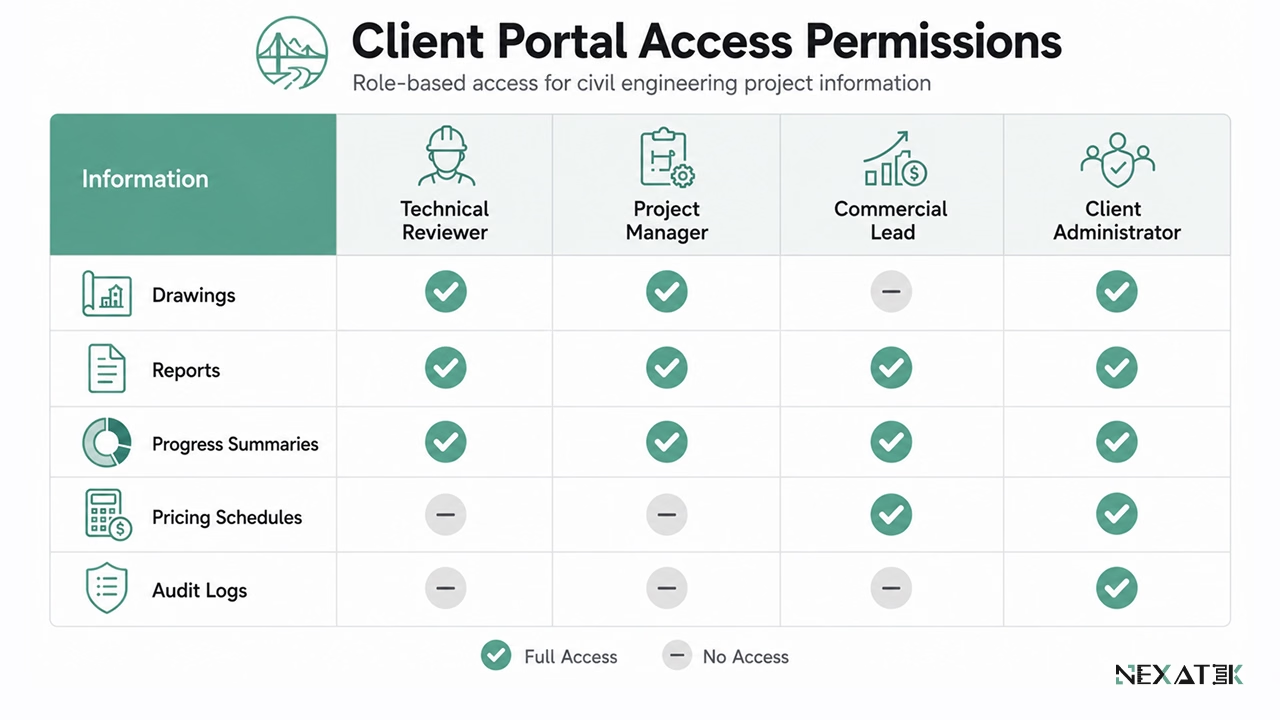 Autorisaties op basis van rollen zorgen ervoor dat projectbetrokkenen de juiste informatie zien zonder vertrouwelijke stukken bloot te stellen.
Portaalontwerp afgestemd op ingenieurs-workflows
De ontwikkeling van een civieltechnisch klantportaal start altijd vanuit de werkprocessen, nooit louter vanuit de grafische interface. De wijze waarop een team documenten vrijgeeft en revisies beheert, bepaalt de inrichting van het portaal. NEXATEK combineert portaalontwikkeling met procesoptimalisatie in de civiele techniek, zodat de externe laag naadloos aansluit op hoe deliverables dagelijks tot stand komen.
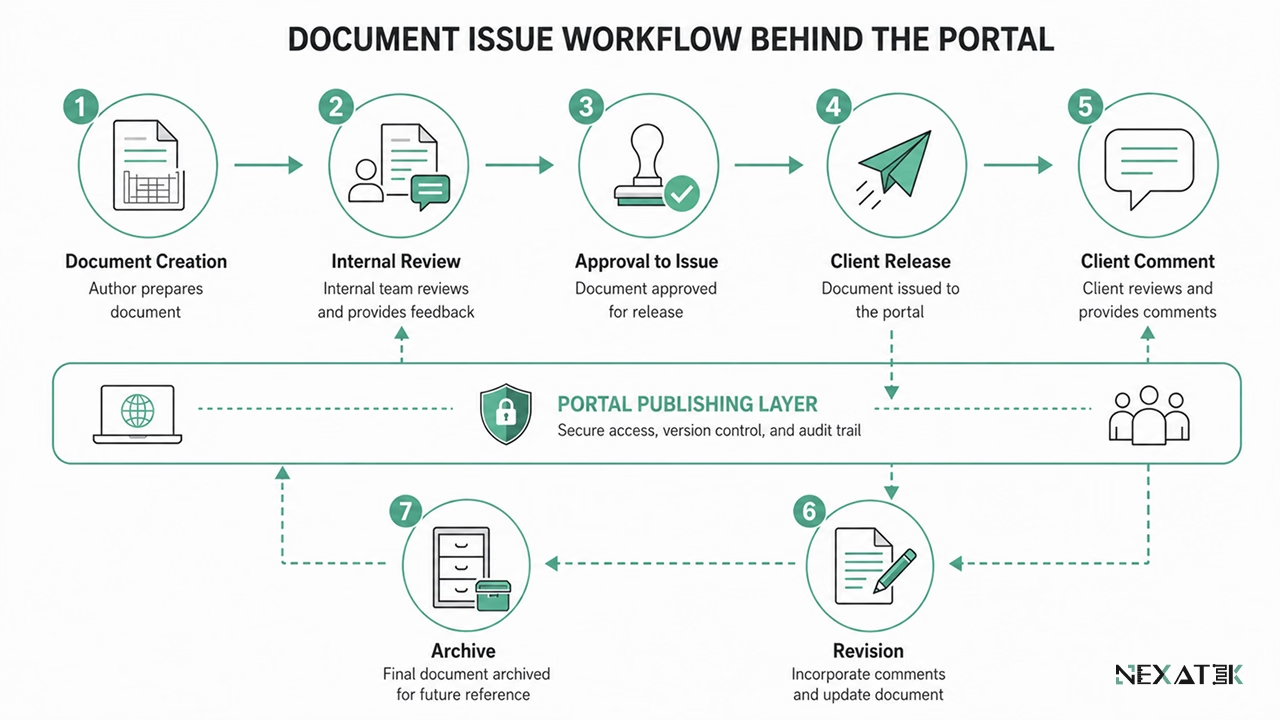 Het portaalontwerp dient het documentvrijgaveproces te volgen: van interne review tot formele vrijgave en revisiebeheer.
Autorisatiebeheer en datasegmentatie
Niet elk document heeft hetzelfde vertrouwelijkheidsniveau binnen een project: Ramingen en interne rekennota's vereisen strengere restricties dan vrijgegeven bekistingstekeningen, en ook aan opdrachtgeverszijde hoeft niet elke medewerker toegang tot elk detail te hebben. Autorisaties worden daarom toegekend aan rollen en documenttypen in plaats van aan afzonderlijke bestanden.
Hanteerbaarheid is hierbij de maatstaf: Een rechtenstructuur met tientallen uitzonderingsregels strandt in administratieve overlast. Een structuur gebaseerd op een beknopte set duidelijke projectrollen blijft gedurende de gehele looptijd beheersbaar.
Revisiebeheer en documentconsistentie
Elke uitgegeven versie moet onmiskenbaar herleidbaar blijven. Het portaal legt documentnummers, revisieletters en uitgiftedata vast als gestructureerde metagegevensvelden, in plaats van te vertrouwen op bestandsnamen.
Revisievergelijking ondersteunt de inhoudelijke toetsing: Een toetser die wil nagaan wat er gewijzigd is tussen revisie B en C, vindt beide versies direct in het register inclusief het bijbehorende commentaar. Zoeken in e-mailarchieven is overbodig.
Aanpasbaarheid gedurende de levenscyclus
Wijzigingen in scope zijn gangbaar binnen de infrastructuur; het portaal moet deze absorberen zonder de dossieropbouw te verstoren. Nieuwe werkpakketten of wijzigingen in het projectteam worden toegevoegd terwijl de historische gegevens intact blijven.
Ook de rapportagebehoefte evolueert: Rapportages in de ontwerpfase verschillen qua frequentie en diepgang wezenlijk van die in de realisatiefase. Eén enkel portaal dient beide fasen te faciliteren zonder dat er een parallel systeem moet worden opgetuigd.
Toepassingen binnen de civiele keten
Het portaalconcept ondersteunt verschillende organisatietypen met verschillende accenten. De rode draad blijft gestructureerde toegang van opdrachtgevers tot projectdata:
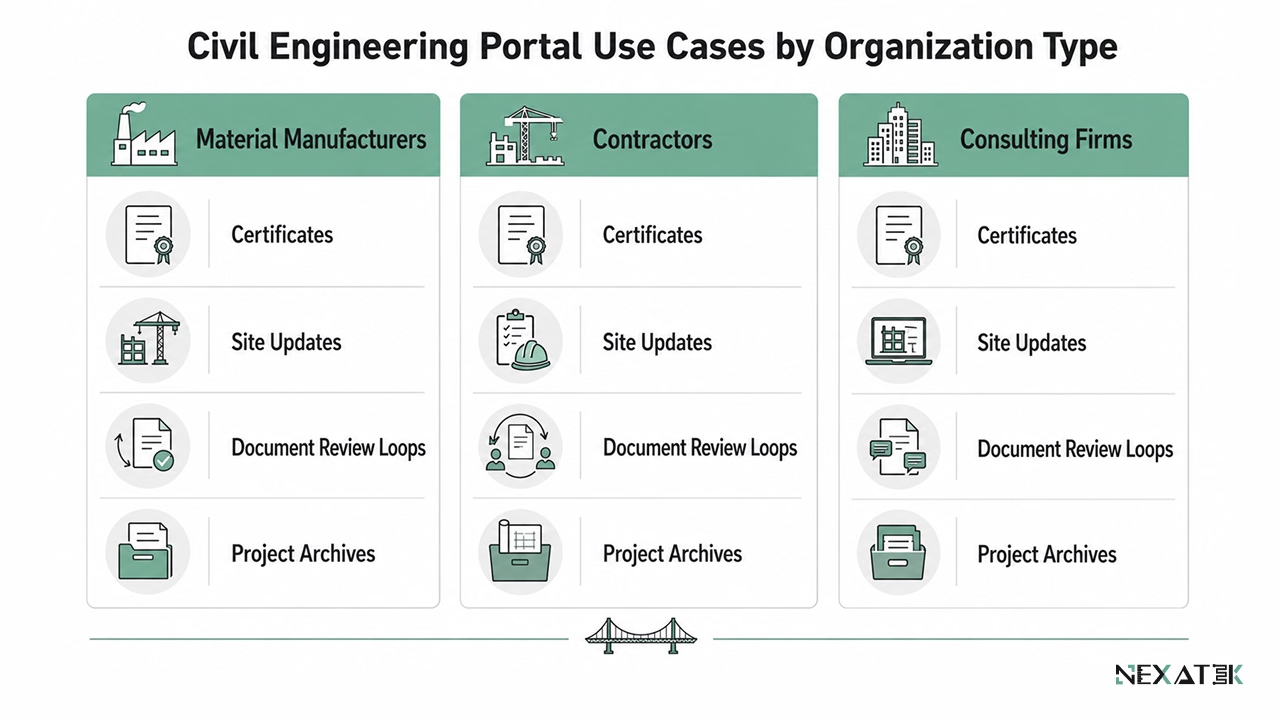 Dezelfde portaalarchitectuur ondersteunt leveranciers, aannemers en ingenieursbureaus met hun specifieke documentbehoeften.
Materiaalproducenten en toeleveranciers
Fabrikanten communiceren met opdrachtgevers en aannemers via productbladen, keuringscertificaten, typegoedkeuringen en projectgebonden attesten. Dit kenmerkt zich door herhaalde aanvragen: een toeleverancier van geotextielen levert vaak voor meerdere projecten per jaar dezelfde certificaten aan dezelfde afnemers.
Het portaal handelt deze verzoeken geautomatiseerd af zonder handmatige mailwisselingen. Sommige fabrikanten breiden dit uit met bestelfunctionaliteiten of de mogelijkheid om productspecifieke rekencontroles direct binnen de portalomgeving uit te voeren.
Aannemers en infrabouwers
Aannemers rapporteren met een hoge frequentie over de voortgang buiten. Uitvoeringsteams leveren dagelijkse dagrapporten, keuringsstaten, fotodossiers en technische afwijkingen aan, veelal ingewonnen via mobiele dataverzamelingsapplicaties in het veld.
Een klantportaal voor uitvoeringsprojecten ontsluit deze data in de juiste contractuele context. Bij dagelijkse datastromen loopt communicatie per e-mail snel vast. Toegangsbeheer segmenteert de gegevens per contractdeel, waardoor de opdrachtgever één integraal overzicht krijgt terwijl gevoelige onderaannemersdata vertrouwelijk blijft.
Ingenieurs- en adviesbureaus
Ontwerpdeliverables doorlopen herhalende cycli: interne controle, review door de opdrachtgever, verwerking van opmerkingen en heruitgave. Ontwikkeling van klantportalen voor ingenieursbureaus ondersteunt deze dynamiek door de status van documenten te bewaken en de revisiehistorie over alle fasen heen te borgen.
De contractduur is een tweede factor: Een raamovereenkomst verbindt een bureau en een opdrachtgever regelmatig voor meerdere jaren. Over die periode groeit het portaal uit tot het duurzame, centrale projectarchief van alle vrijgegeven producten, ongeacht personeelsverloop bij de betrokken partijen.
 Een klantportaal moet worden ontworpen rondom de manier waarop ingenieursteams documenten opstellen, toetsen en vrijgeven.