

Skreddersydd Databaseutvikling for Anleggsteknikk
Skreddersydd databaseutvikling for anleggsteknikk skaper strukturerte datasystemer for prosjekter, dokumenter, materialer og forvaltningsdata.
Teknisk Datagrunnlag

Dokumentasjon og Håndtering av Tekniske Logger

Prosjekt- og Materialdatahåndtering

Integrasjon og Langsiktig Vedlikeholdbarhet

Lignende prosjekter
Oppdag flere innovative prosjekter:





Gode
Løsninger
Starter Med En SamtaleGode Løsninger Starter Med En Samtale
Vil du utforske hvordan våre tjenester kan få bedriften din til å vokse?
Skreddersydd databaseutvikling for bygg og anlegg: Strukturerte datasystemer for anleggsprosjekter
Prosjekteringsunderlaget for en bru kan overleve ingeniørene som utarbeidet det. Skreddersydd databaseutvikling for bygg og anlegg forvandler arbeidstegninger, beregningsnotater, materialprøver og forvaltningsdata til sammenkoblede, strukturerte data fremfor isolerte filer. Strukturerte data utgjør også grunnmuren for den digitale transformasjonen i bygg- og anleggssektoren, som raskt stopper opp dersom det underliggende datagrunnlaget er inkonsistent.
Lagring er bare en del av oppgaven: Et databasestyringssystem i anleggssektoren fungerer som et teknisk datalager der prosjekter, materialpartier, prøverapporter og anleggskonstruksjoner eksisterer som definerte entiteter med eksplisitte relasjoner. NEXATEK designer disse systemene rundt ingeniørenes daglige arbeidsflyt, med dataeierskap og revisjonshistorikk integrert direkte i datamodellen.

Skreddersydd databaseutvikling hjelper ingeniørteam med å koble prosjektdokumenter, revisjonshistorikk og tekniske data i ett strukturert miljø.
Hva er skreddersydd databaseutvikling innen anleggsfagene?
Skreddersydd databaseutvikling innen bygg og anlegg innebærer å designe en databasestruktur som nøyaktig speiler de faktiske tekniske arbeidsprosessene. Entiteter som prosjekter, konstruksjoner, materialbatcher, kontrollrapporter og beregningsnotater lagres med eksplisitte relasjoner. En revidert batchoppføring forblir dermed synlig i samtlige prøveresultater som refererer til den.
Forskjellen fra en generell forretningsdatabase ligger i selve datamodellen: Ett enkelt anleggsprosjekt kan knytte seg til fire fagentrepriser, to prosjekteringsversjoner, en geoteknisk rapport og førti prøvingsserier. En formålsbygd teknisk database representerer disse koblingene direkte, slik at ingen behøver å vedlikeholde dem manuelt i mappetrær og filnavn.
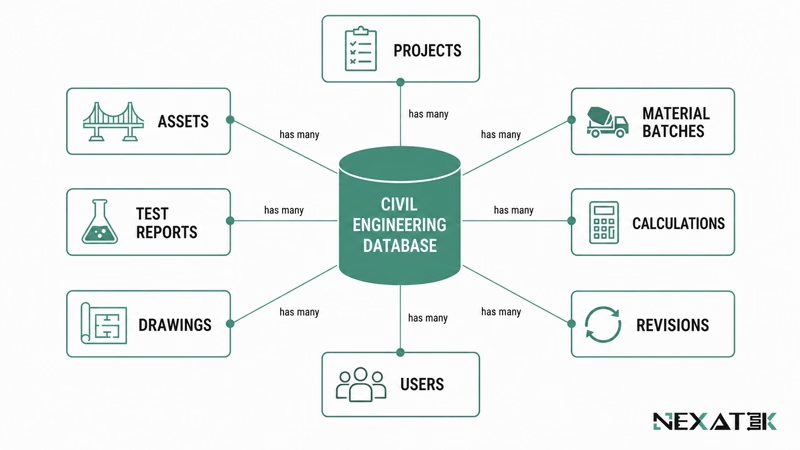 En formålsbygd anleggsdatabase synliggjør relasjoner mellom prosjekter, konstruksjoner, batcher, prøvinger, beregninger og dokumenter.
Tjenester innen skreddersydd databaseutvikling definerer også hvordan brukerne legger inn, godkjenner og henter ut data i det daglige arbeidet.
Hvorfor bygg- og anleggssektoren krever skreddersydde databaser
Ingeniørdata har to krevende egenskaper: Datamengden vokser med hvert prosjekt, og historiske data beholder sin verdi over tiår. En grunnundersøkelse fra 2015 kan være avgjørende for en fundamenteringsvurdering i 2026. Standardverktøy lagrer filene, men ikke de tekniske relasjonene mellom dem – en svakhet som blir tydelig ved prosjekteringsendringer og overleveringer. Datastyring i anleggssektoren krever derfor like mye struktur som lagringskapasitet.
Fragmenterte ingeniørdata og dokumentasjon
Data ligger typisk spredt i regneark, e-posttråder, delte nettverksområder og lokale mapper. Hvert sted inneholder gyldige deldata, men helheten mangler én felles sannhetskilde (Single Source of Truth). Dermed bruker ingeniører timevis på å samkjøre motstridende versjoner av samme underlag.
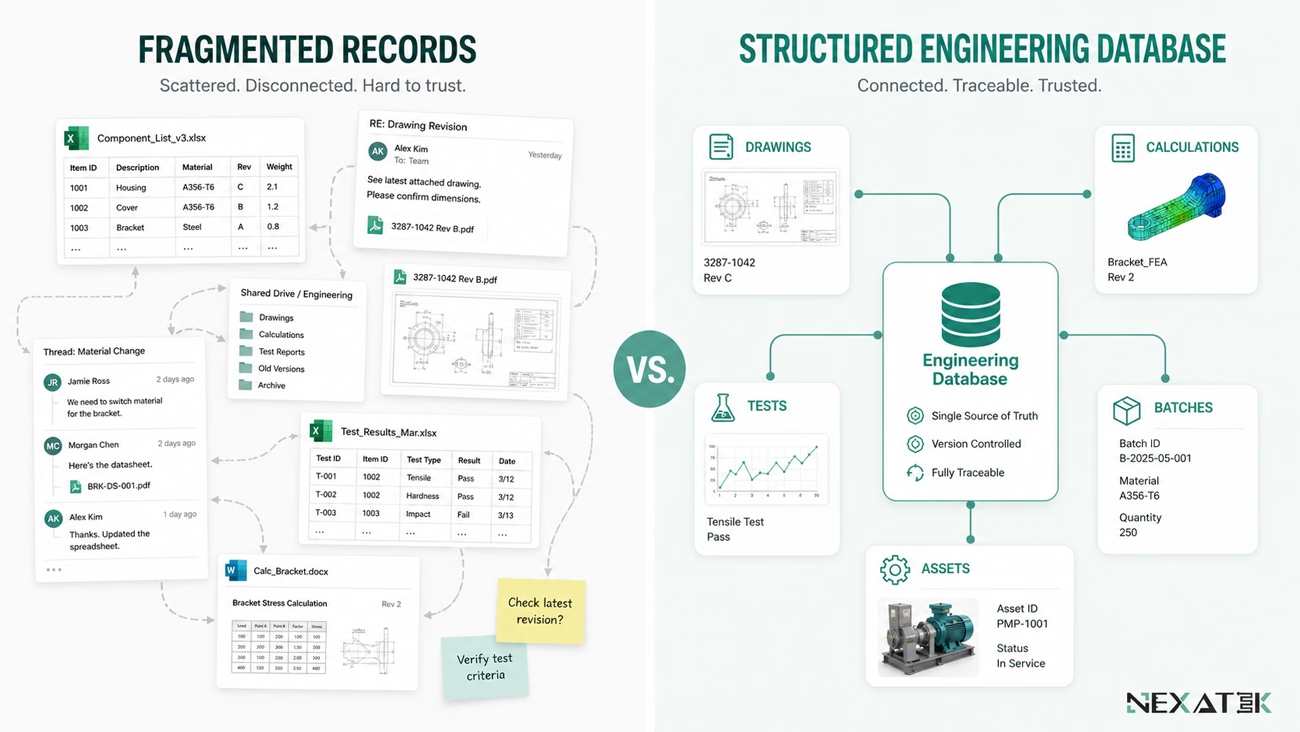 Fragmentert lagring skiller tegninger, beregninger, prøveprotokoller og e-poster, mens en strukturert database kobler dem sammen via definerte relasjoner.
Fragmentering fører til konkrete feil: En arbeidstegning når revisjon C, mens det tilhørende beregningsnotatet forblir på revisjon A. Et prøvesertifikat arkiveres uten kobling til batchnummer eller uttakssted. Strukturert datafangst tetter disse hullene ved å gjøre relasjoner obligatoriske fremfor valgfrie.
Prosjektspesifikke behov og lange livsløp
Alle anleggsobjekter beveger seg gjennom prosjektering, anskaffelse, bygging og drift, og dokumentasjonen må overleve hver overgang. Datakravene endrer seg underveis, men tidlige beslutninger forblir bindende tiår senere. Filbaserte arkiver nullstiller ofte konteksten mellom fasene, og det er nettopp her viktig kunnskap forsvinner.
Overlevering til drift er det klassiske sviktpunktet: Når entreprenør eller driftsorganisasjon mottar prosjekteringsdata uten revisjonshistorikk eller klart eierskap, oppstår det spørsmål dokumentene ikke lenger kan besvare. Et selskap innen skreddersydd databaseutvikling strukturerer dataene slik at full kontekst videreføres over anleggets levetid på 50 år eller mer.
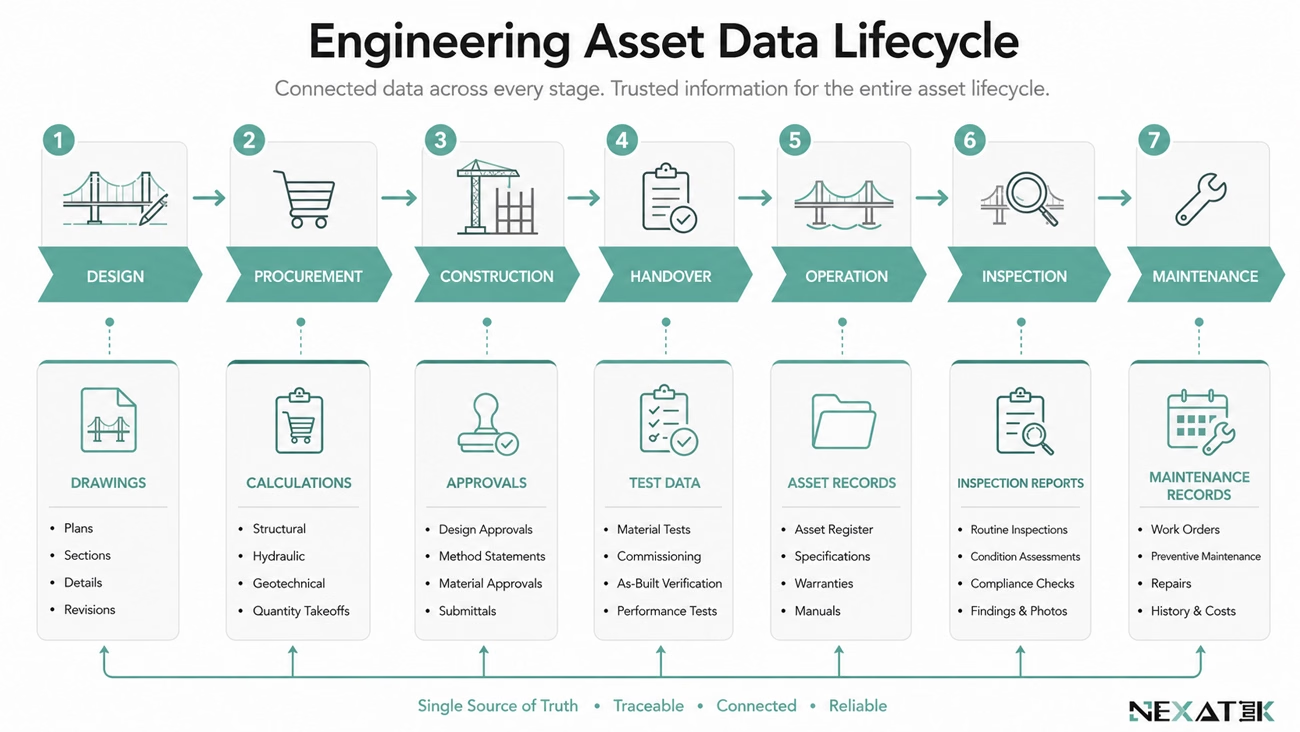 Ingeniørdata må forbli sammenkoblet fra prosjektering og innkjøp gjennom bygging, overlevering, drift, inspeksjon og vedlikehold.
Datatyper i anleggstekniske databaser
Fire datakategorier dekker det meste av hva rådgivende selskaper og entreprenører administrerer. Å samle dem i ett felles register er hovedargumentet for utvikling av skreddersydd databasesoftware, ettersom disse kategoriene kontinuerlig refererer til hverandre.
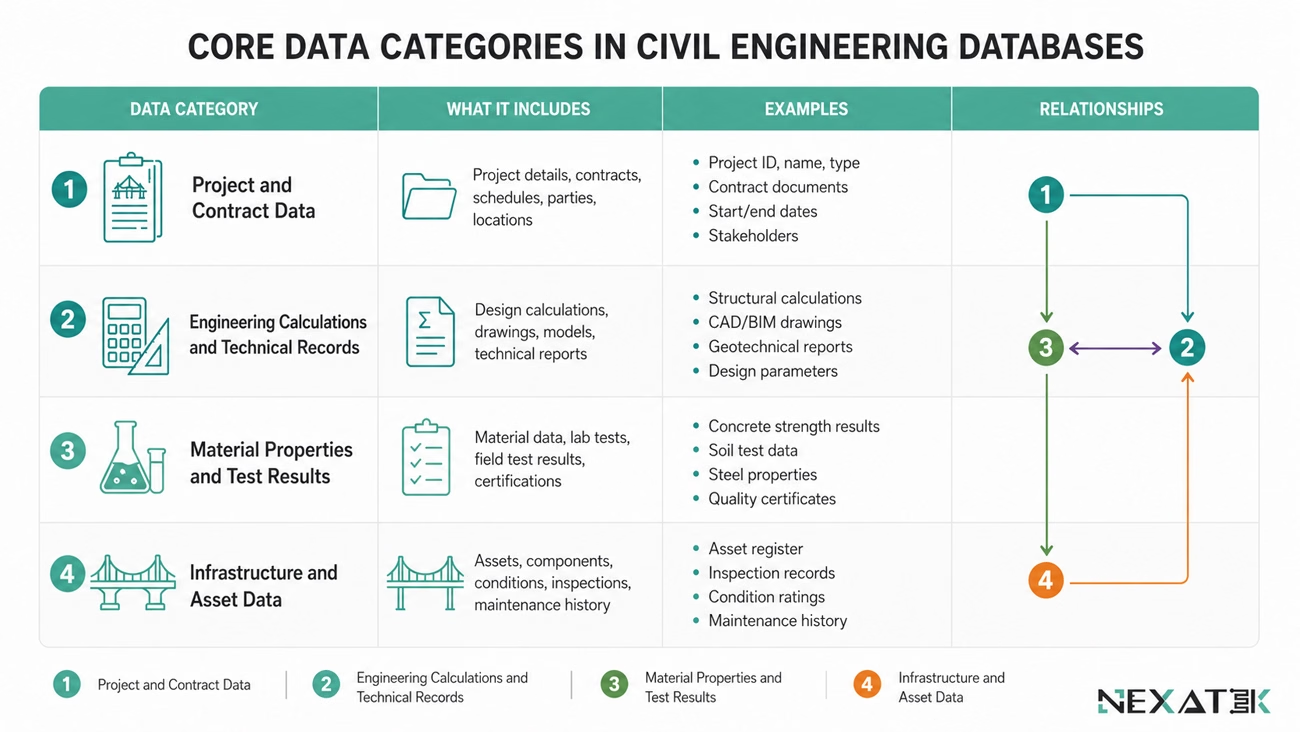 Denne tabellen viser de viktigste tekniske datakategoriene og hvordan de samvirker i en strukturert database.
Prosjekt- og kontraktdata
Prosjektnummer, entrepriseinndelinger, kontraktuelle leveranser, milepæler og ansvarsmatriser danner ryggraden for alle øvrige registreringer. I regnearkbaserte løsninger skrives samme kontraktskode inn i en rekke filer; én enkelt skrivefeil bryter hele sammenhengen.
En database etablerer én sentral grunnoppføring per prosjekt. Alle tekniske registreringer peker tilbake på denne kilden, slik at rapportering på tvers av fag alltid bygger på identiske prosjektdata.
Ingeniørberegninger og statiske notater
Beregningsnotater dokumenterer forutsetningene og parameterne som senere prosjekteringsfaser hviler på. En revisjon av en pælekapasitetsberegning i uke 12 kan gjøre en arbeidstegning godkjent i uke 9 ugyldig. Databasen lagrer beregningsmetadata sammen med revisjonsstatus og koblinger til samtlige berørte tegninger.
Selve analysene utføres fremdeles i spesialiserte beregningsprogrammer eller via nettbaserte beregningsverktøy for rutinekontroller. Databasen dokumenterer hvilken beregningsversjon som underbygger hvilken godkjent tegning. Ved en teknisk revisjon er det avgjørende å kunne dokumentere hvilken revisjon som formelt gjaldt på godkjenningsdatoen.
Materialegenskaper og prøvingsresultater
Lagring av material- og prøvingsdata omfatter blandingsresepter, leverandørpartier, prøvesteder og laboratorieresultater som 28-døgns trykkfasthet for betong. Uensartede filformater forhindrer erfaringsutveksling på tvers av prosjekter. En strukturert tabell endrer dette: Hvert prøveresultat kobles obligatorisk til batchnummer, prøvemetode, prøvedato og ansvarlig kontrollør.
Ingeniører kan dermed hente ut sammenlignbare data uten å måtte tolke kryptiske filnavn. Trendanalyser på tvers av produksjonsserier blir en presis databaspørring fremfor ukesvis med manuell sammenstilling.
Infrastruktur- og anleggsdata (FDV)
Anleggsdata opererer med et langt lengre tidsperspektiv enn prosjektdata: En kulvert bygget i 2026 kan inngå i en seksårig inspeksjonssyklus helt frem til 2080. Databaser for infrastrukturforvaltning ivaretar anleggsregistre, inspeksjonsrapporter, tilstandsanalyser og vedlikeholdslogger langs denne tidsaksen.
Hvert anleggsobjekt forblir sporbart koblet til prosjekterings- og sluttdokumentasjonen det sprang ut av. Det er denne kontinuiteten mellom utbygging og forvaltning, drift og vedlikehold (FDV) som sikrer verdi – en kobling filarkiver sjelden klarer å ivareta.
Skreddersydde databaser vs. tradisjonell fillagring
Den reelle sammenligningen står ikke mellom ulike databaseprodukter, men mellom en formålsbygd datamodell og den sedvanlige kombinasjonen av regneark og delte mapper. Kvalitetsforskjellen trer frem under tidspress i aktive anleggsprosjekter.
Begrensninger ved regneark og delte mapper
Regneark er fleksible, og denne fleksibiliteten er selve risikoen: Ingenting i et regneark håndhever den faglige relasjonen mellom et prøveresultat, dets batchnummer og revisjonskontekst. En fil kalt endelig_v3.xlsx sirkulerer via e-post i organisasjonen, og versjonene begynner raskt å sprike.
Delte mapper har en parallell svakhet: De håndterer filer som dokumenter, aldri de strukturerte dataene inni dem. Økende datamengder forsterker problemet: En prøvingsliste som fungerte ved 500 rader mister oversikten ved 50 000 rader, og navnekonvensjoner forfaller raskt når flere team lagrer filer.
Fordeler med formålsbygde ingeniørdatabaser
Skreddersydde databaseløsninger definerer entiteter og relasjoner på forhånd. Identifikatorer som prosjektkoder og batchnumre blir obligatoriske felter, slik at ulike avdelinger ikke kan registrere samme opplysning på ulik måte. Gjenfinning skjer på bakgrunn av faglige parametere: lokasjon, prøvetype, revisjonsstatus eller konstruksjons-ID.
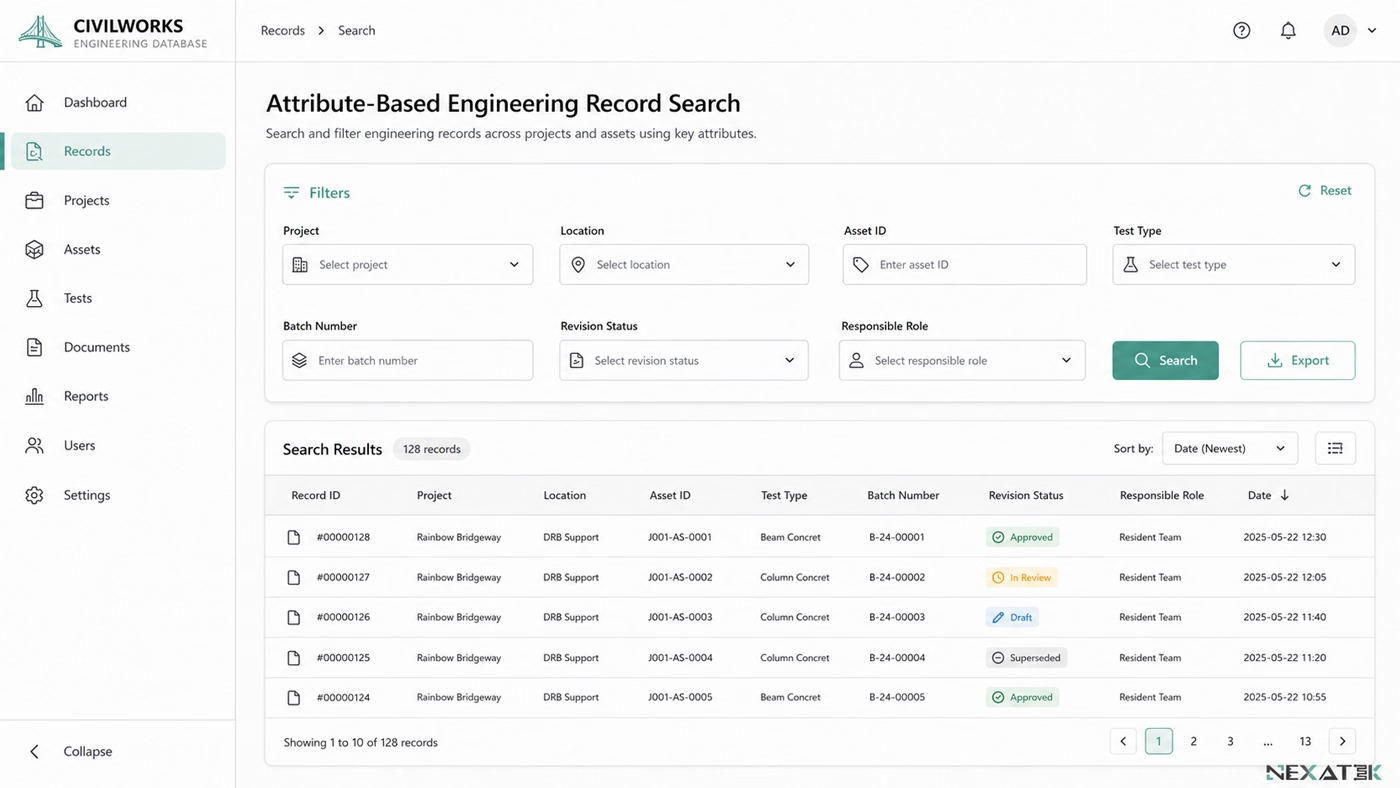 Attributtbasert søk lar ingeniører hente ut data basert på prosjekt, lokasjon, konstruksjons-ID, prøvetype, batch eller revisjonsstatus.
Skaleringen forblir kontrollerbar: Skreddersydd databaseutvikling for anleggssektoren tar høyde for fremtidige datakategorier, slik at modellen kan utvides uten at historiske registreringer forringes. Det samme strukturerte datalaget kan senere mate skreddersydd ingeniørprogramvare bygget oppå databasen.
Designprinsipper for tekniske databaser
Solid databaseutvikling tar utgangspunkt i hvordan ingeniører oppretter, kontrollerer og reviderer dokumentasjon i praksis. De tre prinsippene nedenfor etableres på konseptuelt nivå før implementering og legger grunnlaget for fremtidig arbeidsflytautomatisering i anleggssektoren, som er avhengig av forutsigbare datastrukturer.
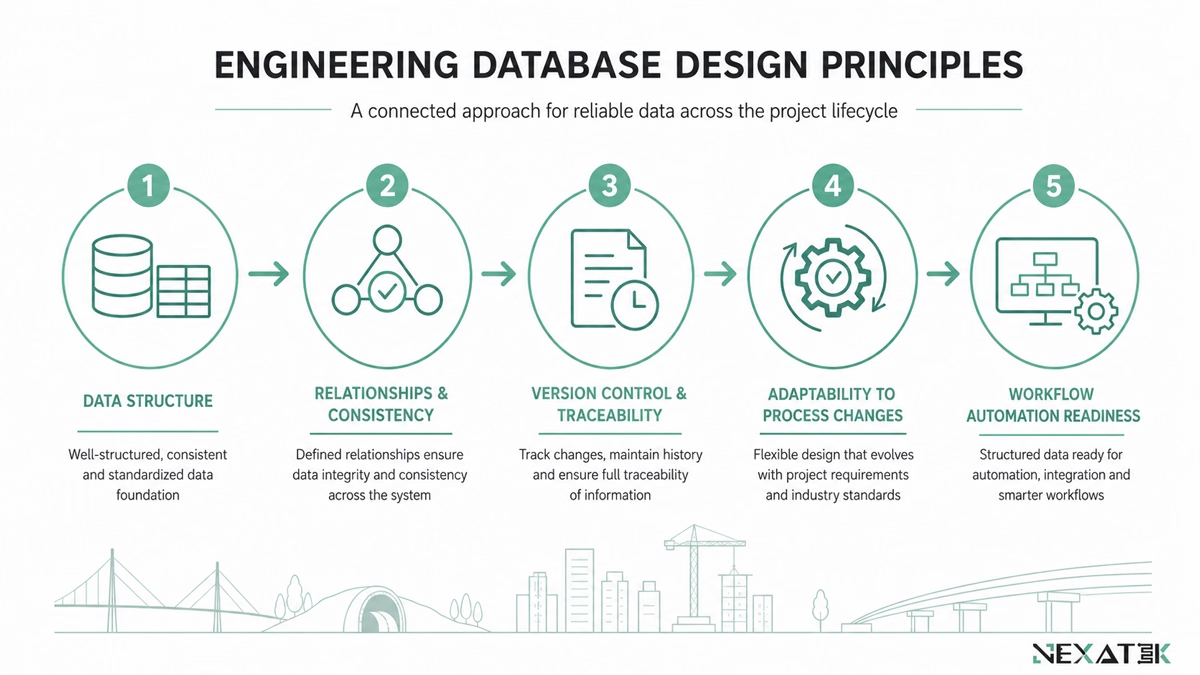 Gjennomtenkt databasedesign kobler datastruktur, konsistens, sporbarhet og fleksibilitet før automatisering innføres.
Datastruktur, relasjoner og konsistens
Tekniske dokumenter danner logiske kjeder: En tegning relaterer seg til et beregningsnotat, notatet til en prosjektversjon, og versjonen til en entreprisekontrakt. Databasestrukturen må definere disse relasjonene eksplisitt fremfor å overlate dem til tilfeldige mappebaner.
Konsistente identifikatorer ivaretar strukturen: Prosjektkoder, dokumentnumre, konstruksjons-ID-er og batchnumre følger én enhetlig standard, og systemet validerer automatisk mot duplikater før en ny oppføring lagres.
Versjonskontroll og datasporbarhet
Revisjoner gjelder ikke bare tegningsfiler: Beregningsforutsetninger, parameterverdier, materialdata og prøveprotokoller endrer seg likeledes underveis. Hver oppføring må derfor bære en revisjonsstatus samt en revisjonshistorikk med brukerroller og tidsstempler.
Sporbarhet innebærer at databasen alltid kan dokumentere hvilken verdi som formelt gjaldt den dagen et prosjekteringsunderlag ble godkjent. Tekniske systemer som kun lagrer sist gjeldende status kan ikke svare på dette, noe som skaper betydelig risiko ved revisjoner og tvister.
Tilpasningsdyktighet til endrede ingeniørprosesser
Nye prosjekttyper og endrede dokumentasjonskrav oppstår over tid. Det avgjørende designspørsmålet er om et nytt rapporteringskrav krever full ombygging eller enkelt kan legges til som en utvidelse.
Fleksibilitet oppnås ved å skille stabile kjernestrukturer fra variable fagdata: Hovedentiteter som prosjekter og tegningsregistre endrer seg sjelden, mens felter for nye prøvemetoder varierer ofte. En datamodell som isolerer disse to nivåene kan skalere i årevis uten at eksisterende prosjektdata påvirkes.
Bruksområder i byggenæringens verdikjede
Selv om behovet for datastruktur er felles, varierer prioriteringene etter virksomhetstype:
Materialprodusenter og prøvingslaboratorier
Et prøvingslaboratorium håndterer gjerne hundrevis av prøver hver uke, der hver enkelt krever prøvingsattest og batchreferanse. Mappebasert lagring fungerer i noen måneder, før gjenfinningstidene øker dramatisk.
Sentralisert lagring av material- og prøvingsdata knytter hvert resultat til gjeldende kravspesifikasjon og støtter analyser på tvers av produksjonsserier. Et søk på et batchnummer returnerer full prøvehistorikk på sekunder i stedet for timer med leting i manuelle arkiver.
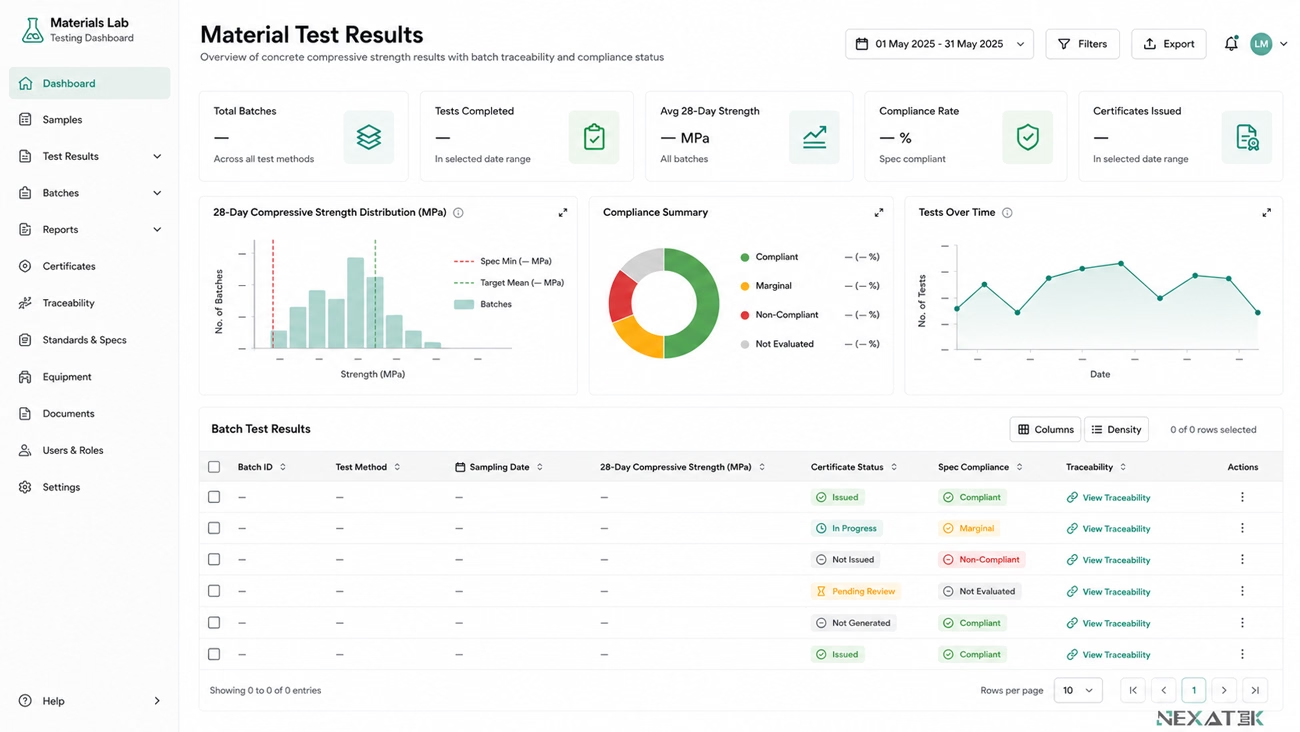 Et kontroll-dashbord viser batchreferanser, kravspesifikasjoner, prøveresultater, sertifikater og sporbarhetsstatus i ett samlet bilde.
Entreprenører og anleggsvirksomheter
Entreprenører arbeider under kontinuerlige endringer. Revisjoner i byggetiden reiser et avgjørende spørsmål ute på anlegget: Hvilken tegning er formelt gjeldende for arbeidet i dag?
Skreddersydde databaser for anleggsprosjekter kobler arbeidstegninger, avviksmeldinger, kontrollprotokoller og godkjenningshistorikk sammen i et helhetlig prosjektarkiv. Målrettet filtrering på konstruksjonsdel eller entreprise er avgjørende når spørsmålet oppstår på anleggsplassen klokken 07:00.
Rådgivende ingeniørselskaper
Rådgivende ingeniører gjenbruker ofte tekniske løsninger på tvers av oppdrag: En beregningsmetodikk for setningsanalyser benyttet i 2024 tas i bruk igjen i 2026 i et nytt prosjekt med et nytt team. Strukturerte data gjør repetisjon til reell gjenbruk i stedet for dobbeltarbeid.
Versjonskontroll sikrer den interne kvalitetssikringen, og prosjektstyringen gjøres uavhengig av enkeltpersoners private mapper. NEXATEK designer disse databasestrukturene rundt rådgivernes faktiske arbeidsprosesser fremfor standardiserte generiske maler.