

Skreddersydde bedriftsløsninger for anleggsteknikk
Systemer av bedriftskvalitet bygget rundt prosjektdata, teknisk dokumentasjon og ingeniørarbeidsflyter i anleggsbransjen.
Grunnlag for ingeniørdata

Teknisk dokumentasjon og kontroll på leveranser

Koordinering av arbeidsflyt på tvers av bedriftsteam

Lignende prosjekter
Oppdag flere innovative prosjekter:





Gode
Løsninger
Starter Med En SamtaleGode Løsninger Starter Med En Samtale
Vil du utforske hvordan våre tjenester kan få bedriften din til å vokse?
Skreddersydde virksomhetsløsninger for bygg- og anleggsteknikk
Et motorveikryss genererer titusenvis av registreringer gjennom prosjektets livsløp: geotekniske rapporter, beregningsnotater, tegningsrevisjoner, kontrollresultater og korrespondanse fra anlegget. Generell forretningsprogramvare lagrer gjerne dette underlaget som ustrukturerte vedlegg. Skreddersydde virksomhetsløsninger for bygg og anlegg behandler derimot det samme materialet som strukturerte ingeniørdata.
Dette skillet preger hele systemets oppbygning. Løsninger av denne typen bygges rundt tekniske godkjenningssykluser og revisjonsspor for arbeidstegninger, fremfor rundt abstrakte administrative forretningsprosesser. NEXATEK utvikler slike systemer som et kjerneelement i en helhetlig strategi for digital transformasjon innen bygg og anlegg, der prosjektdata og dokumentasjon kobles direkte til fagmiljøene som produserer dem.
 Skreddersydde virksomhetssystemer gjør anleggsdokumentasjon om til sammenkoblede prosjektdata i stedet for løse filvedlegg.
Hva er skreddersydde virksomhetsløsninger i anleggssektoren?
Skreddersydde virksomhetsløsninger for bygg og anlegg er programvaresystemer utviklet spesifikt rundt ingeniørfaglige datastrukturer og samhandlingsmønstre. Prosjekter, beregninger, tegninger og tekniske godkjenninger eksisterer som førsteklasses dataregistreringer med definert funksjonalitet. En arbeidstegning bærer med seg sin egen revisjonshistorikk og formelle godkjenningsstatus, i stedet for å ligge passivt i en mappe som en fil med en dato i filnavnet.
Tekniske forutsetninger endrer seg gjennom hele anleggsperioden: Grunnundersøkelser reviderer jordparametere, og byggemetoder tilpasses faktiske grunnforhold. Spesifikke virksomhetssystemer fanger opp disse oppdateringene som strukturerte revisjoner, slik at kjeden fra opprinnelig antakelse til ferdig resultat forblir fullt ut etterprøvbar. Å bygge denne logikken direkte inn i datamodellen er hovedoppgaven innen skreddersydd programvareutvikling for anleggsvirksomheter.
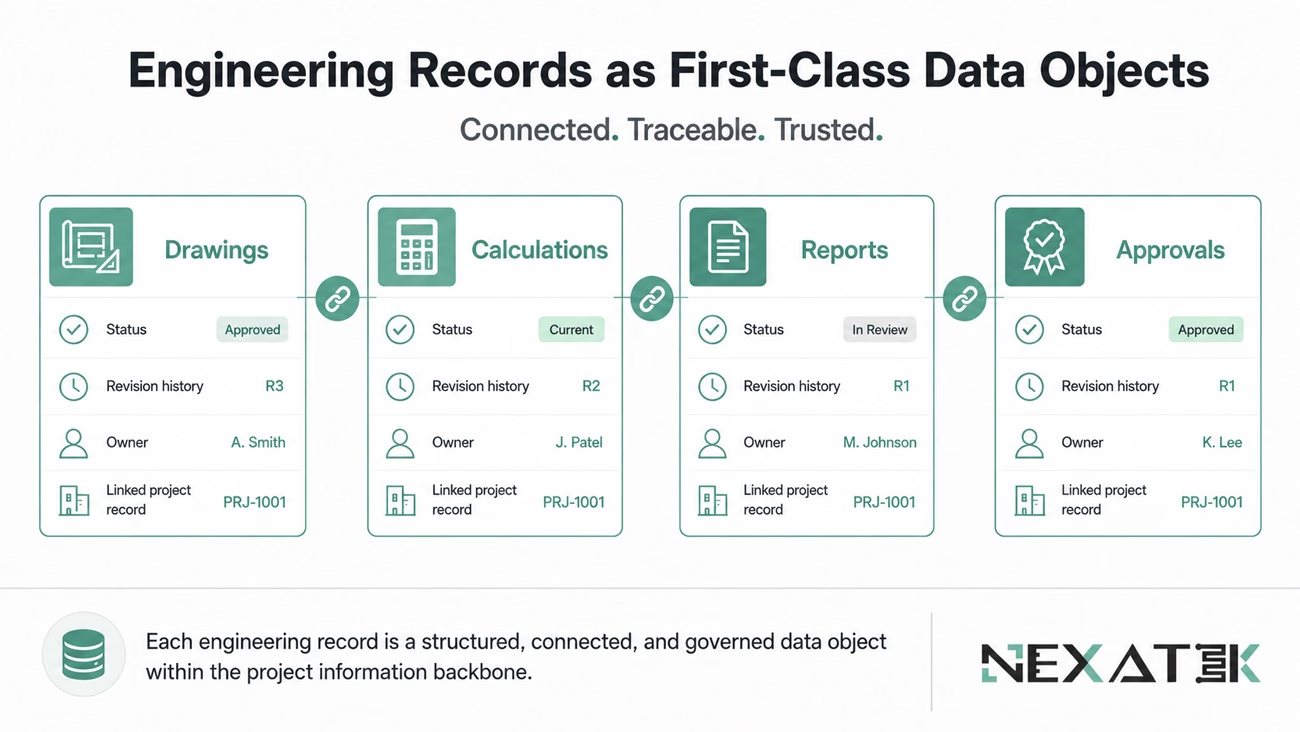
En tilpasset datamodell gir tegninger, beregninger, rapporter og godkjenninger en egen status, historikk og relasjoner.
Resultatet er full overensstemmelse med den ingeniørfaglige hverdagen: En fagkontroll eller en faseovergang fungerer i systemet på nøyaktig samme måte som i den operative prosjektorganisasjonen. Programvaren understøtter ingeniørenes beslutningsprosesser i stedet for å tvinge fagpersonell inn i rigide standardprosedyrer.
Hvorfor bygg- og anleggssektoren krever skreddersydde virksomhetsløsninger
Standard ERP- og virksomhetsplattformer forutsetter forutsigbare prosesser og standardiserte leveranser. Bygg- og anleggssektoren kjennetegnes av ingen av delene: Hvert prosjekt starter med unike grunnforhold og en ny kontraktstruktur, mens den tekniske prosjekteringen er iterativ. To strukturelle forhold gjør skreddersydde virksomhetsløsninger til en nødvendighet fremfor en preferanse.
Kompleksiteten i tekniske arbeidsprosesser
Ingeniørfaglige beslutninger er gjensidig avhengige: En revidert geoteknisk rapport kan ugyldiggjøre pæleberegninger og forskyve fremdriftsplanen med uker. Generiske prosjektstyringsverktøy modellerer oppgaver som lineære sjekklister; de mangler forståelse for beregninger som må kvalitetssikres på nytt fordi en forutsetning lenger oppe i kjeden er endret.
Å kun krysse av for fullførte oppgaver gir et ufullstendig bilde. Fagsystemer for arbeidsflyt må håndtere avhengighetene mellom tekniske valg. Parallelle tverrfaglige kontroller, styrt revisjonshåndtering og tverrfaglige tilbakemeldingssløyfer krever dedikert systemstøtte – og denne støtten utgjør fundamentet for arbeidsflytautomatisering i anleggssektoren.
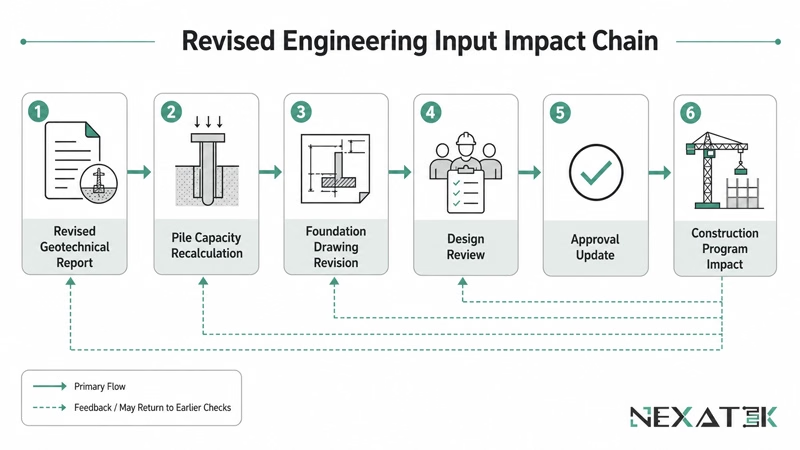
Når en teknisk forutsetning endres, må avledede beregninger, tegninger, kontroller og fremdriftsplaner ofte verifiseres på nytt.
Prosjektsentrert og dokumentintensiv virksomhet
Anleggsvirksomheter drives av prosjekter, ikke av transaksjoner. En enkelt kontrakt kan generere 5 000 arbeidstegninger og hundrevis av tekniske rapporter, og mye av dette materialet forblir juridisk og teknisk bindende i tiår etter overtakelse. Dokumentasjon fungerer som et formelt leveranseprodukt og som en referansebase på én og samme tid.
Standardsystemer behandler dokumenter som passive vedlegg. Skreddersydde systemer forvalter derimot dokumentasjon som strukturerte data med metadata, versjonshistorikk og godkjenningsstatus. Spørsmålet en anleggsleder stiller ute på anlegget er konkret: Hvilken tegningsrevisjon er formelt gyldig for støpen som skal gjennomføres i morgen tidlig? Systemintegrerte dokumentasjonsrutiner gir et entydig svar umiddelbart, uten behov for avklaringer med prosjekteringskontoret over telefon.
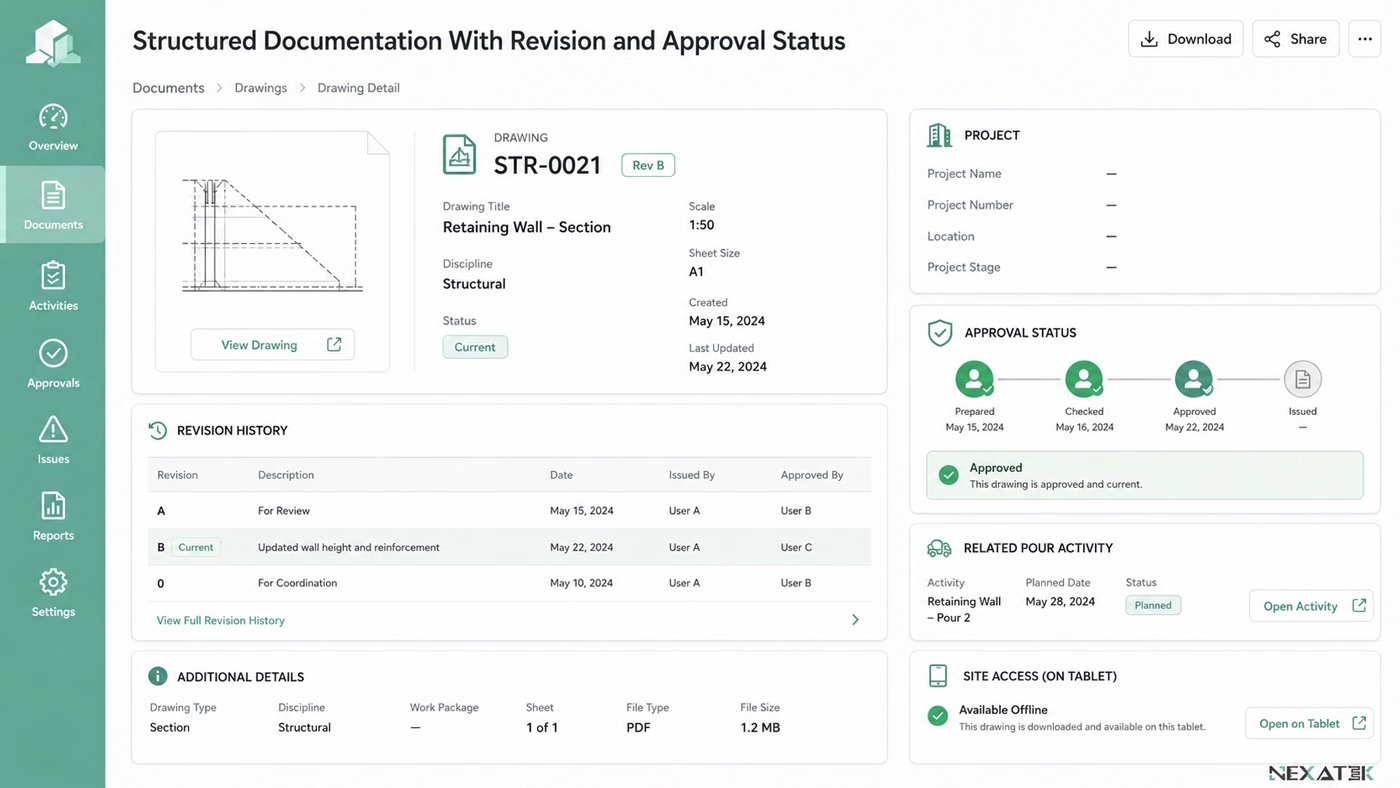 Strukturert dokumentasjon gjør gjeldende godkjente revisjon umiddelbart tilgjengelig for mannskapet ute på anlegget.
Kjernekomponenter i anleggstekniske virksomhetsløsninger
Virksomhetssoftware for anleggssektoren forener flere funksjonelle komponenter i ett helhetlig system. Fire av disse inngår i nesten alle implementeringer.
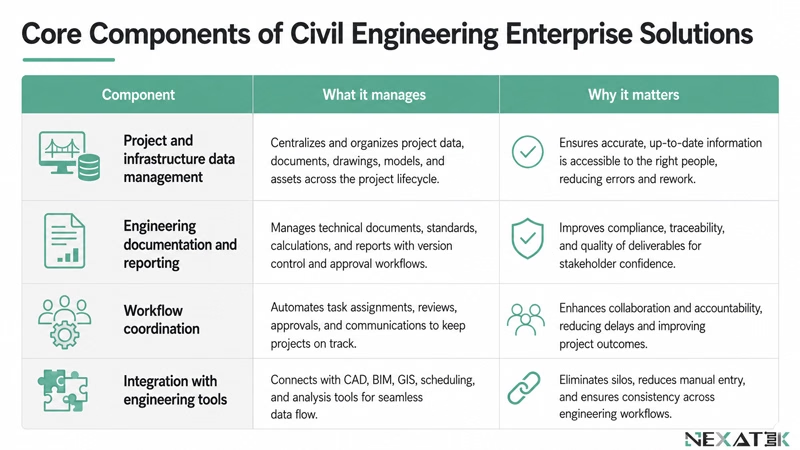 Denne tabellen oppsummerer de fire kjernekomponentene, hva de administrerer og hvilken operativ verdi de tilfører anleggsprosjekter.
Prosjekt- og infrastrukturdatastyrning
Prosjektdata omfatter grunnforhold, materialegenskaper, masser og georefererte konstruksjonsplasseringer. Ved å strukturere disse opplysningene rundt prosjekter og fysiske konstruksjoner – fremfor rundt kostnadssteder – etableres et klart skille mellom tekniske datastyringssystemer og rene økonomisystemer. En mengdebeskrivelse kobler for eksempel hver oppmålte post direkte til en tegningsreferanse og en prosessdel.
Forutsetninger endrer seg underveis, og dokumentasjonen av disse endringene har stor verdi: Justeres en mengdepost etter en prosjekteringsendring, forblir den historiske verdien synlig sammen med endringsårsaken, noe som forenkler senere sluttoppgjør og kravsvurderinger. Formålsbygd databaseutvikling for anleggssektoren etablerer disse strukturene, slik at dataene beholder sin verdi etter hvert som volumet akkumuleres over år.
Tekniske dokumentasjons- og rapporteringssystemer
Beregningsnotater, tegninger, faglige rapporter og kontrollmerknader utgjør prosjektets etterprøvbare ryggrad. Et skreddersydd system lagrer dem som relasjonelle data: En rapport refererer direkte til de underliggende beregningene, og en kontrollmerknad knytter seg til én spesifikk tegningsrevisjon.
Rapporteringen opererer etter samme prinsipp: En månedlig fremdriftsrapport henter mengder og kontrollresultater direkte fra prosjektdataene, noe som fjerner manuelle overføringsfeil. NEXATEK designer dokumentasjonssystemer med utgangspunkt i hvordan ingeniører faktisk utarbeider og kontrollerer tekniske leveranser.
Faglig koordinering på tvers av prosjektering og byggeplass
Prosjekterende og utførende arbeider ut fra samme grunnlagsdata, men under helt ulike forutsetninger. En tegning gjennomgår normalt kontrollør og godkjenner før den oppnår statusen «godkjent for bygging». Skreddersydde virksomhetsløsninger bygger inn disse kontrollsløyfene direkte; godkjenninger følger det formelle ingeniøransvaret fremfor et generelt administrativt lederhierarki.
Behandling av kontrollmerknader forblir koblet til det aktuelle dokumentet. Ingenting forsvinner i uoversiktlige e-posttråder, og ansvaret for åpne avvikspunkter forblir synlig frem til de er formelt lukket.
Integrasjon med spesialiserte prosjekteringsverktøy
Ingeniører benytter allerede fagsystemer for dimensjonering, FE-analyser og CAD/BIM-modellering. Å erstatte disse verktøyene er feil strategi. Skreddersydde løsninger fokuserer i stedet på integrasjonspunktene: Beregningsresultater og modellgeometrier kobles direkte til de overordnede prosjektoppføringene som avhenger av dem.
Den daglige prosjekteringen foregår videre i de vante verktøyene. Virksomhetssystemet ivaretar den faglige konteksten for hver fil og integrerer isolerte analyser i et samlet teknisk informasjonsmiljø.
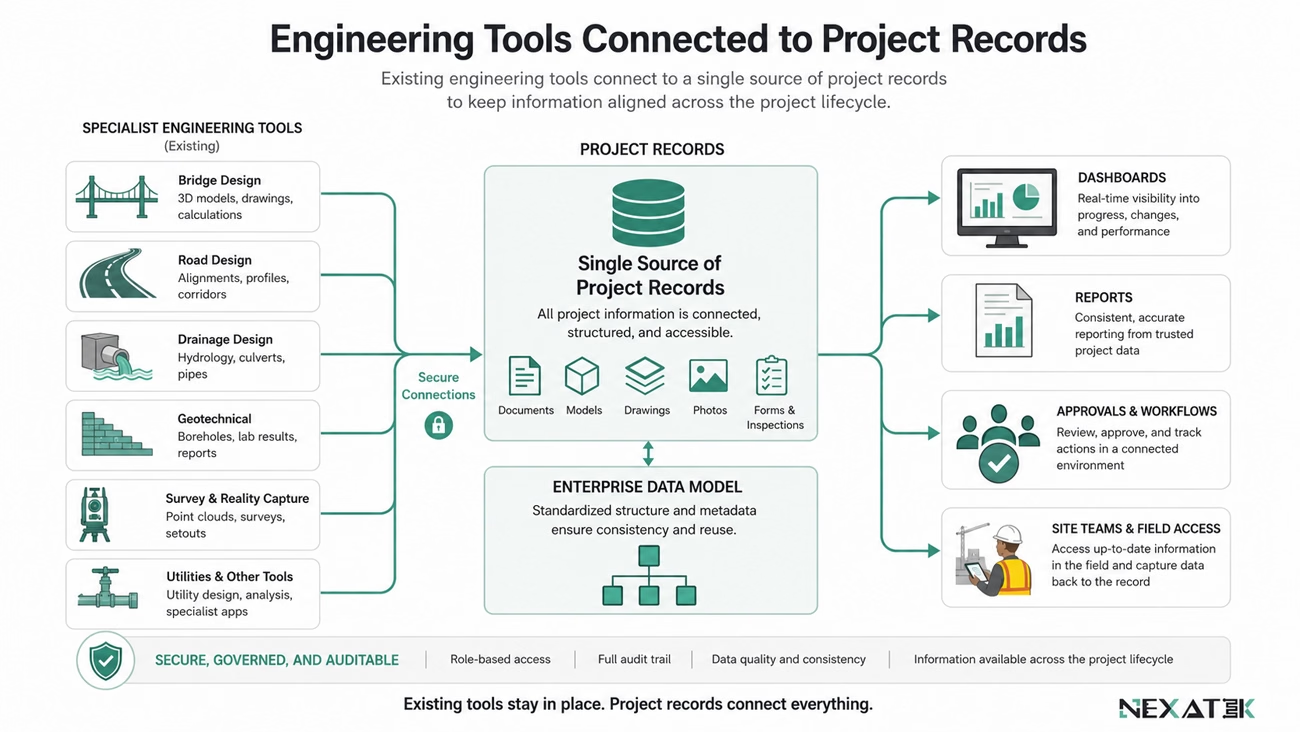 Systemintegrasjon viderefører spesialiserte ingeniørverktøy, samtidig som resultatene kobles til det helhetlige prosjektinformasjonssystemet.
Skreddersydd vs. standard virksomhetsprogramvare i anleggsfagene
En sammenligning basert på sjekklister for enkeltfunksjoner overser kjernen i problemstillingen: Forskjellene er strukturelle og viser seg først i selve datamodellen, og deretter i daglige administrative omveier.
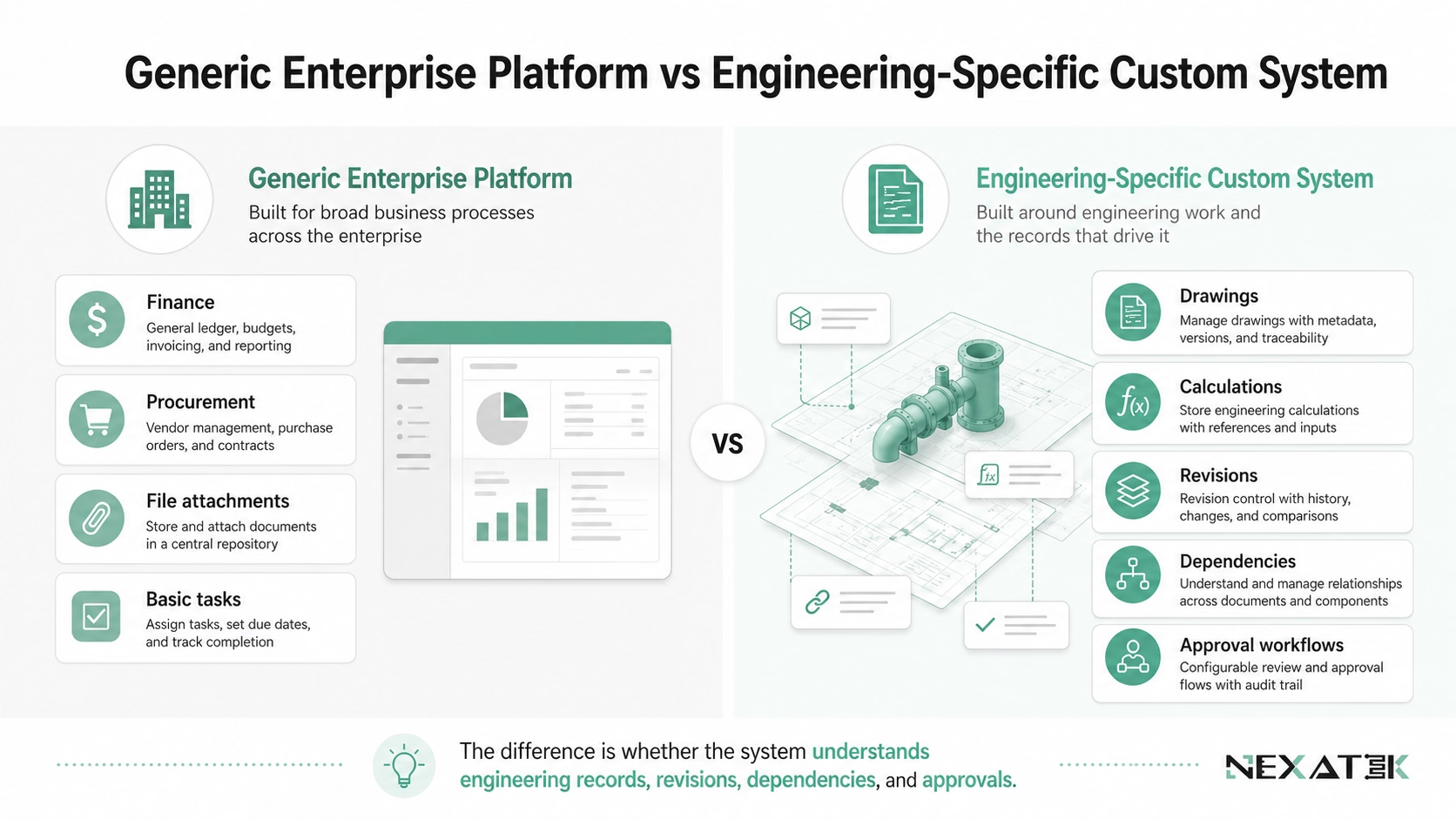 Forskjellen er ikke listen over funksjoner, men hvorvidt systemet forstår teknisk dokumentasjon, revisjoner, avhengigheter og godkjenningsprosesser.
Begrensninger ved generiske virksomhetsplattformer
Generiske ERP-plattformer søker standardisering på tvers av alle bransjer, med økonomi og innkjøp i sentrum. Tekniske ingeniørbehov blir gjerne behandlet som en ettertanke. Komplekse dokumenthierarkier med hundrevis av kryssreferanser og flerleddede, iterative godkjenningsløyper lar seg sjelden konfigurere tilfredsstillende i standardsystemer.
Organisasjonen svarer med uformelle nødløsninger: En mengde føres i ERP-systemet og parallelt i et regneark, og de to kildene begynner å sprike i løpet av få uker. Denne fragmenteringen øker prosjektrisikoen og fratar ledelsen det reelle bildet av prosjektets fremdrift.
Fordeler med ingeniørspesifikk tilpasning
En tilpasset løsning forankrer den anleggsfaglige logikken direkte i datamodellen. Skjermbilder og prosesser speiler nøyaktig hvordan det tekniske arbeidet utføres, noe som eliminerer oversettelsesleddet mellom programvaren og brukerne.
Langsiktig fleksibilitet er den andre store fordelen: En ny beregningsmetode eller en ny rapportstandard kan innlemmes i eksisterende struktur uten å forstyrre pågående prosjekter. Avveiningen ligger i tidligfasen: Den faglige logikken må spesifiseres i detalj før systemet kan utvikles, og denne avklaringsfasen krever dedikert innsats.
Bruksområder i byggenæringens verdikjede
De operative utfordringene varierer med bedriftstype, og systemstrukturen følger disse behovene. Tre typiske profiler viser bredden:
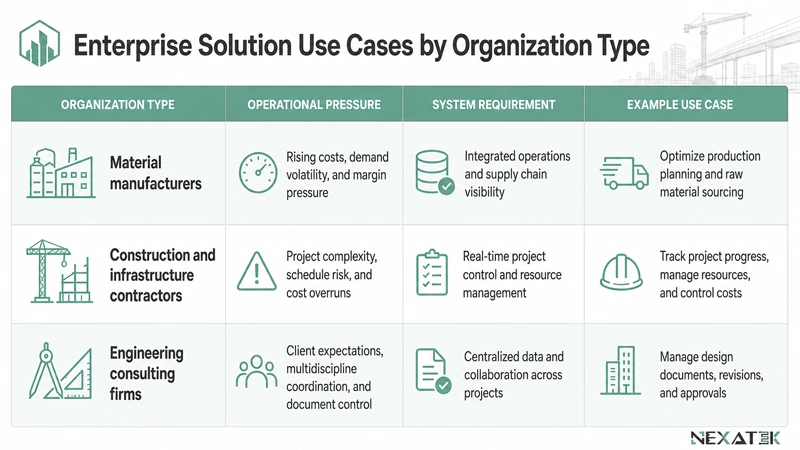 Denne oversikten sammenstiller materialprodusenter, entreprenører og rådgivende ingeniørselskaper ut fra primære utfordringer, systemkrav og praktisk nytteverdi.
Materialprodusenter og produksjonsrettet prosjektering
En betongelementprodusent administrerer blandingsresepter og kontrollrapporter parallelt med prosjektspesifikke krav. En skreddersydd løsning kobler materiallaboratoriet direkte til produksjonsstyringen. Hvert leverte element kan dermed spores tilbake til sin resept og tilhørende trykkfasthetsprøver.
Entreprenører og anleggsvirksomheter
Entreprenører håndterer informasjon under høyt tidspress der forholdene endrer seg daglig. Byggedagbøker og kontrollnotater samler seg opp ved siden av arbeidstegningene de refererer til, og tekniske godkjenninger kan ikke vente på det ukentlige byggemøtet.
Skreddersydde systemer holder byggeplassens dokumentasjon løpende oppdatert mot prosjekteringsendringer, slik at driftsledelsen og prosjekteringskontoret alltid forholder seg til samme revisjonsstand. Ettersom anleggsledelsen i økende grad samler inn data via nettbrett og telefoner, representerer utvikling av mobile apper for anleggssektoren en naturlig utvidelse av plattformen.
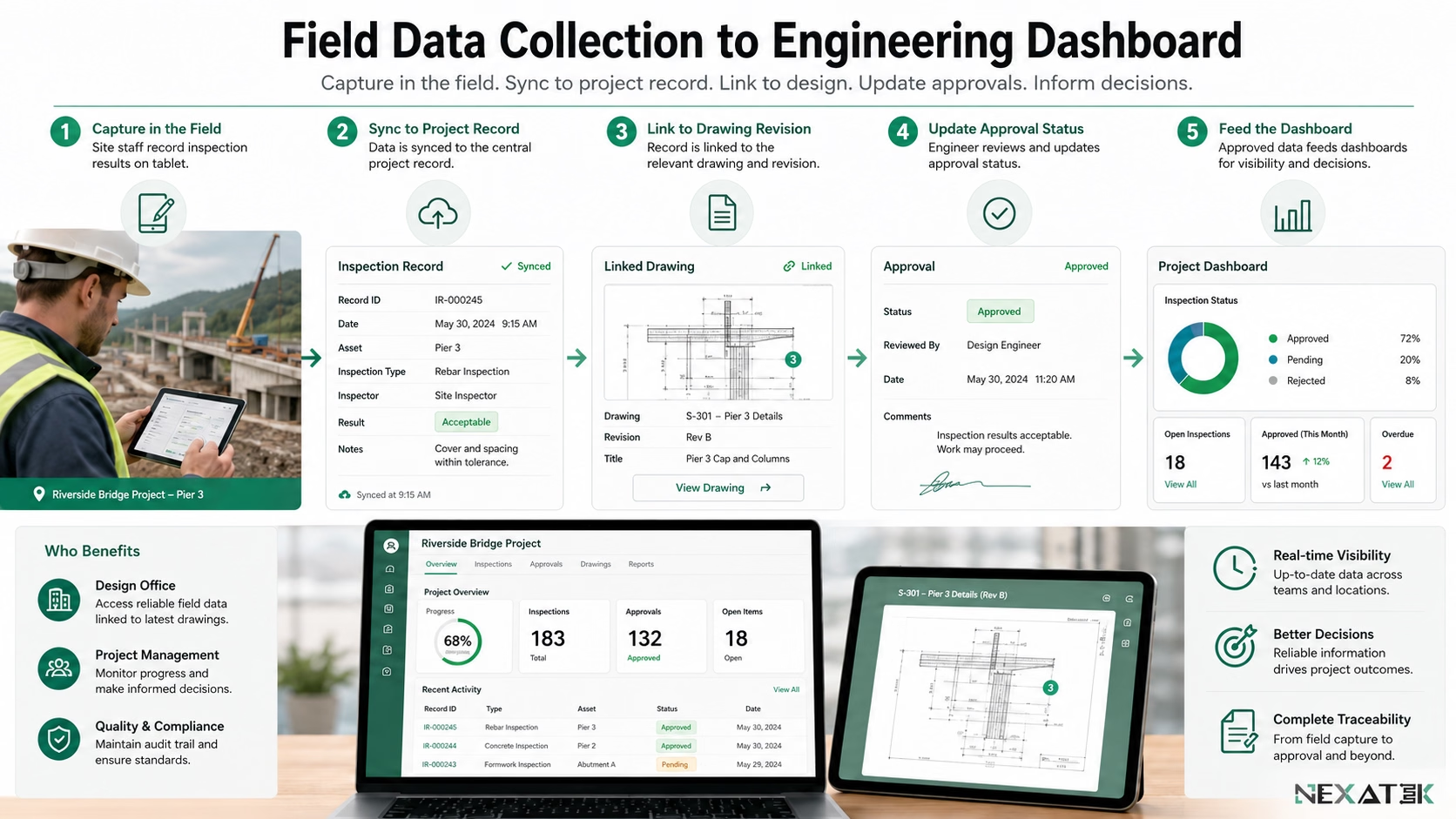 Data fra anleggsplassen blir mer verdifulle når feltregistreringer, kontroller, tegningsrevisjoner og dashboards er integrerte.
Rådgivende ingeniørselskaper
Et rådgivende ingeniørselskap med 40 aktive oppdrag har behov for konsistens uten å kvele faglig fleksibilitet. Beregningsnotater og erfaringer må være søkbare på tvers av teamene, uten at hvert prosjekt tvinges inn i en rigid standardsjablong.
Strukturert gjenbruk ivaretar dette: En fundamenteringsmetode utprøvd på ett prosjekt blir et kvalitetssikret utgangspunkt for det neste, mens digitale rutiner sikrer sporbar internkontroll.
Skalerbarhet og langsiktig tilpasningsdyktighet
Virksomhetssystemer i bygg og anlegg har lang levetid. En løsning som tas i bruk i dag, må kunne håndtere prosjekter som først overleveres om ti år.
Støtte for vekst i organisasjon og prosjektstørrelse
Vekst øker datamengdene lenge før bemanningen utvides. Et selskap som skalerer fra 50 til 500 aktive prosjekter, har behov for de samme raske søkene i databasen uten behov for krevende datamigreringer underveis. Skreddersydde virksomhetsløsninger skalerer ved å utvide tabeller og prosesser fremfor å skifte ut plattformen. En ny fagavdeling eller et nytt regionskontor kobles direkte på den etablerte strukturen; historiske data forblir søkbare side om side med nye oppdrag.
Tilpasning til nye ingeniørmetoder
Metoder og standarder endrer seg: Nye analyseverktøy eller skjerpede miljørapporteringsstandarder trer i kraft over tid, og systemet må absorbere disse uten at datagrunnlaget må nullstilles.
En kontrollert systemutvikling ivaretar dette: En ny arbeidsflyt kan kjøres parallelt med den eksisterende i en overgangsfase, slik at teamene kan fases over prosjekt for prosjekt. Denne forutsigbarheten er spesielt viktig for medarbeidere med begrenset digital erfaring, som påvirkes mest dersom brukergrensesnitt endres for hyppig.
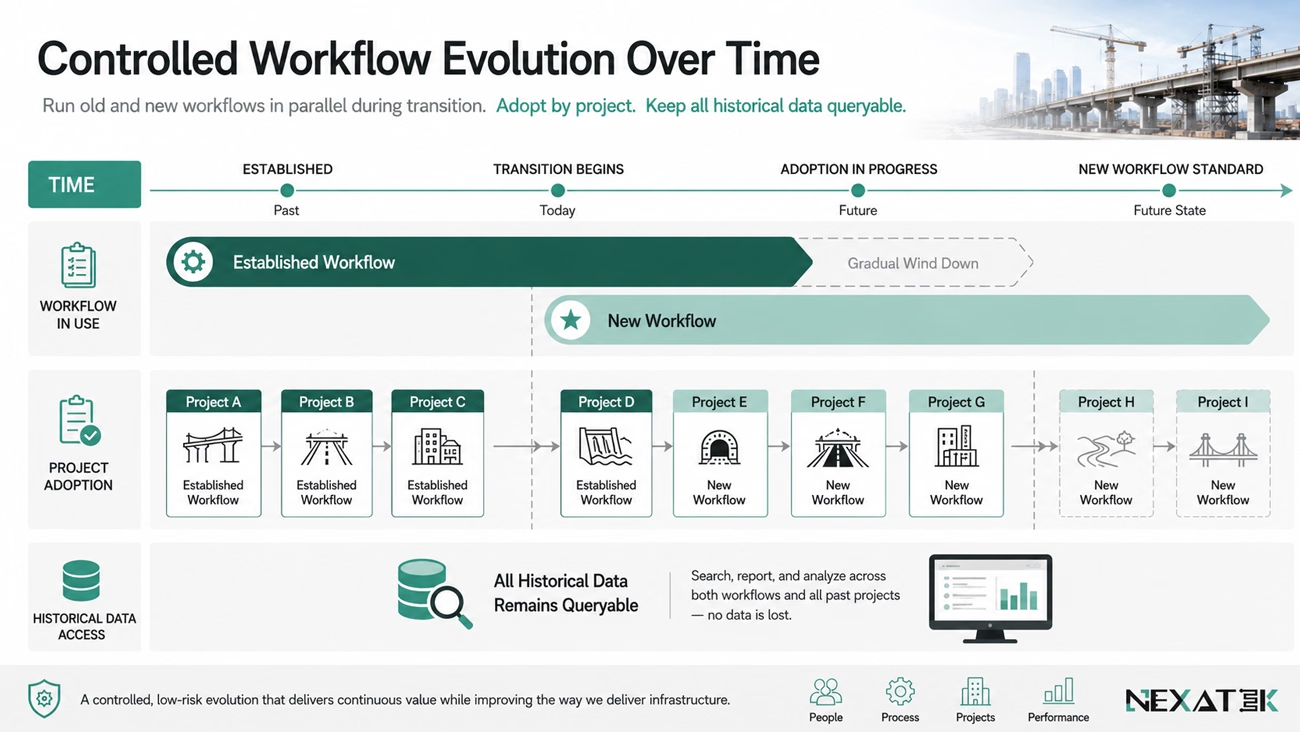 Skreddersydde systemer kan fase inn nye arbeidsflyter trinnvis, samtidig som historiske data og pågående prosjekter holdes stabile.