
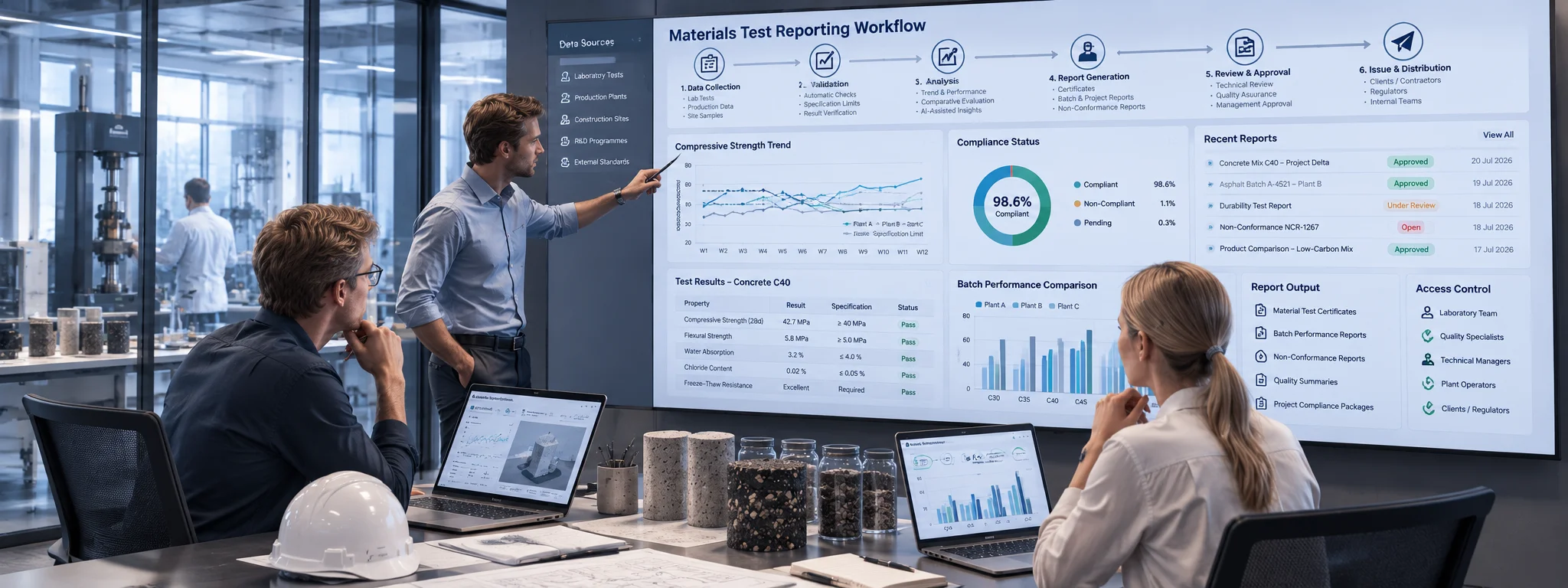
Arbeidsflytautomatisering og prosessoptimalisering for anleggsteknikk
Intelligent arbeidsflytautomatisering og digitale prosesser som strømlinjeformer forretningsprosesser, reduserer manuelt arbeid, forbedrer samarbeid og øker operasjonell effektivitet på tvers av ingeniørorganisasjoner.
Automatisering av forretningsprosesser
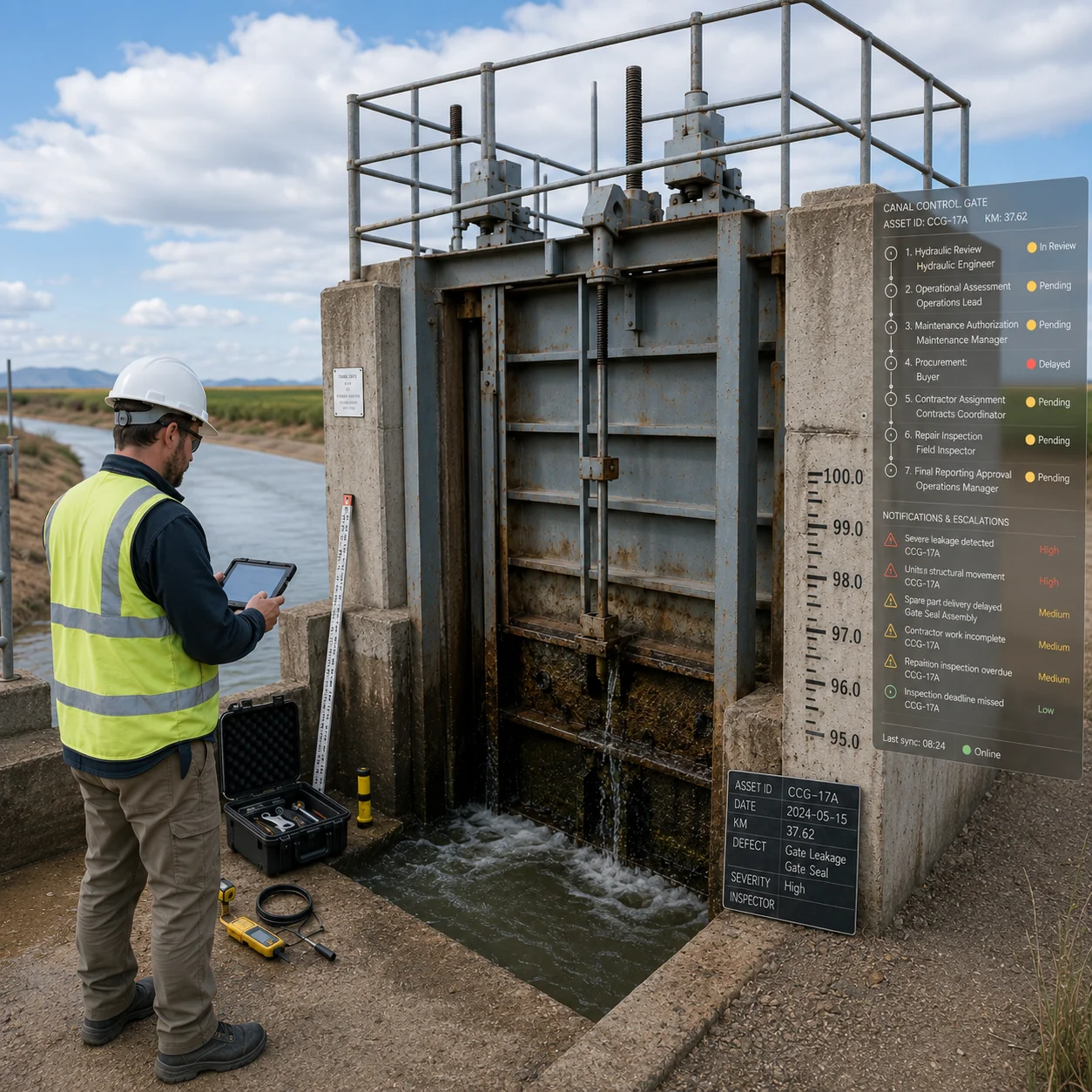
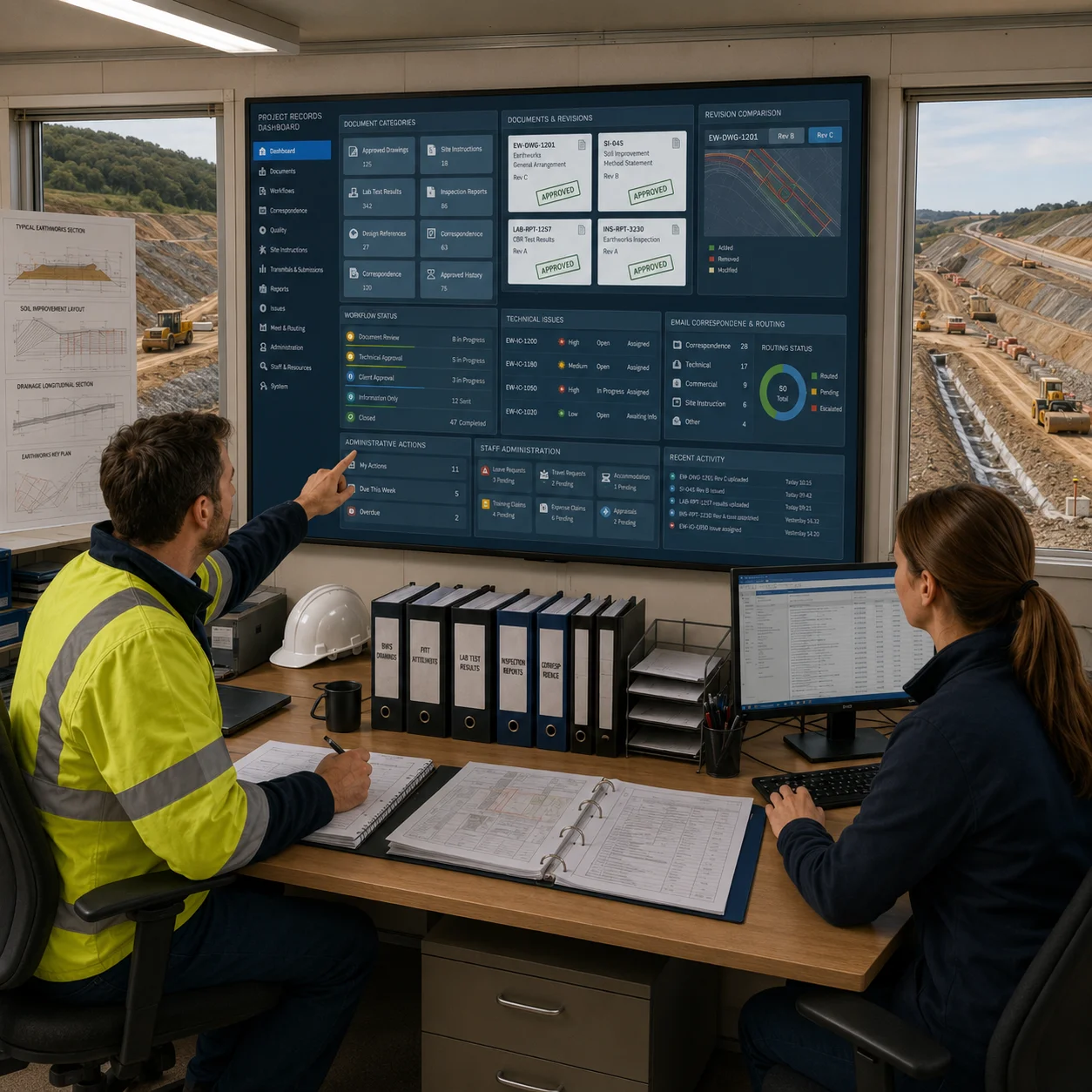
Optimalisering av administrative prosesser
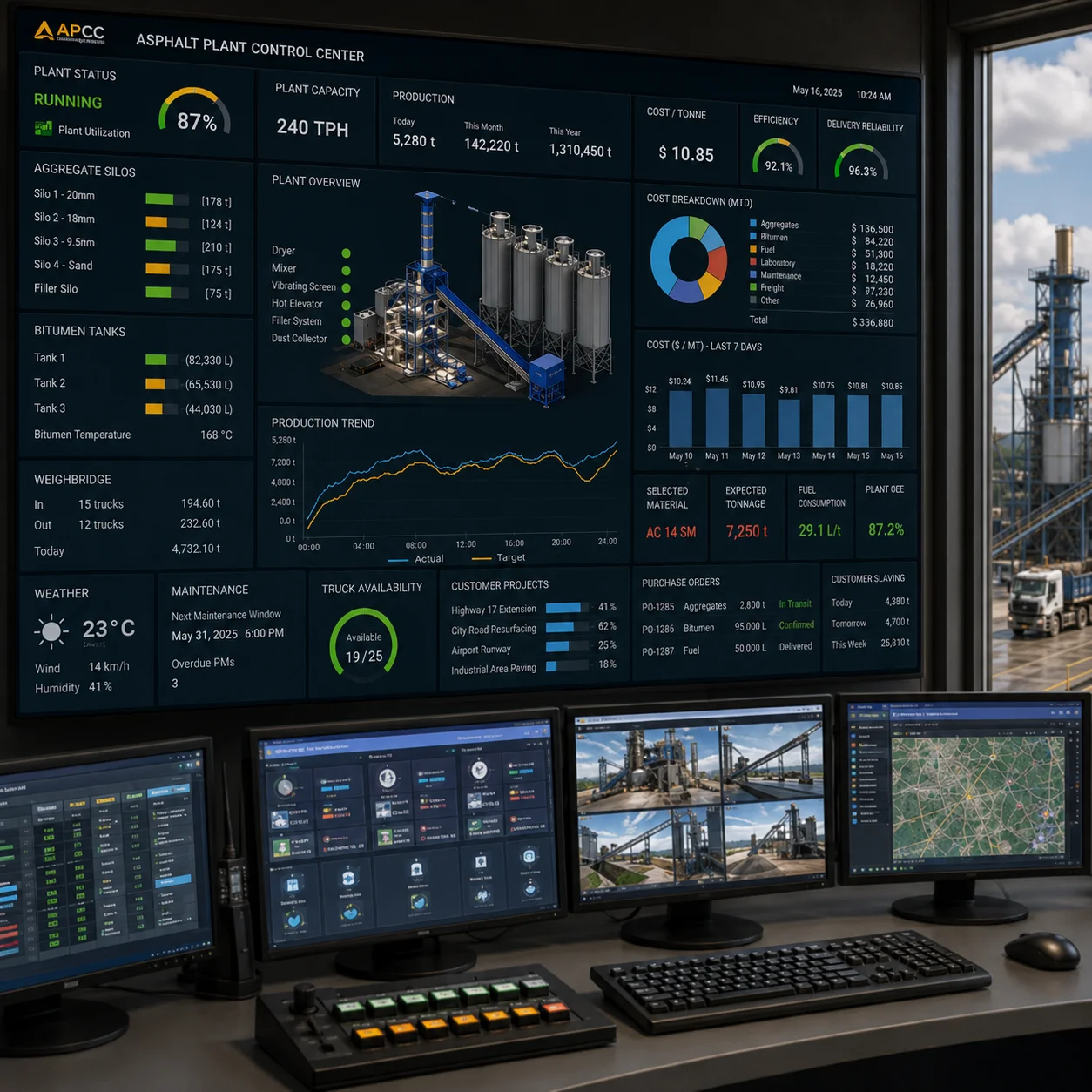
Økonomisk og operasjonell styring
Digital transformasjon for bedrifter
Lignende prosjekter
Oppdag flere innovative prosjekter:







Gode
Løsninger
Starter Med En SamtaleGode Løsninger Starter Med En Samtale
Vil du utforske hvordan våre tjenester kan få bedriften din til å vokse?
Arbeidsflytautomatisering og prosessoptimalisering i bygg og anlegg
Et mellomstort infrastrukturprosjekt kan generere 4 000 dokumenter før den første betongstøpen: arbeidstegninger, beregninger, tekniske avklaringer (RFI-er), møtereferater og godkjenningsprotokoller. Mesteparten av denne informasjonen utveksles fremdeles via e-post. Arbeidsflytautomatisering og prosessoptimalisering i anleggssektoren erstatter denne manuelle trafikkflyten med en regelbasert informasjonsflyt. Det operative resultatet er kortere godkjenningssykluser og et prosjektarkiv som forblir konsistent frem til overlevering.
NEXATEK tilnærmer seg automatisering som en ingeniørfaglig disiplin fremfor et IT-prosjekt. Prosesslogikk kommer først, programvare etterpå. Å forbedre hvordan innsendingsunderlag og anleggsrapporter flyter gjennom organisasjonen, utgjør typisk en integrert del av en helhetlig digital transformasjon i bygg og anlegg.
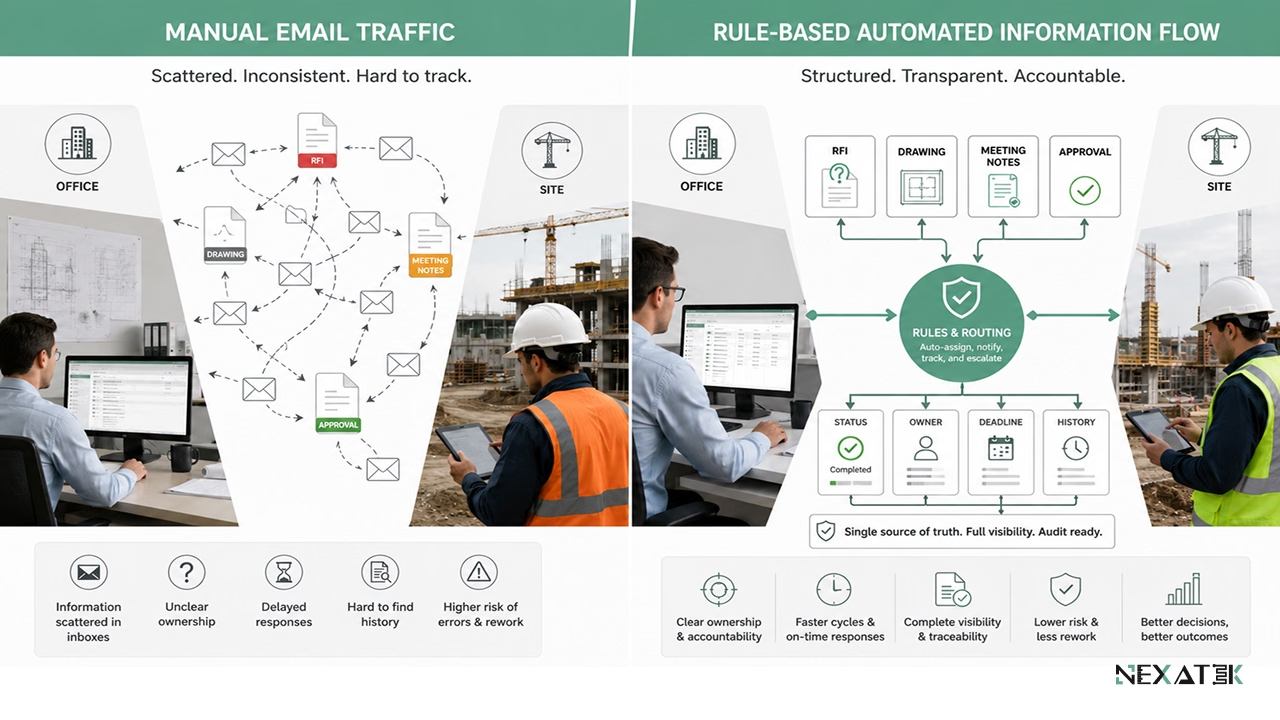 Arbeidsflytautomatisering erstatter fragmenterte e-postoverleveringer med en kontrollert informasjonsflyt.
Utfordringer med arbeidsflyt i anleggsprosjekter
Ingeniørprosjekter svikter sjelden i selve beregningsarbeidet. De svikter i mellomrommene – i overleveringer og dataoverføringer som ingen enkeltperson har det fulle ansvaret for.
Fragmenterte tekniske arbeidsprosesser
Et typisk anleggsprosjekt driftes på fem eller flere uavhengige systemer. Tegningslisten føres i et regneark, RFI-er ligger i en innboks, anleggsbilder på mobiltelefoner og fremdriftsplanen i et planleggingsverktøy. Hver eneste overgang mellom disse datasiloene fordrer at noen manuelt kopierer, omdøper eller taster inn data på nytt. Fragmentering tåkelegger dessuten gjeldende status: Ingen kan bekrefte om revisjon C av overvannstegningen faktisk har nådd anleggslaget i grøften.
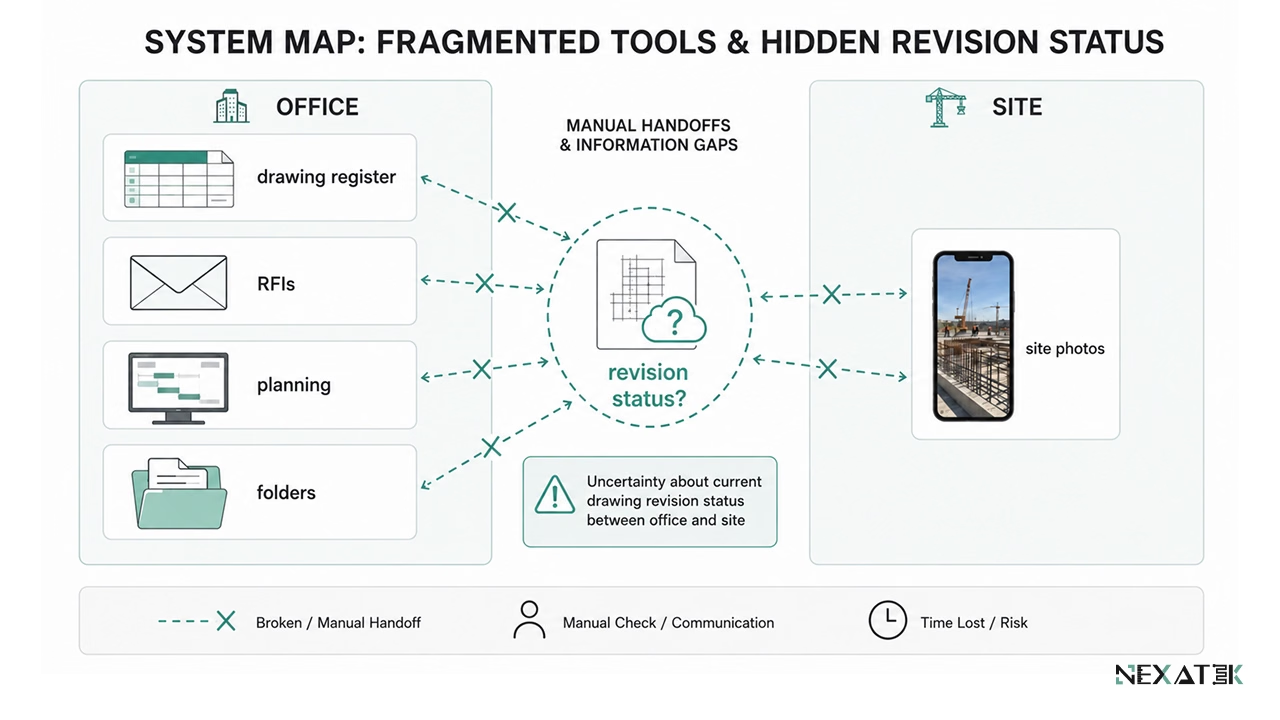 Frakoblede verktøy gjør det vanskelig å bekrefte hvilken tegning, RFI eller feltrapport som er formelt gjeldende.
Manuell dokumentasjon og samordningsutfordringer
Anleggsledere og formenn bruker ofte én til to timer daglig på å sammenstille dagsrapporten fra håndskrevne notater, bilder, vektsedler og underentreprenørmeldinger. Samme data overføres senere manuelt til månedsrapporter og sluttoppgjørsdokumentasjon. Hver manuell overføring øker risikoen for feil. Godkjenningsforespørsler per e-post er avhengige av at mottakeren tilfeldigvis oppdager dem; en saksbehandler på ferie kan stanse et godkjenningsnotat i en hel uke før noen griper inn.
Konsekvenser for fremdrift og dataintegritet
Forsinkelser forplanter seg gjennom hele dokumentkjeden. Når en tverrfaglig gransking tar ti dager i stedet for tre, forskyves innkjøp og mobilisering av underentreprenører tilsvarende. Datainkonsistens forårsaker en annen form for følgeskade: En mengdebeskrivelse basert på en utgått tegning gir feil bestillingsvolum, og feilen oppdages som regel først ute på anlegget, der konsekvenskostnadene er høyest.
Hva er arbeidsflytautomatisering i anleggssektoren?
Automatisering av arbeidsflyt i en anleggsteknisk kontekst innebærer regelstyrt flyt av prosjektinformasjon mellom definerte prosesstrinn og ansvarsroller. Et godkjenningsunderlag sendes inn i systemet. Løsningen ruter det automatisk til oppnevnt fagkontrollør, overvåker svarfrister, logger beslutningen og distribuerer resultatet. Ingeniørene ivaretar det faglige skjønnet. Systemet håndterer distribusjonen og revisjonssporet.
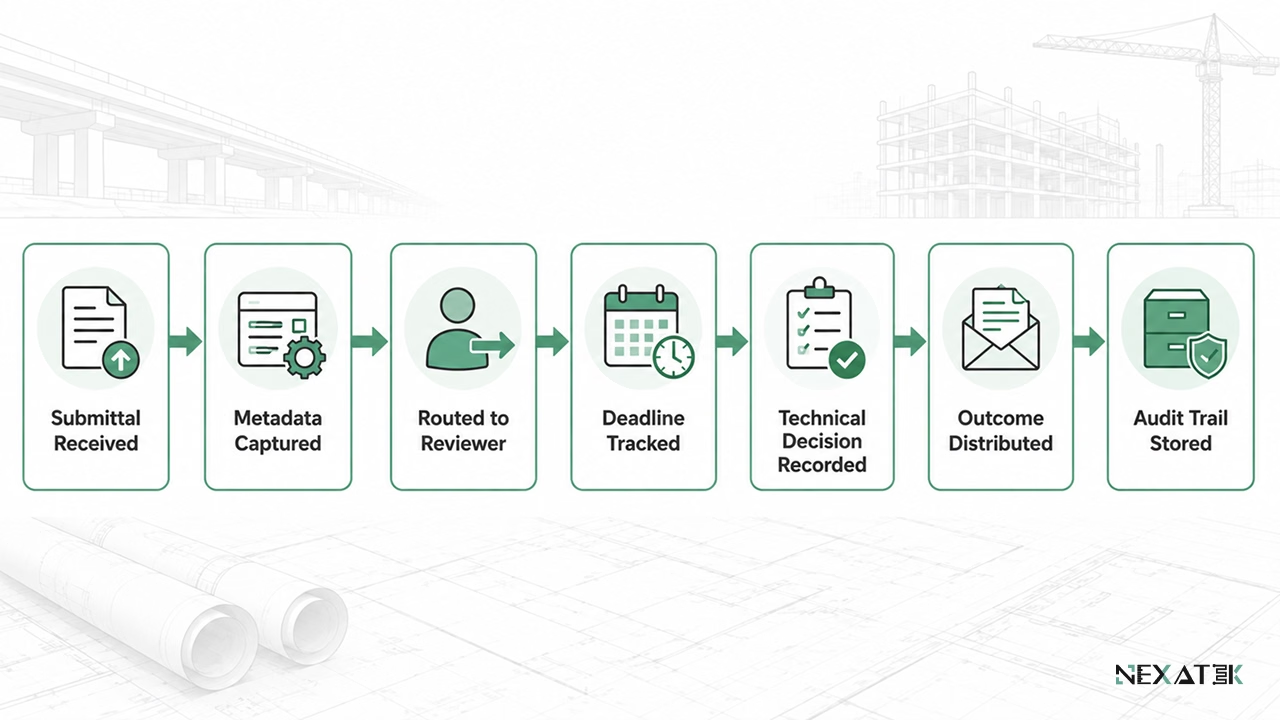 Systemet styrer ruting, tidsfrister, statusoppfølging og beslutningslogg, mens ingeniørene beholder den faglige kontrollen.
Forskjellen mellom oppgaveautomatisering og prosessautomatisering
Oppgaveautomatisering omfatter en enkeltstående, repetitiv handling – for eksempel automatisk generering av en oversendelsesliste eller omdøping av 200 anleggsfoto etter en fast sonestandard. Prosessautomatisering knytter derimot en rekke oppgaver sammen i en styrt sekvens med regler og overleveringer. En prosjekteringsgjennomgang er en helhetlig prosess: distribusjon, tverrfaglig kommentering, samordning, tilsvar og re-utstedelse. Å automatisere distribusjonstrinnet sparer minutter. Å styre hele syklusen i ett felles system sparer arbeidsdager.
Typiske anleggsaktiviteter egnet for automatisering
Aktiviteter med faste regler og høy repetisjonsgrad egner seg best for automatisering. Dokumentnummerering, godkjenningsruting, rapportgenerering fra strukturerte data og revisjonsvarsling faller naturlig inn her. Datainnsamling i felt inngår i dette når registreringer mates inn i kontorsystemene via skreddersydde mobilapper for feltdata fremfor papirskjemaer. Skjønnsbaserte oppgaver, inkludert dimensjoneringsvalg og kravsvurderinger, forblir ingeniørens ansvar.
Prosessoptimalisering i anleggsprosjekter
Optimalisering må gå forut for automatisering; en automatisert mangelfull prosess produserer kun feil i et høyere tempo. Ingeniørfaglig prosessoptimalisering innebærer å kartlegge hvordan arbeidet faktisk utføres, eliminere overflødige ledd og omstrukturere den gjenværende arbeidsflyten. NEXATEK starter dette arbeidet med et nåsituasjonskart som synliggjør de uoffisielle omveiene teamene har etablert rundt verktøyene sine. Samlet leverer optimalisering og automatisering det ønskede resultatet: først en forbedret prosess, deretter et system som eksekverer den.
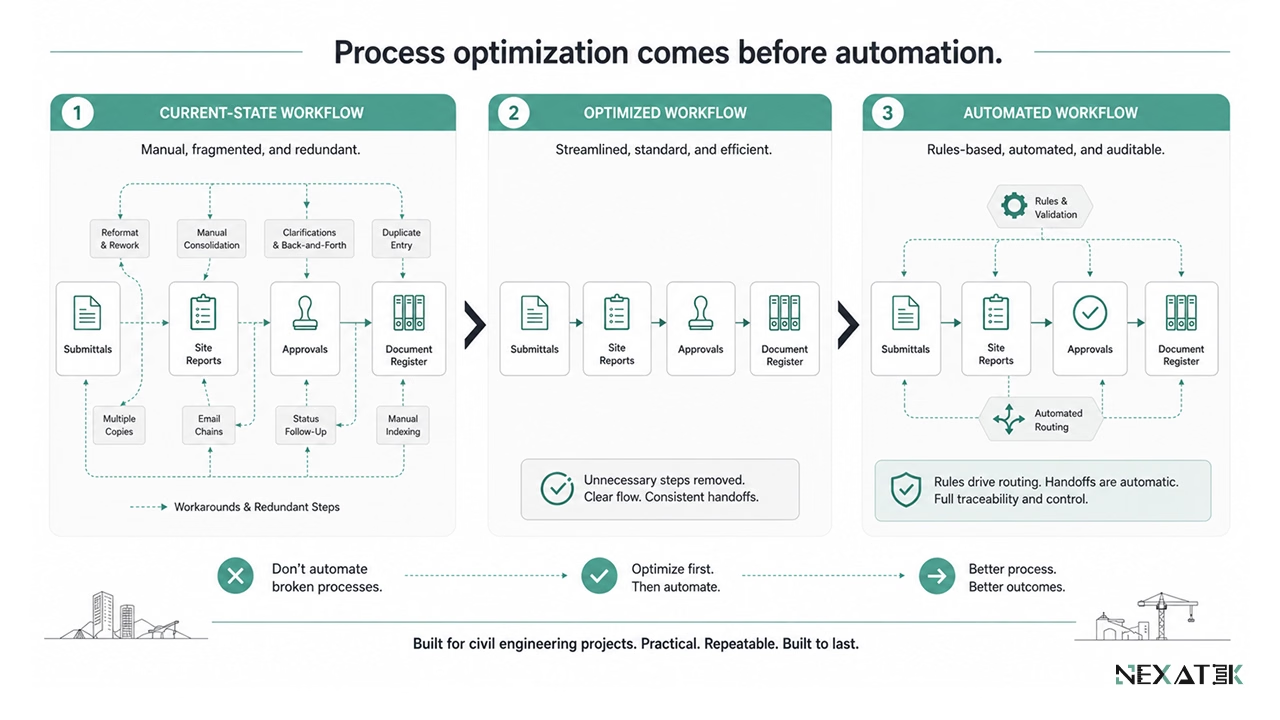 Prosessoptimalisering avklarer den reelle arbeidsflyten før automatiseringen bygges rundt den.
Identifisering av ineffektivitet i prosjektgjennomføringen
Datadrevne anleggsprosesser starter med måling. Verdifulle indikatorer inkluderer saksbehandlingstid fra innsending til godkjenning, antall manuelle inntastinger per datapunkt og andelen dokumenter som sendes ut under feil revisjonsbokstav. Dobbeltføring av data er det vanligste funnet: Ett enkelt prøveresultat for en betongterning figurerer ofte i laboratorieprotokollen, byggedagboken, kvalitetsregisteret og månedsrapporten – tastet inn manuelt fire separate ganger.
Standardisering vs. fleksibilitet i tekniske prosesser
Ikke ethvert ledd bør fastlåses. Navnekonvensjoner, dokumentskabeloner, godkjenningsgrenser og registerstrukturer har alt å vinne på streng standardisering. Det ingeniørfaglige skjønnet har det ikke. En praktisk rettesnor er: Standardiser rammen, og hold innholdet fleksibelt. Rapportmalen og distribusjonsruten ligger fast, mens den geotekniske tolkningen i rapporten forblir ingeniørens faglige vurdering.
Manuelle vs. automatiserte arbeidsflyter
Den strukturelle forskjellen handler om hvor prosessen har sitt feste. Manuelle arbeidsflyter eksisterer i hodene til fagpersonene og i fragmenterte e-posttråder. Automatiserte arbeidsflyter koder samme sekvens inn i et system med definerte tilstander og ruteringsregler. En manuell innsending er et vedlegg i en innboks; en automatisert innsending er et sporbart objekt med status, eier, tidsfrist og full revisjonshistorikk.
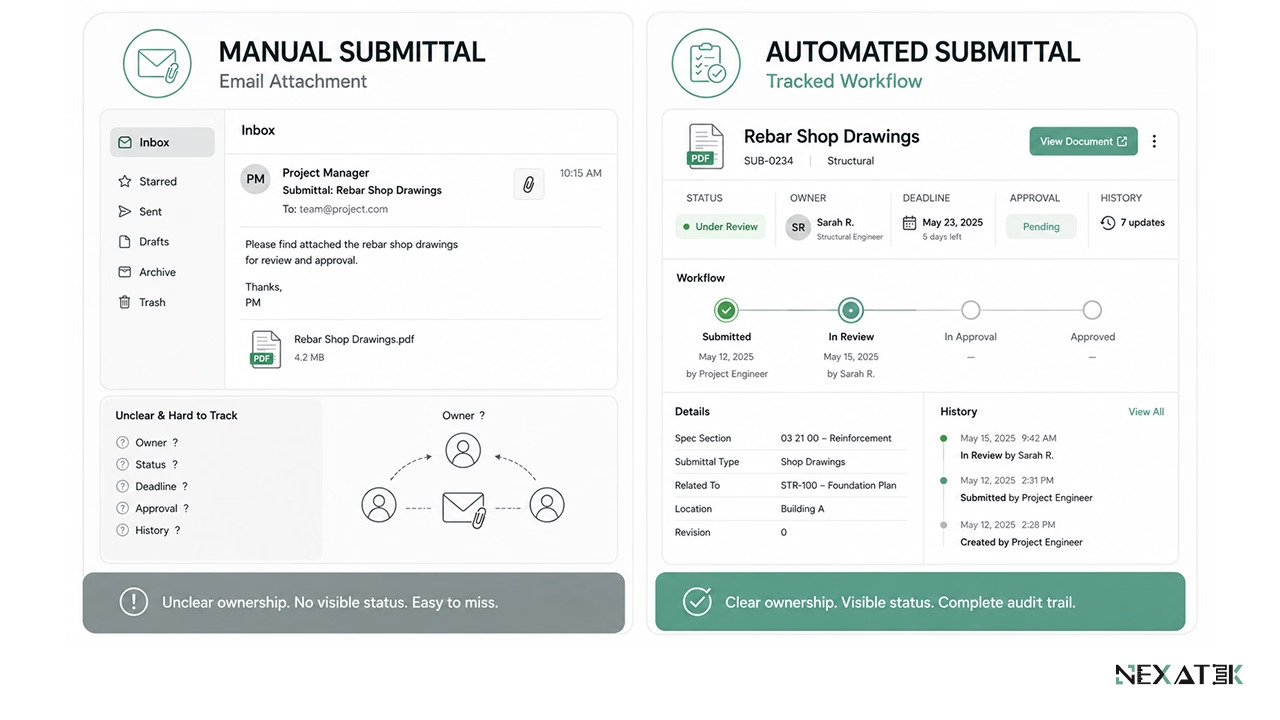 Automatiserte arbeidsflyter gjør prosjektoppgaver om til sporbare oppføringer med eierskap, tidsfrister, status og historikk.
Operasjonelle begrensninger ved manuelle prosesser
Manuelle prosesser er sårbare for personavhengighet. Når dokumentstyringskoordinatoren som kjenner arkivlogikken slutter, øker søketiden på tvers av hele prosjektet. Revisjonssporene forblir svake: Å dokumentere hvem som godkjente en forskalingstegning for to år siden krever manuell leting i personlige e-postarkiver. Skalering er den tredje begrensningen; en dobling av prosjektvolumet dobler tilnærmet likt koordineringsbelastningen.
Systemiske fordeler med automatiserte arbeidsflyter
Automatiserte arbeidsflyter genererer automatisk sin egen sluttdokumentasjon. Hvert prosesstrinn og enhver beslutning loggføres med tidsstempel, slik at godkjenningshistorikken til en tegning frembringes via en enkel databaseforespørsel fremfor en gransking. Parallelle oppgaver kan utføres samtidig, slik at tre fagdisipliner kan granske samme leveransepakke parallelt. Investeringen ligger i forberedelsene: En prosess må være definert i detalj før et system kan drifte den – og dette forarbeidet krever ingeniørtimer.
Anvendelse gjennom anleggsprosjektets faser
Automatiseringspotensialet varierer gjennom prosjektets livsløp. Arbeidsflytene i samferdselsprosjekter skifter karakter fra fase til fase – fra stikningsdata til as-built-dokumentasjon –, mens prinsippene for ruting og loggføring forblir de samme.
Planlegging og forprosjekt
Tidlige faser baserer seg på innsamlede grunnlagsdata: oppmålingsdata, ledningskart, grunnundersøkelser og myndighetskorrespondanse. Automatiserte mottaksflyter registrerer hvert innkommende dokument med metadata og ruter det til riktig fagdisiplin. Mulighetsstudier henter dermed data fra én indeksert kilde i stedet for fra personavhengige mappestrukturer.
Prosjekteringskoordinering og dokumentkontroll
Prosjekteringsfasen genererer den tetteste dokumenttrafikken i prosjektets levetid. Revisjonsflyter varsler berørte fagdisipliner automatisk når en tegning oppdateres, og trekker utgåtte versjoner tilbake fra sirkulasjon, samtidig som tegningslisten oppdateres i samme operasjon. Valideringskontroller i skreddersydd ingeniørprogramvare verifiserer en samlet leveransepakke mot tegningslisten før formell utsendelse.
Anleggsdrift og utførelse
Ute på anlegget kobler prosessautomatisering hendelser i felt sammen med kontorets systemer. En kontrollforespørsel opprettet på et nettbrett når den kontrollerende ingeniøren med påført lokasjon, fotodokumentasjon, sjekkliste og tidsstempel. Materialgodkjenninger og avviksrapporter følger definerte ruter med automatiske svarfrister. Byggedagboken genereres automatisk ut fra loggede aktiviteter fremfor å rekonstrueres fra minnet ved skiftets slutt.
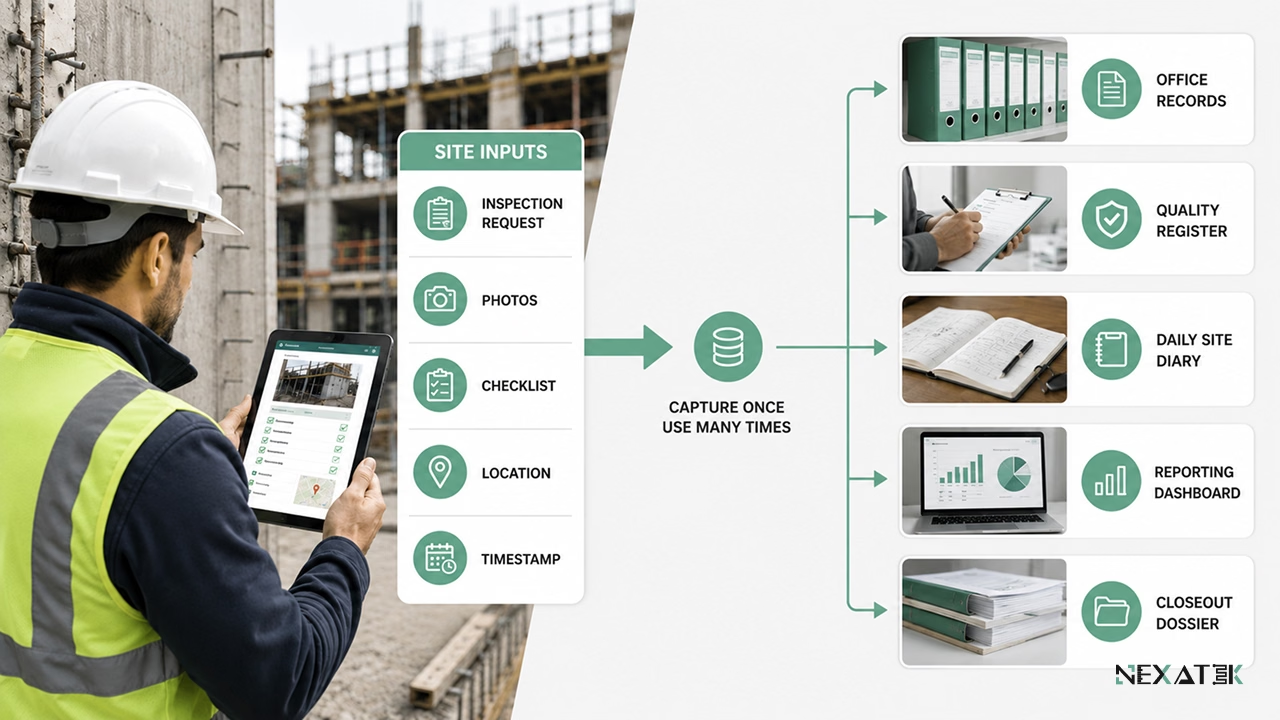 Feltdata registrert én gang kan mate kontrollnotater, kvalitetsoppfølging, rapportering og sluttdokumentasjon.
Overvåking, rapportering og prosjektoverlevering
Rapporteringsflyter henter styringstall direkte fra strukturerte prosjektdata fremfor å kreve at ingeniørene sammenstiller dem manuelt hver måned. Fremdrifts- og kvalitetsindikatorer oppdateres fortløpende fra data generert under utførelsen. Ved prosjektslutt oppstår as-built-dokumentasjonen i stor grad som et biprodukt, ettersom hvert dokument og hver godkjente prøving allerede ligger strukturert i en anleggsteknisk prosjektdatabase, klar for FDV-overdragelse.
Tilpasning til anleggsnæringens forretningsmodeller
Verdien av automatiserte arbeidsflyter avhenger av virksomhetens driftsmodell. Tre vanlige aktørgrupper i anleggssektoren har ulike tyngdepunkt:
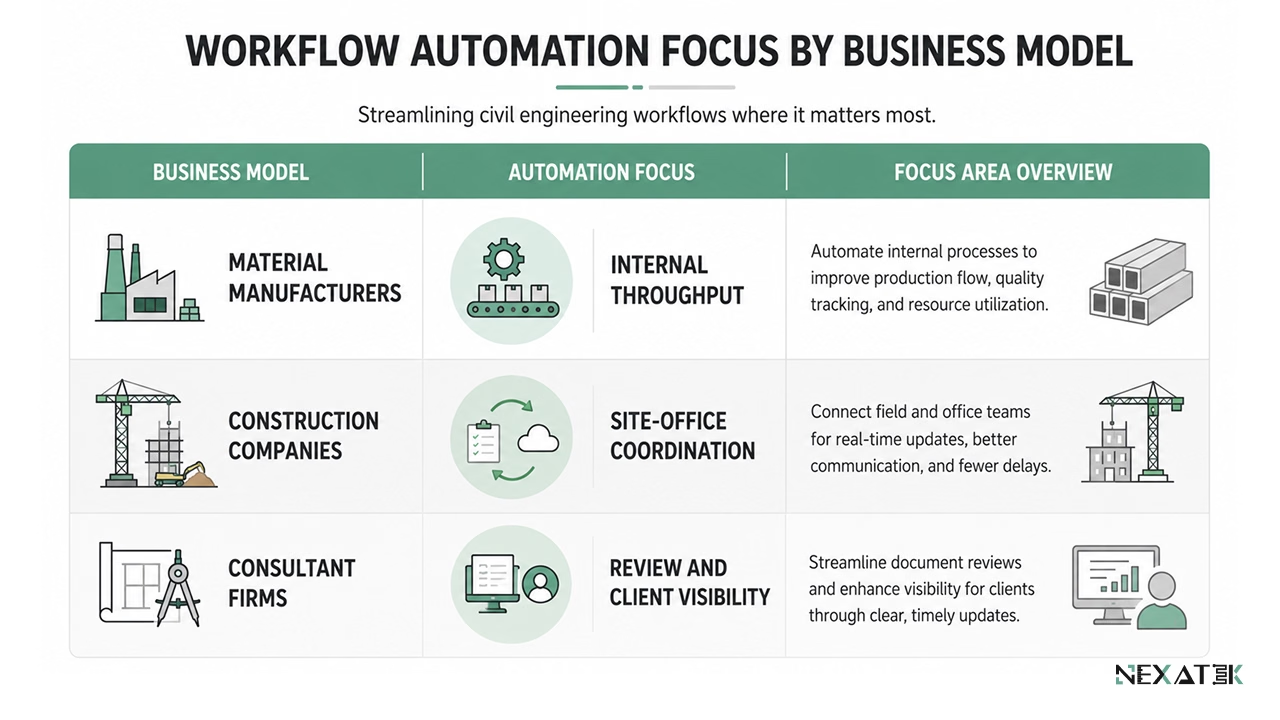 Ulike forretningsmodeller i anleggsnæringen oppnår gevinster ved automatisering i ulike deler av verdikjeden.
Materialprodusenter og intern prosesserering
Produsenter av prefabrikkerte betongelementer eller geosynteter driver teknisk ingeniørarbeid tett integrert i en industriell produksjon. Ordrebundne dimensjoneringskontroller og tekniske datablader følger standardiserte oppsett med faste inndata og utdata. Automatisering her retter seg mot intern gjennomløpstid: En kundeforespørsel som tidligere sirkulerte mellom salg, konstruksjon og fabrikk via e-post, blir en sporbart styrt prosess med definerte responstider.
Entreprenører og samhandling mellom anleggsplass og kontor
Entreprenørselskaper opererer i snittflaten mellom byggeplass og administrasjon. Masser målt i felt danner grunnlag for fakturering, og dagsrapporter underbygger krav om fristforlengelse og vederlag. Automatisert overføring holder begge informasjonsstrømmer oppdatert, slik at ledelsen jobber ut fra gårsdagens produksjonstall fremfor forrige måneds anslag. Operativ effektivitet viser seg her i form av færre tvister om hva som ble bygget når.
Rådgivende ingeniørselskaper og kunnskapsarbeidsflyter
Rådgiverselskaper produserer og reviderer store volumer teknisk dokumentasjon. Interne sidemannskontroller og oppdragsgivers høringsrunder legger beslag på mye tid. Automatisering skaper struktur over denne kontrollflyten, og integrerte samhandlingsportaler for prosjekter gir oppdragsgiver direkte innsyn i leveransestatus uten ukentlige statusmøter. NEXATEK tilpasser disse arbeidsflytene til virksomhetens etablerte kontrollhierarki i stedet for å tvinge gjennom generiske standardsekvenser.