
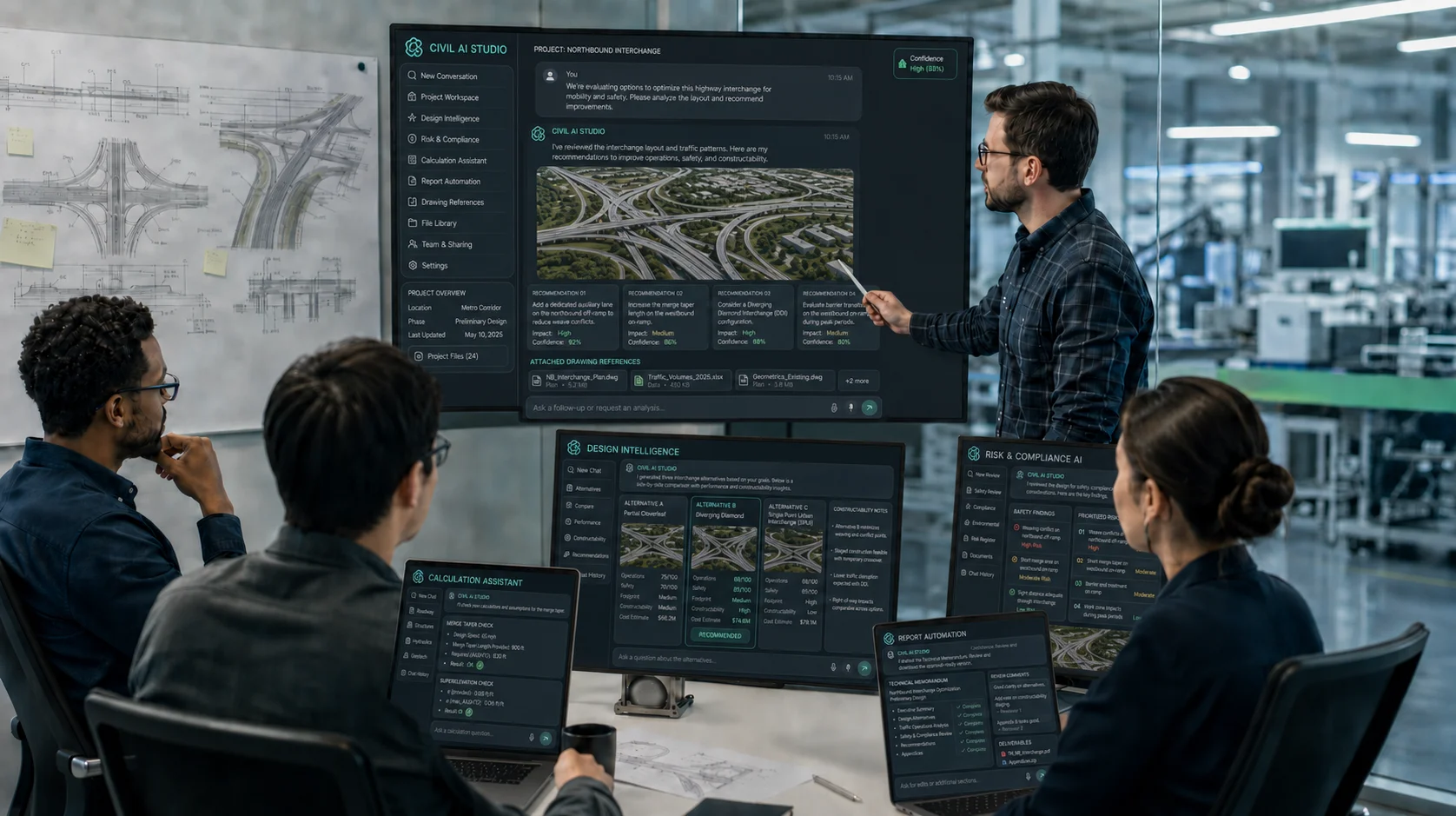
Kunstig Intelligens for Anleggsteknikk
Bruk av KI for å automatisere ingeniørarbeidsflyter, design, teknisk beslutningstaking, rapportering osv. innen ditt ingeniørfelt.
Intelligent Ingeniørautomatisering
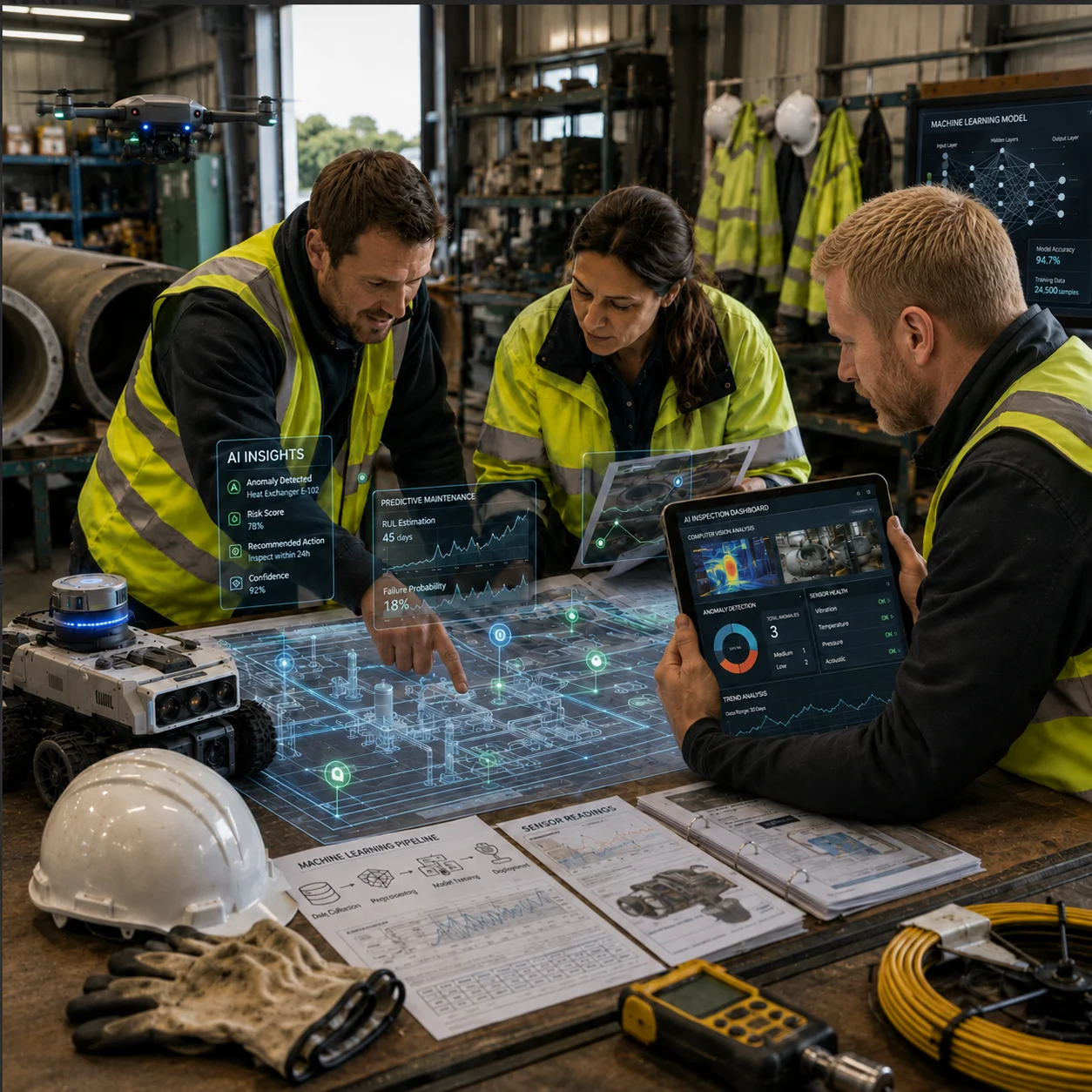
Designintelligens og Beslutningsstøtte
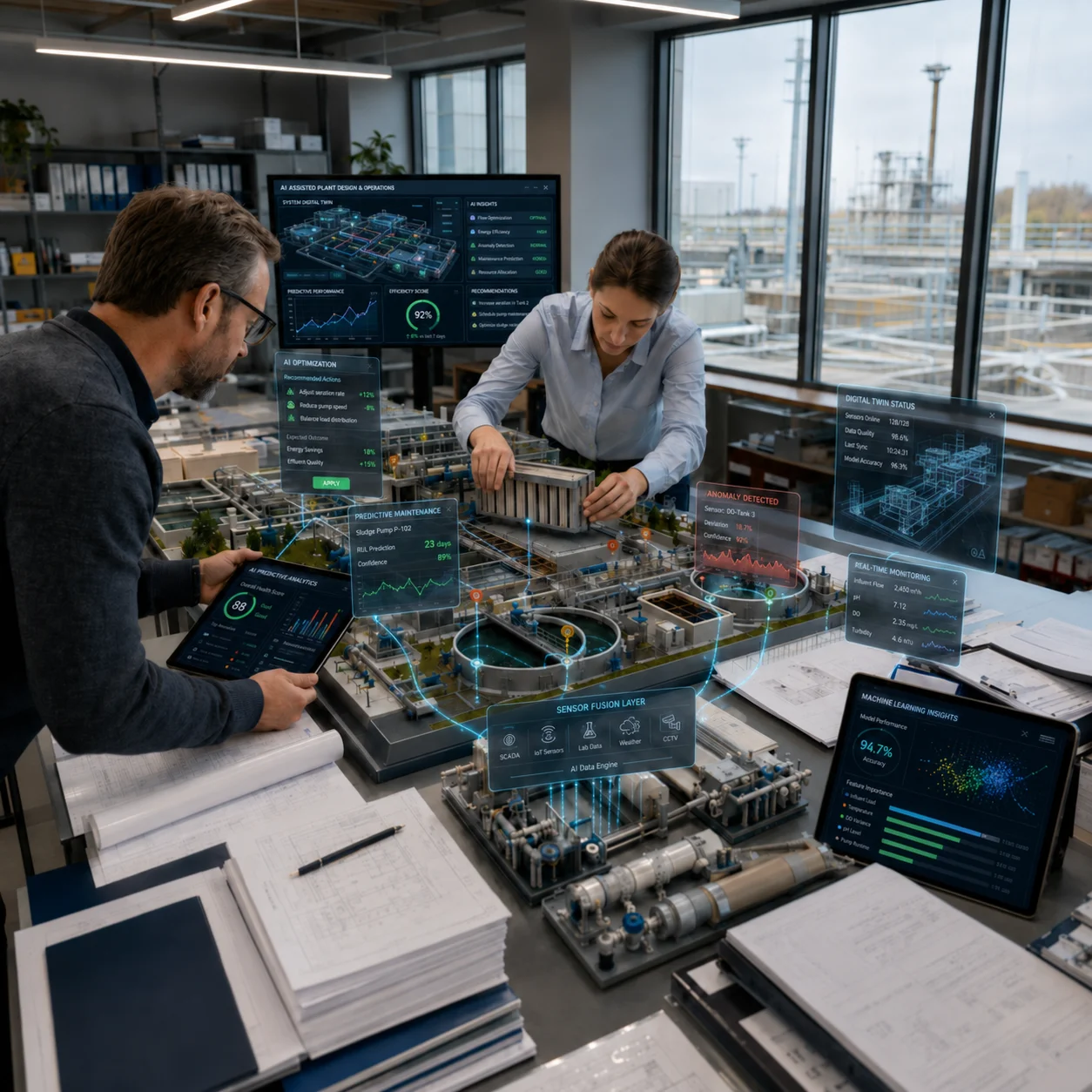
KI-integrasjon og Dataintelligens
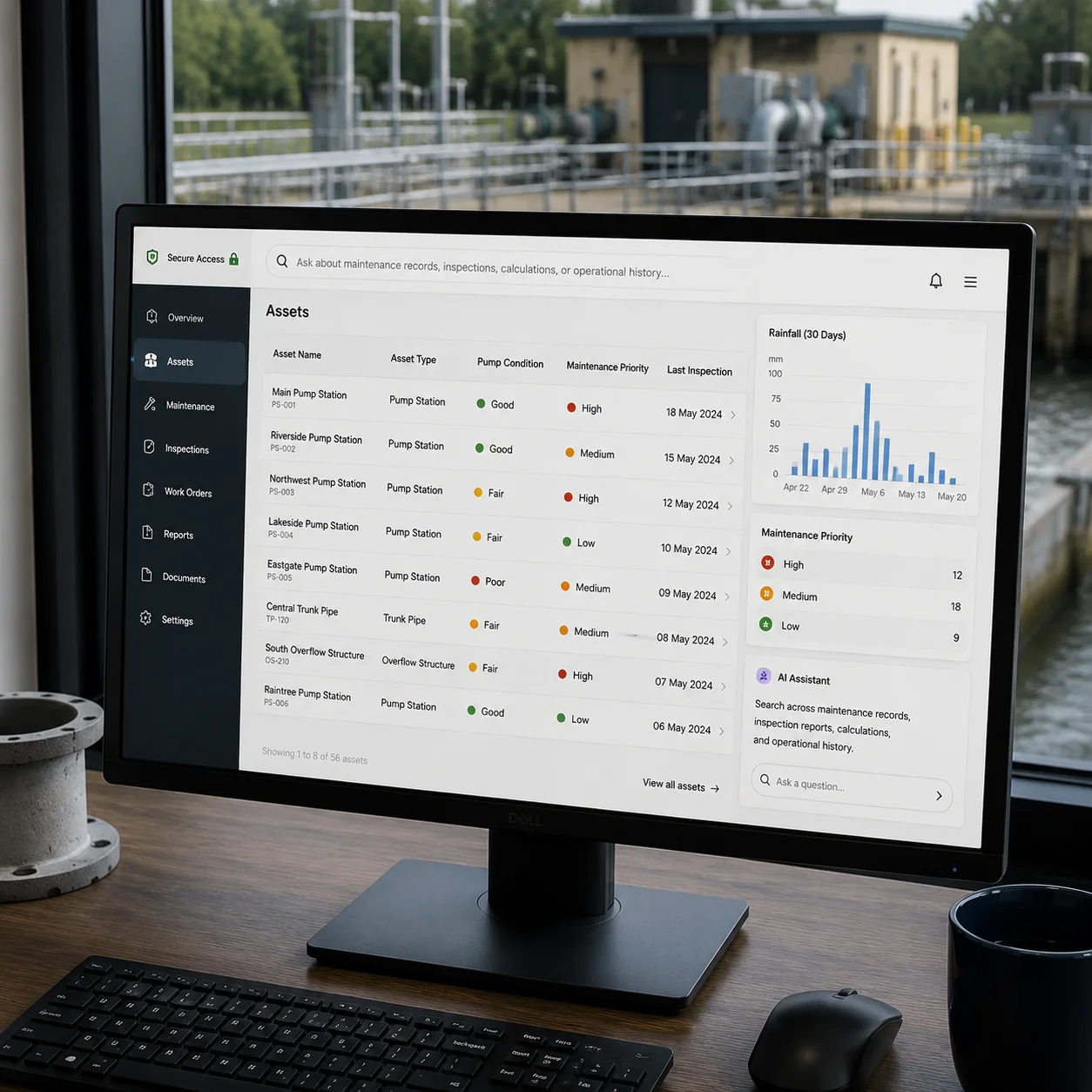
Enterprise KI-løsninger
Lignende prosjekter
Oppdag flere innovative prosjekter:





Gode
Løsninger
Starter Med En SamtaleGode Løsninger Starter Med En Samtale
Vil du utforske hvordan våre tjenester kan få bedriften din til å vokse?
Kunstig intelligens i bygg- og anleggsteknikk
En overvåket viadukt kan generere flere målinger på én dag enn rådgivende ingeniører rekker å gjennomgå på en måned. Kunstig intelligens for bygg og anlegg løser dette misforholdet. Prosjekter produserer enorme mengder måledata som i liten grad utnyttes i beslutningsprosesser. AI-metoder omsetter disse ubrukte dataene til verdifull beslutningsstøtte gjennom prosjektering, planlegging, bygging og forvaltning, drift og vedlikehold (FDV).
NEXATEK anser disse metodene som en integrert del av den digitale transformasjonen i bygg- og anleggssektoren. En modell der resonnementene ikke kan etterprøves, utgjør en betydelig risiko i ingeniørarbeid. Gjennomsiktighet må alltid gå foran kompleksitet.
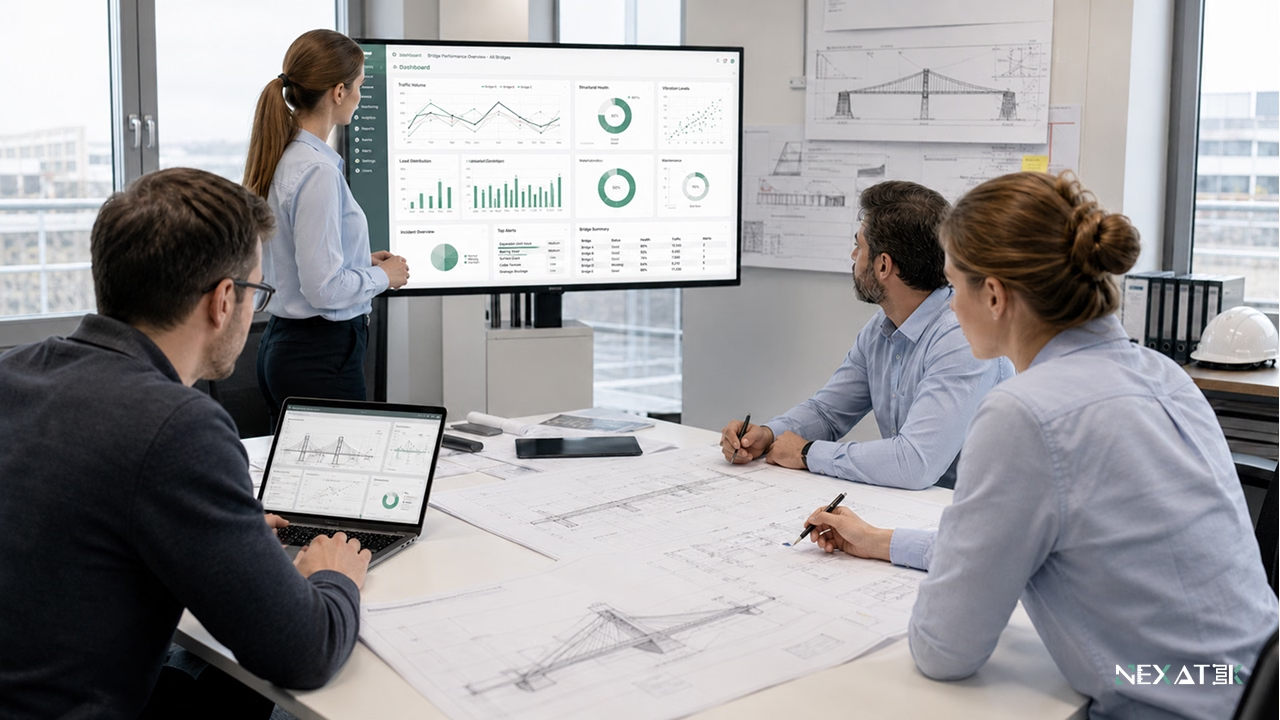
Hva kunstig intelligens innebærer i bygg- og anleggsfagene
I en ingeniørsammenheng beskriver kunstig intelligens datasystemer som utfører oppgaver som normalt krever menneskelig skjønn, som å gjenkjenne mønstre i måleserier eller forutsi en konstruksjons respons på ytre laster. Konvensjonell programvare følger forhåndsdefinerte regler. Maskinlæring i ingeniørfagene fungerer omvendt: Modellen utleder regler basert på data, og treffsikkerheten øker i takt med at nye prosjektdata og sensoravlesninger mates inn.
Typiske ingeniøroppgaver kan knyttes til tre modelltyper. Setningsberegninger er regresjon. Sortering av inspeksjonsfoto er klassifisering. Sekvensering av leveranser under hensyn til heisekraner og herdetider er optimalisering. Disse modellene forstår ikke mekanikk; de generaliserer ut fra historiske data og eksempler.
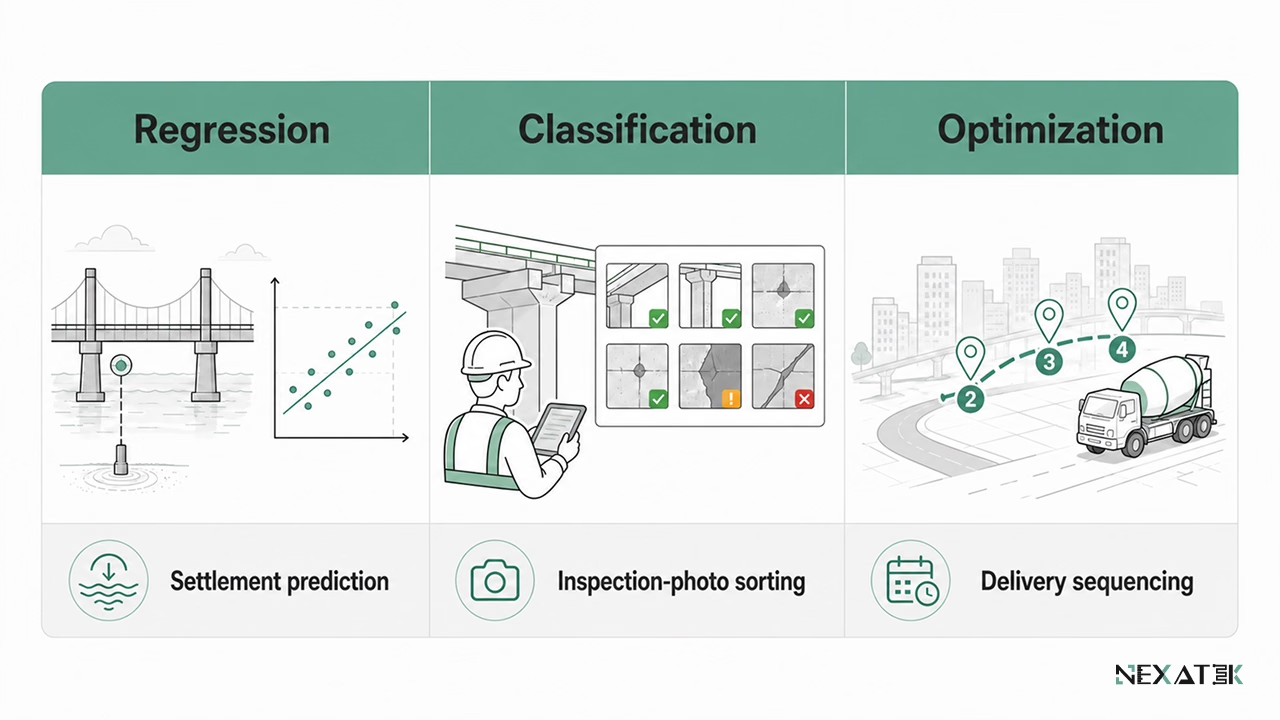 Vanlige AI-oppgaver innen bygg og anlegg deles inn i regresjons-, klassifiserings- og optimaliseringsmodeller.
AI i bygg- og anleggssektoren erstatter ikke ingeniøren. Verktøyene fungerer som intelligente beslutningsstøttesystemer. De fjerner støyen fra store datamengder, slik at ingeniørens faglige skjønn kan rettes mot de reelle avvikene – for eksempel en tøyningsmåling som bryter med det etablerte sesongmønsteret.
Hvorfor kunstig intelligens er relevant for bygg og anlegg
To utviklingstrekk driver bransjen mot datadrevet prosjektering og utførelse: Datamengdene har vokst fra kapasiteten for manuell kontroll, og regelbaserte verktøy mangler fleksibiliteten som kreves for å håndtere variasjonene på en reell byggeplass.
Datatunge ingeniørprosesser
Rehabiliteringen av en viadukt illustrerer omfanget av utfordringen. Konstruksjonen var utstyrt med rundt 400 svingetrådtøyningsmålere og termoelementer som logget data kontinuerlig. Manuell gjennomgang av disse datastrømmene var umulig i praksis. Prosjektteamet tok ukentlige stikkprøver og måtte akseptere usikkerheten i tidsrommene imellom.
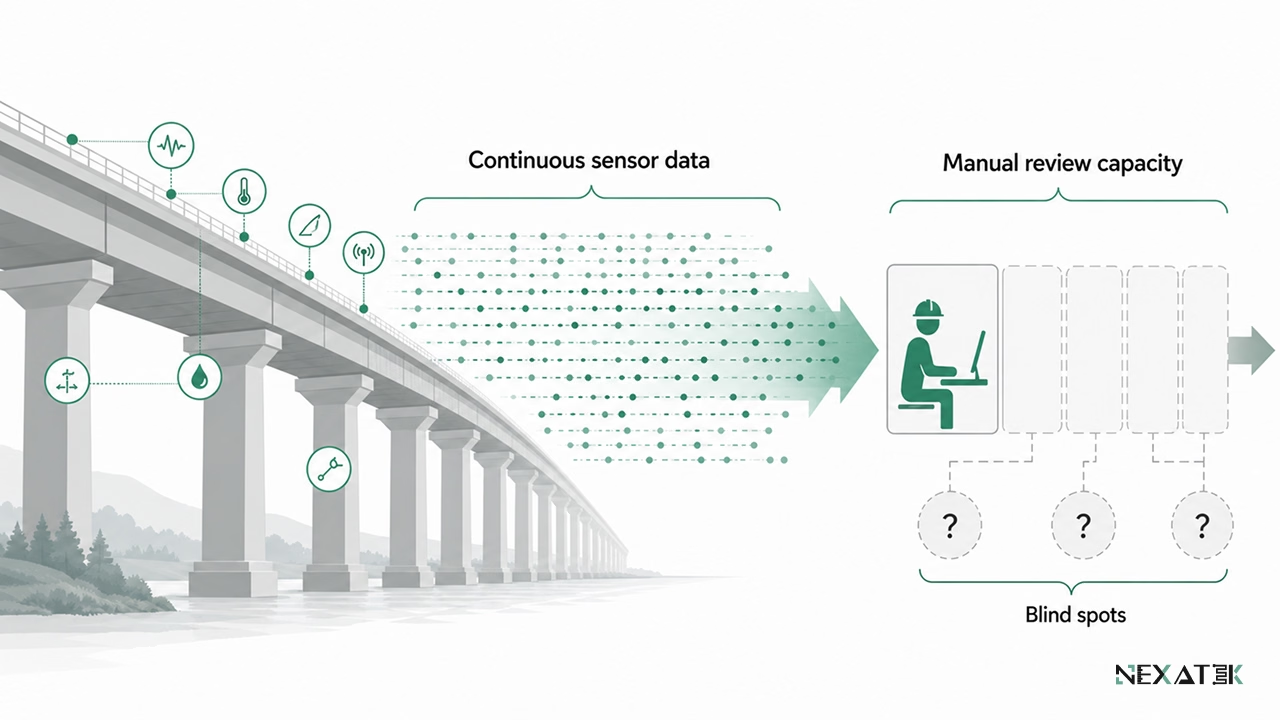 Kontinuerlig overvåking genererer mer data enn manuell kontroll håndterer på en pålitelig måte.
En automatisert arbeidsflyt for avviksdeteksjon endret forutsetningene. Systemet isolerte en lokal termisk utvidelseseffekt som sykliske trafikkvibrasjoner tidligere hadde maskert, og kuttet cirka tre uker med manuell feilsøking.
Begrensninger ved manuelle og regelbaserte metoder
Regelbasert programvare er sårbar. Kontroller via regneark fungerer inntil de møter rammebetingelser utvikleren ikke forutså – og en byggeplass byr på slike situasjoner daglig. Værvinduer forskyver seg. Materialegenskaper har spredning rundt deklarerte verdier, og arbeidslag må justere rekkefølgen av praktiske årsaker.
Programvare som forutsetter et lukket og statisk system, svikter ofte ubemerket på et brudekke eller i en tunnelstross. Svakosvikt viser seg sjelden som en feilmelding, men heller som et tilsynelatende plausibelt tall ingen stiller spørsmål ved.
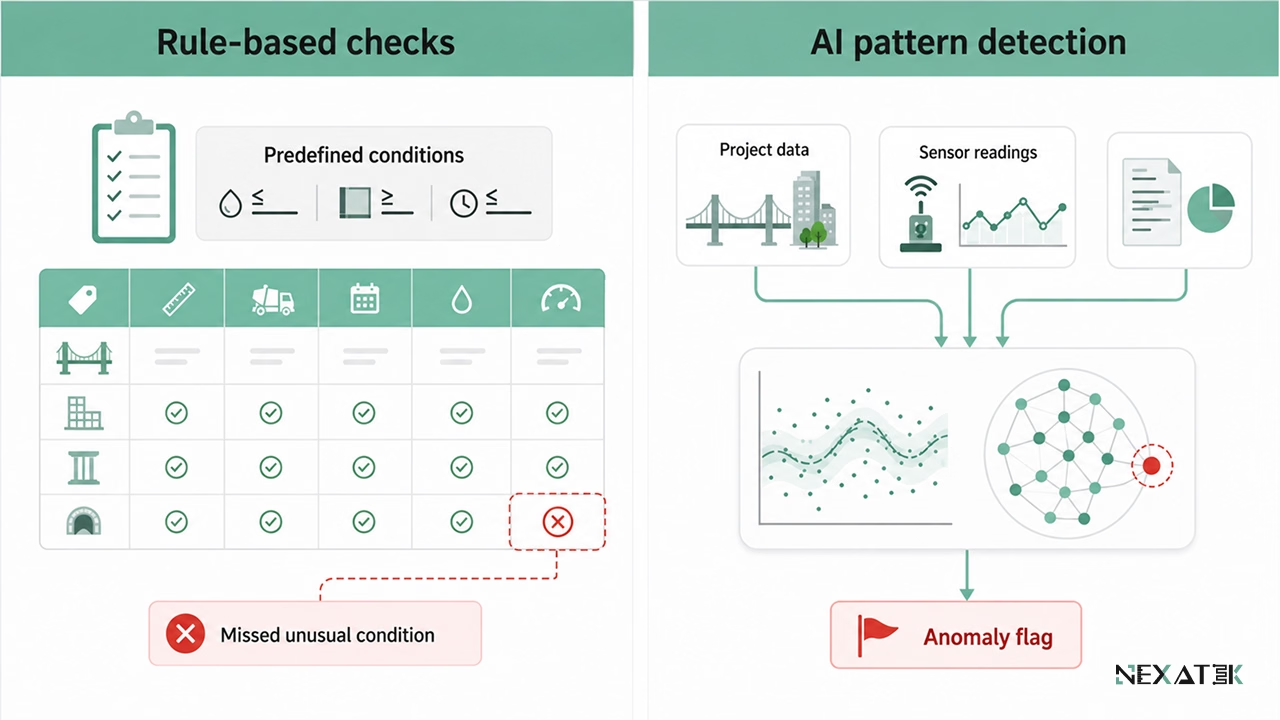 Regelbaserte verktøy krever forhåndsdefinerte betingelser, mens AI-modeller avdekker mønstre direkte fra prosjektdata.
Kjerneområder for AI i bygg og anlegg
Uavhengig av markedsføringsord samler praktiske AI-løsninger seg der det allerede finnes store datamengder. Fire kjerneområder skiller seg ut, og til sammen dekker de metoder for kunstig intelligens og deres anvendelse gjennom hele livssyklusen til et byggverk.
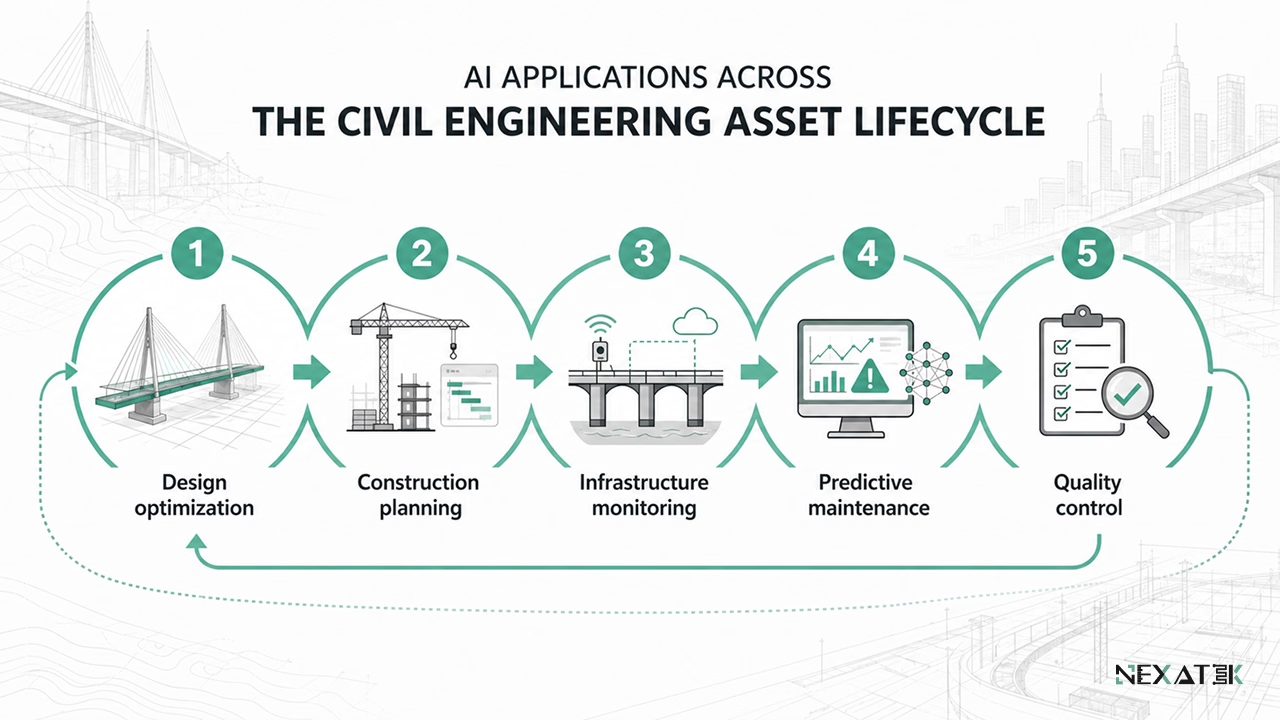 AI-løsninger støtter prosjektering, bygging, overvåking, vedlikehold og kvalitetskontroll gjennom hele livsløpet.
Designoptimalisering og konstruksjonsanalyse
Generativt design misoppfattes ofte som et rent formmessig verktøy. I konstruksjonsteknikk fungerer det som en avansert søkemetode. En tilpasset AI-modell kan evaluere tusenvis av fagverks- eller rammekonfigurasjoner opp mot en gitt sikkerhetsfaktor og rangere dem etter materialforbruk. På komplekse stålgeometrier har slike analyser resultert i løsninger som er 15 til 20 prosent lettere enn det første manuelle forslaget – der hver variant fortsatt verifiseres med tradisjonelle beregninger.
Byggeplassplanlegging og anleggslogistikk
Logistikken på en byggeplass er et puslespill med hundrevis av samvirkende variabler. I et jernbaneprosjekt synkroniserte kunstig intelligens leveransene av prefabrikkerte betongelementer med tilgjengelig kranløftkapasitet. Da kraftig nedbør stanset heiseoperasjonene, omberegnet modellen rundt 500 leveransevariabler på sekunder og prioriterte elementene med lengst herdetid. En prosjektplanlegger ville brukt opp mot et døgn på å utarbeide en ny plan for hånd; modellen løste det umiddelbart.
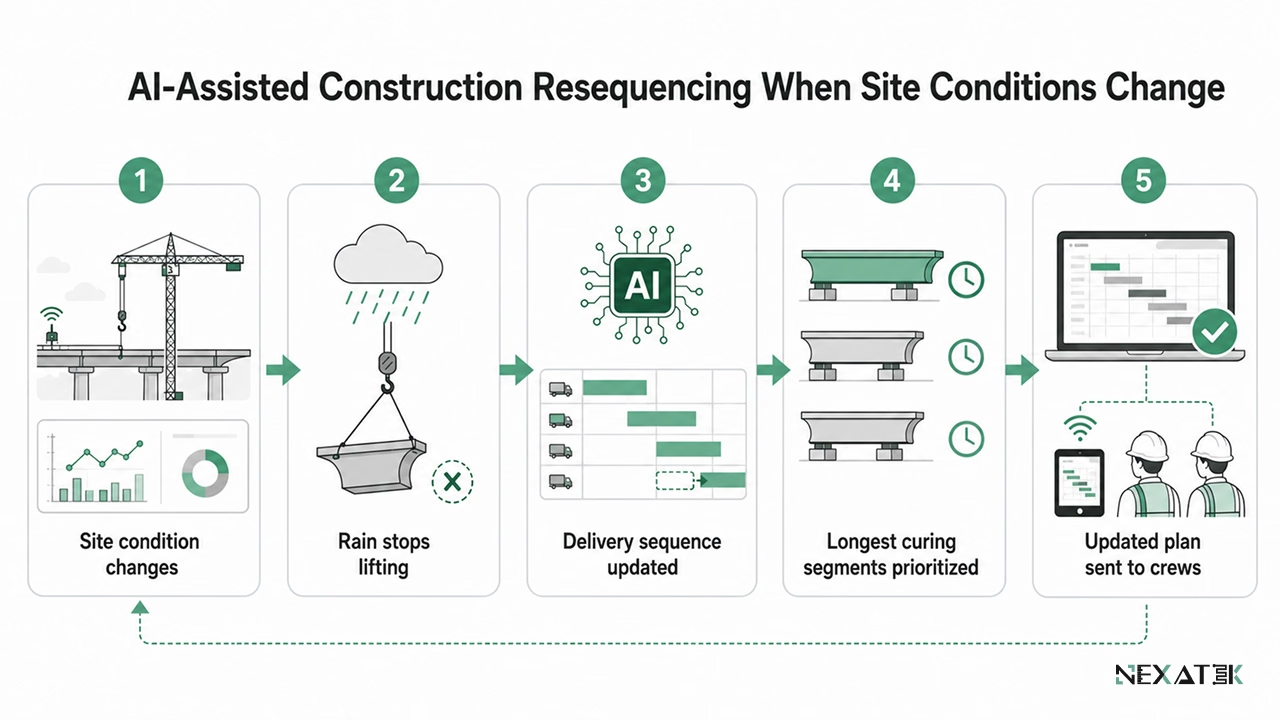 AI-assistert planlegging oppdaterer leveranseprioriteringer og arbeidslag straks forutsetningene på byggeplassen endrer seg.
Slike omstillinger mates rett inn i automatisering av byggeprosesser, slik at den reviderte planen når frem til alle arbeidslag uten tidkrevende runder med telefonsamtaler.
Konstruksjonsovervåking og tilstandsbasert vedlikehold
Mesteparten av eksisterende brumasse forvaltes fremdeles etter en reaktiv modell: utbedring etter oppstått skade. Prediktive ingeniørmodeller snur denne praksisen. Trent på data fra akustisk emisjon og fuktinntrengning kan en modell påvise begynnende armeringskorrosjon år før visuelle inspeksjoner avdekker de første rissene.
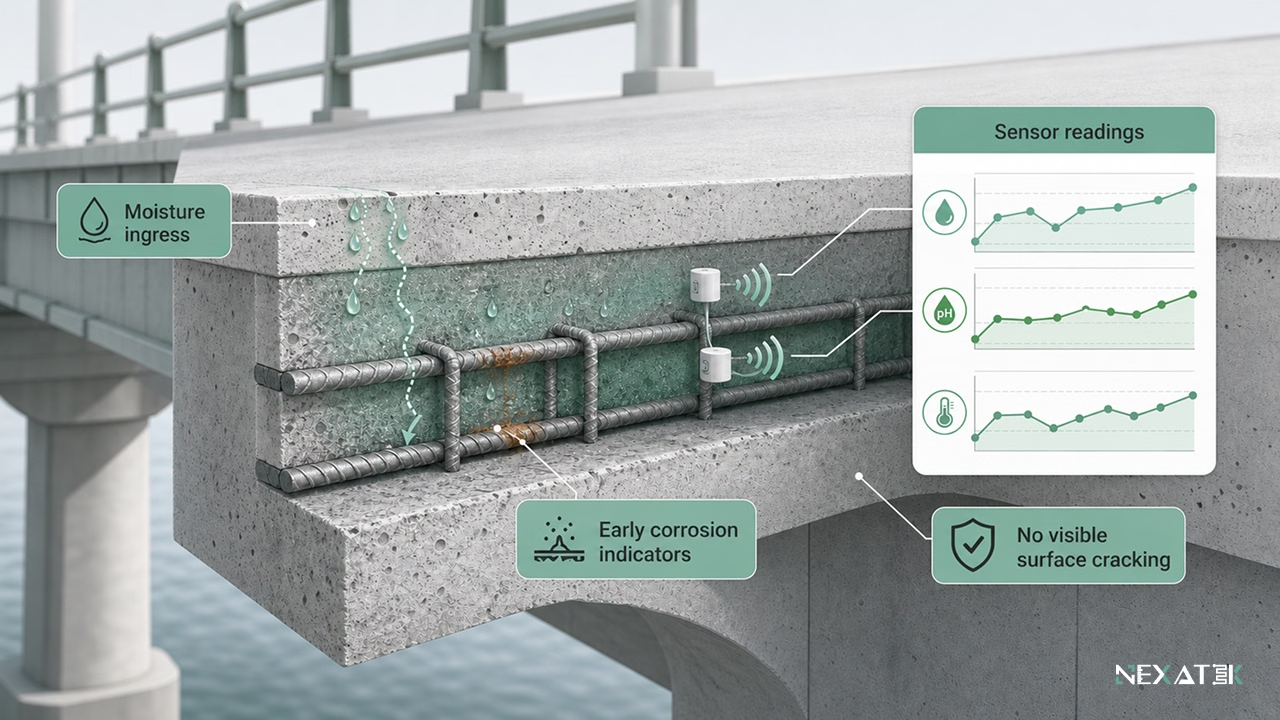 Prediktive modeller avdekker tidlige tegn til nedbrytning lenge før skader blir synlige ved inspeksjon.
Kostnadsforskjellen er formidabel: en tidlig overflatebehandling eller kloridstoppende tiltak målt mot en omfattende utskifting av brudekket. AI-løsninger for infrastruktur rettes derfor særlig mot anleggskonstruksjoner med lang levetid, der én unngått rehabilitering kan finansiere hele overvåkingssystemet.
Kvalitetskontroll og avviksdeteksjon
Betong er et av de mest variable materialene på en byggeplass. Et lass levert klokken 08:00 og et annet levert klokken 14:00 på en varm sommerdag kan ha ulikt vannbehov som påvirker 28-døgns fasthet. Modeller trent på blandeverksdata identifiserer risikolaster før utstøping, i stedet for i etterkant via en underkjent terningtest. Tilsvarende analysemetoder benyttes til tolkning av sveisekontroller og komprimeringsdata ved asfaltering.
Kunstig intelligens mot tradisjonelle ingeniørmetoder
En utbredt bekymring i ingeniørmiljøer er at kunstig intelligens skal fortrenge elementmetoden (FEM) og etablerte beregningsstandarder. En slik sammenligning beror på en misforståelse av hva metodene faktisk gjør.
Der tradisjonelle metoder forblir uunnværlige
Fysikkbaserte beregninger forblir den endelige referansen for konstruksjonssikkerhet. Likevekt og verifiserte materialmodeller er ufravikelige krav; statistiske mønstre kan aldri overstyre disse. Tradisjonelle beregninger bærer også bevisbyrden, ettersom hver linje i en elementanalyse kan etterprøves og dokumenteres faglig. Et AI-estimat som berører konstruksjonssikkerheten innlemmes først i prosjekteringsgrunnlaget etter verifisering med etablerte metoder.
Der AI gir supplerende ingeniørfaglig innsikt
AI tilfører verdi i gråsonene på et prosjekt. Det som faktisk bygges (as-built), stemmer sjelden hundre prosent med forutsetningene fra tegnebordet (as-designed). Reelle trafikklaster varierer, og materialparametere i den ferdige konstruksjonen avviker fra prosjekteringsverdiene. Å modellere samtlige slike avvik analytisk med ren fysikk er for kostbart i hverdagen; her kan kalibrerte modeller estimere virkningen basert på reelle sensordata.
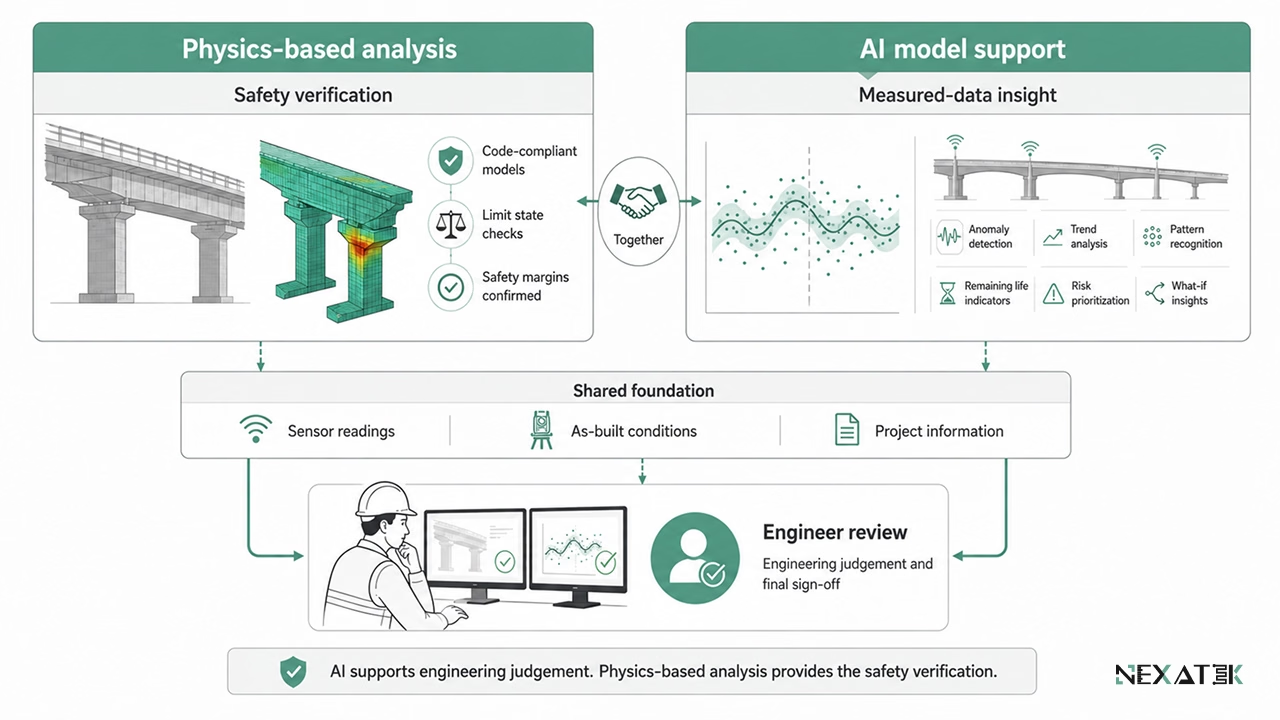 Tradisjonelle metoder dokumenterer sikkerheten, mens AI-modeller bidrar til å tolke reell konstruksjonsoppførsel.
Å kalibrere en slik modell mot målinger fra byggeplassen er en kjerneoppgave innen anvendt ingeniørforskning. I modne miljøer utfordrer AI forutsetningene det opprinnelige designet hvilte på, mens de etablerte beregningsmetodene beholder det avgjørende ordet.
Implementering av AI i eksisterende arbeidsprosesser
Implementering stopper oftere opp på grunn av systemintegrasjon enn på grunn av selve modellene. En modell som opererer i en separat nettleserfane – isolert fra CAD- og prosjektstyringsverktøyene ingeniørene bruker daglig – mister sin verdi i løpet av få uker.
Dataklargjøring og datakilder
Data fra bygg og anlegg er ofte ustrukturerte ved mottak. Byggelogger foreligger i skannede PDF-filer, laboratorieresultater i fragmenterte regneark, og hver sensorprodusent benytter egne formater. En modell som mates med slike rådata gir resultater med falsk trygghet – noe som er farligere enn å ikke ha noen modell i det hele tatt.
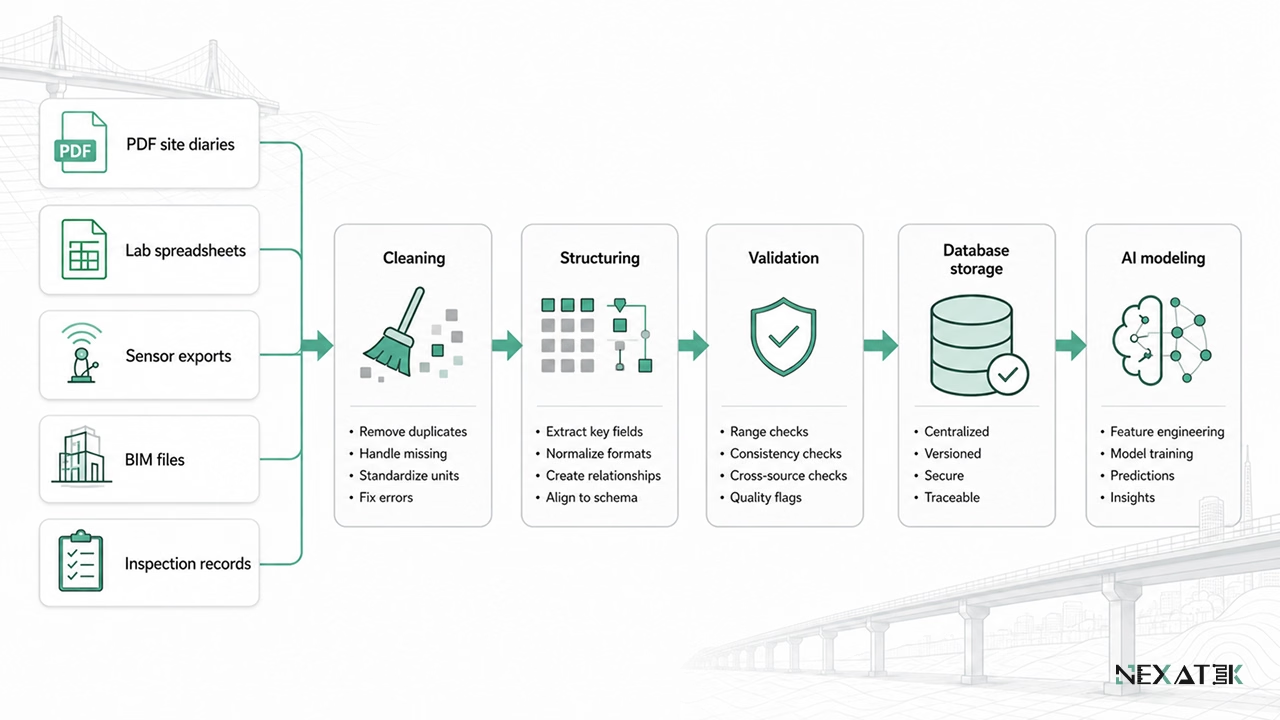 Pålitelig AI forutsetter strukturerte formater, enhetlige standarder og kvalitetssikrede prosjektdata.
Å strukturere disse kildene til en helhetlig database er den første store arbeidspakken, og utgjør kjernen i skreddersydd databaseutvikling for tekniske miljøer. Virksomheter må forvente at datavask og tilrettelegging krever mer ressurser enn selve modellutviklingen.
Menneskelig kontroll og kvalitetssikring
Ethvert modellresultat er et løsningsforslag, ikke et vedtatt faktum. Ingeniører må ettergå resultatene på samme måte som beregninger fra en fersk kollega: vurdere rimelighet først, konsekvenser deretter. Dersom en modell foreslår 12 prosent mindre armering i en opplagringsbjelke, må kontrollspørsmålet alltid være hvorfor – og resonnementet må tåle en uavhengig tredjepartskontroll.
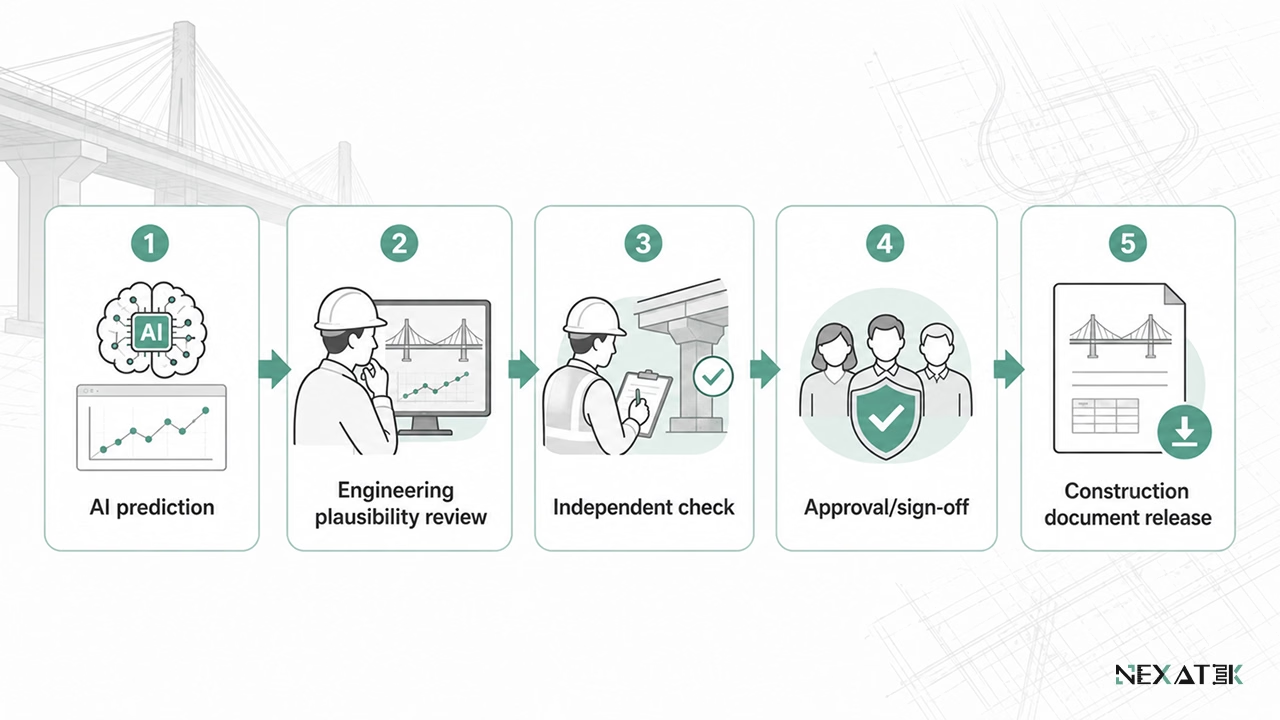 Resultater fra AI må gjennom faglig vurdering og godkjenning før de innarbeides i tegningsgrunnlag og beskrivelser.
NEXATEK bygger denne kontrollen direkte inn i arbeidsflyten. Et automatisert estimat kan ikke eksporteres til et arbeidsunderlag før en ansvarlig ingeniør formelt har godkjent det.
Integrasjon med etablerte fagsystemer
Prosessoptimalisering med AI fungerer bare dersom modellen kobles mot programmene som allerede benyttes. Dataene må leveres rett inn i BIM-modellen eller FDV-databasen der beslutningene fattes, i stedet for å forbli i en separat rapport. En tjeneste innen programvareutvikling for AI vurderes etter hvor sømløst den lar ingeniørene beholde sine etablerte arbeidsrutiner.
Hos NEXATEK starter integrasjonsprosessen med en grundig gjennomgang av dataformatene som allerede er i bruk – fra BIM-eksport til inklinometerlogger – fordi modellen må kunne prosessere dataene i sitt opprinnelige format.
Bruksområder i byggenæringens verdikjede
Plasseringen i verdikjeden avgjør hvor den største verdien av AI ligger. En betongelementfabrikk og et rådgivende ingeniørkontor har vidt forskjellige behov.
Materialprodusenter og produksjonsoptimalisering
Produksjonsdata er produsentens fremste fortrinn. Modeller trent på batchhistorikk og trykkfasthetsprøver kan finjustere en betongresept tettere opp mot fasthetskravet, i stedet for å overdosere sement for å sikre marginer. Dette gir lavere sementforbruk, og ettersom sement utgjør størstedelen av betongens bundne karbon, gir det umiddelbare utslag i CO2-regnskap og sporing per kubikkmeter.
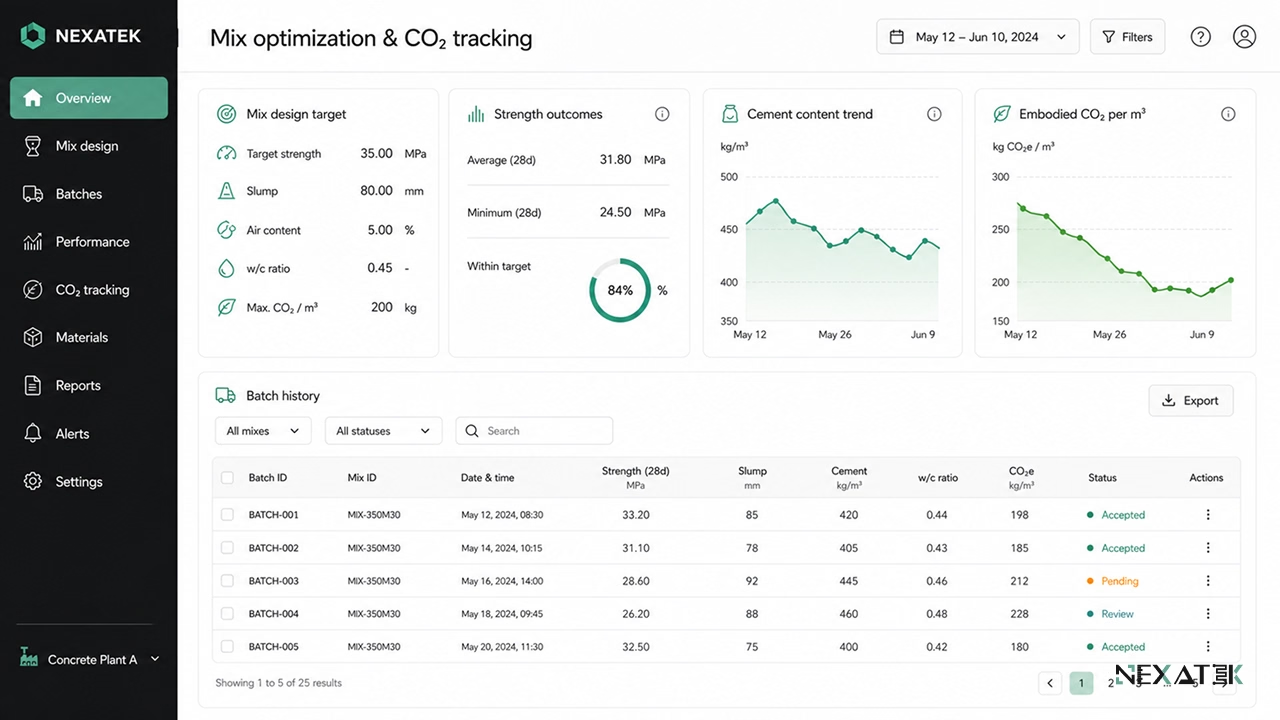 Produksjonsdata knytter reseptmål, fasthetsresultater og bundet CO2 sammen i et helhetlig instrumentpanel.
De samme modellene kan reverseres for produksjonsplanlegging: Gitt en fastsatt fasthetsklasse og leveringsdato foreslår de batchparametrene som historisk har gitt den høyeste treffsikkerheten.
Entreprenører og anleggsvirksomheter
For entreprenøren fungerer AI først og fremst som risikostyring. Fremdriftsforsinkelser skyldes sjelden én dramatisk hendelse; de bygges opp av titalls små forskyvninger i leveranser og værvinduer. AI-verktøy for anleggsplassen overvåker disse mønstrene i sanntidsdata og varsler om kombinasjoner som tidligere har ledet til forsinkelser.
Dette gir mulighet for proaktive tiltak – uker før utfordringene blir synlige i en månedsrapport.
Rådgivende ingeniørselskaper
Rådgivende selskaper kan videreutvikle sine leveranser. En tradisjonell tegningspakke markerer slutten på et oppdrag; en kalibrert prediktiv modell utvider leveransen over konstruksjonens levetid på 50 år eller mer. Prosjekteringsforutsetninger og målte tilstandsdata forblir sammenkoblet lenge etter overlevering, og spredte prosjekterfaringer samles til et helhetlig teknisk kunnskapsarkiv.
Spørsmål som tidligere krevde leting i gamle prosjektarkiver og PDF-dokumenter, besvares direkte fra den dynamiske modellen: Hvilke laster ble lagt til grunn, og hvordan har konstruksjonen faktisk oppført seg over tid?