
R&D Consulting in Civil Engineering
Build a strong scientific and technical foundation to support your company's solutions.
Modeling & Simulation
Data Science, Insights and equation developments

Scientific Communication

Scientific Database
Frequently Asked Questions
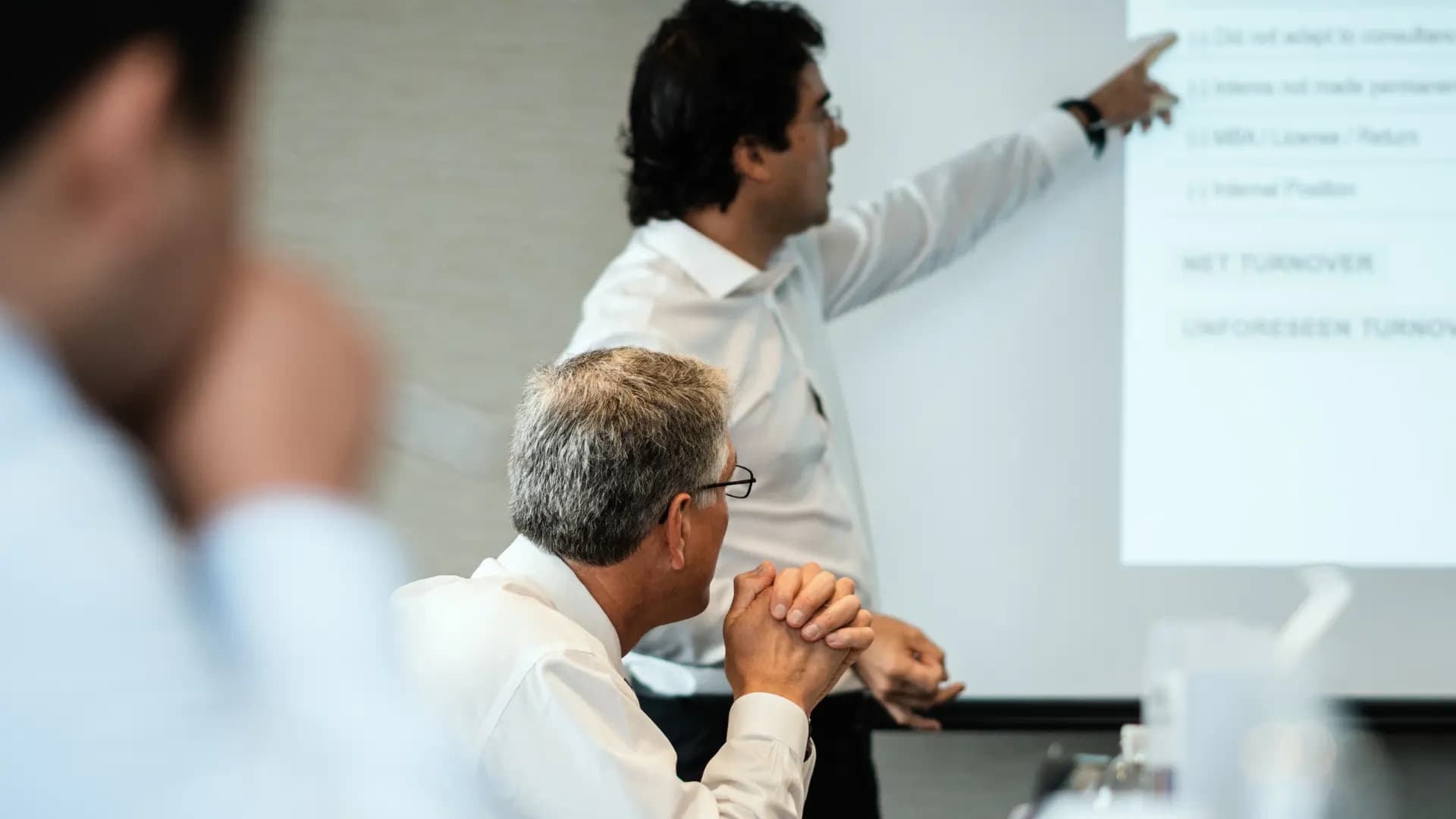
NEXATEK's R&D Consultancy is a service designed to provide civil engineering companies with a strong scientific and technical foundation to develop reliable design models and solutions for companies. It includes application of different methods e.g. modeling & simulation, data science, mathematical model development, scientific communication, publication and presence at conference etc.
Using numerical, empirical and analytical models, NEXATEK builds computer-based simulations and theoretical solutions to analyze complex civil engineering systems. This helps predict behaviors, optimize designs, and reduce risk.
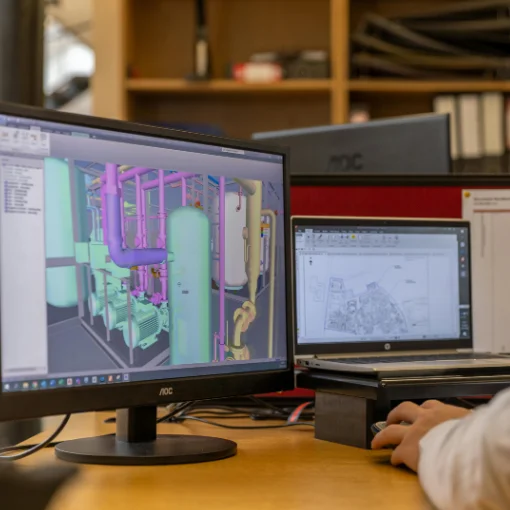
NEXATEK processes and analyzes data (collecting, cleaning, evaluating) to extract meaningful patterns. They then interpret this data to turn it into actionable insights, support decision-making, and develop mathematical models tailored to civil engineering challenges.
NEXATEK designs mathematical frameworks that map real-world civil engineering processes, which allows clients to predict system behavior, test “what-if” scenarios, and optimize engineering solutions.
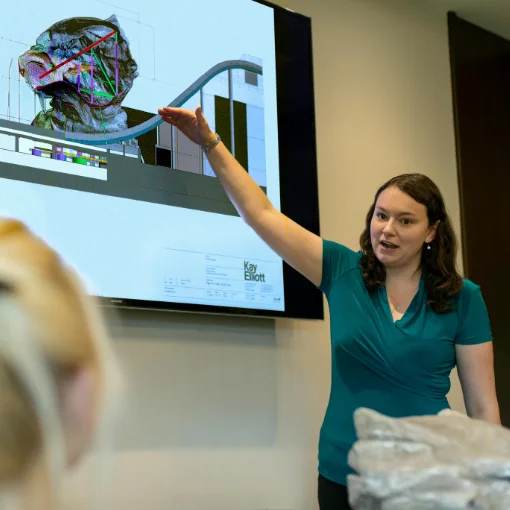
Yes. NEXATEK collaborates with several internationally recognized research institutes and universities to conduct advanced scientific research in the civil engineering field. Through these partnerships, NEXATEK ensures that high-quality, evidence-based, and industry-relevant results are developed to support your company’s engineering challenges and innovation goals.
Similar Projects
Discover more innovative projects:

Great
Solutions
Start With A ConversationGreat Solutions Start With A Conversation
Want to Explore How Our Services Can Grow Your Company?
R&D in Civil Engineering: Research and Development for Infrastructure, Materials, and Construction
Some projects reach the limit of standard design rules: a bridge deck facing 50 winters of de-icing salt, or a tower geometry no published code covers. R&D in civil engineering closes that gap. It is the systematic investigation of materials, structural behavior, and construction methods before a solution reaches site. The purpose is to confirm safety and performance where established rules give no answer.
NEXATEK treats this work as an engineering function rather than an academic exercise. The output of a research task is not a paper. It is verified design data a project team can build with.
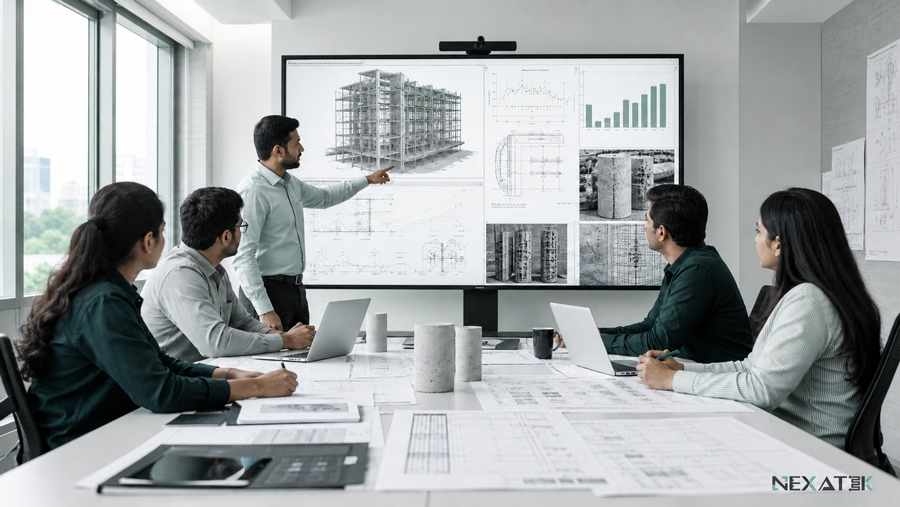
Applied R&D helps engineering teams move from unresolved technical limits to verified design data.
What R&D Means in Civil Engineering?
Academic research looks for general principles. Applied engineering research targets one constraint on one project. A university studies how chloride moves through concrete. The project team, in contrast, needs to know whether one specific mix protects the rebar of a tidal-zone pier for 100 years. Both rely on the same science. Only the second question produces a number an engineer can sign.
In practice, civil engineering research and development means structured testing and validation against acceptance criteria fixed in advance. A team might validate a novel connection detail, or measure how a material behaves under a load case its supplier never documented. The deliverable is design data: a characteristic strength or a diffusion coefficient. Uncertainty becomes quantified, calculated risk.
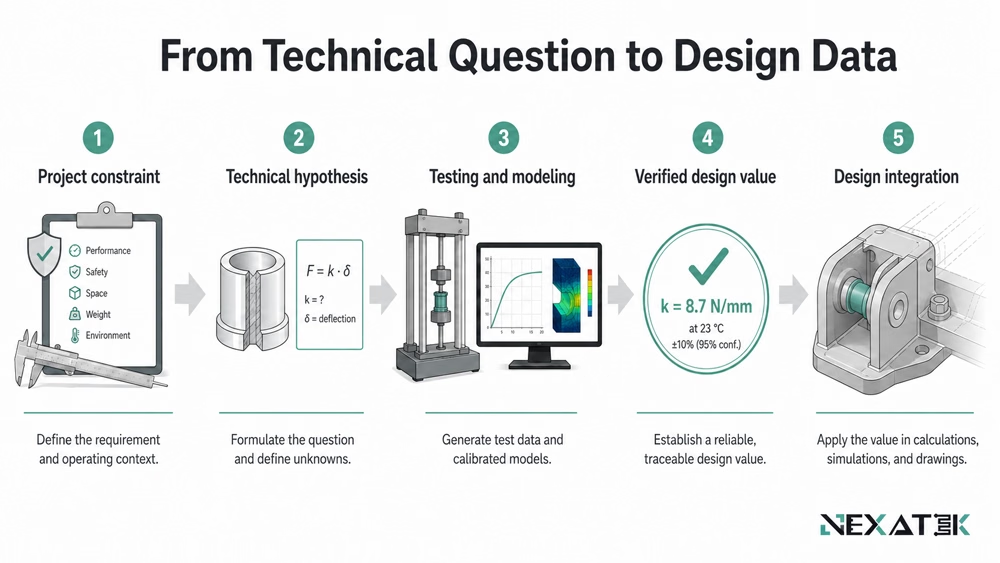
Applied research turns a project-specific uncertainty into measurable values that engineers can use in design.
Role of Research and Development in Modern Civil Engineering
Construction operates on thin margins and high liability, so firms adopt new methods slowly. The caution is rational. A defective software feature gets patched in a week, while a defective bridge bearing stays in service for decades.
Applied research exists inside engineering firms to make innovation defensible. A research and development engineering consultant validates performance before a method enters a tender: lightweight fill over weak soils, or a corrosion-resistant reinforcement detail for a marine jetty. Verified test data turns a promising idea into a method an approving authority can examine and accept. Validating early also prevents the expensive retrofit that follows a failure discovered during construction.
R&D vs. Traditional Engineering Design
Traditional design is deductive. The engineer inserts known parameters into established design rules and reads off a safe section size. Every step is auditable.
Research is inductive and iterative. It applies where published guidance is silent. If a project needs a composite deck material with no tabulated design values, design work stalls. A test program then establishes the performance limits, and those limits become the design allowables. After that handover, the work reverts to ordinary design. R&D produces the numbers. Design consumes them.
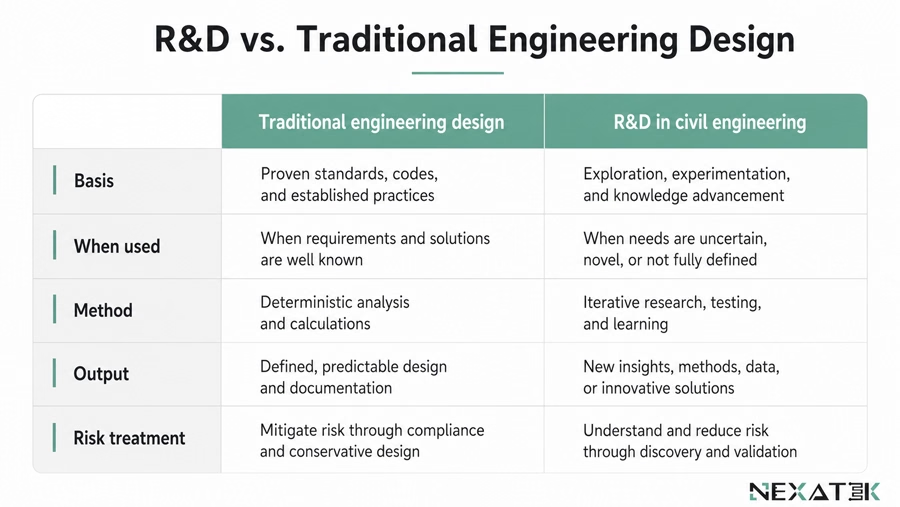
This table can compare deductive design work with iterative research work, showing when each approach is used and what each one produces.
Key Areas of R&D in Civil Engineering
R&D for the construction industry spans every scale, from binder chemistry to the aerodynamic response of long-span bridges. Four areas account for most of the activity.
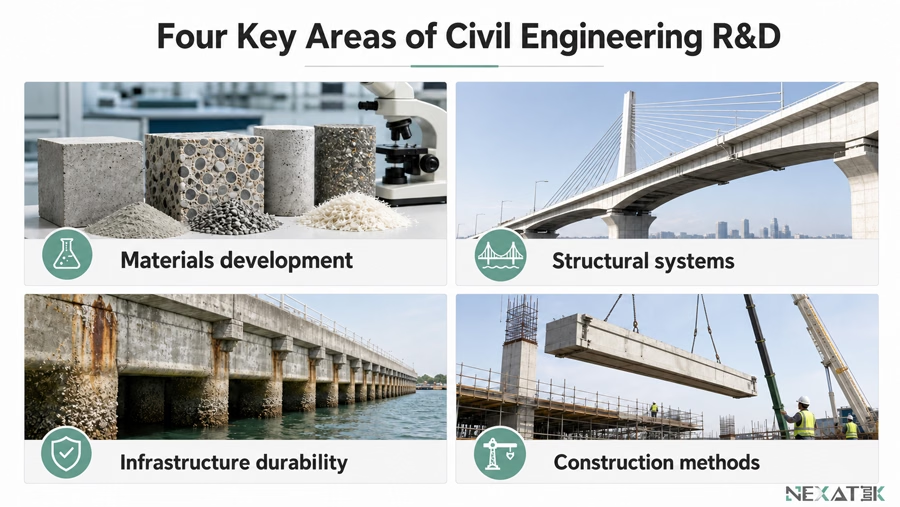 Civil engineering R&D can support materials, structural systems, infrastructure durability, and construction methods.
Materials and Construction Materials Development
Concrete remains the most consumed construction material on the planet, and it is still being reformulated. Much current work concerns supplementary cementitious materials such as fly ash, slag, calcined clay, and silica fume. A binder that cuts clinker content by 30 percent changes both cost and carbon, so mix development now runs alongside CO2 tracking.
Material performance testing extends well past binder chemistry. Self-consolidating and ultra-high-performance concretes came out of long research cycles and now permit thinner sections and longer spans. Work on self-healing concrete, which closes micro-cracks with bacteria or encapsulated agents, has reached the validation stage. Geotechnical teams test polymer stabilization to raise the bearing capacity of weak soils without mass excavation.
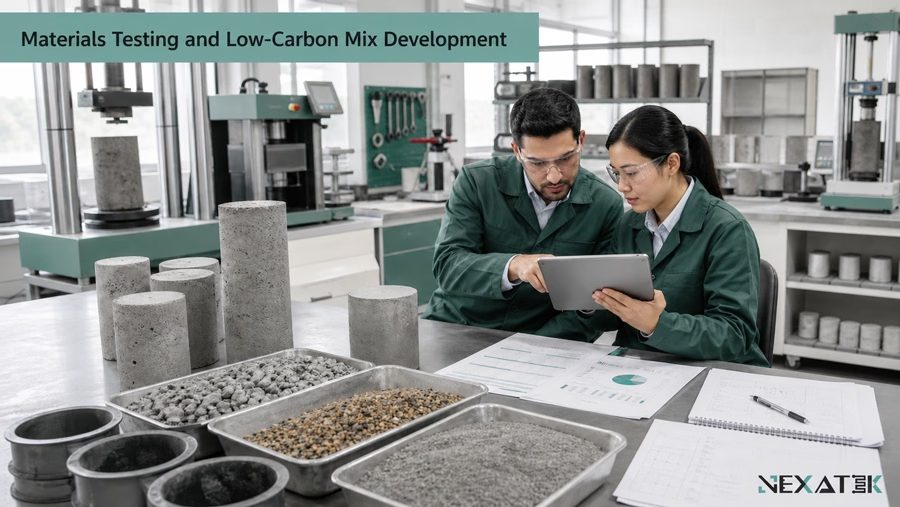
Material R&D connects laboratory testing with cost, carbon, durability, and constructability targets.
Structural Systems and Performance Optimization
Structural optimization methods place material only where stress demands it. Topology optimization strips low-stress volume from a component and leaves an organic, lightweight form. The catch is constructability: every optimized node must still be cast or welded, and its connections must be proven by testing.
Wind engineering is a second active subfield. For tall towers, wind tunnel testing supplies site-specific load data that generic code provisions cannot predict, including cross-wind response and occupant comfort limits.
Infrastructure Systems and Long-Term Durability
Bridges and tunnels age faster than replacement budgets grow. Infrastructure research and development therefore concentrates on structural health monitoring: sensor networks that track vibration, displacement, and corrosion rate in real time. Degradation models translate the readings into a remaining service life for chloride-exposed concrete, so asset owners can schedule intervention years before failure.
NEXATEK applies this diagnostic work to extend the operating life of existing assets. Avoiding a single premature bridge replacement usually outweighs the entire monitoring budget.
Construction Methods and Process Innovation
Execution is the fourth area. Modular construction depends on research into tolerance management, because units produced 1,000 km from site must still align within millimeters. Construction innovation and R&D programs also cover brick-laying robots, automated rebar tying, drone surveying, and 3D-printed elements. For printed walls, interlayer bond strength decides whether the element behaves as one monolithic piece.
R&D Processes in Civil Engineering Projects
Findings carry liability. R&D in civil engineering must therefore hold up in front of an independent checker, which is why the engineering innovation process mirrors the scientific method under project constraints.
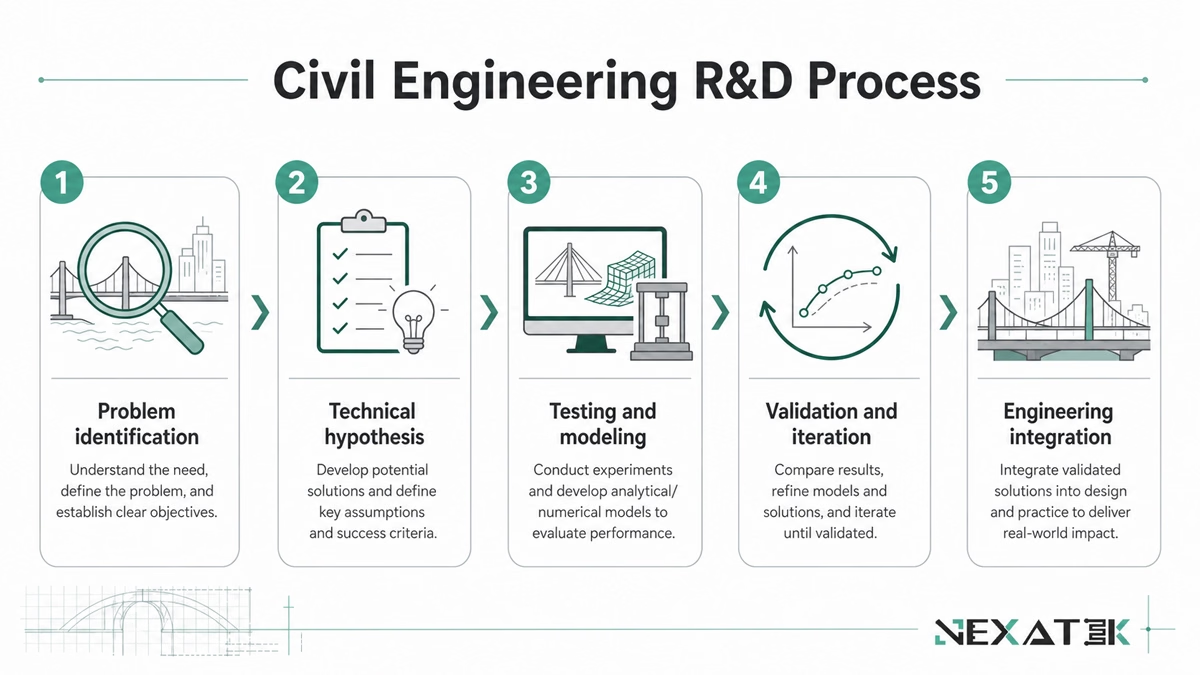
A clear R&D process keeps testing, validation, iteration, and engineering integration auditable.
Problem Identification and Technical Hypothesis
Vague objectives burn budget. A usable research question is narrow: does this recycled-aggregate mix keep enough freeze-thaw resistance for a bridge deck in a wet-freeze climate? The team then writes a technical hypothesis that predicts the outcome from theory. Acceptance criteria are fixed before the first specimen is cast, and the hypothesis filters out irrelevant variables to keep the test matrix affordable.
Testing, Modeling, and Validation
Physical tests produce the anchor data. Crews crush concrete cylinders at 7 and 28 days, or run accelerated weathering across 300 freeze-thaw cycles. In parallel, finite element models simulate conditions too costly to replicate physically, such as a full seismic event on a complete frame.
Calibration ties both strands together. When a laboratory beam fails at 500 kN and the model predicts 502 kN, the model counts as validated and can assess untested load cases. Teams that run frequent parameter studies often wrap such models in custom engineering software, letting one analyst evaluate dozens of variants per day.
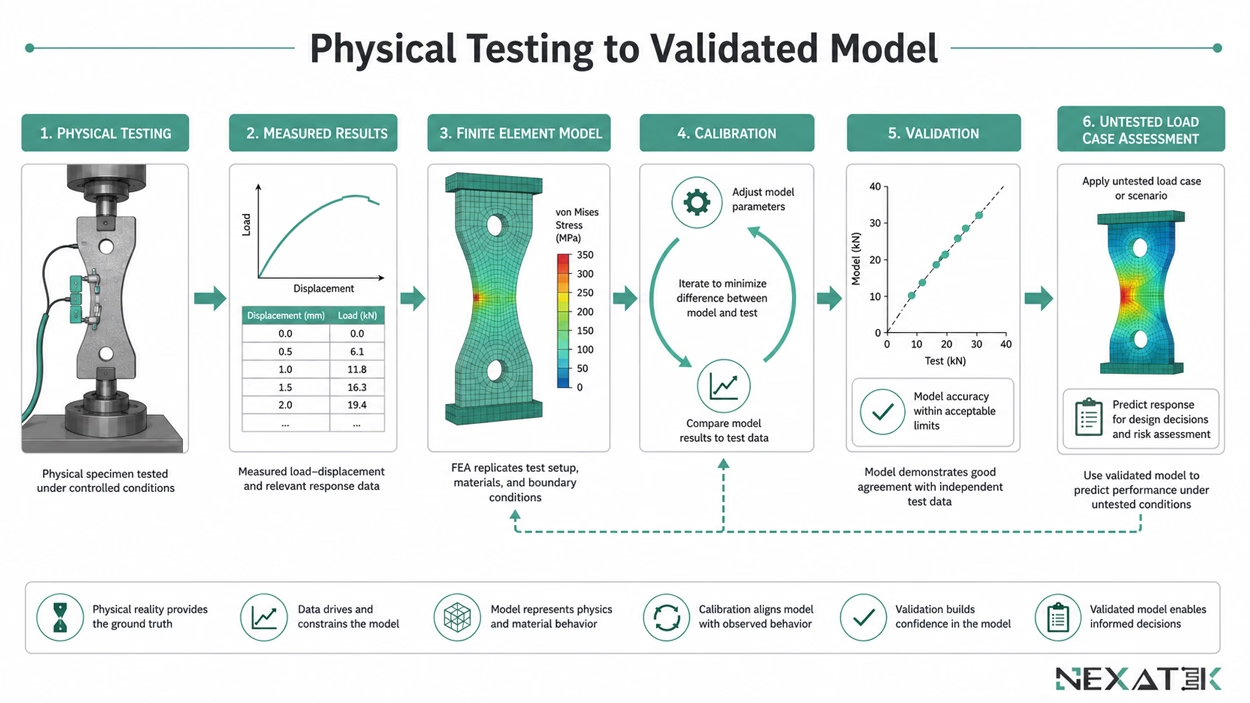
Test results calibrate numerical models, allowing engineers to assess load cases that are difficult or costly to reproduce physically.
Iteration and Engineering Integration
First prototypes rarely pass. When a specimen misses its safety factor, the team examines the failure mode and adjusts one variable, perhaps admixture dosage or joint geometry. Then it retests. Iteration stops once every acceptance criterion is met.
Documentation closes the loop. Findings become a technical report or an internal design guideline, and the validated values feed straight into ordinary design work. At that point the innovation has stopped being experimental.
Practical Applications of R&D in the Construction Industry
Research activity runs along the whole supply chain rather than staying inside laboratories. Three groups apply it differently.
Application in Material Manufacturing
Product manufacturers run the most continuous programs. A cement producer investigates lower kiln temperatures to cut energy cost per tonne of clinker. Steel fabricators develop alloys that combine higher yield strength with better weldability. In both cases the deliverable is the technical data sheet: independent test results that let a designer specify the product with confidence.
Application in Construction and Contracting
Contractors research methods rather than products. One example: a custom formwork system that shortens a high-rise core cycle from six days to four. Full-scale mock-ups are the usual proof, showing the client and the designer that a lifting or assembly method is safe before it goes vertical.
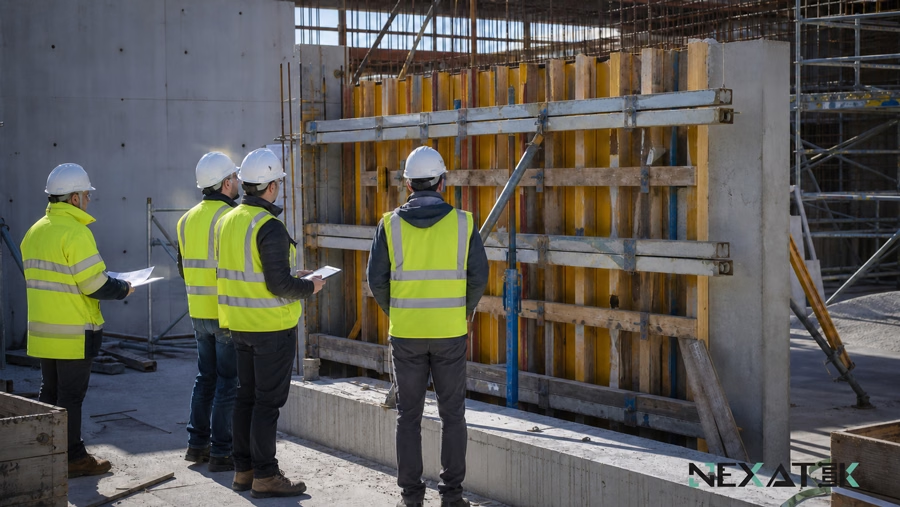
Full-scale mock-ups help contractors prove safety, sequencing, and constructability before a method reaches the active site.
Application in Engineering and Consulting Services
Consulting firms take on the problems nobody has solved yet. Retrofitting a historic structure may demand strengthening that leaves the facade untouched, so the consultant tests compatible mortars and non-intrusive anchorages. NEXATEK structures these engineering R&D services around a single engagement: a defined question, a test plan, raw data, and a report the approving engineer can audit.
R&D as a Capability Within Civil Engineering Organizations
Building a research capability is an organizational decision before it is a technical one. Two operating models dominate, and they suit different firm sizes.
Internal R&D vs. Project-Based R&D
A dedicated internal department suits large organizations. It pursues multi-year goals, such as a proprietary structural system or a firm-wide digital transformation in Civil Engineering, independent of any single project deadline.
Project-based research is tactical. A team forms around one problem and dissolves once it is solved. Smaller firms prefer this model on cost grounds, but knowledge disappears when the project closes. Firms that record outcomes in a structured engineering database keep every tested mix and failed prototype searchable for the next bid.
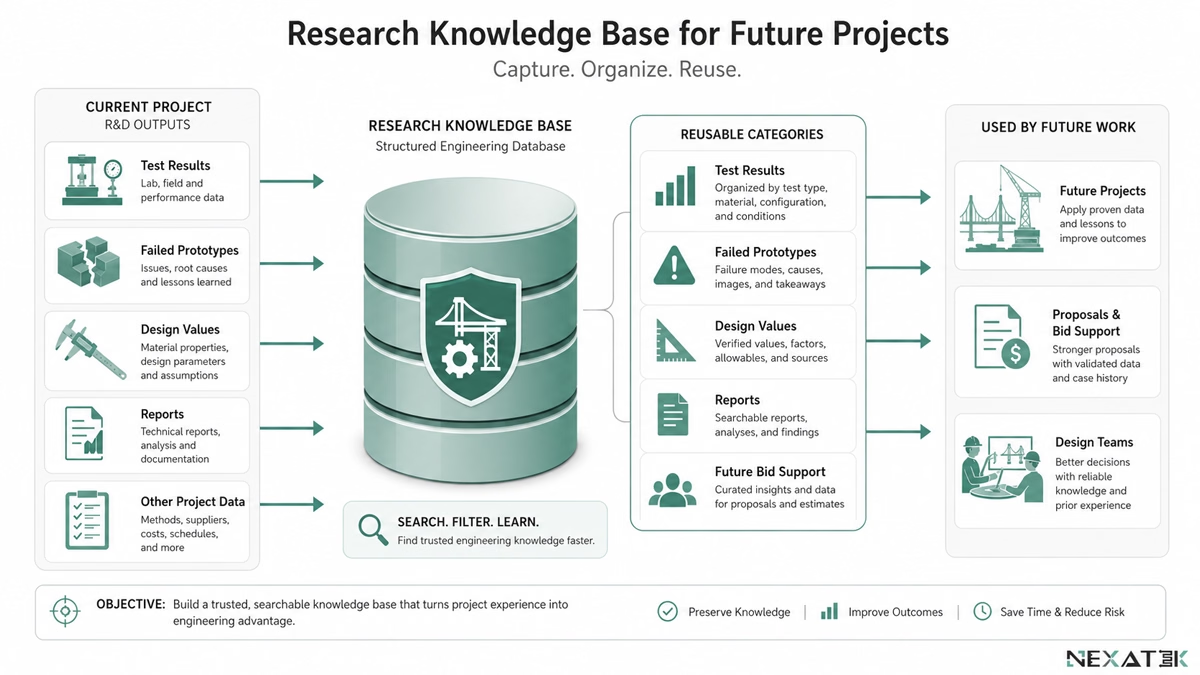
Structured documentation helps project-based research become reusable organizational knowledge.
Required Technical Competencies and Infrastructure
Staffing comes first. A useful researcher pairs theoretical depth with experimental design skill: the ability to isolate one variable in a test matrix and to read the statistics honestly.
Equipment follows the chosen focus. Material work needs loading frames and curing rooms, while computational work needs simulation licenses and serious processing capacity. Many firms close the equipment gap through university partnerships, which keeps internal technical development in construction pointed at commercial application.