
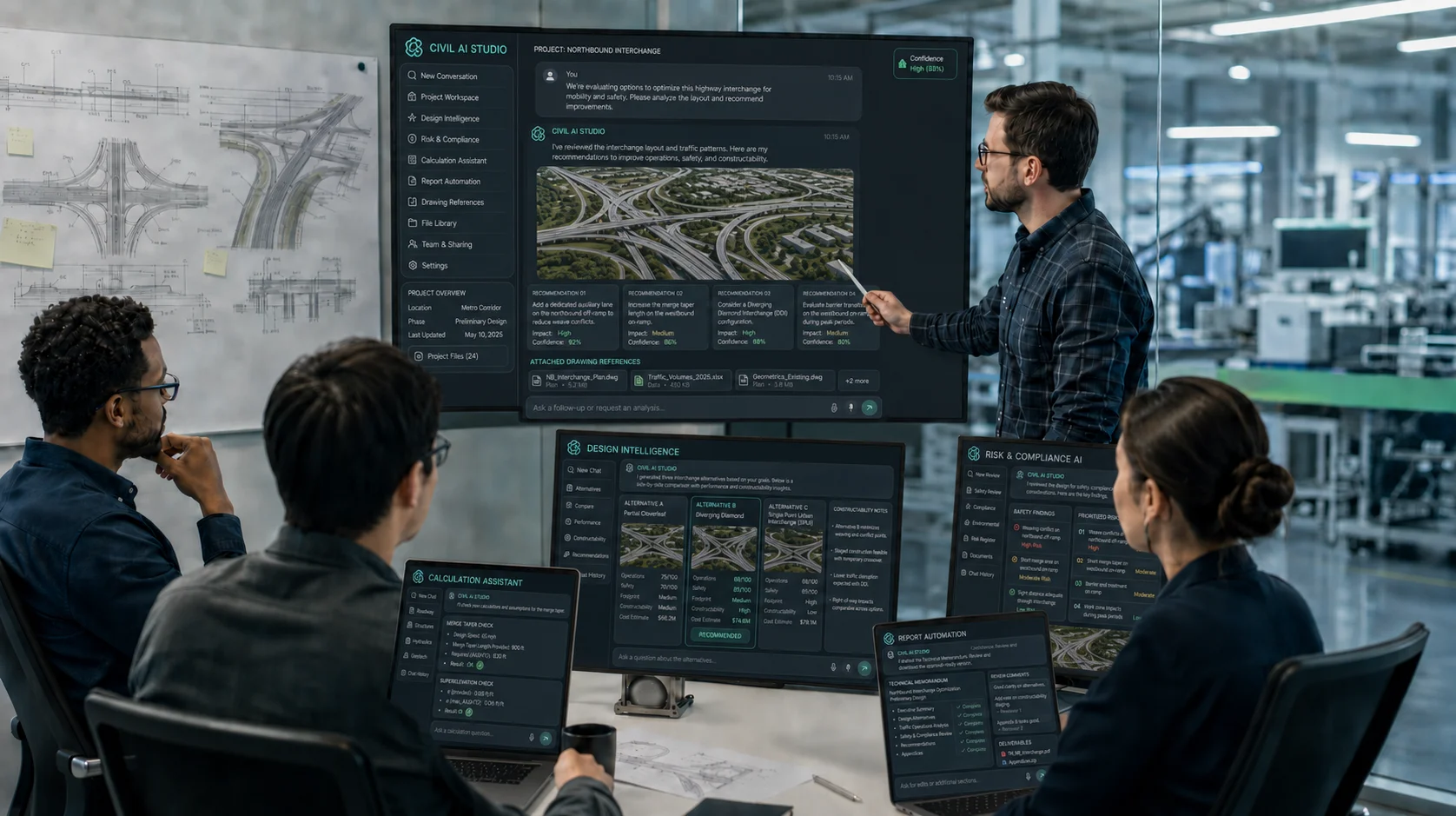
Kunstig Intelligens til Anlægsteknik
Anvendelse af AI til at automatisere ingeniørarbejdsgange, design, teknisk beslutningstagning, rapportering osv. inden for dit ingeniørfelt.
Intelligent Ingeniørautomatisering
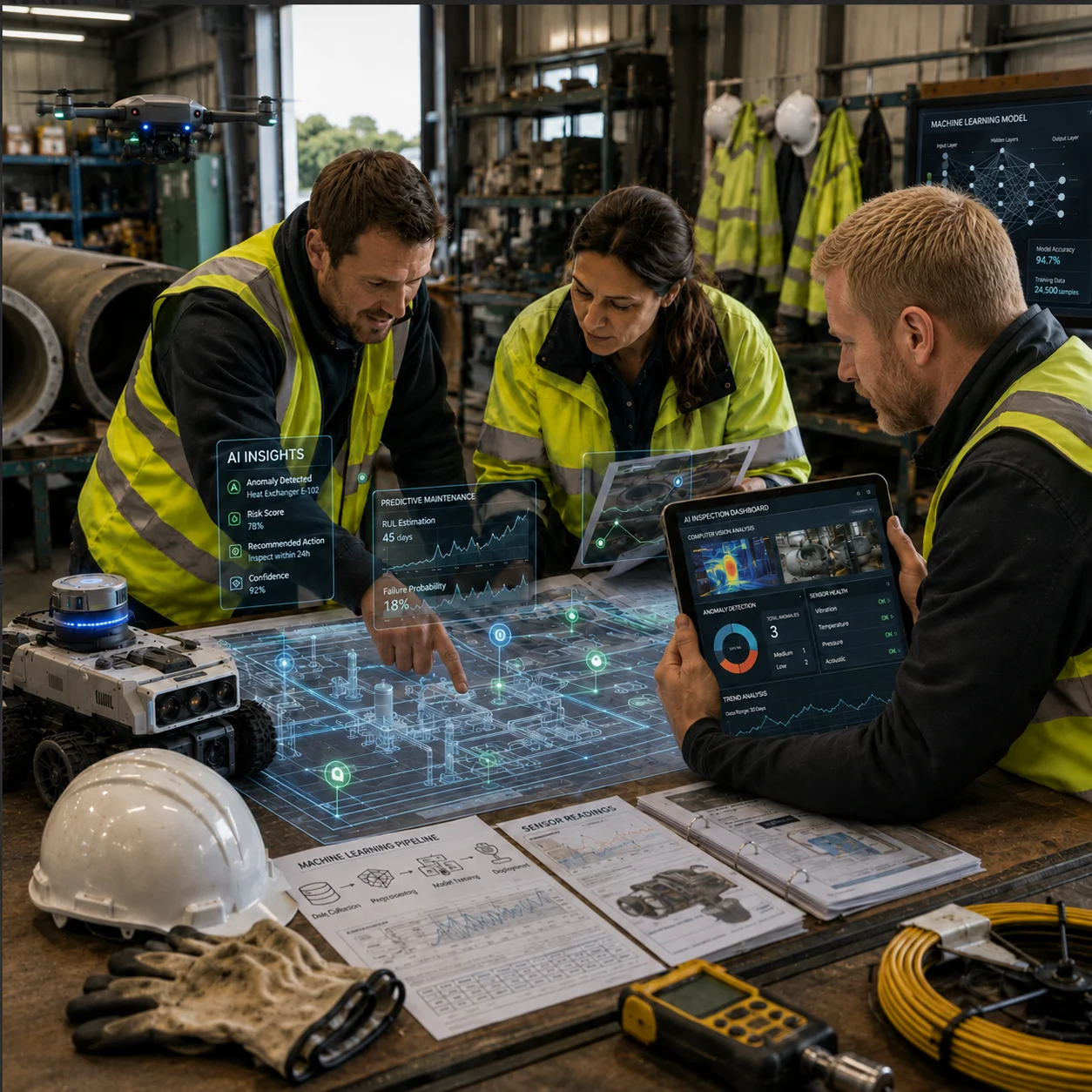
Designintelligens og Beslutningsstøtte
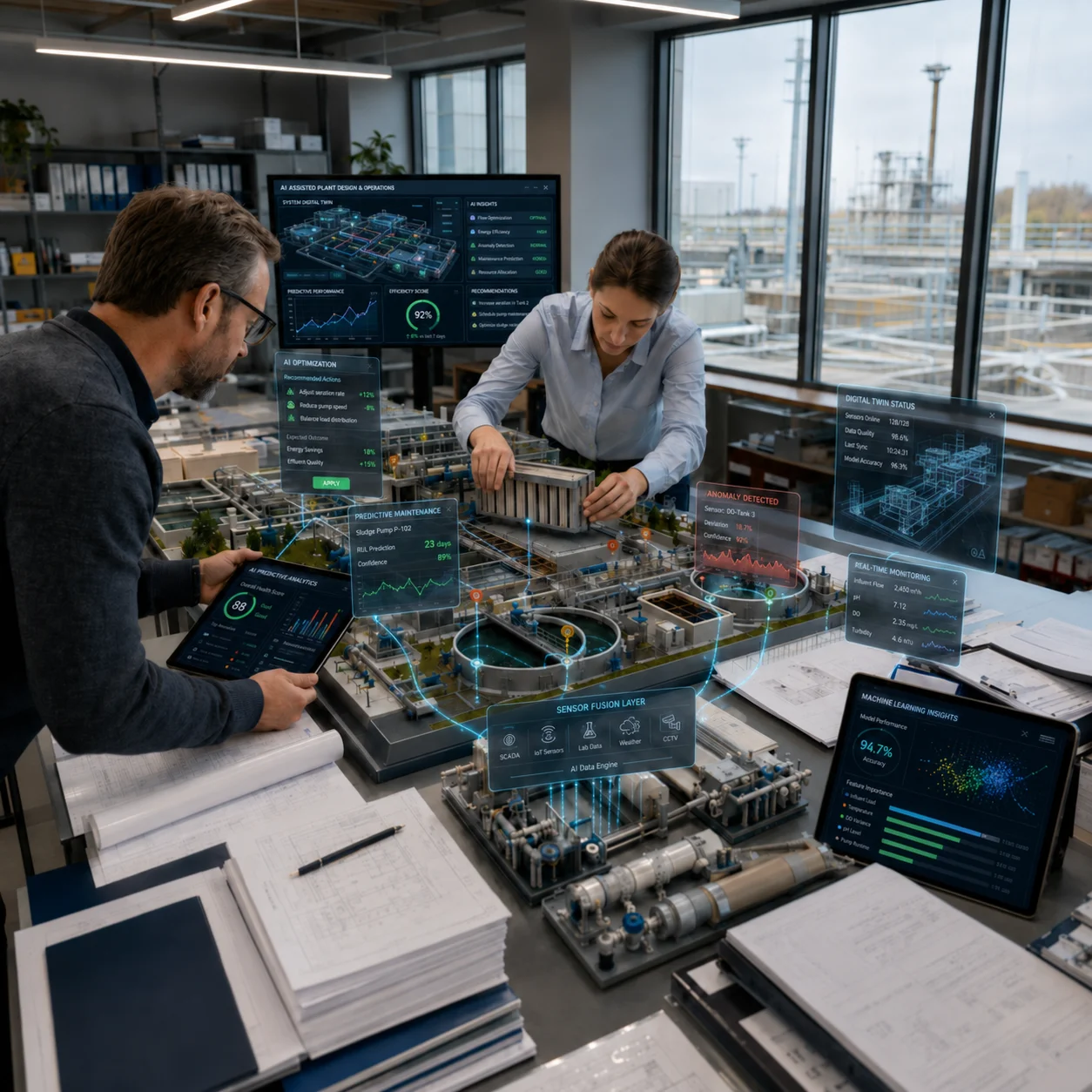
AI-integration og Dataintelligens
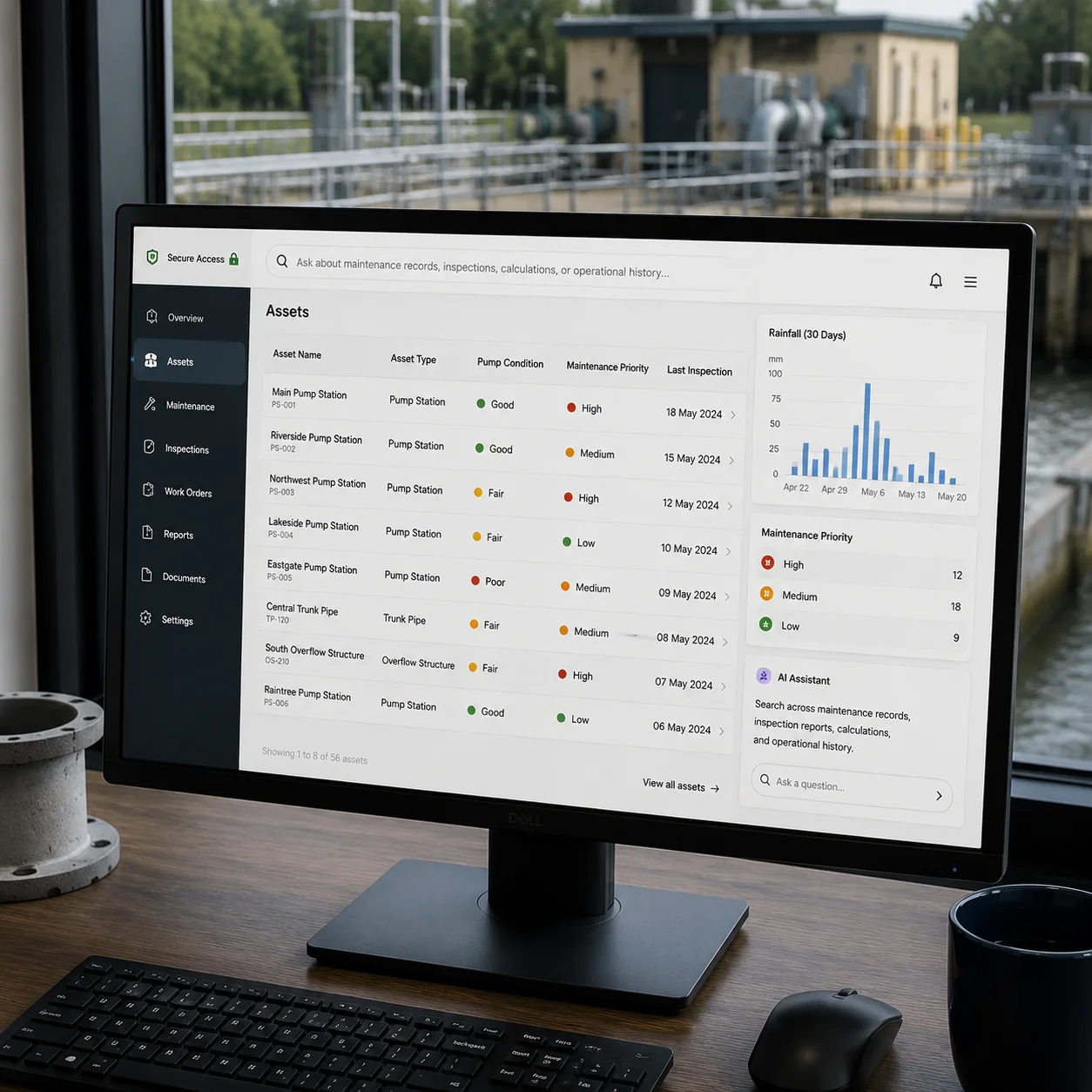
Enterprise AI-løsninger
Lignende projekter
Opdag flere innovative projekter:





Gode
Løsninger
Starter Med En SamtaleGode Løsninger Starter Med En Samtale
Vil du udforske, hvordan vores tjenester kan få din virksomhed til at vokse?
Kunstig intelligens inden for bygge- og anlægskonstruktion
En overvåget viadukt kan generere flere målinger på én dag, end dens ingeniører gennemgår på en måned. Kunstig intelligens inden for bygge- og anlægssektoren løser dette misforhold. Projekter producerer store mængder måledata, som sjældent indgår i beslutningsgrundlaget. AI-metoder omdanner dette uudnyttede materiale til beslutningsstøtte på tværs af design, planlægning, udførelse og drift.
NEXATEK anser disse metoder for at være en central del af den digitale transformation i bygge- og anlægssektoren. En model, hvis ræsonnement ikke kan efterprøves, er en risikofaktor i ingeniørarbejde. Gennemsigtighed kommer altid forud for kompleksitet.
Hvad kunstig intelligens betyder i bygge- og anlægsteknik
I en ingeniørmæssig sammenhæng betegner kunstig intelligens beregningssystemer, der udfører opgaver, som normalt kræver menneskelig dømmekraft – såsom at genkende mønstre i målinger eller forudsige en konstruktions respons på belastning. Traditionel software følger regler, der er defineret på forhånd. Maskinlæring i ingeniørdiscipliner fungerer omvendt: Modellen udleder sine regler fra data, og dens nøjagtighed forbedres, efterhånden som flere projektdata og sensorregistreringer tilføres.
Typiske ingeniøropgaver kan opdeles i tre modeltyper: Sætningsberegninger hører under regression. Sortering af inspektionsfotos er klassifikation. Sekvensering af leverancer under hensyntagen til kran- og afbindingstider er optimering. Disse modeller forstår ikke mekanik; de generaliserer ud fra empiriske eksempler.
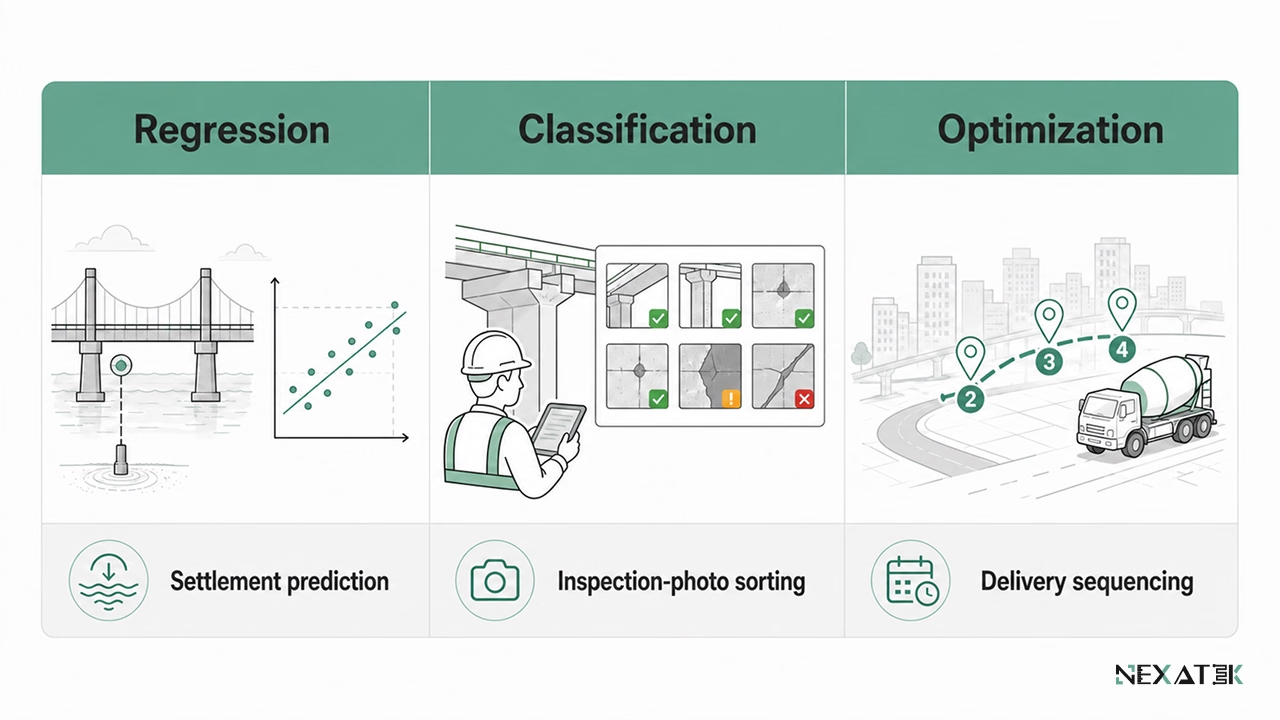 Typiske AI-opgaver i anlægssektoren kan inddeles i regressions-, klassifikations- og optimeringsmodeller.
AI i bygge- og anlægsteknik erstatter ikke ingeniøren. Værktøjerne fungerer som intelligente beslutningsstøttesystemer. De filtrerer støjen fra store datasæt, så ingeniørens faglige vurdering kan fokusere på det reelle signal – f.eks. en tøjningsmåling, der afviger fra sit sæsonmæssige mønster.
Hvorfor kunstig intelligens er relevant for bygge og anlæg
To faktorer driver branchen mod datadrevet projektering: Datamængderne har for længst overskredet kapaciteten for manuel gennemgang, og regelbaserede værktøjer kan ikke håndtere variabiliteten på virkelige byggepladser.
Datatunge ingeniørprocesser
Renoveringen af en viadukt illustrerer omfanget af problemet. Konstruktionen var forsynet med omkring 400 svingtrådstøjningsmålere og termoelementer, der loggede kontinuerligt. Manuel kontrol af disse datastrømme var en umulighed, så teamet tog ugentlige stikprøver og accepterede de blinde vinkler i mellemtiden.
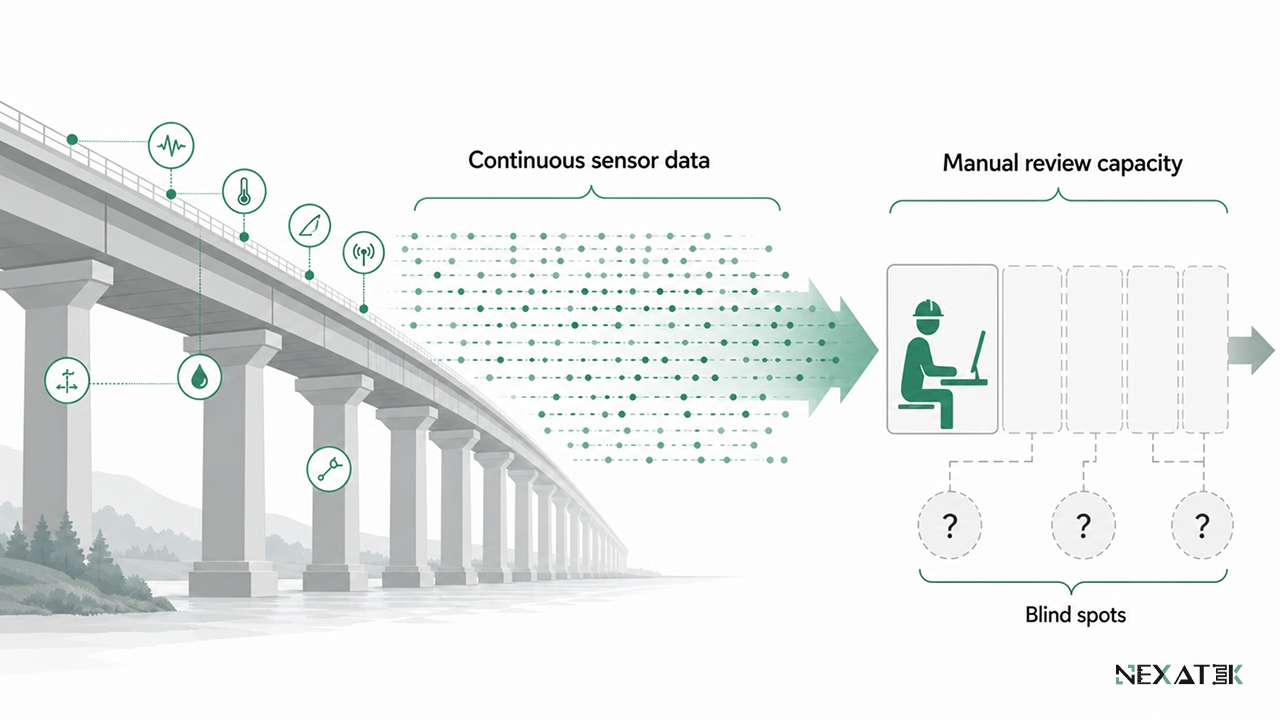 Kontinuerlig monitorering skaber mere data, end manuel gennemgang pålideligt kan håndtere.
Et automatiseret workflow til anomalidetektering ændrede situationen. Systemet isolerede en lokal termisk udvidelseseffekt, som cykliske trafikvibrationer havde sløret, og skar cirka tre uger af det manuelle fejlfindingsarbejde.
Begrænsninger ved manuelle og regelbaserede metoder
Regelbaserede værktøjer er sårbare. En regnearkskontrol fungerer kun, indtil den møder en forudsætning, programmøren ikke forudså – og en byggeplads skaber sådanne situationer dagligt. Vejrvinduer rykker sig. Materialeegenskaber varierer omkring deklarerede værdier, og sjakket tilpasser rækkefølgen af praktiske årsager.
Software, der forudsætter et lukket og statisk system, fejler ofte ubemærket på et brodæk eller i en tunneludgravning. Svigtet viser sig sjældent som en fejlmeddelelse, men som et plausibelt tal, ingen stiller spørgsmålstegn ved.
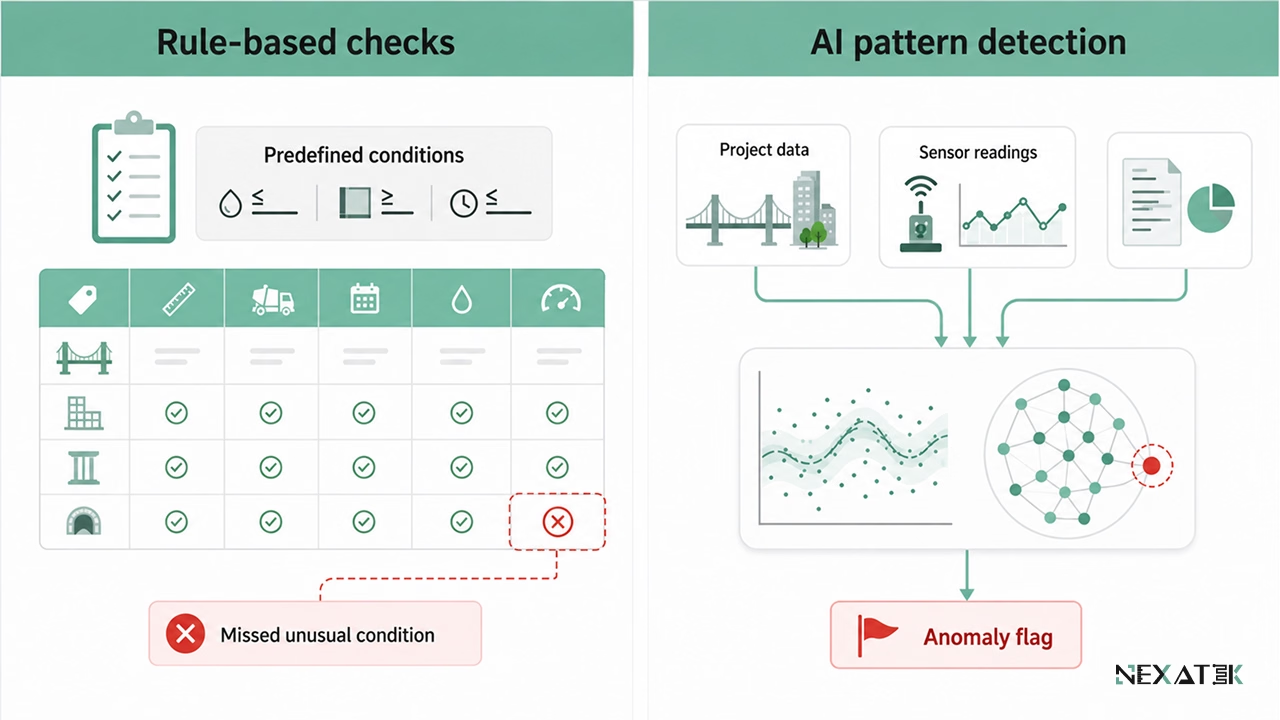 Regelbaserede værktøjer afhænger af foruddefinerede betingelser, mens AI-modeller identificerer mønstre i reelle projektdata.
Kerneanvendelser af AI i bygge- og anlægskonstruktion
Ser man bort fra buzzwords, samler ingeniørrettede AI-løsninger sig der, hvor der allerede findes store datamængder. Fire områder udmærker sig og dækker tilsammen AI-metoder og deres anvendelser gennem et bygværks samlede livscyklus.
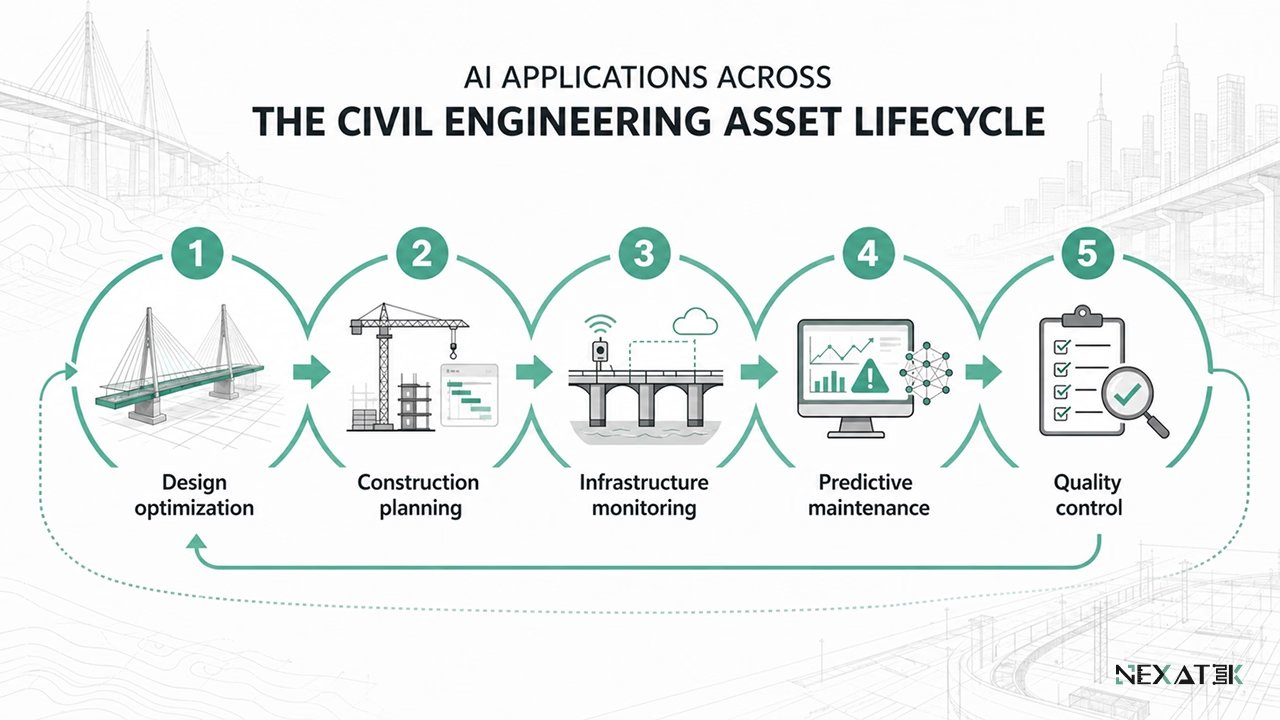 AI-anvendelser understøtter design, udførelse, overvågning, vedligeholdelse og kvalitetskontrol gennem hele livscyklussen.
Designoptimering og konstruktionsanalyse
Generativt design forveksles ofte med et æstetisk værktøj. Inden for konstruktionsteknik er det en søgemetode. En skræddersyet AI-model kan evaluere tusindvis af gitter- eller rammekonfigurationer mod en fast sikkerhedsfaktor og rangordne dem efter materialeforbrug. På komplekse stålkonstruktioner har denne metode frembragt løsninger, der var 15 til 20 procent lettere end det første manuelle forslag – hvor hver variant stadig verificeres med traditionelle beregninger.
Byggeplanlægning og pladslogistik
Byggepladslogistik minder om et puslespil med flere hundrede indbyrdes afhængige variable. På et baneprojekt synkroniserede kunstig intelligens leverancer af præfabrikerede betonelementer med mobilkranernes kapacitet. Da regn standsede løftearbejdet, omberegnede modellen omkring 500 leverancevariable på få sekunder og prioriterede de elementer, der krævede længst afbindingstid. En planlægger med manuelle metoder ville have brugt det meste af et døgn på en ny tidsplan – modellen gjorde det på et minut.
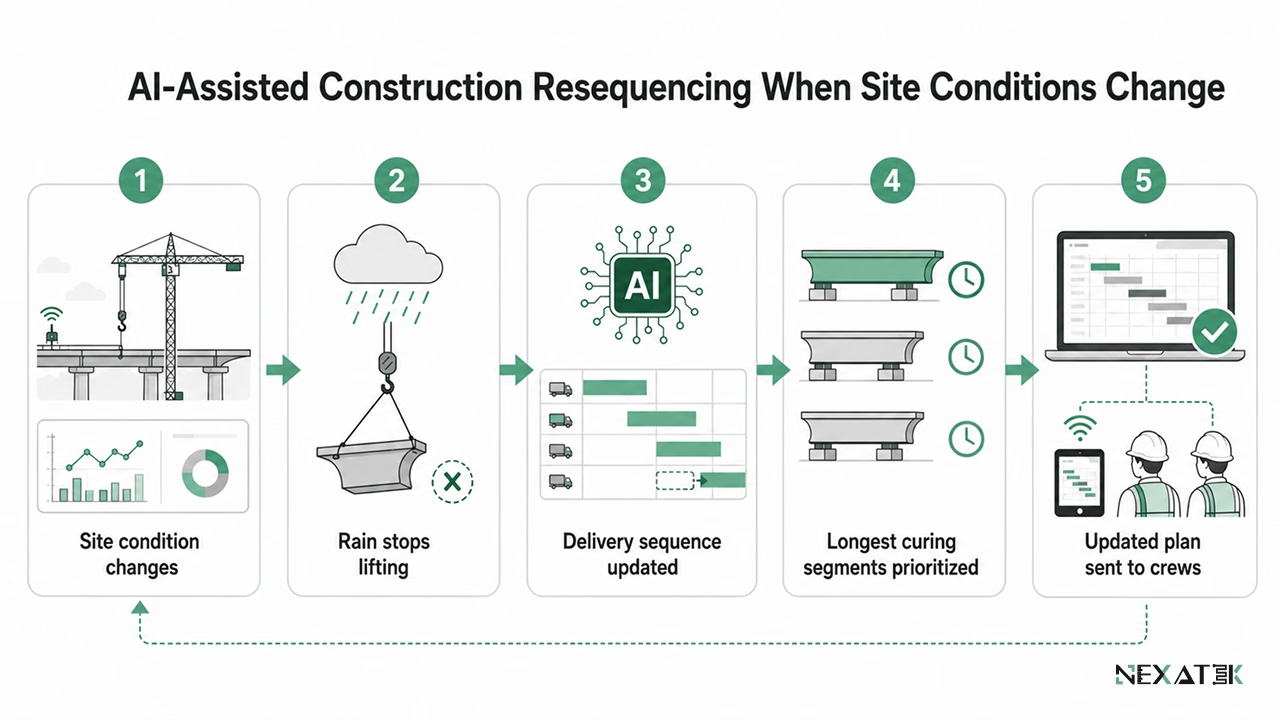 AI-assisteret planlægning kan opdatere leveringsprioriteter og bemandingssekvenser, når forholdene på pladsen ændrer sig.
Sådanne omplanlægningsbeslutninger integreres direkte i automatisering af byggeprocesser, så den opdaterede plan når ud til alle hold på byggepladsen uden forsinkende opkaldsrækker.
Strukturel overvågning og prædiktiv vedligeholdelse
Hovedparten af brobestanden vedligeholdes stadig ud fra en reaktiv strategi: udbedring efter skadesopståen. Prædiktive ingeniørmodeller vender dette princip på hovedet. Trænet på data fra akustisk emission og fugtindtrængning kan en model identificere begyndende armeringskorrosion flere år før, en visuel inspektion afslører den første revne.
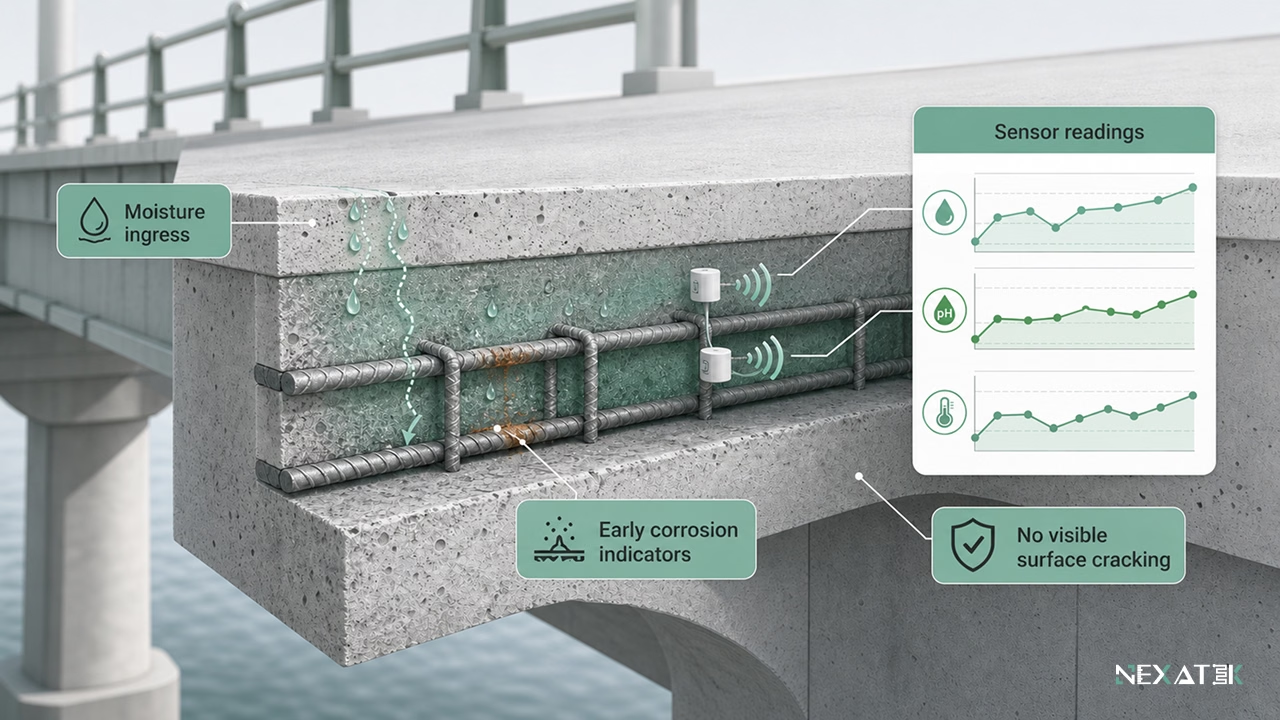 Prædiktive modeller kan registrere tidlige nedbrydningssignaler, før skader bliver synlige ved inspektion.
Den økonomiske forskel er markant: en tidlig imprægnering eller kloridbehandling over for en delvis udskiftning af brodækket. AI-løsninger til infrastrukturprojekter henvender sig derfor primært til anlægsaktiver med lang levetid, hvor en enkelt undgået totalrenovering kan finansiere hele overvågningsprogrammet.
Kvalitetskontrol og anomalidetektering
Beton er et af de mest variable byggematerialer på en plads. Et læs leveret kl. 08:00 og et andet kl. 14:00 på en varm sommerdag kan variere så meget i vandbehov, at det påvirker 28-døgnsstyrken. Modeller trænet på blandeværksdata markerer risikofyldte leverancer før udstøbning – ikke uger efter ved en mislykket trykprøvning. Samme anomalilogik anvendes til inspektion af svejsesømme og komprimeringsdata ved asfaltarbejde.
Kunstig intelligens vs. traditionelle ingeniørmetoder
En udbredt bekymring i ingeniørteams er, at kunstig intelligens vil udkonkurrere elementmetoden (FEM) og etablerede beregningsmetoder. Den sammenligning bygger på en misforståelse af begge teknologier.
Hvor traditionelle metoder forbliver uundværlige
Fysikbaserede analyser udgør fortsat grundlaget for konstruktionssikkerhed. Ligevægt og verificerede materialemodeller er ikke til forhandling, og ingen statistisk korrelation kan tilsidesætte dem. Traditionelle beregninger bærer desuden bevisbyrden, fordi hvert trin i et FEM-resultat kan dokumenteres og eftervises. Et AI-output, der påvirker bæreevne og sikkerhed, indarbejdes først i et design efter uafhængig kontrol med etablerede metoder.
Hvor AI leverer supplerende ingeniørmæssig indsigt
AI berettiger sin rolle i konstruktionens gråzoner. Forholdene på den udførte konstruktion (as-built) matcher sjældent de teoretiske forudsætninger (as-designed) fuldstændigt. Reelle trafiklaster varierer, og indbyggede materialeegenskaber afviger fra projekteringsværdierne. At modellere enhver tænkelig påvirkning med ren fysik er urentabelt i praksis; trænede modeller approksimerer i stedet disse faktorer ud fra reelle måledata.
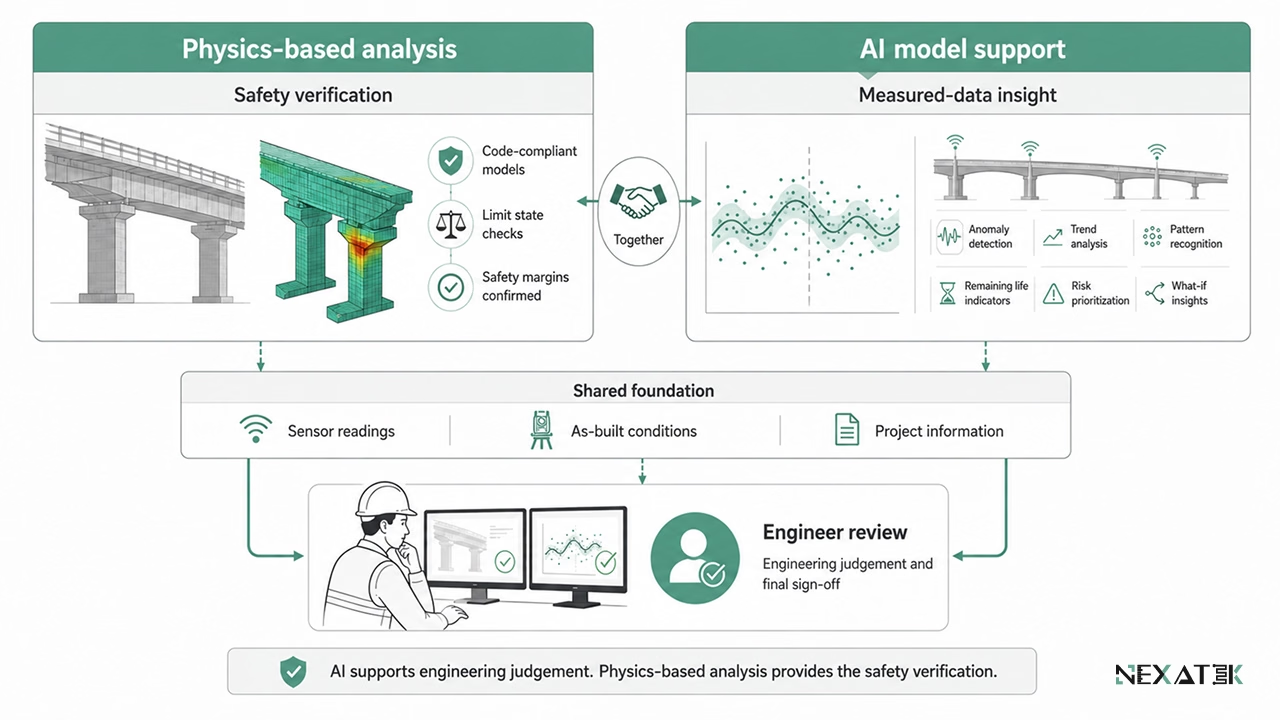 Traditionelle ingeniørmetoder dokumenterer sikkerheden, mens AI-modeller hjælper med at fortolke udført konstruktionsadfærd.
Kalibrering af sådanne modeller mod målinger fra byggepladsen er en klassisk opgave inden for anvendt ingeniørforskning. I modne opsætninger trykprøver AI de forudsætninger, det oprindelige design byggede på, mens de traditionelle metoder beholder det afgørende ord.
Implementering af AI i ingeniørens arbejdsgange
Implementering strander oftere på systemintegration end på modeludvikling. En model, der lever i en separat fane i browseren – adskilt fra de CAD- og projektværktøjer, ingeniørerne anvender dagligt – reduceres hurtigt til et ubrugt demonstrationsværktøj.
Dataklargøring og datakilder i byggeriet
Ingeniørdata er sjældent strukturerede ved modtagelsen. Tilsynsnotater ligger i scannede PDF'er, laboratorieresultater i spredte regneark, og hver sensorleverandør benytter sit eget format. En model, der trænes på uensartede data, genererer fejl med høj tilsyneladende sikkerhed – hvilket er værre end slet ingen model.
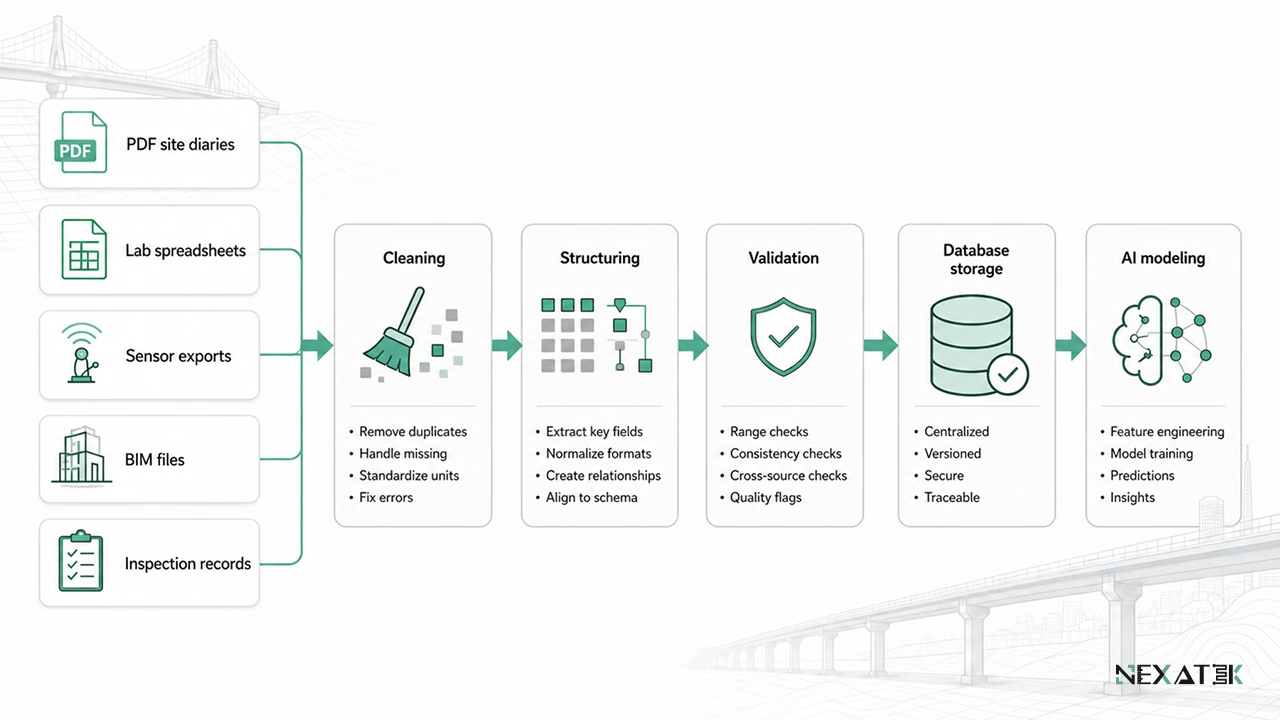 Pålidelig AI kræver strukturerede dataformater, ensartede standarder og validerede projektdata.
Strukturering af disse kilder til en konsistent database er den første reelle arbejdsopgave og udgør kernen i skræddersyet databaseudvikling til ingeniørdata. Virksomheder bør forvente, at klargøringen kræver flere ressourcer end selve modelleringen.
Menneskeligt tilsyn og validering af beslutninger
Ethvert modeloutput er en hypotese, ikke en endelig konklusion. Ingeniører gennemgår det på samme måde, som de kontrollerer en yngre kollegas statiske beregninger: sandsynlighed først, konsekvenser bagefter. Når en model foreslår 12 procent mindre armering i en vederlagsbjælke, må det første spørgsmål være hvorfor – og svaret skal kunne bestå en uafhængig kontrol.
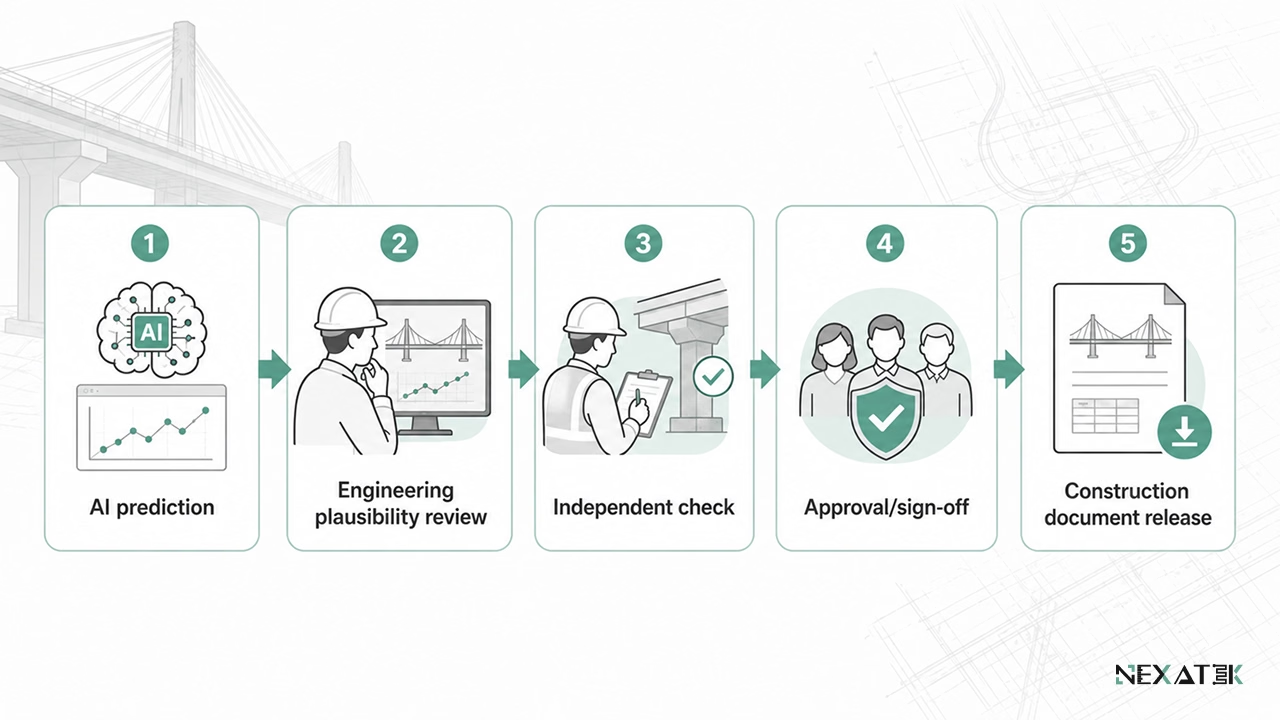 AI-resultater bør gennemgå faglig granskning og validering, før de indarbejdes i projekt- og udførelsesmateriale.
NEXATEK indbygger denne validering direkte i arbejdsprocessen. En automatiseret forudsigelse kan ikke overføres til tegninger eller udbudsmateriale uden ingeniørens formelle godkendelse.
Integration med eksisterende fagsystemer
Procesoptimering via AI virker kun, hvis modellen integreres med de systemer, der anvendes i forvejen. Resultaterne skal overføres til BIM-modellen eller driftsdatabasen, hvor beslutningerne træffes, frem for at ende i en særskilt rapport. En softwareudviklingsydelse målrettet AI vurderes på, hvor lidt den forstyrrer ingeniørens vante arbejdsrutiner.
Hos NEXATEK begynder integrationsarbejdet med en kortlægning af eksisterende dataformater – fra BIM-eksport til inklinometerlogger – da modellen skal kunne anvende dataene i deres oprindelige struktur.
Anvendelsesmuligheder på tværs af værdikæden
Placeringen i byggeriets værdikæde afgør værdien af AI. Et betonelementværk og et rådgivende ingeniørfirma stiller vidt forskellige krav til teknologien.
Materialeproducenter og produktionsoptimering
Produktionsdata er producentens strategiske fordel. Modeller trænet på batchlogninger og trykprøvningsresultater kan optimere en betonrecept tættere på den specificerede styrke i stedet for at overdosere for at opnå sikkerhedsmargin. Det medfører et reduceret cementforbrug, og da cement står for hovedparten af betonens indlejrede kulstof, slår besparelsen direkte igennem i data for CO2-kortlægning pr. kubikmeter.
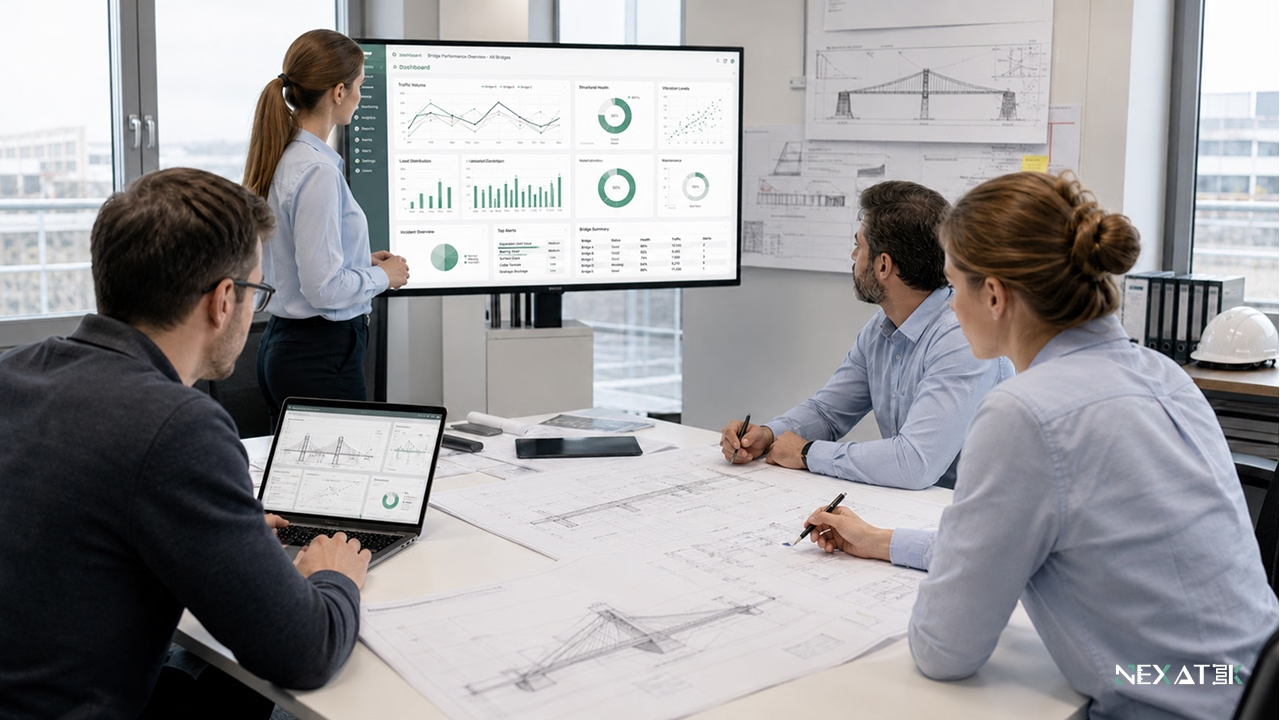
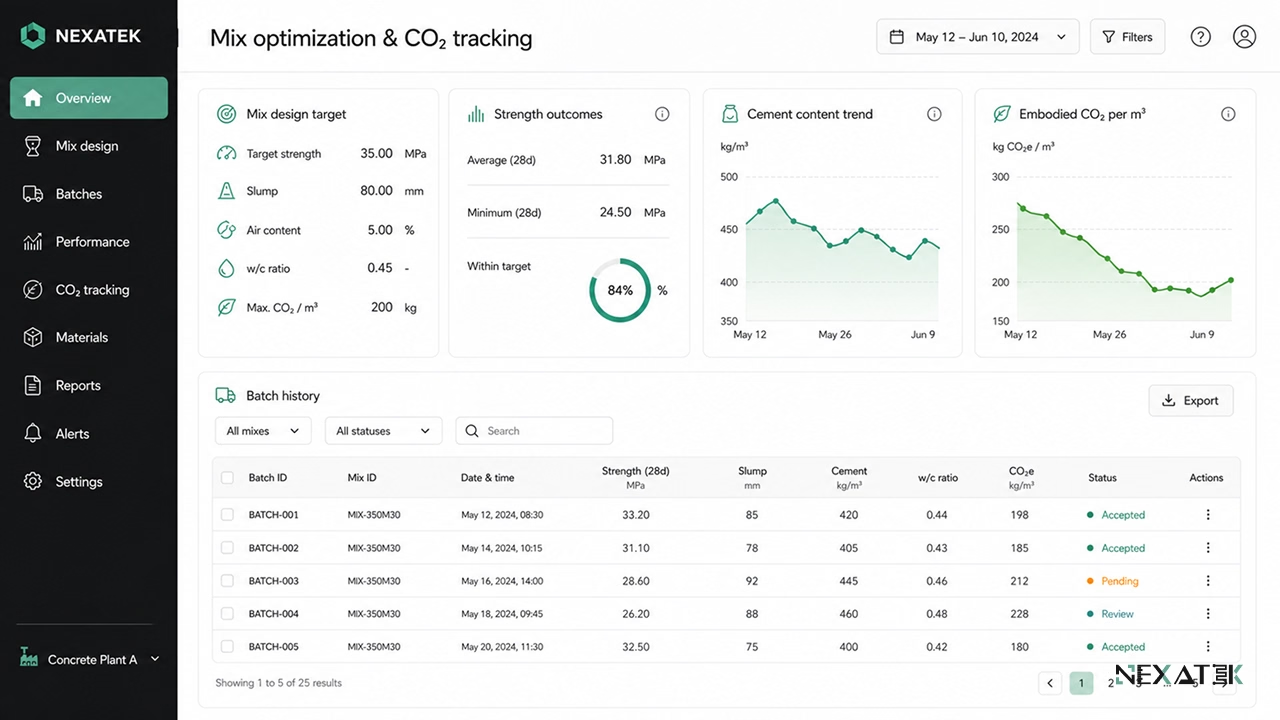 Produktionsdata kan samle receptmål, styrkeresultater og indlejret CO2 i ét centralt dashboard.
De samme modeller kan benyttes til produktionsplanlægning. Ud fra en ønsket styrkeklasse og en leveringsdato foreslår de de batchparametre, der historisk set har haft den højeste succesrate.
Entreprenører og anlægsvirksomheder
For entreprenøren fungerer AI primært som risikostyring. Forsinkelser i tidsplanen skyldes sjældent én enkeltstående hændelse, men summeres op af mange mindre forskydninger i leverancer og vejrlig. AI-værktøjer til byggepladsen overvåger disse mønstre i realtidsdata og advarer om de kombinationer, der tidligere har ført til forsinkelser.
Resultatet er en tidlig håndtering af problemerne – uger før de fremgår af en månedlig statusrapport.
Rådgivende ingeniørvirksomheder
Rådgivere kan ændre karakteren af deres leverancer. Et traditionelt tegningssæt afslutter en opgave; en kalibreret prædiktiv model forlænger samarbejdet over konstruktionens samlede levetid på 50 år eller mere. Projekteringsforudsætninger og reelle målinger forbliver forbundne, og spredte projekterfaringer konsolideres i en struktureret vidensbase.
Spørgsmål, der tidligere krævede gennemgang af historiske projektarkiver, besvares direkte fra den dynamiske model: Hvilke laster blev forudsat, og hvordan har bygværket reelt reageret siden indvielsen?