

Customer Portal Development in Civil Engineering
A controlled, self-service interface for your clients and internal team to access project information. NEXATEK develops customer portals around engineering deliverables, calculators, documents, inquiries, revision control, and role-based access. The goal is predictable client interaction across long project lifecycles.
Portal Access & Security
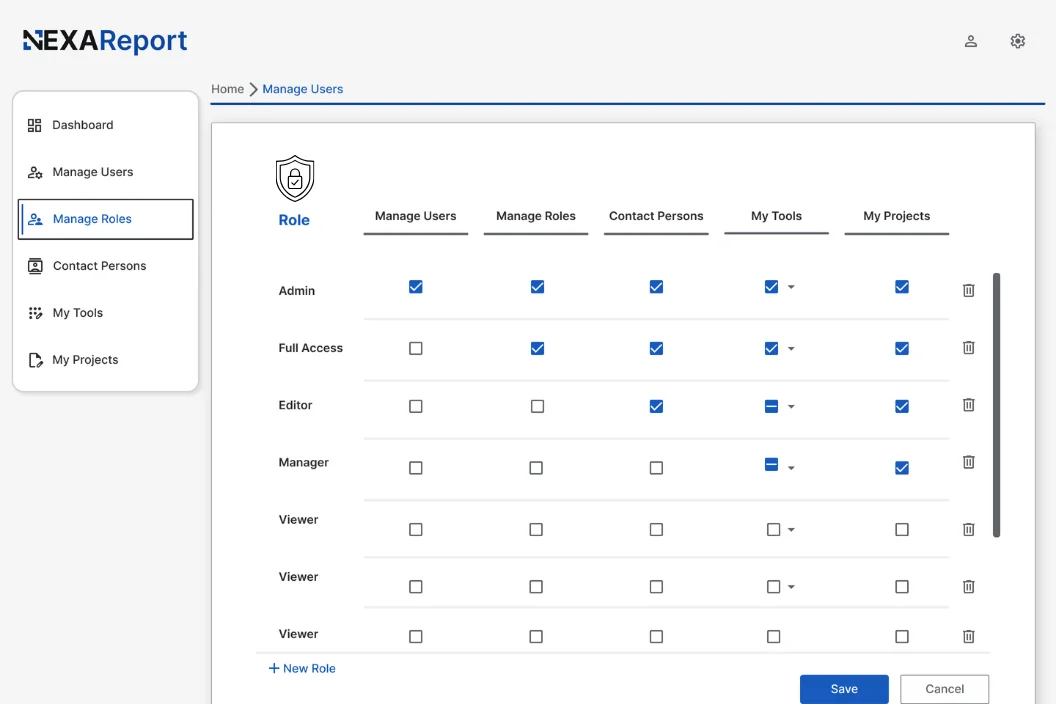
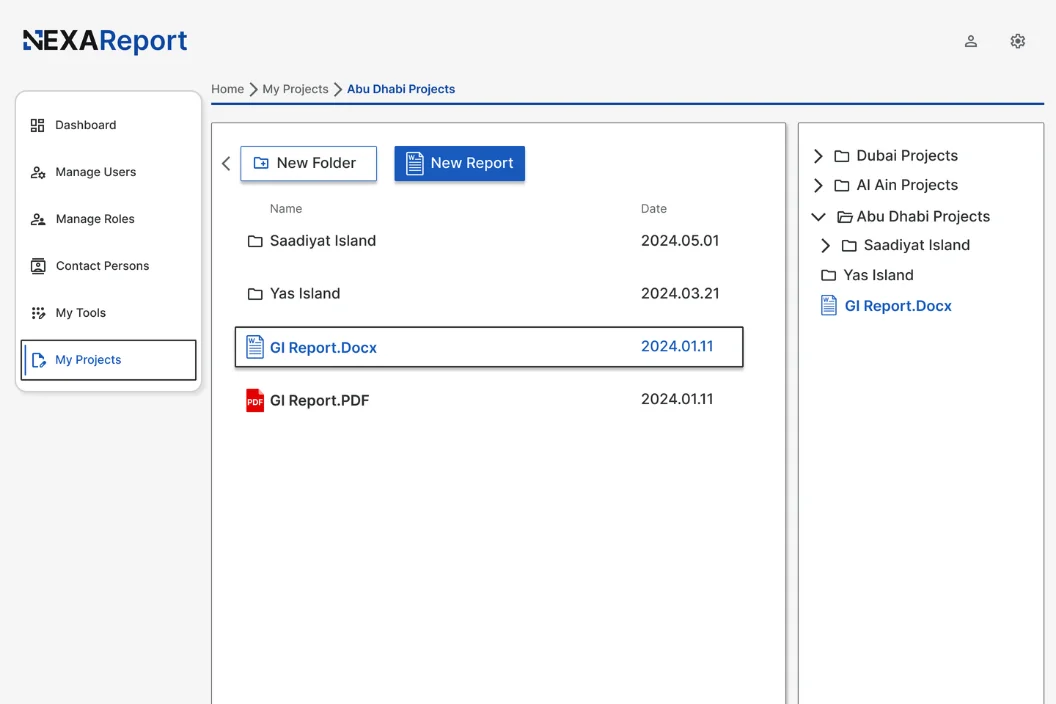
Project Data & Deliverable Distribution
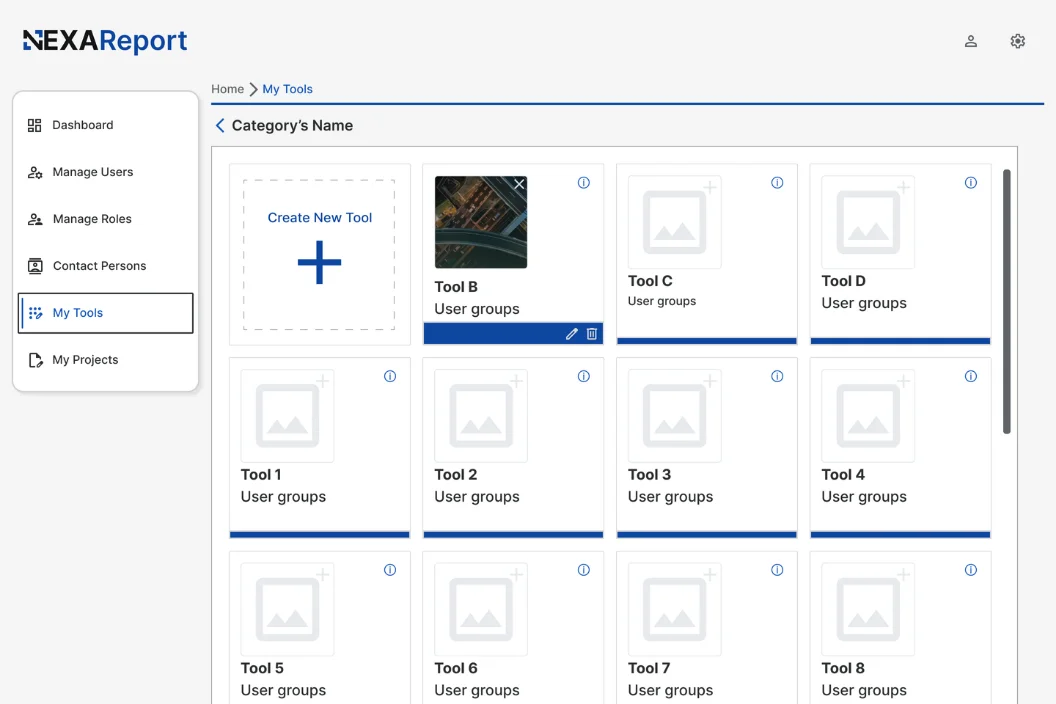
Design Tools and Reports
Communication, Updates & Client Requests
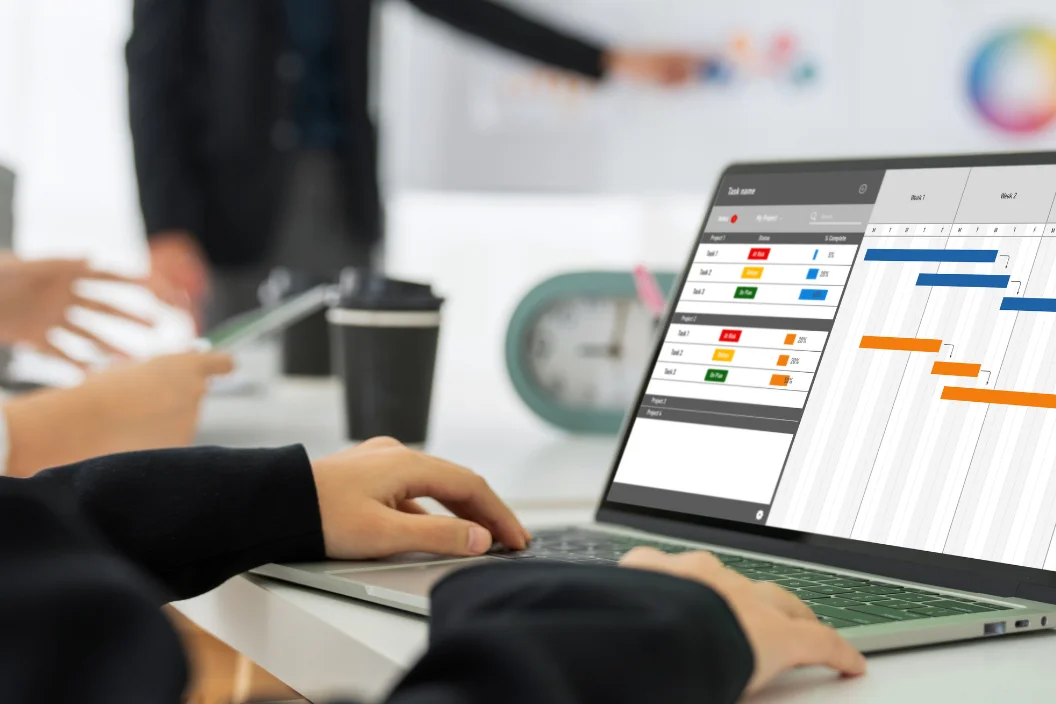
Dashboard and Overview Panel
Similar Projects
Discover more innovative projects:



Great
Solutions
Start With A ConversationGreat Solutions Start With A Conversation
Want to Explore How Our Services Can Grow Your Company?
Customer Portal Development for Civil Engineering
Customer portal development for civil engineering gives clients controlled access to project data, issued documents, progress records, and agreed reporting outputs through one structured interface. A motorway upgrade can run for three years and generate several thousand drawings and transmittals. Email cannot carry that record reliably. A portal replaces scattered file transfers with a project communication platform that both the engineering team and the client can audit.
Client-facing portals usually arrive as one step in a wider digital transformation of engineering operations. NEXATEK builds them around the artifacts engineers issue every week: drawing registers, calculation reports, test certificates, and formal correspondence.
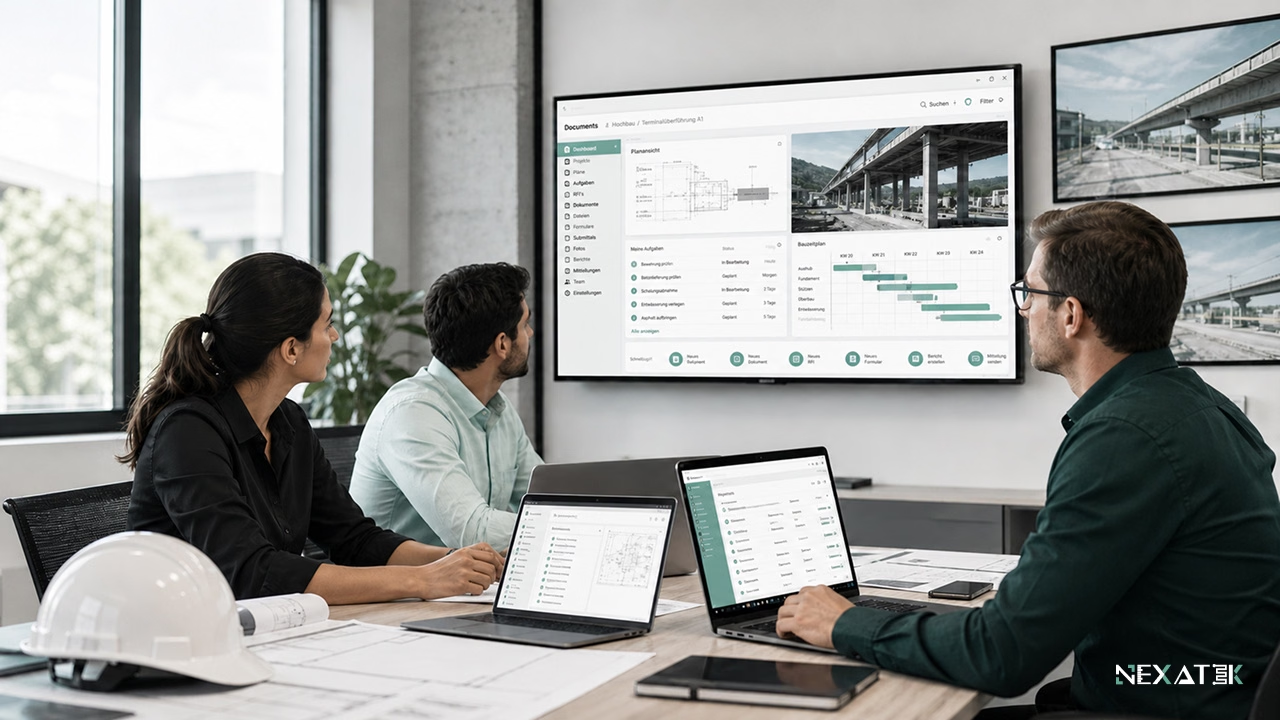 A civil engineering portal gives clients one controlled place to access drawings, reports, project records, and milestone updates.
What Is a Customer Portal in Civil Engineering?
A customer portal in civil engineering is a dedicated web interface where clients retrieve project information under defined access rules. It acts as the single issue point for technical deliverables and status updates. Generic client dashboards show summary metrics. An engineering portal instead manages document-heavy workflows under formal revision control, working as an engineering document sharing system with rules attached.
Information inside follows engineering logic, organized by project, contract package, discipline, or deliverable group rather than by improvised folder trees. A portal can expose engineering calculation tools to client engineers, who run product-specific design checks and export the results as project records.
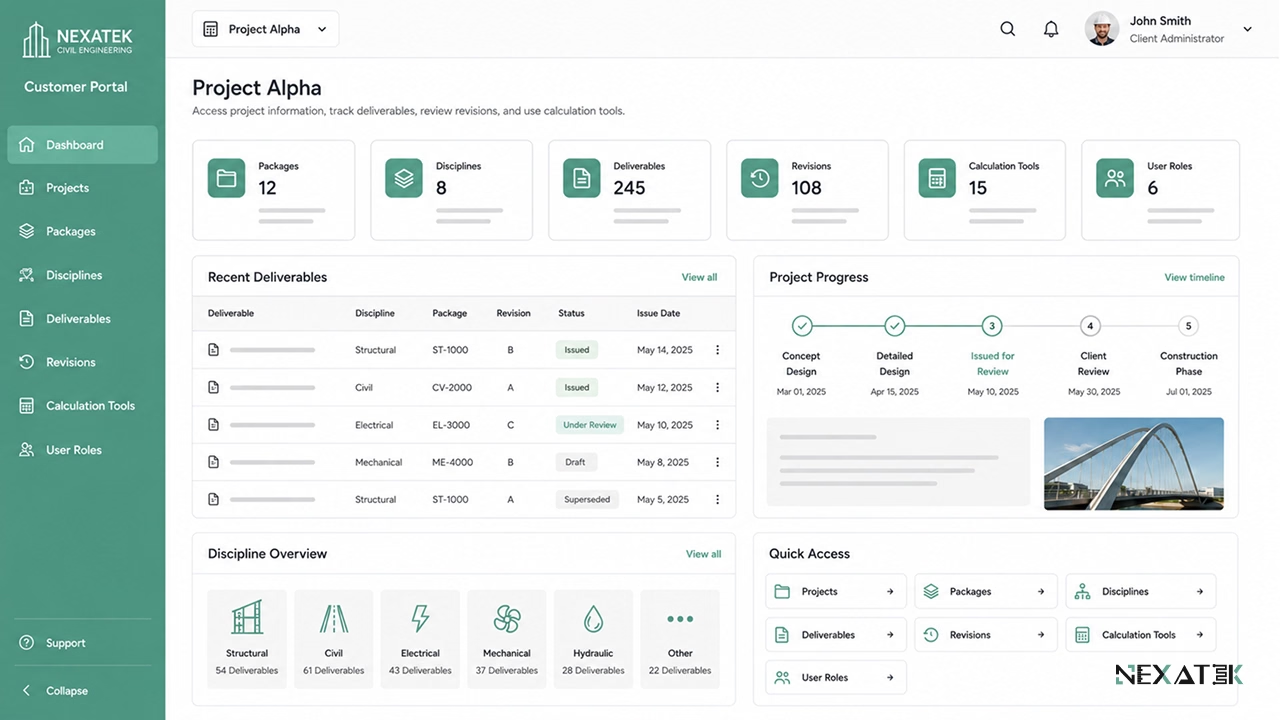 A useful portal reflects engineering project logic, including packages, disciplines, deliverables, revisions, and access roles.
Why Civil Engineering Projects Require Customer Portals?
Long decision cycles create the core problem. A design package may pass through a dozen revisions and 40 reviewers between tender and construction. Client interaction has to stay consistent from early design through close-out.
Project-Based Client Interactions
Clients do not experience a project as one continuous conversation. Interaction happens at defined points: a milestone submission, a clarification request, an approval, a comment round. Each point carries context, including the related design package and its revision status.
Email breaks that context into fragmented threads. A shared folder stores the file but says nothing about why it was issued or what it replaces. A b2b customer portal records each interaction as a project event, so a question raised in week 12 still links to the drawing revision it concerned.
Role-specific access lets a technical reviewer see full revision history while a project manager sees schedule positions and key dates.
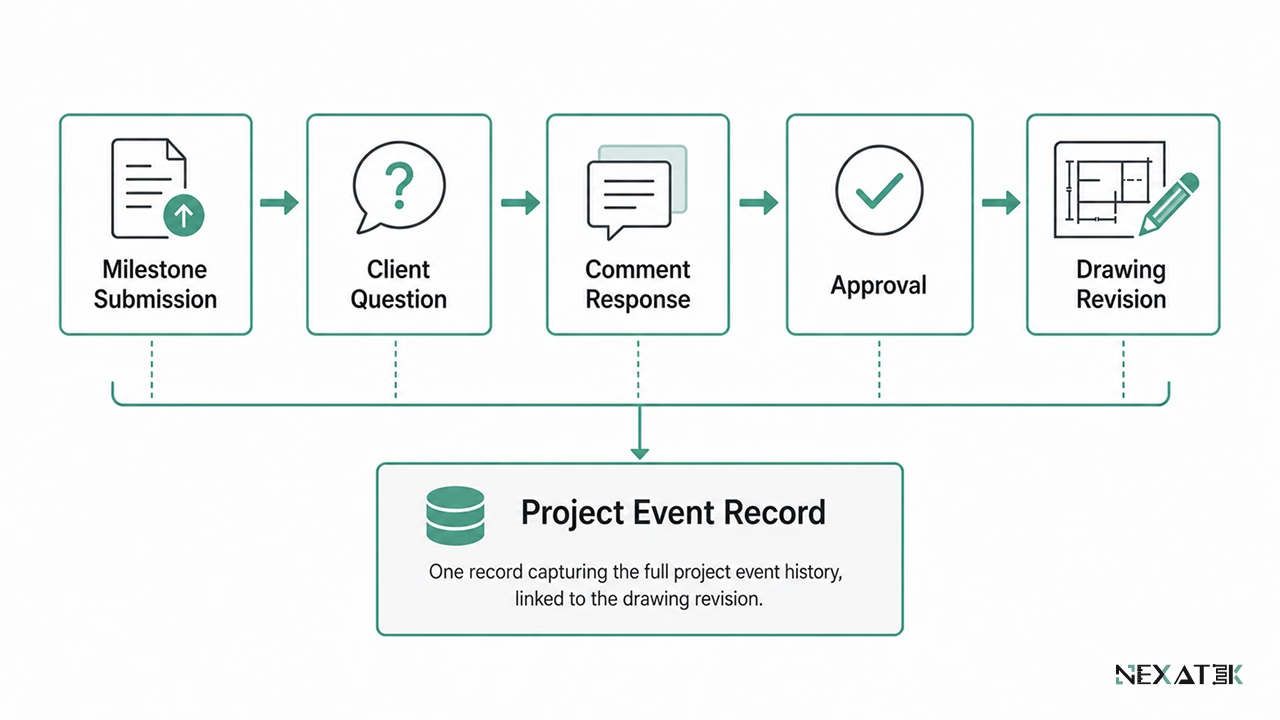 Linking each client question, comment, or approval to the related drawing revision keeps project communication auditable.
Documentation-Heavy Engineering Deliverables
A final report is a small fraction of what a project produces. Drawings, technical memos, inspection records, and iterative submissions accumulate through formal issue cycles, many with comment and revision rounds before acceptance.
Generic file sharing manages none of that context. A typical failure mode: the client prices construction work from revision C while the engineer has already issued revision D. Customer portal design for engineering therefore treats version management as a core function, never as an optional extra.
Retrieval matters just as much. A site engineer may need an issued drawing 14 months later to support a foundation decision. Controlled client data access with project-level indexing turns that search into minutes instead of days.
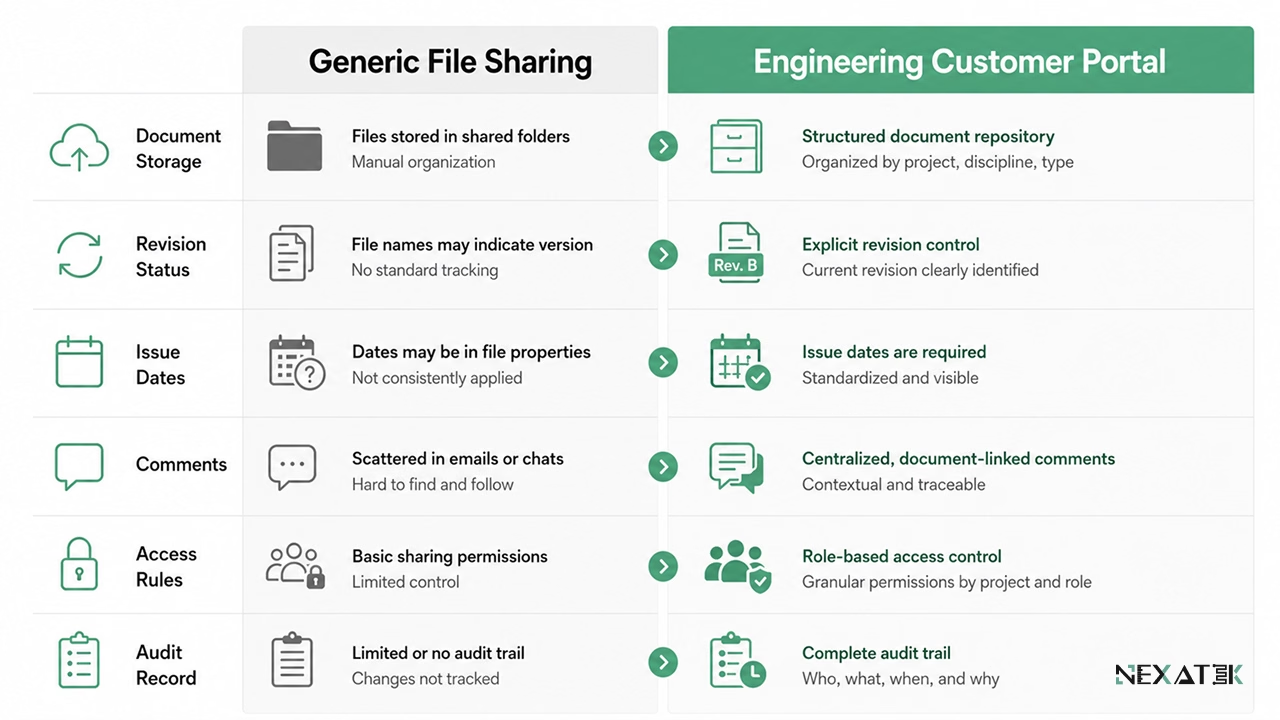
Generic file sharing stores documents, while an engineering portal preserves issue history, document status, revision context, and client access rules.
Core Functions of a Civil Engineering Customer Portal
Four functions define a working civil engineering customer portal: status visibility, document access, deliverable distribution, and structured communication. Each maps to a recurring client need across the project lifecycle.
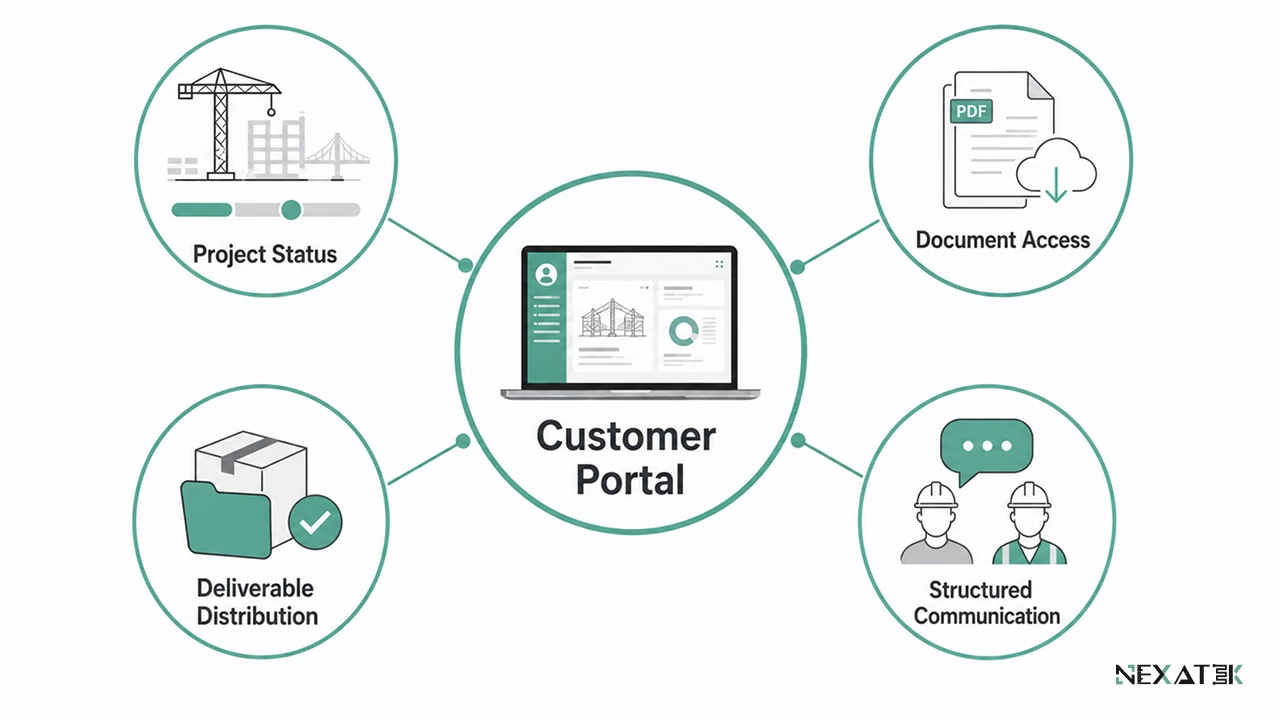 The portal connects project status, document access, deliverable distribution, and structured communication in one client-facing system.
Project Status and Progress Visibility
Status views earn their place when the states match engineering reality: drafting, internal review, issued for review, issued for construction. A generic "in progress" label tells an engineering client nothing useful.
Context turns a status flag into information. A milestone marker without its linked submissions and issue dates does not support client decisions, so the portal connects every status entry to the documents behind it.
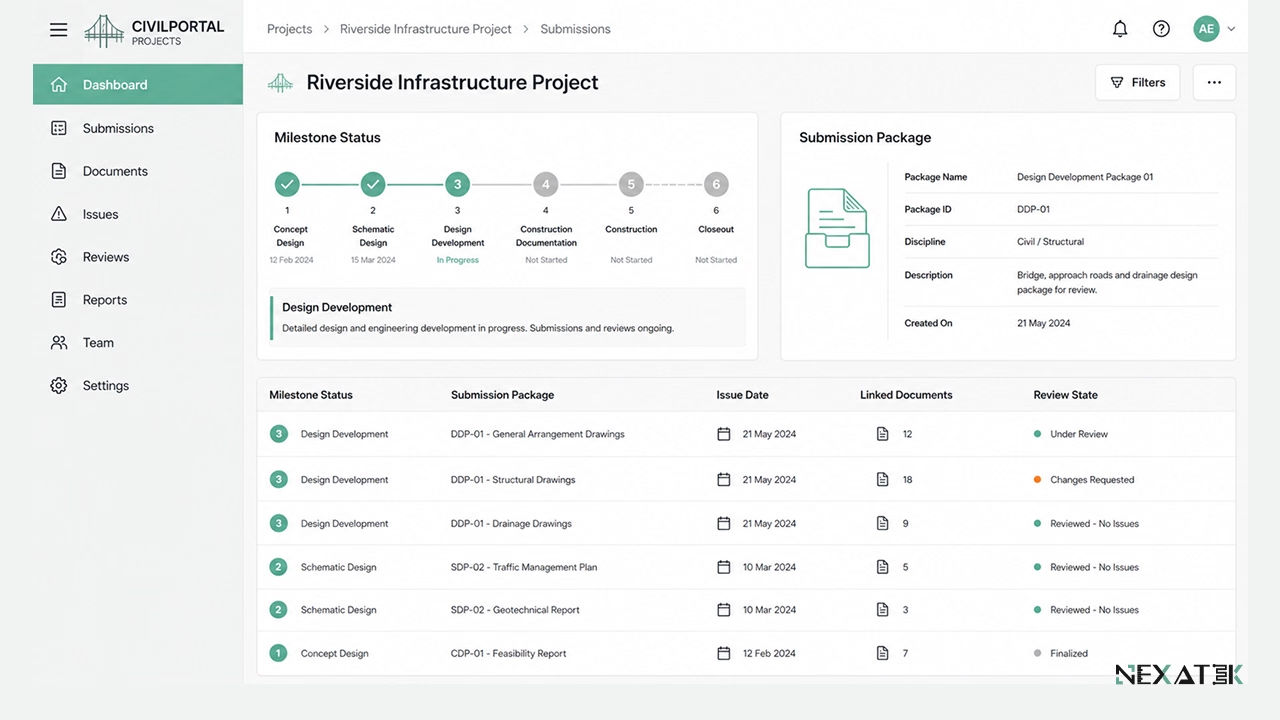 Status views become useful when every milestone links back to the submissions, issue dates, and deliverables behind it.
Technical Document and Drawing Access
Drawing and report access sits at the center of client portal development. Files are organized by submission package or discipline, which matches how engineers search for deliverables, and revision identifiers appear directly in each listing.
Drafts cause most of the damage. Many engineering disputes begin when a preliminary calculation circulates outside its intended audience. The portal limits which files each client role can open and labels document status clearly, keeping working drafts apart from issued deliverables.
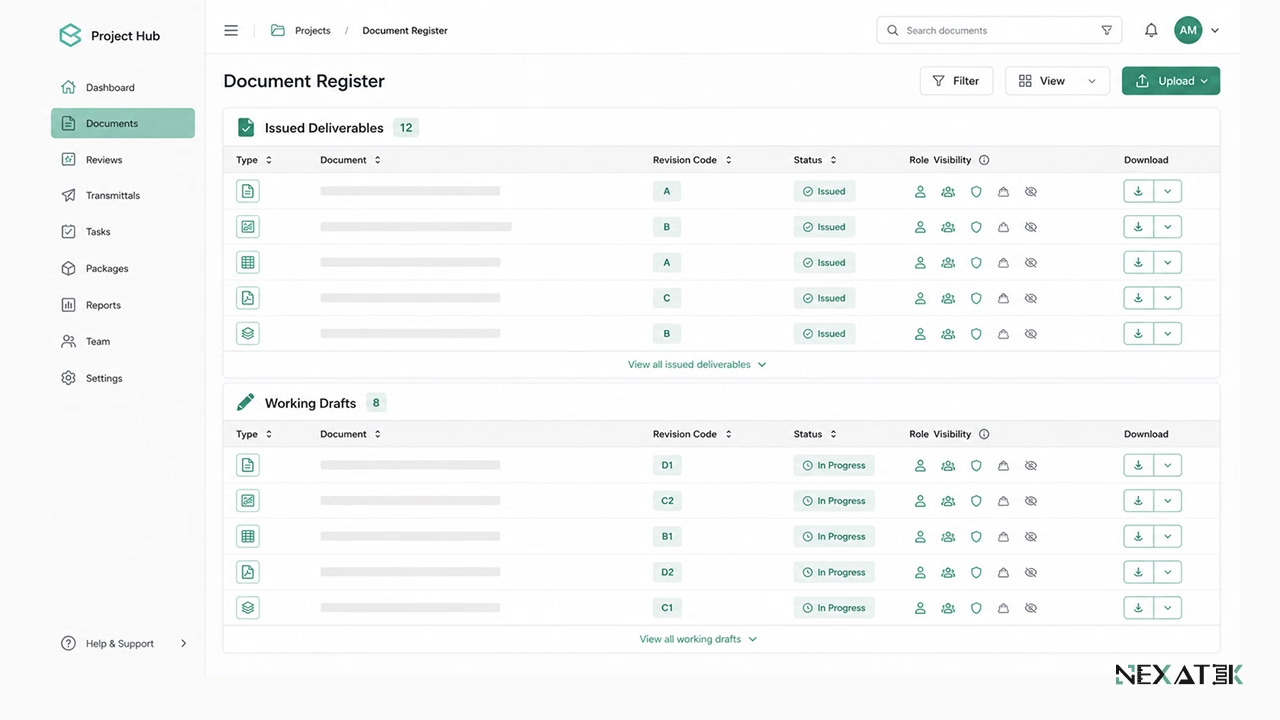 Clear document status labels help clients distinguish issued deliverables from drafts and internal working files.
Reports, Data, and Deliverable Distribution
Clients need more than formal reports. Test results, monitoring data exports, site logs, and periodic progress summaries all move through the portal as repeatable publications with consistent naming across reporting periods. Functioning as a technical reporting portal, it keeps each data set tied to its reporting date.
Time-series data needs particular care. A client comparing settlement monitoring extracts from March and September must reach both versions, never the latest one alone. Structured storage behind the portal, often built on dedicated data management systems in Civil Engineering, keeps every extract retrievable.
Structured Communication and Updates
Updates stay useful when they stay attached to deliverables. Submission notifications and comment responses lose their reference the moment they exist only in email. The portal keeps each update linked to the document set it concerns.
Every client stakeholder then reads the same record. Fragmented emails routinely give a client's commercial lead and technical lead two different pictures of one submission. A single publishing source removes that inconsistency.
Customer Portals vs. Traditional Client Communication Methods
Familiar methods persist because they cost nothing to start. They fail at specific points in document-heavy technical work, and the differences below are structural rather than cosmetic.
Limitations of Email, Shared Drives, and Manual Reporting
For quick coordination, email performs well. As a project record, it fails. Threads duplicate attachments and split revision history across inboxes, and two parties often work from different versions without noticing.
Shared drives centralize storage, nothing more. Folder structures vary by project manager, and naming conventions drift within months. Partial client visibility across contract packages becomes hard to maintain with folder permissions alone.
Manual reporting adds delay and interpretation gaps. A monthly PDF summarizes status at one fixed date but offers no direct route to the supporting deliverables. Clients respond by requesting files over email, and the fragmentation cycle restarts.
Advantages of Centralized Client Portals
Centralization changes the audit position. During a dispute or a technical audit, the project record sits in one place with issue dates and revision identifiers intact rather than dispersed across mailboxes and personal storage.
Role-based permissions add a second difference. Technical reviewers reach full deliverable sets while management roles see progress summaries, a segmentation that shared folders rarely sustain. At close-out, the same structure becomes a stable archive showing how information was issued and approved over time.
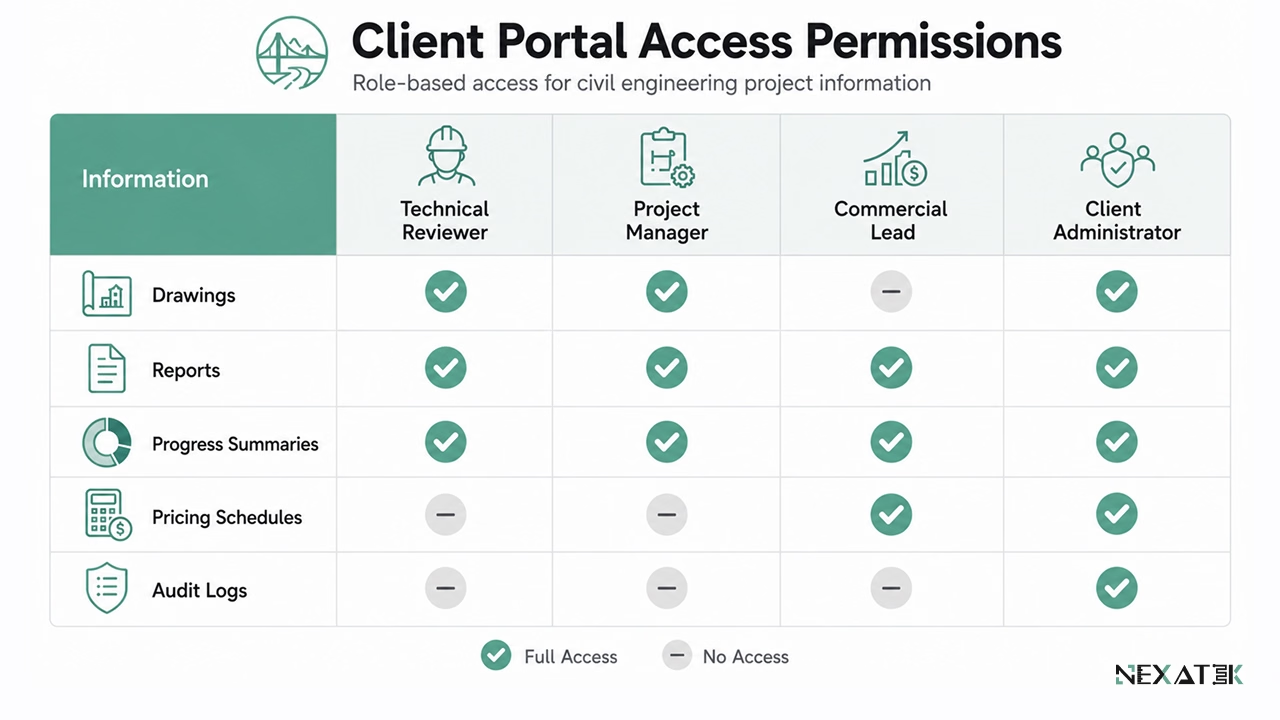 Role-based permissions let each client stakeholder see the right level of project information without exposing every file to every user.
Customer Portal Design for Engineering Workflows
Customer portal development for civil engineering starts from the workflow, never from the interface. The way a team issues documents and manages revisions determines the portal structure. NEXATEK pairs portal projects with workflow optimization in Civil Engineering so the client-facing layer reflects how deliverables are produced day to day.
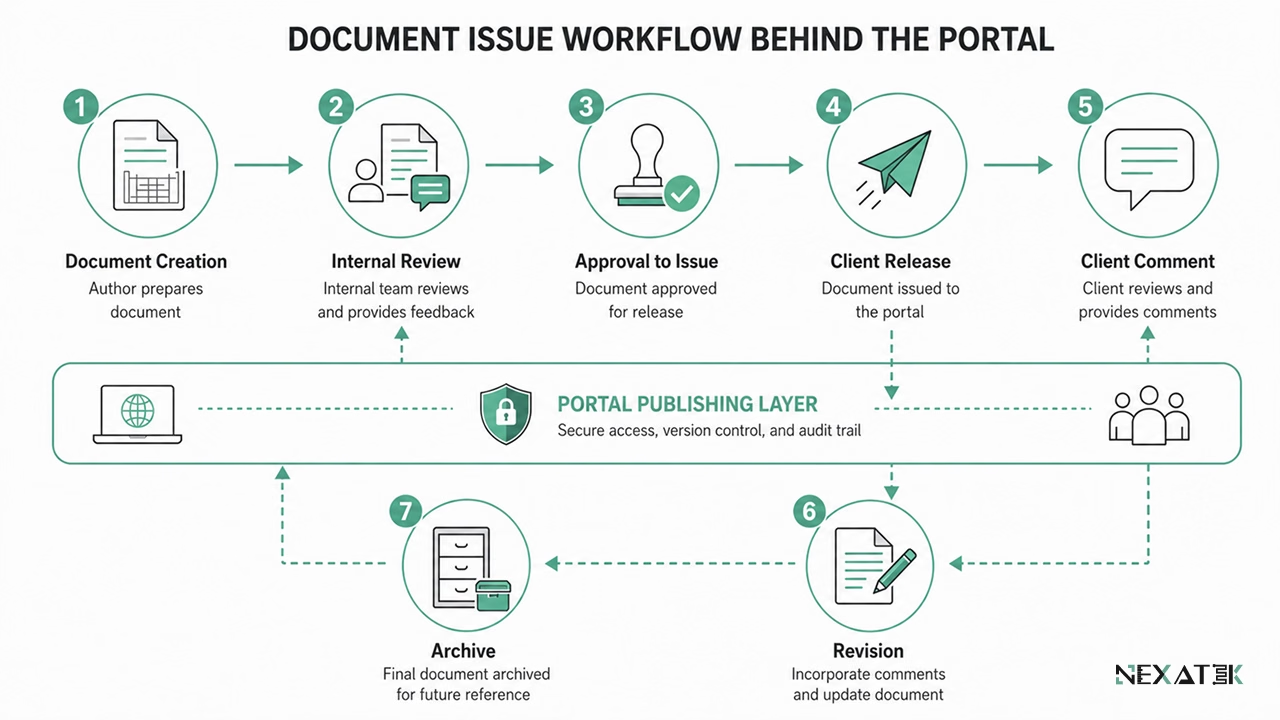 Portal design should follow the document issue workflow, from internal review through client release and later revision tracking.
Access Control and Data Segmentation
Sensitivity varies inside a single project. Pricing schedules and internal calculations need tighter restrictions than issued drawings, and within a client team not every member should see everything. Permissions therefore attach to roles and document categories rather than to individual files.
Practicality sets the limit. A permission scheme with 60 custom rules becomes an administrative burden nobody maintains. Logic tied to a handful of project roles stays manageable for years.
Version Management and Document Consistency
Every issued version must remain identifiable. The portal carries document number, revision code, and issue date as structured metadata fields instead of trusting filename conventions.
Revision comparison supports technical review. A reviewer checking what changed between revision B and revision C finds both issues in the register with comments attached. No search through old email archives is needed.
Adaptability to Project Lifecycle Changes
Scope changes are normal, and the portal must absorb them without breaking the record. New deliverable categories and changed stakeholder roles appear mid-project while historical entries stay intact.
Reporting shifts across phases as well. Early design reporting differs from construction-stage reporting in both frequency and content. One portal should carry both phases without spawning a disconnected second system.
Use Cases Across Civil Engineering Organizations
The same portal concept serves different organization types with different emphasis. Structured client access to project data stays constant.
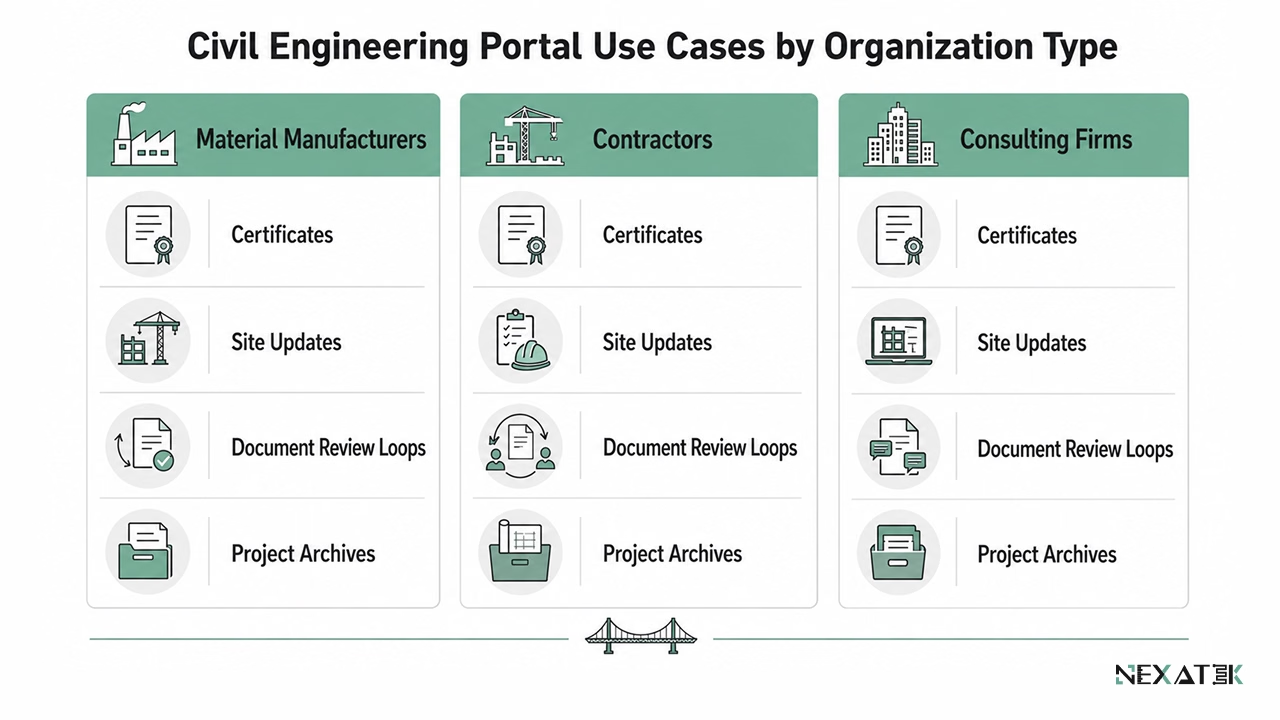 The same portal structure can support manufacturers, contractors, and consulting firms with different document and reporting needs.
Material Manufacturers and Technical Clients
Manufacturers interact with technical clients through product data sheets, test certificates, approval documentation, and project-specific submissions. Repeat access defines this pattern: a geosynthetics client may request the same certificate set on five projects in one year.
The portal answers those retrievals without repeated manual sending. Some manufacturers extend it further, letting clients place material orders or run product design checks directly inside the portal.
Construction and Infrastructure Contractors
Contractors report progress at high frequency. Site teams generate daily updates, inspection records, photo documentation, and technical submissions, often captured through field data collection tools on site.
A client portal for construction projects publishes these updates with full project context. Email distribution breaks down at daily volume. Access control segregates information by contract package, so the client sees one unified record while subcontractor data stays separated.
Engineering and Consulting Firms
Consulting deliverables move through repeating loops: internal check, client review, revision, reissue. Engineering client portal development supports this rhythm by tracking issue states and preserving revision history across every loop.
Duration is the second factor. A framework agreement can keep one consultant and one client working together for a decade. Across that span the portal becomes the durable archive of issued deliverables and status records, independent of staff turnover on either side.
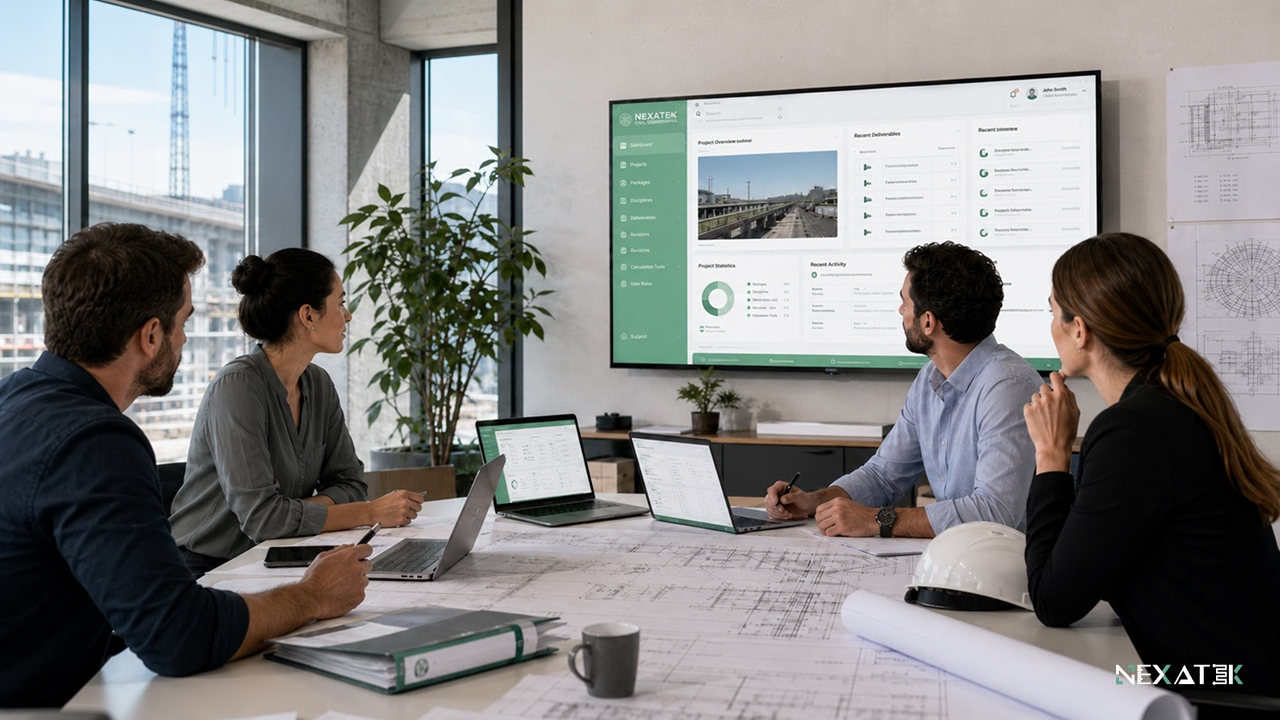 A customer portal should be designed around the way engineering teams issue, revise, and share project records.