
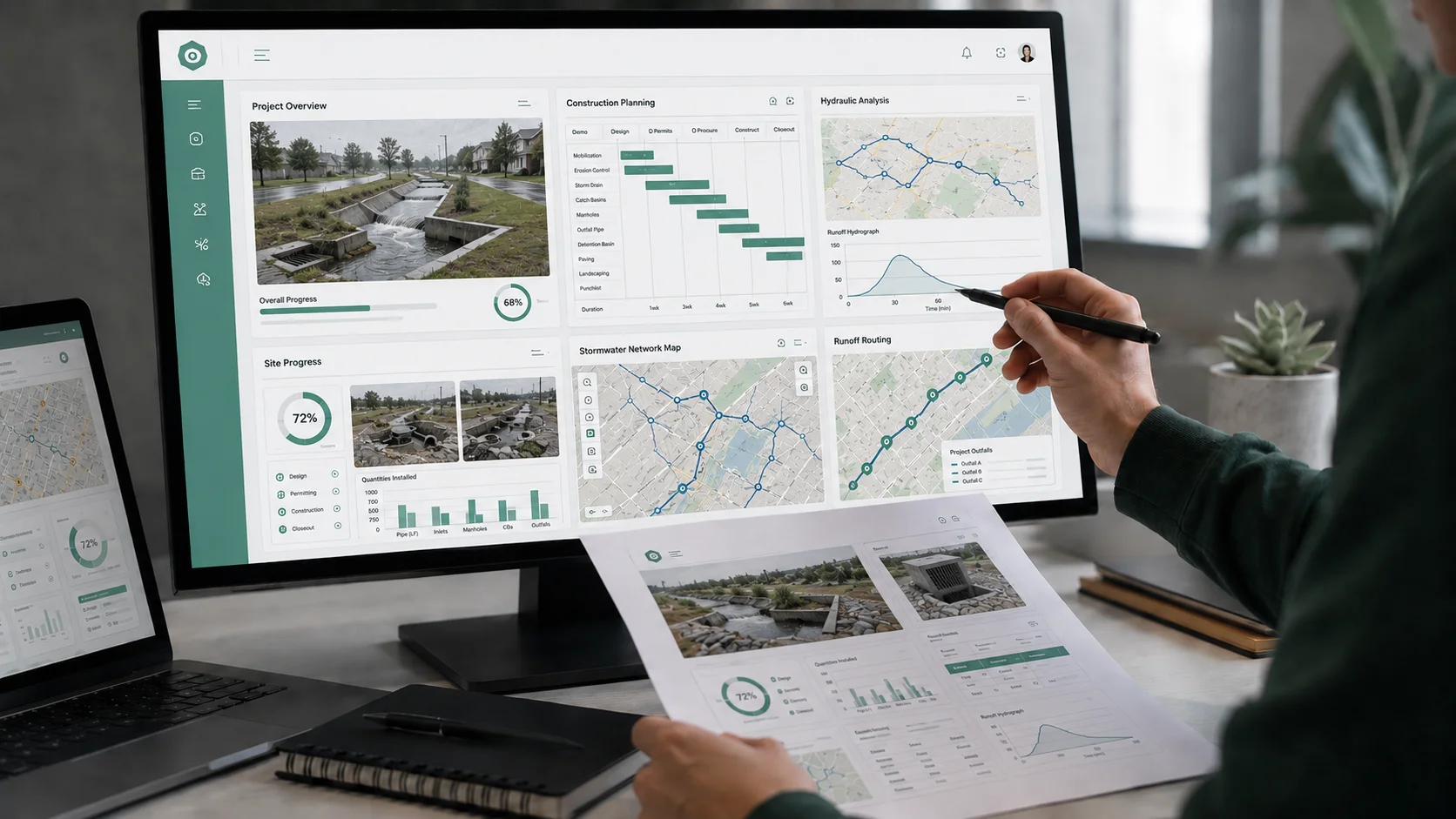
Skreddersydd Utvikling av Webapper for Anleggsteknikk
NEXATEK utvikler skreddersydde webapplikasjoner som digitaliserer arbeidsflyter, automatiserer design og tekniske prosesser, og sentraliserer prosjektdata i anleggsteknikk.
Prosjektering og Tekniske Applikasjoner

Prosjekt- og Datahåndtering

Integrasjon og Automatisering

Bedriftsløsninger

Lignende prosjekter
Oppdag flere innovative prosjekter:



Gode
Løsninger
Starter Med En SamtaleGode Løsninger Starter Med En Samtale
Vil du utforske hvordan våre tjenester kan få bedriften din til å vokse?
Skreddersydd webapputvikling for bygg- og anleggsteknikk
Skreddersydd webapputvikling for anleggssektoren frembringer nettleserbaserte systemer tilpasset hvordan infrastrukturprosjekter faktisk gjennomføres: geografisk spredte anleggsplasser, skiftordninger og tekniske datamengder i gigabyte-klassen. En entreprenør som drifter tolv samtidige anleggsplasser kan ikke koordinere støpejournaler via e-postvedlegg. Regneark forgrener seg raskt til motstridende versjoner. Webapplikasjoner samler én gjeldende versjon av hvert datasett bak en felles innlogging – og danner derfor fundamentet i de fleste programmer for digital transformasjon i sektoren.
 En skreddersydd webplattform gir kontor-, anleggs- og laboratorieteam én felles, oppdatert versjon av prosjektdataene.
Hva innebærer skreddersydd webapputvikling i anleggssektoren?
I en anleggsfaglig sammenheng betyr skreddersydd webapplikasjonsutvikling å bygge programvare som kjører direkte i nettleseren og er strukturert rundt ingeniørfaglige data fremfor generiske forretningsdokumenter. Inndataene er fagspesifikke: trykkfasthetsresultater fra terningtester etter 7 og 28 døgn, borerapporter, kontrollnotater fra byggeleder og sanntidsdata fra instrumentering. Ingen programvare behøver å installeres på de enkelte datamaskinene. Oppdateringer rulles ut sentralt på serveren, og alle brukere møter den oppdaterte versjonen ved neste innlogging. En ingeniør logger seg på fra laboratoriet om morgenen og fra anleggsbrakken etter lunsj – datagrunnlaget forblir intakt og tilgjengelig.
De fleste plattformer av denne typen fungerer som et sentralt knutepunkt. Målinger fra felt, laboratorierapporter og fremdriftsplaner samles i én strukturert database i stedet for i førti separate Excel-ark. Som en spesialisert gren av skreddersydd programvareutvikling kan hver applikasjon gjenspeile nøyaktig de kontroll- og godkjenningsprosedyrene virksomheten allerede anvender i sin kvalitetssikring.
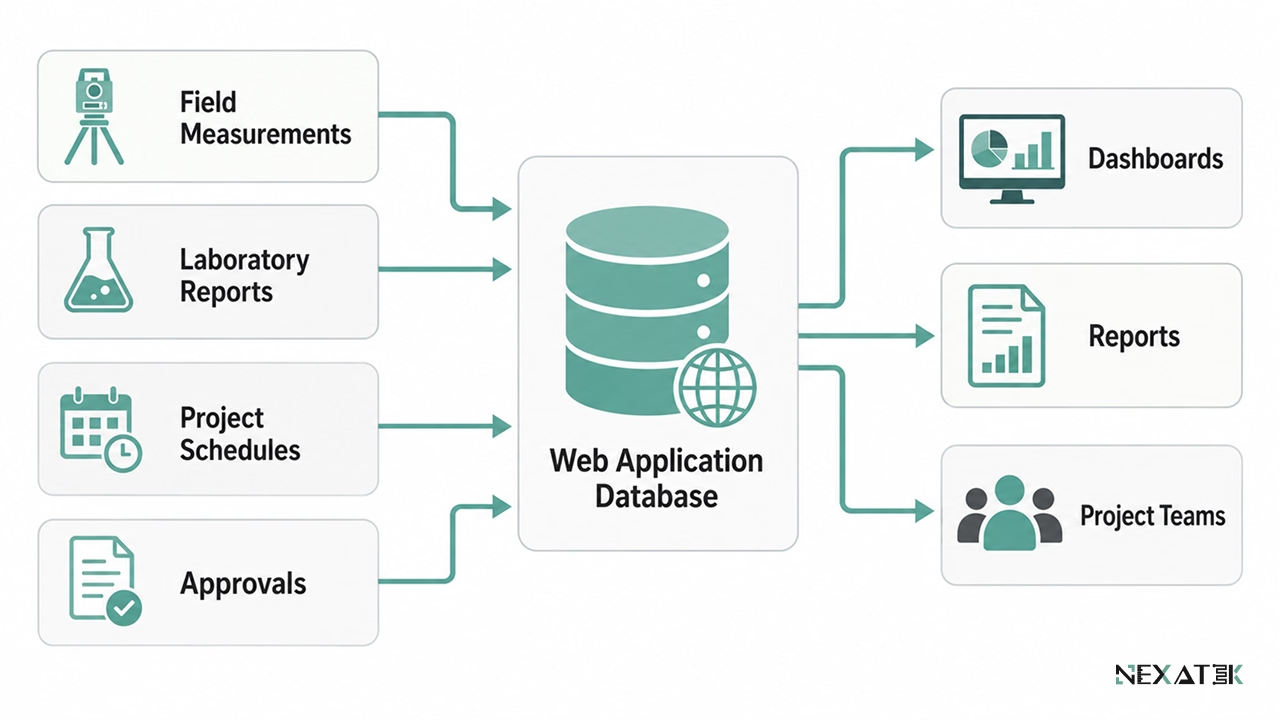 Anleggstekniske webapplikasjoner samler målinger fra felt, laboratorierapporter, fremdriftsplaner og godkjenninger i ett strukturert system.
Hvorfor bygg og anlegg krever skreddersydde webapplikasjoner
Behovet drives av risikohåndtering. En bortkommen prøvingsrapport eller en utgått tegningsrevisjon kan stanse fremdriften på anlegget – eller i verste fall føre til at mangelfullt arbeid utføres uoppdaget. Generiske digitale verktøy inneholder sjelden de faglige sperrene som fanger opp slike avvik tidlig.
Sentralisert tilgang til anleggsdata og beregningsverktøy
En motorveiutbygging kan generere titusener av oppføringer fordelt på grunnarbeid, overvann, konstruksjoner og veidekke. Webbaserte ingeniørsystemer gir alle fagområder én felles inngangsport til disse dataene. Konstruksjonsingeniøren som kontrollerer et pælefundament på kontoret, forholder seg til nøyaktig samme kontrollnotat som anleggslederen som opprettet det. Når asfaltsjakket legger inn nye komprimeringsdata kl. 14:00, kan byggherrens representant hente dem ut kl. 14:01. Manuelle filoverføringer og utskrevne tegningslister elimineres – og dermed også versjonskonfliktene de skaper.
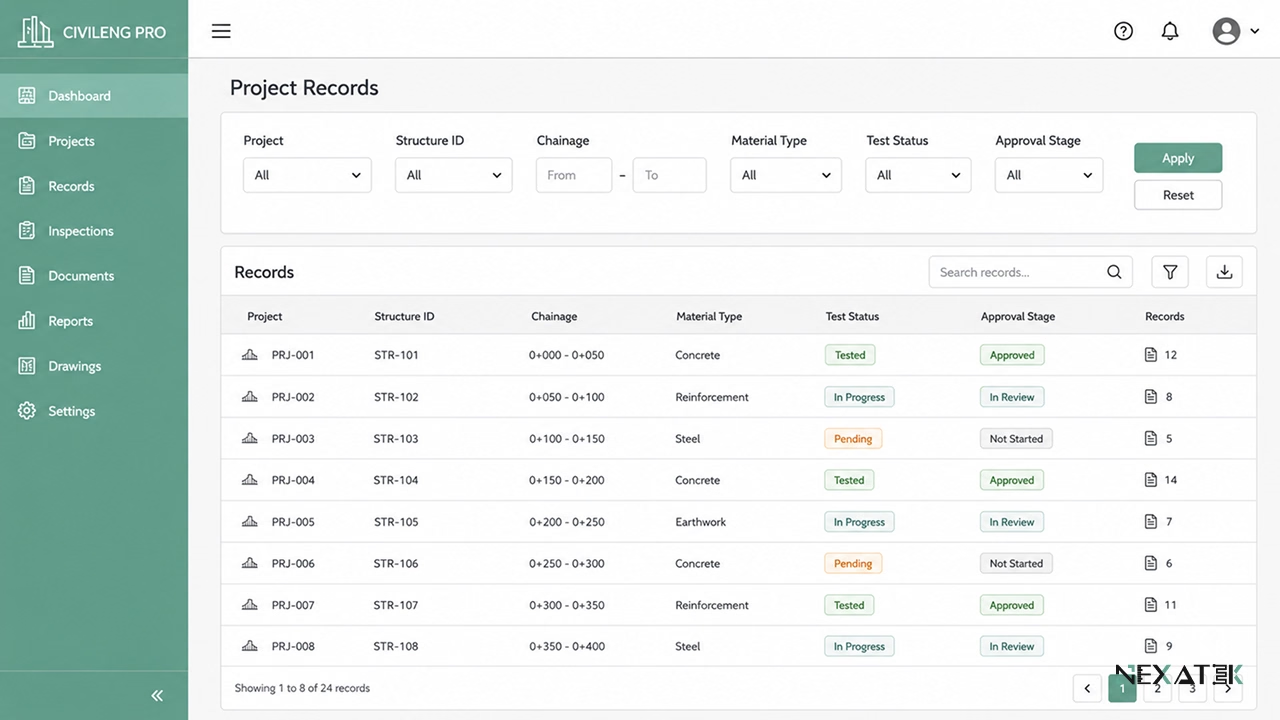 En felles prosjektplattform gjør det enkelt å filtrere data etter konstruksjon, profil, materialtype, kontrollstatus eller godkjenningsfase.
Begrensninger ved generiske webplattformer
Standardplattformer er utviklet for enkle gjøremålslister og skjemaer. De mangler felttyper for kornfordelingskurver og har ingen logikk for å følge betongherding over ulike støpeetapper. Kalibreringslogger for geodetisk måleutstyr illustrerer avstanden: Et standard prosjektstyringsverktøy kan sende en påminnelse, men kan ikke sperre for datainnlegging fra en totalstasjon hvis kalibrering utløp i mars. Teknisk dokumentasjon er dessuten hierarkisk: Én revidert tegning kan ugyldiggjøre seks tilknyttede arbeidsbeskrivelser – en relasjon en flat mappestruktur ikke kan håndtere.
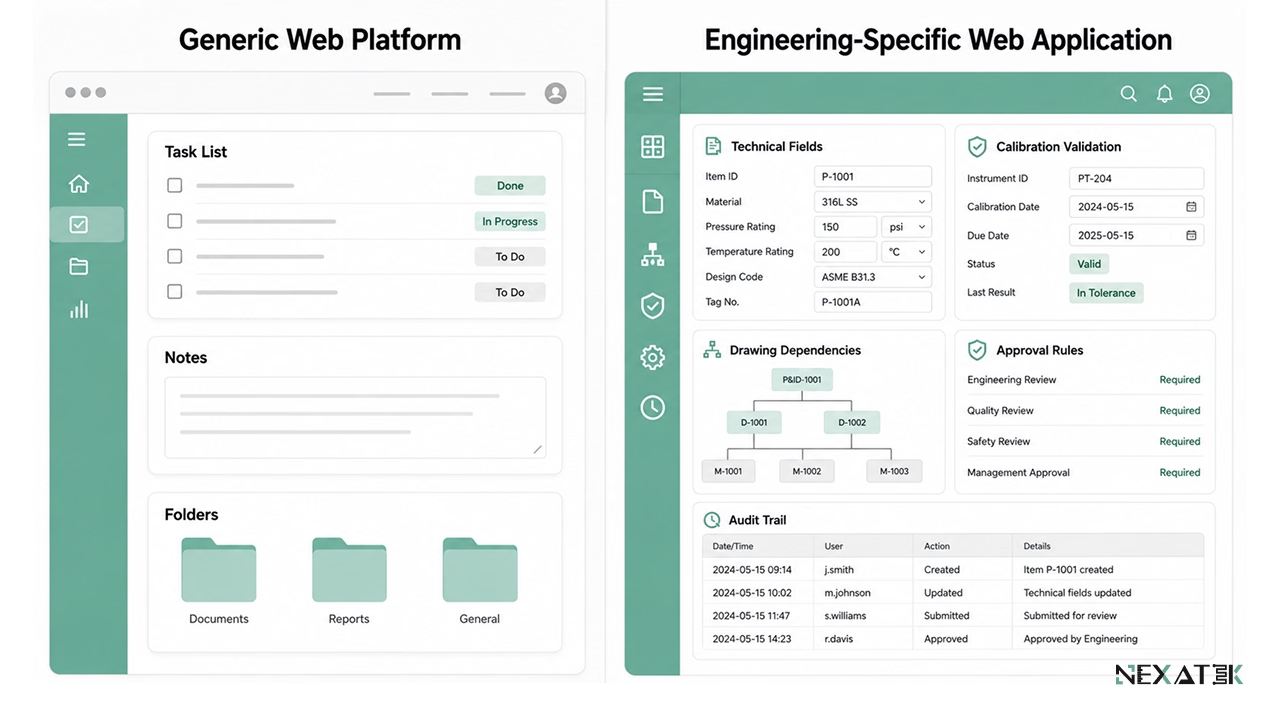 Fagspesifikke systemer håndterer tekniske parametere, avhengigheter, kalibreringskontroller og godkjenningsregler som standardverktøy overser.
Kjernefunksjoner i anleggstekniske webapplikasjoner
Fire hovedfunksjoner kjennetegner nesten enhver vellykket implementering. NEXATEK designer webapper rundt disse funksjonene, fordi de svarer direkte til oppgaver ingeniører og feltpersonell utfører daglig.
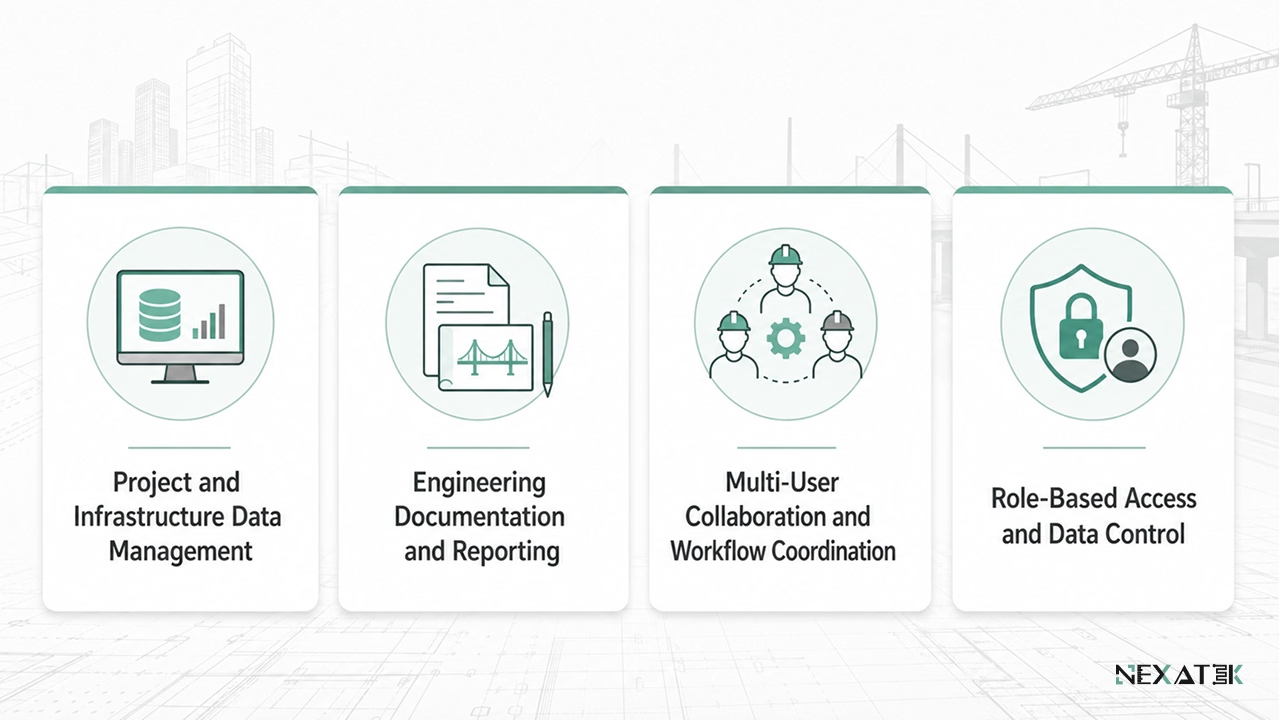 Hovedfunksjonene knytter ingeniørens daglige arbeidsoppgaver sammen med strukturert datastyring, rapportering, samhandling og tilgangskontroll.
Prosjekt- og infrastrukturdatastyrning
Strukturert datalagring danner grunnlaget. Grunnundersøkelser, materialgodkjenninger, prøvingsresultater og as-built-oppføringer mates inn via kontrollerte skjemaer med obligatoriske felter. Ingeniører filtrerer deretter data etter profilnummer, kote, konstruksjons-ID eller materialtype. Et uttrekk som «alle asfaltkjerner med under 96 % komprimering mellom profil 12+000 og 14+500» tar tretti sekunder. Det samme søket i ordinære prosjektmapper krevde tidligere en halv arbeidsdag. Å strukturere disse datasettene krever like mye databasedesign som webutvikling – et område der skreddersydd databaseutvikling utgjør grunnmuren.
Teknisk dokumentasjonsstyring og rapportering
Formell rapportering legger beslag på store mengder ingeniørtimer. Et kontrollingeniørteam på et veiprosjekt kan opprette 30 kontrollforespørsler på én enkelt dag. Byggedagbøker, kontrollforespørsler, avviksrapporter og månedlige fremdriftsrapporter følger faste oppsett; webapplikasjonen kan generere dem automatisk ut fra data som allerede ligger i systemet. En kontrollør som registrerer en underkjent prøve på et nettbrett, har i realiteten produsert brorparten av avviksrapporten. Tilbake står den faglige vurderingen, ikke formateringsarbeid.
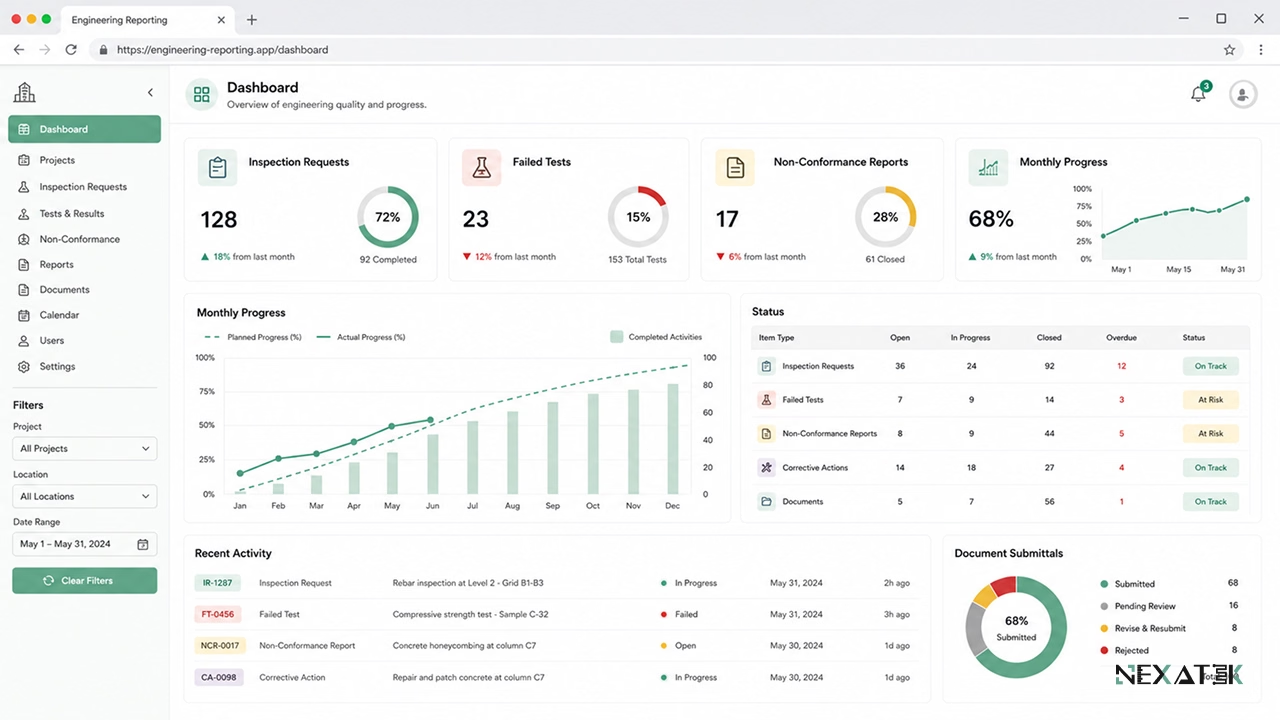
Rapporteringsdashbord omsetter daglige kontroller og underkjente prøver til strukturerte rapporter uten manuelt oppsettarbeid.
Tverrfaglig samhandling og koordinering
Samordningsfeil koster verdifulle dager. Når en kontrollør i felt oppretter en kontrollforespørsel i systemet, varsles den ansvarlige ingeniøren umiddelbart, og saksbehandlingstiden blir synlig for begge parter. Flaskehalser i godkjenningen blir målbare: En sak som har ligget ubehandlet i fire dager, flagges automatisk i den ukentlige fremdriftsrapporten.
Rådgivere, entreprenører og byggherrer arbeider i samme grensesnitt, noe som fjerner det daglige behovet for å sende store PDF-vedlegg via e-post. For mannskap ute på anlegget uten tilgang til kontor-pc utvides disse prosessene til mobiltelefoner gjennom mobilapputvikling basert på samme datalag.
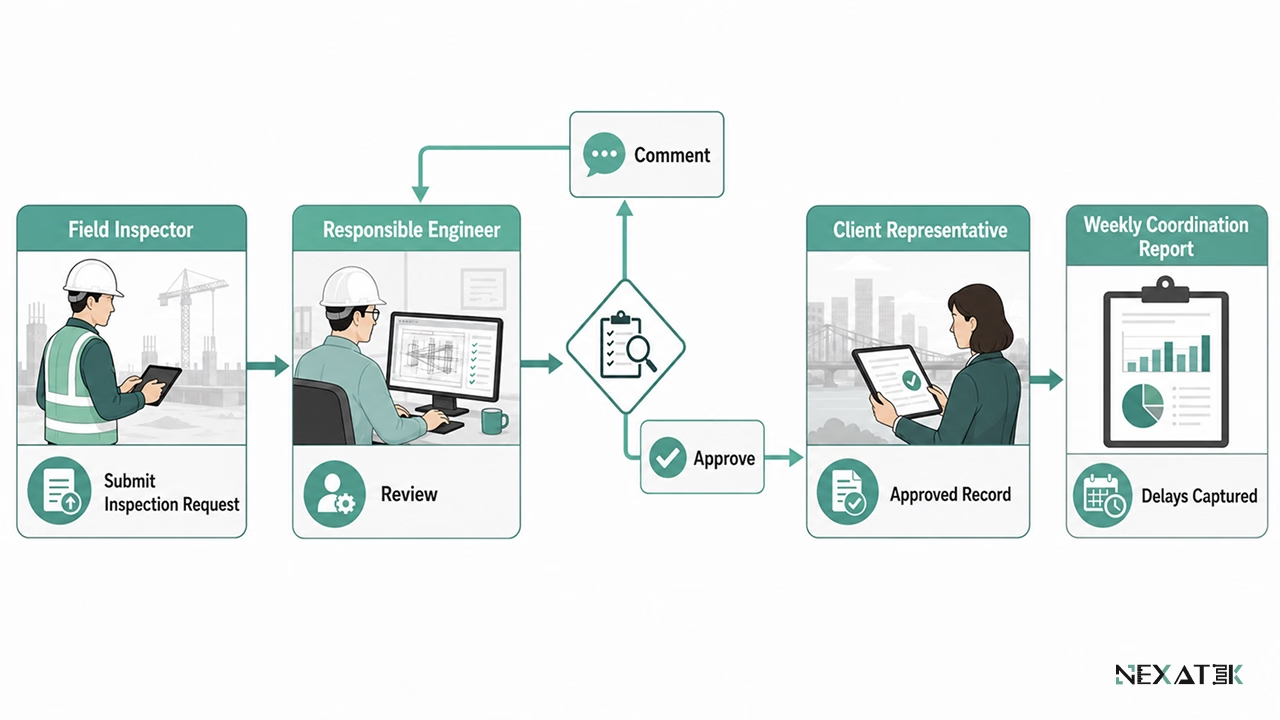 En arbeidsflytvisning gjør ansvar, kontrollstatus og saksbehandlingstider tydelige på tvers av anleggsplass og kontor.
Rollebasert tilgangsstyring og sporbarhet
Tilganger følger prosjektansvaret: En laborant kan mate inn prøveresultater, men kun fagansvarlig materialingeniør kan godkjenne dem, og kun prosjektlederen kan sende dem formelt over til byggherren. Enhver handling loggføres med tidsstempel og bruker-ID, fra første registrering til endelig signering. Dette revisjonssporet gir entydig svar på spørsmålet som oppstår ved tvister: Hvem godkjente dette underlaget, og når skjedde det?
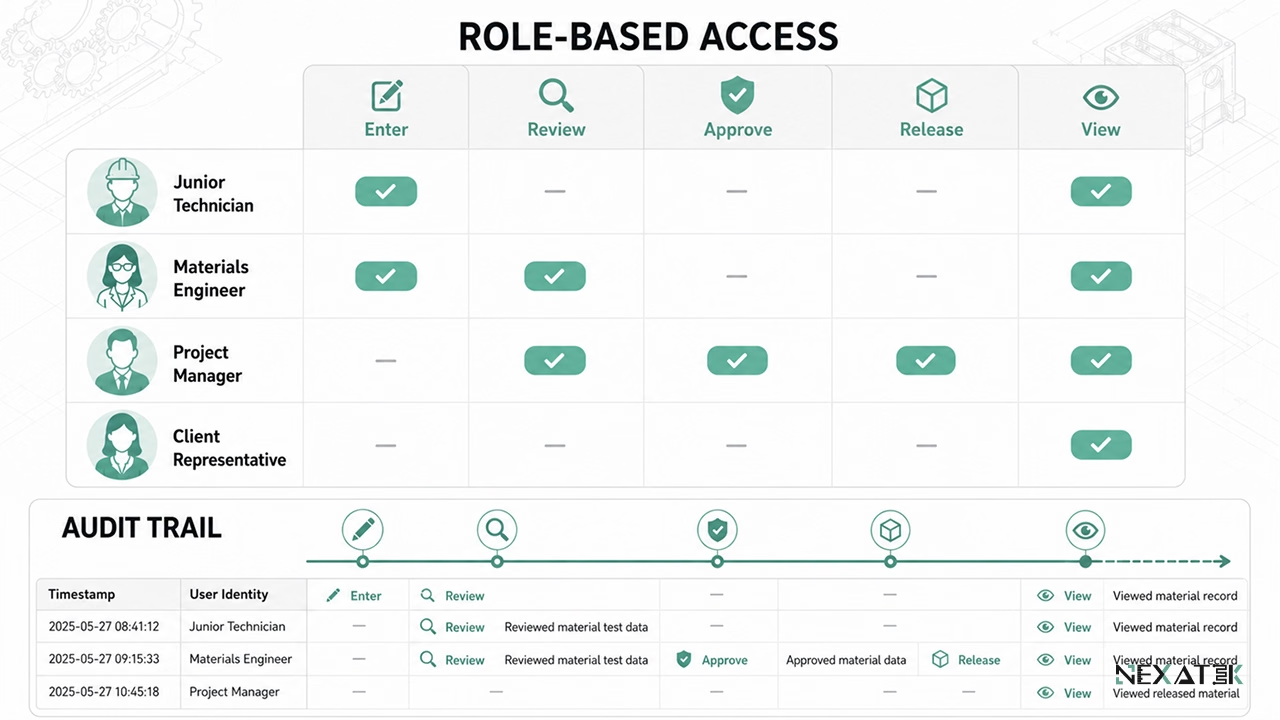 Rollebasert tilgang sikrer tekniske data ved å koble brukerrettigheter direkte til det formelle ansvaret i prosjektet.
Skreddersydde webapper vs. standard SaaS-løsninger
Virksomheter som vurderer skreddersydd webapputvikling opp mot et standard SaaS-abonnement, står overfor et prinsipielt valg. Forskjellene knytter seg til datamodellen og til hvem som har kontroll over den tekniske videreutviklingen.
Begrensninger ved generiske SaaS-plattformer
Abonnementsbaserte plattformer henvender seg til et bredest mulig marked, noe som resulterer i forenklede datastrukturer. Et ingeniørselskap ender ofte opp med å lagre måleresultater fra platebelastningsforsøk i fritekstfelter beregnet for salgsnotater. Slike nødløsninger hoper seg opp inntil rapportene svikter. Manglende kontroll er en annen begrensning: Funksjonalitet teamet er avhengig av kan endres eller avvikles med tretti dagers varsel, ettersom kunden ikke eier utrullingssyklusen. Lisenskostnader per bruker bestemmes ensidig av leverandøren, og integrasjonsmulighetene begrenses av hva leverandørens API tillater.
Fordeler med anleggsspesifikke webapplikasjoner
Systemeierskap endrer spillereglene: En anleggsteknisk webløsning utviklet for én spesifikk organisasjon kan romme en egen geoteknisk laboratoriemodul eller en logg for asfaltutlegging, ettersom datamodellen eies av selskapet. Når prosjektkravene endrer seg, styrer virksomheten tilpasningene selv uten å måtte vente på en ekstern leverandørs veikart. Integrasjoner følger samme logikk: Applikasjonen kan hente data direkte fra bedriftens eksisterende laboratorieinstrumenter, slik at ingen behøver å taste inn samme tall to ganger. En virksomhet som driver marin infrastruktur parallelt med høyreist bygging merker raskt forskjellen, da ingen generisk standardløsning dekker begge fagfelters krav tilfredsstillende.
Webappdesign forankret i anleggsfaglige arbeidsflyter
Systemets tilpasning til arbeidshverdagen – ikke det grafiske uttrykket alene – avgjør om en plattform tas i bruk på et reelt anleggsprosjekt. Et system som nøyaktig følger trinnene i en armeringskontroll, blir brukt daglig. Et system som pålegger ekstra omveier, omgås i løpet av to uker. Å koble faktiske anleggsprosesser til intuitive skjermbilder er skjæringspunktet der arbeidsflytoptimalisering og programvaredesign møtes.
Skalerbarhet på tvers av prosjekter og team
Prosjektporteføljer varierer over tid: Et firma kan ha én enkel bruvedlikeholdskontrakt i år og påta seg en omfattende ledningsfornyelse det neste, noe som tidobler datamengden og antall brukere. Nettleserbaserte systemer håndterer denne veksten ved å skille prosjektdata logisk i databasen, samtidig som brukergrensesnittet forblir enhetlig. Et nytt prosjekt blir dermed en ren konfigurasjonsoppgave fremfor et nytt programvareinnkjøp. Rapportmaler og tilgangsstrukturer videreføres direkte fra oppdrag til oppdrag.
Datakonsistens og revisjonsstyring
Utdaterte tegninger utgjør den mest kostbare feilkilden i anleggsbransjen. Det støpes betong etter utgåtte tegninger, og omfattende riving og ombygging følger. En skreddersydd plattform håndhever versjonskontroll direkte på databasenivå: Når revisjon C av en tegning godkjennes, flyttes revisjon A og B automatisk til et skrivebeskyttet arkiv. Alle åpne oppgaver knyttet til de gamle revisjonene flagges for gransking. Byggeplassen forholder seg alltid til gjeldende versjon, fordi systemet ikke tillater annet.
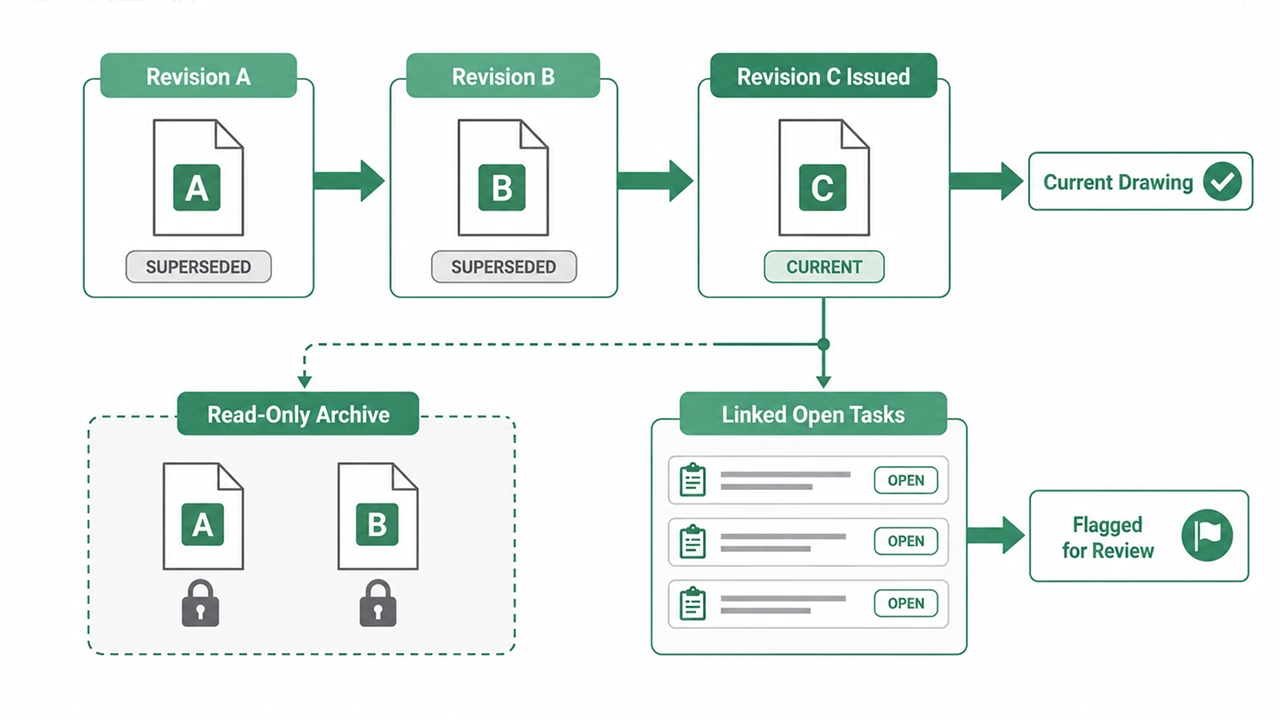 Versjonskontroll arkiverer utgåtte tegninger automatisk og varsler om åpne oppgaver knyttet til eldre revisjoner.
Tilpasningsdyktighet til endrede ingeniørprosesser
Prøvingsmetoder og rapporteringsformater varierer mellom ulike byggherrer og gjennom et anleggs livsløp. En skreddersydd applikasjon tilpasser seg slike endringer via enkle oppsett eller målrettet videreutvikling som måles i uker, ikke kvartaler. NEXATEK bygger disse plattformene i moduler, slik at en ny type laboratorietest kan innlemmes uten at det påvirker modulene som allerede er i drift.
Bruksområder i byggenæringens verdikjede
Etterspørselen etter skreddersydde webapper i anleggssektoren kommer primært fra tre aktørgrupper, som utnytter teknologien til ulike formål:
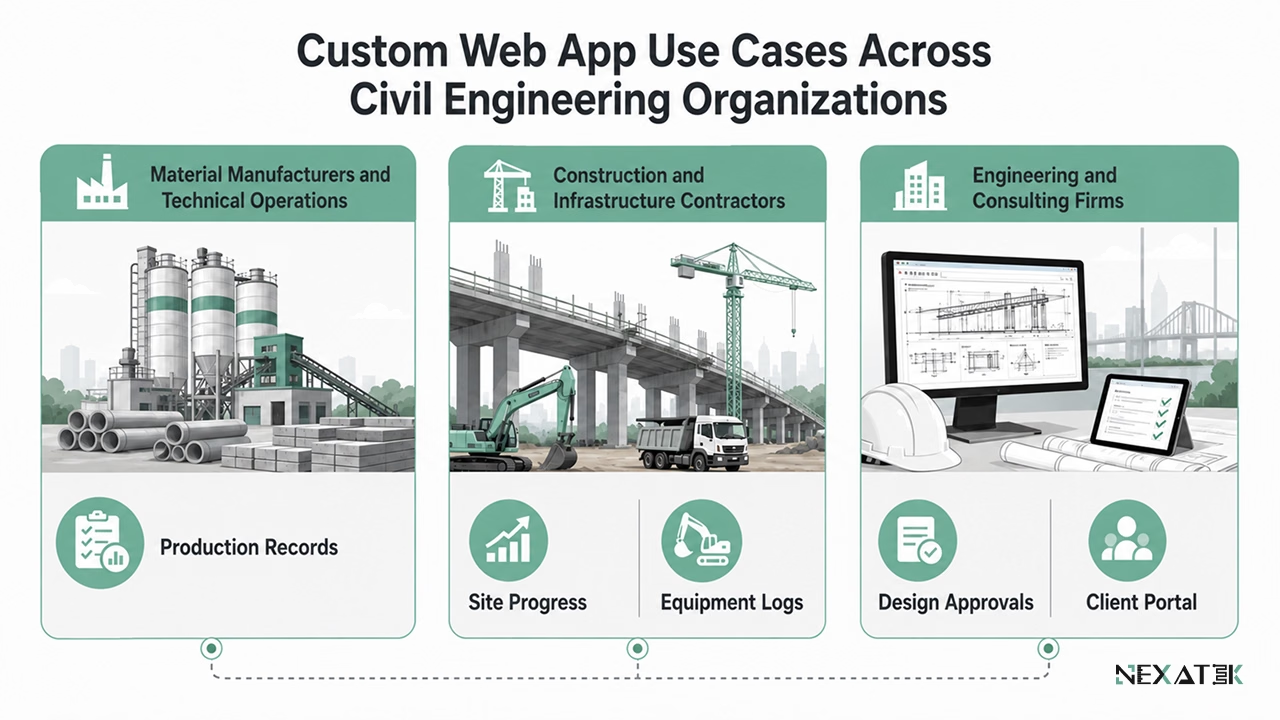 Ulike virksomheter i anleggssektoren benytter webapper til produksjonsstyring, anleggskoordinering, prosjekteringsgodkjenning og byggherreinnsyn.
Materialprodusenter og teknisk produksjon
En betongelementfabrikk sporer hvert enkelt element fra formoljing til levering på byggeplass. Skreddersydde webapplikasjoner gir hver komponent en digital produksjonsjournal: betongsammensetning, støpedato, trykkfasthetsresultater og transportdata i én søkbar oppføring. Kvalitetsingeniører kan dermed identifisere trender over tusenvis av elementer – som et gradvis fall i 28-døgnstrykkfastheten som kan spores direkte tilbake til et skifte av tilslagsleverandør.
Entreprenører og anleggsvirksomheter
Entreprenører fokuserer på anleggsledelse og ressursstyring. Anleggsledelsen fører daglig fremdrift og maskintimer inn i den samme plattformen som allerede ivaretar underentreprenørenes dokumentasjon. I prosjekttette markeder, der én entreprenør drifter mange anlegg samtidig, synliggjør konsoliderte webdata gryende forsinkelser mens det fremdeles er tid til å omdisponere mannskap og utstyr.
Rådgivende ingeniørselskaper
Rådgivere håndterer den mest sammensatte dokumentasjonen i bransjen: beregningsnotater, granskingskommentarer, faglige uttalelser og byggherreoppfølging. Skreddersydde webapper for rådgivere følger prosjekteringsendringer og byggherregodkjenninger opp mot en komplett revisjonshistorikk. Mange selskaper tilgjengeliggjør et filtrert utdrag av disse dataene via en prosjektsamhandlingsportal, noe som gir byggherren sanntidsinnsyn i fremdriften uten å åpne opp for interne arbeidsnotater.