

Utvikling av kundeportaler innen anleggsteknikk
Et kontrollert selvbetjeningsgrensesnitt for dine klienter og interne team for tilgang til prosjektinformasjon. NEXATEK utvikler kundeportaler sentrert rundt tekniske leveranser, kalkulatorer, dokumenter, forespørsler, revisjonskontroll og rollebasert tilgang. Målet er forutsigbar klientinteraksjon gjennom lange prosjektlivssykluser.
Portaltilgang og sikkerhet
Prosjektdata og distribusjon av leveranser
Designverktøy og rapporter
Kommunikasjon, oppdateringer og kundeforespørsler
Dashbord og oversiktspanel
Lignende prosjekter
Oppdag flere innovative prosjekter:



Gode
Løsninger
Starter Med En SamtaleGode Løsninger Starter Med En Samtale
Vil du utforske hvordan våre tjenester kan få bedriften din til å vokse?
Utvikling av kundeportaler for bygg- og anleggsteknikk
Utvikling av kundeportaler for bygg og anlegg gir byggherrer og oppdragsgivere styrt tilgang til prosjektdata, godkjente tegninger, fremdriftsrapporter og avtalte leveranser via ett felles, strukturert grensesnitt. En motorveiutbygging kan strekke seg over flere år og generere tusenvis av tegninger og oversendelsesnotater. Vanlig e-postkorrespondanse kan ikke håndtere en slik dokumentmengde forsvarlig. En portal erstatter spredte fildelinger med en sporbar kommunikasjonsplattform som både prosjekteringsteamet og byggherren kan etterprøve.
Kunderettede portaler etableres gjerne som et ledd i en mer omfattende digital transformasjon av ingeniørvirksomheten. NEXATEK bygger disse løsningene rundt leveransene ingeniører utsteder løpende: tegningslister, beregningsnotater, prøvingsrapporter og formell korrespondanse.
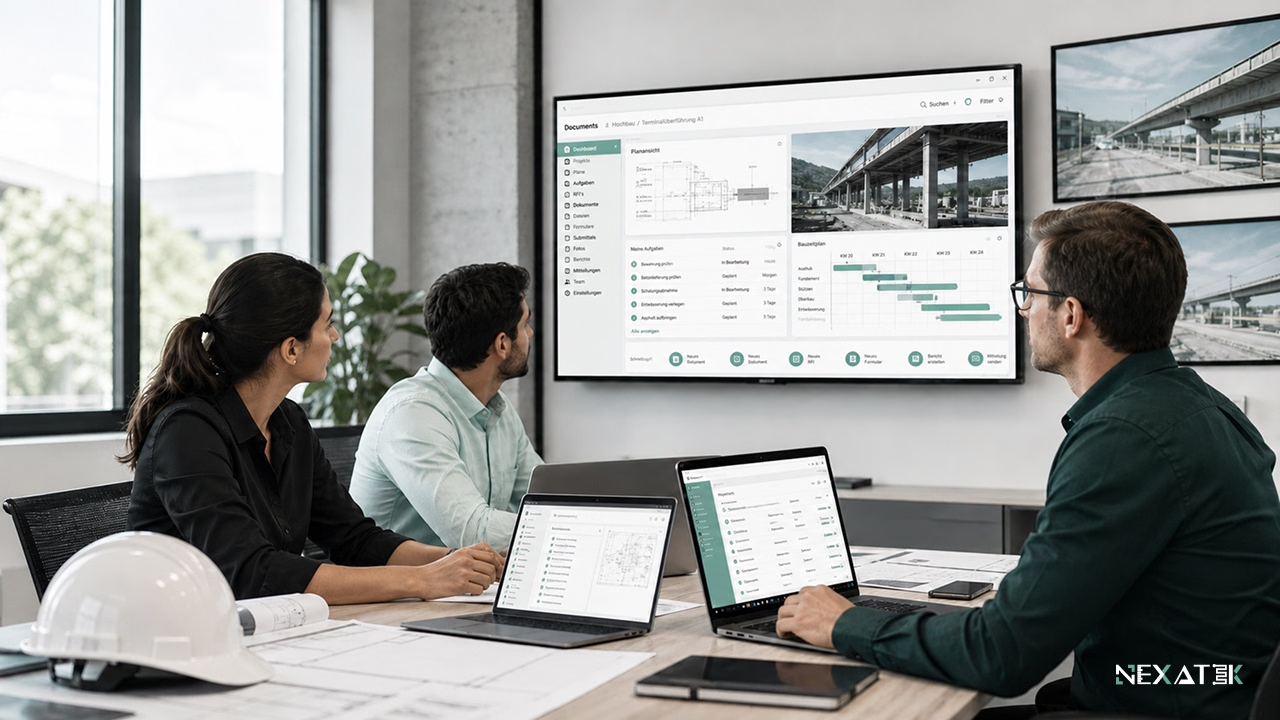 En anleggsportal gir oppdragsgivere ett kontrollert sted for tilgang til tegninger, rapporter, prosjektdata og milepælsstatus.
Hva er en kundeportal innen bygg og anlegg?
En kundeportal for anleggssektoren er en webapplikasjon der oppdragsgivere henter prosjektinformasjon under definerte tilgangsregler. Den fungerer som det offisielle leveringspunktet for tekniske leveranser og statusoppdateringer. Mens generiske dashbord ofte kun viser overordnede nøkkeltall, håndterer en anleggsportal dokumenttunge prosesser under formell versjonskontroll – tilsvarende et kontrollert distribusjonssystem for teknisk dokumentasjon.
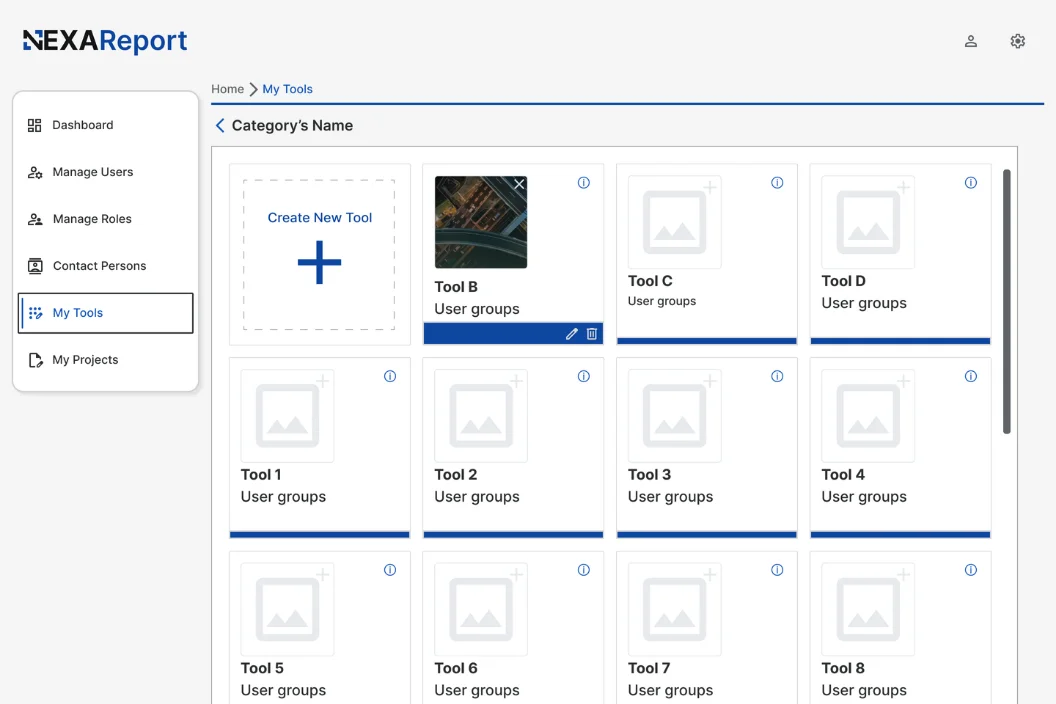
Informasjonsstrukturen følger anleggsfagets logikk: inndelt etter prosjekt, delkontrakt, fagdisiplin eller leveransepakke fremfor tilfeldige mappehierarkier. En portal kan også tilgjengeliggjøre tekniske beregningsverktøy for oppdragsgivers ingeniører, slik at de kan utføre produktspesifikke dimensjoneringskontroller og eksportere resultatene som prosjektdokumentasjon.
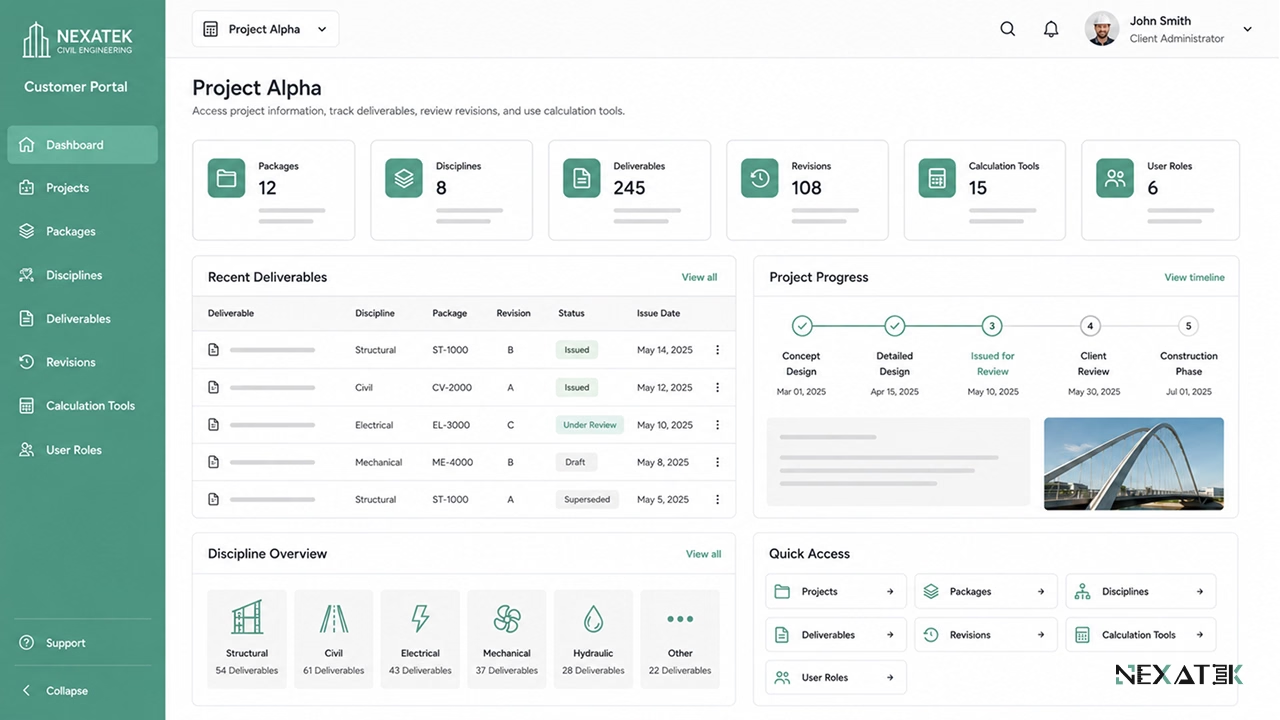 En funksjonell portal gjenspeiler prosjektstrukturen i anleggsbransjen, inkludert delentrepriser, fagdisipliner, leveranser, revisjoner og brukerroller.
Hvorfor anleggsprosjekter krever kundeportaler
Lange beslutningsprosesser utgjør hovedutfordringen. En prosjekteringspakke kan gå gjennom et dusin revisjoner og 40 fagkontrollører mellom tilbud og utførelse. Samhandlingen med oppdragsgiver må forbli konsistent fra tidligfase til overlevering.
Prosjektbasert samhandling med oppdragsgiver
Byggherrer og oppdragsgivere opplever ikke et anleggsprosjekt som én sammenhengende samtale, men interagerer ved definerte punkter: milepælsleveranser, avklaringsnotater, formelle godkjenninger og høringsrunder. Hvert trinn bærer med seg en faglig kontekst, særlig den tilknyttede leveransepakken og dens gjeldende revisjonsstatus.
E-postkorrespondanse fragmenterer denne sammenhengen i uoversiktlige tråder. En delt nettverksmappe lagrer kanskje filen, men forteller ingenting om hvorfor den ble oversendt eller hvilken versjon den erstatter. En B2B-kundeportal logger hver interaksjon som en formell prosjekthendelse, slik at et spørsmål stilt i prosjektuke 12 forblir søkbart knyttet til den aktuelle tegningsrevisjonen.
Rollebasert tilgangsstyring sikrer at en fagkontrollør har innsyn i den komplette revisjonshistorikken, mens en prosjektleder har fokus på fremdriftsplaner og kritiske frister.
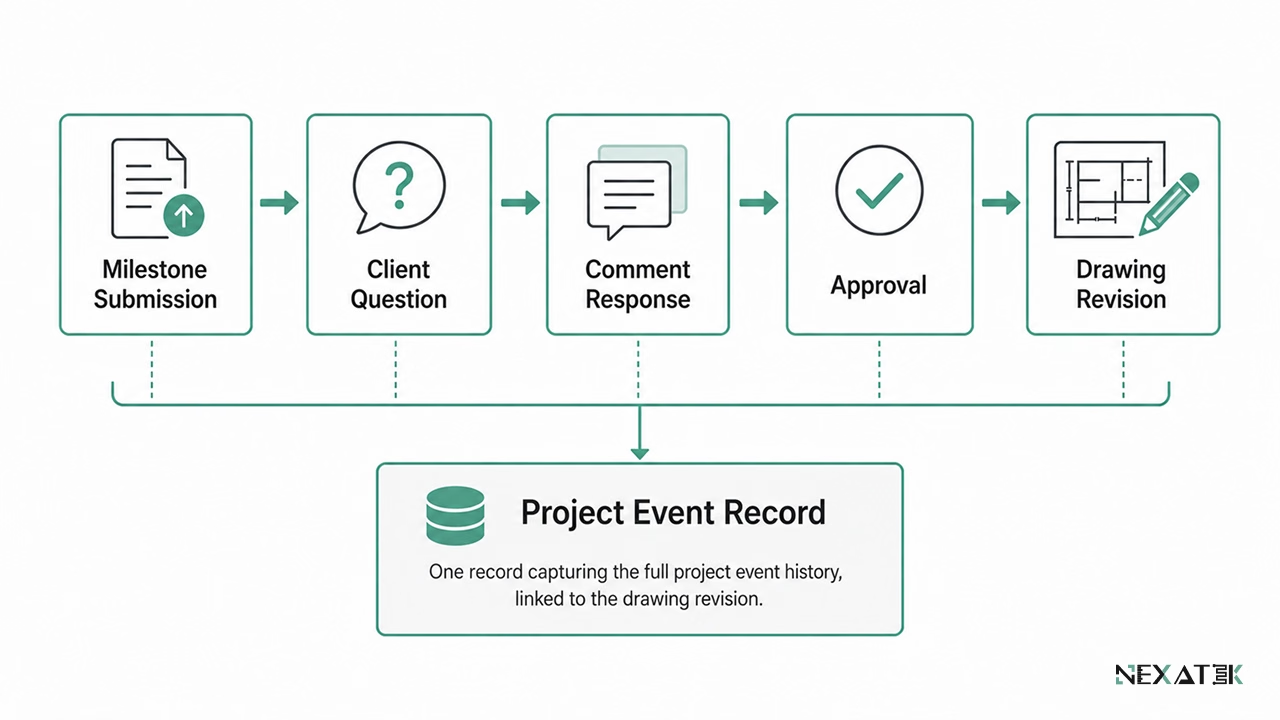 Å koble byggherrens spørsmål, merknader og godkjenninger til den aktuelle tegningsrevisjonen sikrer full sporbarhet.
Dokumenttunge tekniske leveranser
En sluttrapport utgjør bare en liten del av prosjektets totale dokumentmengde. Arbeidstegninger, tekniske notater, kontrollrapporter og etappeavleveringer akkumuleres i formelle utsendelsessykluser – ofte med kommentar- og revisjonsrunder før formell godkjenning.
Generell fildeling ivaretar ikke denne sammenhengen. Et klassisk avviksmønster oppstår når entreprenøren prissetter utførelsen etter revisjon C, mens rådgiveren allerede har utstedt revisjon D. Portalløsninger for anleggsbransjen behandler derfor revisjonsstyring som en obligatorisk kjernefunksjon.
Gjenfinning er like avgjørende: Når en byggeleder ute på anlegget 14 måneder senere behøver en godkjent fundamenteringstegning for å dokumentere en avgjørelse, reduserer et indeksert datalager søketiden fra dager til minutter.
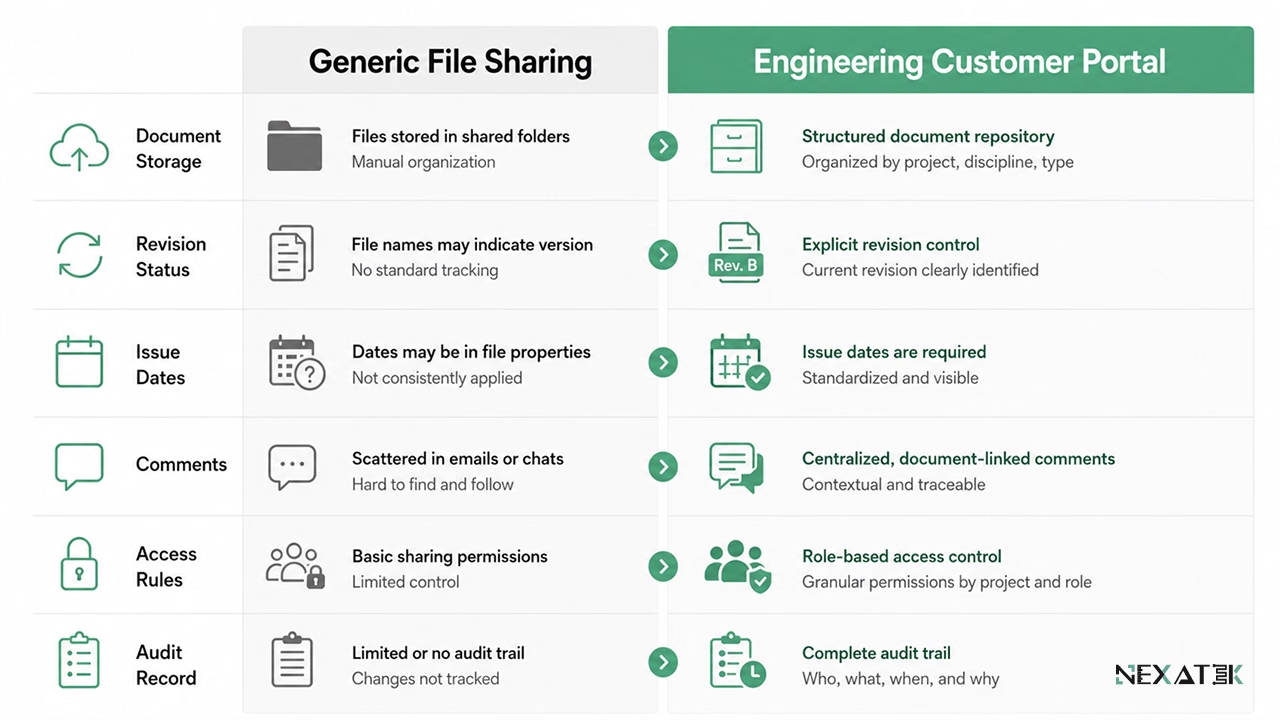
Generisk fillagring lagrer dokumenter, mens en anleggsportal bevarer oversendelseshistorikk, dokumentstatus, revisjonskontekst og tilgangsregler.
Fire kjernefunksjoner i en anleggsteknisk kundeportal
Fire hovedfunksjoner definerer en velfungerende kundeportal for anleggssektoren: fremdriftsinnsyn, dokumenttilgang, distribusjon av leveranser og strukturert kommunikasjon. Hver funksjon svarer til et tilbakevendende behov i anleggsprosjektets livsløp.
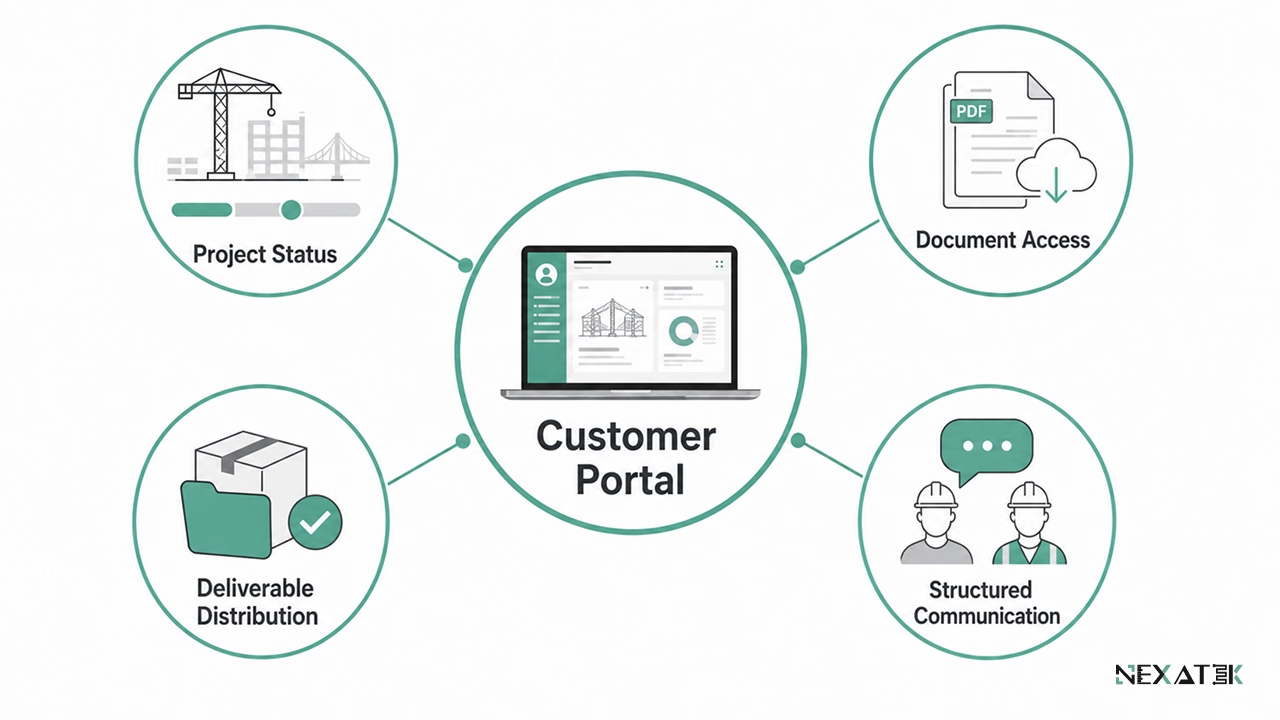 Portalen samler prosjektstatus, dokumenttilgang, leveransedistribusjon og strukturert dialog i ett felles system.
Prosjektstatus og fremdriftsinnsyn
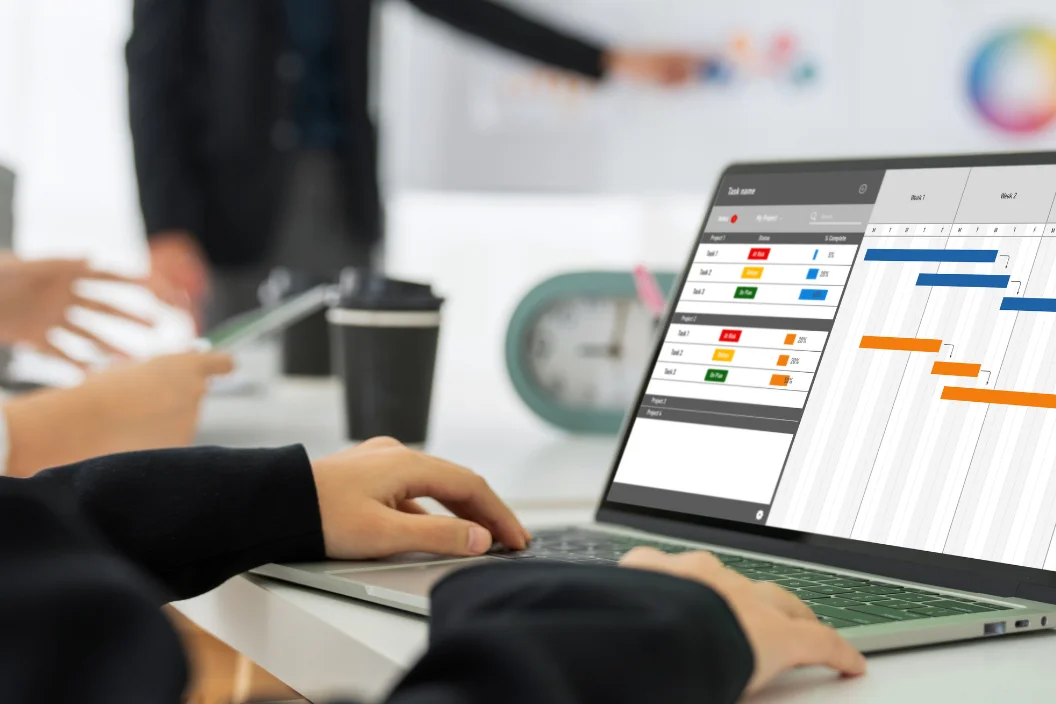
Statusoversikter tilfører først verdi når statuskodene gjenspeiler ingeniørfaglig virkelighet: Utkast, Intern kontroll, Sendt til høring, Godkjent for bygging. En udefinert status som «pågår» gir ikke oppdragsgivers prosjektledelse tilstrekkelig beslutningsgrunnlag.
Kontekst gjør en statuskode operativ: En milepælsmarkering uten tilknytning til underliggende dokumenter og leveransedatoer gir lite veiledning. Portalen knytter derfor hver statusoppføring direkte til dokumentene bak.
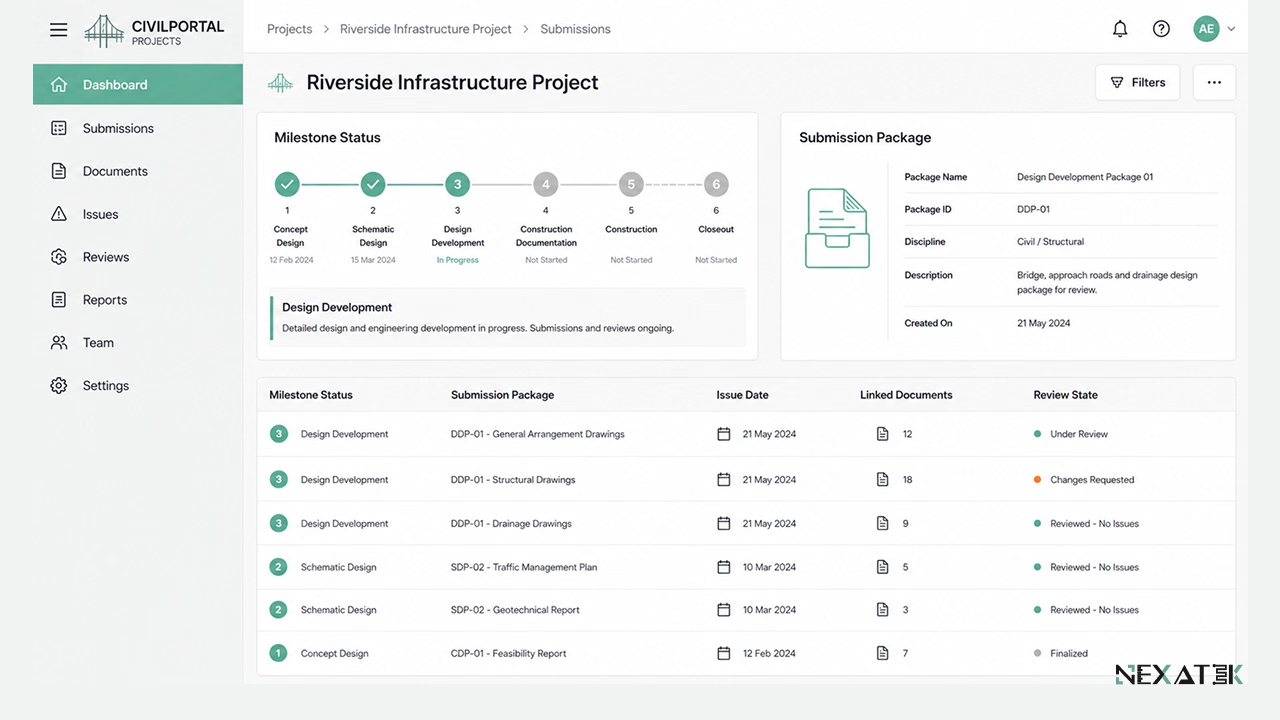 Statusvisninger blir nyttige når hver milepæl er sporbart knyttet til de tilhørende leveransene, datoene og underlagene.
Tilgang til tekniske dokumenter og tegninger
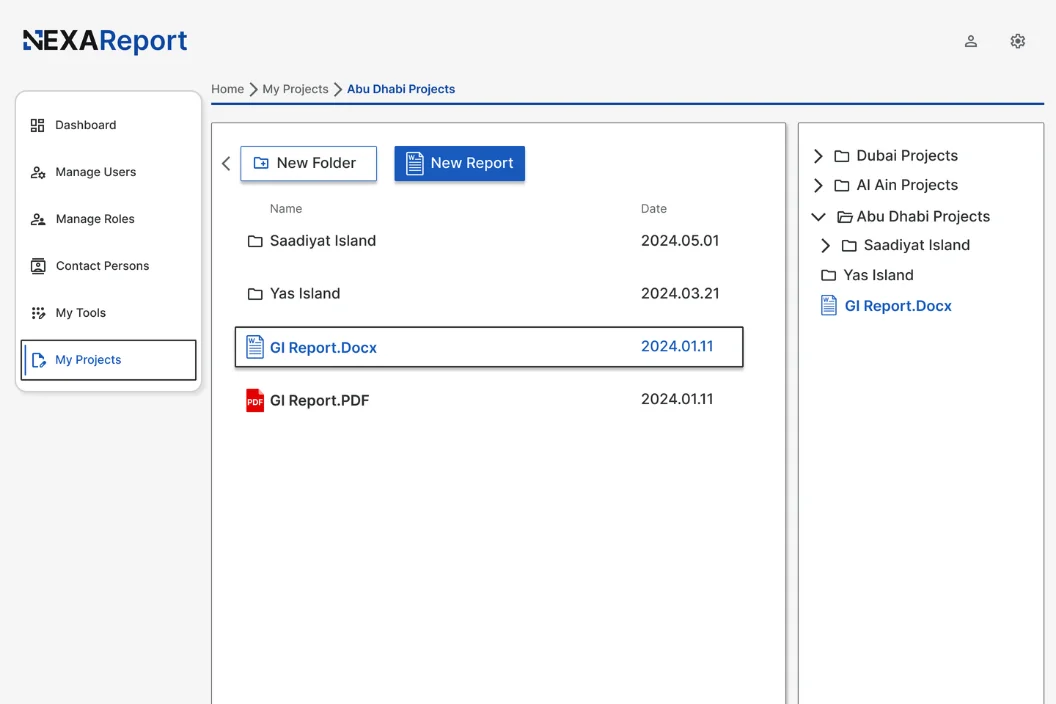
Tilgang til tegninger og rapporter utgjør selve kjernen i kundeportalen. Filene ordnes etter leveransepakke eller fagdisiplin – i tråd med hvordan ingeniører søker etter materiale – og gjeldende revisjonskoder fremgår direkte i listevisningene.
Uferdige arbeidsutkast representerer en reell risiko: Mange tvister i byggebransjen oppstår når foreløpige beregninger spres utenfor den tiltenkte kretsen. Portalen styrer hvilke filer ulike brukerroller kan åpne, og merker dokumentstatus tydelig, slik at interne utkast holdes strengt adskilt fra godkjente arbeidstegninger.
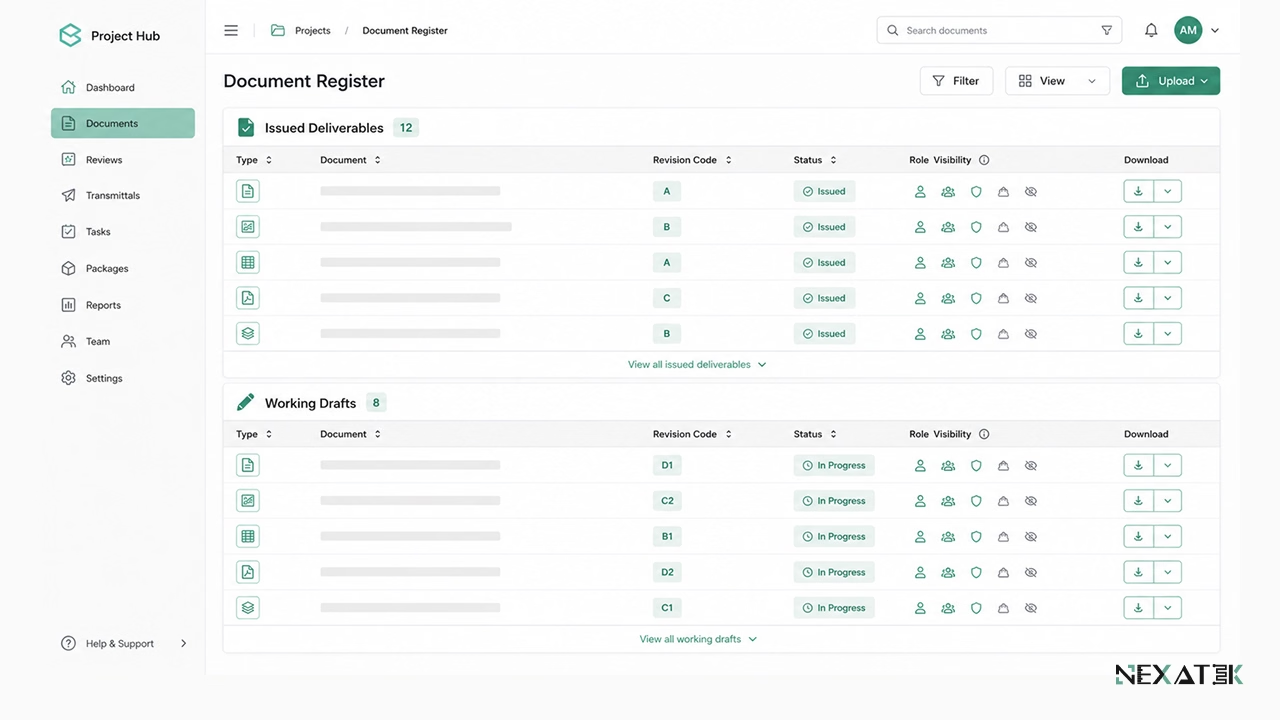 Tydelig dokumentstatus hjelper oppdragsgiver med å skille formelt utstedte leveranser fra interne arbeidsnotater.
Distribusjon av rapporter, måledata og overleveringer
Oppdragsgivere behøver mer enn bare formelle rapporter. Prøvingsresultater, overvåkingsdata, byggedagbøker og periodiske fremdriftsrapporter distribueres via portalen som faste publikasjoner med konsekvent navnestruktur. Som en teknisk rapporteringsportal sørger systemet for at hvert datasett forblir knyttet til sin referansedato.
Tidsseriedata krever spesiell nøyaktighet: Dersom en oppdragsgiver skal sammenligne setningsmålinger fra mars med målinger fra september, må begge uttrekk være tilgjengelige – ikke bare den sist oppdaterte kurven. Strukturert lagring i bunnen, ofte basert på skreddersydde databaseløsninger for anleggssektoren, sikrer at historiske datauttrekk forblir søkbare.
Strukturert kommunikasjon og oppdateringer
Prosjektkommunikasjon er mest verdifull når den forblir forankret i leveransene. Varsler om oversendelser og svar på merknader mister sin relevans dersom de kun eksisterer i en e-postinnboks. Portalen holder hver melding direkte koblet til det aktuelle dokumentet.
Dermed forholder alle parter seg til det samme oppdaterte underlaget. Mens fragmenterte e-posttråder ofte fører til at oppdragsgivers kontraktsansvarlige og tekniske leder opererer ut fra ulike oppfatninger av en leveranse, skaper én sentral informasjonskanal full forutsigbarhet.
Kundeportaler vs. tradisjonelle kommunikasjonsformer
Tradisjonelle metoder benyttes ofte fordi de tilsynelatende ikke krever etableringskostnader. Men i dokumenttunge anleggsprosjekter bryter de sammen på kritiske områder. Forskjellene er strukturelle:
Begrensninger ved e-post, delte områder og manuell rapportering
E-post fungerer utmerket til raske avklaringer, men svikter som prosjektarkiv: Vedlegg dupliseres, revisjonshistorikk splittes opp, og aktørene risikerer å jobbe ut fra ulike dokumentversjoner uten å være klar over det.
Delte nettverksområder samler filene, men mangler styring: Mappestrukturer varierer fra prosjektleder til prosjektleder, og navnekonvensjoner forfaller over tid. Å opprettholde en differensiert byggherretilgang på tvers av delentrepriser lar seg knapt håndtere via ordinære mapperettigheter alene.
Manuell rapportering medfører tidsforsinkelser. En månedlig PDF gir kun et øyeblikksbilde, men mangler direkte kobling til de underliggende fagrapportene. Oppdragsgiver svarer med å etterlyse filer via e-post, og den fragmenterte sirkelen fortsetter.
Fordeler med sentraliserte kundeportaler
Sentralisering styrker sporbarheten og etterprøvbarheten: Ved en tvist eller et faglig revisjonskrav ligger hele prosjektdokumentasjonen samlet på ett sted med intakte utsendelsesdatoer og revisjonskoder, i stedet for spredt i personlige postkasser og private arkiver.
Rollebaserte tilganger sikrer riktig innsyn: Fagkontrollører har tilgang til komplette tekniske underlag, mens prosjektledelsen kan forholde seg til overordnede fremdriftsrapporter. Ved overtakelse utgjør denne strukturen et stabilt sluttdokumentasjonsarkiv som dokumenterer nøyaktig hva som ble utstedt og godkjent underveis.
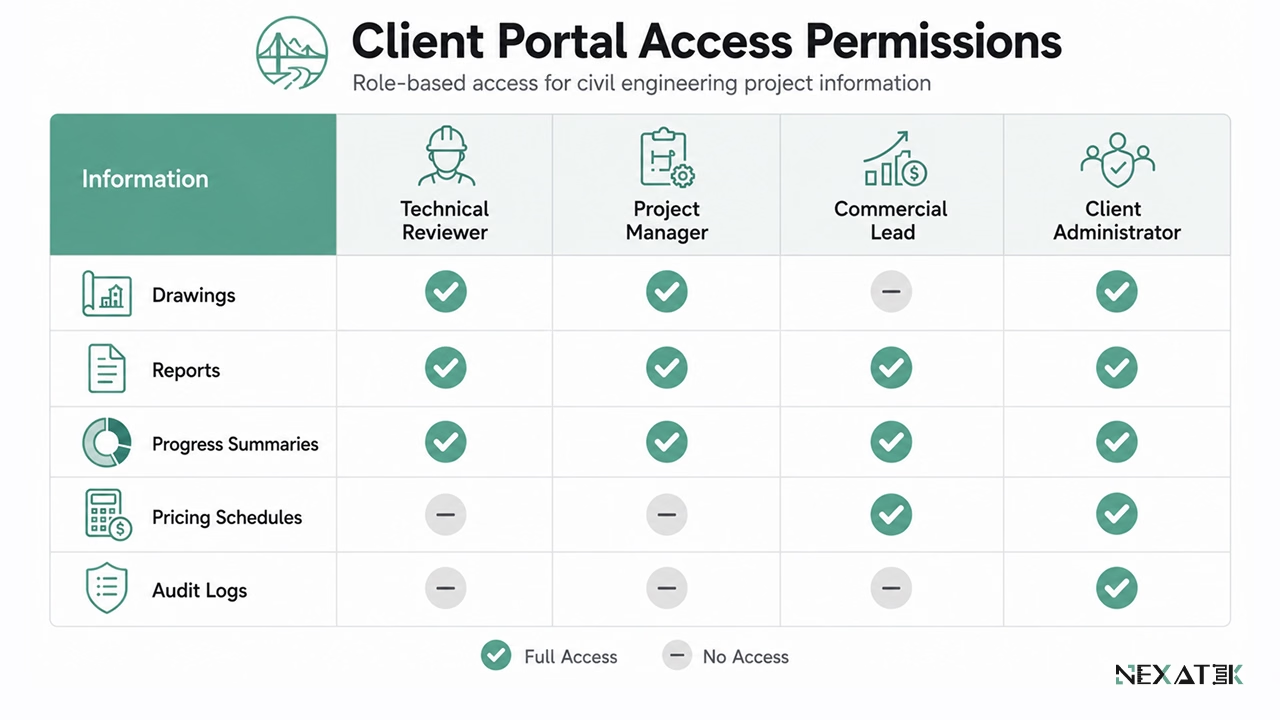 Rollebasert tilgangsstyring gir hver prosjektdeltaker innsyn i relevant informasjon uten å eksponere fortrolige filer unødig.
Portalkonsept tilpasset anleggsfaglige arbeidsflyter
Utviklingen av en kundeportal for anleggssektoren tar alltid utgangspunkt i selve arbeidsprosessene, aldri i det visuelle grensesnittet alene. Måten et prosjekteringsteam godkjenner og distribuerer dokumenter på, legger føringene for portalstrukturen. NEXATEK integrerer portalprosjekter med arbeidsflytoptimalisering i bygg og anlegg, slik at portalen nøyaktig gjenspeiler hvordan leveransene produseres i den daglige oppdragsgjennomføringen.
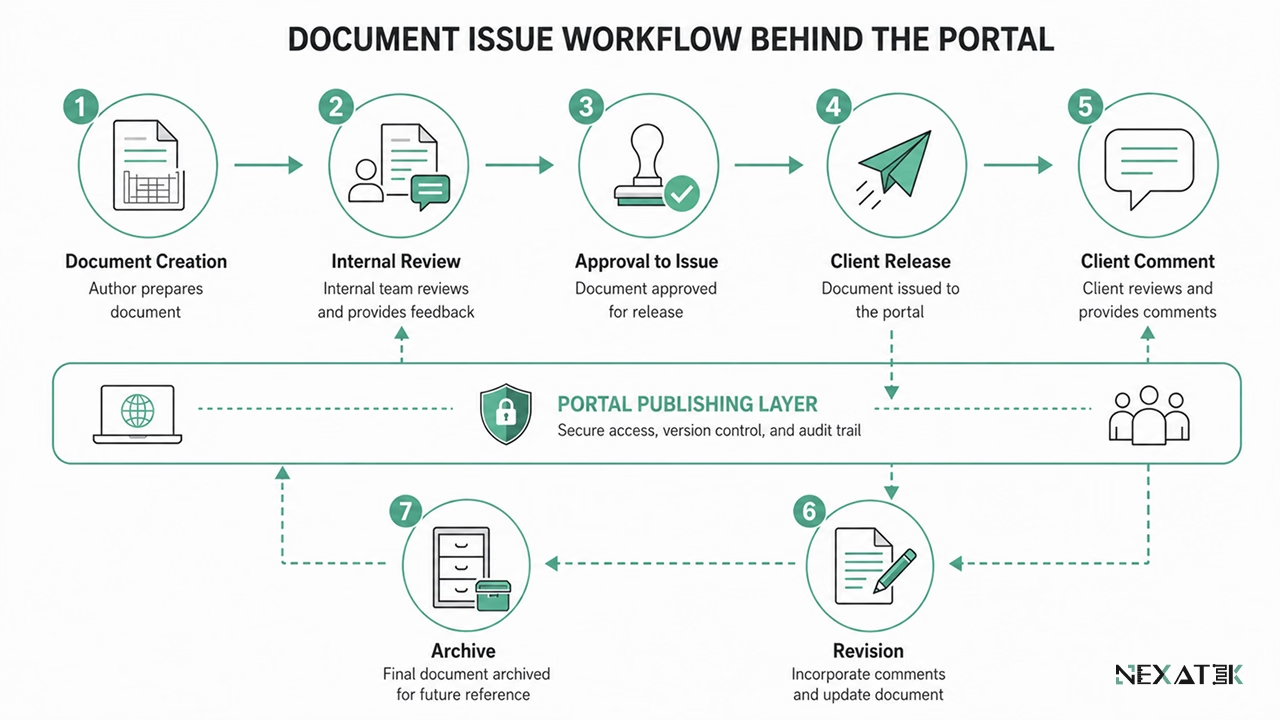 Portaldesignet bør følge dokumentets vei: fra internkontroll til godkjenning hos oppdragsgiver og videre revisjonsoppfølging.
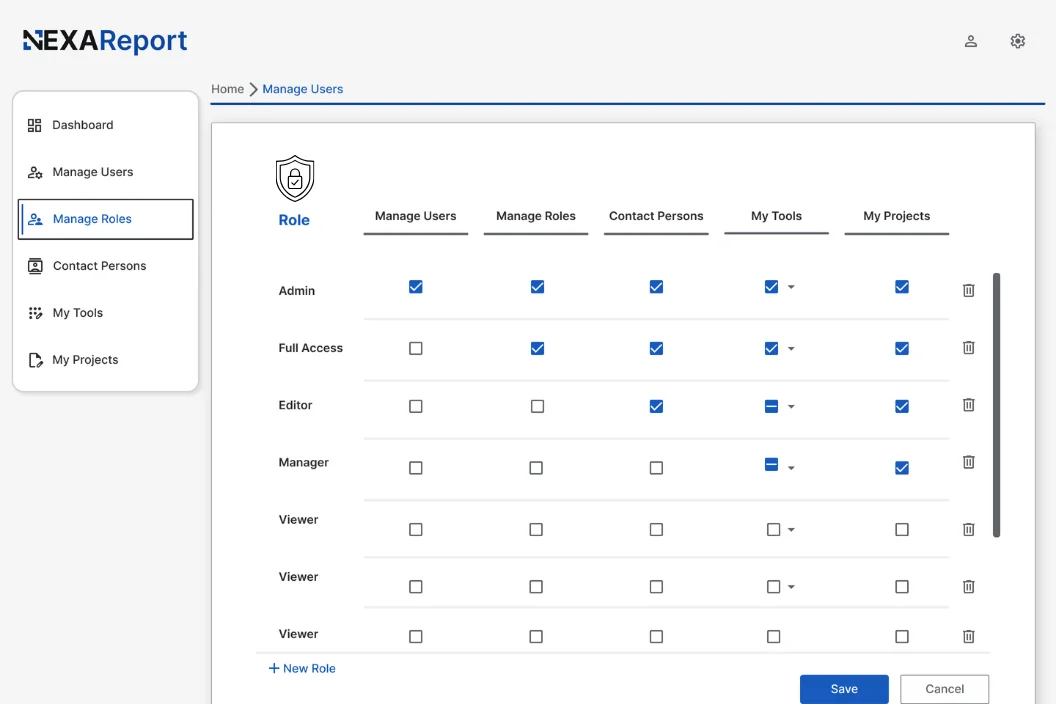
Tilgangsstyring og datasegmentering
Følsomheten til prosjektdata varierer internt i et oppdrag: Prissatte mengdebeskrivelser og interne beregningsnotater krever strengere tilgangskontroll enn godkjente arbeidstegninger, og hos oppdragsgiver har ikke alle behov for full tilgang til alle deler. Rettigheter knyttes derfor til roller og dokumentkategorier, fremfor til enkeltfiler.
Praktisk gjennomførbarhet setter rammen: En rettighetsmodell med 60 skreddersydde unntak blir en administrativ byrde ingen makter å vedlikeholde. En logikk bygget rundt en håndfull etablerte prosjektroller forblir derimot velfungerende gjennom hele prosjektets levetid.
Versjonsstyring og dokumentkonsistens
Enhver utsendt versjon må være entydig identifiserbar. Portalen registrerer dokumentnummer, revisjonskode og utsendelsesdato som strukturerte metadatafelter, fremfor å stole på filnavn.
Revisjonssammenligning effektiviserer den tekniske granskingen: En kontrollør som skal verifisere endringene mellom revisjon B og C, finner begge utgaver direkte i registeret med tilhørende merknader, uten behov for leting i gamle e-postarkiver.
Tilpasningsdyktighet gjennom prosjektets livsløp
Prosjektendringer er regelen snarere enn unntaket i anleggsbransjen; portalen må absorbere disse uten at historikken forringes. Nye leveransepakker eller endrede deltakerroller legges til underveis, mens eldre oppføringer forblir intakte.
Rapporteringsbehovet endrer seg likeledes over tid: Prosjekteringsrapportering skiller seg markant fra rapportering i byggefasen, både i frekvens og detaljnivå. Én felles portal bør ivareta begge faser, slik at man unngår parallelle systemer.
Bruksområder i byggenæringens verdikjede
Det samme portalkonseptet tjener ulike virksomhetstyper med ulikt faglig fokus, men prinsippet om strukturert kundetilgang forblir konstant:
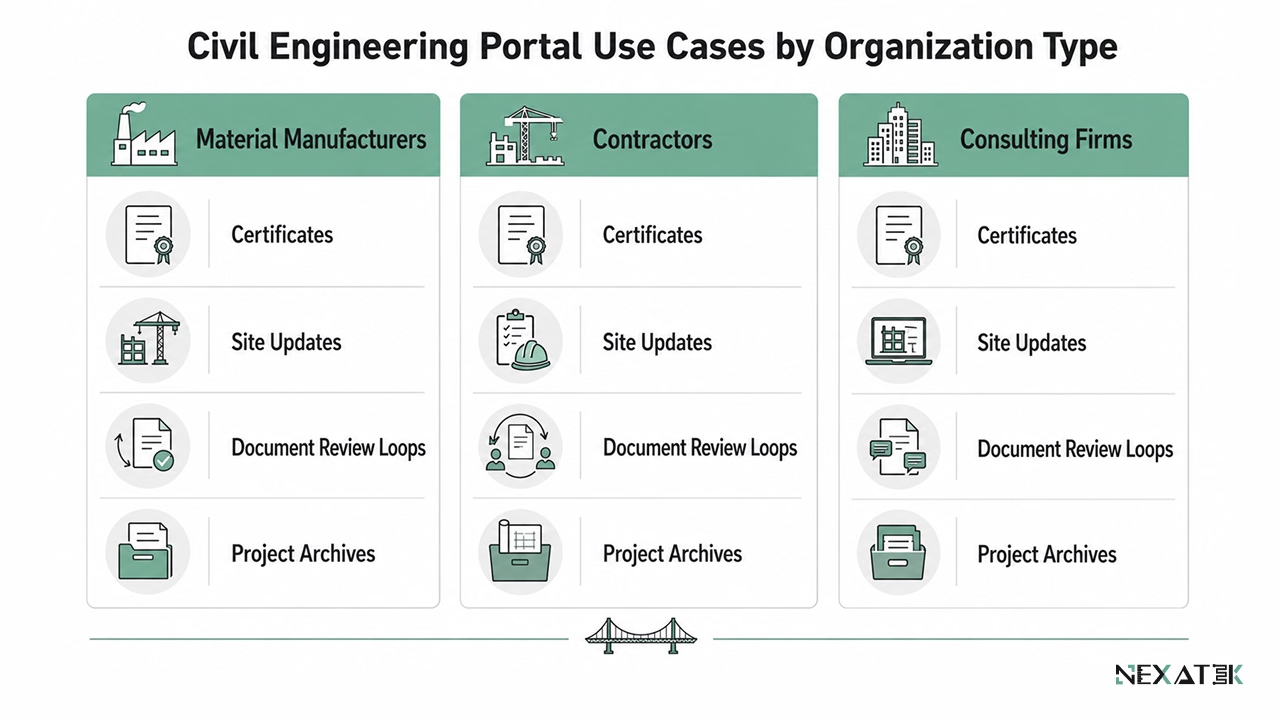 Den samme portalarkitekturen kan understøtte produsenter, entreprenører og rådgivende ingeniørselskaper med ulike dokumentbehov.
Materialprodusenter og tekniske kunder
Produsenter samhandler med tekniske rådgivere og entreprenører via produktdatablader, prøvingsattester, tekniske godkjenninger og prosjektspesifikk dokumentasjon. Mønsteret preges av gjentakende forespørsler: En geoteknikkunde kan etterspørre samme sertifikatpakke til fem ulike prosjekter i løpet av et år.
Portalen besvarer slike henvendelser automatisert uten manuelt utsendelsesarbeid. Enkelte produsenter utvider funksjonaliteten ytterligere, slik at kundene kan bestille materialer eller utføre produktdimensjoneringer direkte inne i portalen.
Entreprenører og anleggsvirksomheter
Entreprenører rapporterer fremdrift med høy frekvens. Anleggsledelsen produserer daglige oppdateringer, kontrollrapporter, fotodokumentasjon og tekniske avklaringer – ofte innhentet via mobile feltverktøy for datainnsamling ute på anlegget.
En kundeportal for anleggsprosjekter publiserer disse oppdateringene i full prosjektsammenheng. Utsendelse via e-post bryter raskt sammen ved store daglige datamengder. Tilgangsstyringen skiller data etter delentrepriser, slik at byggherren får en samlet oversikt samtidig som underentreprenørers konfidensielle data holdes skjermet.
Rådgivende ingeniørselskaper
Prosjekteringsleveranser følger iterative sløyfer: internkontroll, oppdragsgivergransking, revisjon og ny utsendelse. Utvikling av kundeportaler for rådgivende ingeniører understøtter denne rytmen ved å spore dokumentstatus og sikre revisjonshistorikken gjennom samtlige faser.
Prosjektvarigheten er en annen viktig faktor: En rammeavtale kan binde en rådgiver og en byggherre sammen over et tiår. Gjennom en slik periode fungerer portalen som det faste, pålitelige arkivet over utstedte leveranser, uavhengig av personellutskiftninger på begge sider av bordet.
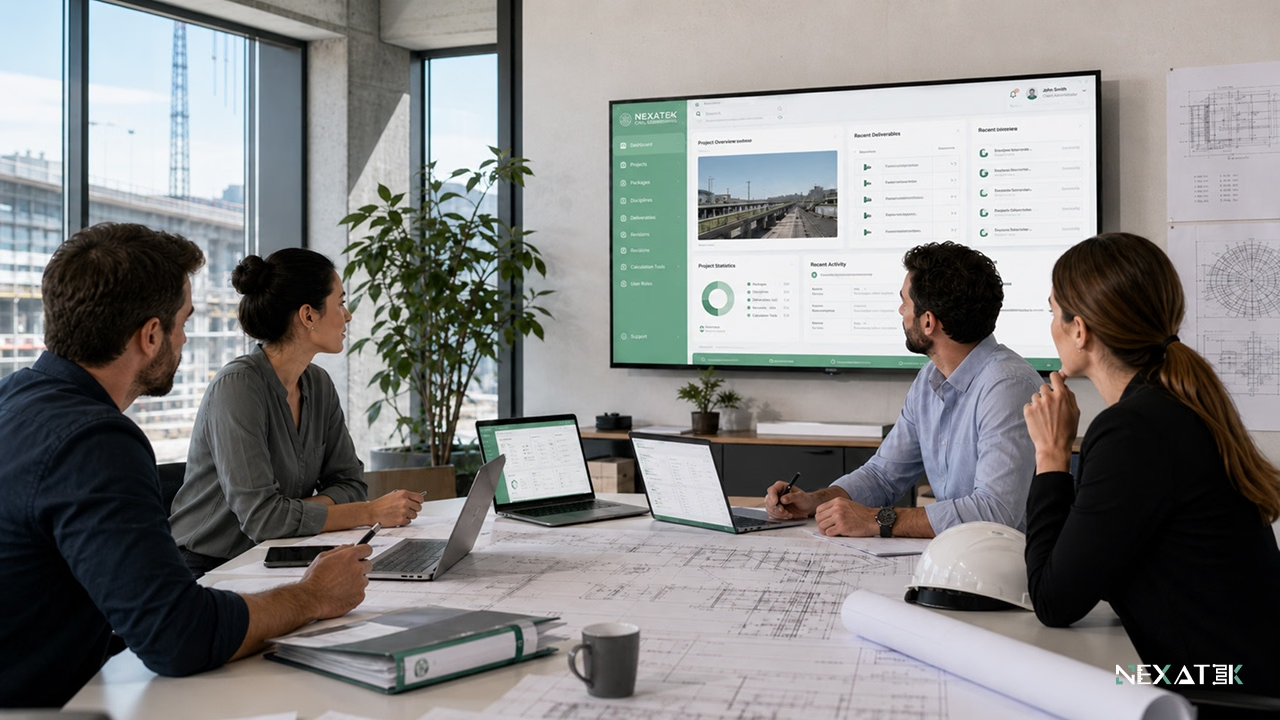 En kundeportal bør utformes direkte rundt måten ingeniørteam utarbeider, reviderer og deler prosjektdokumentasjon på.