
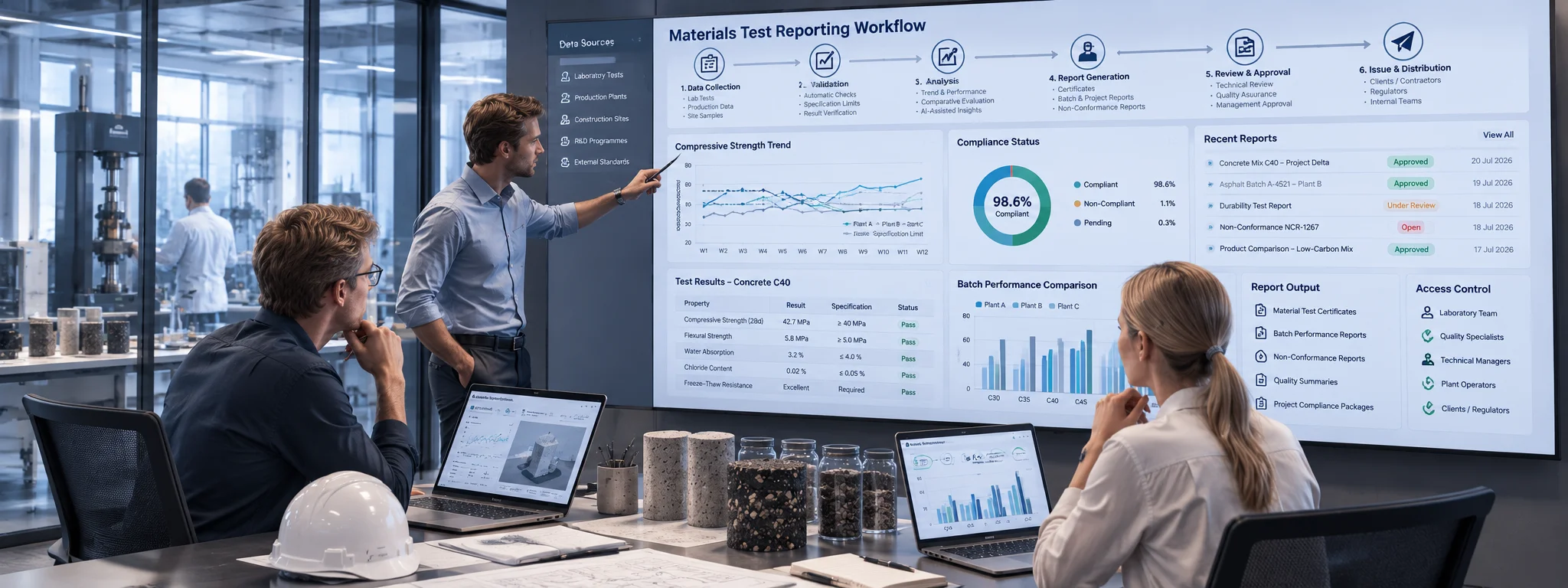
Automatisering af arbejdsgange og procesoptimering til anlægsteknik
Intelligent automatisering af arbejdsgange og digitale processer, der strømliner forretningsprocesser, reducerer manuel indsats, forbedrer samarbejde og øger den operationelle effektivitet på tværs af ingeniørorganisationer.
Automatisering af forretningsprocesser
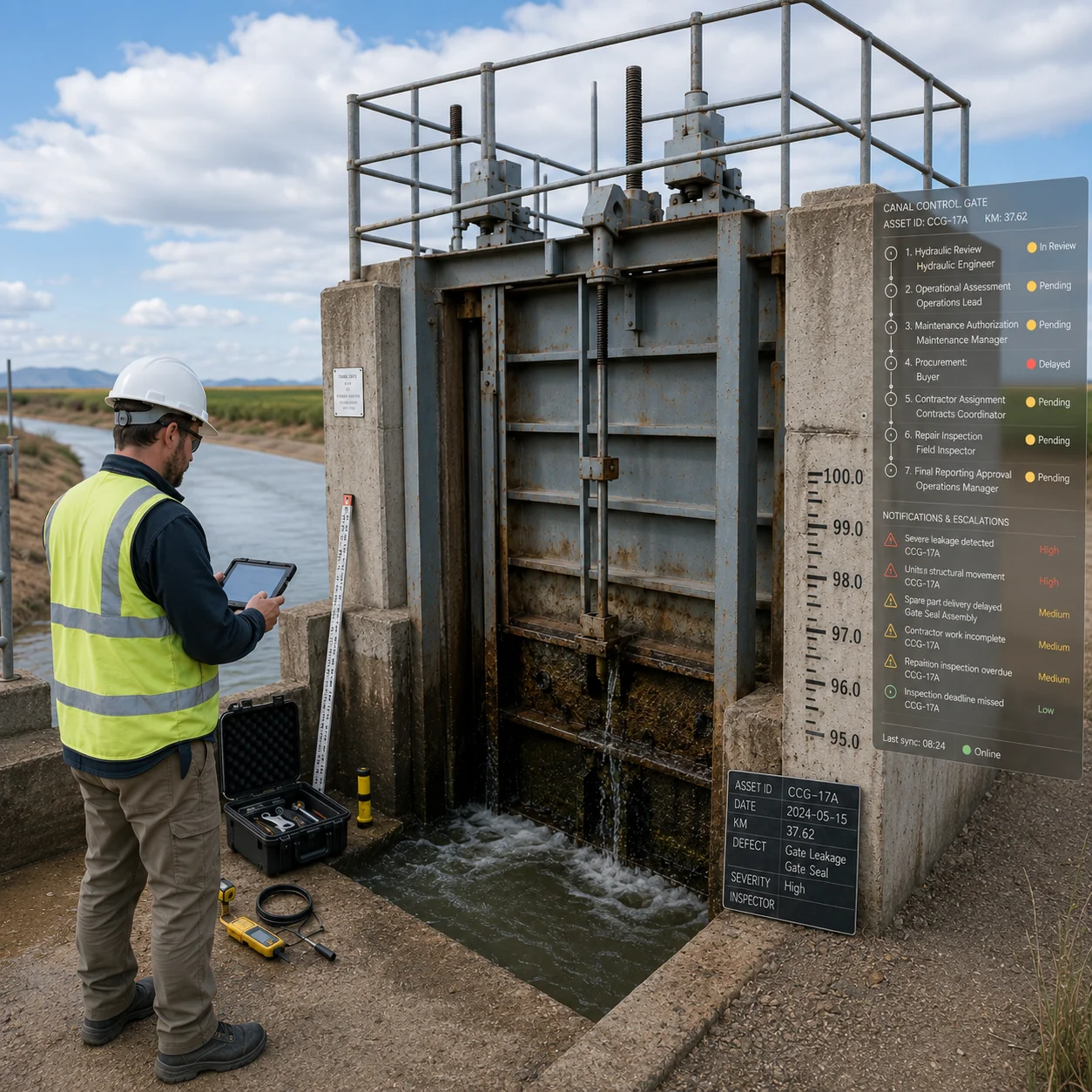
Optimering af administrative processer
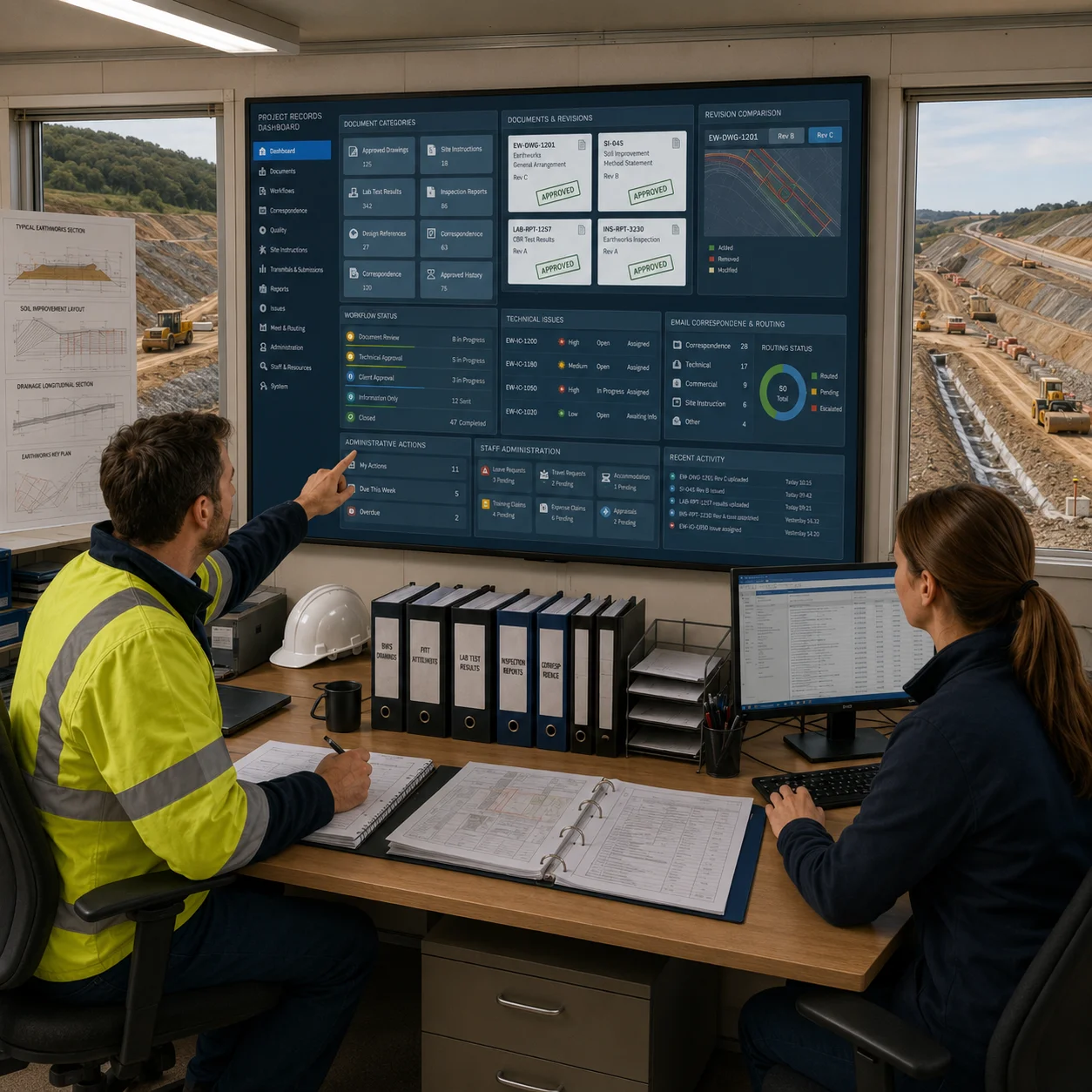
Økonomisk og operationel styring
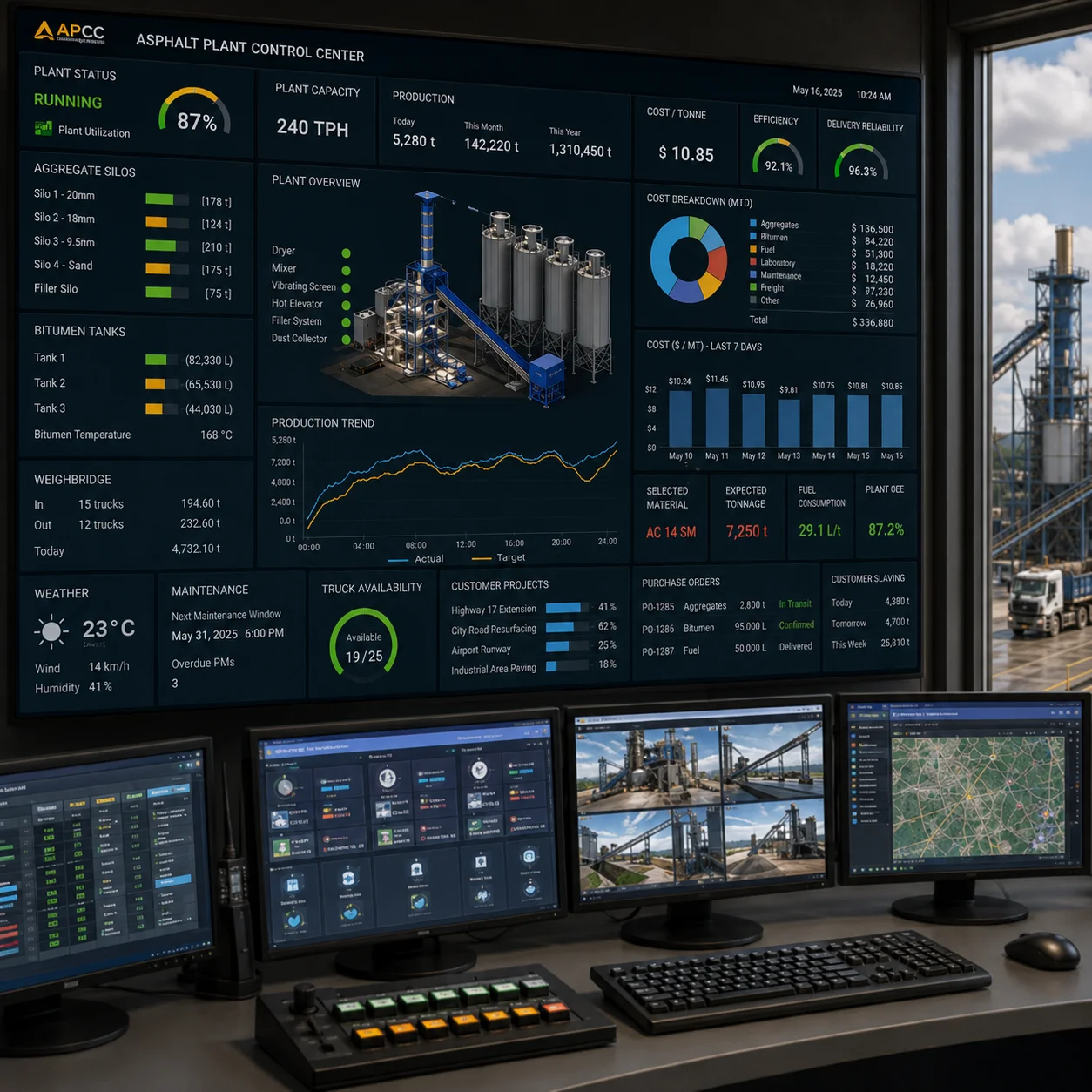
Digital transformation for virksomheder
Lignende projekter
Opdag flere innovative projekter:







Gode
Løsninger
Starter Med En SamtaleGode Løsninger Starter Med En Samtale
Vil du udforske, hvordan vores tjenester kan få din virksomhed til at vokse?
Arbejdsgangsautomatisering og procesoptimering i bygge- og anlægssektoren
Et mellemstort infrastrukturprojekt kan generere 4.000 dokumenter forud for den første betonstøbning: tegninger, beregninger, tekniske forespørgsler (RFI'er), mødereferater og godkendelsesrapporter. De fleste af dem udveksles fortsat via e-mail. Arbejdsgangsautomatisering og procesoptimering i anlægssektoren erstatter denne manuelle trafik med et regelbaseret informationsflow. Det operationelle resultat er kortere godkendelsesforløb og et projektarkiv, der forbliver konsistent frem til afleveringen.
NEXATEK tilgår automatisering som en ingeniørfaglig disciplin frem for en ren IT-øvelse. Proceslogik kommer i første række, software i anden række. Optimering af, hvordan godkendelsesdokumenter og byggepladsrapporter flyder gennem organisationen, udgør typisk en del af en bredere digital transformation i bygge- og anlægssektoren.
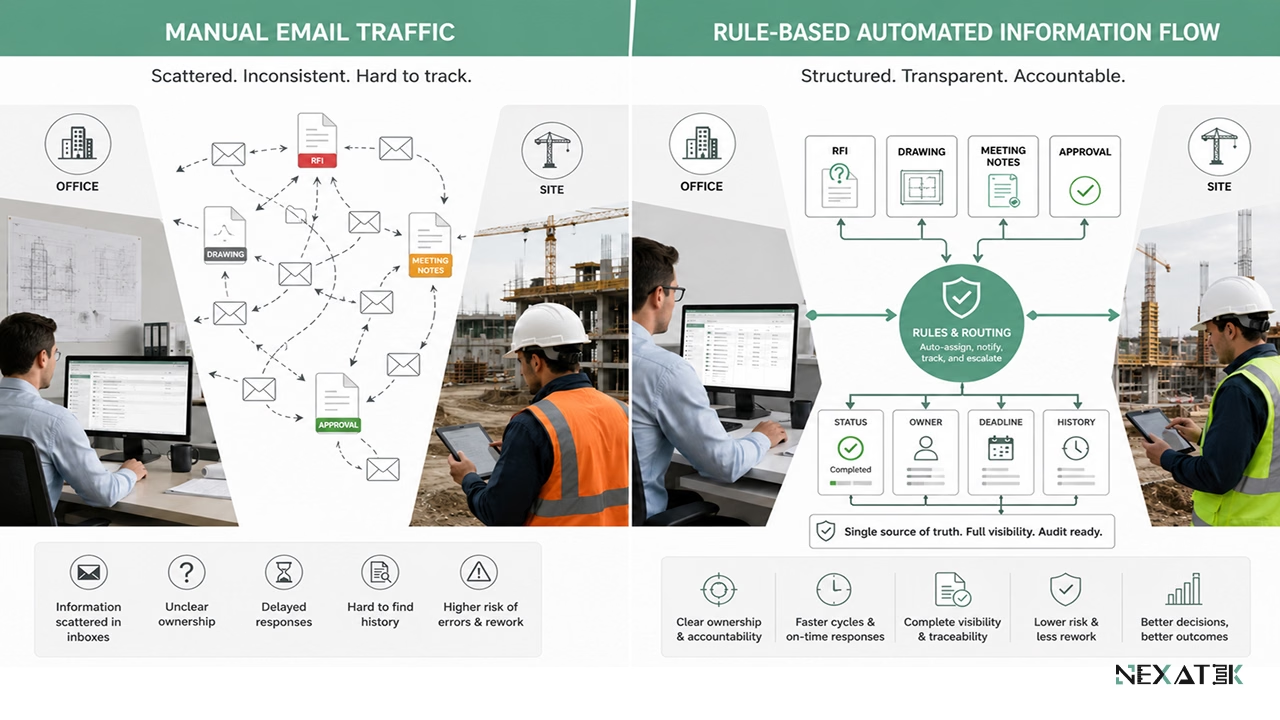 Arbejdsgangsautomatisering erstatter spredte overdragelser via e-mail med et kontrolleret informationsflow.
Udfordringer ved arbejdsgange i bygge og anlæg
Anlægsprojekter fejler sjældent i beregningsfasen. De fejler i mellemrummene – i snitflader, overdragelser og dataudvekslinger, som ingen enkeltperson har det fulde ejerskab over.
Fragmenterede ingeniørarbejdsgange
Et typisk projekt baserer sig på fem eller flere uafhængige værktøjer. Tegningslisten føres i et regneark, RFI'er ligger i en indbakke, pladsfotos på mobiltelefoner og tidsplanen i et planlægningsprogram. Hver eneste overdragelse mellem disse isolerede dataindsatser kræver en medarbejder, der kopierer, omdøber eller genindtaster data. Fragmentering slører desuden den aktuelle status: Ingen kan verificere, om revision C af afvandingsplanen faktisk er nået frem til formanden på byggepladsen.
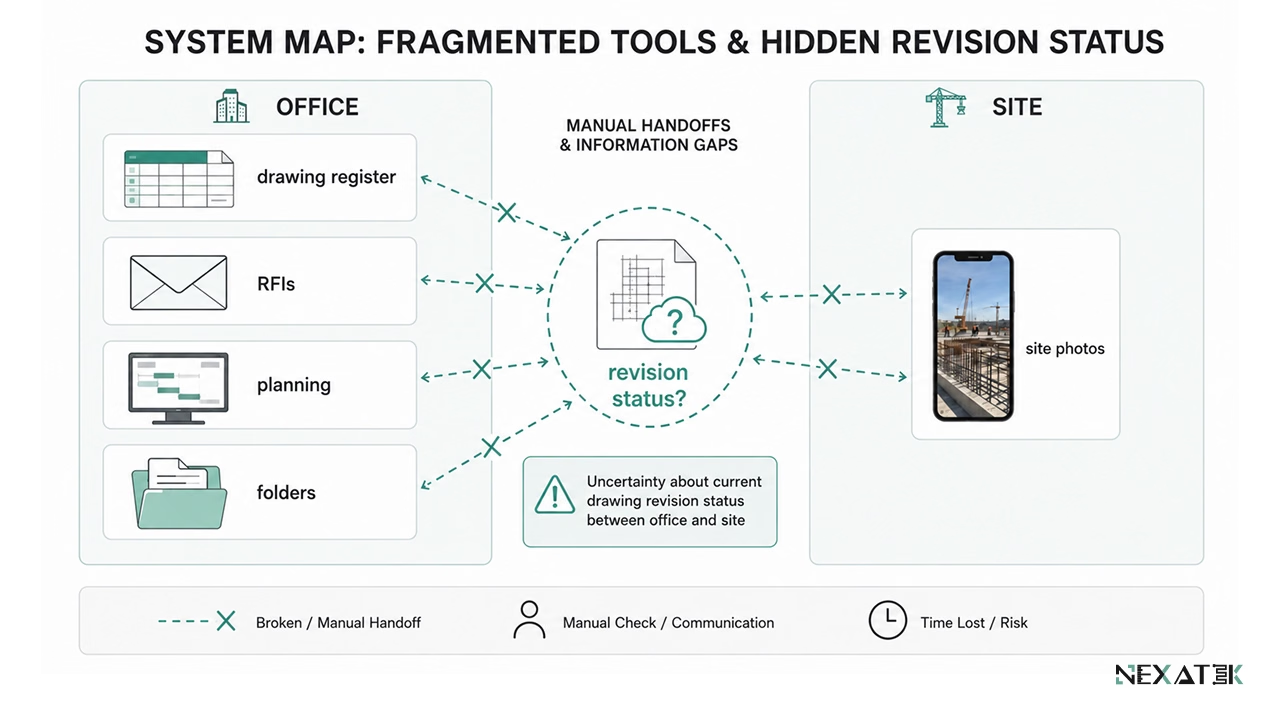 Usammenhængende værktøjer gør det vanskeligt at bekræfte, hvilken tegning, RFI eller tilsynsregistrering der er gældende.
Manuel dokumentation og koordinationsudfordringer
Byggeledere bruger ofte en til to timer dagligt på at sammenstykke dagsrapporten ud fra håndskrevne notater, fotos, følgesedler og underentreprenørbekræftelser. Samme data tastes senere ind i månedsrapporter og kravspecifikationer. Hvert gentaget indtastningstrin øger risikoen for fejl. Godkendelsesanmodninger sendt per e-mail afhænger af, at modtageren opdager dem i tide; en fagspecialist på ferie kan forsinke et godkendelsesnotat i en uge, før nogen reagerer.
Konsekvenser for tidsplaner og datakonsistens
Forsinkelser forplanter sig igennem hele dokumentkæden. Når en faglig granskning tager ti dage i stedet for tre, udskydes indkøb og mobilisering af underentreprenører tilsvarende. Datainkonsistens forårsager andre følgeskader: En tilbudsliste baseret på en forældet tegning resulterer i forkerte bestillingsmængder, og fejlen opdages som regel først ude på byggepladsen, hvor udbedring koster allermest.
Hvad er arbejdsgangsautomatisering i anlægssektoren?
Automatisering af arbejdsgange i en ingeniørfaglig kontekst indebærer regelbaseret distribution af projektdata mellem definerede procestrin og ansvarsroller. En godkendelsespakke sendes ind i systemet. Løsningen ruter den automatisk til den udpegede gransker, overvåger tidsfrister, logger beslutningen og distribuerer resultatet. Ingeniørerne bevarer det faglige skøn. Systemet håndterer distributionen og historikken.
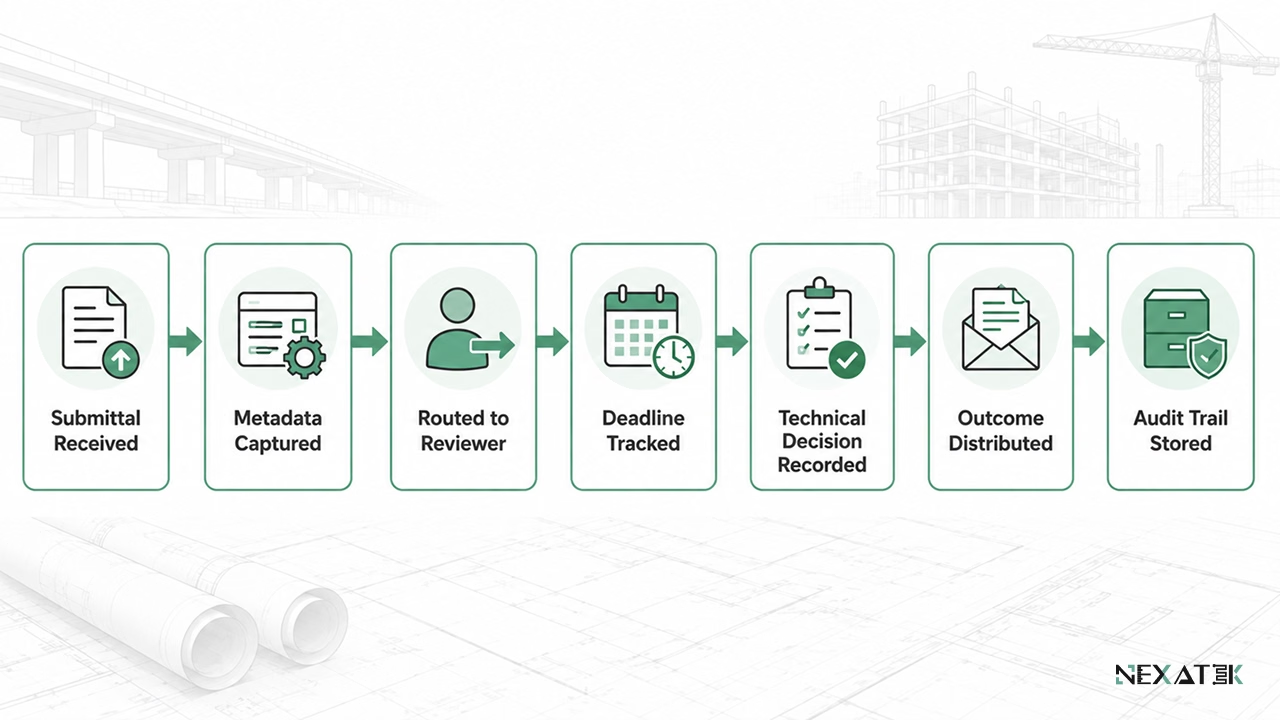 Systemet varetager distribution, frister, statusopfølgning og logning, mens ingeniørerne bevarer den faglige kontrol.
Forskellen mellem opgaveautomatisering og procesautomatisering
Opgaveautomatisering dækker en enkeltstående, repetitiv handling – f.eks. automatisk generering af et overdragelsesbrev eller omdøbning af 200 byggepladsfotos efter en fast zonestruktur. Procesautomatisering forbinder mange opgaver i et styret hændelsesforløb med faste regler og overdragelser. Et granskningsforløb er en proces: distribution, kommentering, konsolidering, besvarelse og genudsendelse. At automatisere distributionstrinnet sparer minutter. At håndtere hele forløbet i ét samlet system sparer arbejdsdage.
Typiske anlægstekniske aktiviteter egnet til automatisering
Aktiviteter med faste regler og høj gentagelsesfrekvens er oplagte til automatisering. Dokumentnummerering, godkendelsesflows, rapportgenerering ud fra strukturerede data og revisionsadviseringer hører alle til her. Dataindsamling fra felten føjes til, når registreringer overføres til kontorets systemer via skræddersyede mobile apps til feltdata frem for papirskemaer. Fagligt skøn – herunder projekteringsvalg og kravsvurderinger – forbliver ingeniørens opgave.
Procesoptimering på tværs af anlægsprojekter
Optimering går forud for automatisering; en automatiseret, mangelfuld proces accelererer blot fejlproduktionen. Ingeniørfaglig procesoptimering handler om at kortlægge, hvordan arbejdet reelt udføres, fjerne overflødige trin og omstrukturere de resterende aktiviteter. NEXATEK indleder dette arbejde med et proceskort over den faktiske nuværende tilstand, inklusive de uformelle nødløsninger, som teams har opbygget omkring deres eksisterende værktøjer. Sammen definerer optimering og automatisering det endelige resultat: en forbedret proces først, og derefter et system til at eksekvere den.
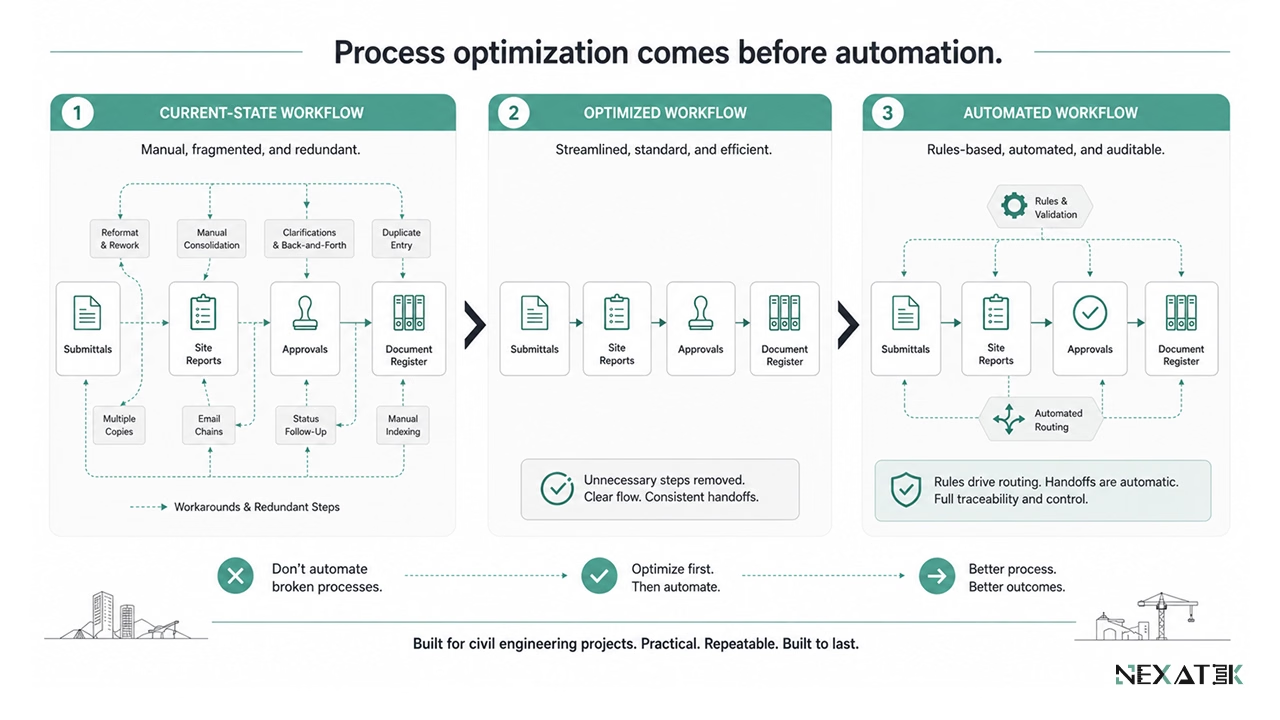 Procesoptimering afklarer den reelle arbejdsgang, før automatiseringen bygges op omkring den.
Identifikation af ineffektivitet i projektudførelsen
Datadrevne ingeniørprocesser begynder med måling. Værdifulde nøgletal omfatter antallet af dage fra indsendelse til godkendelse, mængden af manuelle indtastninger pr. datapunkt og andelen af dokumenter udleveret i en forkert revision. Dobbeltindtastning er det hyppigste problem: Et enkelt prøveresultat for en betonterning optræder ofte i et laboratorieark, en tilsynsdagbog, et kvalitetsregister og en månedsrapport – indtastet manuelt fire separate gange.
Standardisering vs. fleksibilitet i ingeniørprocesser
Ikke ethvert procestrin bør fastlåses. Navnekonventioner, dokumentskabeloner, godkendelsesgrænser og registerstrukturer vinder ved kompromisløs standardisering. Det faglige ingeniørskøn gør ikke. En praktisk rettesnor er: Standardisér rammen, og hold indholdet fleksibelt. Rapportskabelonen og dens distributionsvej ligger fast, mens den geotekniske tolkning i rapporten forbliver ingeniørens faglige ansvar.
Manuelle vs. automatiserede arbejdsgange
Den strukturelle forskel bunder i, hvor processen er forankret. Manuelle arbejdsgange eksisterer i medarbejdernes hukommelse og i e-mailtråde. Automatiserede arbejdsgange koder den samme sekvens ind i et system med definerede statusser og ruteringsregler. En manuel godkendelsespakke er en vedhæftet fil i en indbakke; en automatiseret pakke er et sporbart objekt med status, ansvarlig person, frist og historik.
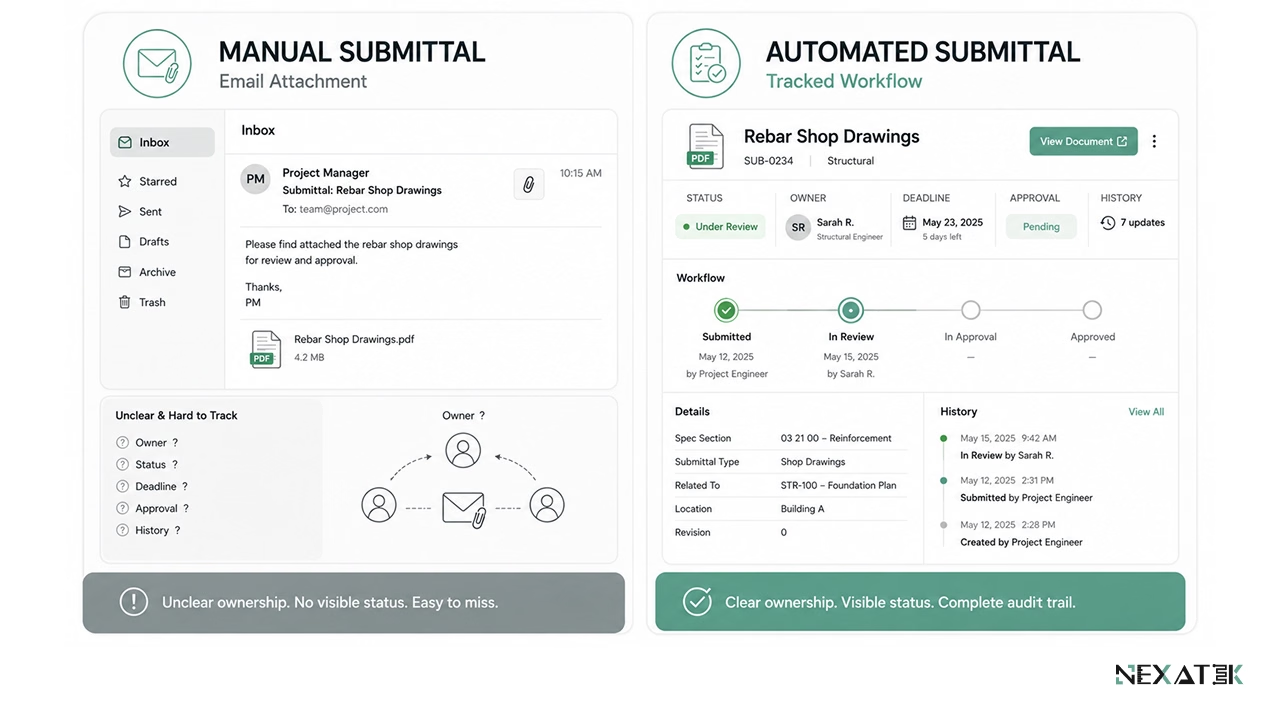 Automatiserede arbejdsgange omdanner projekthændelser til sporbare registreringer med ansvar, tidsfrister, status og historik.
Operationelle begrænsninger ved manuelle processer
Manuelle processer er sårbare over for udskiftning af nøglepersoner. Når den dokumentansvarlige, der kender arkivstrukturen, stopper, stiger søgetiden for hele projektet. Revisionssporet forbliver mangelfuldt: At rekonstruere, hvem der godkendte en forskallingstegning for to år siden, forudsætter manuel gennemgang af personlige e-mailarkiver. Skalering er den tredje begrænsning; en fordobling af projektvolumen medfører en tilsvarende fordobling i koordinationsarbejdet.
Systemmæssige fordele ved automatiserede arbejdsgange
Automatiserede arbejdsgange skaber deres egen dokumentation. Hvert distributionstrin og hver beslutning registreres med tidsstempel, så godkendelseshistorikken på en tegning frembringes via en forespørgsel frem for en efterforskning. Parallelle opgaver afvikles samtidigt, hvilket gør det muligt at køre tre fagdiscipliners granskning af samme pakke parallelt. Prisen betales i forberedelsesfasen: Processen skal defineres præcist, før et system kan afvikle den – og denne forberedelse kræver ingeniørtimer.
Anvendelse gennem anlægsprojektets faser
Automatiseringspotentialet skifter igennem projektets livscyklus. Infrastrukturarbejdsgange ændrer karakter fra fase til fase – fra opmålingsdata til as-built-dossieret –, mens mønsteret for distribution og logning forbliver konstant.
Før-projektering og planlægningsarbejdsgange
De tidlige faser trækker på indsamlede data: landmålingsdata, ledningsoplysninger, geotekniske rapporter og myndighedsdialog. Automatiserede modtagelsesflows registrerer indgående dokumenter med metadata og distribuerer dem til rette fagdisciplin. Forundersøgelser trækker derefter på én indekseret datapulje frem for lokale mappehierarkier fordelt på enkeltpersoner.
Projekteringskoordinering og dokumenthåndtering
Projekteringsfaserne genererer den tætteste dokumenttrafik i hele forløbet. Revisionsflows adviserer berørte fagdiscipliner, når en tegning ændres, og trækker automatisk forældede udgaver tilbage fra cirkulation, samtidig med at tegningslisten opdateres. Fuldstændighedskontroller bygget ind i skræddersyet ingeniørsoftware sammenholder leverancepakken med tegningslisten forud for udsendelse.
Udførelsesarbejdsgange på byggepladsen
Ude på anlægget forbinder procesautomatiseringen hændelser i felten med kontorets systemer. En tilsynsanmodning oprettet på en tablet når den tilsynsførende ingeniør med tilknyttet lokation, fotodokumentation, tjekliste og tidsstempel. Materialegodkendelser og afvigelsesrapporter følger faste ruter med automatiske svarfrister. Den digitale tilsynsdagbog genereres automatisk ud fra loggede hændelser i stedet for at skulle rekapituleres efter hukommelsen ved arbejdsdagens afslutning.
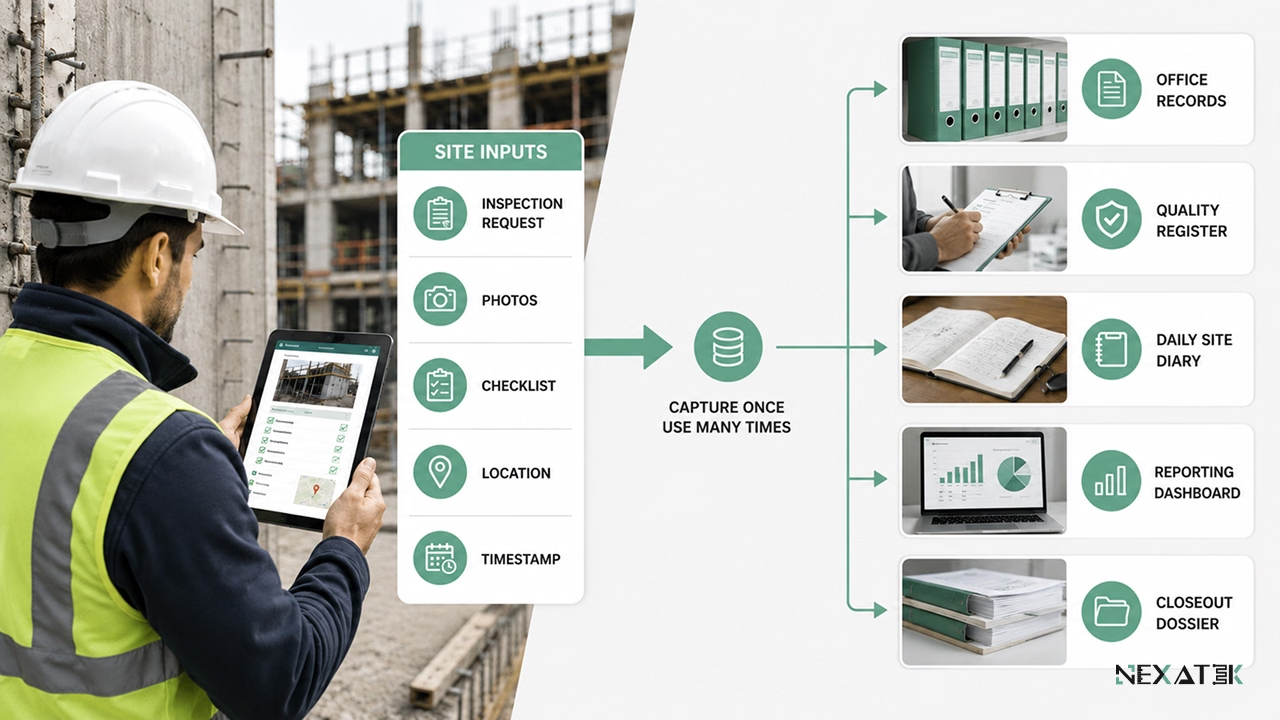 Feltdata indsamlet én gang kan føde tilsynslogger, kvalitetssikring, rapportering og slutdokumentation.
Monitering, rapportering og projektaflevering
Rapporteringsflows henter automatisk nøgletal fra strukturerede projektdata frem for at belaste ingeniørerne med manuel datakompilering hver måned. Fremdrifts- og kvalitetsindikatorer opdateres løbende ud fra data skabt under udførelsen. Ved aflevering genereres as-built-dossieret i høj grad som et biprodukt, fordi alle dokumenter og godkendte prøvninger allerede ligger struktureret i en anlægsteknisk projektdatabase, klar til overdragelse.
Tilpasning til anlægsbranchens forretningsmodeller
Værdien af automatiserede arbejdsgange afhænger af den organisatoriske forretningsmodel. Tre udbredte virksomhedstyper i anlægssektoren prioriterer indsatsen forskelligt.
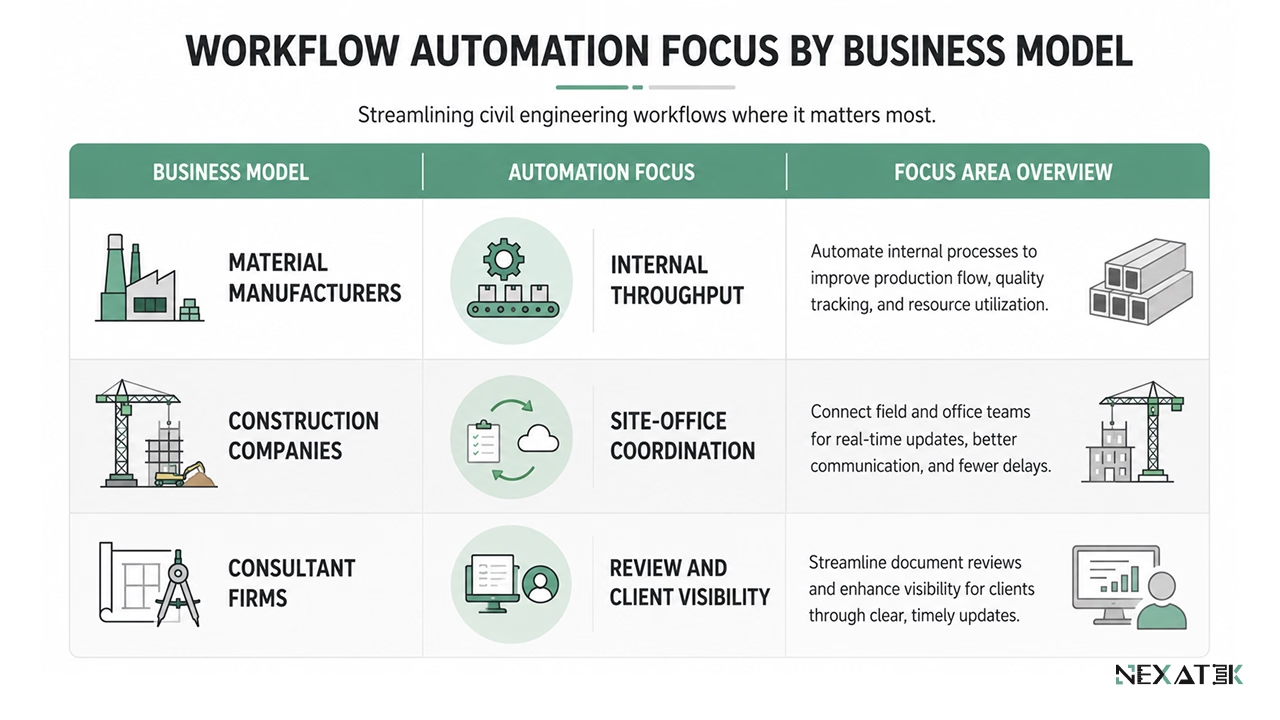 Forskellige forretningsmodeller i anlægsbranchen opnår gevinster ved automatisering i forskellige dele af arbejdsprocessen.
Materialeproducenter og intern proceseffektivitet
Producenter af præfabrikerede betonelementer eller geotekstiler udfører ingeniørarbejde integreret i en industriel produktionsvirksomhet. Ordrebundne beregninger og tekniske datablade følger faste mønstre med standardiserede input og output. Automatisering her sigter mod intern gennemløbshastighed: En kundeforespørgsel, som tidligere blev sendt frem og tilbage mellem salg, statik og produktion via e-mail, bliver til et sporbart procesflow med faste svartider.
Entreprenører og koordination mellem byggeplads og kontor
Entreprenørvirksomheder opererer i snitfladen mellem byggepladsen og hovedkontoret. Opmålte mængder i marken danner grundlag for acontobegæringer, og dagsrapporter underbygger krav om tidsfristforlængelse. Automatisk dataoverførsel holder begge spor opdaterede, så kontoret arbejder med gårsdagens feltdata frem for data fra sidste måned. Operationel effektivitet viser sig her som færre tvister om, hvad der blev bygget hvornår.
Rådgivende ingeniørvirksomheder og vidensarbejdsgange
Rådgivere producerer og gransker store mængder faglige dokumenter. Interne kvalitetssikringssløjfer og bygherrens høringsrunder fylder kalenderen. Automatisering skaber struktur over denne granskningstrafik, og integrerede portaler til projektsamarbejde giver bygherren direkte indsigt i leverancestatus uden behov for ugentlige statusmøder. NEXATEK konfigurerer disse processer omkring virksomhedens eksisterende granskningshierarki frem for at trække generiske standardskabeloner ned over organisationen.