

Skræddersyet Databaseudvikling til Anlægsteknik
Skræddersyet databaseudvikling til anlægsteknik skaber strukturerede datasystemer til projekter, dokumenter, materialer og aktivregistreringer.
Teknisk Datagrundlag

Dokumentation og Håndtering af Tekniske Registreringer

Styring af Projekt- og Materialedata

Integration og Langsigtet Vedligeholdelse

Lignende projekter
Opdag flere innovative projekter:





Gode
Løsninger
Starter Med En SamtaleGode Løsninger Starter Med En Samtale
Vil du udforske, hvordan vores tjenester kan få din virksomhed til at vokse?
Skræddersyet databaseudvikling til bygge- og anlægssektoren: Strukturerede datasystemer til anlægsprojekter
Et broprojekt kan overleve de ingeniører, der projekterede det. Skræddersyet databaseudvikling til bygge og anlæg forvandler tegninger, statiske beregninger, materialeprøvninger og driftsdata til sammenkoblede, strukturerede data i stedet for isolerede filer. Strukturerede data udgør desuden det nødvendige fundament for den digitale transformation i bygge- og anlægssektoren, som hurtigt går i stå, hvis datagrundlaget er uensartet.
Opbevaring er kun en del af opgaven: Et databasesystem til anlægsvirksomhed fungerer som et teknisk datarepository, hvor projekter, materialepartier, prøvningsrapporter og bygværker eksisterer som veldefinerede entiteter med eksplicitte relationer. NEXATEK opbygger disse systemer omkring ingeniørens daglige arbejdsgange, med indbygget dataejerskab og versionshistorik direkte i datamodellen.

Skræddersyet databaseudvikling hjælper ingeniørteams med at samle projektdata, granskningshistorik og teknisk dokumentation i ét struktureret miljø.
Hvad er skræddersyet databaseudvikling i anlægssektoren?
Skræddersyet databaseudvikling inden for bygge og anlæg indebærer design af en database, hvis struktur afspejler de faktiske bygge- og projekteringsprocesser. Entiteter som projekter, bygværker, materialebatches, prøvningsrapporter og beregningsnotater lagres med eksplicitte relationer. En revideret batchregistrering forbliver dermed fuldt synlig i alle prøvningsresultater, der refererer til den.
Forskellen fra en standard forretningsdatabase ligger i selve datamodellen: Et enkelt anlægsprojekt kan knytte sig til fire fagentrepriser, to projektrevisioner, en geoteknisk rapport og fyrre prøvningsserier. En fagspecifik ingeniørdatabase etablerer disse koblinger direkte, så medarbejdere slipper for at vedligeholde dem manuelt i mappestrukturer og filnavne.
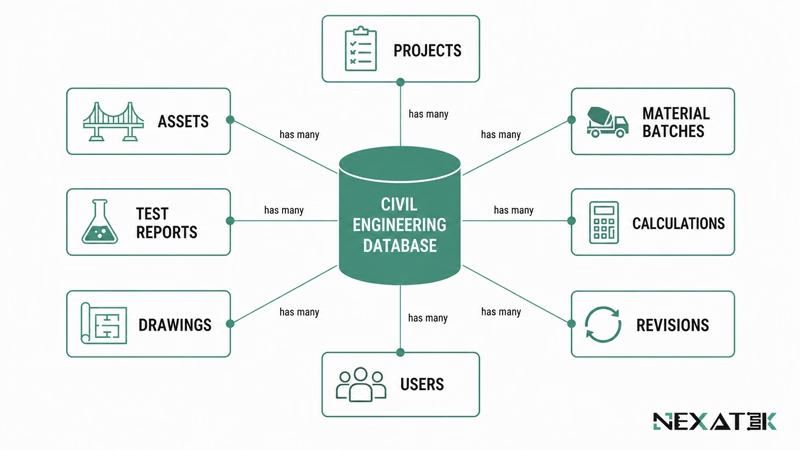 En formålsbestemt anlægsdatabase synliggør relationer mellem projekter, bygværker, batches, prøvninger, beregninger og dokumenter.
Ydelser inden for skræddersyet databaseudvikling definerer desuden faste arbejdsgange for, hvordan brugere opretter, kvalitetssikrer og fremsøger data i det daglige arbejde.
Hvorfor anlægssektoren behøver skræddersyede databaser
Ingeniørdata rummer to markante udfordringer: Mængden vokser med hvert eneste projekt, og historiske data bevarer deres gyldighed over årtier. En jordbundsundersøgelse fra 2015 kan danne grundlag for en funderingsgennemgang i 2026. Standardværktøjer gemmer nok filerne, men ikke de faglige relationer mellem dem – en mangel, der skaber store problemer ved projektændringer og afleveringer. Datastyring i anlægssektoren kræver derfor lige så meget struktur som lagerplads.
Fragmenterede ingeniørdata og dokumentation
Data ligger typisk spredt i regneark, e-mailtråde, delte netværksdrev og personlige projektmapper. Hvert sted indeholder valide oplysninger, men helheden mangler én fælles kilde til sandhed (Single Source of Truth), hvilket tvinger ingeniører til at bruge timer på at afstemme modstridende versioner.
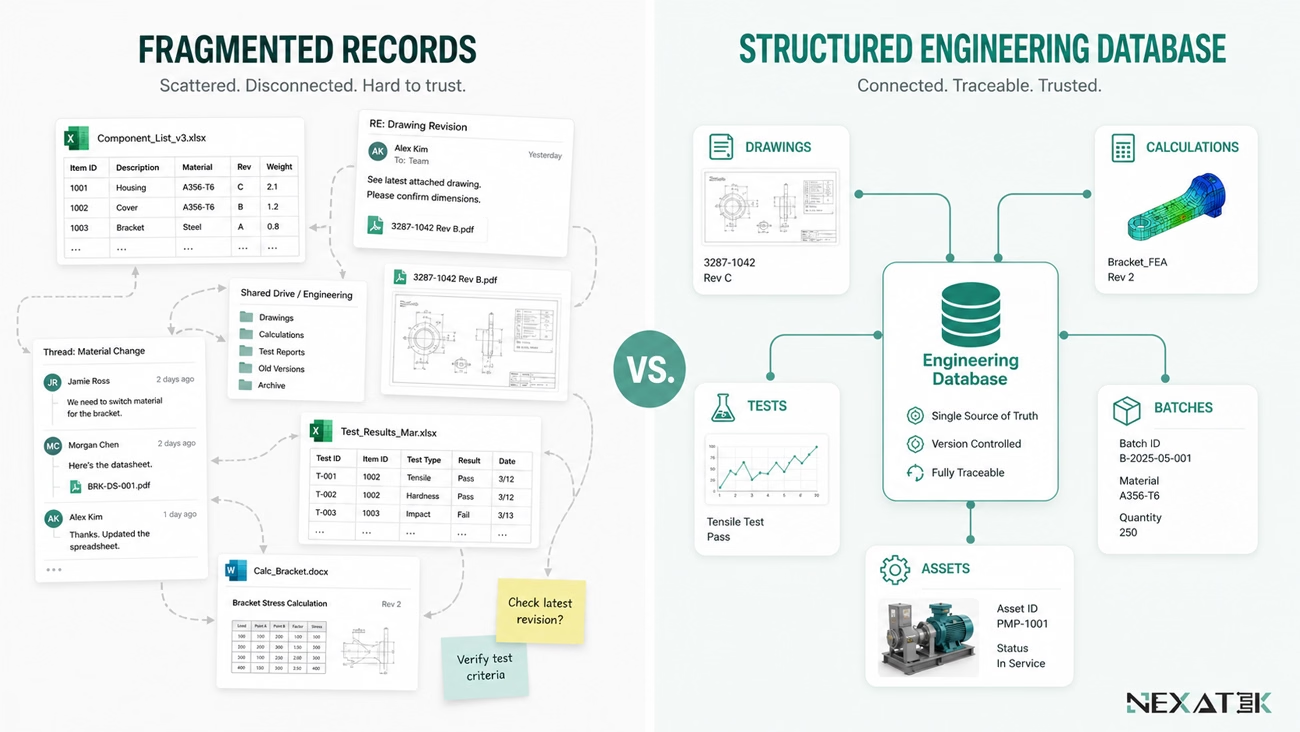 Fragmenteret lagring adskiller tegninger, statik, prøvningsdata og e-mails, mens en struktureret database forbinder dem via faste relationer.
Fragmenteringen medfører konkrete svigt: En arbejdstegning når revision C, mens det understøttende beregningsnotat forbliver på revision A. En prøvningsattest arkiveres uden kobling til batchnummer eller prøveudtagningssted. Strukturerede ingeniørdata lukker disse huller ved at gøre relationer obligatoriske frem for valgfrie.
Projektbaserede behov og lange livscyklusser
Ethvert bygværk bevæger sig gennem projektering, udbud, udførelse og drift, og dokumentationen skal overleve hver eneste faseovergang. Datakravene skifter undervejs, men tidlige beslutninger forbliver bindende årtier senere. Filbaserede arkiver nulstiller ofte konteksten mellem faserne, hvilket fører til tab af afgørende viden.
Afleveringen til drift er det klassiske svage led: Når udførende eller driftsherre modtager projektmateriale uden versionshistorik eller klar ansvarsfordeling, opstår der spørgsmål, som dokumenterne ikke længere kan besvare. En virksomhed med speciale i skræddersyet databaseudvikling strukturerer dataene således, at den fulde kontekst bevares over hele anlæggets levetid på 50 år eller mere.
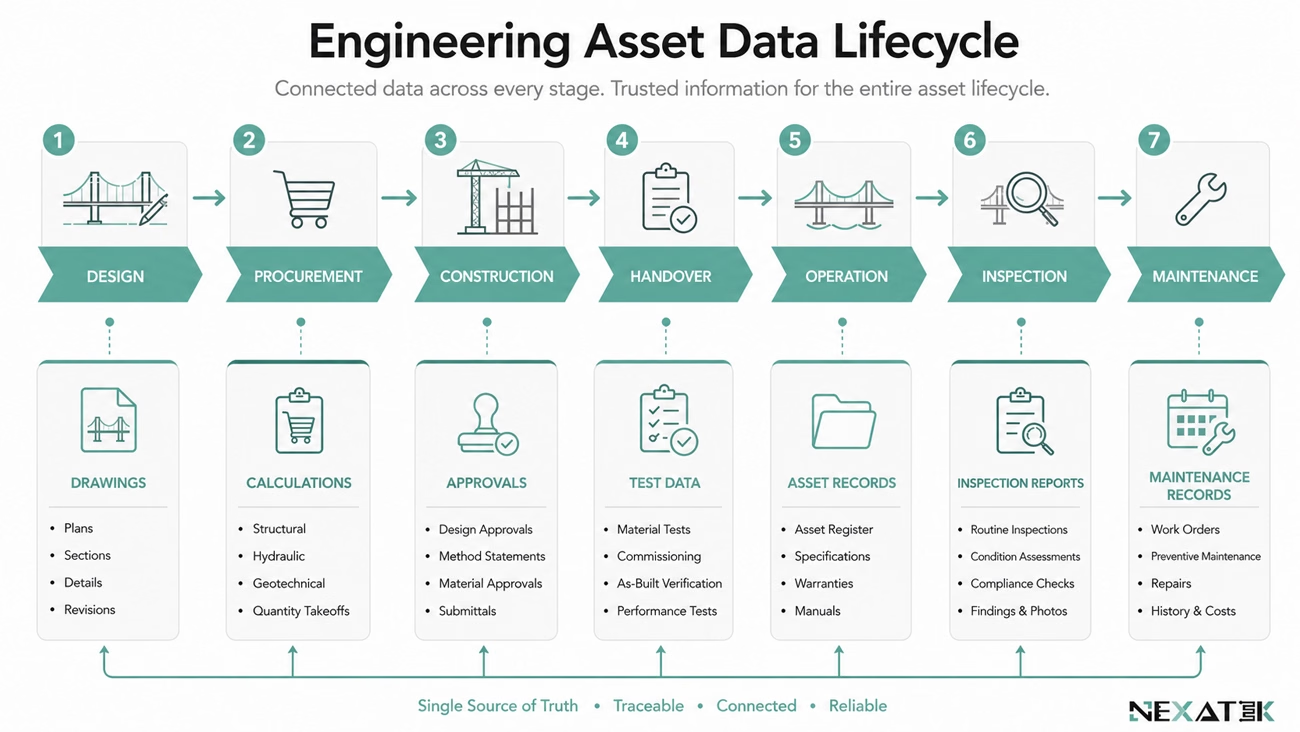 Ingeniørdata skal forblive sammenkoblet fra projektering og indkøb gennem udførelse, overdragelse, drift, tilsyn og vedligeholdelse.
Datatyper i anlægstekniske databaser
Fire datakategorier dækker størstedelen af det, anlægsvirksomheder og rådgivere administrerer. At samle dem i ét fælles datamiljø er hovedargumentet for skræddersyet databasesoftwareudvikling, da kategorierne løbende refererer til hinanden.
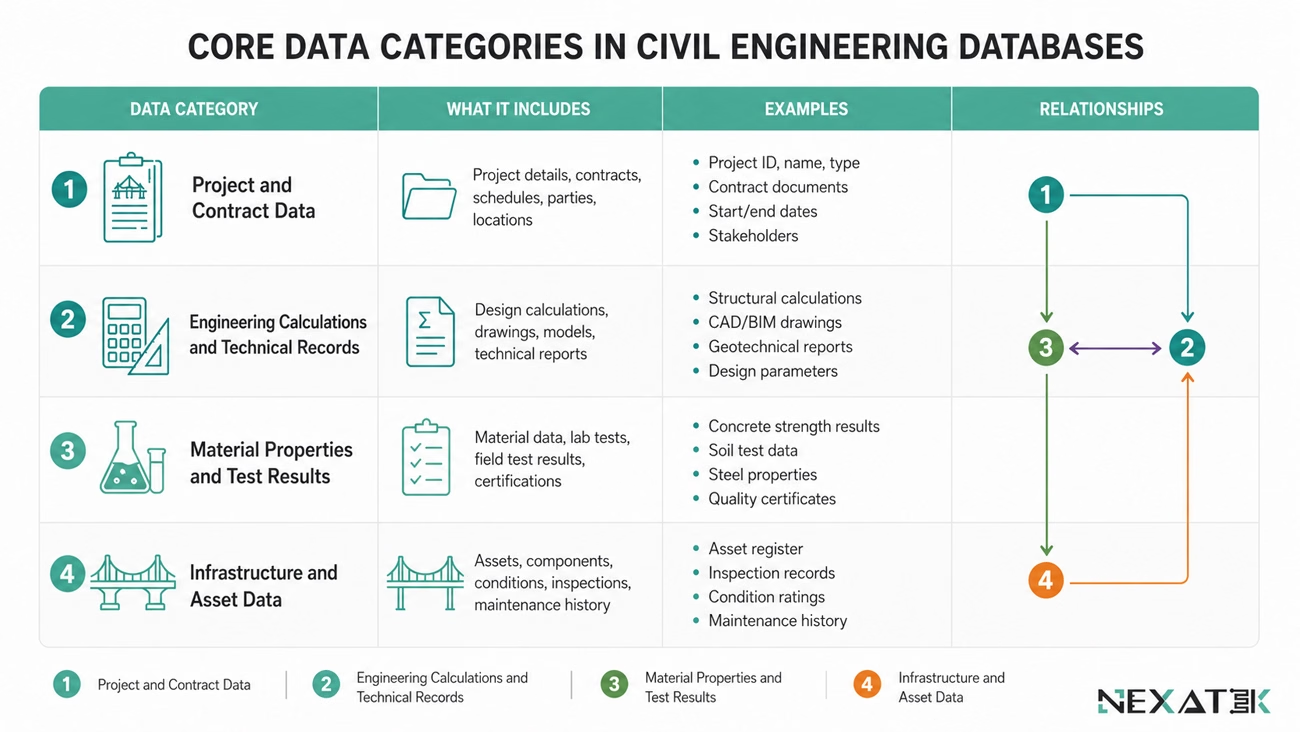 Denne tabel illustrerer de primære anlægsdatakategorier og hvordan de integreres i en struktureret database.
Projekt- og kontraktdata
Projektkoder, fagentrepriser, udbudsdokumenter, leverancer, tidsplaner og ansvarsfordelinger udgør fundamentet for alle øvrige registreringer. I regnearksbaserede opsætninger indtastes samme entreprisekode i snesevis af dokumenter, hvor en enkelt tastefejl bryder sammenhængen.
En database opretholder én central stamdatapost pr. projekt. Alle tekniske registreringer peger tilbage på denne kilde, hvilket sikrer, at tværgående rapportering altid baserer sig på ensartede projektdata.
Tekniske beregninger og statiske notater
Beregningsnotater rummer de antagelser og parametre, som senere projekteringsfaser hviler på. En revision af en pælebæreevne i uge 12 kan ugyldiggøre en tegning, der blev godkendt i uge 9. Databasen lagrer beregningsmetadata sammen med revisionsstatus og referencer til samtlige berørte tegninger.
Selve analyserne udføres fortsat i fagspecifikke programmer eller via beregningsværktøjer online til rutinemæssige kontroller. Databasen dokumenterer, hvilken beregningsversion der ligger til grund for et godkendt projektgrundlag. Ved en teknisk revision er det afgørende at kunne dokumentere, hvilken revision der var gældende på godkendelsestidspunktet.
Materialeegenskaber og prøvningsresultater
Materiale- og prøvningsdata dækker blandingsrecepter, leverandørbatches, prøveudtagningssteder og laboratorieresultater som 28-døgns trykstyrker for beton. Uensartede filformater forhindrer erfaringsopsamling på tværs af projekter. En struktureret tabel ændrer dette: Hvert prøvningsresultat knyttes entydigt til batchnummer, prøvningsmetode, prøvedato og ansvarlig tekniker.
Rådgivere og entreprenører kan derved fremsøge sammenlignelige data uden at afkode filnavne. Trendanalyser på tværs af produktionsserier bliver en hurtig forespørgsel frem for ugers manuelt tastearbejde.
Infrastruktur- og anlægsdata (Asset Management)
Infrastrukturdata opererer i en langt længere tidshorisont end projektdata: En stikledning etableret i 2026 kan indgå i en seksårig eftersynscyklus frem til 2080. Databaser til infrastrukturforvaltning samler anlægskartoteker, inspektionsrapporter, tilstandsvurderinger og vedligeholdelsesjournaler på denne tidslinje.
Hvert anlægsobjekt er sporbart forbundet med det oprindelige projekterings- og udførelsesmateriale. Det er denne kontinuitet mellem anlægsfasen og den efterfølgende drift, der sikrer reel værdi – en kobling, filarkiver sjældent formår at bevare.
Skræddersyede databaser vs. traditionel fillagring
Den reelle sammenligning står ikke mellem specifikke databasemærker, men mellem en specialdesignet datamodel og den gængse kombination af regneark og fællesdrev. Forskellene udkrystalliserer sig under det daglige tidspres på byggeprojekter.
Begrænsninger ved regneark og fællesdrev
Regneark er fleksible, og netop fleksibiliteten udgør en væsentlig risiko: Intet i et regneark sikrer den faglige sammenhæng mellem et prøvningsresultat, dets batchnummer og revisionshistorik. En fil omdøbt til endelig_v3.xlsx sendes rundt i organisationen, hvorefter de lokale versioner hurtigt afviger fra hinanden.
Fælles netværksdrev har en parallel svaghed: De administrerer filer som beholdere, aldrig de strukturerede ingeniørdata indeni. Datamængden forstørrer problemet: En prøvningsliste, der fungerede ved 500 rækker, bryder sammen ved 50.000 rækker, og navngivningskonventioner eroderer hurtigt, når flere afdelinger gemmer filer.
Fordele ved formålsbestemte ingeniørdatabaser
Skræddersyede databaseløsninger fastlægger entiteter og relationer fra starten. Identifikatorer som projektkoder og batchnumre bliver obligatoriske felter, så to afdelinger ikke kan registrere samme emne forskelligt. Fremsøgning sker på baggrund af faglige parametre: lokation, prøvningstype, godkendelsesstatus eller anlægs-ID.
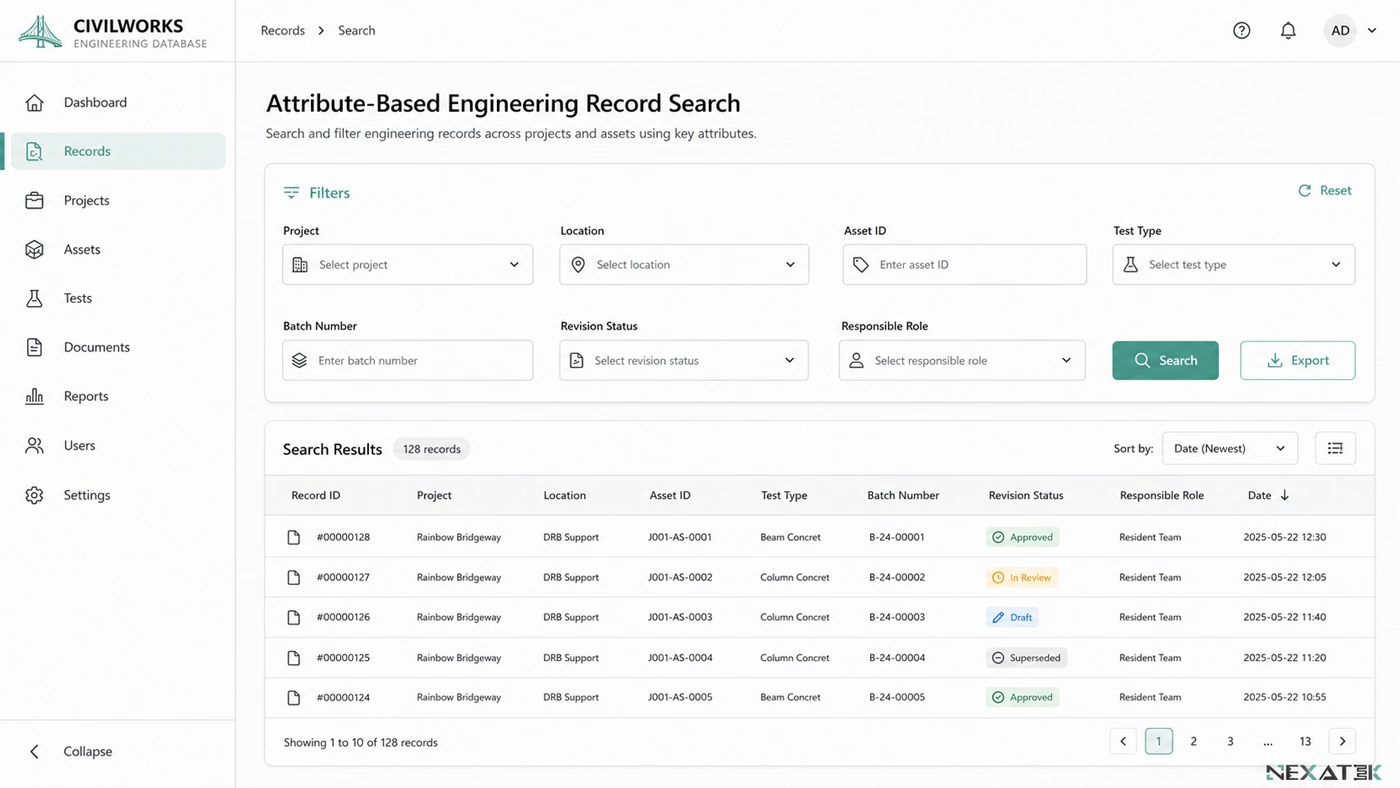 Attributbaseret søgning gør det muligt at fremsøge data ud fra projekt, lokation, bygværks-ID, prøvningstype, batch eller revisionsstatus.
Skaleringen forbliver kontrolleret: Skræddersyet databaseudvikling til anlægssektoren tager højde for fremtidige kategorier, så modellen kan udvides uden at ødelægge eksisterende data. Det samme strukturerede datalag kan senere integreres med specialudviklet ingeniørsoftware oven på databasen.
Designprincipper for anlægstekniske databaser
Gennemtænkt databaseudvikling tager afsæt i, hvordan ingeniører opretter, gransker og reviderer data i praksis. De tre nedenstående principper fastlægges på designniveau forud for implementeringen og forbereder fundamentet for senere procesautomatisering i byggeriet, som er afhængig af forudsigelige datastrukturer.
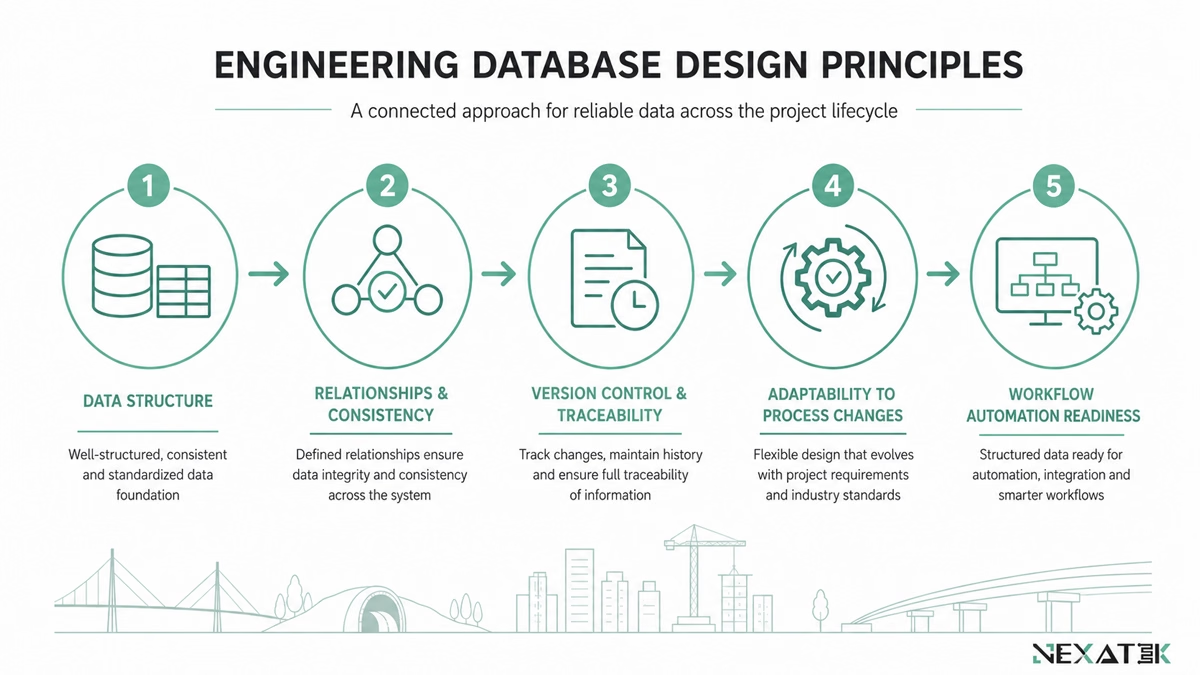 Solidt databasedesign kobler datastruktur, ensartethed, sporbarhed og fleksibilitet, inden automatisering igangsættes.
Datastruktur, relationer og konsistens
Ingeniørdokumenter danner logiske kæder: En tegning relaterer sig til et beregningsnotat, notatet til en projektfase, og fasen til en fagentreprise. Datamodellen skal definere disse relationer eksplicit frem for at lade dem være overladt til tilfældige mappestier.
Ensartede identifikatorer bærer strukturen: Sagsnumre, tegningkoder, bygværks-ID'er og batchnumre følger en fast konvention på tværs af organisationen, og systemet validerer automatisk for dubletter ved oprettelse.
Versionsstyring og datasporbarhed
Revisioner vedrører ikke kun selve tegningen eller dokumentet: Forudsætninger, beregningsparametre, materialedata og prøvningsrapporter ændrer sig ligeledes løbende. Enhver datapost skal derfor rumme en revisionsstatus samt en revisionshistorik med brugerroller og tidsstempler.
Fuld sporbarhed betyder, at databasen altid kan dokumentere præcis, hvilke parametre der var gældende på den dato, et projekt blev godkendt. Databaser, der kun gemmer seneste status, kan ikke besvare dette, hvilket efterlader et kritisk hul ved audits og syn og skøn.
Fleksibilitet over for ændrede arbejdsprocesser
Nye projekttyper og ændrede dokumentationsstandarder opstår uundgåeligt over tid. Det afgørende designspørgsmål er, om et nyt krav fordrer en total omkodning eller blot en simpel udvidelse.
Fleksibilitet opnås ved at adskille stabile grundstrukturer fra dynamiske datafelter: Hovedentiteter som projekter og tegningsregistre ændrer sig sjældent, hvorimod felter til nye prøvningsmetoder ofte varierer. En datamodel, der adskiller disse to niveauer, kan skalere i årevis uden at gribe forstyrrende ind i eksisterende data.
Anvendelsesmuligheder på tværs af byggebranchen
Prioriteterne varierer efter organisationstype, selvom behovet for struktur er universelt. Tre anvendelsesmønstre gør sig gældende i branchen:
Materialeproducenter og prøvningslaboratorier
Et akkrediteret laboratorium håndterer ofte hundredvis af prøver ugentligt, der hver især kræver certifikater og batchreferencer. Mappebaseret lagring fungerer i få måneder, hvorefter søgetiderne stiger drastisk.
Centraliseret lagring af materiale- og prøvningsdata knytter ethvert resultat til den relevante kravspecifikation og muliggør analyser på tværs af produktionen. En søgning på et batchnummer frembringer den komplette historik på sekunder frem for timers manuel eftersøgning i mapper.
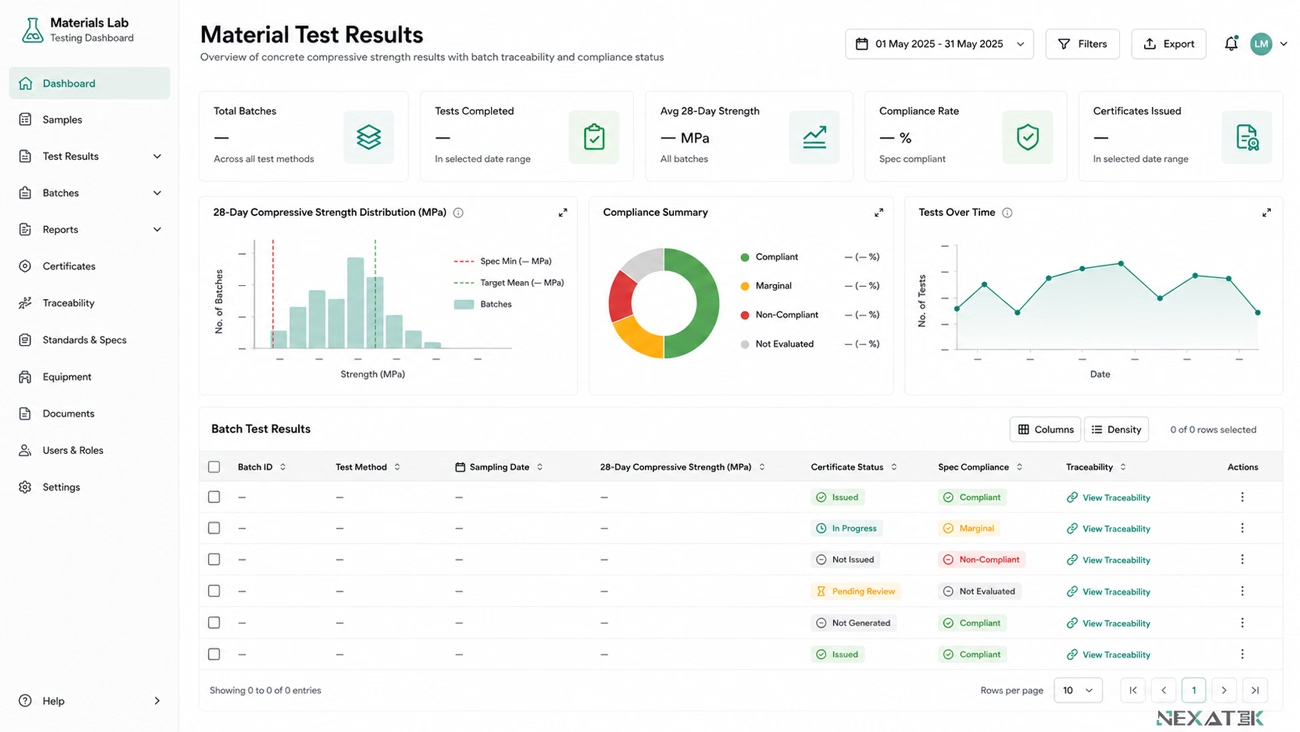 Et kontrol-dashboard samler batchreferencer, specifikationer, prøvningsresultater, certifikater og sporbarhed i én visning.
Entreprenører og anlægsvirksomheder
Entreprenører arbejder under konstante forandringer. Projekteringsændringer under udførelsen rejser det afgørende spørgsmål på byggepladsen: Hvilken tegning er gældende for dagens arbejde?
Skræddersyede databaser til byggeprojekter samler arbejdstegninger, tilsynsnotater, prøvningsrapporter og godkendelseshistorik i ét integreret projektmiljø. Hurtig fremsøgning baseret på bygningsafsnit eller entreprise er uvurderlig, når spørgsmålet rejses på byggepladsen kl. 07.00 om morgenen.
Rådgivende ingeniørvirksomheder
Rådgivere genbruger ofte faglige metoder på tværs af projekter: En metode til sætningsberegning anvendt i 2024 bringes i spil igen i 2026 i et nyt team. Strukturerede tekniske data forvandler gentagelse til reelt genbrug i stedet for spildt dobbeltarbejde.
Versionsstyringen understøtter den interne kvalitetssikring, og projektstyringen gøres uafhængig af den enkelte seniorkonsulents personlige arkiver. NEXATEK designer disse databasestrukturer med udgangspunkt i rådgivernes konkrete arbejdsgange frem for standardiserede skabeloner.