

Laboratorie- og in-situ-testtjenester for anleggsteknikk
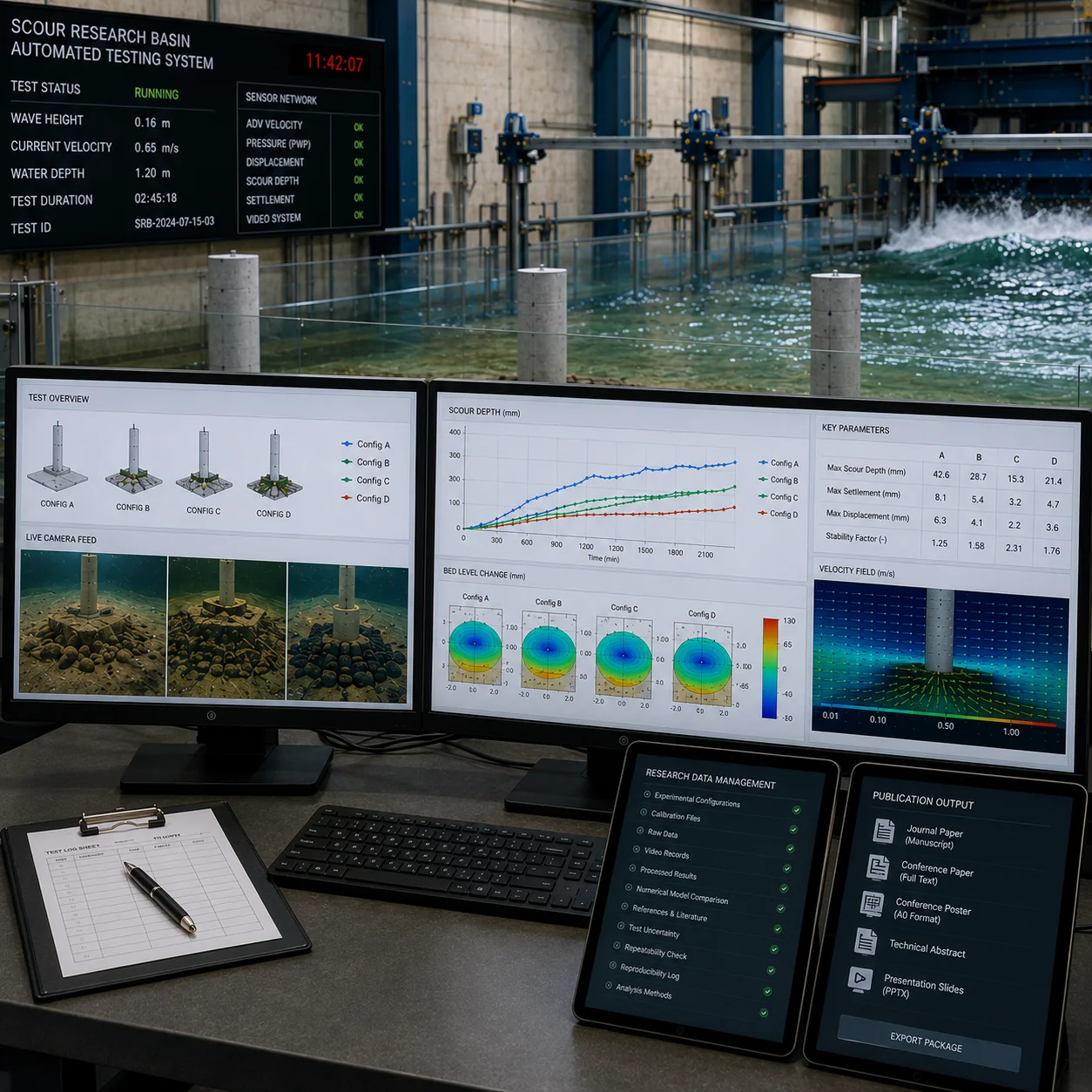
NEXATEK tilbyr ende-til-ende-styring av laboratorie- og feltprøvingsprogrammer for anleggsprosjekter og forskning. Vi koordinerer testaktiviteter, håndterer tekniske data og leverer ingeniørrapporter, publikasjoner og teknisk dokumentasjon av høy kvalitet.
Testplanlegging og koordinering

Styring av laboratorie- og feltprøving
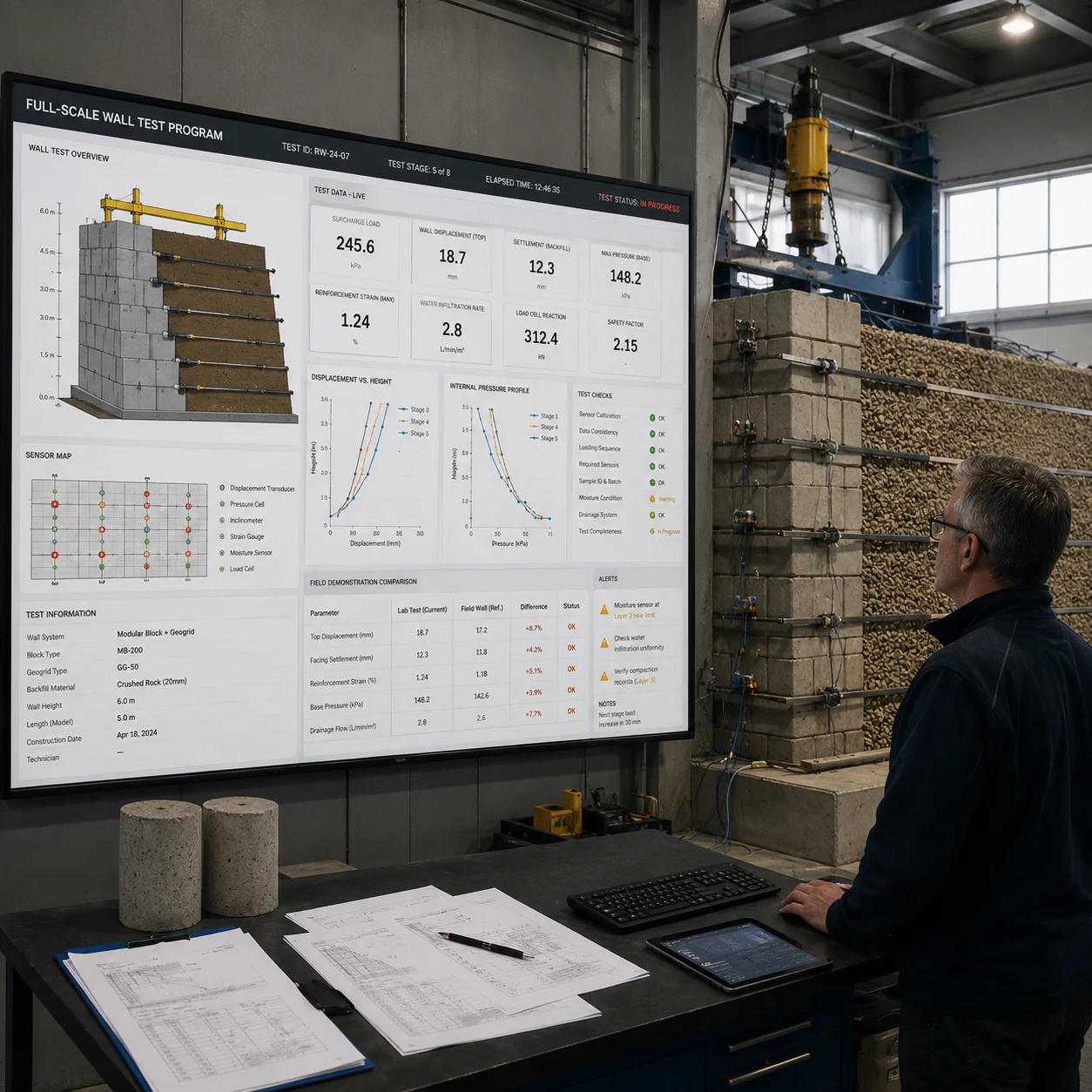
Dataanalyse og teknisk rapportering

Forskning og tekniske publikasjoner
Lignende prosjekter
Oppdag flere innovative prosjekter:

Gode
Løsninger
Starter Med En SamtaleGode Løsninger Starter Med En Samtale
Vil du utforske hvordan våre tjenester kan få bedriften din til å vokse?
Laboratorie- och in-situ-provning för bygg- och anläggningsprojekt
Varje bärande dimensioneringsbeslut i ett anläggningsprojekt vilar på ett uppmätt värde. Laboratorie- och in-situ-provningslösningar för anläggningsteknik levererar dessa mätetal: den bärighet som avgör ett fundaments dimensioner, eller den tryckhållfasthet som medger formrivning. Utan verifierade provningsdata baseras dimensioneringen på antaganden och slutbesiktningen på subjektiva bedömningar.
De två provningsdisciplinerna besvarar skilda frågeställningar: Laboratorieprovning karakteriserar ett materialprov under kontrollerade, standardiserade förhållanden, medan in-situ-provning mäter hur marken eller konstruktionen beter sig på plats i fält. NEXATEK integrerar båda metoderna i ett samlat provningsprogram, så att fältmätningar och laboratorieresultat beskriver samma material med enhetliga tekniska parametrar.

Översikt över provning inom anläggningsteknik
Provning omvandlar osäkerheter gällande material- och markegenskaper till tillförlitliga dimensioneringsvärden. Ingen ingenjör kan bedöma friktionsvinkeln i en sandformation med blotta ögat eller avgöra om en nyligen gjuten betong uppfyller kraven för C30/37 utan provning.
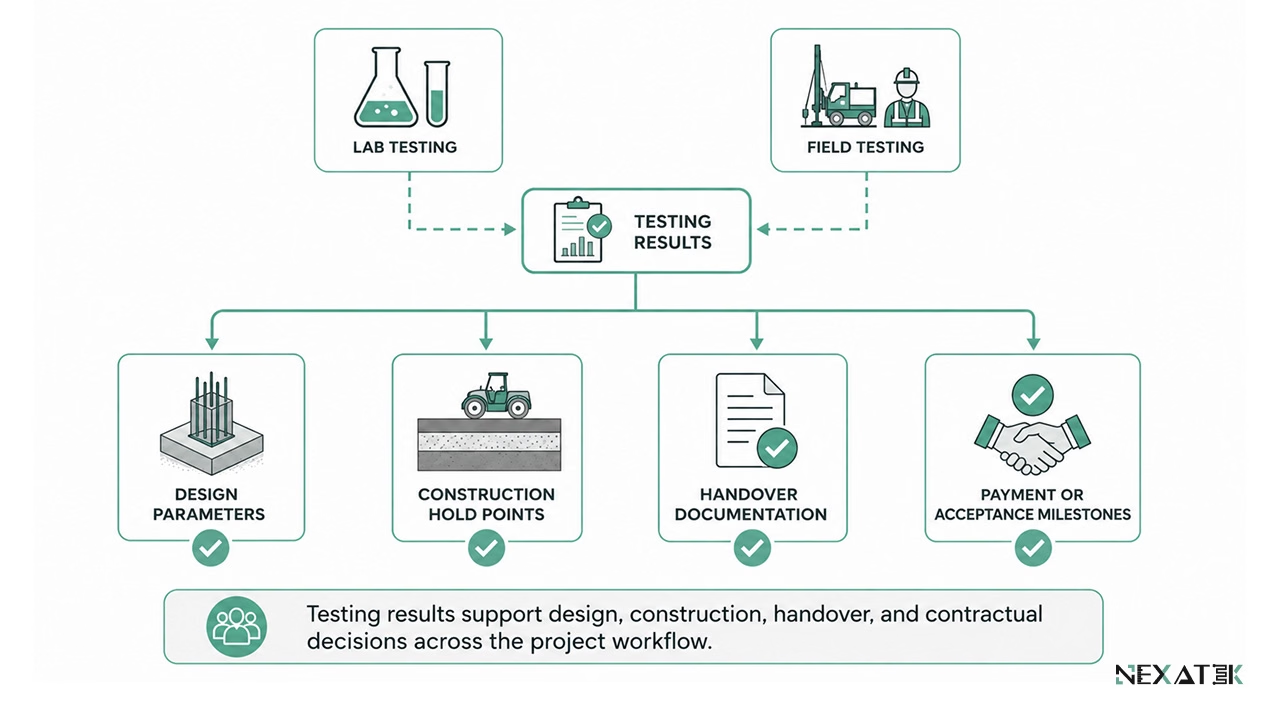
I ett anläggningsprojekt uppträder provningsresultat vid fasta beslutspunkter: Projekteringen behöver geotekniska parametrar innan fundamenten kan dimensioneras. Produktionen kräver godkända kontrollresultat innan nästa fyllnadslager komprimeras eller nästa etapp gjuts. Slutbesiktningen fordrar verifierad dokumentation på att den färdiga konstruktionen uppfyller de föreskrivna materialkraven.
Varje resultat har dessutom juridisk och avtalsmässig tyngd: En underkänd packningskontroll stoppar fyllningsarbetet tills lagret har bearbetats om, medan en godkänd provkubsdragning kan frigöra en avtalad betalningsmilstolpe.
Laboratorieprovning inom anläggningsbyggande
Laboratorieprovning undersöker materialprover under kontrollerade, repeterbara förhållanden. Proverna transporteras från byggarbetsplatsen eller fabriken till en provningsanläggning, där kalibrerad utrustning påför definierade mekaniska laster och exponeringsbetingelser. Målet är fullständig kontroll: Samma provningsförfarande på samma material ger jämförbara mätvärden, helt oberoende av väderleken på byggarbetsplatsen.
Laboratorieprovning av anläggningsmaterial omfattar primärt fyra områden: klassificering, mekanisk hållfasthet, deformationsbeteende och beständighet.
Vanliga laboratorieprovade material
Fyra materialgrupper står för merparten av laboratoriearbetet i anläggningsprojekt:
- Jord och bergmassor: kornstorleksfördelning, Atterberggränser (konsekvensgränser), Proctorpackning, skjuvhållfasthet och konsolideringsegenskaper
- Betong: färska egenskaper (sättmått, lufthalt), tryck- och böjdraghållfasthet, densitet samt vattengenomtränglighet
- Asfalt: bindemedelshalt, Marshall-stabilitet och volymetriska egenskaper hos packade provkroppar
- Ballast: kornkurva, nötnings- och krossmotstånd (Los Angeles-metoden), kornform och vattenabsorption
Cement och armeringsstål provas mer sällan i den löpande rutinen, oftast vid typkontroller eller i samband med ett leverantörsbyte.
Laboratorieprocesser och rapportering
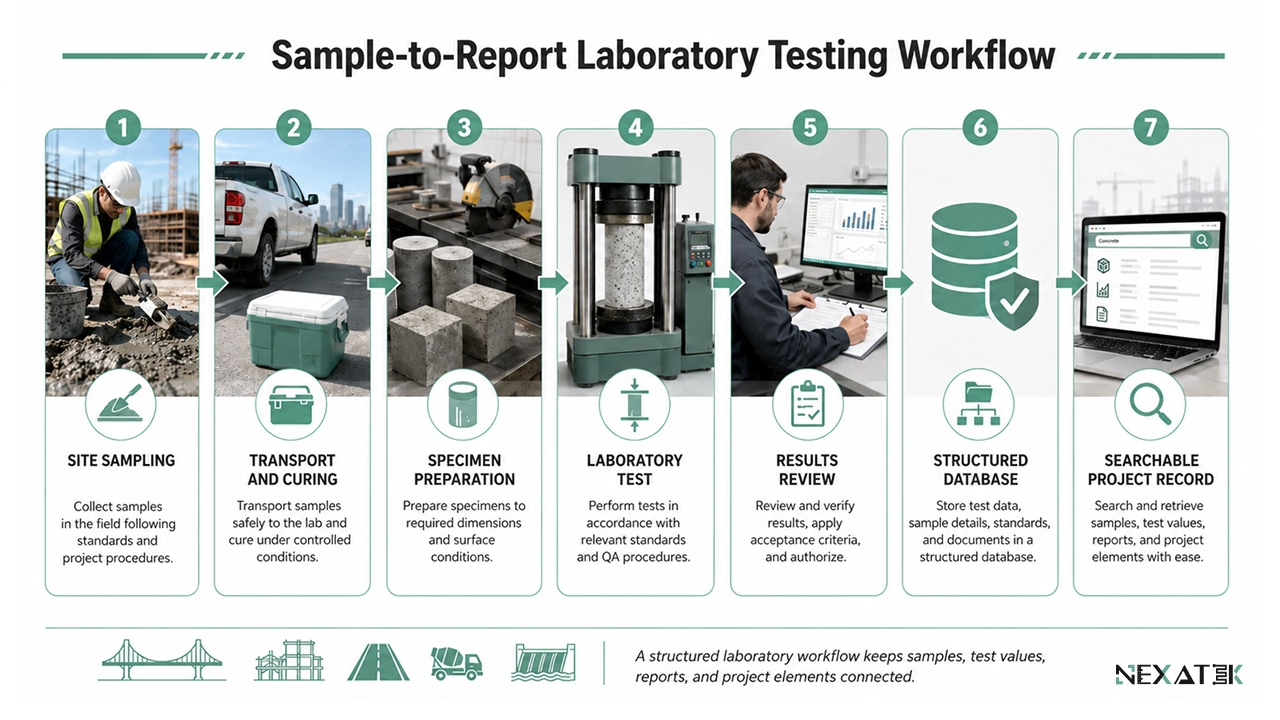
Ingenjörsmässiga provningsförfaranden följer en obruten kedja: provtagning i fält, transport och normenlig härdning, preparering av provkroppar, själva provningen samt rapportsammanställning. Provkuber som gjuts vid en betonggjutning härdas i vattenbad vid 20 °C och tryckprovas efter 7 och 28 dygn, varvid tryckhållfastheten redovisas i MPa (N/mm²) tillsammans med densitet och härdningshistorik.
Dessa provningsrapporter behåller sitt praktiska värde endast om informationen förblir sökbar. Ett anläggningsprojekt som arkiverar 4 000 rapporter som inscannade PDF-filer kan inte med rimlig insats svara på enkla frågor, som vilka fyllnadsytor som krävde ompackning. Strukturerad datalagring i en skräddarsydd materialdatabas gör varje resultat sökbart efter konstruktionsdel, datum och materialsats.
In-situ-provningsmetoder och tillämpningar
In-situ-provning mäter bärverks- eller markrespons direkt på plats, utan att materialprover tas upp. Metoden är oundgänglig när egenskapen som ska utvärderas beror på spännings- och lagringsförhållanden som en provtagning oundvikligen förstör. Löst lagrad sand under grundvattenytan förändrar exempelvis lagringstäthet i samma stund som en provtagare skär in i formationen. Fältprovning mäter sådana jordlager på plats med naturligt spänningstillstånd och porvattentryck intakta.
Vanliga in-situ-provningsmetoder
Fältprovningsmetoder som tillämpas i de flesta infrastrukturprojekt omfattar:
- Hejarsondering (Standard Penetration Tests / SPT) och trycksondering (Cone Penetration Tests / CPT) för kontinuerlig registrering av markens stratigrafi
- Statiska och dynamiska plattbelastningsförsök för kontroll av bärighet och deformationsmoduler på terrassytor och kranuppställningsplatser
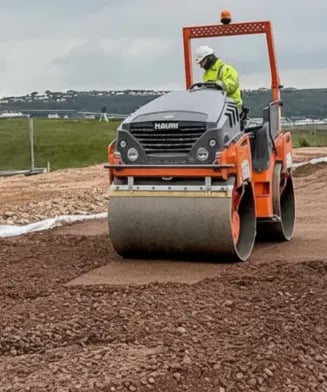
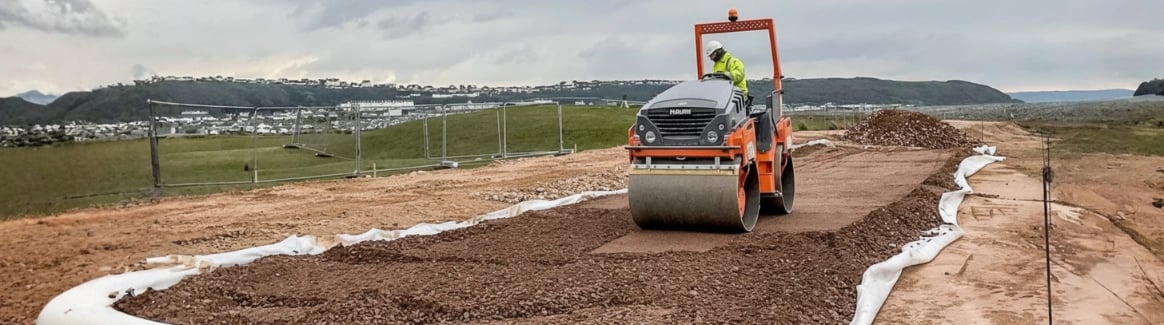
- Densitetsmätning i fält, såsom volymetermetoden eller radiometriska mätningar, för packningskontroll i bankfyllningar
- Studshammare (Schmidt-hammare) och ultraljudsmätning för oförstörande provning av hårdnad betong i bärverket
- Statiska och dynamiska provbelastningar på fundament- och stödpålar
Snabbheten särskiljer dessa fältmetoder från laboratorietester: En bandgående CPT-rigg loggar spetsmotstånd kontinuerligt varannan centimeter och avverkar 100 borrmeter trycksondering under en enda arbetsdag.
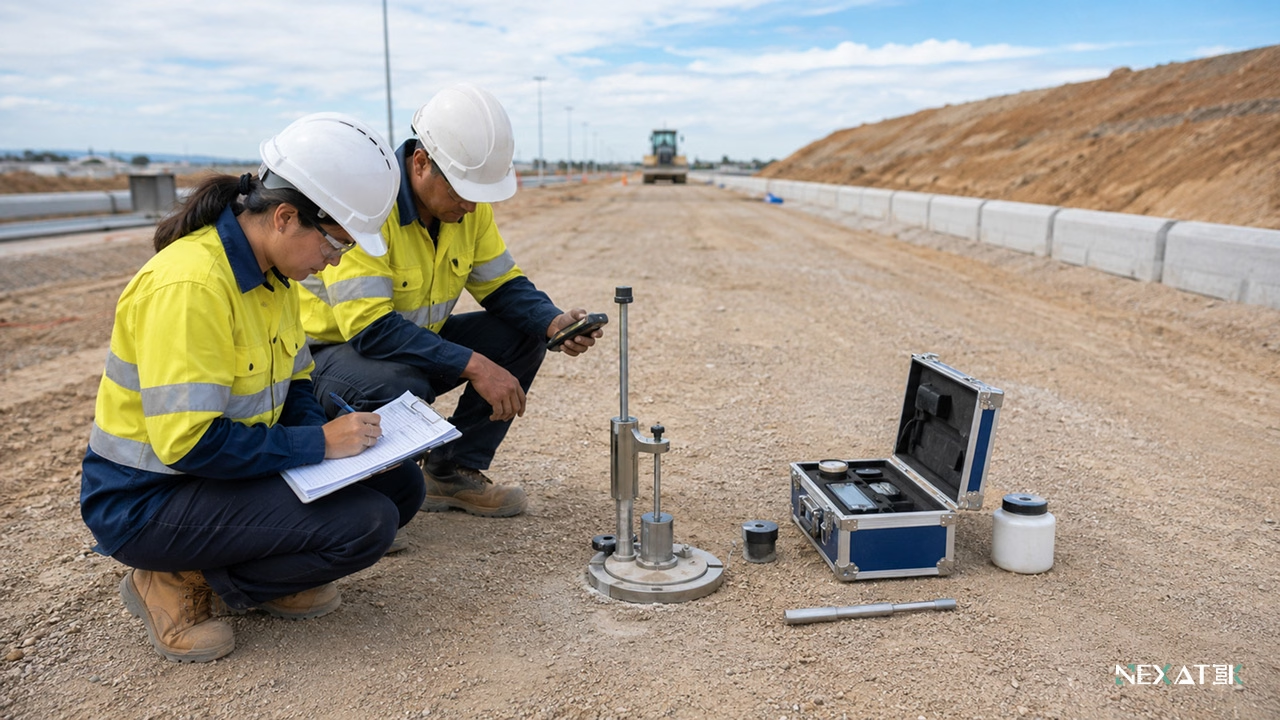 In-situ-provning registrerar materialrespons direkt på byggarbetsplatsen, där spänningsnivåer, markfukt och lagringsförhållanden är bevarade.
Förhållanden där fältprovning är nödvändig
Vissa geotekniska egenskaper kan över huvud taget inte utvärderas i ett laboratorium: Den faktiska packningsgraden hos ett utlagt bärlager existerar uteslutande i just det lagret på arbetsplatsen, och ur grovt grus eller sprängsten är det omöjligt att ta upp ostörda prover. Verifiering fordrar likaså fältmätningar: Last-deformationsresponsen hos en installerad borrpåle kan endast verifieras på det fysiskt utförda elementet.
Tidspressen i produktionen är en annan avgörande faktor: Ett packningsresultat från fältet är tillgängligt inom en timme, medan motsvarande laboratorieprogram tar flera dygn. När schakt- och fyllnadsmanskapet lägger ut 5 000 m³ massor per dag är det produktionstakten som styr kontrollmetoden.
Laboratorieprovning kontra in-situ-provning
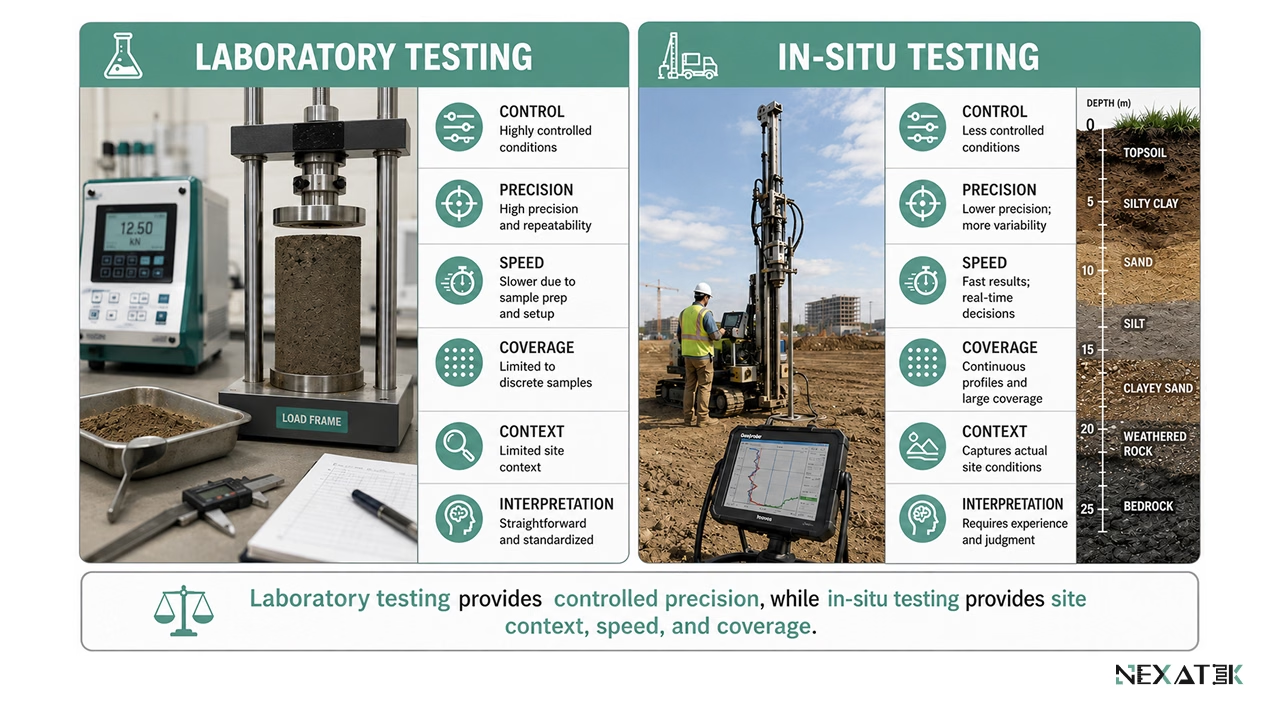
Den fundamentala skillnaden stavas kontroll gentemot kontext: Laboratoriet fastställer randvillkoren och isolerar en parameter i taget. Fältet visar den reella verkligheten, men utan parametrisk isolering. Båda grenarna tjänar till att bestämma materialprestanda, men skiljer sig åt i fråga om mätplats och miljö.
Datainsamlingen varierar också i volym och tidsåtgång: En triaxialförsöksserie analyserar en provkropp med 100 mm diameter i detalj över flera dygn. En CPT-sondering kartlägger en 30 meter djup markprofil på en timme, men mäter jordens mekaniska gensvar indirekt via spetsmotstånd och mantelstriktion.
För- och nackdelar med respektive metod
Laboratorieprovning säkerställer hög repeterbarhet och noggrannhet vid parameterbestämning. Resultaten speglar dock enbart det uttagna provet och inte nödvändigtvis hela jordlagret, och störningar under provtagningen kan förskjuta mätvärdena. Därtill kräver transport och konditionering ledtid innan svaret föreligger.
In-situ-provning erbjuder snabbhet och bred yttäckning. Många sonderpunkter kan drivas ned kostnadseffektivt, vilket synliggör geoteknisk variation som ett begränsat antal laboratorieprover skulle missa. Svagheten ligger i tolkningen: Merparten av fältmätningarna omräknas till ingenjörsparametrar via empiriska korrelationer, där utrustningens skick och operatörens handhavande kan påverka utfallet.
Kompletterande användning i anläggningsprojekt
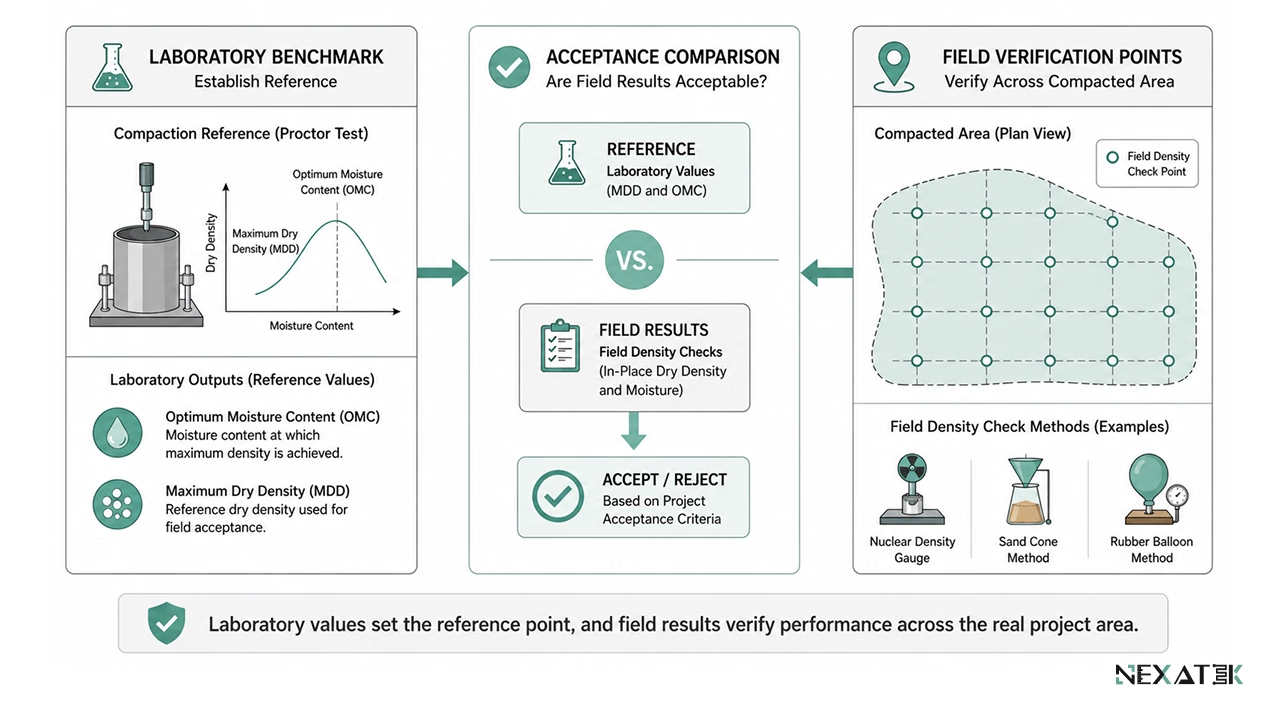
I praktiken kalibrerar de två provningsformerna varandra. Packningskontroll vid markarbeten exemplifierar standardsamspelet: En laboratorieutförd Proctorprovning definierar referensvärdet för maximal torrdensitet, varpå fältmätningar verifierar att varje utlagt lager uppnår exempelvis 95 eller 100 procent av detta värde. Ingen av provningarna har fullständigt värde på egen hand.
Betongarbeten följer samma metodik: Provkubstryckning i laboratoriet utgör den formella grunden för godkännande, medan studshammarmätningar kartlägger den relativa variationen över konstruktionens ytor och lokaliserar zoner där provborrning av kärnor bör ske. NEXATEK utformar geotekniska och materialtekniska provningsprogram kring dessa synergier: Laboratoriet anger målvärdet och fältmätningarna verifierar det i full skala.
Tillämpning genom anläggningsprojektets faser
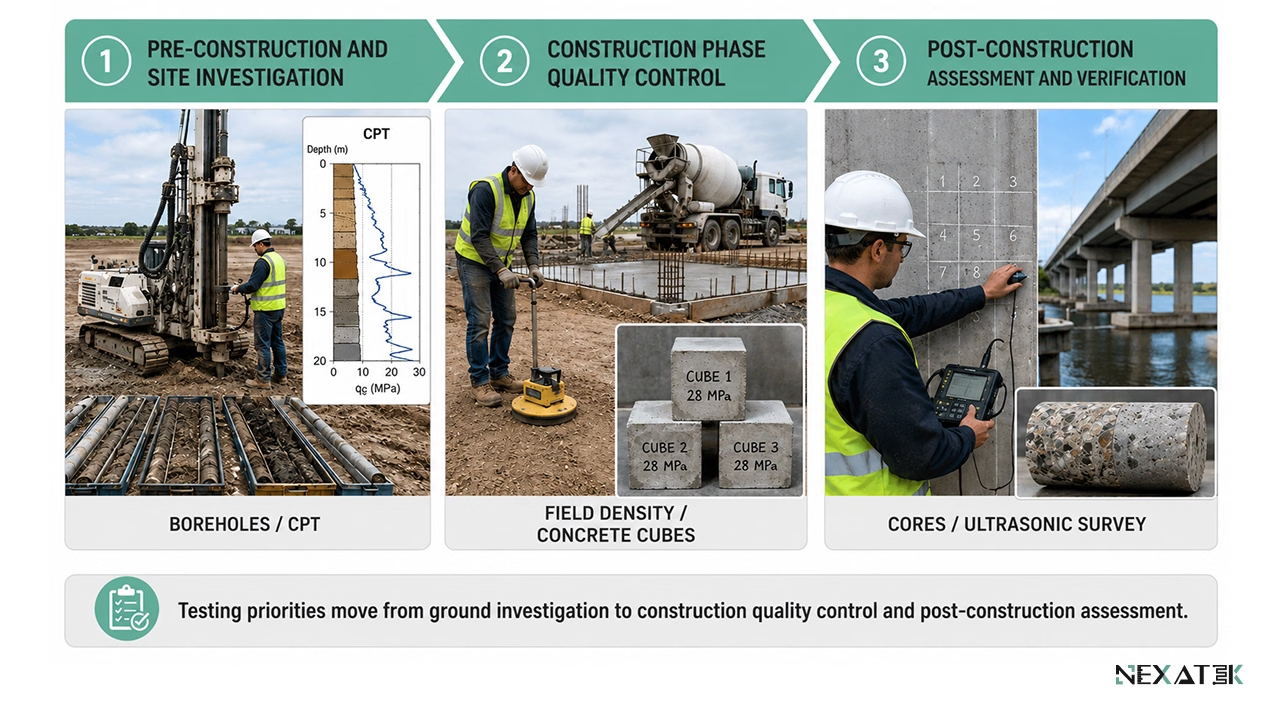
Ett provningsprogram skiftar fokus i takt med projektets framskridande. Laboratorie- och in-situ-provningar besvarar specifika frågeställningar i varje enskild fas.
Förstudier och geoteknisk projektering
Borrnings- och markundersökningar kombinerar in-situ-sonderingar med laboratorieprovning på upptagna jordprover. Ett typiskt undersökningsprogram omfattar geotekniska borrhål med SPT-slagning var 1,5 meter, kompletterat med mellanliggande CPT-sonderingar. Utvalda prover sänds till laboratorium för kornfördelning, klassificering och skjuvhållfasthetsprovning. Resultatet sammanställs till den geotekniska beräkningsmodellen med de parametrar grundläggningsdimensioneringen förutsätter.
Undersökningsbrister i detta skede orsakar de största fördyringarna: En oupptäckt, två meter tjock lins av lös lera kan utvecklas till månader av oplanerade sättningar under förvaltningsskedet.
Kvalitetskontroll under byggskedet
Kvalitetskontrollen under produktionen styrs av provningsfrekvenser kopplade till produktionstakten. Sedvanliga krav föreskriver exempelvis en packningsmätning i fält per 500 m³ utlagd fyllning och en serie provkuber per 50 m³ gjuten betong. Resultaten styr projektets formella kontrollpunkter (hold points); en saknad provning stoppar framdriften lika definitivt som ett underkänt resultat.
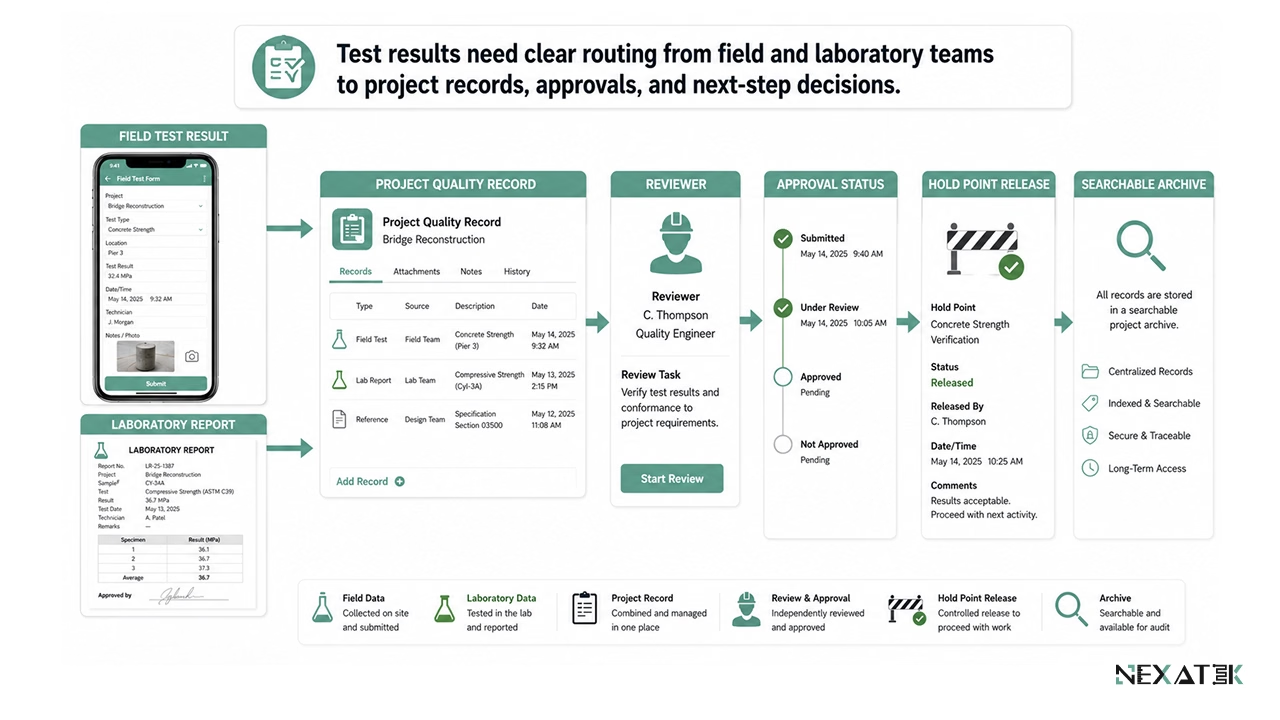
Rapporteringstakten är nästan lika viktig som själva provningen. Kvalitetsuppföljning fångar i allt högre utsträckning upp mätvärden via skräddarsydda mobilappar för datainsamling. Därmed finns ett packningsvärde uppmätt kl. 09:40 tillgängligt för byggledningen innan nästa materialskikt påförs.
Tillståndsbedömning och verifiering i förvaltningsskedet
Efter överlämningen övergår provningsverksamheten till diagnostik. Borrkärnor från ett 40 år gammalt brodäck analyseras i laboratorium avseende tryckhållfasthet och kloridinträngningsprofiler, medan oförstörande ultraljudsundersökningar på plats lokaliserar inre delamineringar och hålrum. Den samlade bilden avgör valet mellan punktvisa reparationer eller fördjupad bärverksövervakning.
Komplexa skadebilder fordrar mer än rutinmässiga kontroller: Att utreda orsakerna bakom oväntade marksättningar eller återkommande sprickbildningar är i lika hög grad tillämpad ingenjörsforskning som provningsteknik. Skademekanismen måste fastställas metodiskt innan det ändamålsenliga provningsprogrammet kan formuleras.
Samordning med ingenjörsmässiga arbetsflöden
Provningsdata används på skilda sätt genom byggprocessens värdekedja, och provningstjänster tillför reell nytta först när leveransformaten är anpassade direkt för mottagarnas arbetsprocesser.
Tillämpning för materialtillverkare
Tillverkare av betong och asfalt nyttjar provning för kontinuerlig produktionsstyrning. En betongstation kontrollerar färska egenskaper dagligen och följer utvecklingen av 28-dagars tryckhållfasthet statistiskt över tid. Om medelvärdet uppvisar en nedåtgående trend justeras recepturen proaktivt innan avvikelser uppstår ute på arbetsplatserna – vilket förvandlar provningsdata till ett operativt varningssystem.
Tillämpning för bygg- och anläggningsentreprenörer
Entreprenörer utför provningar för att kvittera kontrollpunkter och styrka avtalsenlig kvalitet gentemot beställaren. Arbetsflödet är strukturerat: in-situ-mätningar genomförs under utläggning och gjutning, varpå laboratorieintygen kopplas direkt till det specifika konstruktionselementet.
Att distribuera och attestera dessa underlag är en central uppgift inom arbetsflödesoptimering. Ett godkänt provningsresultat som blir liggande i en e-postinkorg fördröjer produktionen i fält lika effektivt som en försenad laboratorieanalys.
Tillämpning för konstruktions- och teknikkonsultbolag
Konsultföretag verkar i båda ändarna av dataflödet: Under projekteringen specificerar de provningsomfattningen och omvandlar rådata till dimensioneringsparametrar; under byggskedet granskar de entreprenörens kontrollrapporter mot tekniska beskrivningar och krav. NEXATEK bistår projektörer och konstruktörer med provningsprogram där resultaten levereras i de digitala format som konstruktionskontroller och granskningsrutiner fordrar.