

Publikasjonsstøtte
Styrk ditt tekniske rykte og din troverdighet gjennom profesjonelle ingeniørpublikasjoner og teknisk dokumentasjon av høy kvalitet. NEXATEK hjelper organisasjoner med å transformere ingeniørkunnskap, prosjektresultater og innovative løsninger til publikasjoner som øker anerkjennelsen i bransjen, støtter myndighetsgodkjenninger og demonstrerer teknisk forffatelse.
Teknisk skriving og publikasjoner

Tekniske rapporter og dokumentasjon
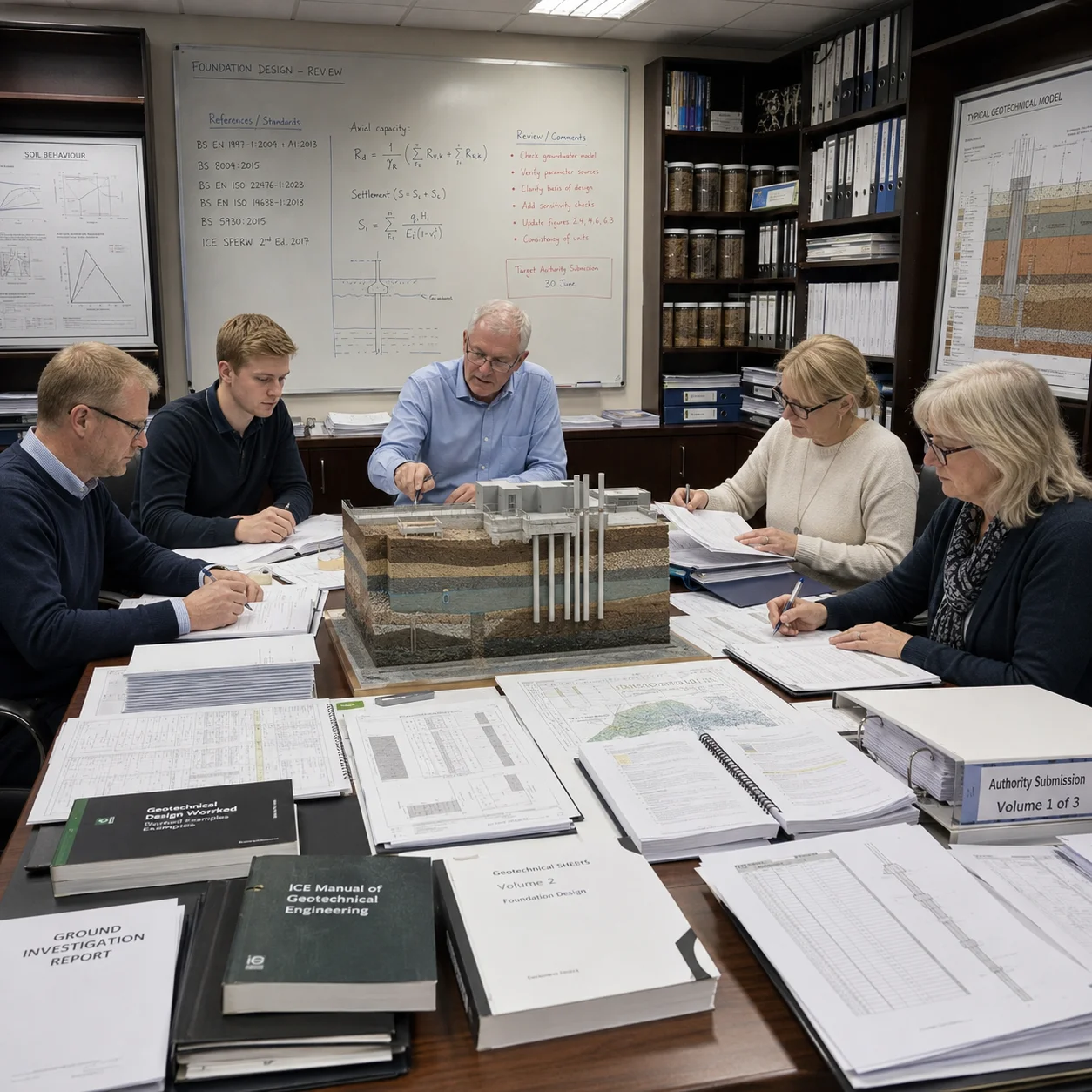
Presentasjon og kommunikasjon
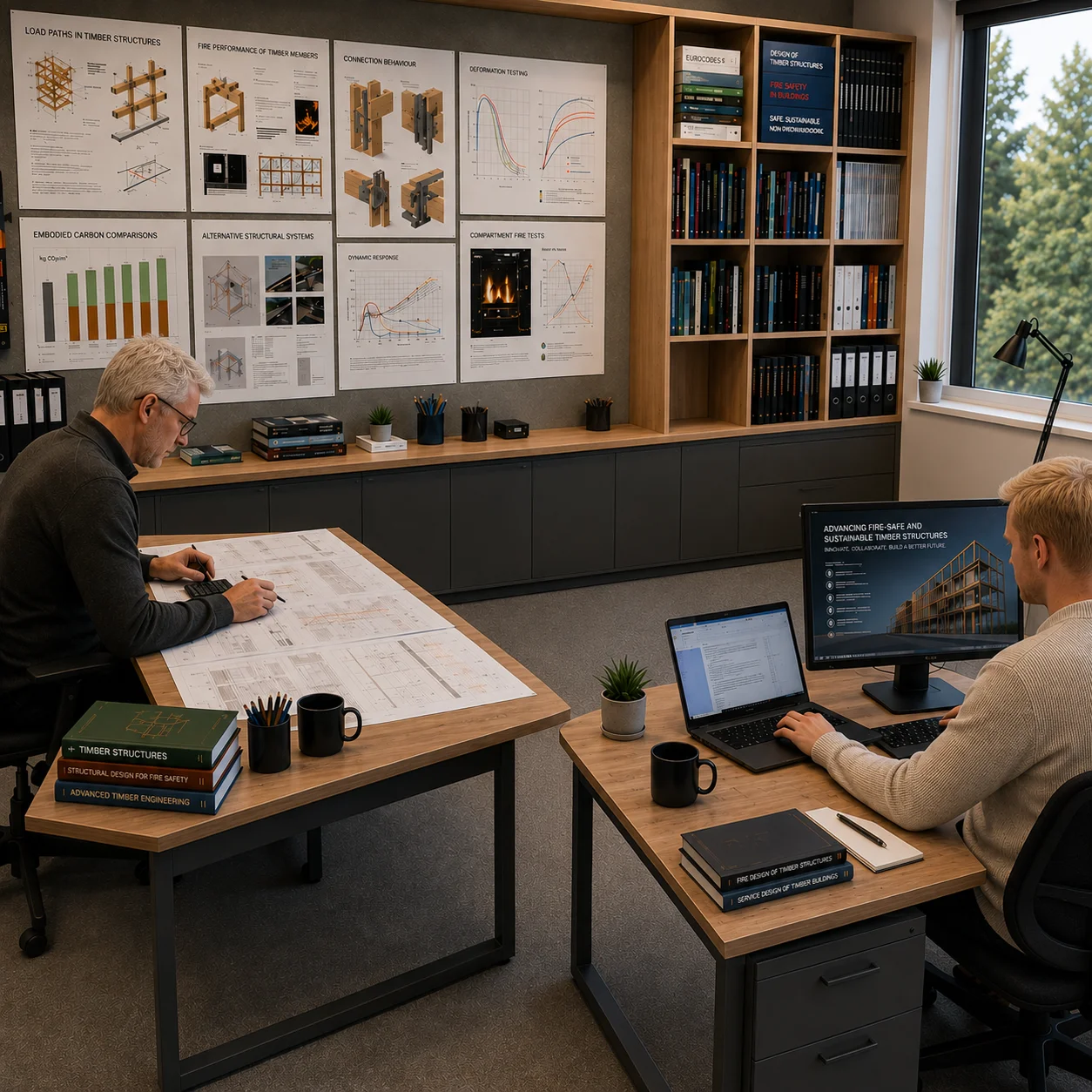
Omdømme og kunnskapshåndtering

Lignende prosjekter
Oppdag flere innovative prosjekter:

Gode
Løsninger
Starter Med En SamtaleGode Løsninger Starter Med En Samtale
Vil du utforske hvordan våre tjenester kan få bedriften din til å vokse?
Teknisk publiseringsstøtte for digitalisering i bygg og anlegg
Teknisk publiseringsstøtte i anleggssektoren omsetter resultatene fra et digitaliseringsprosjekt til dokumenter som eksterne fagfolk kan vurdere og sitere med faglig tyngde. En BIM-utrulling, en sensorovervåket bru eller et felles datamiljø (CDE) som har erstattet tretti regneark: Hvert prosjekt rommer erfaringer som fortjener å dokumenteres. Likevel har prosjektteamet som utviklet løsningen sjelden tid til å forfatte en fagartikkel etter de standardene en tidsskriftredaktør eller et udbudspanel krever. Teknisk publiseringsstøtte fyller dette gapet.
Publiseringsstøtte bygger bro mellom to fagmiljøer som sjelden deler samme terminologi: På anleggsplassen foreligger data som byggedagbøker, 3D-modeller og overvåkingslogger. I den formelle fag- og forskningslitteraturen har en observasjon derimot først gyldighet når den er metodisk dokumentert, fagfellevurdert og indeksert i internasjonale databaser der andre fagmiljøer kan gjenfinne den. NEXATEK bistår i dette arbeidet – ofte som et delspor i en mer omfattende digital transformasjon.
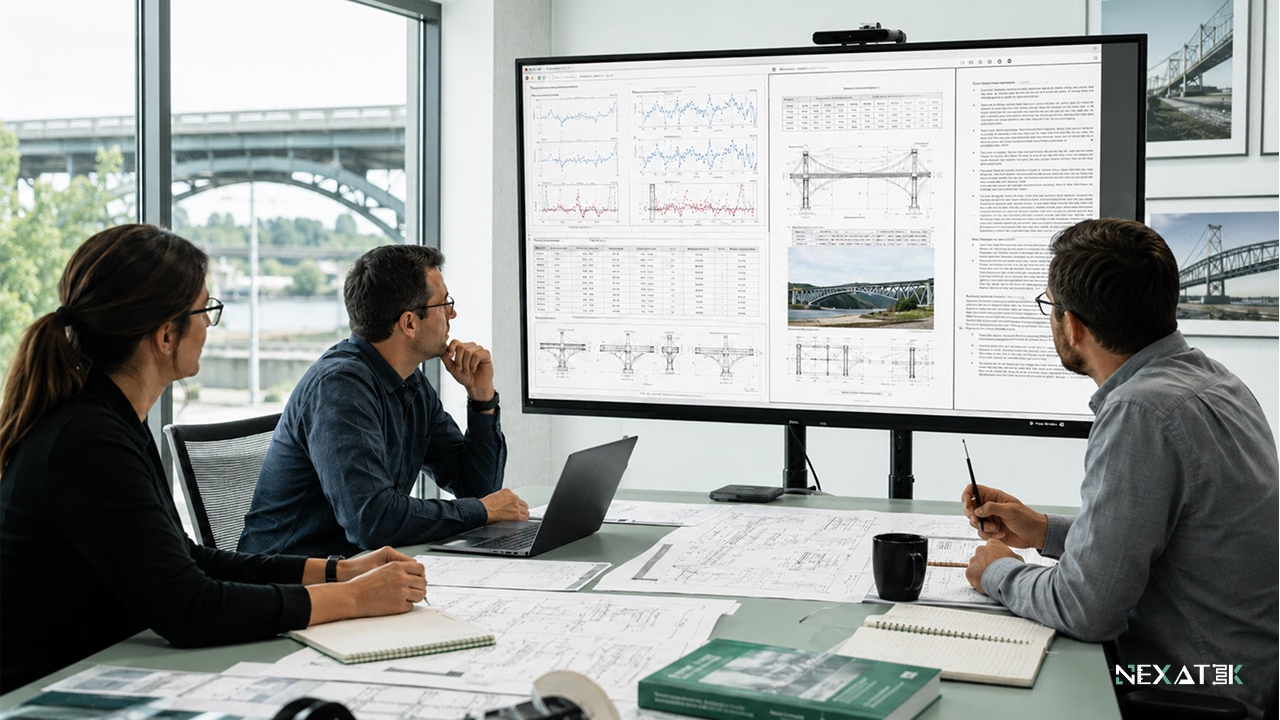 Publiseringsstøtte omgjør anleggsfaglige prosjektdata til dokumentasjon eksterne fagfolk kan etterprøve, stole på og sitere.
Den strategiske rollen til fagfellevurdert litteratur i digitalt anleggsarbeid (AEC)
Digital modenhet i AEC-sektoren (Architecture, Engineering, Construction) måles vanligvis ut fra programvareverktøy og arbeidsprosesser. En mindre åpenbar, men mer presis indikator, er hvorvidt et selskap evner å dokumentere sine egne digitale metoder i former som en ekstern fagperson anerkjenner. Et prosjekteringsteam kan drifte en digital tvilling i to år og likevel mangle et dokument som i etterprøvbar form forklarer hva tvillingen faktisk beviste. Fagfellevurdert litteratur slutter denne sirkelen: Den tvinger resultatene gjennom en uavhengig gransking utført av fagpersoner som ikke har vært involvert i prosjektet.
Publisering flytter også verdifull kompetanse ut av hodet på enkeltpersoner. Når ingeniøren som konfigurerte et felles datamiljø (Common Data Environment, CDE) slutter, forsvinner den bakenforliggende logikken ofte med vedkommende. En dokumentert metodikk, forfattet for et eksternt fagpublikum, fanger opp resonnementene før de forvitrer. Dette utgjør overgangen fra taus kunnskap til eksplisitt kunnskap – den samme overgangen som digitaliseringen i seg selv har som mål å levere.
Det foreligger også et håndfast forretningsmessig aspekt: Et selskap som publiserer sine digitale metoder, etablerer et kunnskapsarkiv som overlever det enkelte prosjektteam. Tre år etter ferdigstillelsen av en motorveiutvidelse er den publiserte fagartikkelen ofte det eneste varige beviset på hvordan firmaet samkjørte geodetiske data med as-built-modeller. Interne rapporter arkiveres og går i glemmeboken. Et dokument skrevet for et eksternt fagpublikum forblir søkbart – og kravet om å skrive for dette nivået tvinger frem en faglig grundighet som et internt notat aldri krever.
Å bygge bro mellom anleggspraksis og akademisk etterprøvbarhet
Feltdata fra anleggsplassen og akademisk dokumentasjon skiller seg fra hverandre på en måte som feller mange publiseringsforsøk. Anleggsteamet dokumenterer hva som skjedde på det spesifikke oppdraget. En akademisk fagfelle (reviewer) spør derimot om resultatet kan generaliseres, om metoden kan gjentas av andre, og om den påståtte nyhetsverdien holder faglig stand. Å forene disse to hensynene krever at prosjektdata omformes til empirisk evidens, med en presist formulert metode og et etterprøvbart gyldighetsområde.
Vurder et rådgiverselskap som har overvåket nedbøyningen på et 120 meter langt skråkabelspenn gjennom en periode på atten måneder. Det rå datagrunnlaget er en tidsserie med datatap i perioder med sensorutfall. Den publiserte versjonen krever en dokumentert måleprotokoll, en etterrettelig redegjørelse for hvordan datahull ble håndtert, og en kvantitativ sammenligning mot teoretiske beregningsverdier. Selve måleverdiene er identiske i begge tilfeller. Det som endrer seg, er den faglige innrammingen – og det er denne rammen som fører artikkelen gjennom fagfellevurderingen.
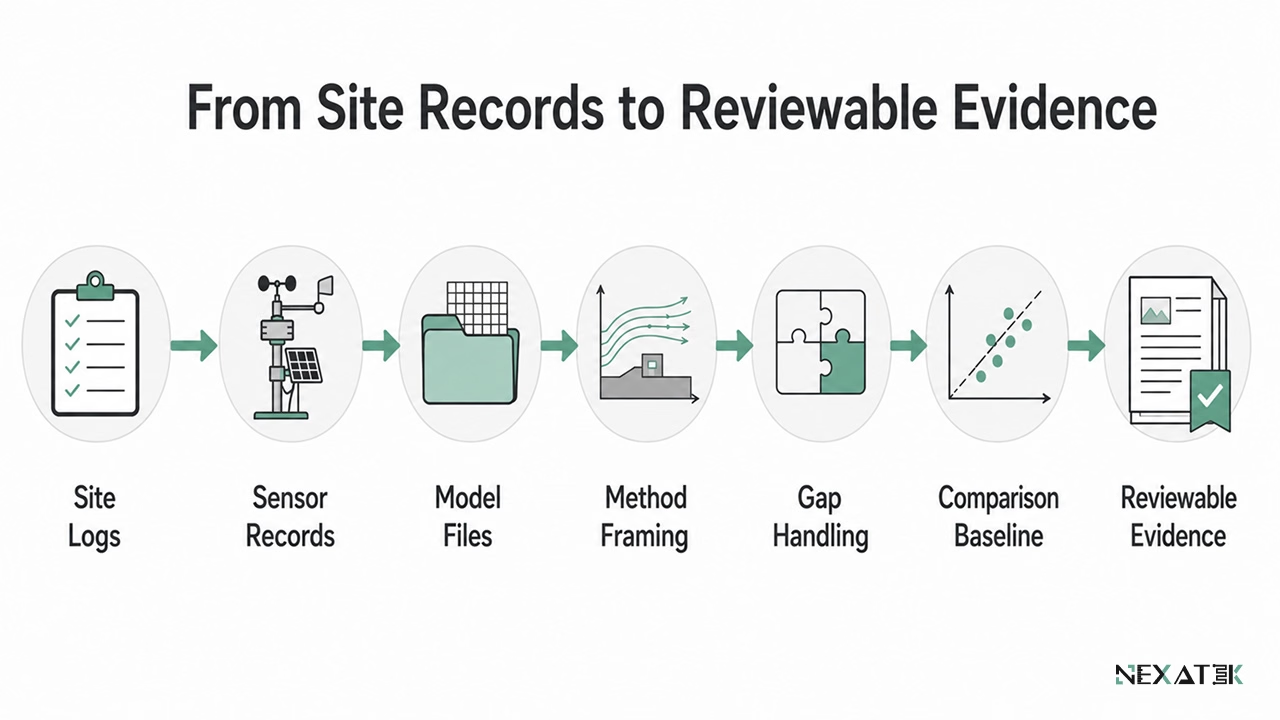 Anleggstekniske data styrkes vesentlig når de settes inn i en ramme med metode, forutsetninger, sammenligninger og etterprøvbare bevis.
Spennvidden i publiseringsstøtte: Fra hvitbøker til indekserte fagtidsskrifter
Teknisk publiseringsstøtte omfatter flere dokumenttyper tilpasset ulike målgrupper og ulike krav til dokumentasjon. Et vitenskapelig manuskript svarer til fagfeller og internasjonale databaser. En hvitbok (whitepaper) henvender seg til oppdragsgivere og innkjøpspaneler. En metode- eller rammeverksbeskrivelse henvender seg til ingeniører som ønsker å anvende metoden i praksis. Siden det optimale formatet helt og holdent avhenger av formålet, rangeres ingen av disse kategoriene over de andre.
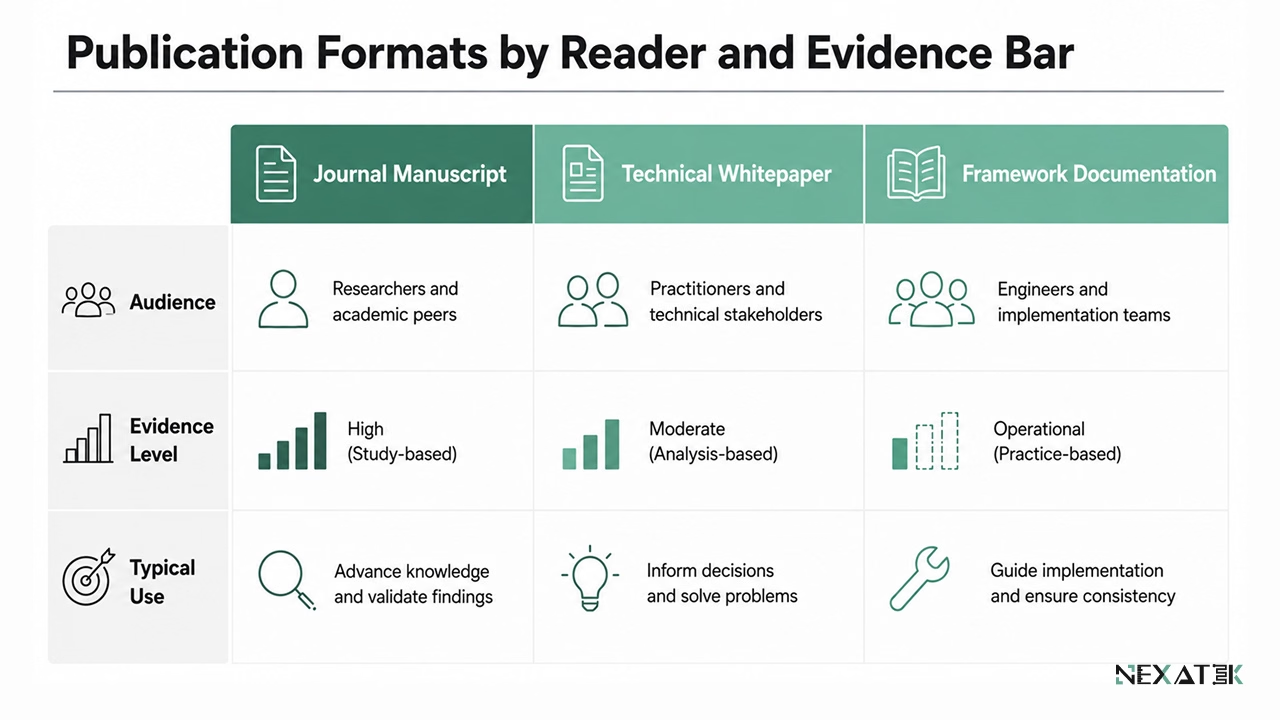 Tidsskriftsartikler, hvitbøker og rammeverksdokumenter benytter lignende data, men tilrettelegger formidlingen for ulike mottakere.
Vitenskapelige tidsskrifter med høy impact-faktor (Automation in Construction, ASCE)
Et tidsskriftsmanuskript er det mest krevende formatet. Fagfeller etterprøver analysemetoden, datagrunnlaget og nyhetsverdien grundig før en artikkel tas inn i databaser der andre forskere og rådgivere kan finne den. Innen digitalt anleggsarbeid inkluderer sentrale tidsskrifter publikasjoner som Automation in Construction og de ingeniørvitenskapelige tidsskriftene utgitt av American Society of Civil Engineers (ASCE). Lasterne her forventer en presis problemstilling og en metode som andre kan etterprøve og gjenta.
Manuskriptstøtte handler om å strukturere prosjektarbeidet i tråd med disse kravene: en tydelig forskningsmessig problemstilling, en metodedel detaljert nok til å kunne gjentas, en nøktern resultatpresentasjon med eksplisitte usikkerhetsmarginer, samt en litteraturgjennomgang som posisjonerer bidraget i den internasjonale forskningsfronten. En klassisk feil er den rent beskrivende casestudien som kun rapporterer hva et selskap har utført, uten å isolere det metodisk nyskapende. Fagfeller avviser raskt slike bidrag, uavhengig av hvor teknisk avansert det underliggende prosjektet var i praksis.
Selve granskingssyklusen former hvordan teksten forberedes. En førstegangsinnlevering returneres vanligvis med fagfellekommentarer innen to til fire måneder, og det formelle svarskriftet avgjør ofte aksepten i større grad enn det opprinnelige utkastet. Når en fagfelle etterlyser en sensitivitetsanalyse eller en tydeligere referanseprofil (baseline), påpeker vedkommende en reell mangel. Et veloverveid svarskrift som fremskaffer de etterspurte dataene, sikrer publiseringen. Å foregripe disse innvendingene under utarbeidelsen av det første utkastet er det mest effektive grepet for å oppnå godkjenning: Et manuskript som åpent redegjør for sine egne begrensninger, er langt vanskeligere å avvise enn et som forsøker å skjule metodiske svakheter.
Tekniske hvitbøker for B2B-posisjonering og anbud
En hvitbok (whitepaper) henvender seg til en annen målgruppe: oppdragsgiveren, samarbeidspartneren eller et evalueringsteam i en anbudskonkurranse, der målet er å demonstrere spisskompetanse i et format som kan leses og forstås på tjue minutter. Oppbygningen er friere enn i en vitenskapelig artikkel, men dokumentasjonen må like fullt være uomtvistelig. En hvitbok som hevder en 30 prosents reduksjon i omprosjektering på et digitalisert prosjekt, må redegjøre etterrettelig for referansegrunnlaget, målemetoden og datagrunnlaget bak tallet.
Hvitbøker bygger ofte på samme prosjekterfaring som en vitenskapelig artikkel, men tilrettelagt for ikke-akademiske beslutningstakere. De styrker posisjoneringen innen forskning og utvikling i bygg og anlegg og gir tilbuds- og markedsteam et solid teknisk dokument å legge frem for oppdragsgivere. Prosessen med å utarbeide en hvitbok avdekker dessuten ofte interne kunnskapshull: Et team oppdager jevnlig under skrivearbeidet at en effekt man tok for gitt, i realiteten aldri ble målt metodisk ute på anlegget.
Dokumentasjon av digitale tvillinger og IoT-rammeverk
Den tredje kategorien dokumenterer et teknisk rammeverk eller en metodikk snarere enn et enkeltstående måleresultat. En digital tvilling utviklet for et vannbehandlingsanlegg, eller et IoT-sensornettverk i en tunnel, representerer en gjenbrukbar metodikk som fortjener en selvstendig teknisk fremstilling. Målgruppen er ingeniører som vurderer å implementere rammeverket i egne prosjekter; dokumentet fokuserer derfor på systemarkitektur, dataflyt og de tekniske valgene bak løsningen.
Denne formen for dokumentasjon redegjør for hvordan sensornettverket mater en beregningsmodell, hvilke parametere som logges og med hvilken frekvens, samt hvordan modellen er blitt kalibrert mot fysiske kontrollmålinger. En tunneldokumentasjon kan for eksempel beskrive spenningstøyningsgivere med en samplingsfrekvens på 1 Hz og dataoverføringen inn i en konstruksjonsmodell. Deretter beskrives valideringen som sammenholder modellerte og målte forskyvninger ved tre faste referansepunkter. Utarbeidelsen av rammeverksbeskrivelsen og den underliggende skreddersydde programvareutviklingen for anleggsfagene skjer som regel parallelt, ettersom teksten minutiøst må gjenspeile hva systemet faktisk utfører i drift.
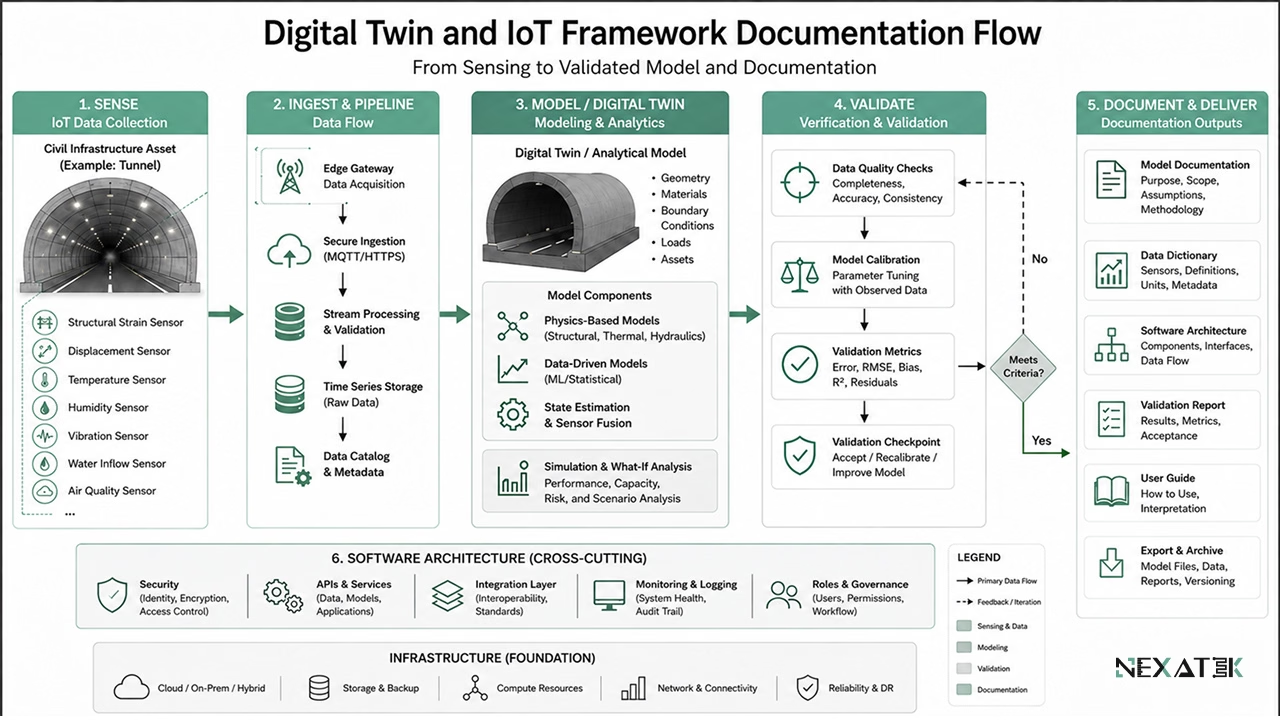 Rammeverksdokumentasjon synliggjør hvordan sensorer, beregningsmodeller, validering og programvarearkitektur henger sammen.
Et slikt dokument oppnår først faglig tyngde når det åpent redegjør for metodens begrensninger. En digital tvilling som overvåker pumpeytelse med høy presisjon, gir kanskje ingen pålitelig informasjon om korrosjonsprosesser i samme anlegg; et godt dokument formulerer denne begrensningen utvetydig. Fagfolk fester lit til et system der grensene er tydelig angitt. De mest verdifulle publikasjonene i dette formatet er de som også rapporterer hvor metoden kom til kort: for eksempel en sensorplassering som ga ubrukelige måledata, en samplingsfrekvens som mistet en dynamisk spissbelastning, eller en modellforutsetning som sviktet under en uforutsett lastpåkjenning. Disse negative funnene er ofte de mest leste, ettersom de sparer etterfølgende prosjekter for måneder med feilslått arbeid.
Metodikk for anleggsteknisk forskningsdokumentasjon
Å utarbeide et solid teknisk dokument følger en definert sekvens: datainnsamling, analyse, manuskriptutforming, fagfellevurdering og publisering. Å hoppe over de innledende kvalitetssikringstrinnene er den vanligste årsaken til at lovende prosjekter aldri når publisering. De mest krevende oppgavene knytter seg spesifikt til det digitale anleggsarbeidet, der rådata sjelden foreligger i en ren, siterbar form.
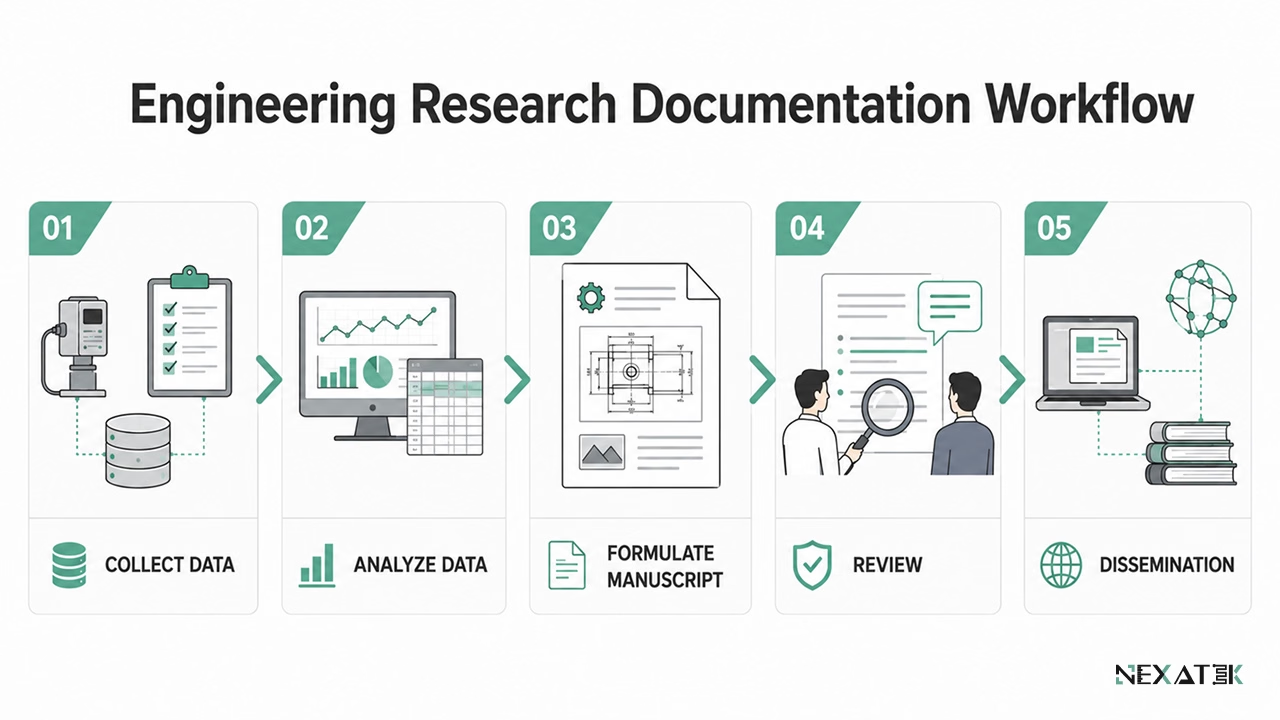 Et solid teknisk dokument forutsetter en sammenhengende prosess fra datainnsamling over analyse til manuskriptutforming, gransking og publisering.
Datauttrekk fra felles datamiljøer (CDE)
Et felles datamiljø (CDE) ivaretar prosjektinformasjon gjennom anleggets levetid, men er sjelden strukturert for forskningsmessige analyser. Filer navngis etter byggeplassens praktiske behov, modellversjoner overlapper hverandre, og samme parameter opptrer under ulike benevnelser i ulike mapper. Uttrekk av publiserbare data starter med å definere hvilke oppføringer som besvarer problemstillingen, for deretter å spore hvert enkelt datapunkt tilbake til en verifiserbar kilde.
Et praktisk eksempel illustrerer utfordringen: For å dokumentere betongens trykkfasthetsutvikling over tid må analytikeren sammenstille trykkfasthetsresultater fra terningtester med støpedatoer, blandingsresepter og herdeforhold. I et ordinært prosjektarkiv ligger disse dataene spredt på tre ulike steder: i laboratoriets prøvingsrapporter, i blandeverkets følgesedler og i byggelederens dagbok. Å sammenstille disse kildene til ett helhetlig, etterprøvbart datasett utgjør størsteparten av arbeidet. Virksomheter som benytter strukturerte datastyringssystemer, gjennomfører dette uttrekket vesentlig raskere: En relasjonelt modellert database ivaretar allerede de koblingene analytikeren ellers måtte ha etablert manuelt.
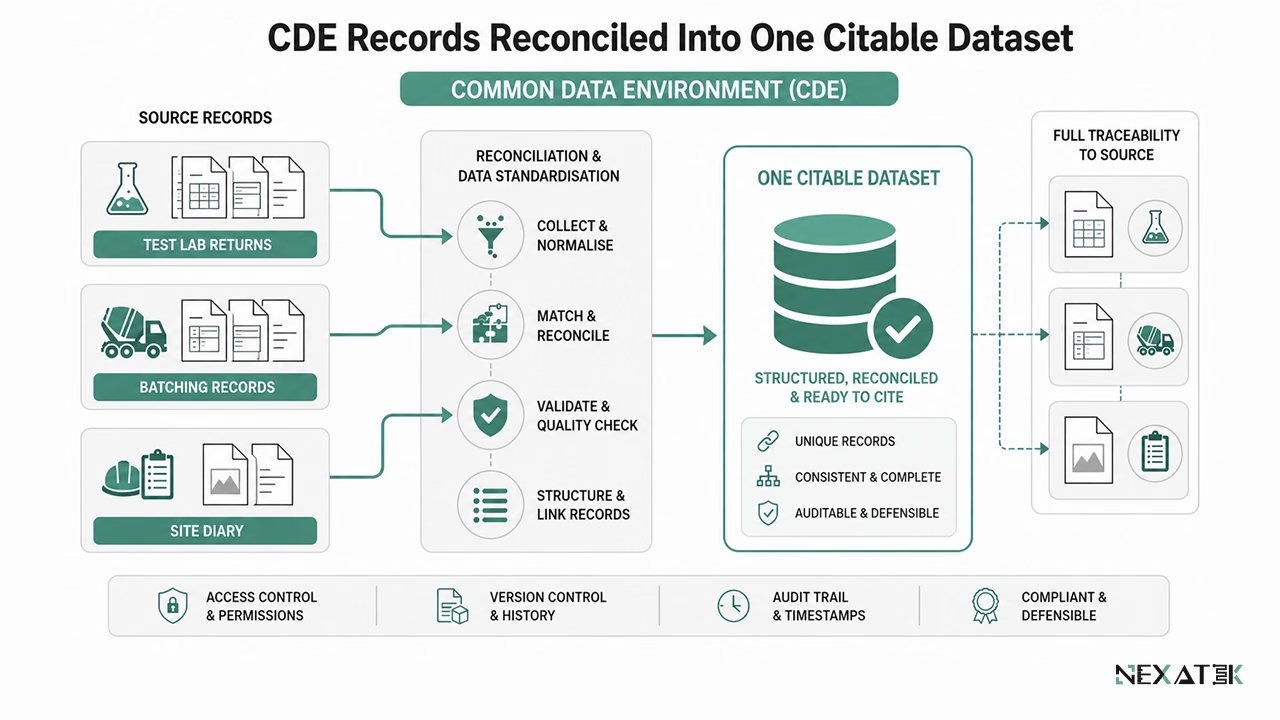 Publiserbare forskningsdata forutsetter ofte at prøvingsrapporter, blandeprotokoller, byggedagbøker og kildedokumenter samles i ett sporbart datasett.
Visualisering av komplekse infrastrukturdata (GIS, punktskyer, IFC)
Infrastrukturdata er romlige, omfangsrike og krevende å tolke i råformat. En punktsky fra en laserskanning kan inneholde hundrevis av millioner punkter. Et GIS-lag dekker en korridor over mange kilometer. En IFC-modell inneholder geometri samt en mengde tilknyttede egenskapsdata på hvert eneste element. Ingen av disse kildene lar seg gjengi meningsfullt på en trykkside uten en bevisst datareduksjon.
Visualisering for publisering handler om å definere hva figuren skal dokumentere, for deretter å fjerne all overflødig informasjon. En skanning av en støttemur med deformasjoner reduseres best til et fargekodet avvikskart, der fargeskalaen entydig fremhever de sonene der muren har beveget seg mer enn 15 mm bort fra teoretisk linjeføring. Den faglige ferdigheten ligger i utvelgelsen: En overlesset illustrasjon dokumenterer lite, og fagfeller tolker det ofte som et tegn på at forfatteren mangler analytisk overblikk over sine egne resultater.
Hver datatype krever sin egen reduksjonsmetodikk: En GIS-korridor fungerer best som et tematisk kart i fast målestokk som formidler én variabel med en entydig tegnforklaring. En IFC-modell presenteres sjelden optimalt som en full 3D-rendering; et velannotert snitt eller en enkelt konstruksjonsdel med tilhørende egenskapsdata formidler poenget langt mer presist. Punktskyer må nesten alltid konverteres til beregnede overflater (meshes) før deformasjoner blir synlige. Felles for alle tre er kravet om lesbarhet på trykk: En grafikk som fremstår skarp på en 27-tommers skjerm, kan kollapse til uleselig støy i en tospaltet tidsskriftsartikkel. Oppløsning, linjetykkelser og tekststørrelser må derfor tilpasses det endelige publiseringsformatet fra starten av.
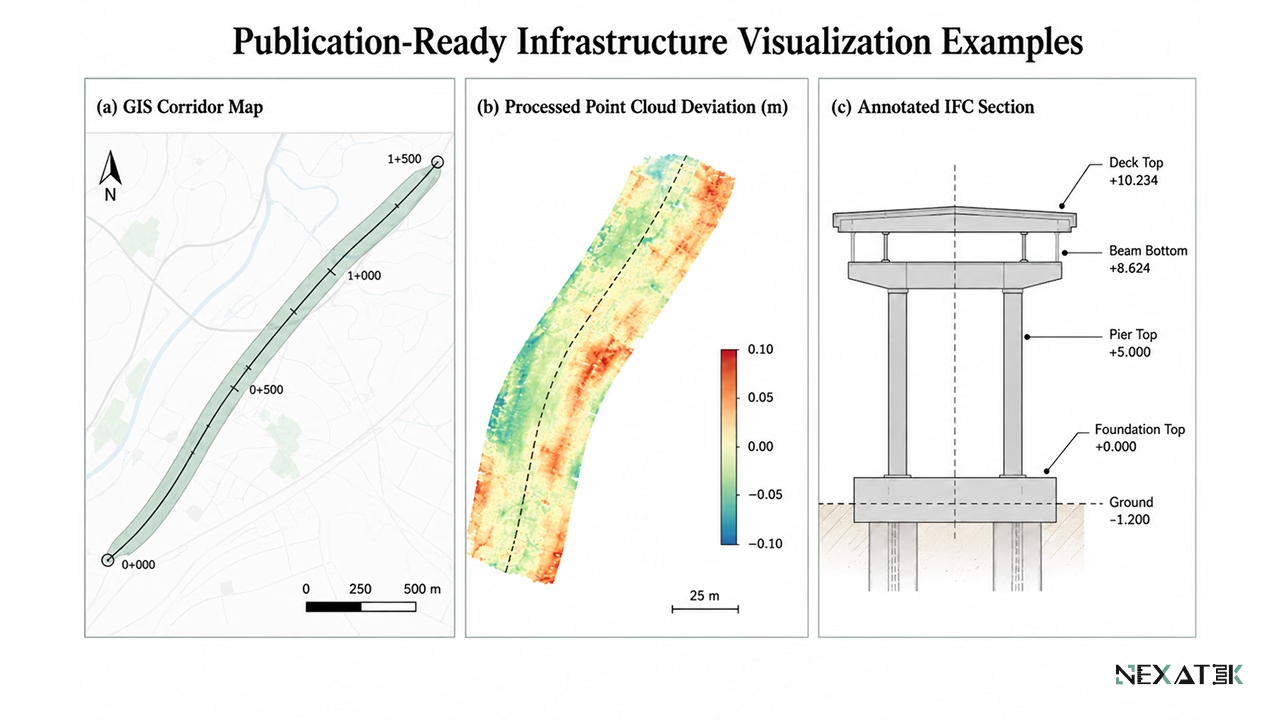 Visualiseringer av GIS, punktskyer og IFC-modeller fungerer først i publisering når hver figur reduseres til det faglige poenget den skal bevise.
Standarder og formalkrav i teknisk publisering
Publisert ingeniørarbeid vurderes mot en etablert felles referanseramme; et dokument som overser disse konvensjonene taper faglig anseelse før innholdet overhodet er vurdert. Disse kravene gjør seg gjeldende på to nivåer: Det første nivået gjelder det anleggstekniske innholdet – de anerkjente metodene, måleenhetene og prosedyrene for informasjonsforvaltning som en fagperson forutsetter. Det andre nivået gjelder de redaksjonelle retningslinjene og formalkravene som det enkelte tidsskriftet håndhever.
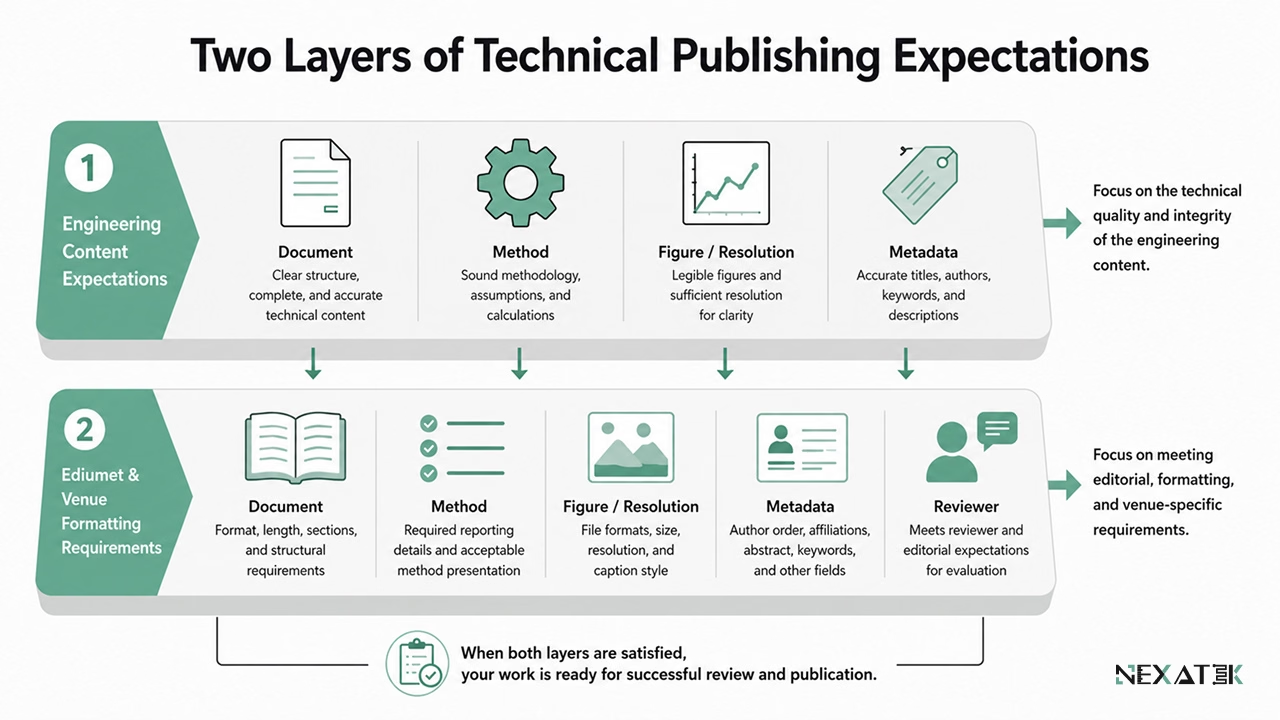 Teknisk publisering må tilfredsstille både anleggsfaglige innholdskrav og tidsskriftets formelle publiseringsregler.
Når det gjelder innholdet, er metodisk stringens avgjørende fordi fagfeller og etterfølgende forskere har behov for en felles standard. Når teksten følger de etablerte standardene for digital informasjonsforvaltning i anleggssektoren, kan fagfellen rette oppmerksomheten mot selve funnet fremfor å bruke tid på å tolke oppsettet. Det samme gjelder konsekvent bruk av SI-enheter, entydige bygningsdelsbetegnelser og en logisk disponert metodedel. Det er denne ensartetheten som gjør at en ingeniør i et annet land kan etterprøve og gjenta metoden utelukkende basert på teksten.
De redaksjonelle kravene er mer mekaniske, men ufravikelige: Forskningsdatabaser og vitenskapelige forlag håndhever strenge regler for referansestiler, bildeoppløsning, forfatterdeklarasjoner og dataetterrettelighet (Data Availability Statements). Et faglig solid manuskript kan bli avvist uten vurdering (desk reject) som følge av formelle mangler, som figurer under påkrevd oppløsning eller manglende redegjørelse for datatilgjengelighet. Å klargjøre en innsending krever at disse formkravene oppfylles til punkt og prikke, slik at arbeidet vurderes på sine ingeniørfaglige kvaliteter fremfor å strande på formalia.
Bibliometrisk signalverdi: Tekniske publikasjoner som innovasjonsdokumentasjon i anbud
Offentlige infrastrukturanskaffelser vekter i økende grad teknisk gjennomføringsevne og innovasjon fremfor laveste pris alene. Et anbud for et større transport- eller vannprosjekt tildeler ofte en betydelig andel av evalueringskriteriene, gjerne 20 til 30 prosent, til dokumentert teknisk kapasitet og innovative metoder. Utfordringen for enhver tilbyder er å underbygge denne kompetansen med etterprøvbare fakta et anskaffelsespanel kan verifisere. En udokumentert påstand om innovasjon i et tilbudsdokument har liten gjennomslagskraft i seg selv.
Publisert ingeniørarbeid er verifiserbart på en måte som en tilbudspåstand aldri kan være. En fagfellevurdert artikkel har bestått en uavhengig kontroll og er tilgjengelig i internasjonale databaser der evalueringspanelet kan fremsøke den. En teknisk hvitbok med en etterrettelig metodebeskrivelse og målbare resultater demonstrerer den samme kompetansen i et format innkjøperen kan vurdere hurtig. Publisering fungerer dermed som et solid kvalifikasjonsbevis: Panelet ser at selskapet har gjennomført arbeidet i praksis, målt effekten og bestått ekstern faglig gransking.
Bibliometrisk signalverdi betegner den strategiske utnyttelsen av denne evidensen: Et selskap som har dokumentert sine digitale metoder over flere år, kan henvise et anbudsteam til et samlet forfatterskap fremfor til et enkeltstående referanseprosjekt. Kvantitative mål på denne faglige produksjonen gir panelet etterprøvbare kriterier. Signalet er sterkest når de publiserte arbeidene svarer direkte til anbudets faglige innhold: Et tilbud på en instrumentert bru understøttes langt mer effektivt av et publisert overvåkingsrammeverk enn av en urelatert artikkel, uansett hvor anerkjent den måtte være.
Dette forvandler teknisk publisering fra en akademisk aktivitet til et strategisk virkemiddel for markeds- og forretningsutvikling: Den samme grundige dokumentasjonen som tilfredsstiller en vitenskapelig fagfelle, tjener også oppdragsgiveren i en anbudsevaluering. Et selskap som behandler sin anvendte forskning og utvikling som et dokumenterbart aktivum, bygger et kunnskapsgrunnlag som akkumulerer verdi over påfølgende anbudskonkurranser. Hvert dokumenterte prosjekt styrker evidensgrunnlaget som neste tilbud kan trekke veksler på.
Tidsaspektet er avgjørende: En fagartikkel som krever et helt år fra utkast til indeksering, kan ikke produseres i den uken en anbudskonkurranse kunngjøres. Fordi denne formen for etterprøvbar dokumentasjon tar tid å etablere, må publiseringsarbeidet planlegges parallelt med selve byggeprosjektet. Et selskap som venter til overleveringen med å dokumentere metodene, har som regel allerede mistet de mest konsistente rådataene og nøkkelpersonene til nye oppdrag. Den operative konklusjonen er kontinuerlig dokumentasjon prosjekt for prosjekt: En jevn faglig produksjon over tid slår alltid et forhastet skippertak i forkant av et enkelt anbud.
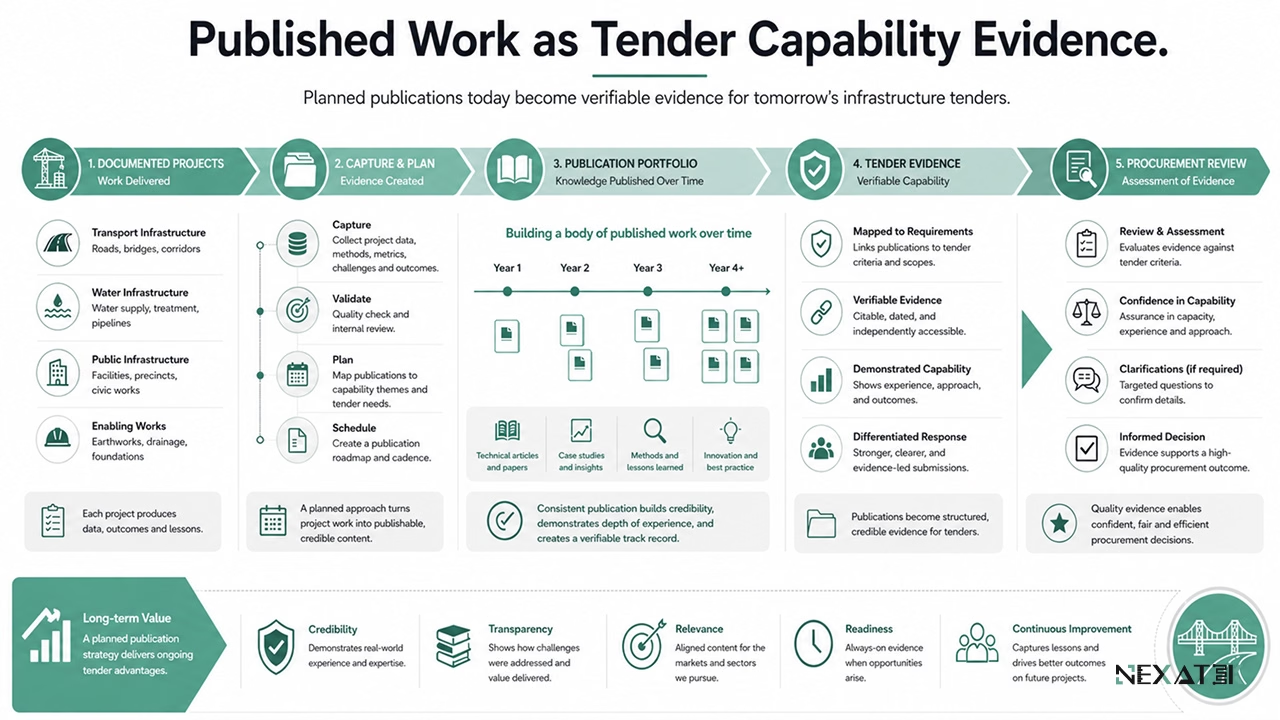 Et planmessig oppbygd publikasjonsarkiv fungerer som etterprøvbar dokumentasjon i fremtidige infrastrukturanskaffelser.