
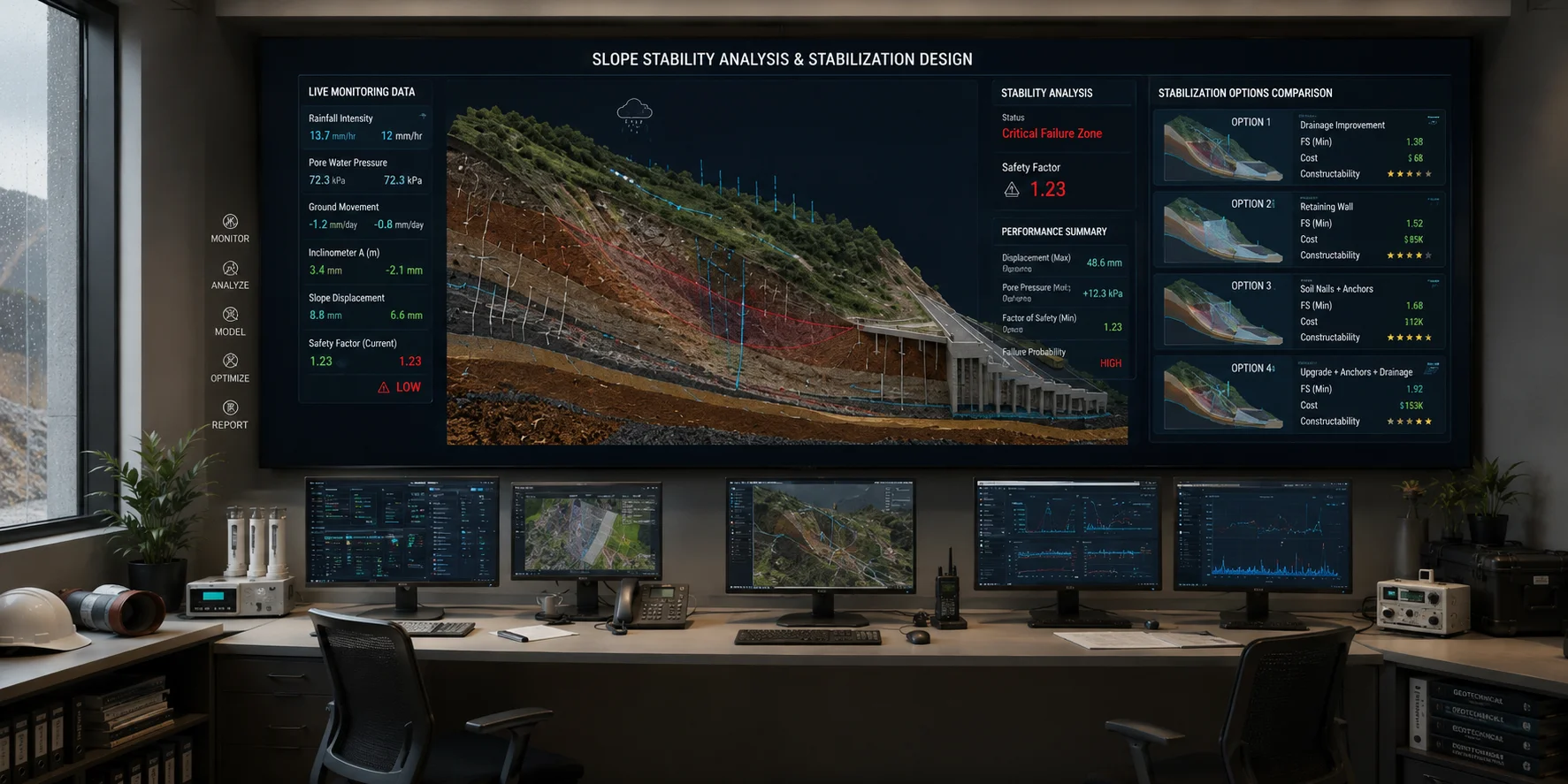
Ingeniørmodellering og simulering til anlægsteknik
Udvikling af avancerede modeller og simuleringsværktøjer til anlægsteknik, der understøtter analyse og designoptimering.
Numerisk modellering og analyse
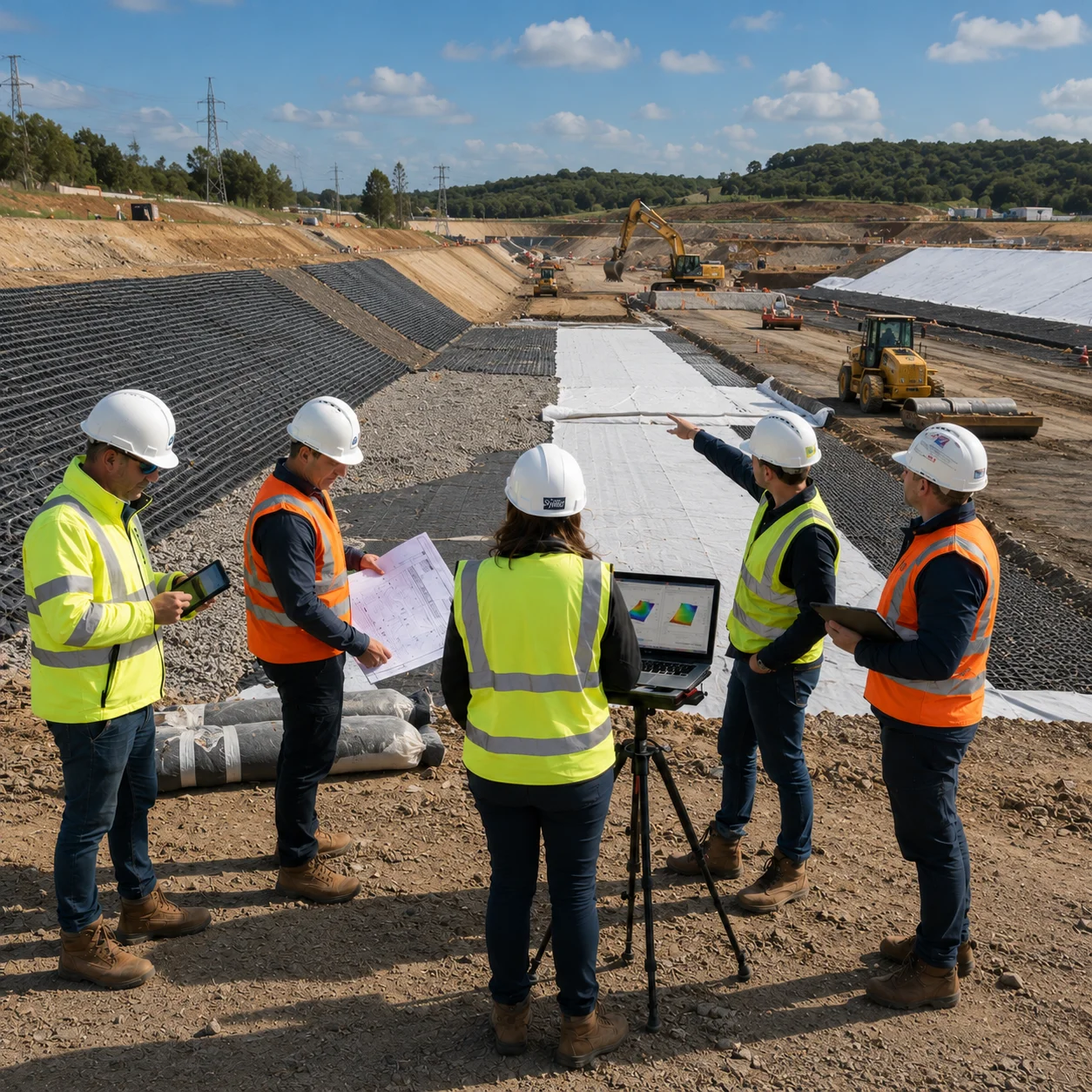
Teknisk design og optimering
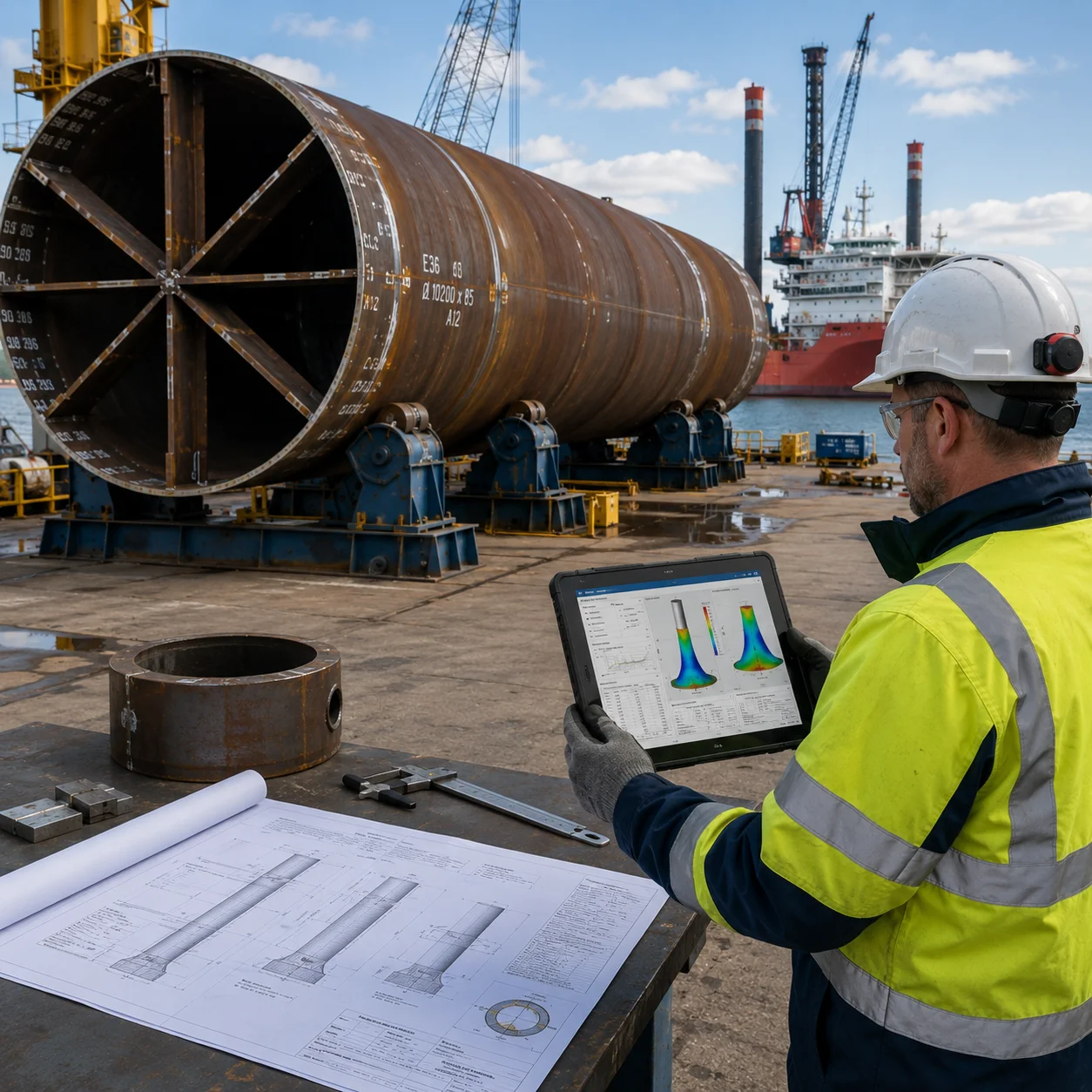
Visualisering og beslutningsstøtte
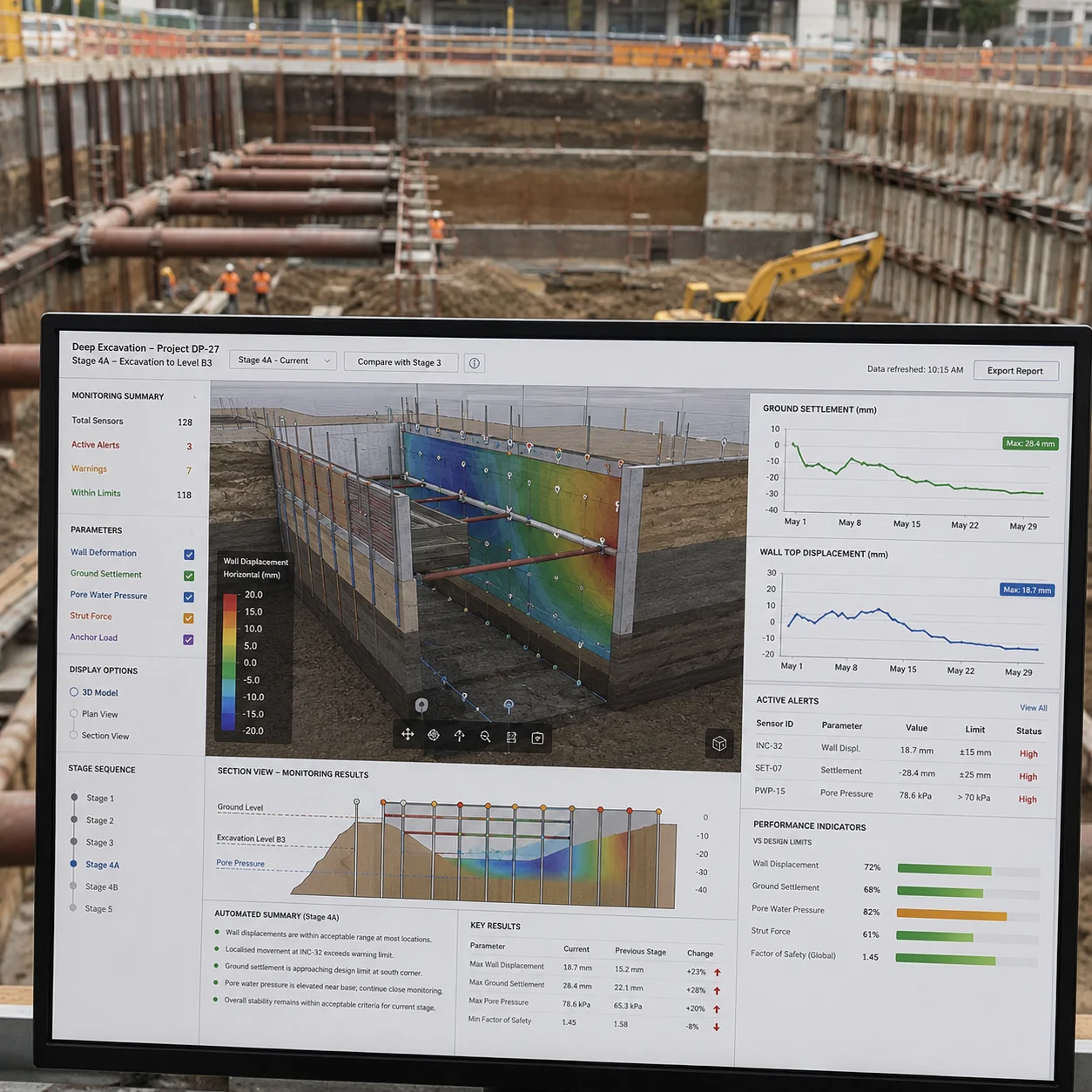
Integration og digital ingeniørvirksomhed
Lignende projekter
Opdag flere innovative projekter:



Gode
Løsninger
Starter Med En SamtaleGode Løsninger Starter Med En Samtale
Vil du udforske, hvordan vores tjenester kan få din virksomhed til at vokse?
Ingeniørsimulering til bygge- og anlægskonstruktion
En norm angiver, hvad der historisk har fungeret. Den fortæller derimod forsvindende lidt om en krum viadukt funderet på blødt ler eller et 60-etagers højhus i et orkanområde. Ingeniørsimuleringsydelser til anlægssektoren lukker dette hul: Numeriske modeller genskaber konstruktionens fysik og jordbundsforholdene i detaljer, før byggearbejdet går i gang. NEXATEK leverer disse analyser som en integreret del af den digitale transformation i anlægsbranchen.
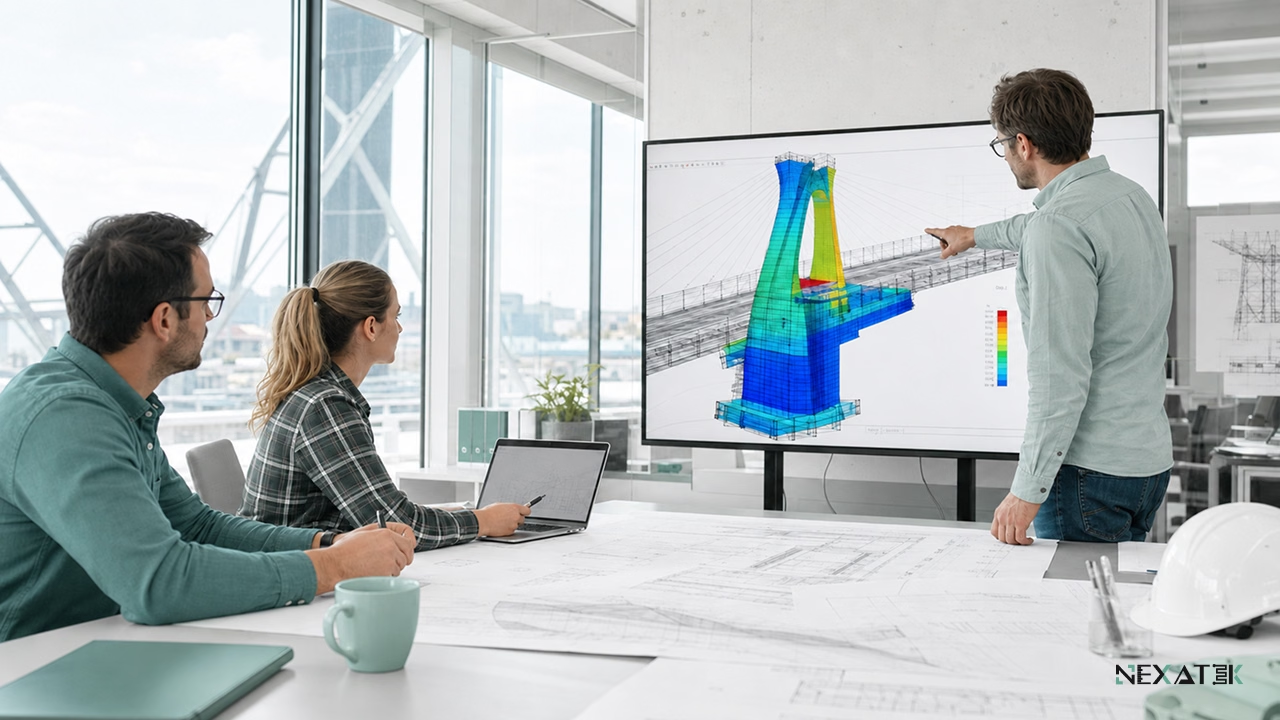
Simulering hjælper ingeniørteams med at afprøve kompleks anlægsadfærd forud for udførelsen.
Simulering erstatter ikke ingeniørens faglige skøn. Den udvider derimod skønnet til forhold, hvor håndberegninger mister deres pålidelighed: ulineære materialer, tredimensionelle lastveje, jord-struktur-interaktion og fasespecifikke udførelsestilstande. En model kan forudsige, hvordan et brodæk eller en dyb udgravning reagerer, længe før der findes overvågningsdata fra byggepladsen.
Hvad ingeniørsimulering betyder i bygge- og anlægsfagene
I anlægssektoren løser simulering strukturelle og geotekniske problemstillinger numerisk, når analytiske ligninger forsimpler virkeligheden for meget. Numerisk modellering opdeler det fysiske volumen i finite elementer og beregner spændinger, tøjninger, deformationer eller varmestrømme. Analytiske løsninger dækker simple geometrier med lineær adfærd – den virkelige anlægsverden byder sjældent på nogen af delene.
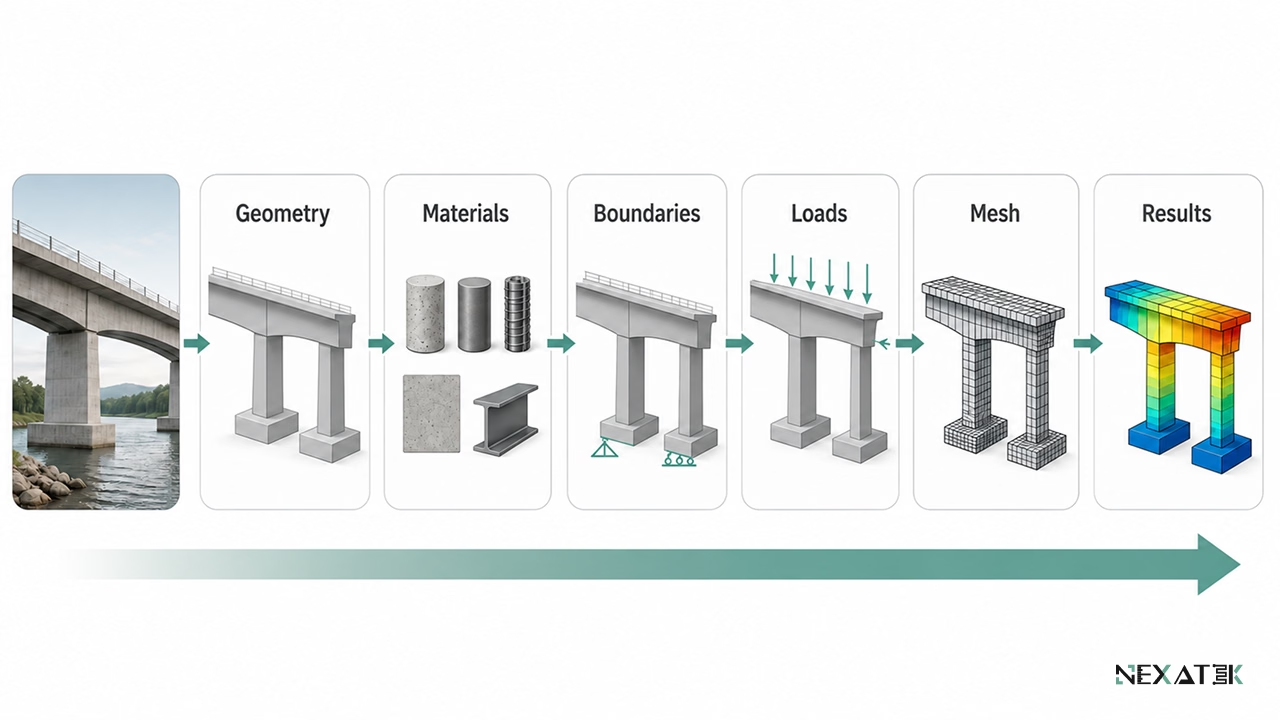 En simuleringsmodel omsætter virkelig geometri, materialer, laster og randbetingelser til numeriske resultater til ingeniørgranskning.
Konstruktionsmodellering rækker desuden langt ud over ét enkelt lasttilfælde. En komplet model kan inkludere ulineære materialeegenskaber, etapeopdelt udførelse, differenssætninger og geometriske imperfektioner. Elementnet og konstitutive materialelove forbliver under ingeniørens kontrol, hvilket sikrer fuld sporbarhed og kontrolmulighed. Resultatet understøtter funktionsbaseret projektering over mange plausible scenarier – såsom hundrede simulerede jordskælvssekvenser frem for en enkelt forenklet normværdi.
Hvorfor ingeniørsimulering anvendes i anlægsprojekter
Sikkerhedsmargenerne bliver stadigt snævrere. Længere spændvidder og strammere materialebudgetter gør generel overdimensionering dyr. Simuleringsydelser er i dag en fast del af projektering og udførelse, fordi dokumenteret adfærd synliggør den reelle sikkerhedsmargen.
Kompleksiteten i konstruktions- og infrastruktursystemer
En niveaufri motorvejsudfletning med krumme ståldragere overfører laster tredimensionelt. Vridningspåvirkninger og forskydningsfordelingen over dækket styrer dimensioneringen, og en simpel 2D-bjælkeramme fanger ingen af delene. Under sådanne forhold kortlægger 3D-simuleringsydelser til infrastrukturprojekter den indre snitkraftfordeling element for element.
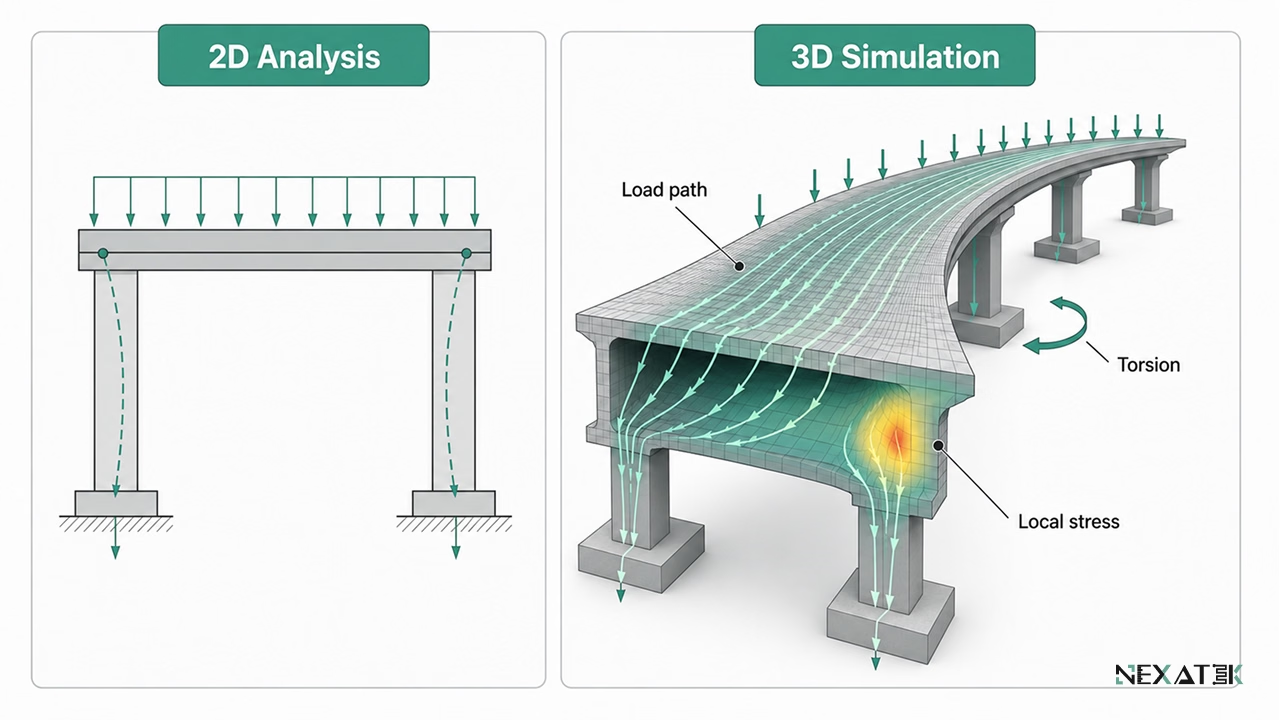 Tredimensionel simulering synliggør vridning, lokale spændinger og lastveje, som en 2D-analyse overser.
En renoveringssag fra en bro belyser problemstillingen: Udmattelsesrevner opstod i lokale svingningsmønstre i sekundære profiler, mens den samlede belastning forblev inden for de tilladelige grænser. Statiske håndberegninger overså fuldstændigt fænomenet; en dynamisk FE-model lokaliserede mekanismen på få dage.
Begrænsninger ved forsimplede beregningsmetoder
Forenklede metoder forudsætter lineær elasticitet, små deformationer og ensartede materialeegenskaber. En gravitationsdæmning i beton, der rammes af en alkali-kisel-reaktion (AKR), overtræder alle tre forudsætninger samtidigt: Ekspansionen er uensartet og tidsafhængig, og ingen standardformel kan forudsige, om det indre tryk fører til forskydningsbrud over en 20-årig periode. Tidsdiskrete numeriske modeller håndterer netop denne type problemstillinger.
Modellernes resultater kan desuden føres tilbage til simplere projekteringsredskaber: NEXATEK tilbyder formel- og ligningsudvikling, som kondenserer validerede simuleringsresultater til projektspecifikke designligninger. Projekteringsteams anvender derefter disse formler via tekniske beregningsværktøjer online uden at skulle køre den tunge finite element-model for hver eneste variant.
Typiske simuleringsformer inden for bygge og anlæg
Konstruktionsmæssige udfordringer optræder sjældent isoleret. Et højhus interagerer med både jordbund og vindlaster, hvorfor de fleste projekter kombinerer flere modeltyper.
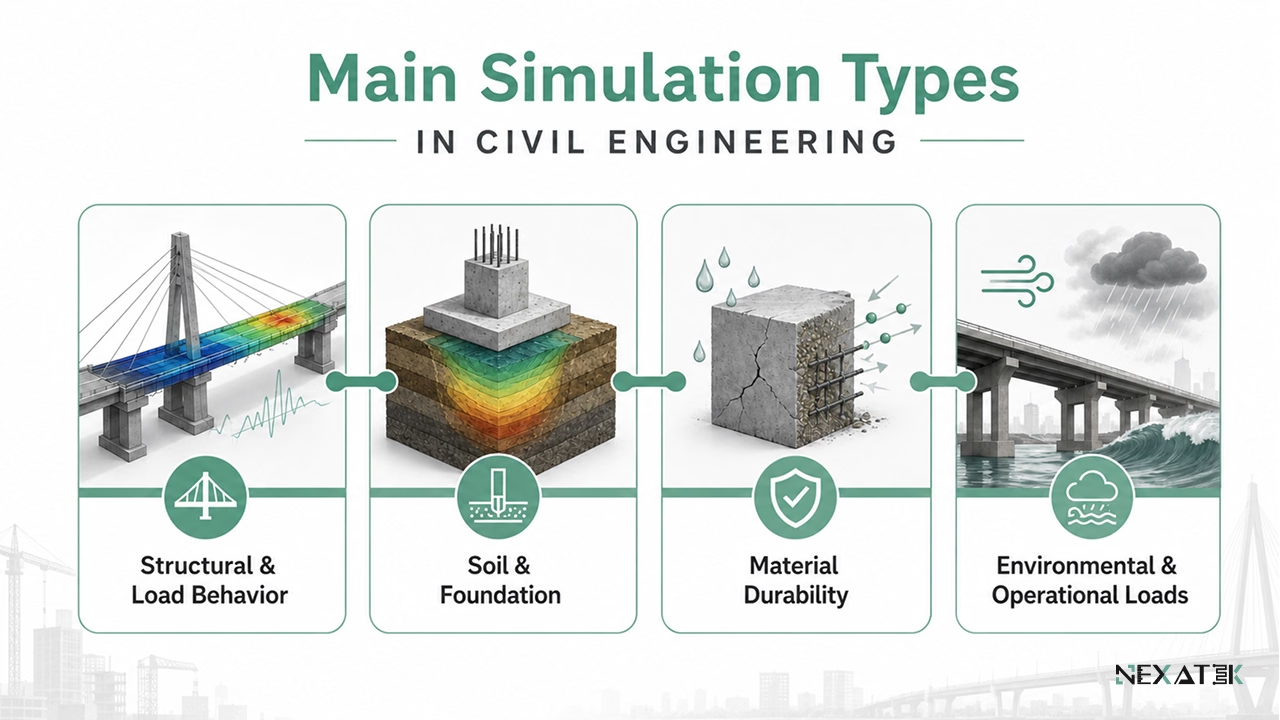 Anlægssimulering kombinerer ofte bærende konstruktioner, geoteknik, materialebestandighed og miljøpåvirkninger.
Struktur- og lastadfærdssimulering
Finite element-analyse (FEA) danner kernen i konstruktionssimuleringen. Modellerne evaluerer egenvægt, vind, seismiske rystelser og ulykkeslaster, inklusive 2. ordens P-Delta-effekter og plastisk hængselsdannelse. I et slankt højhus kan 2. ordens udbøjningsmomenter styre hele det afstivende system – en traditionel 1. ordens analyse undervurderer disse værdier, efterhånden som stivheden reduceres.
Seismiske vurderinger bygger på samme grundlag. En ulineær pushover-analyse kortlægger hængselsdannelsen gennem rammeværket og viser, hvilke elementer der flyder først – information, en simpel responsspektrumanalyse ikke kan give.
Geoteknisk simulering af jord og fundering
Jord forbliver det mest uforudsigelige materiale på en byggeplads. Jord- og materialemodellering dækker koblingen mellem dybe udgravninger og langsigtede fundamentsætninger. Ved en udgravning i et bymiljø beregner modellen spunsvæggens udbøjning og terrænbevægelserne bag væggen, hvor nabobygninger definerer de acceptable deformationsgrænser.
Blødt ler understreger tidens betydning: En konsolideringsmodel følger sætningerne over årtier frem for udelukkende at beregne den initiale bæreevne. Differenssætninger overføres derefter til overbygningen, hvilket forklarer de revnedannelser, der først viser sig fem eller ti år efter afleveringen.
Materialepræstation og nedbrydningsmodellering
Holdbarhedsspørgsmål er lige så meget kemiske som rent mekaniske. Numeriske modeller følger karbonatiseringsdybde og kloridindtrængning gennem dæklaget over en levetid på 50 eller 100 år. Hydratiseringsvarme analyseres på samme måde under udførelsen.
En tre meter tyk bundplade er det klassiske eksempel: Under afhærdningen kan hydratiseringsvarmen få kernetemperaturen til at stige voldsomt i forhold til overfladen, og den resulterende temperaturforskel får betonen til at revne indefra. Ved at simulere støbeprocessen kan ingeniører fastlægge kølerørsplacering og støbeetaper, inden betonen overhovedet bestilles.
Miljømæssige og driftsmæssige dynamiske laster
Vind og trafikbelastning påvirker anlægskonstruktioner uafbrudt. Computational Fluid Dynamics (CFD) beregner vindtryk på uregelmæssige facader og efterviser den aeroelastiske stabilitet af skråstagsbroer. Dynamiske belastningssimuleringer omfatter også driftsmæssige kilder som harmoniske vibrationer fra højhastighedstog, der kan udmatte skinnebefæstigelser, længe før der ses synlige skader.
Temperaturvariationer hører til i samme kategori: Et stålbroadæk, der udvider sig dagligt mod stive fastholdelser, akkumulerer spændingscyklusser, som en simpel sommer-vinter-betragtning aldrig fanger.
Ingeniørsimulering vs. traditionel beregning
De to metoder adskiller sig i rækkevidde. Klassiske beregninger håndterer standardkonstruktioner hurtigt og effektivt; usædvanlige geometrier og komplicerede renoveringer falder uden for deres forudsætninger. De fleste projekter anvender begge: Normkrav fastlægger grundlinjen, mens simulering besvarer de spørgsmål, normen lader stå åbne.
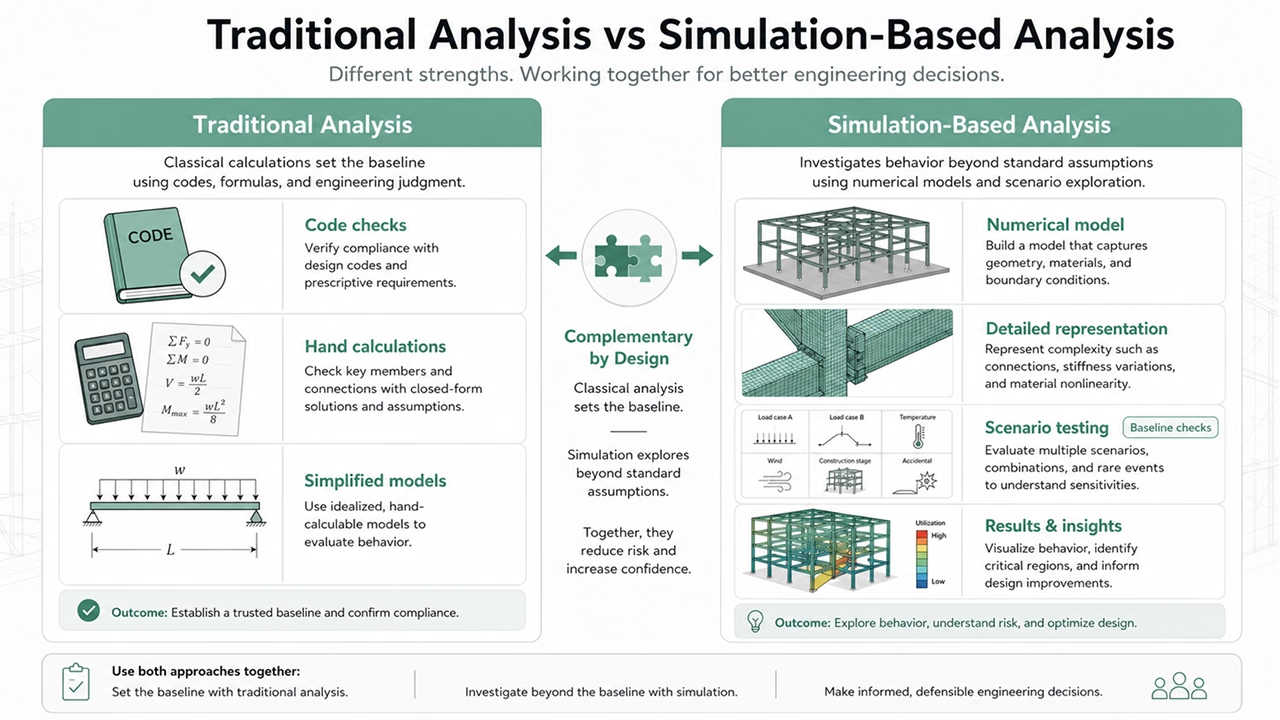 Klassiske beregninger sætter udgangspunktet, mens simulering undersøger konstruktionsadfærd ud over standardantagelserne.
Traditionelle beregninger og normgrundlag
Normer er kodificeret erfaring. De beskriver gængse konstruktioner, hvor indbyggede sikkerhedsfaktorer kompenserer for manglende detaljerede data. Ved utraditionelle konstruktioner kan denne konservatisme øge materialemængderne med 15 til 20 procent. Normer er desuden ofte år om at indhente nye materialer, så en ny fiberarmeret beton har måske ingen standardiserede tabeller.
Klassiske beregninger forbliver dog uundværlige som kontrol: Et simuleringsresultat forudsætter altid et uafhængigt overslagsmæssigt håndskøn ved siden af.
Merværdien af simulationsbaseret analyse
Simulering reducerer afstanden mellem den idealiserede beregningsmodel og den virkelige konstruktion (As-Built). NEXATEKs rådgivning inden for modeludvikling tager afsæt i netop denne præmis: Hver reduktion af modelusikkerhed kan omsættes til udnyttelig bæreevne eller materialebesparelser. Ved at identificere lavtspændte områder i et langt brodæk kan der spares hundredvis af tons stål.
Scenarieanalyser åbner for nye muligheder: En model kan analysere en brand inde i en tunnel eller det pludselige tab af en bropille – lasttilfælde, som ikke kan testes fysisk i fuld skala. For eksisterende anlæg understøtter simulering vurderingen af restbæreevne: En bro, der er planlagt til udskiftning, kan ofte nøjes med en målrettet forstærkning, afhængigt af hvad modellen og inspektionsdataene påviser.
Simuleringsprocessen i anlægsprojekter
Black-box-modellering er den største faldgrube ved ingeniørsimulering. Et farvestrålende spændingsplot er kun brugbart, hvis forudsætningerne er blevet trykprøvet. Hver fase i arbejdsgangen indeholder derfor en kontrolmekanisme, der sikrer modellens pålidelighed.
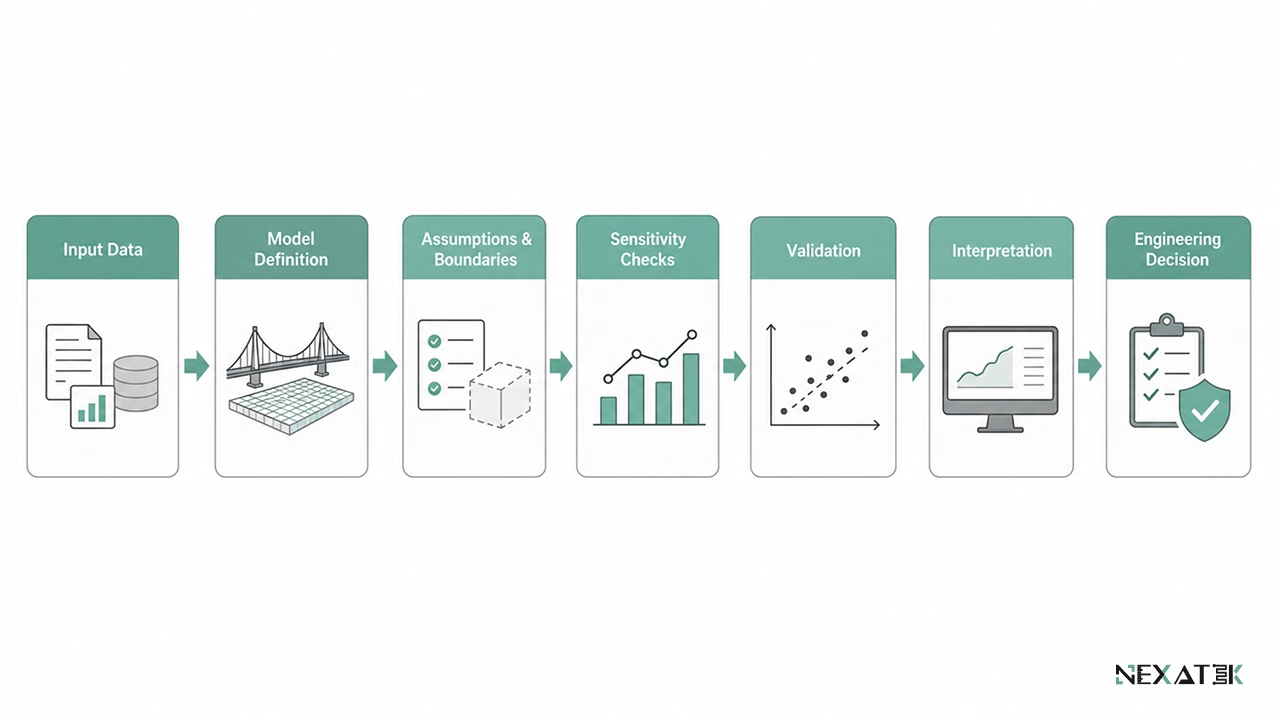 En robust simuleringsproces forbinder rådata, forudsætninger, validering, fortolkning og anlægsbeslutninger.
Modeldefinition og inputparametre
Enhver model begynder med fysiske valg: lineær-elastiske eller flydespændingsbaserede materialelove, drænet eller udrænet jordadfærd. Dataenes kvalitet er altafgørende: En elasticitetsmodul hentet fra en lærebogstabel kontra en målt værdi fra projektets egne borekerner kan føre til vidt forskellige dimensioneringer. Projektspecifikke målinger har altid forrang – en mangelfuld geoteknisk rapport betyder, at modellen arver denne svaghed.
Følsomhedsanalyser afslutter denne fase: Ved at variere én parameter ad gangen klarlægges det, hvilke input der styrer resultatet, og hvor yderligere laboratorieundersøgelser kan betale sig. NEXATEK registrerer inputparametre og versionshistorik i strukturerede datastyringssystemer, så ethvert beregningsresultat kan spores direkte tilbage til sine kildedata.
Forudsætninger, randbetingelser og validering
Randbetingelser har ofte større indflydelse på resultatet end valget af elementtype. Modelleres et brolandfeste som et simpelt simpelt understøttet leje, når det i virkeligheden besidder betydelig rotationsstivhed, bliver momentkurven forkert. Enhver forsimpling kræver derfor en dokumenteret faglig begrundelse.
Validering fuldender cirklen: Beregningsprognoser sammenholdes med prøvebelastninger og overvågningsdata fra marken, og modellen tilpasses, indtil beregnet og målt respons stemmer overens inden for en defineret tolerance.
Fortolkning af simuleringsresultater
Et spændingsplot er et datasæt, ikke en beslutning. Den granskende ingeniør adskiller numeriske singulariteter – såsom spændingsspidser ved skarpe elementhjørner – fra reelle udmattelseskritiske detaljer. Fortolkningen omsætter simuleringen til konkrete handlinger: en revideret armeringsføring, en optimeret samlingsdetalje eller en ændret udførelsesrækkefølge.
Dokumentationen er lige så væsentlig: Enhver konklusion skal kunne spores tilbage til det specifikke lasttilfælde og de forudsætninger, der dannede grundlag for beregningen.
Anvendelsesmuligheder i anlægsbranchen
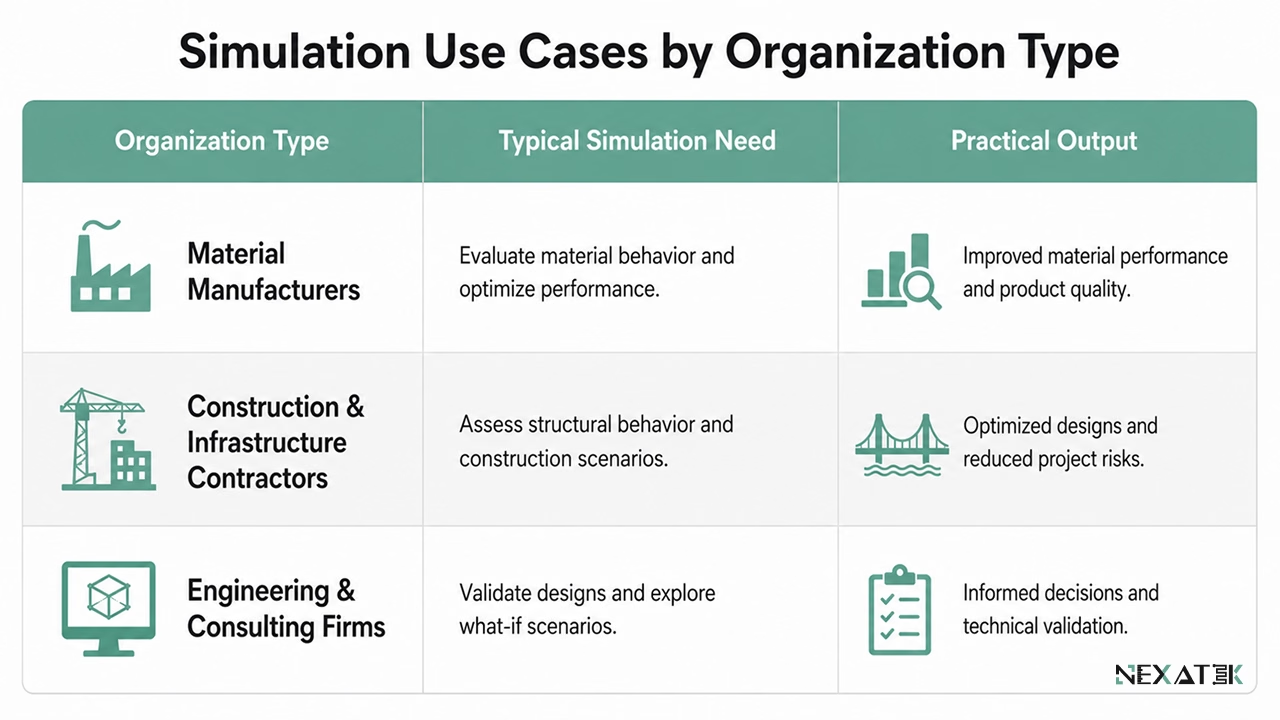
Forskellige aktører efterspørger simuleringer til vidt forskellige formål:
Materialeproducenter og produktudvikling
Fysiske prøvninger er langsommelige og laboratorietid er bekostelig. Producenter optimerer derfor nye produkter virtuelt først. En komposit-armering eller en fiberbetonrecept kan gennemgå tusindvis af simulerede belastningsscenarier inden støbning. Kalibrerede modeller danner derefter grundlag for produktspecifikke beregningsregler i tekniske datablade.
Meget af dette arbejde udføres som anvendt ingeniørforskning, hvor fysiske laboratorieforsøg kombineres med numerisk modelkalibrering.
Entreprenører og anlægsvirksomheder
Midlertidige byggetilstande udgør ofte de mest risikable faser i et bygværks levetid. Ingeniørsimulering til anlægsfasen omfatter tunge kranløft og trinvis skubning af broer (launching). Mobilkraners støttebensbelastninger skal forblive inden for jordens bæreevne, og brodækket er sårbart under lanceringen. Påviser modellen risiko for kipning eller udbøjning, kan entreprenøren justere afstivningen, inden stålelementerne leveres på byggepladsen.
Rådgivende ingeniørvirksomheder
Rådgivere benytter simulering der, hvor erfaringer og standarder slipper op: uafhængig tredjepartsgranskning og udredning af skadessager. En konstruktion uden historiske referencer kan ikke dimensioneres ud fra tabeller alene; her leverer den numeriske model den nødvendige kvantitative dokumentation. Granskerne stiller det samme spørgsmål som den projekterende: hvordan konstruktionen reagerer under påvirkninger, normerne aldrig tog højde for.