

Udvikling af kundeportaler inden for anlægsteknik
En kontrolleret selvbetjeningsgrænseflade til dine klienter og interne team til adgang til projektinformation. NEXATEK udvikler kundeportaler omkring tekniske leverancer, beregnere, dokumenter, forespørgsler, revisionsstyring og rollebaseret adgang. Målet er forudsigelig klientinteraktion på tværs af lange projektlivscyklusser.
Portaltilgængelighed og sikkerhed
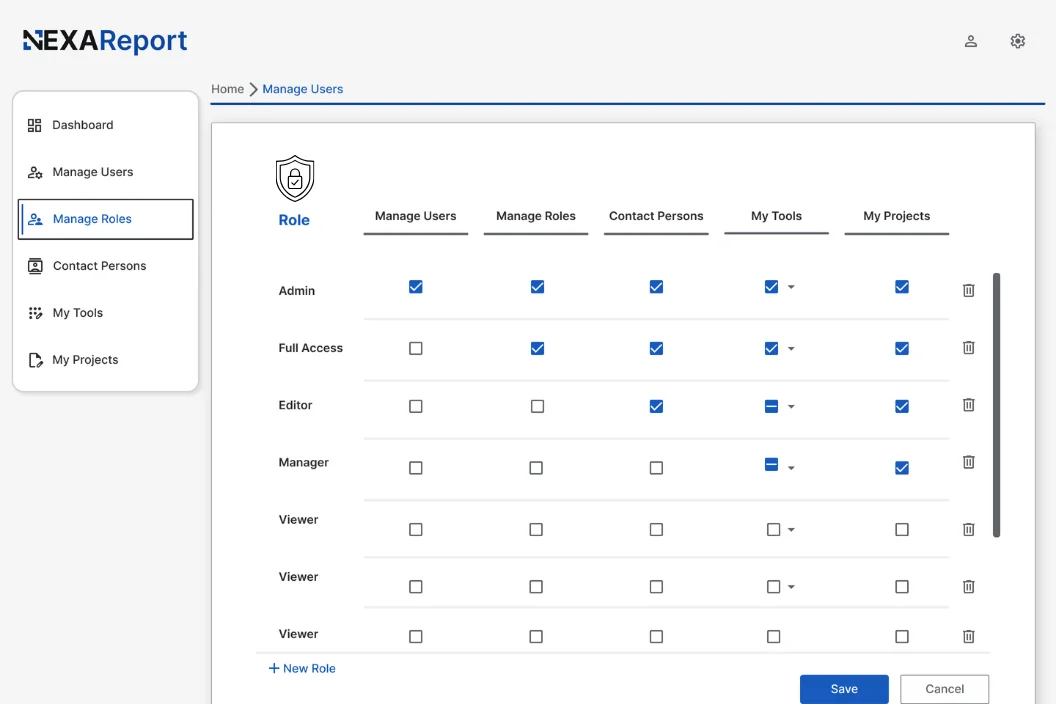
Projektdata og distribution af leverancer
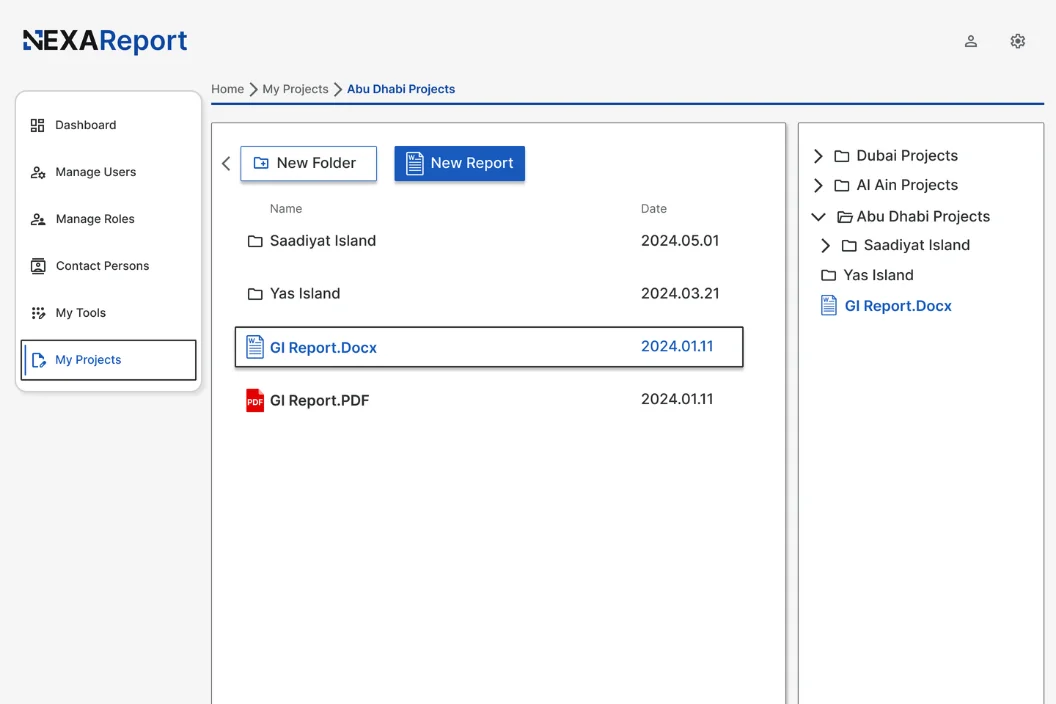
Designværktøjer og rapporter
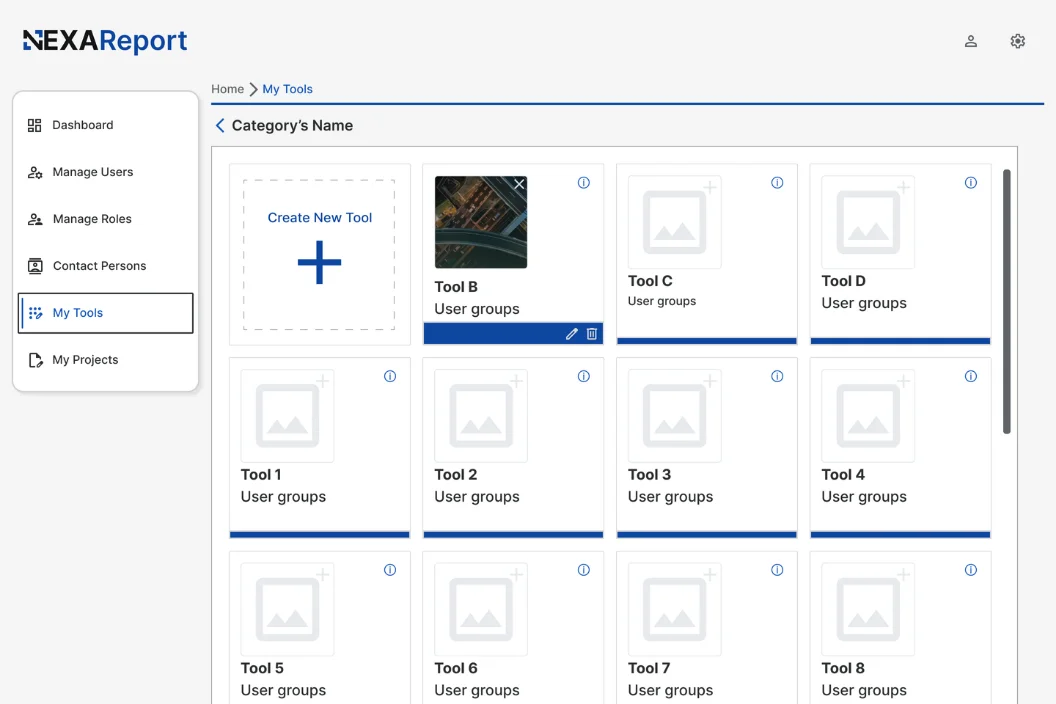
Kommunikation, opdateringer og kundeanmodninger
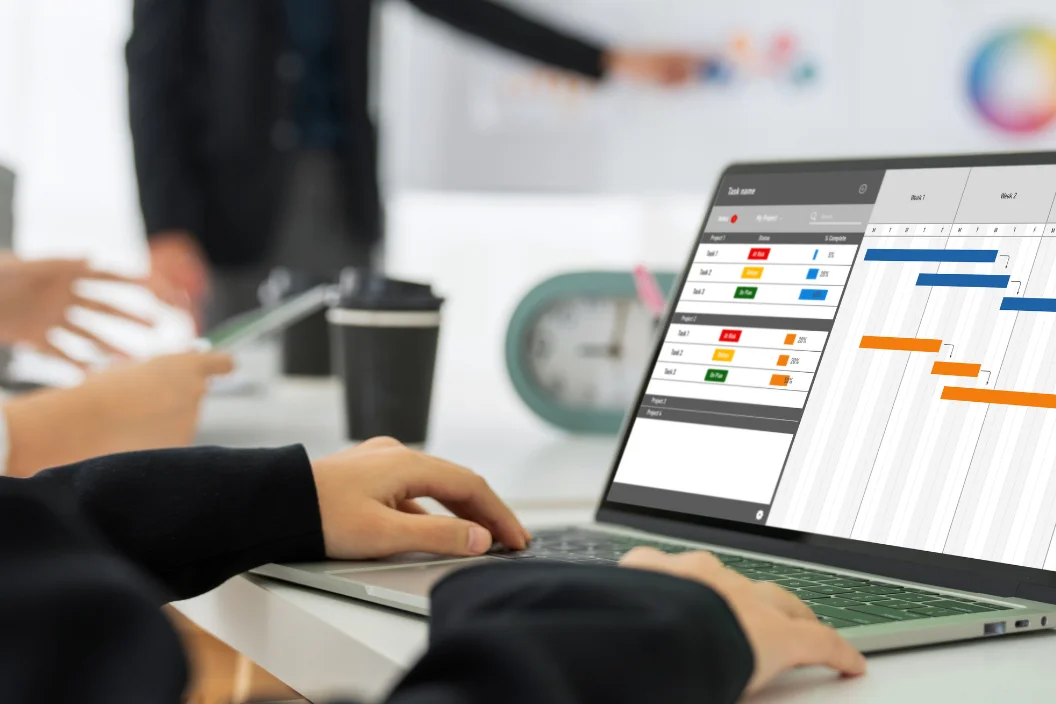
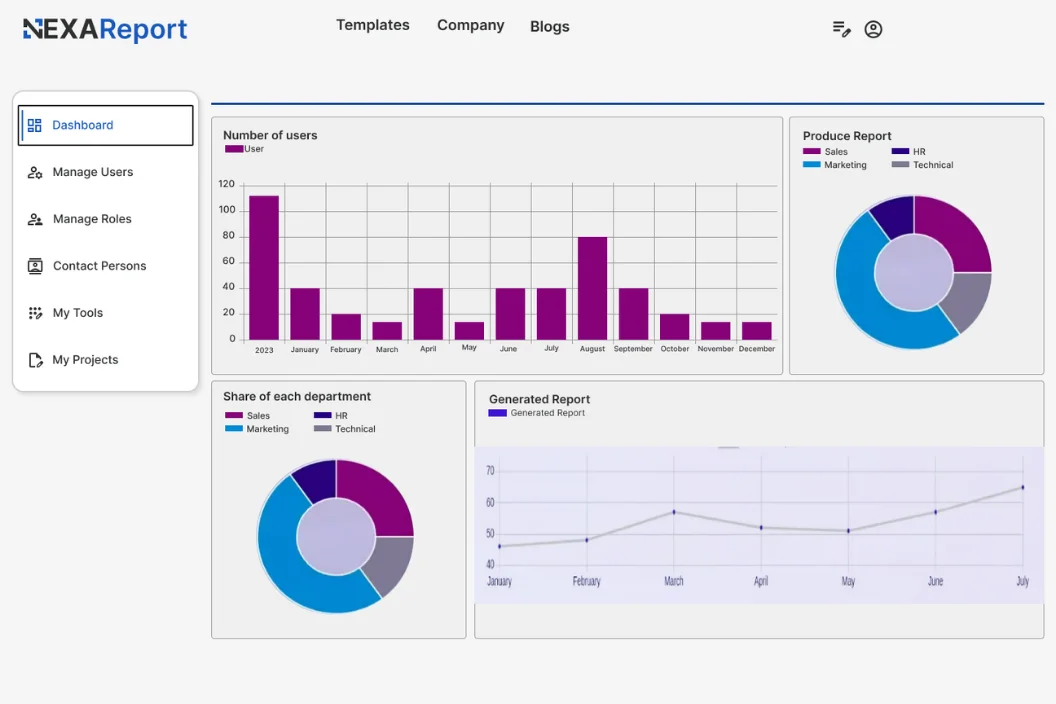
Dashboard og oversigtspanel
Lignende projekter
Opdag flere innovative projekter:



Gode
Løsninger
Starter Med En SamtaleGode Løsninger Starter Med En Samtale
Vil du udforske, hvordan vores tjenester kan få din virksomhed til at vokse?
Udvikling af kundeportaler til bygge- og anlægssektoren
Udvikling af kundeportaler til bygge og anlæg giver bygherrer og samarbejdspartnere styret adgang til projektdata, udsendte dokumenter, stadeopgørelser og faste rapporter via én samlet brugerflade. En motorvejsudvidelse kan strække sig over tre år og generere tusindvis af tegninger og overdragelsesnotater. E-mail kan ikke løfte denne dokumentationsbyrde på forsvarlig vis. En portal erstatter spredte fildelinger med en revisionssikker projektkommunikationsplatform, som både rådgiverteamet og bygherren kan efterprøve.
Kunderettede portaler etableres typisk som et deltrin i en bredere digital transformation af ingeniørprocesserne. NEXATEK opbygger dem omkring de leverancer, ingeniører udsender løbende: tegningslister, statiske beregninger, prøvningsattester og formel korrespondance.
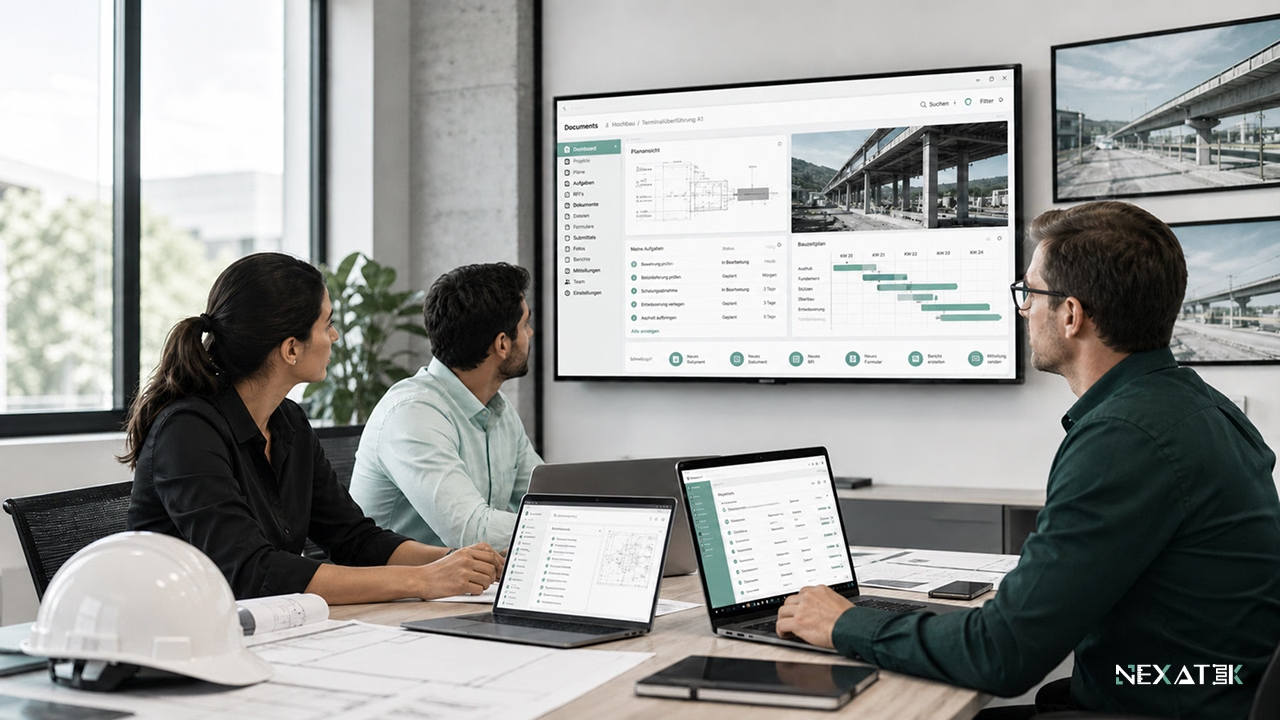 En kundeportal giver bygherrer et kontrolleret, centralt sted med adgang til tegninger, rapporter, projektdata og milepælsopdateringer.
Hvad er en kundeportal i anlægssektoren?
En kundeportal i bygge- og anlægssektoren er en webbaseret grænseflade, hvor bygherrer og kunder tilgår projektdata under faste adgangsregler. Den fungerer som det autoritative udvekslingspunkt for tekniske leverancer og statusmeldinger. Hvor generiske dashboards ofte kun viser overordnede nøgletal, håndterer en anlægsportal dokumenttunge processer under formel revisionsstyring – svarende til et kontrolleret distributionssystem for byggeteknisk dokumentation.
Strukturen afspejler fagets logik og organiseres efter projekter, fagentrepriser, fagdiscipliner eller leverancepakker frem for ustrukturerede mappehierarkier. En portal kan desuden stille online beregningsværktøjer til rådighed for bygherrens rådgivere, så de kan foretage produktspecifikke kontrolberegninger og eksportere resultaterne direkte som projektdokumentation.
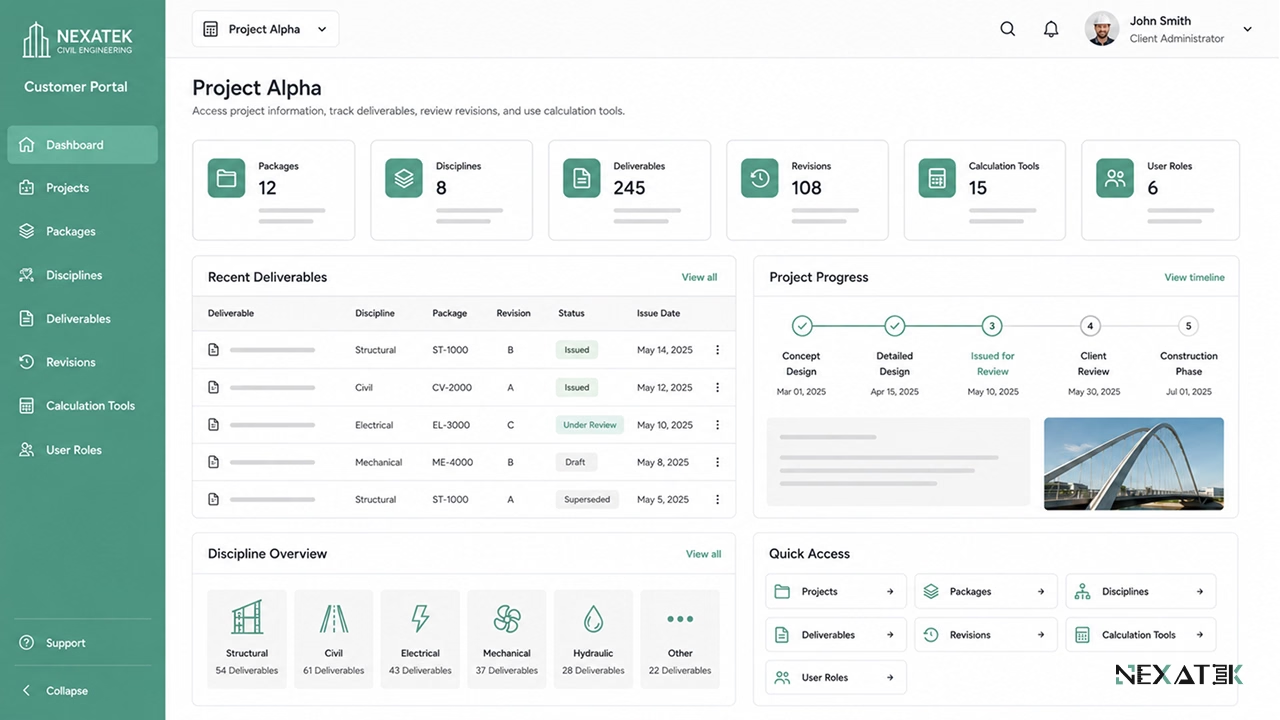 En funktionel portal afspejler anlægsprojektets struktur, herunder delentrepriser, fagområder, leverancer, revisioner og brugerroller.
Hvorfor anlægsprojekter behøver kundeportaler
Lange beslutningsprocesser udgør kernen i udfordringen. Et projekteringsmateriale kan passere et dusin revisioner og 40 granskere mellem udbud og udførelse. Samarbejdet med kunden skal forblive ensartet og dokumenteret fra dispositionsforslag til aflevering.
Projektbaseret kundedialog
Kunder og bygherrer oplever ikke et anlægsprojekt som en uafbrudt samtale, men interagerer ved faste nedslagspunkter: milepælsafleveringer, afklaringsnotater, formelle godkendelser og høringsrunder. Hvert trin har en faglig kontekst, herunder den tilknyttede leverancepakke og dens aktuelle revisionsstatus.
E-mailfragmentering nedbryder denne sammenhæng i isolerede tråde. En fælles netværksmappe gemmer måske filen, men indeholder ingen oplysninger om, hvorfor den blev udleveret, eller hvilket grundlag den erstatter. En B2B-kundeportal logger hver interaktion som en formel projekthændelse, så et spørgsmål stillet i projektuge 12 fortsat er direkte knyttet til den pågældende tegningsrevision.
Rollebaseret adgang sikrer, at en fagspecialist har adgang til den fulde revisionshistorik, mens projektledelsen følger tidsplaner og kritiske datoer.
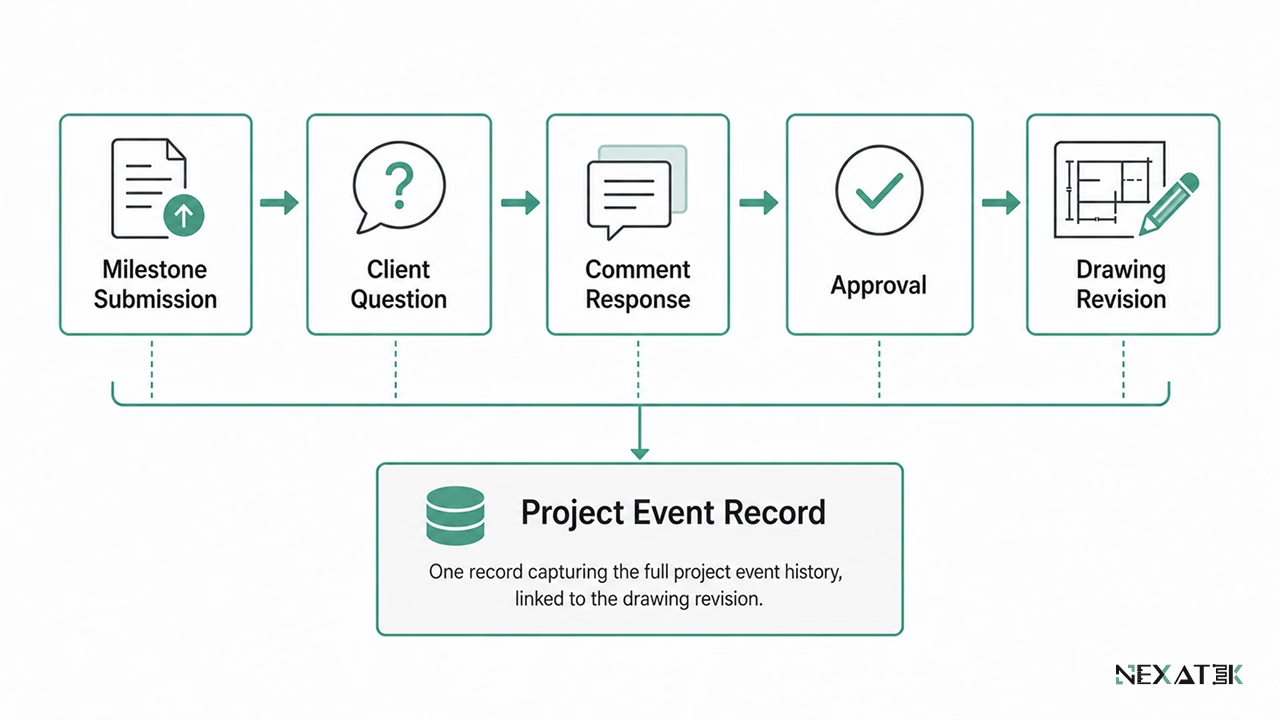 Koblingen mellem bygherrens spørgsmål, granskningsnotater og godkendelser til den gældende tegningsrevision sikrer fuld sporbarhed.
Dokumenttunge tekniske leverancer
En slutrapport udgør kun en brøkdel af den samlede projektmængde. Tegninger, tekniske notater, tilsynsrapporter og faseafleveringer ophobes i faste udvekslingscyklusser – ofte med omfattende hørings- og granskningsrunder forud for den endelige godkendelse.
Almindelig fildeling understøtter ikke denne faglige kontekst. Et klassisk svigt opstår, når bygherren prissætter udførelsen ud fra revision C, mens rådgiveren allerede har udsendt revision D. Kundeportaler til byggeriet behandler derfor versionsstyring som en bærende kernefunktion.
Genfinding er lige så afgørende: Hvis en tilsynsførende på byggepladsen 14 måneder senere skal bruge en specifik funderingstegning, reducerer et indekseret portallager søgetiden fra dage til få minutter.
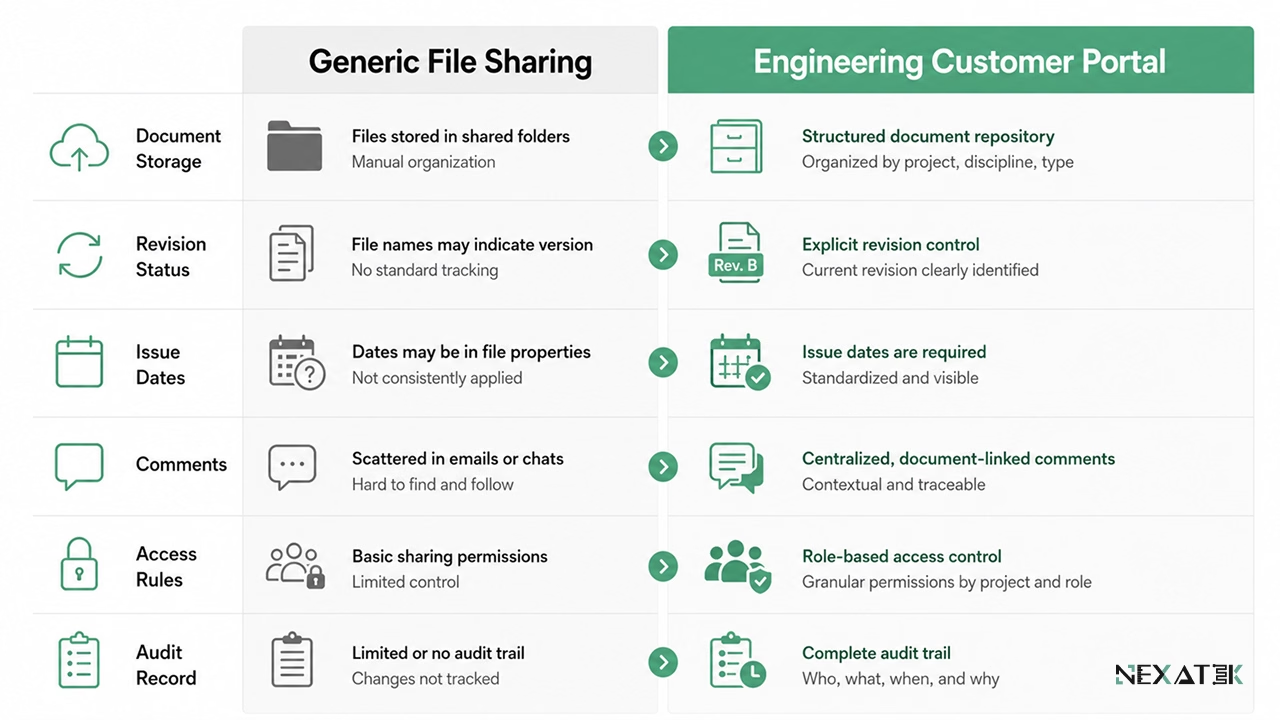
Generisk fildeling opbevarer dokumenter, mens en ingeniørportal fastholder udvekslingshistorik, status, revisionskontekst og adgangsrettigheder.
Fire kernefunktioner i en anlægsteknisk kundeportal
Fire primære funktioner kendetegner en fuldt operationel kundeportal til anlægssektoren: statussigtbarhed, dokumentadgang, distribution af leverancer og struktureret kommunikation. Hver funktion imødekommer et tilbagevendende behov gennem projektets livscyklus.
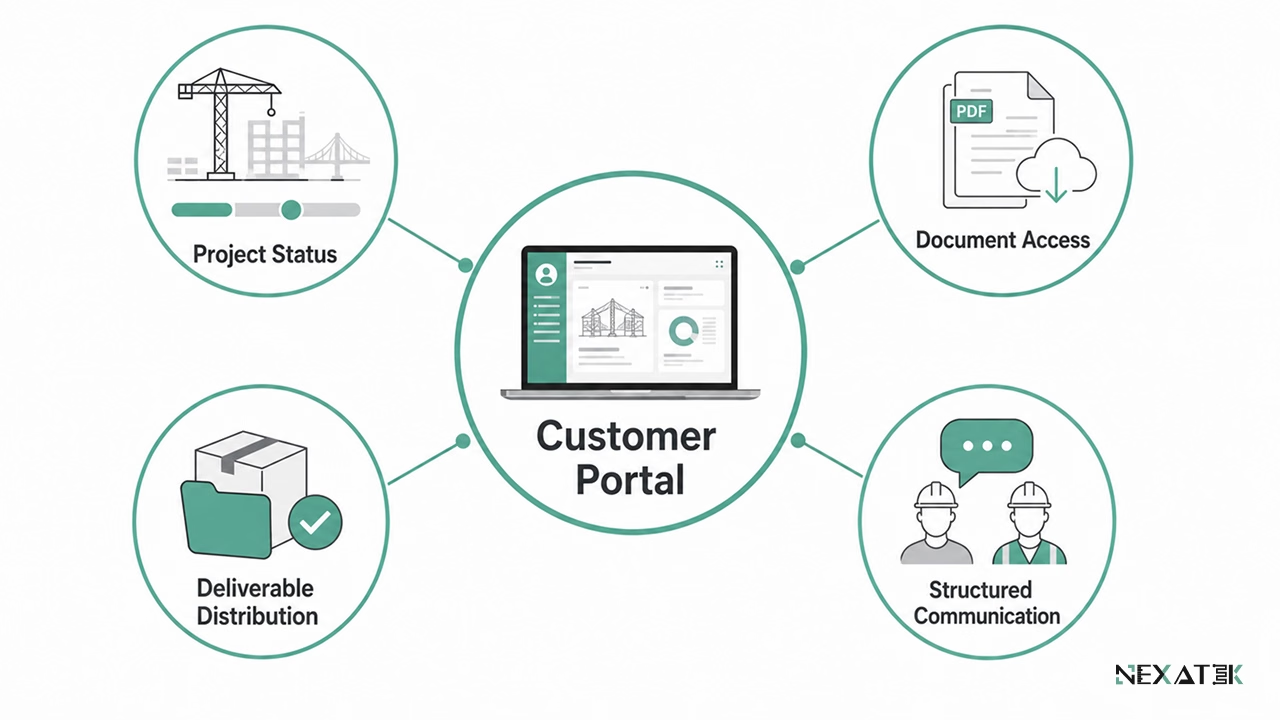 Portalen forbinder projektstatus, dokumentadgang, leverancedistribution og struktureret dialog i ét samlet system.
Projektstatus og synlig fremdrift
Statusvisninger skaber reel værdi, når statuskoderne matcher den faglige virkelighed: Kladde, Intern granskning, Udsendt til høring, Udsendt som bygghandling. En overordnet betegnelse som "i gang" giver ikke bygherrens teknikere tilstrækkelig information.
Kontekst forvandler en statusmarkør til et arbejdsredskab: En milepæl uden direkte kobling til de underliggende dokumenter og afleveringsdatoer kan ikke understøtte rettidige beslutninger. Portalen forbinder derfor hver status med de konkrete leverancer bagved.
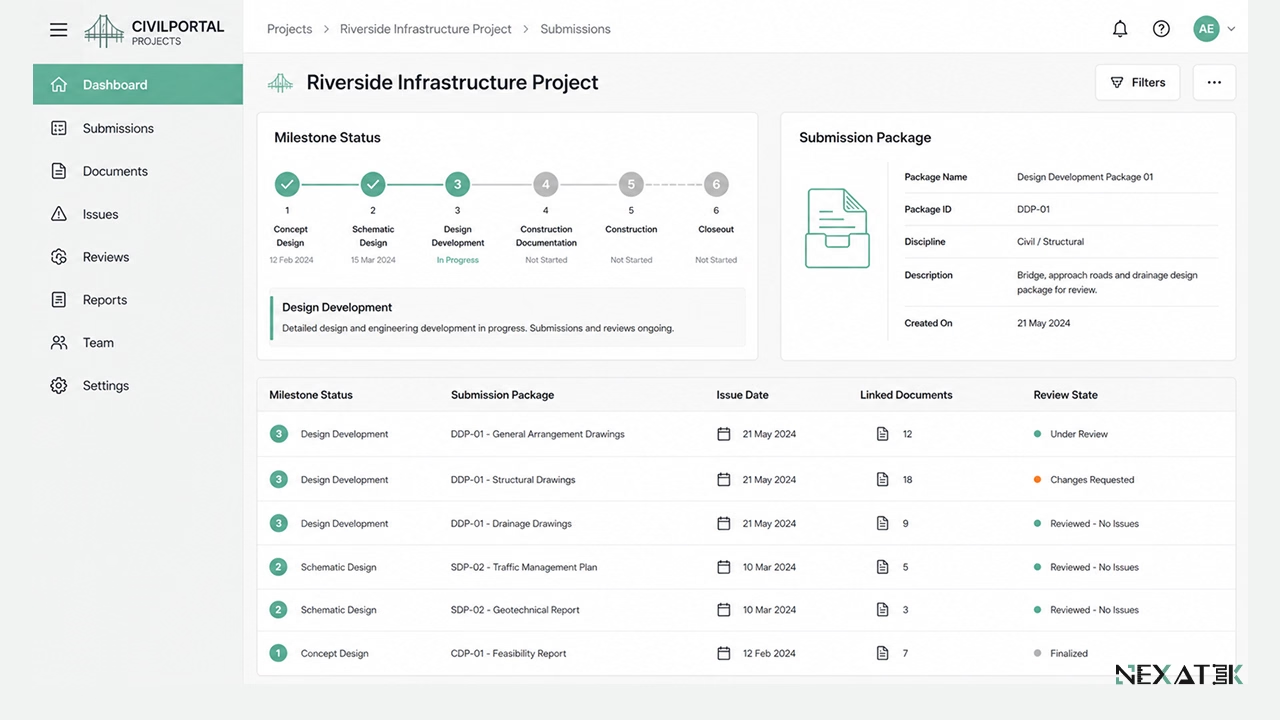 Statusvisninger bliver operationelle, når hver milepæl er sporbart knyttet til de tilhørende afleveringer, datoer og delmål.
Adgang til tekniske dokumenter og tegninger
Adgang til tegninger og rapporter udgør fundamentet i kundeportalen. Filerne struktureres efter fagentreprise eller fagdisciplin – i overensstemmelse med rådgiveres søgemønstre – og revisionskoder fremgår tydeligt i fillisterne.
Ufærdige kladder udgør en velkendt risiko: Mange tvister i byggeriet udspringer af, at foreløbige beregninger cirkulerer uden for den tilsigtede modtagerkreds. Portalen differentierer, hvilke filer den enkelte brugerrolle kan tilgå, og markerer dokumentstatus utvetydigt, så kladder holdes adskilt fra godkendte projektforslag.
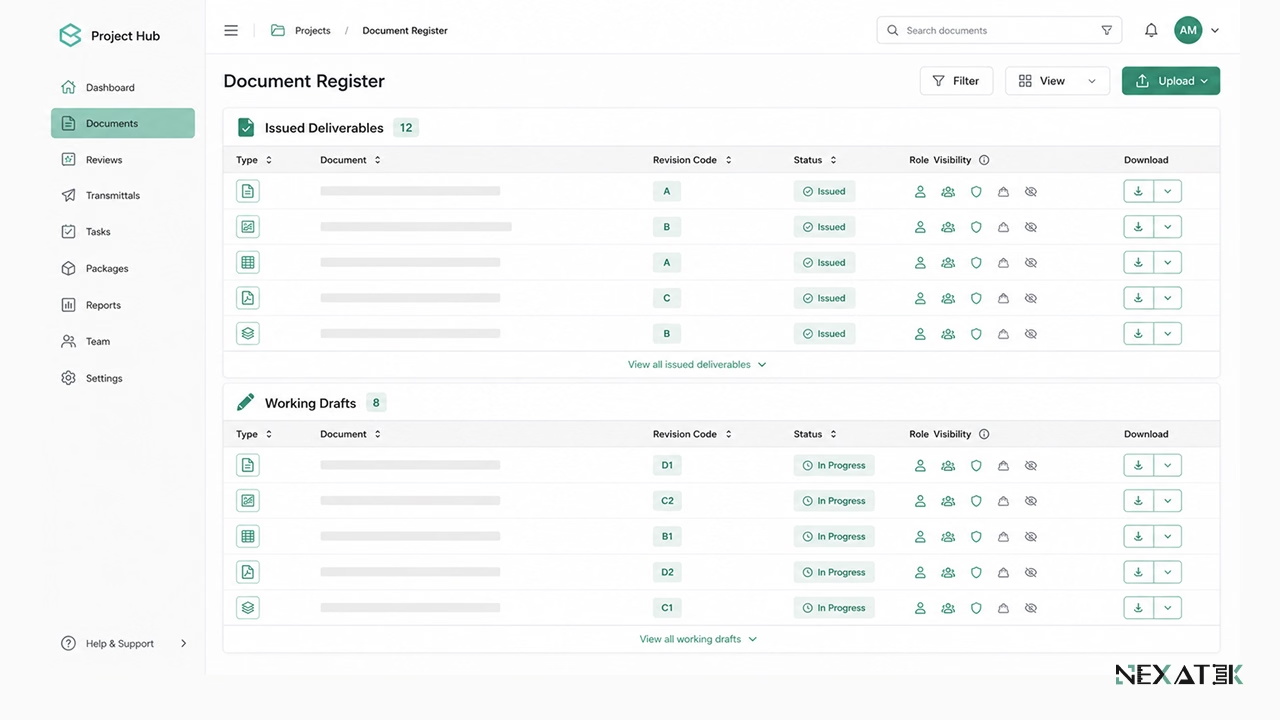 Tydelige statusmarkeringer sikrer, at bygherren let kan skelne godkendte leverancer fra interne arbejdsudkast.
Distribution af rapporter, data og delmål
Bygherrer efterspørger mere end blot formelle rapporter. Prøvningsresultater, eksporterede overvågningsdata, byggepladslogger og periodiske fremskridtsrapporter udveksles via portalen som strukturerede udgivelser med ensartet navngivning. Portalen fastholder hvert datasæt med dets specifikke referencedato.
Tidsseriedata kræver særlig præcision: Hvis en bygherre skal sammenholde sætningsmålinger fra marts med data fra september, skal begge udtræk være tilgængelige – ikke kun den seneste måling. Struktureret datalagring i portalen, ofte understøttet af dedikerede databaseløsninger til bygge- og anlægssektoren, sikrer, at historiske datasæt altid kan genfindes.
Struktureret kommunikation og opdateringer
Meddelelser bevarer deres værdi, når de er hængt op på de konkrete leverancer. Notifikationer om afleveringer og svar på høringsnotater mister deres kontekst, hvis de kun lever i en e-mailindbakke. Portalen fastholder hver besked direkte på det berørte dokument.
Derved opnår alle byggeriets parter det samme overblik. Hvor adskilte e-mailtråde jævnligt medfører, at bygherrens kommercielle og tekniske ledelse vurderer et projekt ud fra forskellige informationer, sikrer én fælles publiceringskilde et ensartet vidensgrundlag.
Kundeportaler vs. traditionelle kommunikationsformer
Konventionelle metoder fastholdes ofte, fordi de umiddelbart ikke koster noget at anvende. Men i dokumenttunge anlægsprojekter fejler de på afgørende punkter. Forskellene er strukturelle:
Begrænsninger ved e-mail, delte drev og manuel rapportering
E-mail fungerer fint til hurtige aftaler, men er uegnet som projektarkiv: Vedhæftede filer mangfoldiggøres, revisionsspor brydes, og projektparterne risikerer uforvarende at arbejde ud fra forskellige filversioner.
Delte netværksdrev samler ganske vist filerne centralt, men løser ikke strukturen: Mappehierarkier varierer fra projektleder til projektleder, og navngivningskonventioner udvandes over tid. Det er vanskeligt at opretholde en differentieret byghorreadgang på tværs af entrepriser udelukkende ved hjælp af mappeadgange.
Manuel rapportering skaber tidsforsinkelser. En månedlig PDF opsummerer status på en given skæringsdato, men giver ikke direkte adgang til de underliggende fagrapporter. Bygherren må derfor rekvirere filer via e-mail, hvorefter fragmenteringen fortsætter.
Fordele ved en centraliseret kundeportal
Centralisering ændrer udgangspunktet for kontrol og granskning: Ved en tvist eller et fagligt audit befinder hele projektdokumentationen sig ét samlet sted med intakte datoer og revisionskoder, i stedet for spredt i personlige postkasser og lokale arkiver.
Rollebaserede adgangsrettigheder giver yderligere en fordel: Faglige granskere har fuld adgang til samtlige tekniske bilag, mens ledelsen primært tilgår overordnede fremdriftsrapporter. Ved projektets afslutning danner denne struktur et stabilt overdragelsesarkiv, som dokumenterer præcis, hvad der blev frigivet og godkendt undervejs.
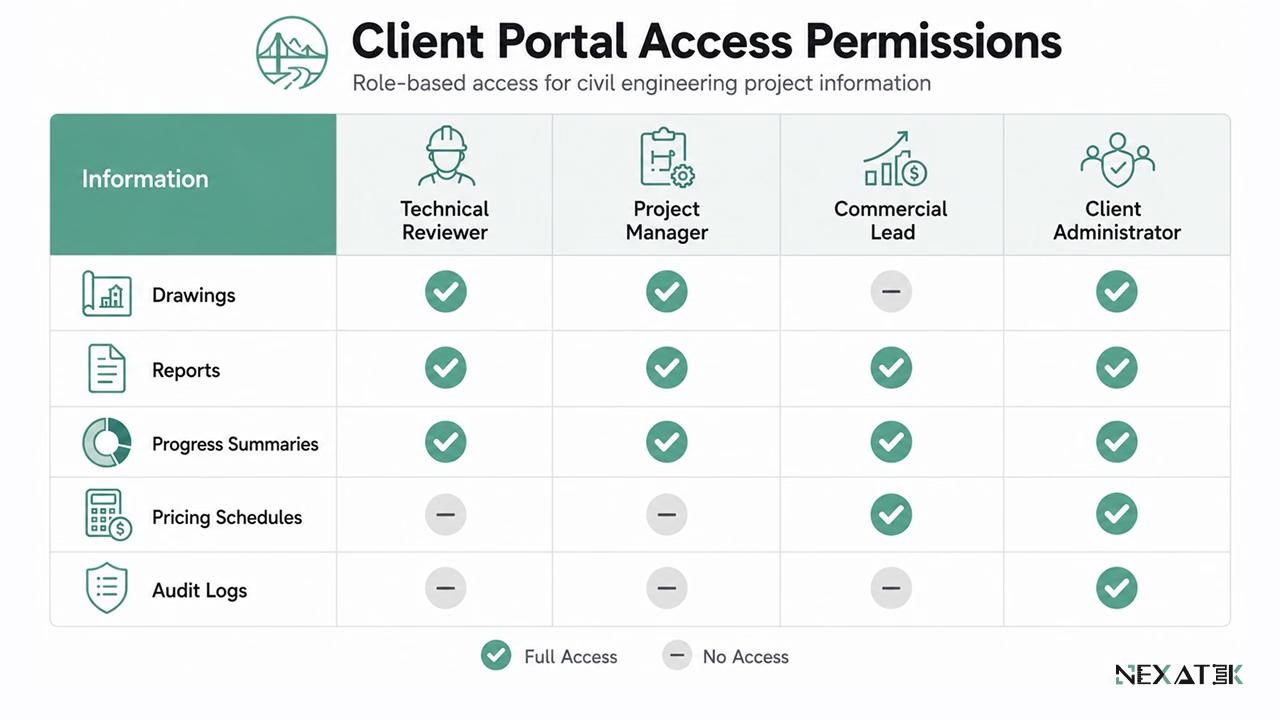 Rollebaserede adgange giver hver enkelt projektdeltager det rette detaljeniveau uden at blotlægge fortrolige filer unødigt.
Portalkonstruktion til ingeniørens arbejdsgange
Udviklingen af en kundeportal til anlægsbranchen tager altid afsæt i selve arbejdsprocessen, aldrig i brugerfladen alene. Den måde, et rådgiverteam udsender dokumenter og håndterer revisioner på, dikterer portalens opbygning. NEXATEK kobler portaludvikling med arbejdsgangs- og procesoptimering, så den eksterne portalflade afspejler den faktiske måde, leverancer produceres på i hverdagen.
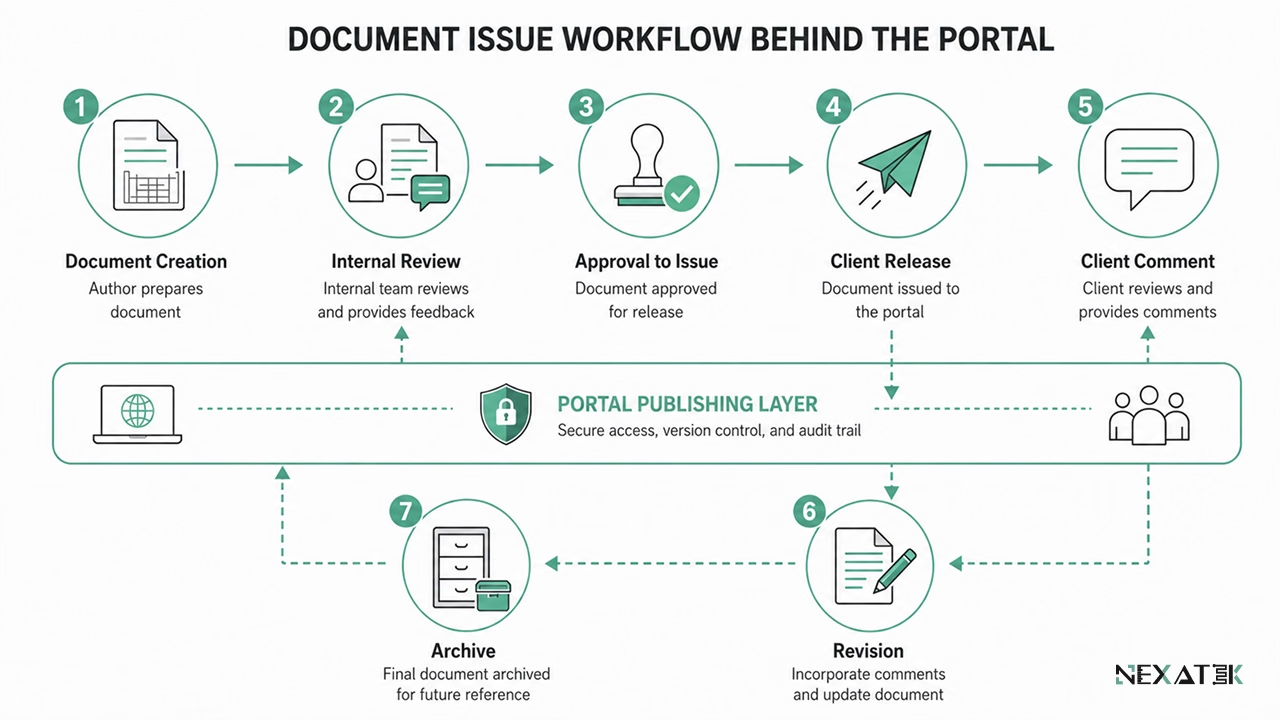 Portalens opbygning bør følge dokumentflowet: fra intern kontrol over bygherrefrigivelse til løbende revisionsstyring.
Adgangsstyring og datasegmentering
Følsomheden af projektdata varierer internt i et projekt: Økonomiske opgørelser og interne beregningsnotater kræver strengere adgangsbegrænsning end godkendte arbejdstegninger, og hos bygherren har ikke alle medarbejdere behov for fuld indsigt. Rettigheder tildeles derfor ud fra brugerroller og dokumentkategorier frem for på enkeltfilniveau.
Enkelhed i administrationen er afgørende: Et system med 60 skræddersyede undtagelsesregler sander hurtigt til i manuel administration. Et regelsæt baseret på en håndfuld veldefinerede projektroller forbliver derimod velfungerende over flere år.
Versionsstyring og ensartet dokumentation
Enhver udsendt version skal forblive entydigt identificerbar. Portalen fastholder dokumentnummer, revisionskode og udgivelsesdato som faste metadatafelter i stedet for at forlade sig på filnavne.
Integreret revisionssammenligning understøtter den tekniske granskning: En gransker, der skal undersøge ændringerne mellem revision B og C, finder begge udgaver i portalen sammen med de tilhørende kommentarer, helt uden at skulle gennemsøge gamle e-mailarkiver.
Tilpasning gennem anlæggets livscyklus
Projektændringer er et grundvilkår i byggeriet, og portalen skal kunne håndtere dem uden at bryde sporbarheden. Nye leverancegrupper eller ændrede brugerroller tilføjes undervejs, mens historiske data bevares uændret.
Rapporteringsbehovet ændrer sig tilsvarende over tid: Afrapportering i dispositionsfasen adskiller sig markant fra tilsynsrapportering under udførelsen, både i hyppighed og detaljeringsgrad. Én samlet portal bør rumme begge faser, så man undgår parallelle systemer.
Anvendelsesmuligheder på tværs af byggeriets værdikæde
Portalarkitekturen kan tilpasses forskellige virksomhedstyper med forskelligt fokus, men det overordnede mål om struktureret bygherre- og kundeadgang er det samme:
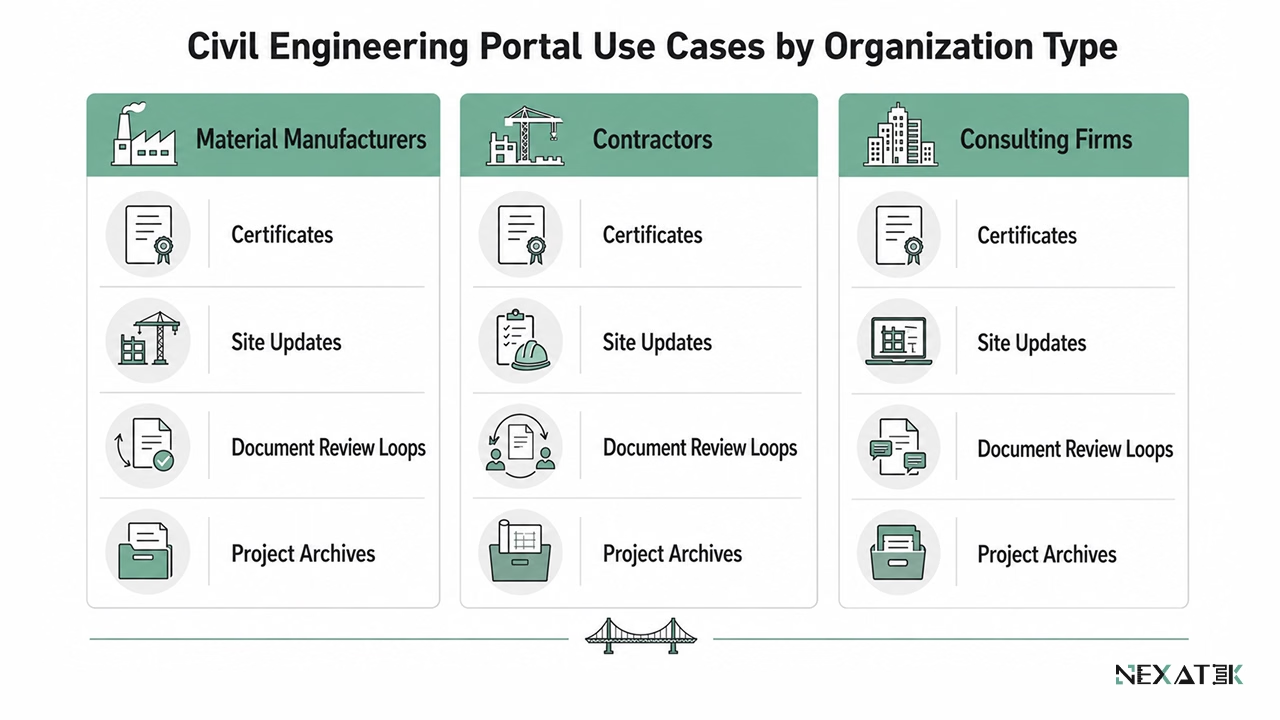 Den samme portalstruktur kan understøtte producenter, entreprenører og rådgivere med vidt forskellige dokumentations- og rapporteringsbehov.
Materialeproducenter og tekniske kunder
Producenter interagerer med tekniske rådgivere via produktdatablade, prøvningsattester, godkendelsesdokumenter og projektspecifikke deklarationer. Behovet er ofte tilbagevendende: En geoteknisk kunde efterspørger måske det samme sæt certifikater til fem forskellige projekter inden for et år.
Portalen imødekommer disse forespørgsler automatisk uden manuel fremsendelse. Visse producenter udvider løsningen, så kunderne kan afgive bestillinger eller køre tekniske kontrolberegninger direkte i portalen.
Entreprenører og anlægsvirksomheder
Entreprenører afrapporterer fremdrift i et højt tempo. Byggepladsen genererer daglige opdateringer, tilsynsrapporter, fotodokumentation og tekniske forespørgsler – ofte indsamlet via mobile dataindsamlingsværktøjer i felten.
En kundeportal til anlægsprojekter publicerer disse opdateringer i en overskuelig ramme. E-mailforsendelser bryder sammen ved daglige datamængder. Adgangsstyringen opdeler informationerne efter fagentrepriser, så bygherren får et samlet overblik, mens underentreprenørernes data forbliver adskilte.
Rådgivende ingeniørvirksomheder
Rådgiverleverancer bevæger sig i faste sløjfer: intern kontrol, bygherregranskning, revision og genudsendelse. Udvikling af kundeportaler til rådgivende ingeniører understøtter denne rytme ved at styre afleveringsstatus og bevare revisionshistorikken gennem samtlige faser.
Samarbejdets varighed er en anden vigtig faktor: En rammeaftale kan indebære et tæt samarbejde over et helt årti. Over en sådan tidshorisont fungerer portalen som det faste, uforgængelige projektarkiv over godkendte leverancer, uafhængigt af medarbejderudskiftning hos parterne.
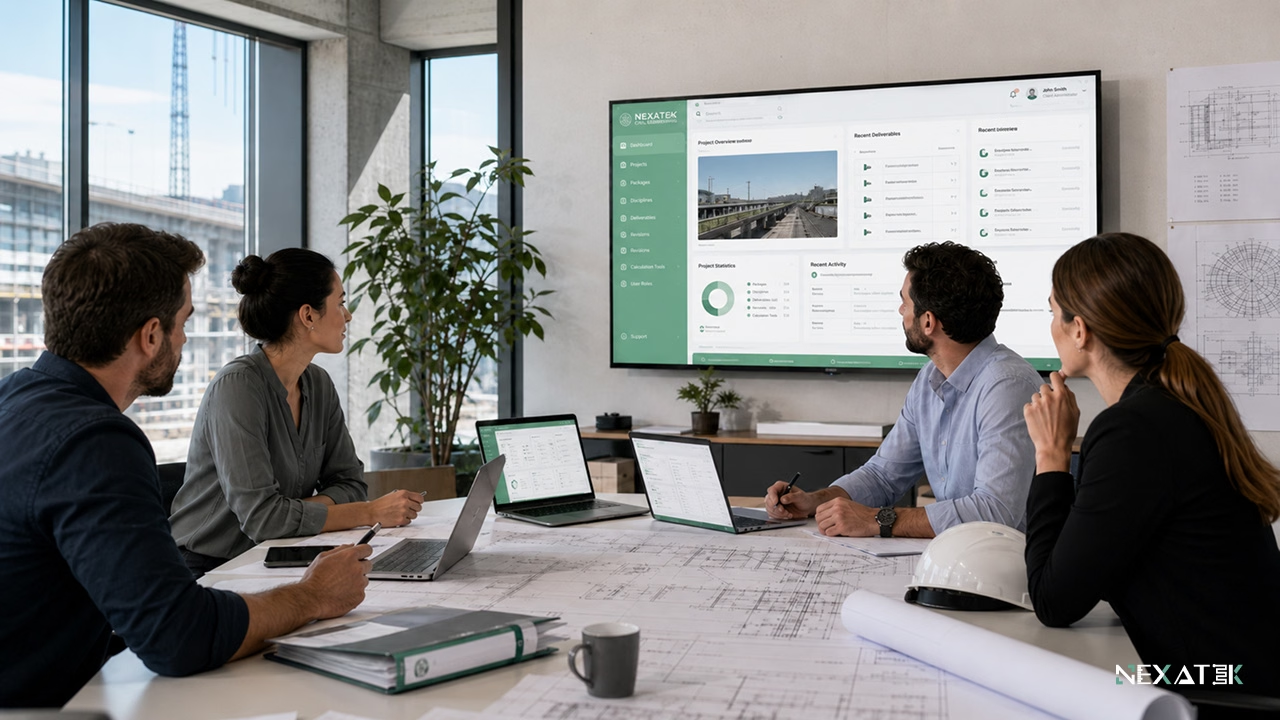 Et kundeportal bør designes direkte ud fra den måde, rådgiverteams udarbejder, gransker og deler projektmateriale på.