

Database for CO2-utslipp
Få tilgang til en omfattende database for karbonutslipp spesielt utviklet for anleggsbransjen. NEXATEK tilbyr en omfattende, kontinuerlig vedlikeholdt database som dekker ingeniørmaterialer, byggeaktiviteter, utstyr, transport og energiforbruk for å støtte nøyaktig karbonvurdering og bærekraftsrapportering.
Omfattende utslippsdatabase
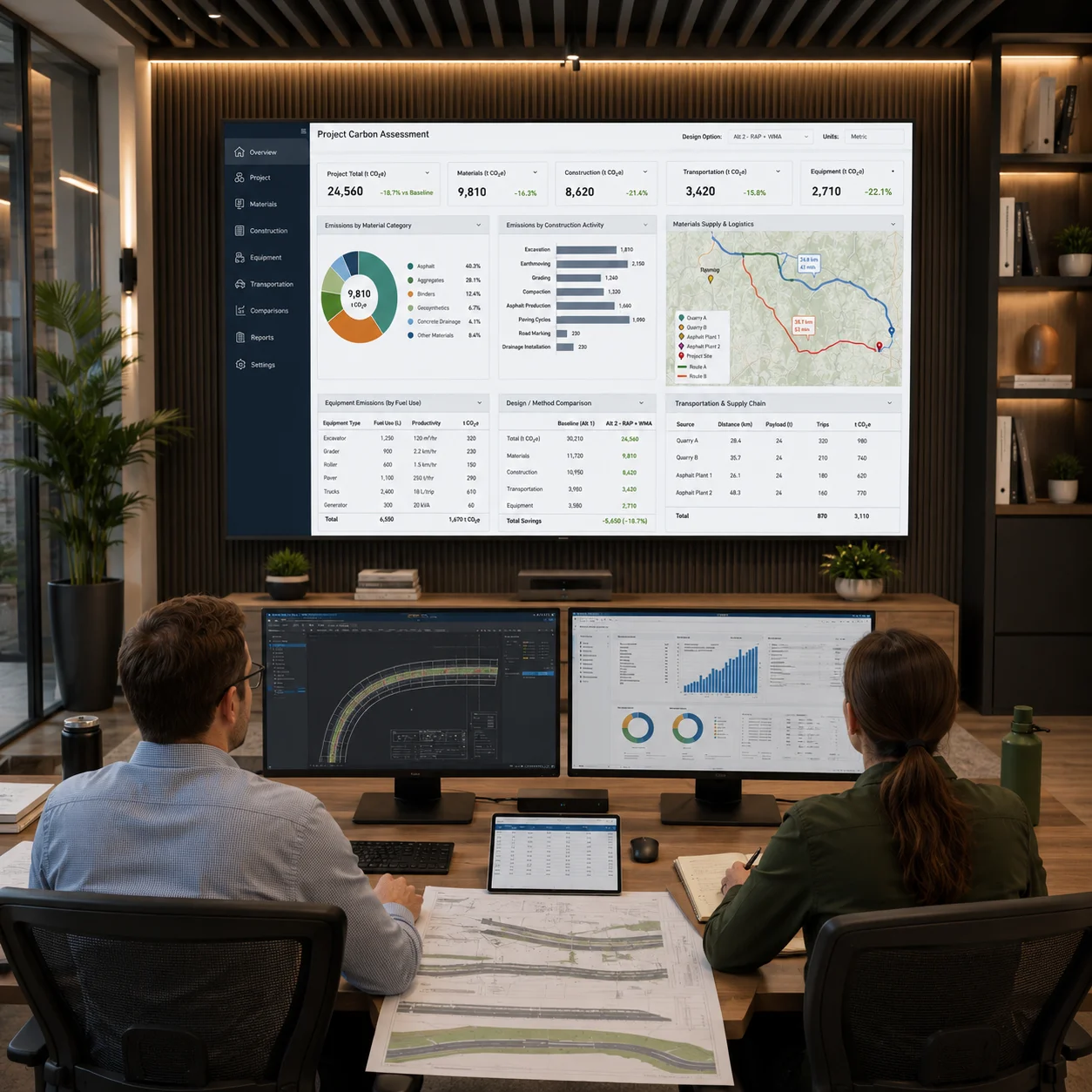
Datakvalitet og standardisering
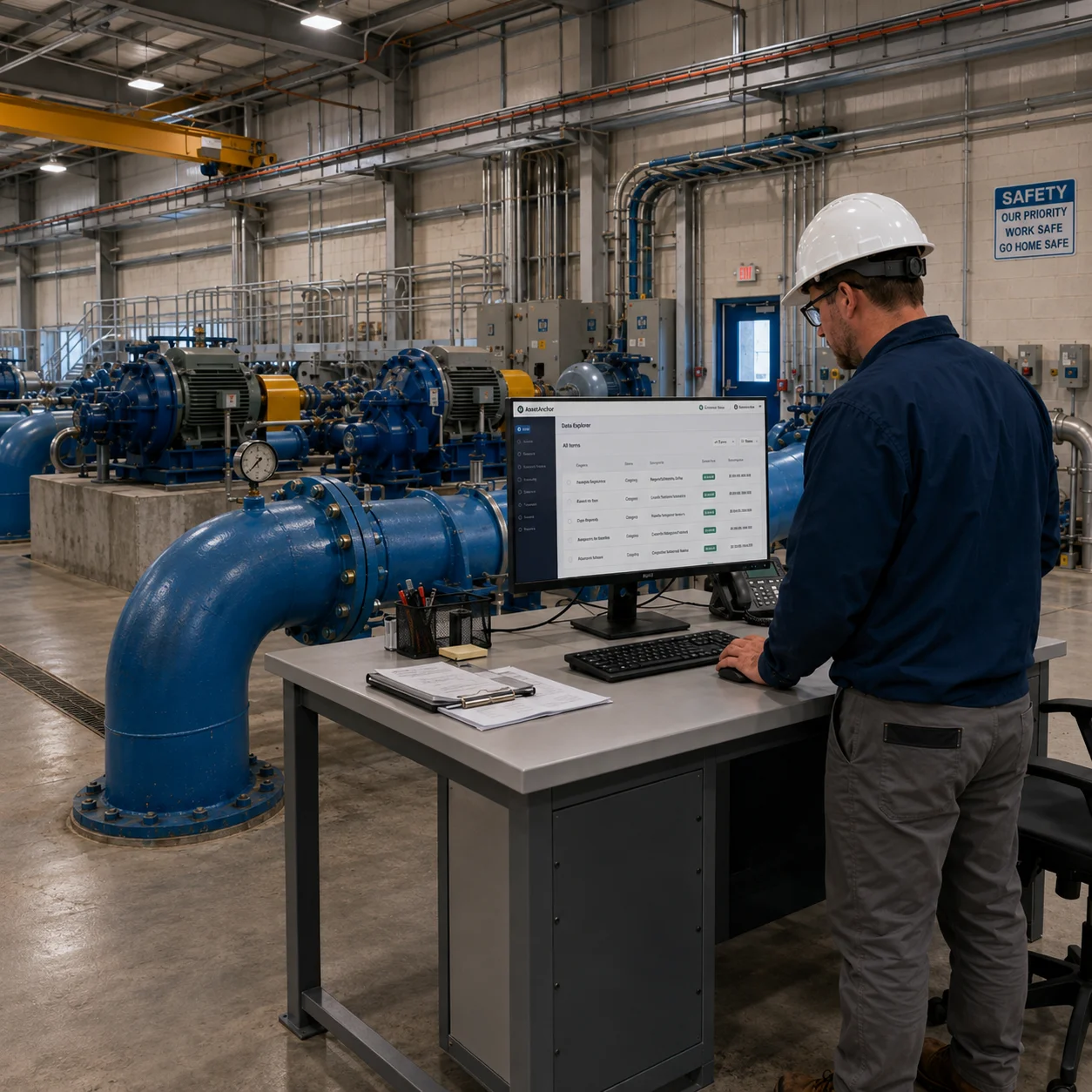
Integrasjon og tekniske applikasjoner
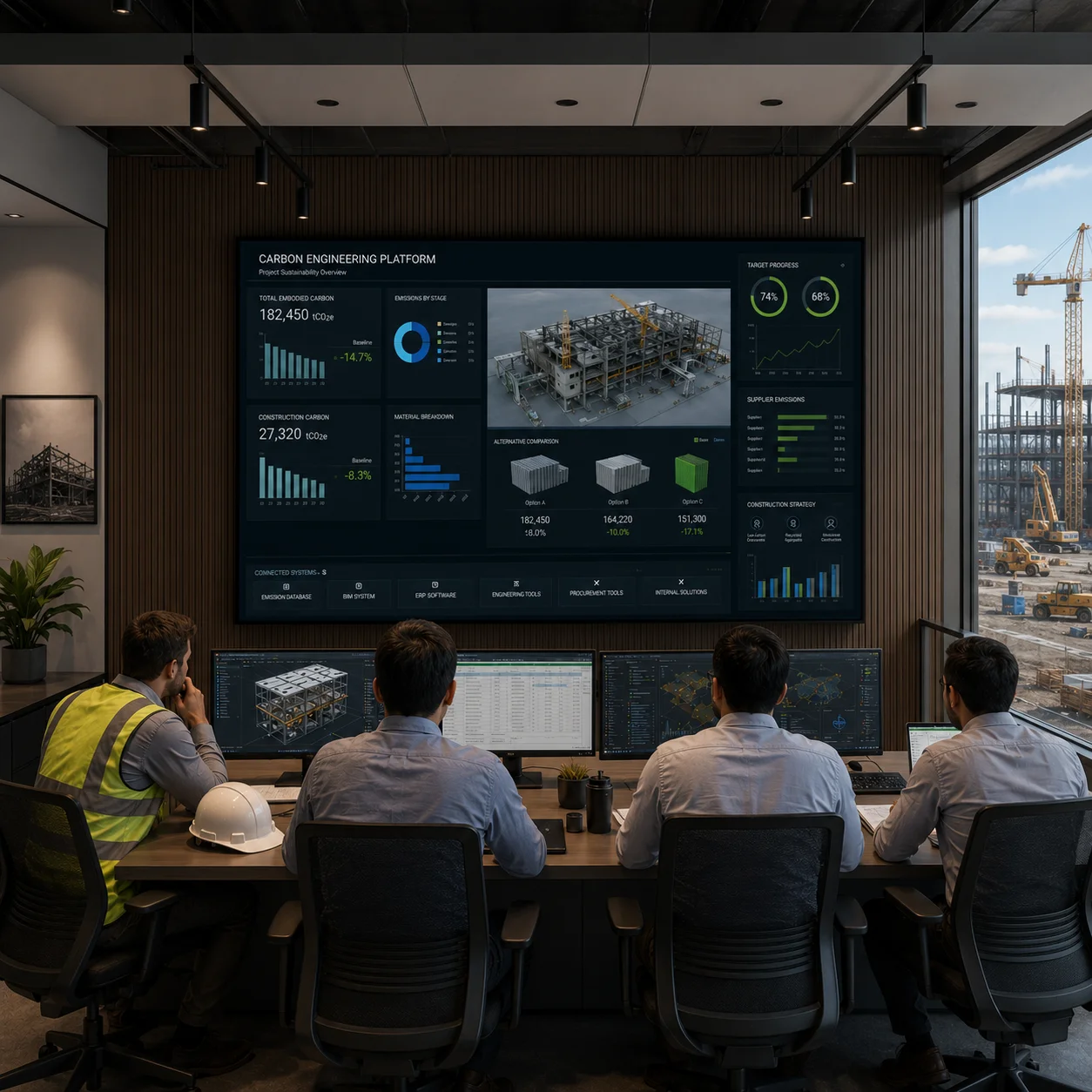
Bærekraft og beslutningsstøtte
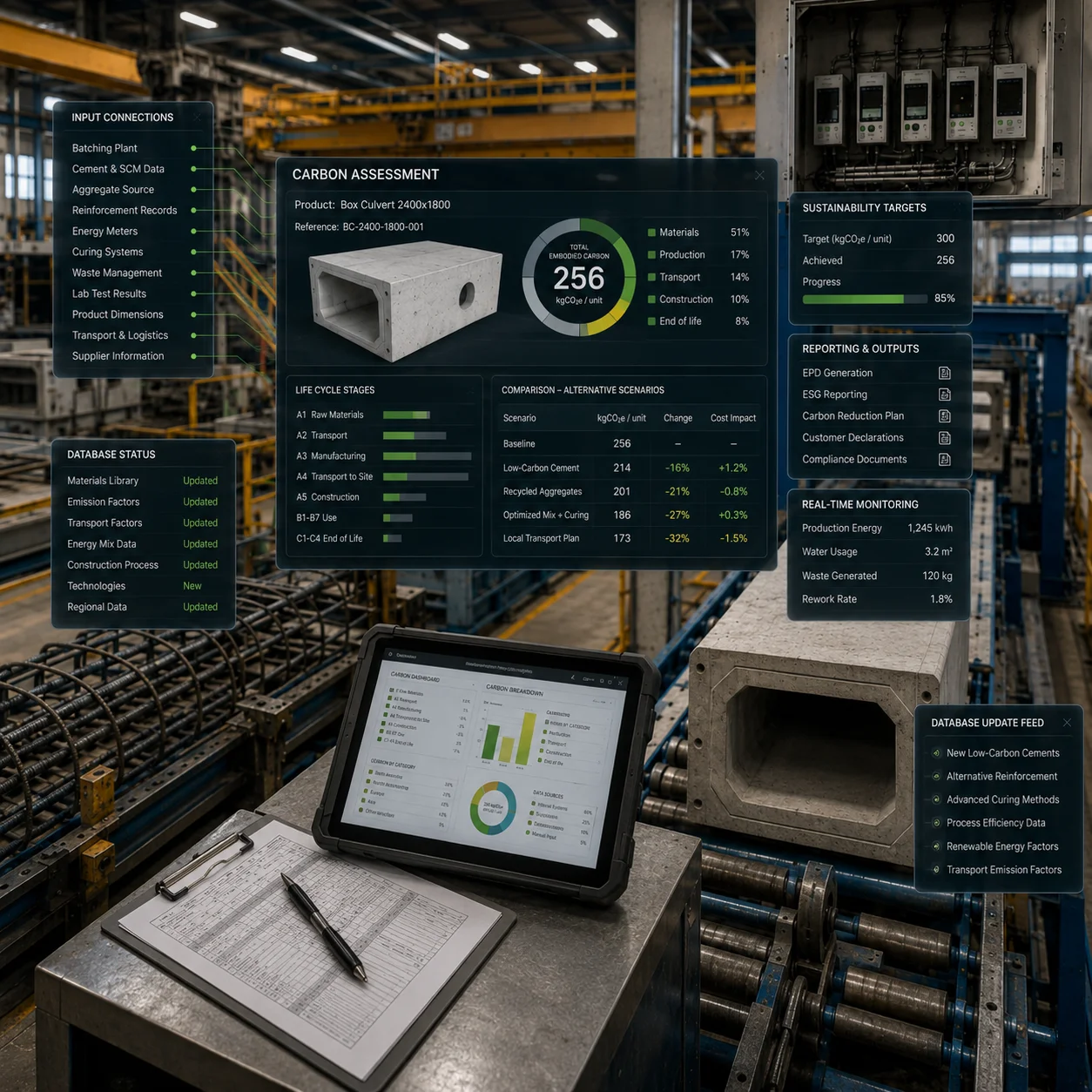
Ofte stilte spørsmål
Sporing av CO2-utslipp er prosessen med å estimere og analysere karbonfotavtrykket som genereres gjennom livssyklusen til et bygg...
Sporing av utslipp gir deg en klar forståelse av din miljøpåvirkning...
Vi bruker bransjeanerkjente metodikker...
Lavere utslipp fører til reduserte energiregninger, forbedret effektivitet...
Sporing av CO2-utslipp er verdifullt på tvers av alle sektorer...
Lignende prosjekter
Oppdag flere innovative prosjekter:



Gode
Løsninger
Starter Med En SamtaleGode Løsninger Starter Med En Samtale
Vil du utforske hvordan våre tjenester kan få bedriften din til å vokse?
Databasestyring av CO2-utslipp for infrastruktur og anleggsteknikk
En enkelt bru- eller viaduktprosjektering kan referere til over 300 materialspesifikasjoner, der mange av utslippsverdiene foreligger som PDF-dokumenter. Manuell innsamling og inntasting av disse dataene krever hundrevis av ingeniørtimer og medfører avskriftsfeil som ofte først oppdages måneder senere under en revisjon. Digital databasestyring for bundet karbon (embodied carbon) erstatter denne manuelle sammenstillingen med et sentralisert, strukturert register over verifiserte utslippskoeffisienter, koblet direkte til BIM- og livsløpsanalyser (LCA). NEXATEK bygger slike databaser for infrastrukturorganisasjoner – som regel som en sentral del av et helhetlig program for digital transformasjon innen anleggssektoren.
Dataformatet er avgjørende: En utslippskoeffisient lagret som en maskinlesbar datapost kan søkes opp, valideres, versjoneres og deles via et felles datamiljø (Common Data Environment, CDE). Det samme tallet låst i en skannet PDF-fil forblir en isolert opplysning.
 Et strukturert register gjør spredte PDF-verdier om til maskinlesbare data som ingeniører kan spørre mot, validere og gjenbruke.
Arkitekturen i et sentralt klimadatakilderegister
Et regneark lagrer en utslippskoeffisient som ett enkelt tall i en isolert celle. Et profesjonelt forvaltet register lagrer den som en strukturert oppføring med definerte attributter. Dette inkluderer deklarert enhet, oppvarmingspotensial (Global Warming Potential, GWP) i kilo CO2-ekvivalenter (kgCO2e), dekkede livsløpsmoduler, geografisk gyldighetsområde og utløpsdato. Dataopprinnelsesfelter dokumenterer grunnlaget for hver enkelt verdi, for eksempel en miljødeklarasjon (EPD) verifisert i henhold til ISO 14025 og EN 15804.
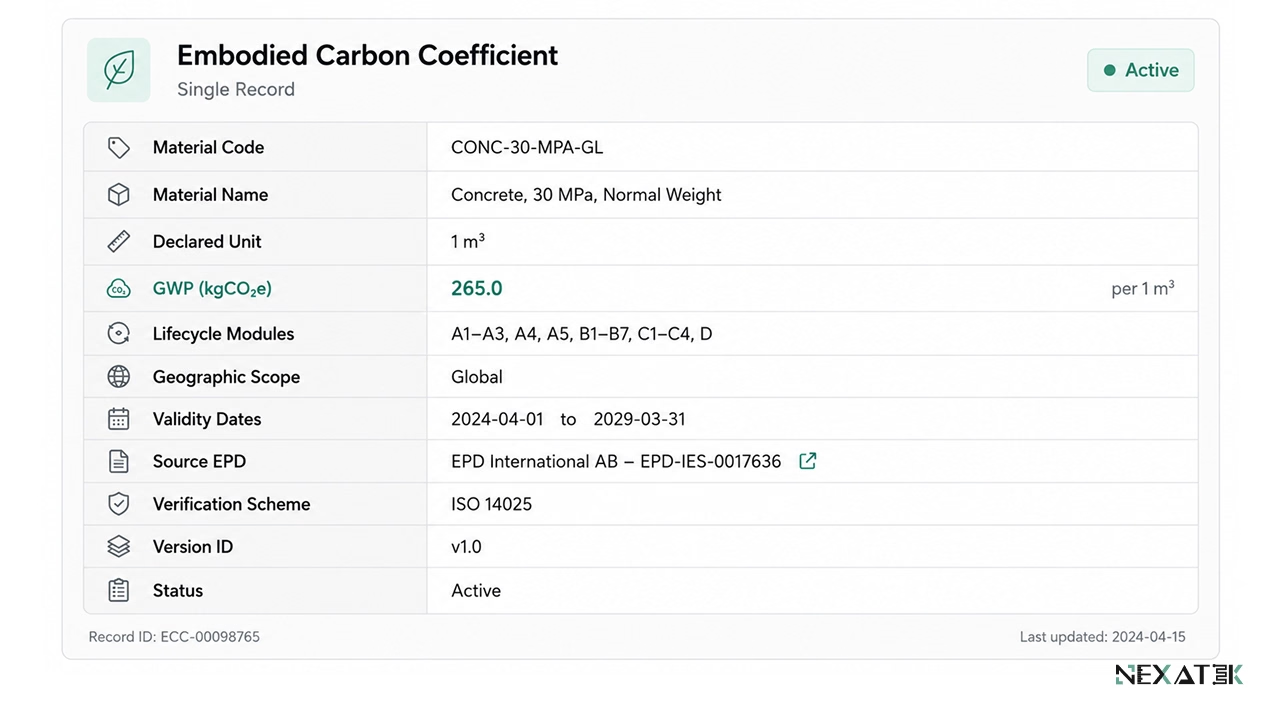 Hver koeffisient behøver tilstrekkelig kontekst for å kunne benyttes, kontrolleres, versjoneres og revideres på tvers av prosjekter.
Fragmenterte data er utfordringen denne arkitekturen løser: EPD-er ankommer i ulike PDF-formater, nasjonale databaser publiseres i egne standarder, og lokale regnearkkopier sklir fra hverandre i løpet av få måneder.
Versjonskontroll er det andre ufravikelige kravet: EPD-er utløper normalt etter fem år, og utslippsfaktorer for elektrisitet i strømnettet justeres i takt med endringer i produksjonsmiksen. Utgåtte verdier beholder sine historiske gyldighetsperioder i systemet, slik at en beregning utført i 2024 forblir fullt ut etterprøvbar i 2027.
Referansedatabaser har en fast plass i strukturen: Generiske datakilder som Inventory of Carbon and Energy (ICE) tetter hullene der det ikke foreligger en leverandørspesifikk deklarasjon. En prioritetsregel sikrer konsistente oppslag: produktspesifikk EPD først, deretter bransjegjennomsnitt, og til slutt generiske verdier.
Bundet karbon og driftsrelatert karbon holdes adskilt fra starten: Modulkoder skiller råvareuttak og produksjon (A1-A3), anleggsfase (A4-A5), bruksfase (B1-B7) og avhending (C1-C4). Dette gjør det mulig å hente ut helhetlige klimagassregnskap for hele levetiden (Whole Life Carbon, WLC) fra ett samlet datasett.
Standardisering av EPD-data for BIM-samhandling (IFC & COBie)
Klimadata blir først skalerbare når de knyttes direkte til modellobjekter. Ved å koble hvert registerelement mot IFC-klasser kan en BIM-integrert database automatisk tilordne riktig koeffisient til en fundamentpæl eller et asfaltlag uten manuell leting. Elementnavngiving følger samme logikk: En oppføring for ferdigbetong inneholder sin formelle IFC-materialbetegnelse parallelt med handelsnavnet. Forespørsler fra ulike modelleringsverktøy treffer dermed nøyaktig samme kildedata.
Harmonisering av enheter er en gjentakende hindring: En modell eksporterer betong i kubikkmeter, mens leverandøren deklarerer sin EPD per tonn, og en implisitt densitetsantagelse forbinder ofte de to størrelsene i det skjulte. Et profesjonelt system for EPD-forvaltning i anleggsprosjekter gjør omregningen eksplisitt ved å lagre densitetsfaktoren og kilden til denne direkte sammen med koeffisienten.
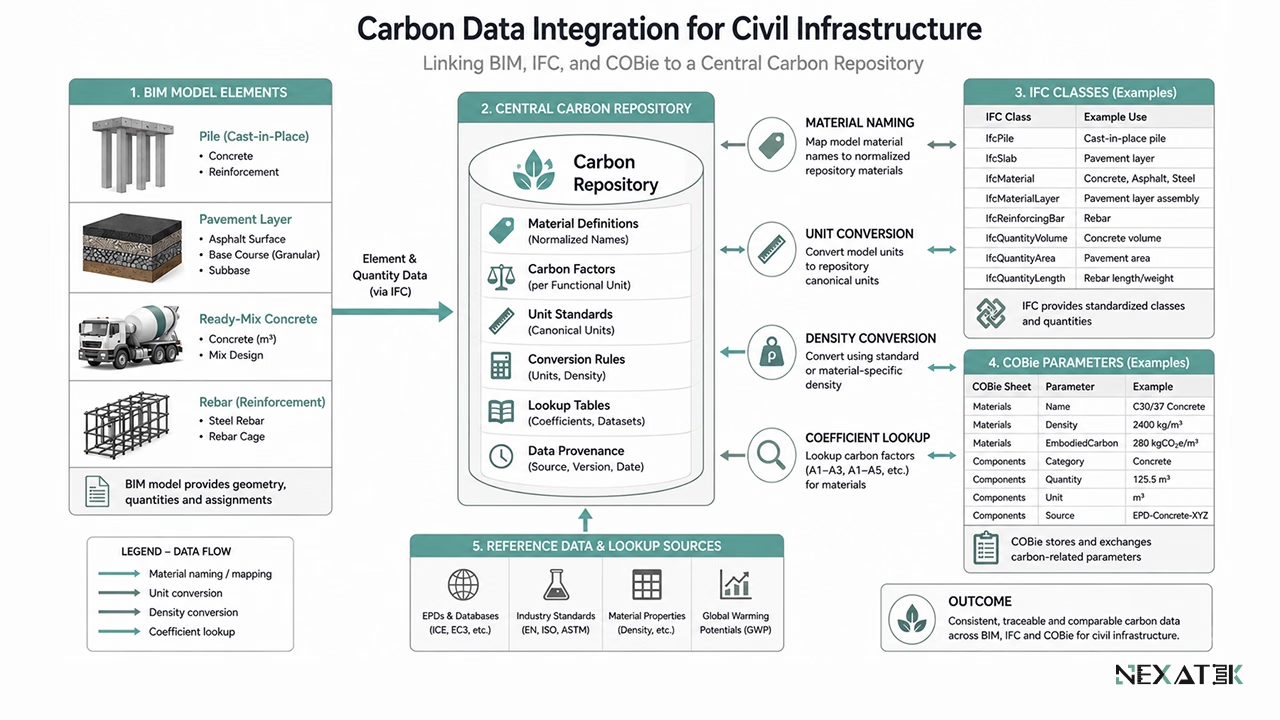 BIM-samhandling avhenger av standardisert materialnavngiving, eksplisitte enhetsomregninger og entydige CO2-parametere.
COBie-parametere viderefører strukturen inn i forvaltnings- og driftsfasen: Klimareferansene overføres til anleggsregisteret, slik at driftsorganisasjonen overtar koeffisienter knyttet til nøyaktig de samme objektene som vedlikeholdsteamene forvalter til daglig.
Integrering av CO2-databaser i anleggenes livsløp
Klimafaglige spørsmål skifter karakter etter hvert som et anleggsprosjekt beveger seg fra forprosjekt til drift. Prosjekterende rådgivere behøver referanseverdier for modellene sine, byggeledelsen trenger as-built-data fra anleggsplassen, og forvaltere må allokere vedlikeholdspåvirkning til riktige bruksfasemoduler. Ett felles datalager dekker alle disse fasene når dataene er strukturert med livsløpskoder.
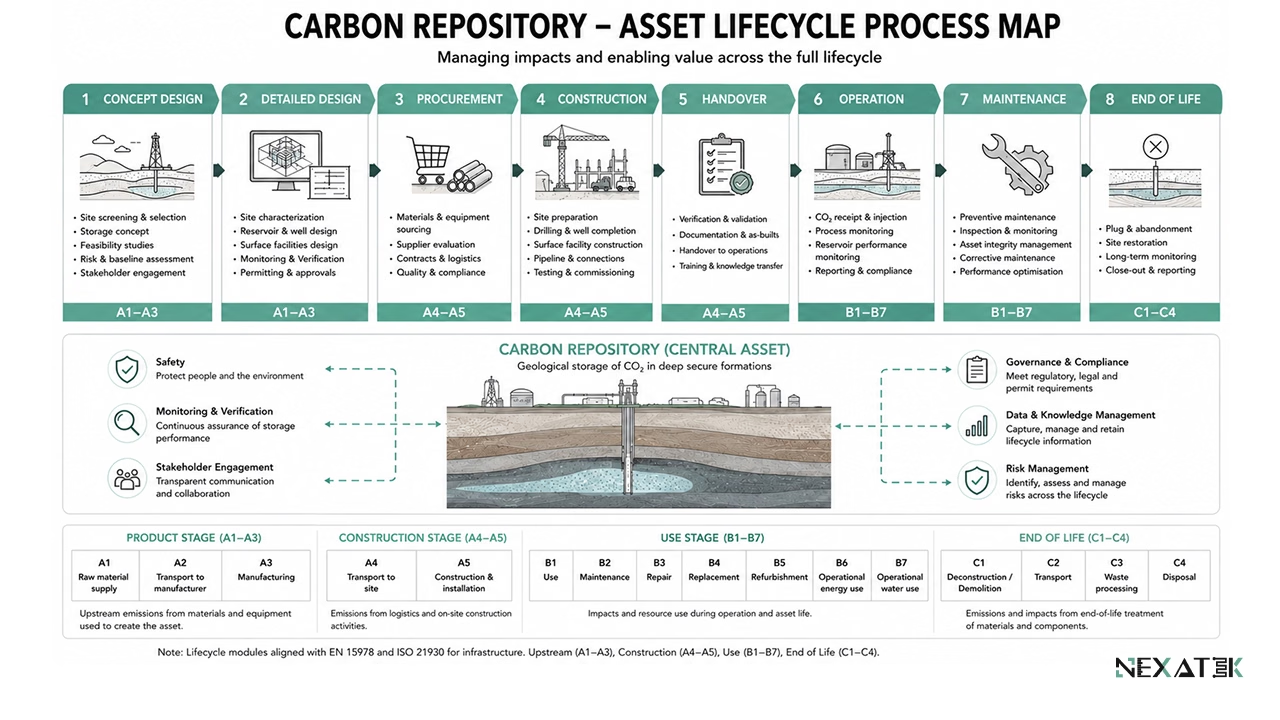 Samme database støtter konseptvalg, oppfølging i byggetiden, overtakelse, drift, vedlikehold og avhendingsvurderinger.
Bruksfasedata (B1-B7) sikrer datagrunnlagets relevans lenge etter overtakelse: Utskifting av et brulager eller reasfaltering henter oppdaterte materialkoeffisienter fra samme register, og klimapåvirkningen føres i modulene B2 til B5 uten å forrykke de opprinnelige tallene for anleggsfasen.
Konseptvalg og materialoptimalisering i tidlig fase (A1-A3)
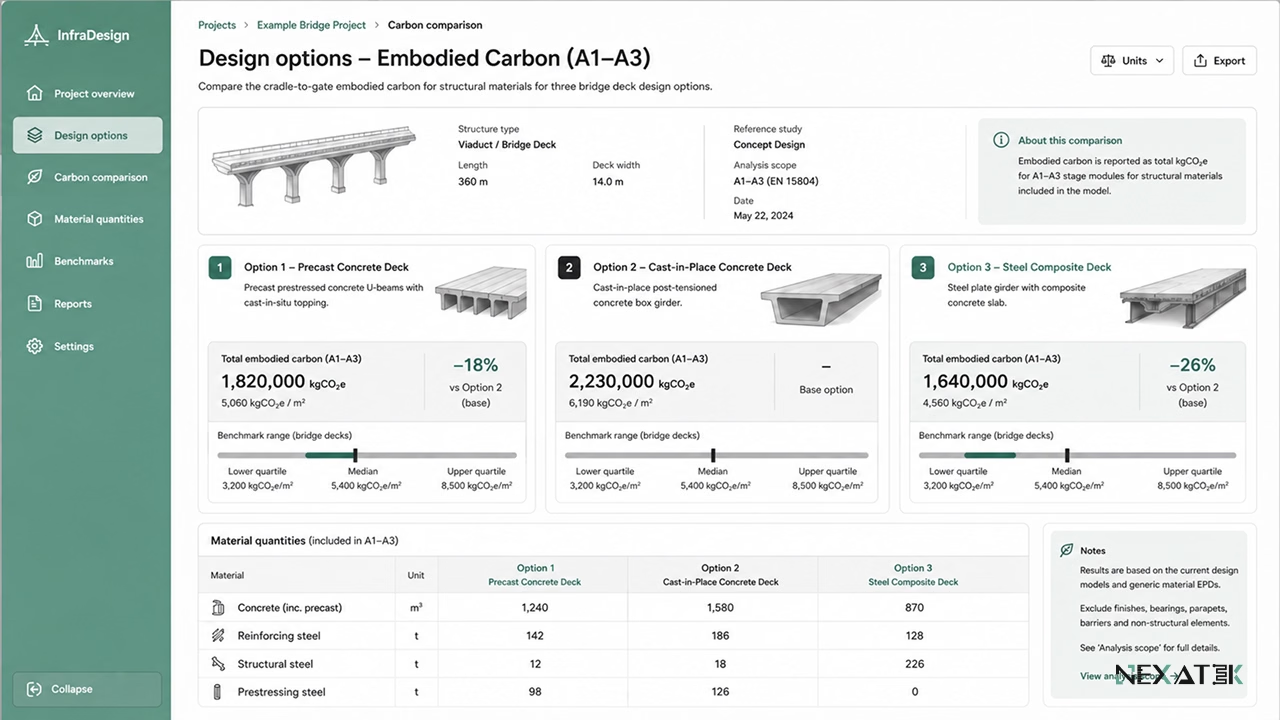
Klimabelastningen fra produksjonsfasen (modul A1-A3) låses i stor grad idet materialspesifikasjonene fastsettes. Tidlig evaluering av ulike løsningsforslag (optioneering) har derfor størst beslutningsverdi. Programvare for klimagassberegninger i sanntid henter data direkte fra prosjekteringsmodellens mengder. Dermed får prosjekterende svar på et brudekkes klimaintensitet direkte i prosjekteringsmøtet, og ikke måneder senere i en ekstern rapport. Forsinkelsen mellom en prosjekteringsendring og den tilhørende klimavurderingen reduseres fra uker til sekunder.
Et praktisk eksempel viser mekanismen: Å erstatte en standard CEM I-betong med en resept som inneholder 50 % slaggsement (GGBS) kan redusere A1-A3-utslippet per kubikkmeter med omtrent en tredjedel. Databasen synliggjør denne forskjellen direkte i tonn CO2e, skalert etter modellmengdene for de ulike alternativene.
Referansetall hentes fra samme kilde: Medianverdier for utslippsintensitet per konstruksjonsdel, utledet fra tidligere prosjekter i databasen, gir konstruktøren et målbart tallkrav fremfor en uforpliktende ambisjon.
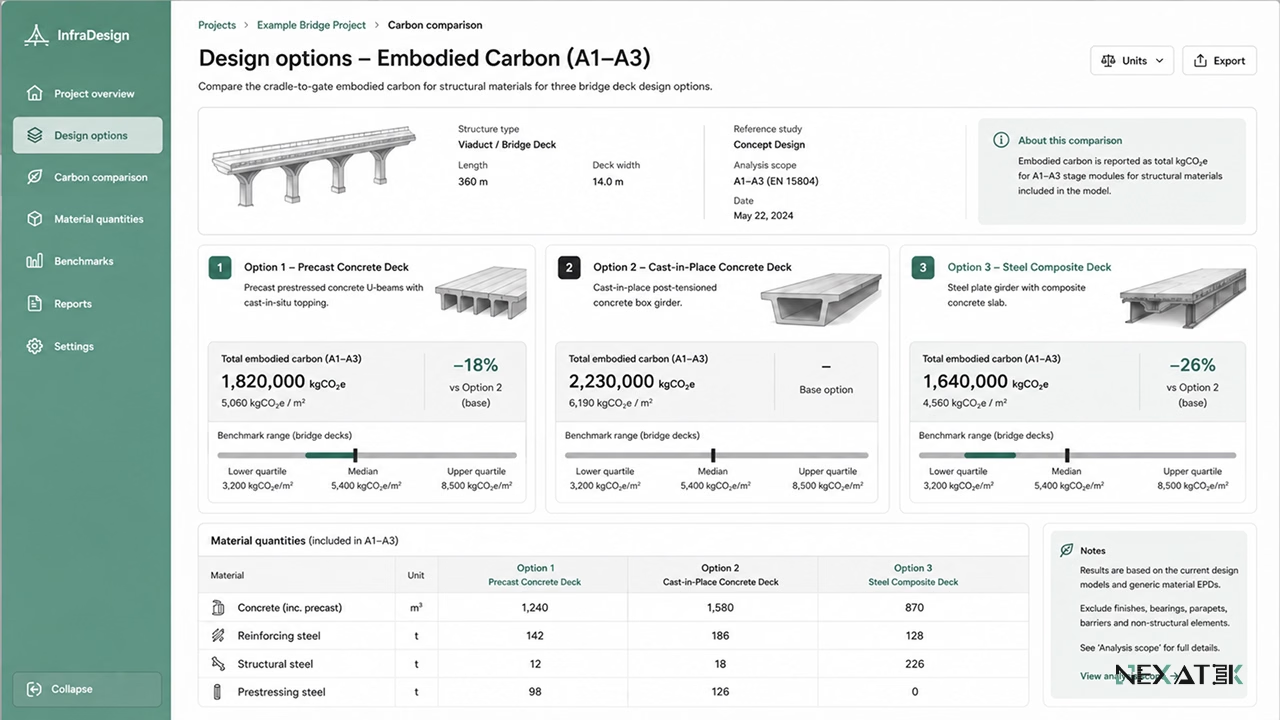 Dashbord-visninger gjør det enklere for rådgivere å sammenligne alternativer mot referanseverdier mens prosjekteringsvalgene ennå er fleksible.
Utslippssporing i anleggsfasen (A4-A5)
For transport (A4) og byggeplassdrift (A5) erstattes teoretiske antakelser av faktiske registreringer så snart anleggsfasen starter. Følgesedler dokumenterer reelle transportavstander, og maskinlogger dokumenterer drivstofforbruket. Begge deler legges inn som as-built-data i databasen ved siden av de opprinnelige kalkylene. Utslippssporing i byggefasen kvantifiserer avvikene: En reell transportavstand på 95 km mot en anbudsforutsetning på 40 km synliggjøres som et målbart tallavvik fremfor en antagelse.
Byggeplassoppfølging kobler dokumentasjon fra felt mot A4-A5-data, slik at prosjekteringsforutsetninger kan sammenlignes med faktiske målinger.
As-built-registreringen sikrer anleggets historiske dataintegritet: Koeffisienter som låses ved overtakelse beskriver konstruksjonen nøyaktig slik den ble bygget. Senere vedlikeholdsplaner og vurderinger av riving og gjenvinning (C1-C4) tar utgangspunkt i dette etablerte grunnlaget.
Teknisk spesifikasjon for databasesynkronisering og API-er
IT-avdelinger vurderer en klimadatabase ut fra dens integrasjonsegenskaper, ikke bare databasens innhold. Et REST-API tilgjengeliggjør databasen for tilknyttede systemer: En forespørsel med materialkode og mengde returnerer den matchede koeffisienten, det beregnede kgCO2e-resultatet og tilhørende opprinnelsesfelter i strukturert JSON-format. Batch-endepunkter prosesserer en hel mengdebeskrivelse i ett enkelt kall.
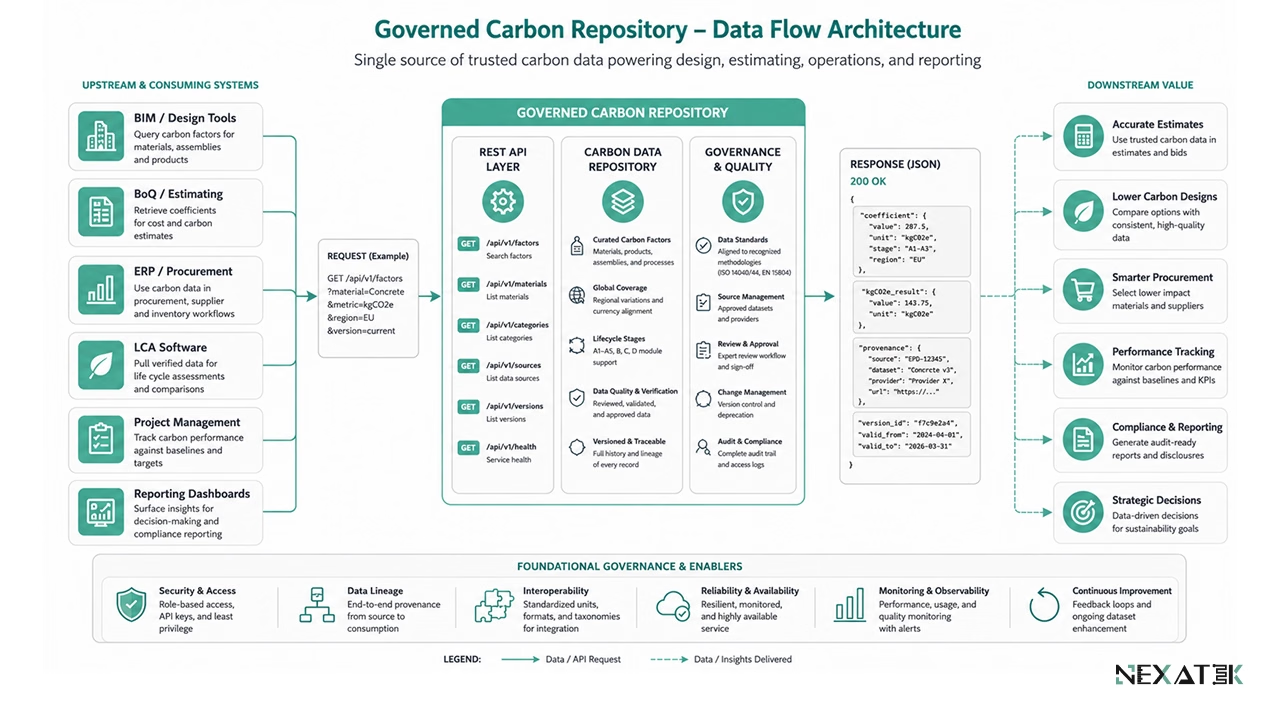 API-tilgang lar BIM-, beskrivelses-, ERP-, LCA- og rapporteringsverktøy operere mot samme styrte klimadatakilde.
Synkronisering løser problemet med løpende endringer: Strømnettets faktorer endres etter faste tidsplaner, og EPD-biblioteker oppdateres fortløpende. Automatiserte bakgrunnsjobber henter reviderte verdier inn i databasen og varsler tilkoblede fagsystemer dersom en faktor i en pågående kalkyle er blitt erstattet.
Tilgangsstyring og sporbarhet sikrer driftsmiljøet: Hvert integrerte system autentiserer med egne nøkler, og enhver verdi som leveres ut bærer versjonsidentifikatoren for beregningsgrunnlaget den ble hentet fra. Frekvensbegrensninger (rate limits) per integrasjon sikrer stabil systemytelse ved store mengdeberegninger.
De samme grensesnittene muliggjør automatisert LCA-dataflyt mot ERP- og prosjektstyringsverktøy. Klimafelter integreres dermed i helhetlige virksomhetssystemer direkte sammen med kostnads- og fremdriftsdata.
Automatisert datamapping og koeffisientvalidering
Nye data innlemmes først etter streng validering: Enhetskontroller avviser en koeffisient oppgitt per kvadratmeter dersom materiallogikken krever kubikkmeter. Rimelighetskontroller sammenligner nye verdier mot referansedatasettet og flagger avvik over en gitt toleranse, for eksempel 40 %, til manuell ingeniørvurdering. En registrering uten godkjent verifiseringsordning eller gyldighetsdato stoppes automatisk.
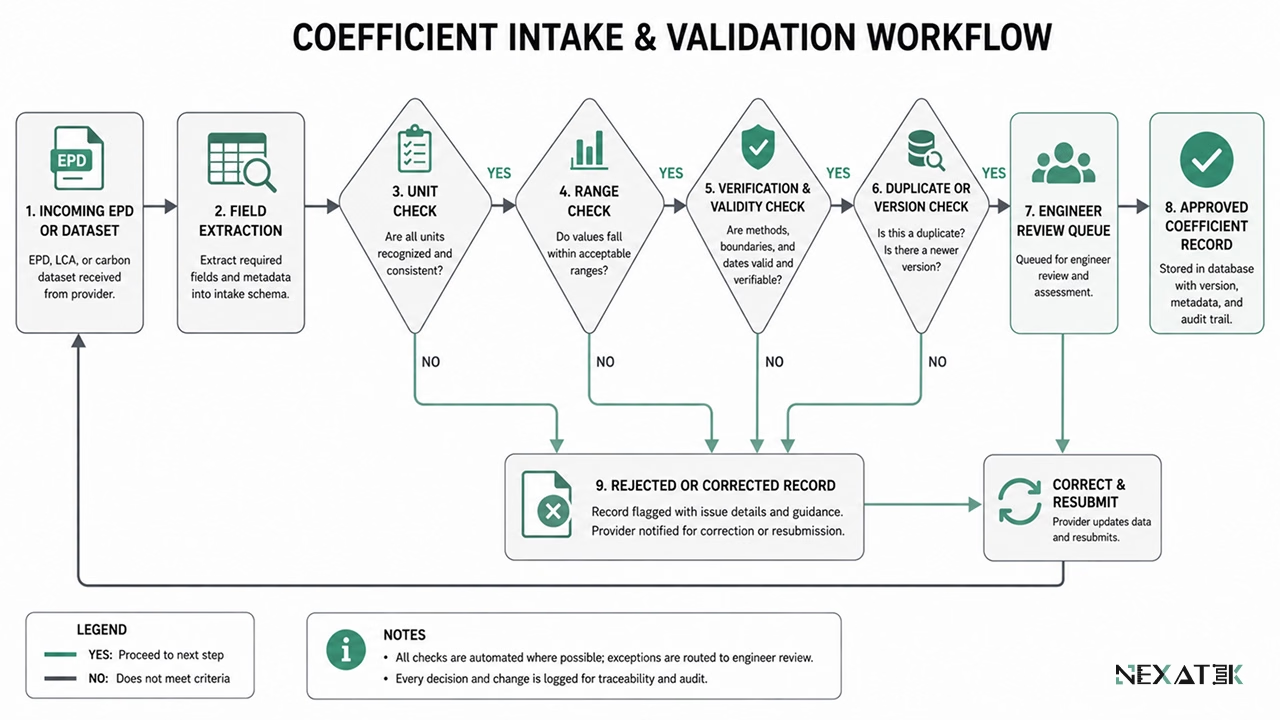 Valideringsrutiner forhindrer feil enheter, manglende kildedokumentasjon, utgåtte data og urealistiske verdier i rapportene.
Kontrollene fanger opp reelle feil: En faktor lagt inn som 185 kgCO2e der 1,85 var det korrekte tallet, stoppes umiddelbart i terskelkontrollen før det når frem til prosjektets klimaregnskap.
Automatisert datafangst håndterer selve EPD-importen: Strukturert dataekstraksjon konverterer en publisert EPD til en standardisert post, og et unntakshåndteringssystem ruter mangelfulle dokumenter til manuell gransking. Dette representerer praktisk arbeidsflytautomatisering for anleggsfagene anvendt på miljødata.
Regelverksetterlevelse og industristandarder (PAS 2080 & RICS)
Rammeverk for dekarbonisering i infrastruktursektoren krever etterprøvbare beregninger fremfor generelle miljøpåstander. PAS 2080, den ledende standarden for klimagasshåndtering i infrastruktur, stiller krav om å etablere referansenivåer (baselines) og kvantifisere utslipp gjennom hele verdikjeden. RICS' retningslinjer for Whole Life Carbon definerer entydige modulgrenser for rapporteringen. Felles for begge standarder er kravet om full sporbarhet tilbake til kildedokumentene.
Databasestrukturen sikrer denne sporbarheten automatisk: Hvert tall i et klimagassregnskap peker direkte tilbake til en navngitt koeffisient og dennes gyldighetsperiode. Når en revisor etterspør hvorfor en spesifikk stålverdi ble benyttet i en 2025-beregning, besvares dette med et databaseoppslag fremfor manuell leting i prosjektarkiver. Enhetlig modulkoding gjør det også mulig å sammenligne resultater på tvers av en samlet infrastrukturportefølje.
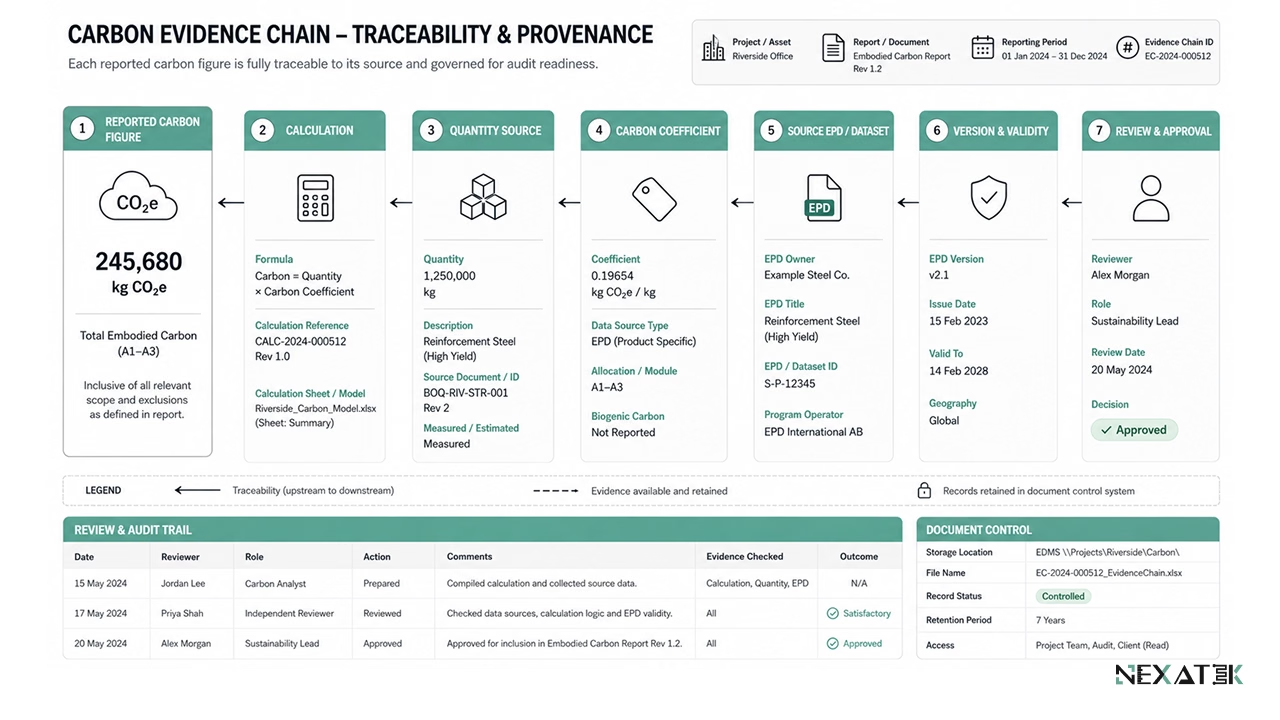 Full sporbarhet kobler hvert rapporterte tall til koeffisienten, kildedokumentet, versjonen, gyldighetsperioden og beregningskonteksten.
Det er i innkjøps- og tilbudsfasen standardiserte data viser sin kommersielle verdi: Når to tilbydere deklarerer klimagassutslipp for samme betongkvalitet mot identiske koeffisienter, er sammenligningsgrunnlaget etterprøvbart og rettferdig. Byggherren kan dermed vurdere CO2-utslipp som et likeverdig kriterium ved siden av pris.
Semantisk mapping: Koblingen mellom mengdebeskrivelser og utslippskoeffisienter
En mengdebeskrivelse beskriver materialer i prosjektets fagspråk: «Betong C32/40, sulfatbestandig, i pælehatter». En klimadatabase beskriver samme materiale i sitt eget fagspråk, der fasthetsklasse og sementtype ofte er kodet annerledes. I gapet mellom disse to formatene skjer det klassifiseringsarbeidet der manuelle klimaberegninger oftest mister presisjon.
Semantisk mapping automatiserer dette leddet: Koblingslogikken analyserer hver post i beskrivelsen, bryter den ned til definerte materialegenskaper og foreslår den best matchende koeffisienten fra registeret sammen med en konfidensskår. Fasthetsklasse og sementtype behandles som uavhengige attributter, slik at selv en ufullstendig beskrivelse snevrer inn kandidatlisten betraktelig.
En posttekst som «Armeringsstål B500B, diameter 16 mm» matches direkte til riktig EPD-oppføring for kamstål. En tvetydig post som «fyllmasser, tilkjørt» sendes automatisk til en godkjenningskø for manuell avklaring av en ingeniør.
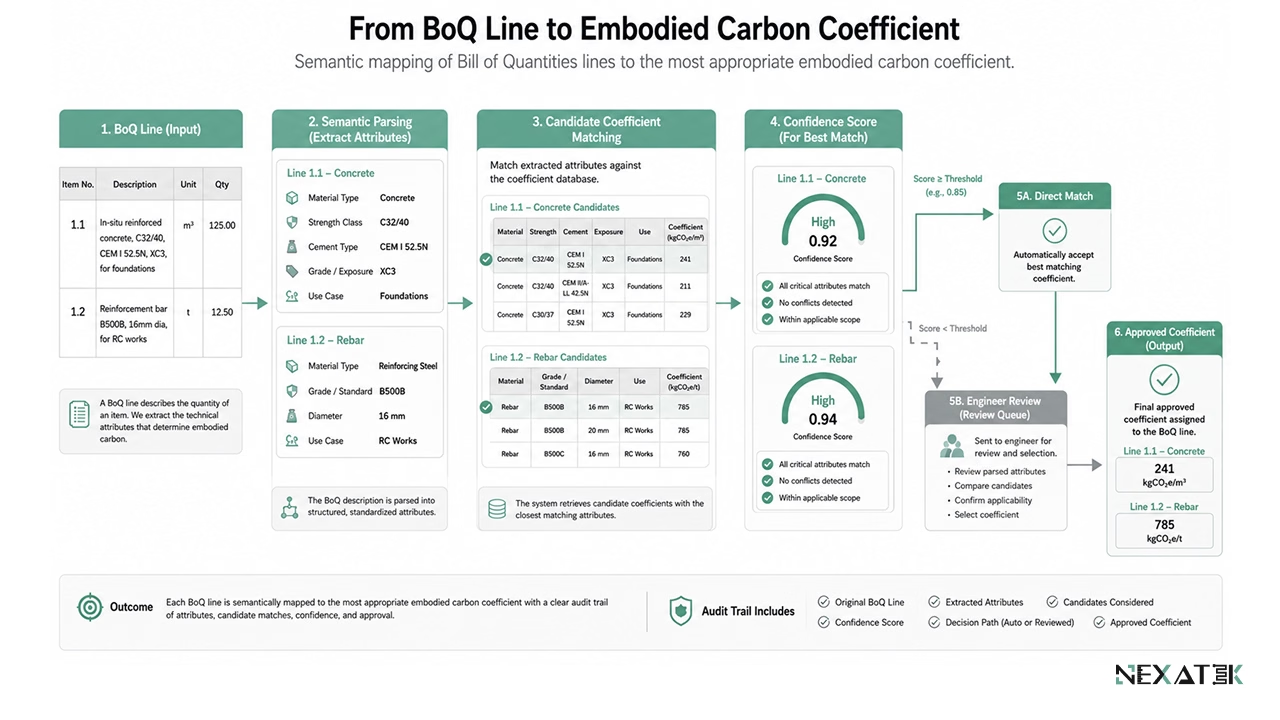 Semantisk matching gjør prosjektbeskrivelser om til strukturerte attributter før best tilpassede koeffisient foreslås.
Feilklassifisering – som at en generisk betongfaktor knyttes til en lavkarbonbetong – forplanter seg som systematiske feil i alle etterfølgende rapporter. Automatisert kobling med manuell godkjenning dokumenterer begrunnelsen bak hver eneste koblingsbeslutning.
Regelsettene forbedres over tid: Verifiserte matcher føres tilbake til systemet, og gjentakende formuleringer fra kalkulasjonsprogrammer oppgraderes fra statistiske gjetninger til faste regler. NEXATEK kalibrerer disse matchingmetodene gjennom anvendt ingeniørforskning, slik at koblingslogikken forblir transparent, dokumentert og etterprøvbar.