

Database CO2-uitstoot
Krijg toegang tot een uitgebreide database voor koolstofemissies, specifiek ontwikkeld voor de civiele techniek. NEXATEK biedt een uitgebreide, continu onderhouden database die technische materialen, bouwactiviteiten, apparatuur, transport en energieverbruik omvat om nauwkeurige koolstofbeoordelingen en duurzaamheidsrapportages te ondersteunen.
Uitgebreide Emissiedatabase
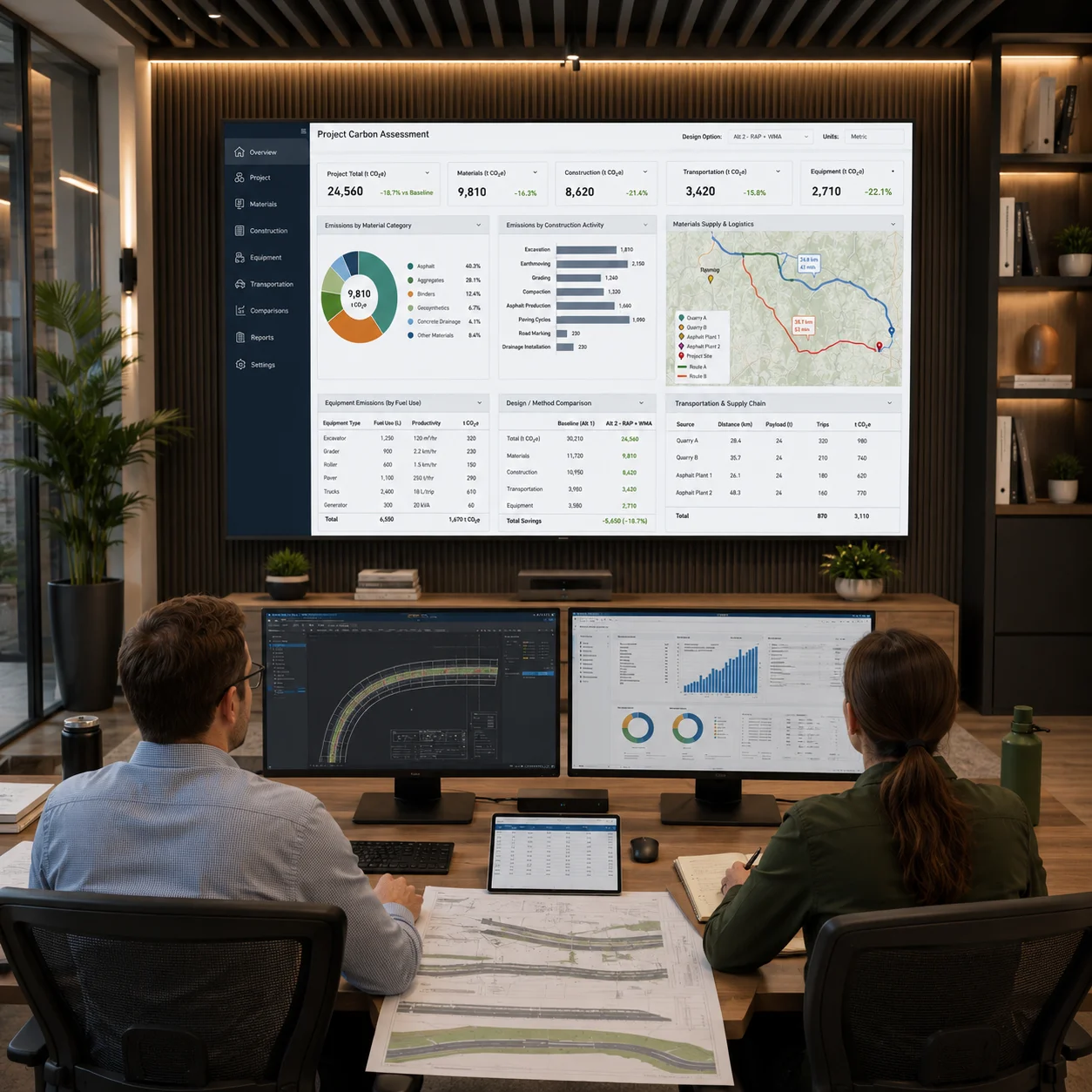
Datakwaliteit & Standaardisatie
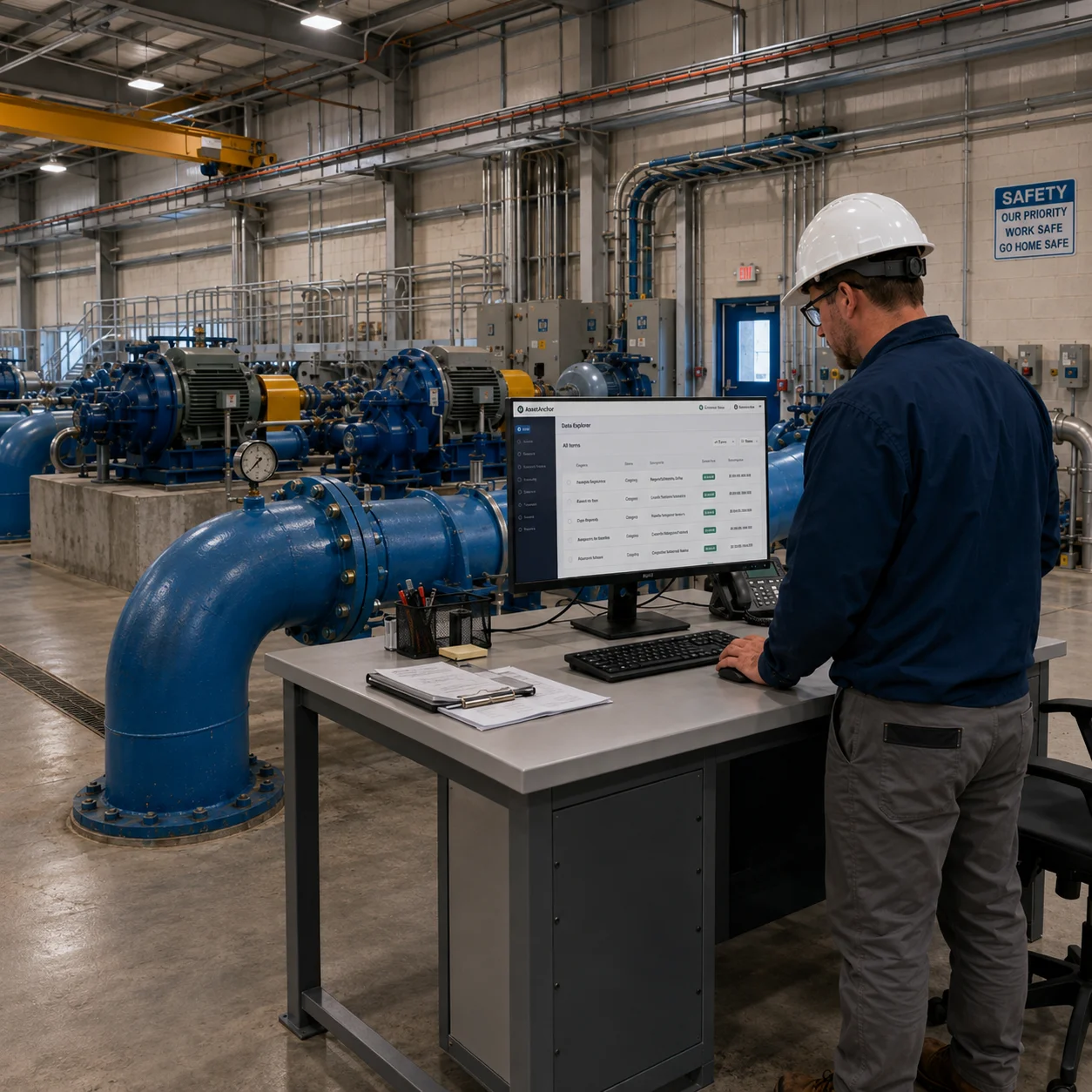
Integratie & Technische Toepassingen
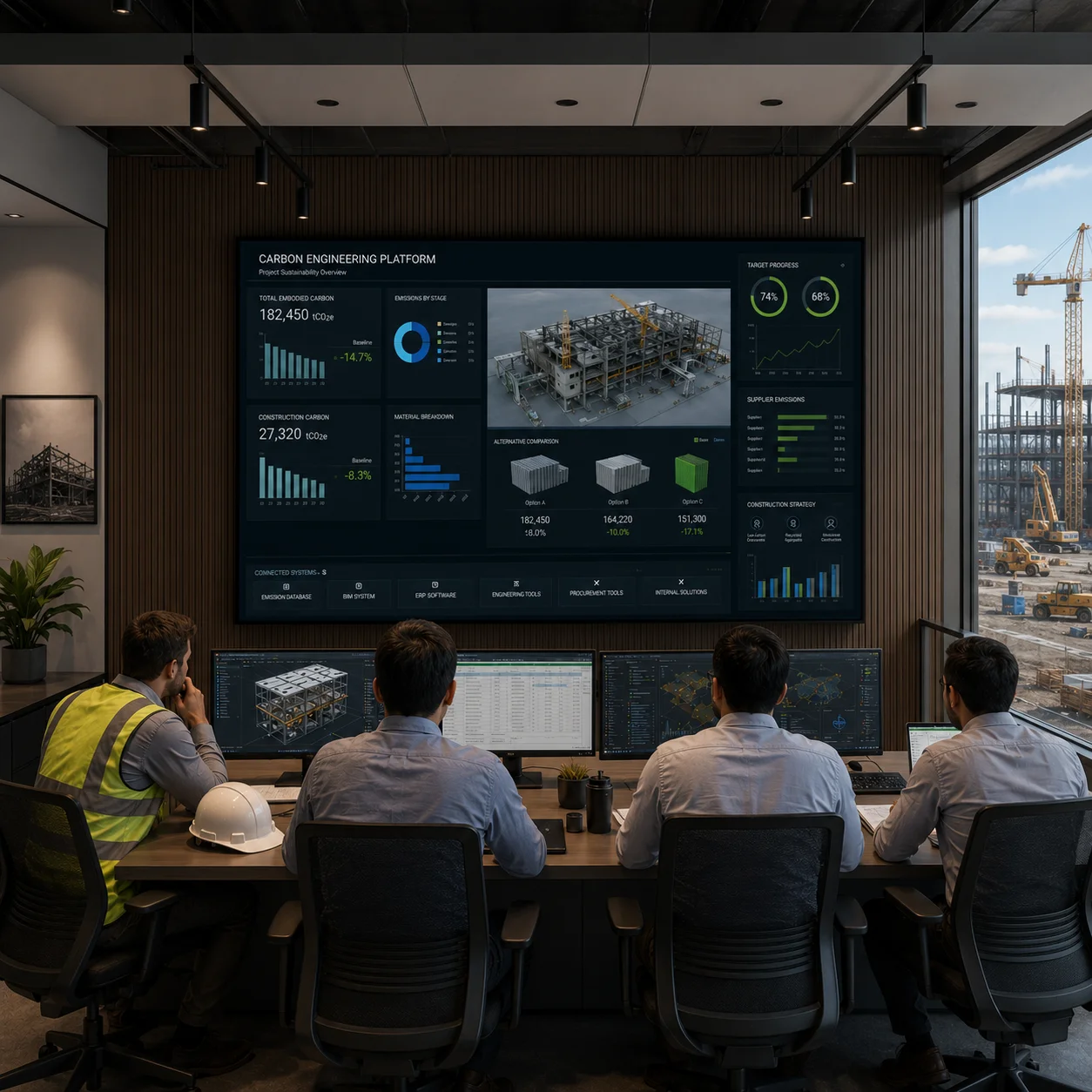
Duurzaamheid & Besluitvorming
Veelgestelde Vragen
Het bijhouden van CO2-uitstoot is het proces van het schatten en analyseren van de koolstofvoetafdruk die wordt gegenereerd gedurende de levenscyclus van een constructie...
Het bijhouden van emissies geeft u een duidelijk inzicht in uw milieu-impact...
Wij maken gebruik van in de sector erkende methodologieën...
Lagere emissies leiden tot lagere energierekeningen, verbeterde efficiëntie...
Het bijhouden van CO2-uitstoot is waardevol in alle sectoren...
Vergelijkbare projecten
Ontdek meer innovatieve projecten:



Geweldige
Oplossingen
Beginnen Met Een GesprekGeweldige Oplossingen Beginnen Met Een Gesprek
Wilt u ontdekken hoe onze diensten uw bedrijf kunnen laten groeien?
Databasebeheer van CO2-emissies voor civiele infrastructuurwerken
Een enkel viaductontwerp kan meer dan 300 materiaalspecificaties omvatten, waarvan veel emissiewaarden worden aangeleverd als PDF-documenten. Het handmatig verzamelen en overtypen van deze gegevens kost honderden ingenieursuren en leidt tot overnamefouten die vaak pas maanden later tijdens een audit aan het licht komen. Digitaal databasebeheer voor ingebedde koolstof (embodied carbon) vervangt deze handmatige aggregatie door een centrale, gestructureerde repository van geverifieerde emissiecoëfficiënten, direct gekoppeld aan BIM- en levenscyclusanalysemethoden (LCA). NEXATEK ontwikkelt dergelijke databases voor infrastructuurbeheerders en ingenieursbureaus, doorgaans als onderdeel van een breder programma voor digitale transformatie in de civiele techniek.
Het bestandsformaat is bepalend: Een emissiecoëfficiënt die is opgeslagen als een machineleesbaar record kan geautomatiseerd worden opgevraagd, gevalideerd, geversioneerd en gedeeld via een Common Data Environment (CDE). Hetzelfde getal dat vastzit in een gescande PDF blijft daarentegen ontoegankelijk voor geautomatiseerde verwerking.
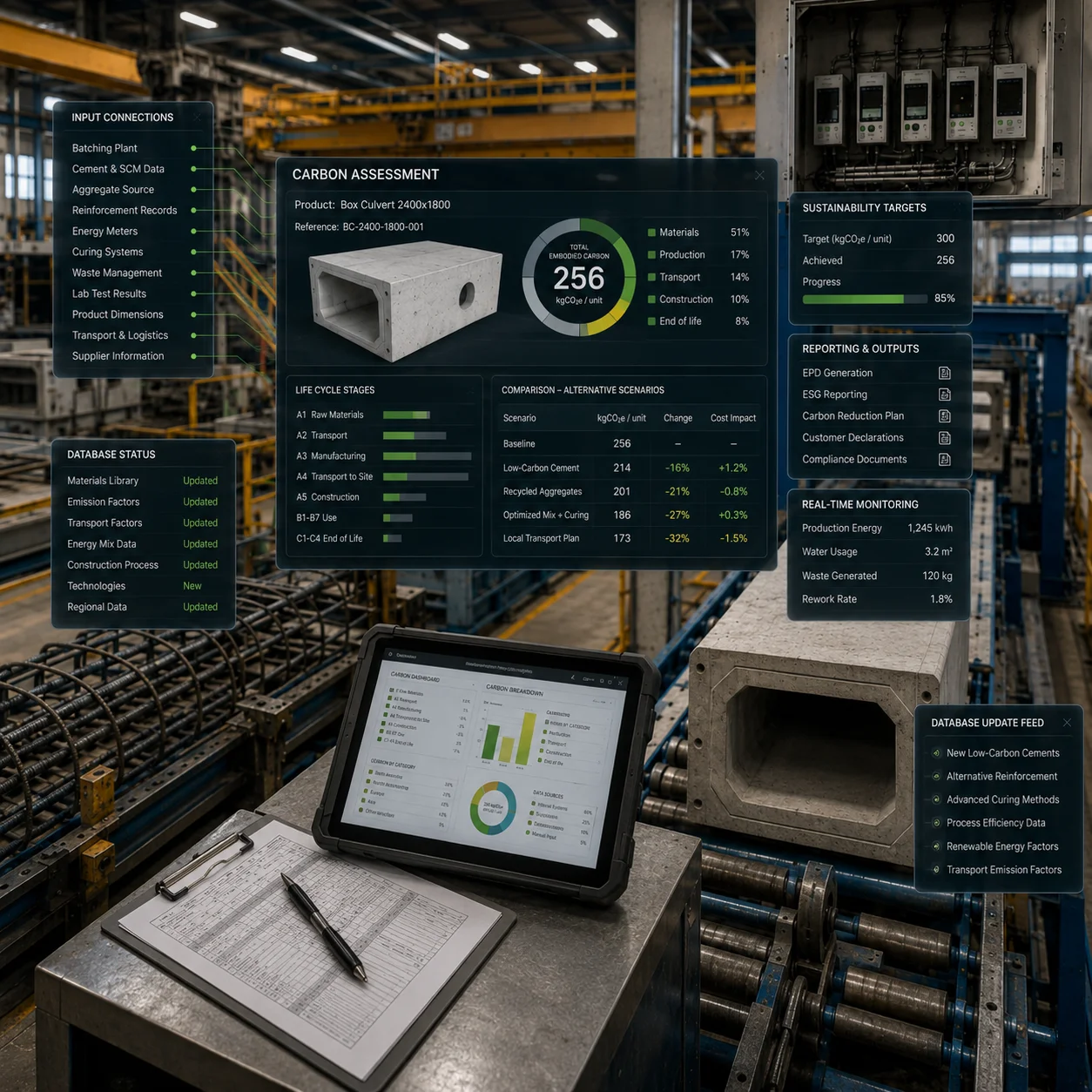
 Een beheerde repository zet verspreide PDF-waarden om in gestructureerde data die ingenieurs direct kunnen bevragen, valideren en hergebruiken.
De architectuur van een centrale repository voor CO2-data
Een spreadsheet bewaart een emissiecoëfficiënt als een los getal in één cel. Een professioneel beheerde database slaat deze op als een gestructureerd record met vastgelegde attributen. Deze omvatten de functionele eenheid, het aardopwarmingsvermogen (Global Warming Potential, GWP) in kilogram CO2-equivalent (kgCO2e), de gedekte levenscyclusfasen, het geografische bereik en de geldigheidsduur. Herkomstvelden borgen de bron van elke waarde, zoals een milieuproductverklaring (EPD / MRPI) die is getoetst conform ISO 14025 en EN 15804.
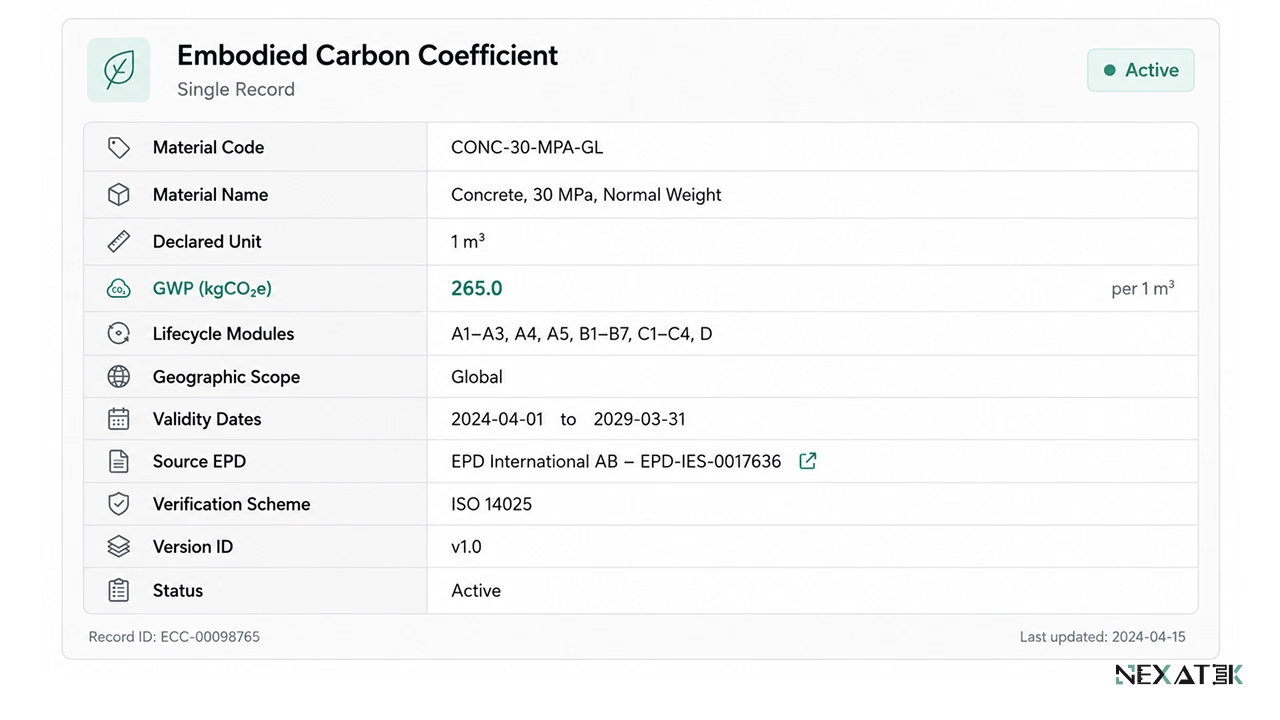 Elke coëfficiënt vereist voldoende context om projectoverstijgend te kunnen worden toegepast, gecontroleerd, geversioneerd en geaudit.
Deze opzet voorkomt versnippering van data: EPD's verschijnen in afwijkende PDF-lay-outs, nationale databases publiceren in uiteenlopende standaarden en lokale kopieën van spreadsheets gaan binnen enkele maanden onherroepelijk uit de pas lopen.
Versiebeheer is een tweede vereiste: EPD's verlopen doorgaans na vijf jaar en emissiefactoren voor het elektriciteitsnet verschuiven naarmate de energiemix verduurzaamt. Historische waarden behouden hun geldigheidsperiode in het systeem, waardoor een berekening uit 2024 ook in 2027 exact kan worden gereproduceerd.
Generieke referentiedatabases krijgen een vaste plaats binnen de structuur: Bronnen zoals het Inventory of Carbon and Energy (ICE) of nationale milieudatabases vullen de leemtes op wanneer er geen fabrikantspecifieke EPD voorhanden is. Een duidelijke hiërarchie borgt consistente dataopvraging: productspecifieke EPD eerst, vervolgens branchegemiddelden, en daarna generieke data.
Ingebedde koolstof en operationele emissies blijven strikt gescheiden: Modulelabels differentiëren tussen productie (A1-A3), bouw/aanleg (A4-A5), gebruik (B1-B7) en einde levensduur (C1-C4). Dit stelt organisaties in staat om volledige Whole Life Carbon-rapportages (WLC) op te stellen vanuit één centrale gegevensbron.
EPD-data standaardiseren voor BIM-interoperabiliteit (IFC & COBie)
Klimaatdata wordt op grote schaal pas echt effectief wanneer deze rechtstreeks aan digitale modelelementen wordt gekoppeld. Door elk databaserecord te mappen aan IFC-klassen kan een BIM-geïntegreerde CO2-database een paalfundering of asfaltdeklaag automatisch koppelen aan de juiste coëfficiënt zonder handmatig zoekwerk. De naamgeving van elementen volgt dezelfde methodiek: Een record voor stortklaar beton bevat naast de handelsomschrijving ook de bijbehorende IFC-materiaalspecificatie. Hierdoor verwijzen verschillende modelleertools altijd naar hetzelfde bronrecord.
Het synchroniseren van eenheden is een terugkerend knelpunt: Een BIM-model exporteert beton in kubieke meters, terwijl de fabrikant zijn EPD per ton declareert. Vaak overbrugt een impliciete dichtheidsaanname geruisloos dit verschil. Een professioneel beheersysteem voor civieltechnische EPD's maakt deze omrekening expliciet door de gehanteerde dichtheidsfactor inclusief bronvermelding direct naast de coëfficiënt te borgen.
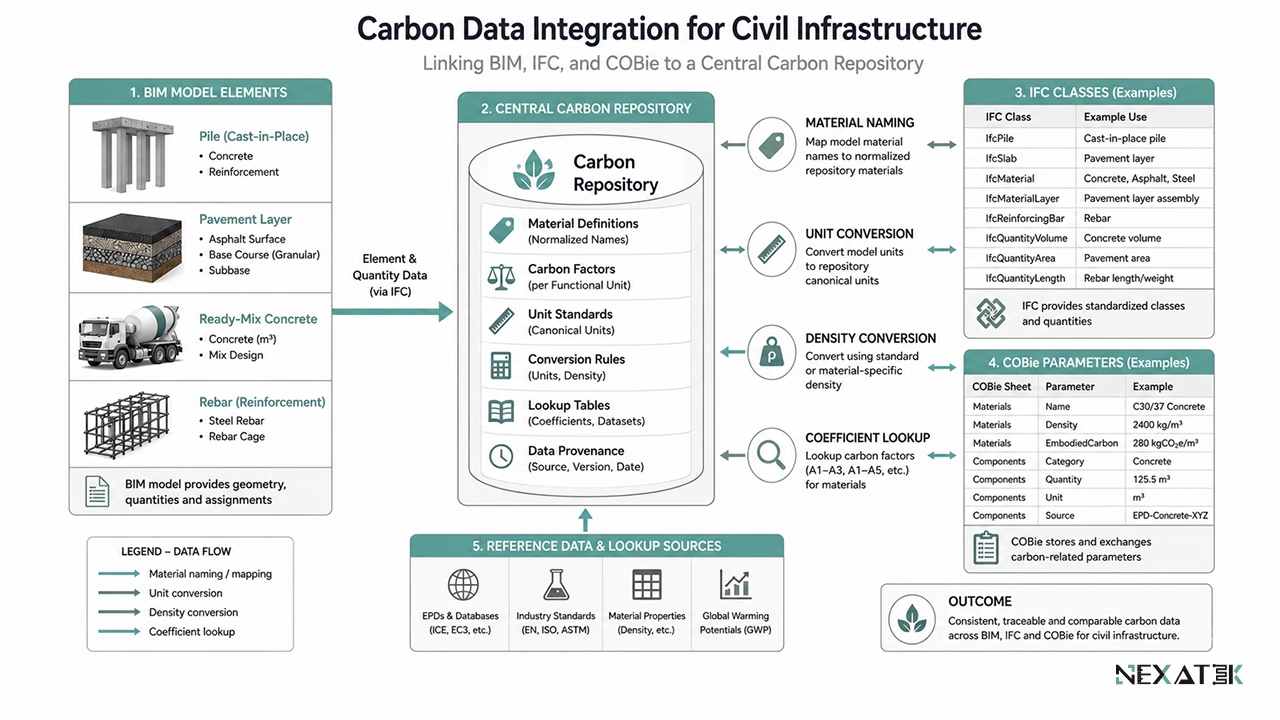 BIM-interoperabiliteit steunt op consistente materiaalnaamgeving, expliciete eenheidsconversies en gestandaardiseerde CO2-parameters.
COBie-parameters borgen deze integratie tot aan de overdracht: Emissiereferenties blijven gekoppeld aan het assetregister, waardoor de beheerder beschikt over emissiecoëfficiënten die direct verbonden zijn aan de objecten die de onderhoudsteams reeds beheren.
Integratie van CO2-databases in de levenscyclus van assets
Klimaatvraagstukken veranderen van karakter naarmate een kunstwerk verschuift van ontwerptafel naar realisatie en beheer. Ontwerpteams hebben behoefte aan benchmarks voor variantenstudies. Uitvoeringsteams sturen op as-built-registraties en assetmanagers moeten onderhoudswerkzaamheden toewijzen aan de juiste gebruiksfasemodules. Eén centrale database ondersteunt al deze fases mits de data voorzien is van de juiste levenscycluslabels.
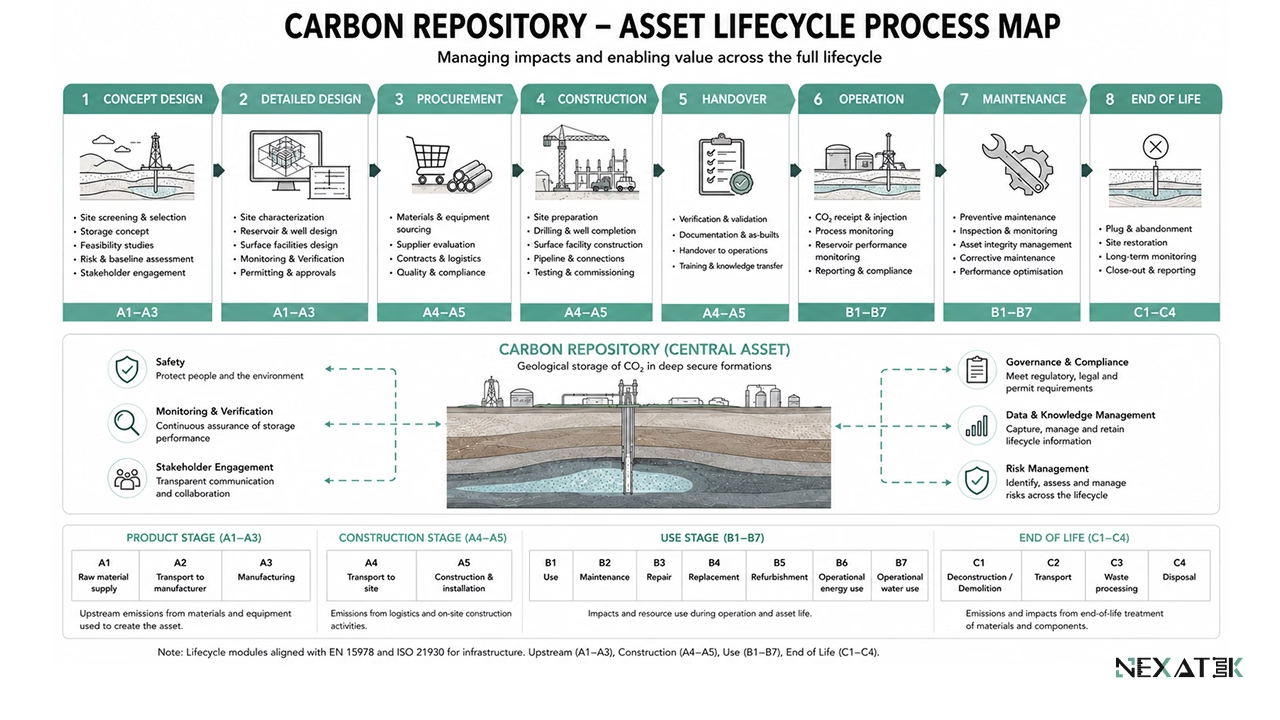 Dezelfde repository ondersteunt schetsontwerp, bouwmonitoring, overdracht, beheer, onderhoud en sloopbeoordelingen.
Gebruiksfasedata (B1-B7) houdt de database decennialang actueel: Het vervangen van brugopleggingen of een asfaltonderhoudscyclus haalt actuele materiaaldata op uit hetzelfde systeem. De milieulast wordt zuiver toegekend aan de modules B2 tot en met B5, zonder de oorspronkelijke aanlegtotalen te vervuilen.
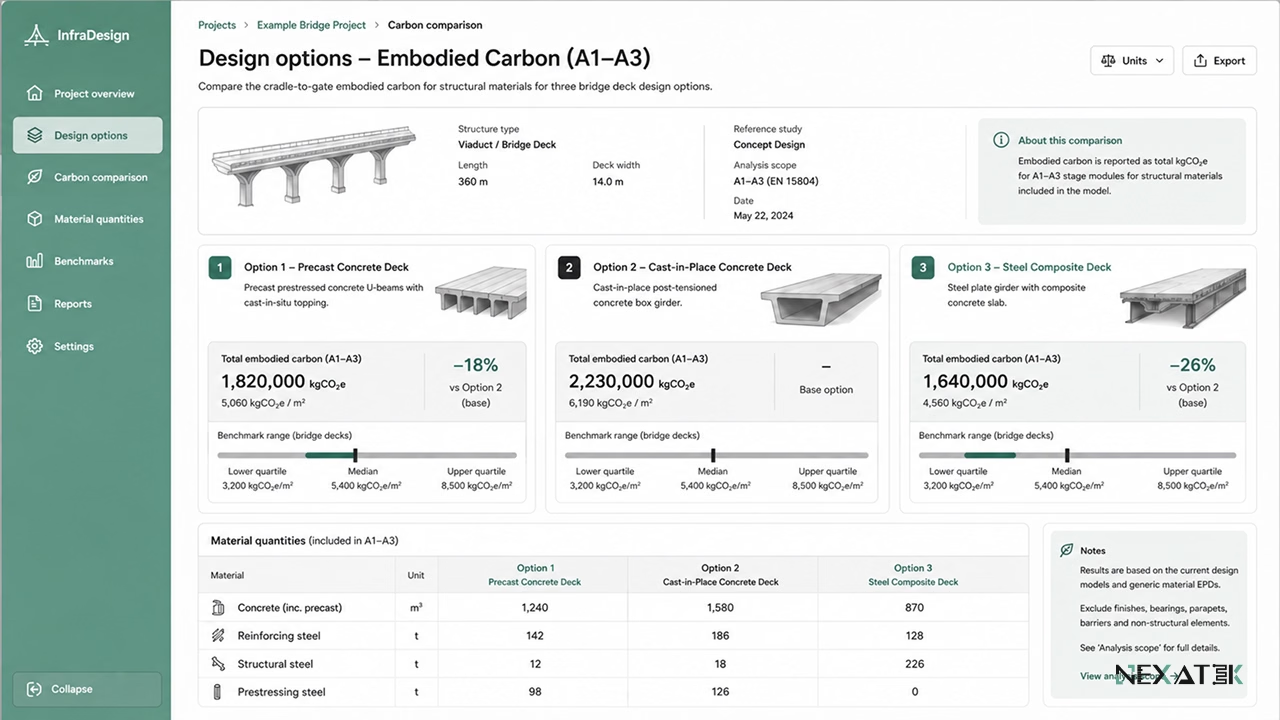
Variantenstudies en materiaalkeuze in de vroege ontwerpfase (A1-A3)
Emissies in de productiefase (modules A1-A3) liggen grotendeels vast op het moment dat een materiaal wordt voorgeschreven. Het vroegtijdig afwegen van ontwerpalternatieven (optioneering) levert daarom de hoogste klimaatwinst op. Software voor realtime CO2-optimalisatie bevraagt de database rechtstreeks op basis van de ontwerpvolumes. Hierdoor is de CO2-intensiteit van een dekconstructie al tijdens de ontwerpsessie bekend, en niet pas bij de volgende formele rapportage. De vertraging tussen een ontwerpaanpassing en de milieubeoordeling wordt teruggebracht van weken naar seconden.
Een rekenvoorbeeld toont de impact: Het vervangen van standaard CEM I-beton door een mengsel met 50% hoogovenslak verlaagt de A1-A3-waarde per kubieke meter met circa een derde. De database vertaalt dit verschil direct in tonnen CO2e, berekend over de totale hoeveelheden van beide ontwerpvarianten.
Referentiewaarden komen uit dezelfde bron: Gemiddelde CO2-intensiteiten per constructietype, afgeleid van historische projecten in de repository, bieden constructeurs concrete numerieke doelstellingen in plaats van abstracte ambities.
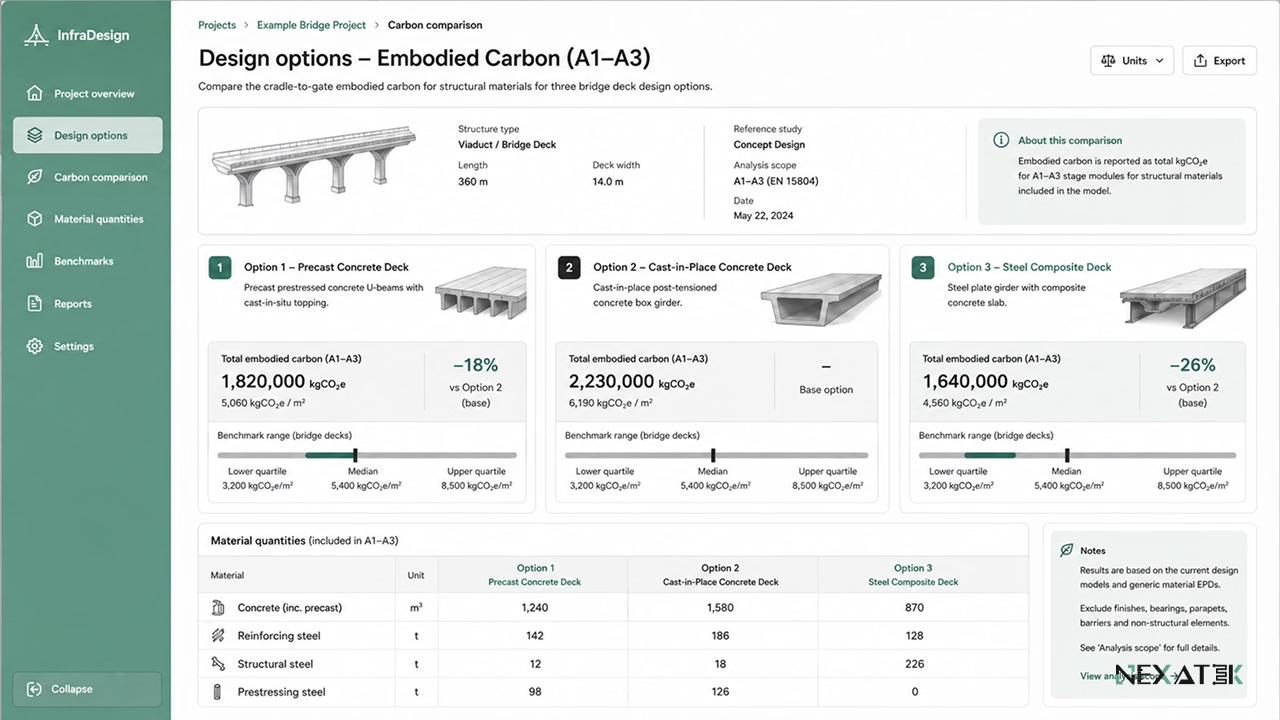 Dashboard-weergaven stellen ingenieurs in staat ontwerpalternatieven te toetsen aan benchmarks zolang keuzes nog flexibel zijn.
Monitoring van emissies tijdens de uitvoeringsfase (A4-A5)
In de modules transport (A4) en bouwuitvoering (A5) maken aannames plaats voor feitelijke metingen zodra de realisatie start. Weegbonnen en vrachtbrieven tonen de werkelijk gereden transportafstanden; draaiurenregistraties leggen het werkelijke brandstofverbruik vast. Beide belanden als as-built-data in de database naast de oorspronkelijke inschattingen uit de aanbesteding. CO2-monitoring tijdens de bouw maakt het verschil direct inzichtelijk: Een werkelijke transportafstand van 95 km versus een aanname van 40 km in de inschrijving wordt zichtbaar als een harde afwijking.
Uitvoeringsmonitoring koppelt praktijkdata aan A4-A5-records, zodat ontwerpuitgangspunten getoetst worden aan de realiteit.
As-built-registratie borgt tevens het langetermijndossier van het kunstwerk: Factoren die bij oplevering worden vastgelegd, beschrijven het werk zoals het daadwerkelijk is gebouwd. Elk toekomstig onderhoudsplan of elke einde-levenscyclusstudie (C1-C4) vertrekt vanuit deze gevalideerde nulmeting.
Technische specificaties voor databasesynchronisatie en API's
IT-afdelingen beoordelen een CO2-database vooral op haar integratiearchitectuur. Een REST-API ontsluit het systeem naar omliggende applicaties: Een verzoek met een materiaalcode en een hoeveelheid retourneert de gematchte coëfficiënt, de berekende kgCO2e-waarde en de bijbehorende herkomstgegevens in JSON-formaat. Batch-endpoints verwerken complete meetstaten in één enkele API-aanroep.
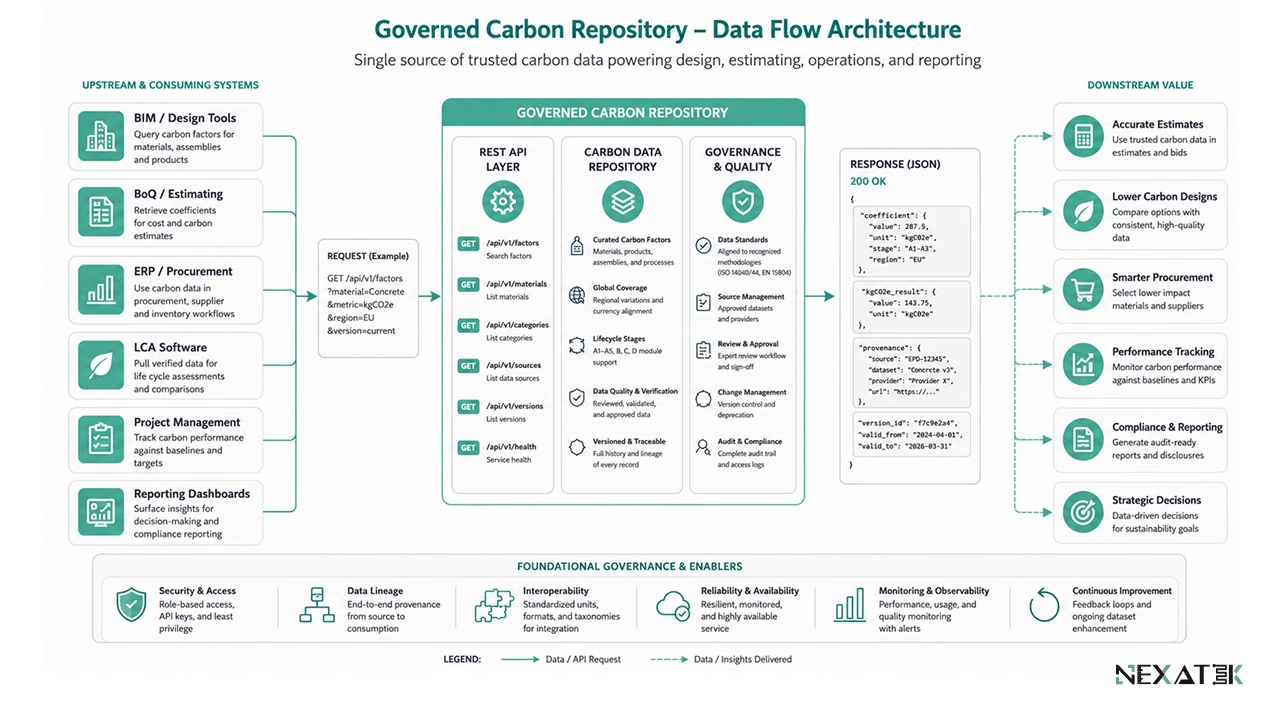 API-koppelingen stellen BIM-, calculatie-, ERP-, LCA- en rapportagesystemen in staat dezelfde gevalideerde bron te raadplegen.
Geautomatiseerde synchronisatie vangt veranderende datasets op: Netemissiefactoren wijzigen volgens gepubliceerde schema's en EPD-databanken breiden continu uit. Geplande achtergrondtaken laden gewijzigde waarden in en attenderen aangesloten applicaties wanneer een coëfficiënt in een lopende berekening is herzien.
Toegangsbeheer en audit-trails maken de specificatie compleet: Elk aangesloten systeem authenticeert via eigen inloggegevens en elke geretourneerde waarde bevat het specifieke versie-ID waaronder deze is verstrekt. Rate-limiting waarborgt systeemstabiliteit bij zware bulkbevragingen.
Dezelfde interfaces ondersteunen geautomatiseerde LCA-uitwisseling met ERP- en projectbeheersoftware. Hierdoor worden CO2-parameters binnen geïntegreerde enterprise-oplossingen direct getoond naast kostenramingen en planningsdata.
Geautomatiseerde datamapping en validatie van coëfficiënten
Inkomende data wordt pas geaccepteerd na strenge validatie: Eenheidscontroles weigeren een coëfficiënt die per vierkante meter is gedeclareerd wanneer de systeemlogica kubieke meters vereist. Plausibiliteitscontroles toetsen nieuwe invoer aan referentiedatasets en blokkeren waarden die meer dan bijvoorbeeld 40% afwijken voor handmatige review door een ingenieur. Datarecords zonder erkend certificeringsstelsel of geldige datumstempel worden aan de poort geweigerd.
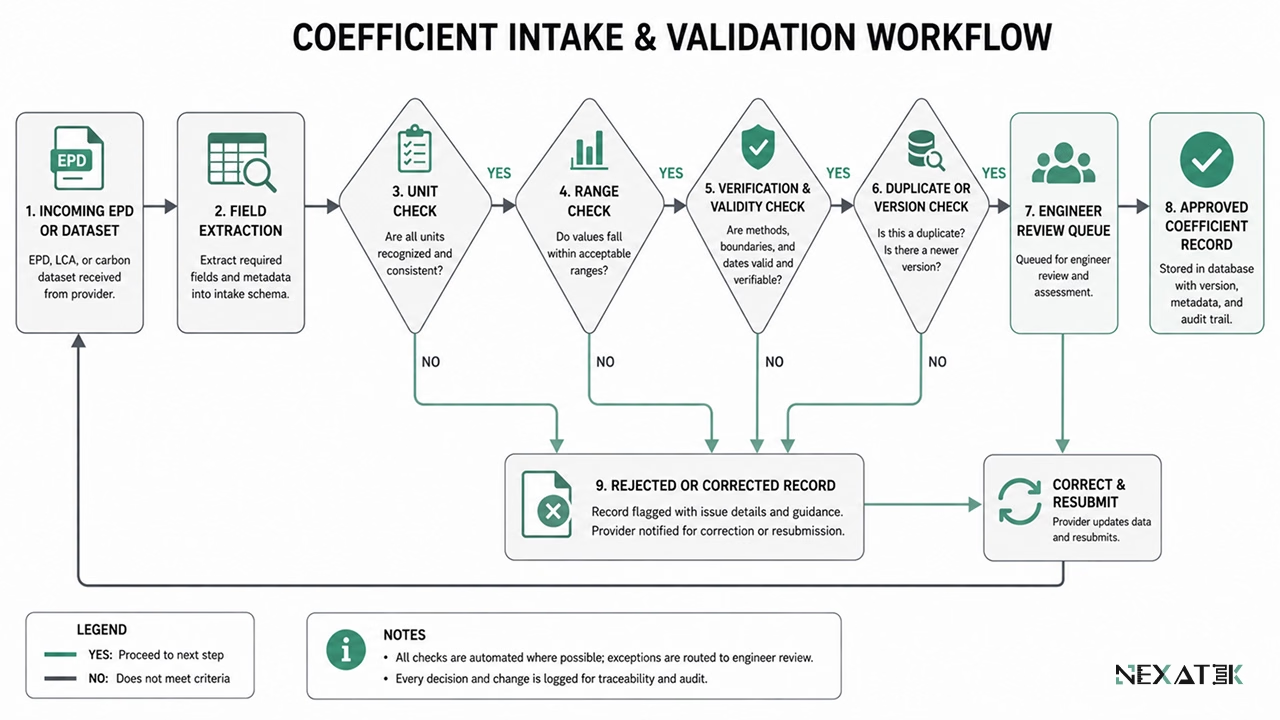 Validatieroutines voorkomen dat foutieve eenheden, ontbrekende bronnen, verlopen data en afwijkende waarden rapportages binnendringen.
Deze controles elimineren menselijke fouten: Een invoerfout van 185 kgCO2e in plaats van de bedoelde 1,85 kgCO2e strandt direct op de tolerantietoets, ruim voordat de data in projectrapportages wordt verwerkt.
Geautomatiseerde data-extractie verwerkt de instroom van EPD's: Veldherkenning transformeert een PDF-declaratie in een gestructureerd record. Onvolledige documenten belanden in een uitzonderingenwachtrij ter beoordeling. Dit type regels vormt praktische procesautomatisering in de civiele techniek, toegepast op duurzaamheidsdata.
Voldoen aan wet- en regelgeving en branchenormen (PAS 2080 & RICS)
Kaders voor infrastructurele decarbonisatie eisen gekwantificeerde bewijslast in plaats van kwalitatieve claims. PAS 2080, de toonaangevende standaard voor koolstofmanagement in de infrastructuur, verplicht organisaties om baselines op te stellen en emissies over de gehele waardeketen te kwantificeren. RICS-richtlijnen voor Whole Life Carbon borgen eenduidige modulegrenzen. Beide standaarden steunen op data die herleidbaar is tot de bron.
De relationele databasestructuur levert deze traceerbaarheid als vanzelf: Elk cijfer in een duurzaamheidsrapportage linkt direct terug naar een specifieke coëfficiënt en de bijbehorende geldigheidstermijn. Vraagt een auditor waarom bij een staalberekening in 2025 een bepaalde waarde is aangehouden, dan geeft een databasequery direct uitsluitsel in plaats van een langdurige zoektocht door projectarchieven. Uniforme modulelabels borgen bovendien de vergelijkbaarheid over grote kunstwerkenportefeuilles heen.
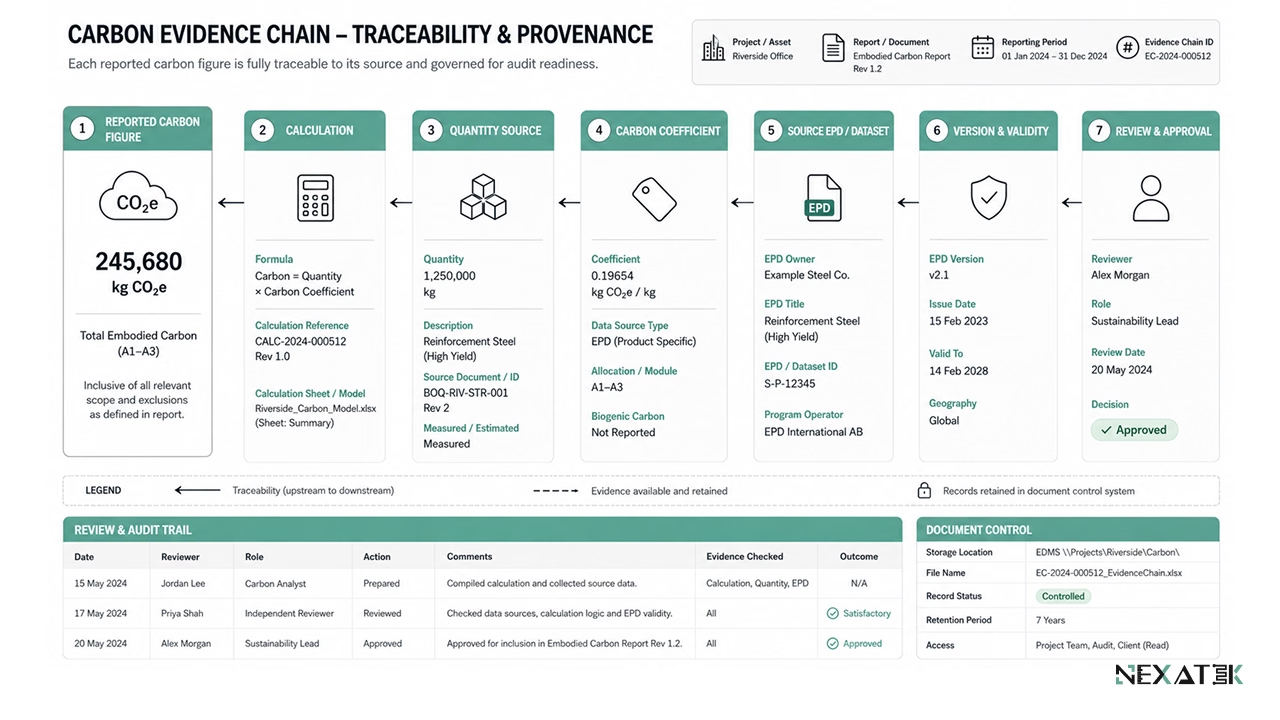 Volledige herleidbaarheid koppelt gerapporteerde totalen aan broncoëfficiënten, brondocumenten, versies en berekeningscontexten.
Tijdens de aanbestedingsfase bewijst gestandaardiseerde data haar zakelijke waarde: Wanneer twee inschrijvers het CO2-profiel van dezelfde betonspecificatie berekenen met dezelfde emissiefactoren, ontstaat een verifieerbare en eerlijke vergelijking. De opdrachtgever kan CO2-impact vervolgens volwaardig meewegen naast de inschrijfsom.
Semantische mapping: De kloof dichten tussen meetstaten en emissiefactoren
Een bestek of meetstaat beschrijft materialen in projecttaal: „Beton C32/40, sulfaatbestandig, ten behoeve van poeren“. Een milieudatabase beschrijft hetzelfde materiaal in haar eigen vaktaal, waarbij sterkteklasse en cementtype vaak anders gecodeerd zijn. Tussen beide werelden bevindt zich de classificatieslag waarin handmatige berekeningen veelal hun betrouwbaarheid verliezen.
Semantische mapping automatiseert deze stap: De matching-algoritmes ontleden elke bestekspost in materiaaleigenschappen en stellen de best passende coëfficiënt uit de materialenbibliotheek voor, inclusief betrouwbaarheidsscore. Sterkteklasse en cementtype fungeren als afzonderlijke parameters, zodat ook een incomplete omschrijving de selectielijst aanzienlijk verkleint.
Een regel als „Wapening B500B, diameter 16 mm“ matcht direct met de juiste EPD voor betonstaal. Een vage omschrijving zoals „structurele aanvulgrond, aangevoerd“ wordt direct doorgeleid naar de beoordelingswachtrij van een ingenieur.
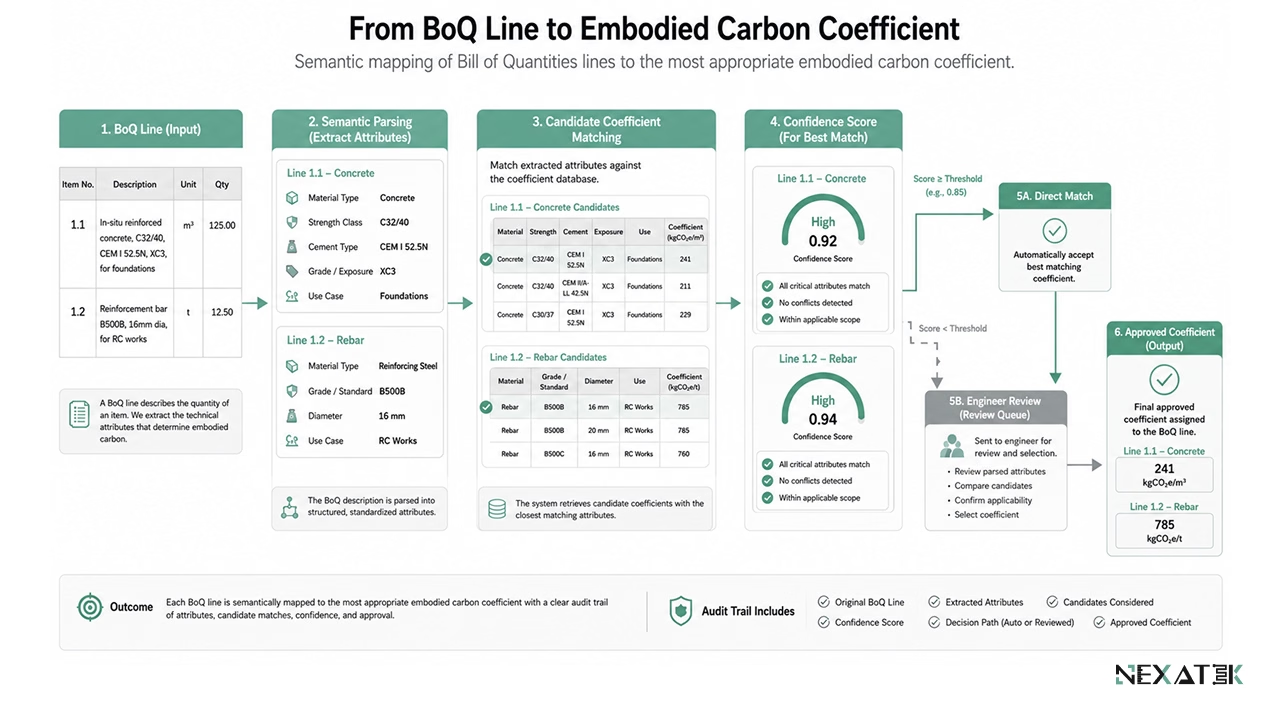 Semantische matching vertaalt projectteksten naar gestructureerde parameters alvorens de best passende factor voor te stellen.
Foutieve classificaties – zoals een generieke betonfactor toewijzen aan een emissiearm mengsel – vervormen elke rapportage die erop steunt. Geautomatiseerd matchen gecombineerd met vakkundige validatie borgt de vastlegging van de keuzeargumentatie.
De matchingsregels winnen aan nauwkeurigheid door gebruik: Goedgekeurde koppelingen trainen het algoritme, en herhalende bestekstermen uit calculatiesystemen transformeren van statistische aannames naar vaste toewijzingsregels. NEXATEK verfijnt deze matchingmethodieken door middel van toegepast ingenieursonderzoek, waardoor de toewijzingslogica gedocumenteerd, inzichtelijk en toetsbaar blijft.