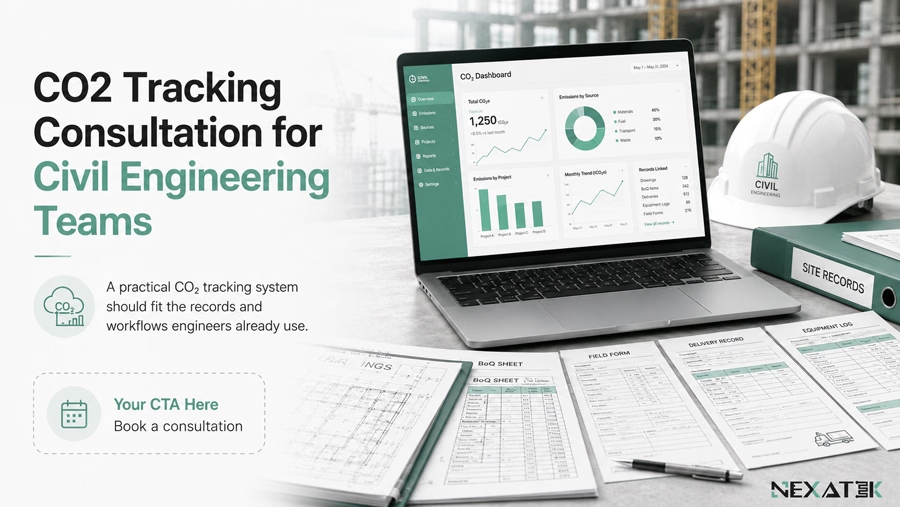

CO2-Emissionsverfolgung für das Bauingenieurwesen
Unterstützt die Branche bei der Überwachung und Reduzierung von CO2-Emissionen durch digitale Tools.
Erfassung von CO2-Emissionsdaten
Algorithmenentwicklung zur Emissionsschätzung

Webbasierte CO2-Rechner
Unterstützung bei der Null-Emissions-Strategie

Häufig gestellte Fragen
Die Verfolgung von CO2-Emissionen ist der Prozess der Schätzung und Analyse des CO2-Fußabdrucks, der über den gesamten Lebenszyklus eines Bauvorhabens entsteht...
Die Verfolgung von Emissionen gibt Ihnen ein klares Verständnis über Ihre Umweltauswirkungen...
Wir verwenden branchenweit anerkannte Methoden, Tools zur Lebenszyklusanalyse (LCA), Materialfußabdruckanalysen und Energieverbrauchsdaten...
Geringere Emissionen führen zu niedrigeren Energiekosten, verbesserter Effizienz, besserer Einhaltung von Umweltvorschriften...
Die CO2-Emissionsverfolgung ist über alle Sektoren hinweg wertvoll — einschließlich Tiefbau, Infrastrukturentwicklung...
Ähnliche Projekte
Entdecken Sie weitere innovative Projekte:



Großartige
Lösungen
beginnen mit einem GesprächGroßartige Lösungen beginnen mit einem Gespräch
Möchten Sie herausfinden, wie unsere Dienstleistungen Ihr Unternehmen voranbringen können?
CO2-Emissions-Tracking
Jede Betonage, jede Baggerbetriebsstunde, jeder Schüttguttransport und jeder verbrannte Liter Kraftstoff in Stromerzeugern setzt Treibhausgase frei – doch die wenigsten Projektteams können die genauen Mengen beziffern. CO2-Emissions-Tracking schließt diese Wissenslücke. Die Methode überführt reale Bauabläufe in präzise Emissionswerte, ausgedrückt in Kilogramm oder Tonnen CO2, die Ingenieure vergleichen, bewerten und gezielt steuern können. NEXATEK baut dieses Tracking direkt auf Prozessen und Daten auf, die Bauingenieure ohnehin führen – wie dem Leistungsverzeichnis (LV) und täglichen Geräteberichten.
Auf diese Weise erfasstes CO2 fungiert wie ein technischer Kennwert und nicht wie eine nachträgliche Jahresschätzung. Eine aus Realdaten abgeleitete Baseline zeigt transparent, welche Baustoffe und Baustellenabläufe die Gesamtemissionen maßgeblich antreiben.
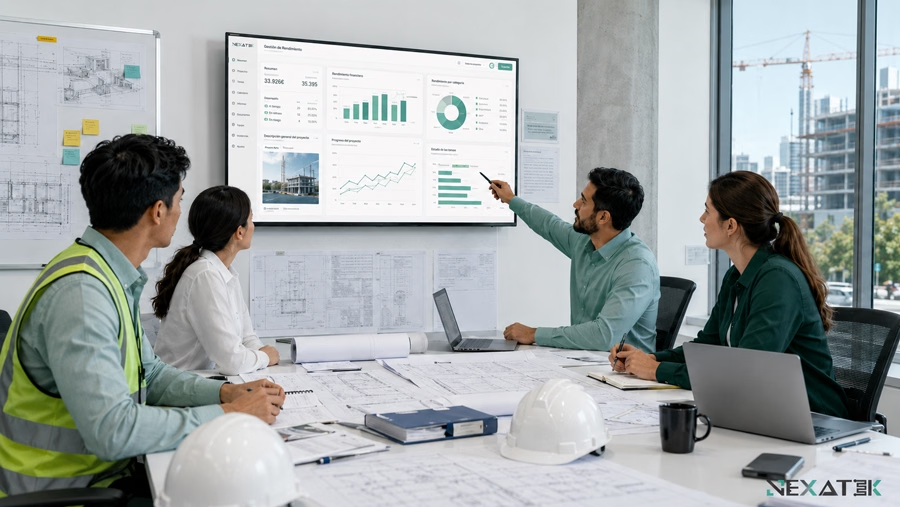
CO2-Emissions-Tracking in Bau- und Infrastrukturprojekten
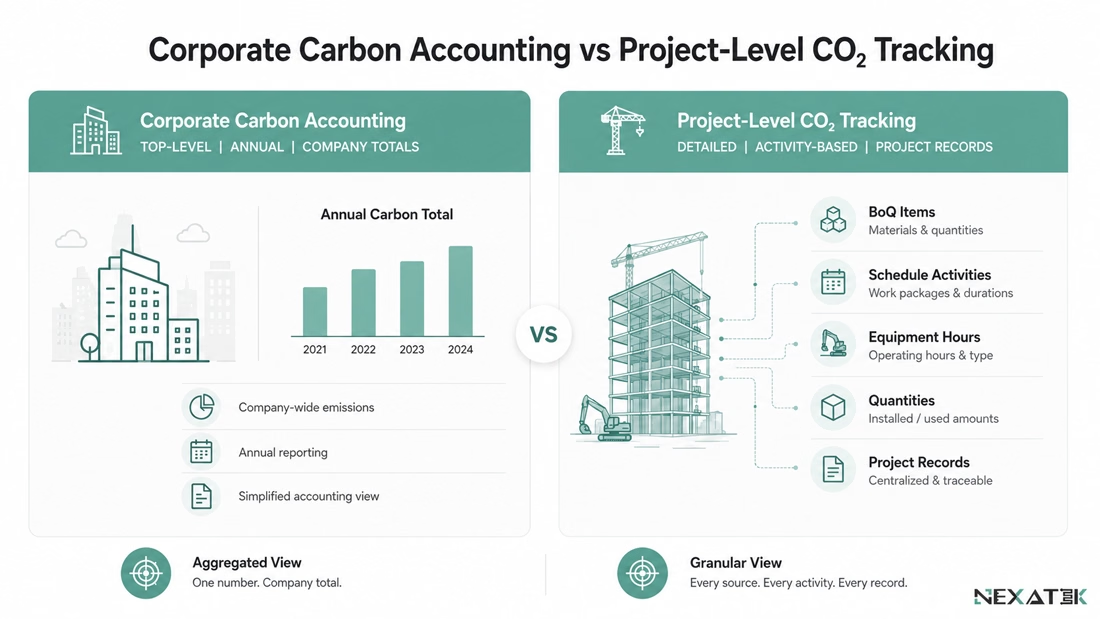
CO2-Emissions-Tracking im Bauingenieurwesen quantifiziert Treibhausgasemissionen über den gesamten Lebenszyklus eines Infrastrukturbauwerks. Das klassische Corporate-Carbon-Accounting bilanziert lediglich jährliche Unternehmensgesamtzahlen. Das projektbezogene Tracking ordnet Emissionen dagegen direkt einzelnen LV-Positionen, Bauphasen im Terminplan und den Betriebsstunden von Baumaschinen zu.
Diese Granularität bildet die Grundlage für fundierte Entscheidungen: Ersetzt ein Tragwerksplaner Portlandzement durch ein Bindemittel mit 35 % Hüttensand (g gemahlenem Hüttensandmehl), verringern sich die grauen Emissionen jedes verbauten Kubikmeters. Die projektbezogene Messung beziffert diesen Unterschied direkt in Tonnen CO2. Damit etabliert sich der CO2-Fußabdruck gleichberechtigt neben Baukosten und Tragfähigkeit als zentraler Entwurfsparameter.
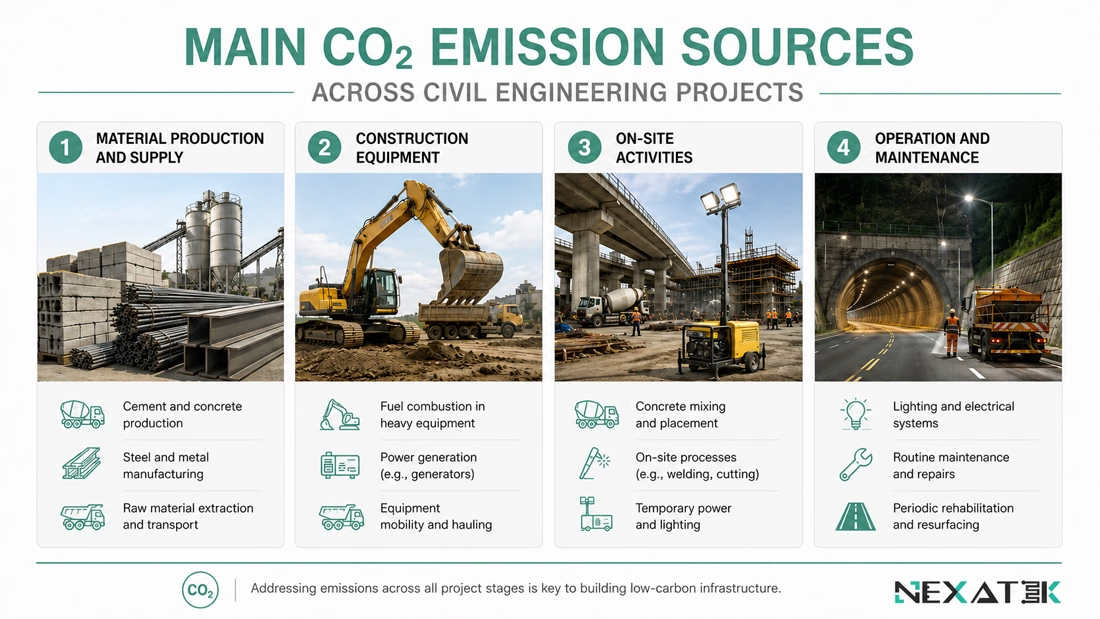
Quellen von CO2-Emissionen im Bauingenieurwesen
Zwei Hauptbereiche dominieren die Gesamtbilanz: graue Emissionen (Embodied Carbon), die in den Baustoffen gebunden sind, und prozessbedingte Emissionen aus Bauausführung und Betrieb. Beide Pfade erfordern vor jeder Berechnung eine lückenlose Datenkette.
Baustoffherstellung und Vorkette
Baustoffe verursachen in der Regel den größten Teil des Gesamt-Fußabdrucks eines Ingenieurbauwerks. Zement ist das deutlichste Beispiel: Die Kalzinierung setzt CO2 direkt aus dem Kalkstein frei, während die thermische Energie des Brennofens einen zweiten Emissionsstrom erzeugt.
Bewehrungsstahl bringt herstellungsbedingte Emissionen mit, die stark vom Schrottanteil im Schmelzprozess abhängen. Hinzu kommt der Transport: Der Antransport von Gesteinskörnungen über 120 km aus einem entfernten Steinbruch treibt den Pro-Tonne-Faktor gegenüber einer regionalen Kiesgrube erheblich in die Höhe.
Baumaschinen und Baugeräte
Dieselbetriebene Baugeräte erzeugen direkte, messbare Emissionen. Ein 25-Tonnen-Bagger, der ca. 18 Liter Diesel pro Stunde verbraucht, stößt in diesem Zeitraum rund 48 kg CO2 aus. Das Lastprofil entscheidet darüber, wie sich dieser Wert summiert – denn ein Bagger im Leerlauf an der Abbauwand verbrennt kontinuierlich Kraftstoff, ohne Material zu bewegen.
Die Trennung zwischen produktiven Arbeitsstunden und Leerlaufzeiten schärft sowohl die CO2-Bilanz als auch den Blick auf die Baustellenlogistik. Elektrisch betriebene Baumaschinen verlagern die Emissionen zur Stromquelle – was die Berechnungsgrundlage ändert, die Notwendigkeit der Erfassung jedoch keineswegs aufhebt.
Baustellenbetrieb und temporäre Infrastruktur
Der Baustellenbetrieb erzeugt Emissionen außerhalb der eigentlichen Hauptgewerke. Dieselgeneratoren für Baucontainer und Beleuchtung laufen häufig im ineffizienten Teillastbereich. Baugrundverbesserungen tragen über ihre Bindemittel bei: Kalk und Zement zur Bodenstabilisierung weisen dieselben Kalzinierungsemissionen auf wie jeder andere zementäre Baustoff. Entsorgungstransporte und Aufbereitungsprozesse komplettieren den baustellenseitigen Fußabdruck.
Betriebs- und Instandhaltungsphase
Die Emissionen enden nicht mit der Bauabnahme. Tunnelbeleuchtungen, U-Bahn-Entlüftungen und Pumpenbauwerke verbrauchen über Jahrzehnte Energie. Diese betrieblichen Emissionen fallen dem Bauwerkseigentümer zur Last, nicht dem Bauunternehmen.
Die Instandhaltung erfordert periodisch Material und Transporte. Eine Fahrbahndecke, die alle 12 bis 15 Jahre erneuert wird, benötigt jedes Mal neuen Asphalt und Frästransporte. Über eine rechnerische Nutzungsdauer von 50 Jahren können diese Maßnahmen die Emissionen der ursprünglichen Errichtung erreichen oder übertreffen.
Wie CO2-Emissions-Tracking in der Praxis funktioniert
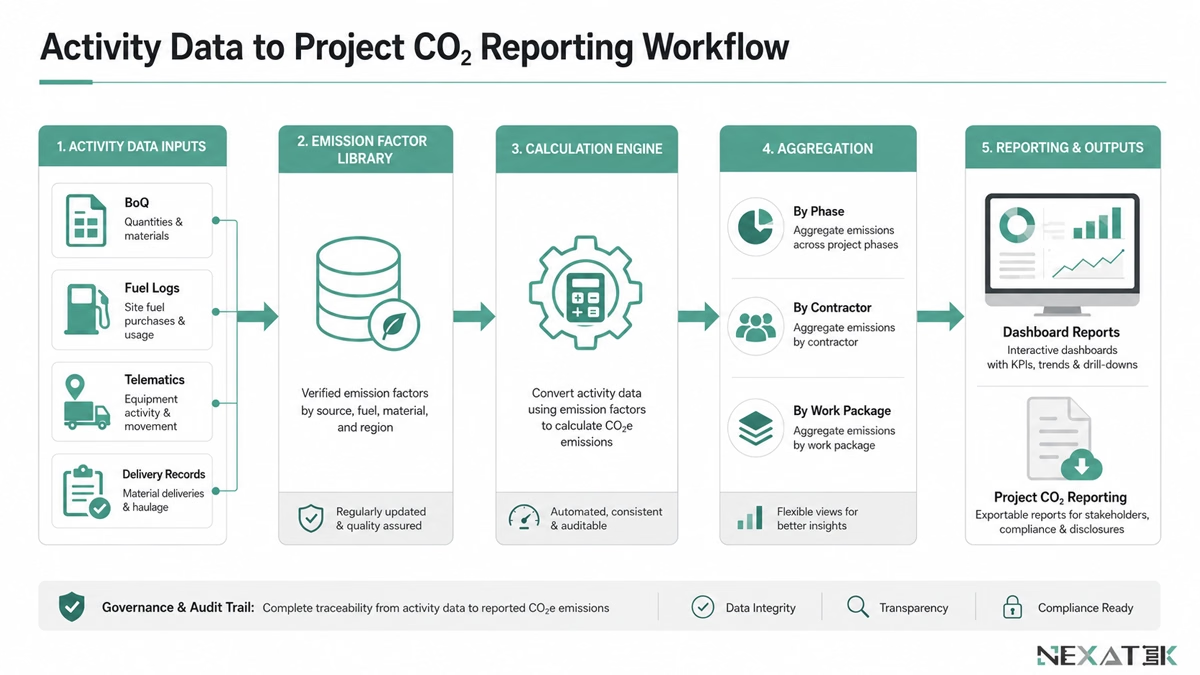
In der Praxis folgt das Tracking auf Baustellen einer definierten Abfolge: Zunächst werden Aktivitätsdaten erfasst. Validierte Emissionsfaktoren wandeln diese in CO2-Werte um, und ein Aggregationsschritt bereitet die Ergebnisse für das Baustellen- und Projektmanagement auf.
Datenerfassung auf Projektebene
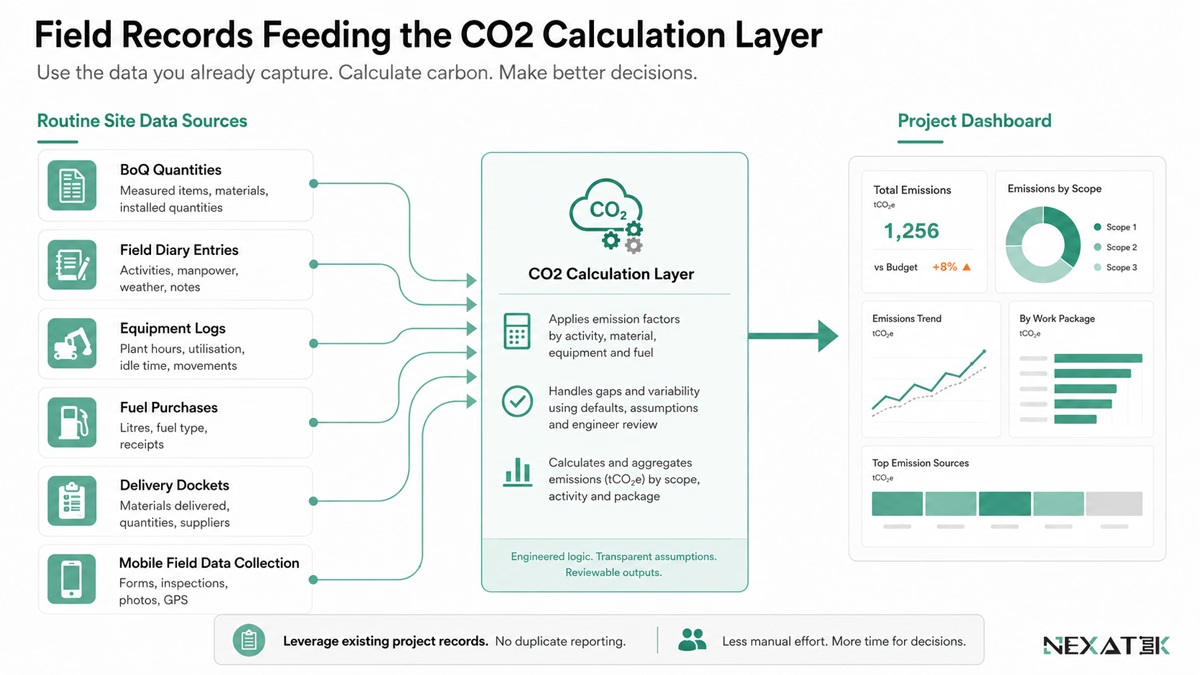
Der Großteil der benötigten Eingangsdaten ist bereits vorhanden: Leistungsverzeichnisse weisen Materialmengen aus. Telematiksysteme und Bautagebücher dokumentieren Gerätestunden, während Lieferscheine Transportdistanzen und getankte Kraftstoffmengen belegen.
NEXATEK verknüpft diese Datenquellen, sodass die CO2-Erfassung direkt auf den gewohnten Baustellenberichten aufsetzt. Bestätigt ein Bauleiter einen Betonierabschnitt im digitalen Bautagebuch, übernimmt das System automatisch Menge und Rezeptur. Vor Ort erfasste Daten aus der mobilen App-Entwicklung gelangen ohne manuelle Neueingabe direkt in die Berechnungsebene.
Berechnungslogik der Emissionen
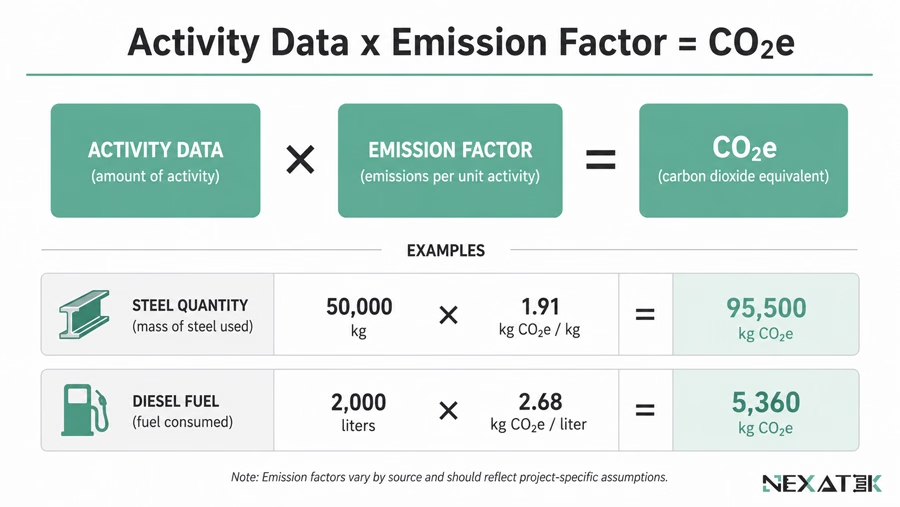
Die Umrechnung basiert auf einer Standardformel: Aktivitätsdaten multipliziert mit einem Emissionsfaktor ergeben die Gesamtemissionen in CO2-Äquivalenten (CO2e). Ein Emissionsfaktor definiert, wie viel Treibhausgase pro Mengeneinheit eines Materials oder einer Tätigkeit freigesetzt werden.
Zwei Beispiele veranschaulichen die Größenordnungen: Der Einkauf von 50.000 kg Baustahl mit einem Faktor von 1,91 kg CO2 pro kg verursacht 95.500 kg CO2. Der Verbrauch von 2.000 Litern Diesel bei einem Faktor von 2,68 kg CO2 pro Liter ergibt 5.360 kg CO2.
Die Auswahl des Faktors entscheidet über die Belastbarkeit. Werte variieren je nach Region und Strommix und verändern sich im Zuge der Dekarbonisierung fortlaufend. Faktorensammlungen gehören daher in eine strukturierte Emissionsdatenbank, die Herkunft, Normengrundlage und Gültigkeitsdauer jedes Datensatzes historisiert.
Aggregation über Projektphasen hinweg
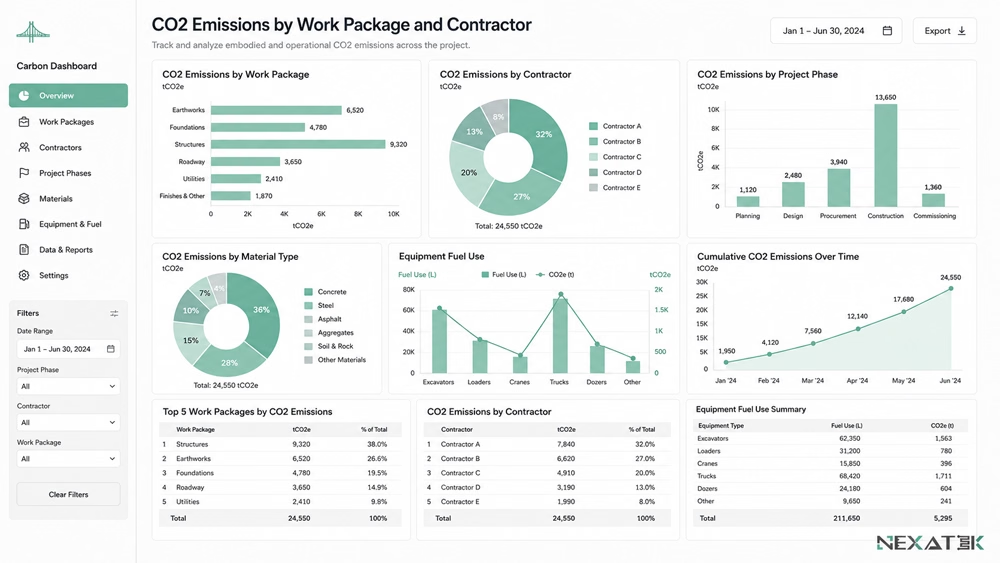
Aus Rohdaten entstehen tausende Einzelzeilen. Erst die Aggregation formt daraus steuerungsrelevante Kennzahlen, wie etwa Emissionen pro Gewerk oder Nachunternehmer. Ein Projektleiter kann so Gründungsabschnitt A mit Gründungsabschnitt B vergleichen und Differenzen exakt auf Bodenverhältnisse oder geänderte Geräteauswahl zurückführen. Portfolioweite Auswertungen übertragen diese Logik auf mehrere Baustellen.
CO2-Tracking über den gesamten Bauwerkslebenszyklus
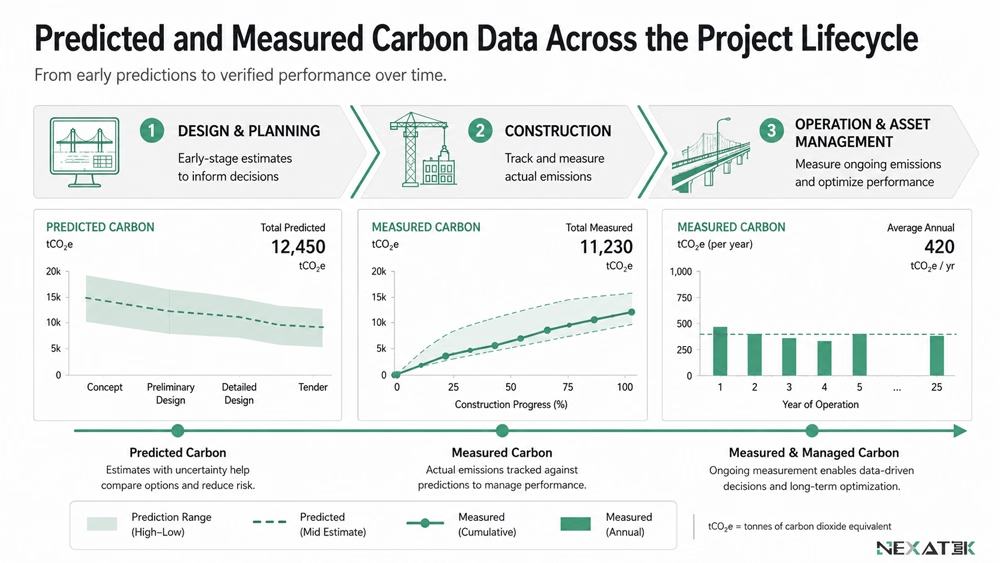
Der Charakter der Emissionsverfolgung wandelt sich im Projektverlauf: Frühe Phasen stützen sich auf Vorhersagen, spätere Phasen ersetzen diese durch verifizierte Messwerte.
Entwurfs- und Planungsphase
In der Planung ist das Tracking prognostisch: Massen stammen aus dem BIM-Modell, Faktoren aus Datenbanken – Realdaten von der Baustelle gibt es noch nicht. Die Verknüpfung von Tragwerks- und Emissionsdaten ermöglicht den fundierten Vergleich einer Stahl-Verbundbrücke mit einer Spannbetonvariante oder das Abwägen alternativer Trassierungen. Das Ergebnis ist eine Hotspot-Analyse: Bauteile mit überproportionalem Emissionsanteil werden identifiziert, solange konstruktive Anpassungen noch unkompliziert möglich sind.
Bauausführungsphase
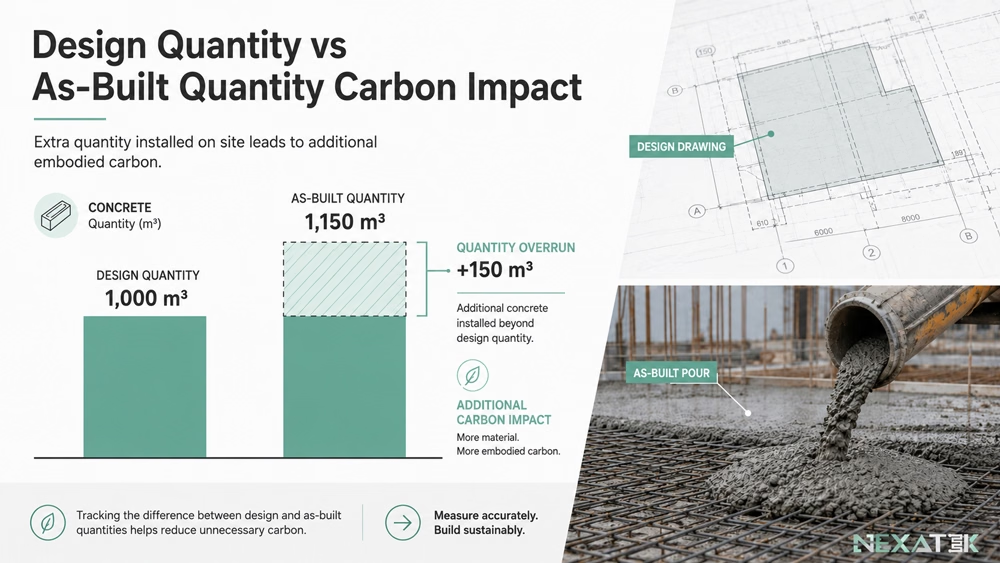
Mit Baubeginn treten Messungen an die Stelle von Prognosen. Die Bauleitung vergleicht den tatsächlichen Kraftstoffverbrauch mit dem CO2-Budget und gleicht As-Built-Mengen mit dem Entwurf ab. Wurden laut Plan 1.000 m³ Beton kalkuliert, tatsächlich aber 1.100 m³ eingebaut, schlagen die zusätzlichen 100 m³ als CO2-Mehrverbrauch zu Buche.
Echtzeitdaten aus Maschinensteuerungen dienen als Frühwarnsystem: Ein sprunghafter Anstieg der Maschinenemissionen weist frühzeitig auf übermäßige Leerlaufzeiten oder technische Defekte hin – lange bevor die monatlichen Kraftstoffrechnungen vorliegen.
Betrieb und Asset Management
Nach der Übergabe konzentriert sich das CO2-Monitoring auf den Energieverbrauch und Wartungsintervalle. Die erfasste Historie dient als Entscheidungsgrundlage für Reparatur- oder Ersatzinvestitionen: Ein Streckenabschnitt, der häufige, CO2-intensive Asphaltreparaturen erfordert, lässt sich objektiv mit den Emissionen eines vollständigen grundhaften Neubaus vergleichen.
Praktische Anwendungen entlang der Wertschöpfungskette
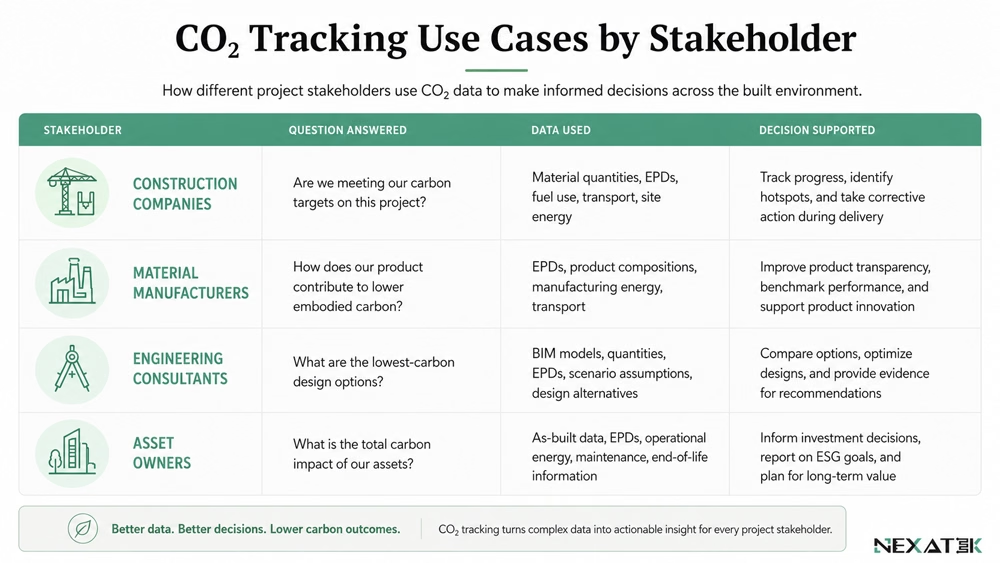
Die unterschiedlichen Projektbeteiligten nutzen Emissionsdaten für jeweils eigene Anforderungen.
Nutzen für Bauunternehmen
Ausschreibungen fordern zunehmend den CO2-Nachweis neben dem Angebotspreis. Bauunternehmen mit projektbezogenen Emissionsdaten können mit gemessenen Echtdaten statt groben Schätzungen kalkulieren. Zugleich decken die Auswertungen wirtschaftliche Ineffizienzen auf: Kraftstoffverbrauch und CO2-Ausstoß korrelieren direkt. Optimierte Fahrwege und passend dimensionierte Baumaschinen reduzieren Kosten und Emissionen gleichermaßen.
Die Verankerung der Erfassung im Bautagebuch ist gelebte Workflow-Automatisierung im Bauwesen. Die Bestätigung des Betoniervorgangs erfasst zeitgleich den zugehörigen CO2-Wert – ohne parallele Berichtsstrukturen.
Nutzen für Baustoffhersteller
Zement- und Stahlhersteller nutzen das Tracking zur Dokumentation der Umweltleistung ihrer Produkte. Die materialbezogene Berechnung speist Umweltproduktdeklarationen (EPDs).
Stellt ein Werk auf regenerative Brennstoffe um oder erhöht den Rezyklatanteil, schlägt sich dies direkt in einem niedriger deklarierten Emissionsfaktor nieder. Ingenieurbüros können diese Produkte gezielt ausschreiben, anstatt auf generische Branchendurchschnittswerte zurückzugreifen.
Nutzen für Ingenieur- und Planungsbüros
Ingenieurbüros nutzen verifizierte Emissionsdaten, um Entwurfsentscheidungen abzusichern. Droht bei Value-Engineering-Prozessen eine emissionsarme Konstruktion aus Kostengründen verworfen zu werden, versachlicht die genaue Gegenüberstellung von Herstellkosten und CO2-Einsparung die Diskussion. NEXATEK unterstützt diese Beratungsleistungen mit Methoden aus der angewandten Ingenieurforschung, damit Systemgrenzen und Parameterauswahl normenkonform und prüffähig dokumentiert sind.
Datentiefe und Genauigkeit beim Emissions-Tracking
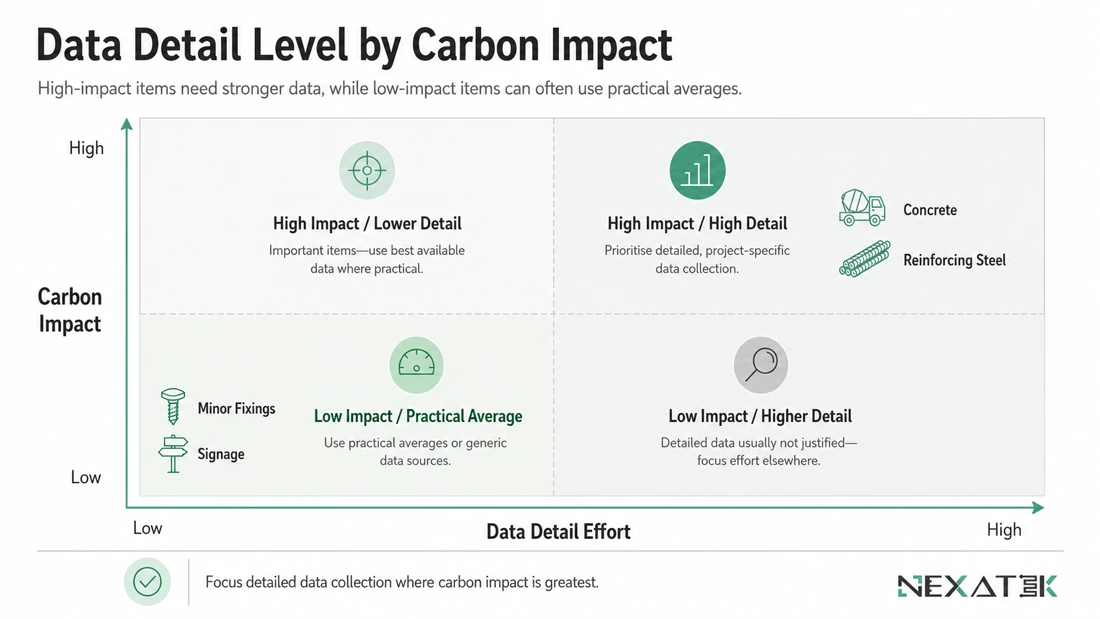
Glaubwürdige Berichte erfordern verlässliche Daten. Auf aktiven Baustellen entstehen jedoch weit mehr Belege, als manuell Zeile für Zeile verifiziert werden können. Ein praxisgerechtes System stimmt den Erfassungsaufwand auf den tatsächlichen Hebel ab.
Erforderlicher Detaillierungsgrad
Die Anforderungen an die Datenpräzision variieren je nach Bauteil: Beton und Bewehrungsstahl machen bei den meisten Ingenieurbauwerken den Großteil der grauen Emissionen aus und werden über herstellerspezifische Faktoren oder EPDs erfasst. Untergeordnete Positionen wie Befestigungsmittel oder Schilder können mit generischen Durchschnittswerten hinterlegt werden, da ihr Einfluss innerhalb üblicher Rundungstoleranzen liegt. Dieses Vorgehen bündelt Prüfaufwände dort, wo ein 5-prozentiger Faktorenfehler die Gesamtbilanz spürbar verändern würde.
Balance zwischen Genauigkeit und Praxistauglichkeit
Hundertprozentige Genauigkeit ist auf einer Großbaustelle unrealistisch und wirtschaftlich nicht darstellbar. Ein System, das die manuelle Eingabe jedes einzelnen getankten Liters verlangt, scheitert in der Praxis an fehlender Compliance des Baustellenpersonals. Automatisierte Schnittstellen zu Tankkarten oder Füllstandssensoren liefern kontinuierlichere Daten – selbst wenn ein Liter Kraftstoff nicht minutengenau einem einzelnen Arbeitsgang zugeordnet werden kann.
Entscheidend für die Praxis ist die Trendentwicklung: Ein konsistenter Datenbestand zeigt verlässlich, ob sich die Emissionen planmäßig entwickeln und welche Gewerke für Veränderungen verantwortlich sind. Für Steuerungsentscheidungen auf der Baustelle zählt dieser Trend weit mehr als die vierte Nachkommastelle.