

Database over CO2-emission
Få adgang til en omfattende CO2-emissionsdatabase, der er specifikt udviklet til anlægsbranchen. NEXATEK leverer en omfattende, løbende vedligeholdt database, der dækker tekniske materialer, byggeaktiviteter, udstyr, transport og energiforbrug for at understøtte nøjagtig CO2-vurdering og bæredygtighedsrapportering.
Omfattende emissionsdatabase
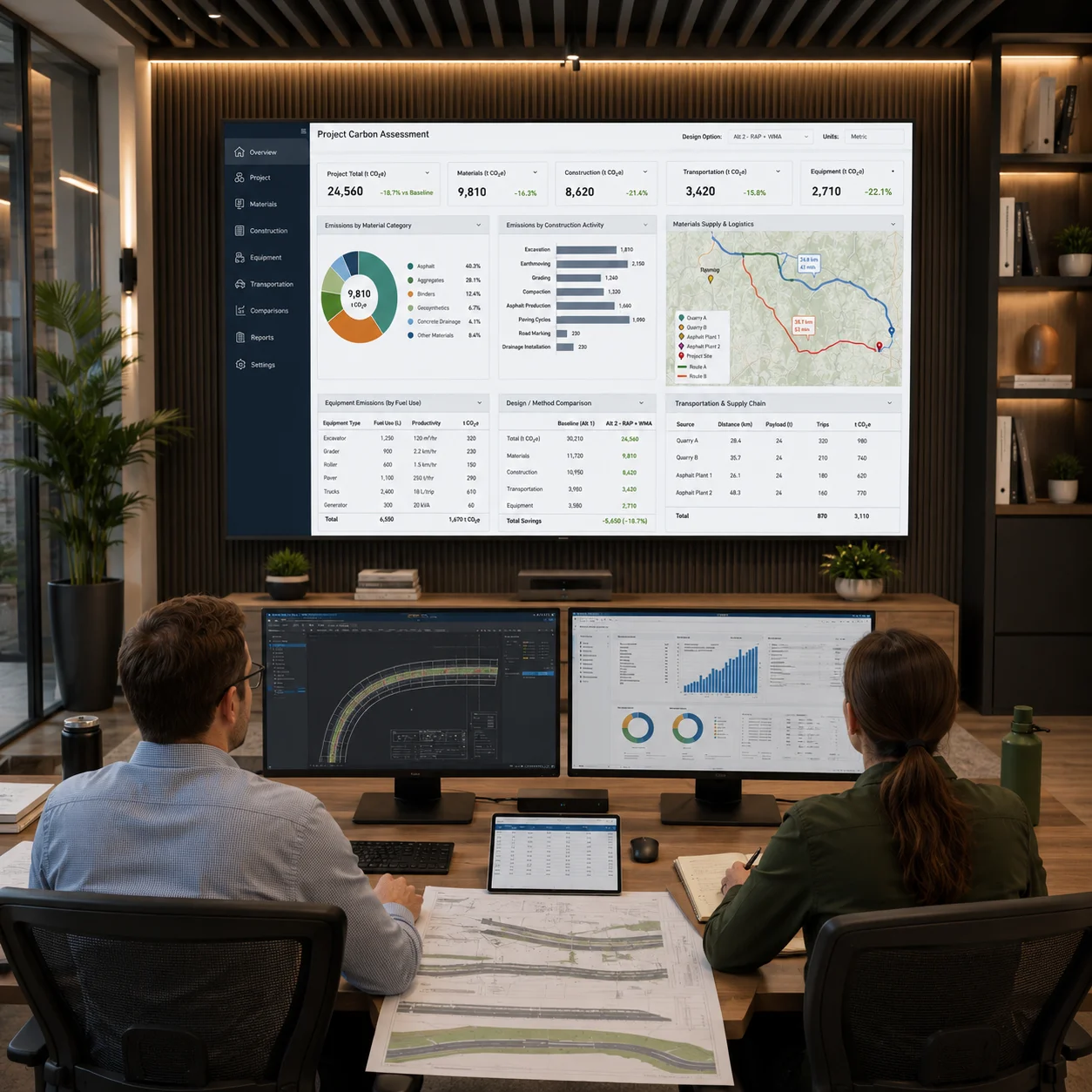
Datakvalitet og standardisering
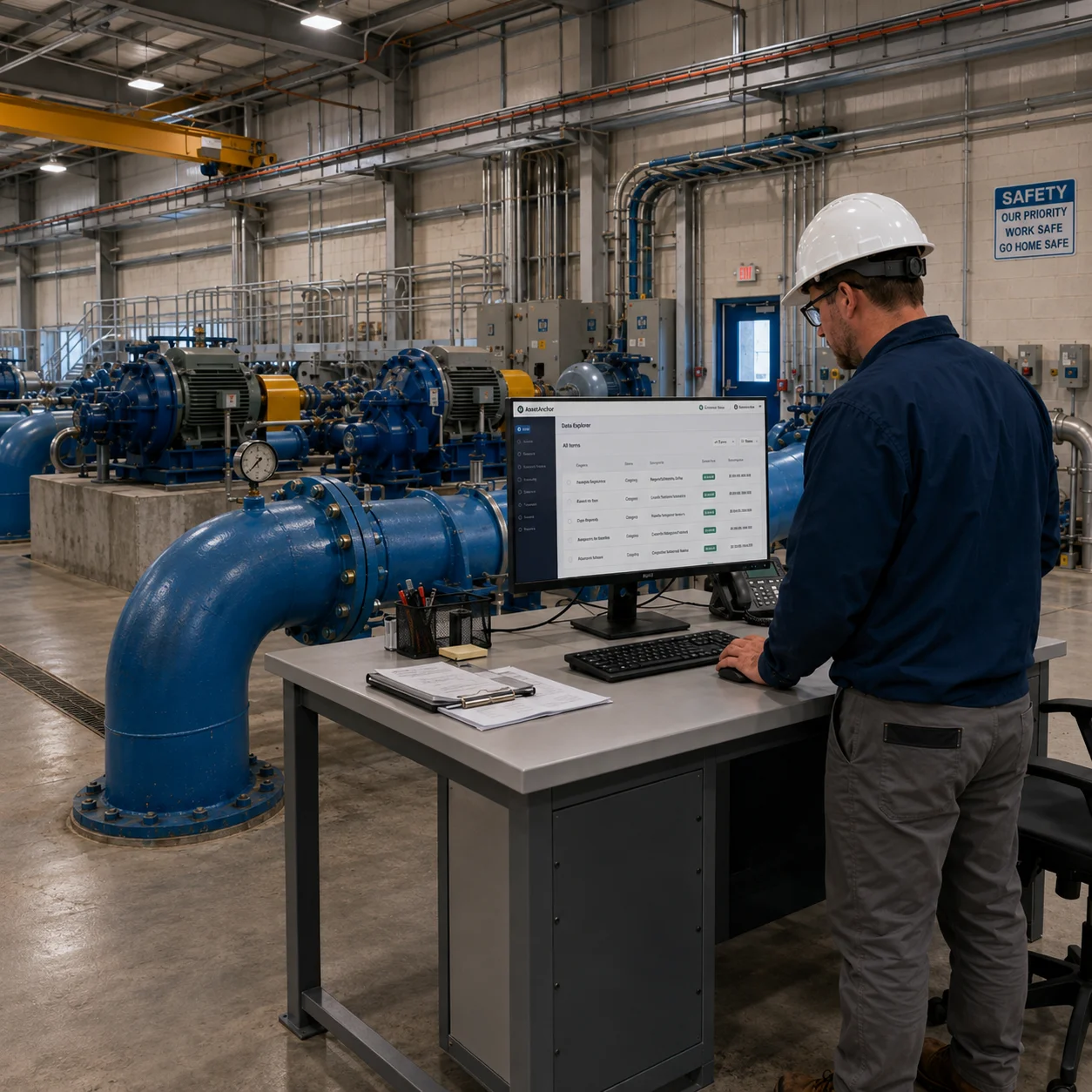
Integration og tekniske applikationer
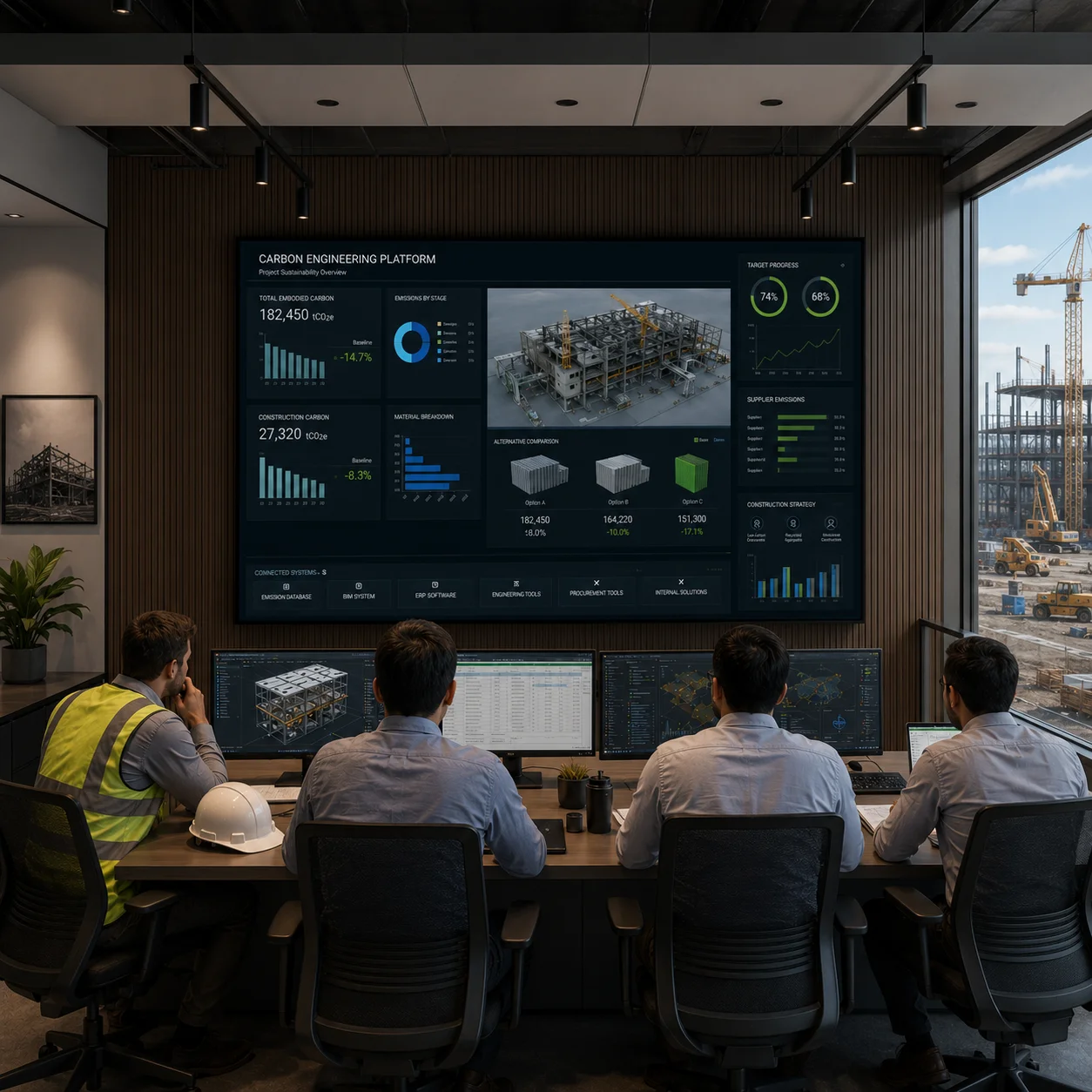
Bæredygtighed og beslutningsstøtte
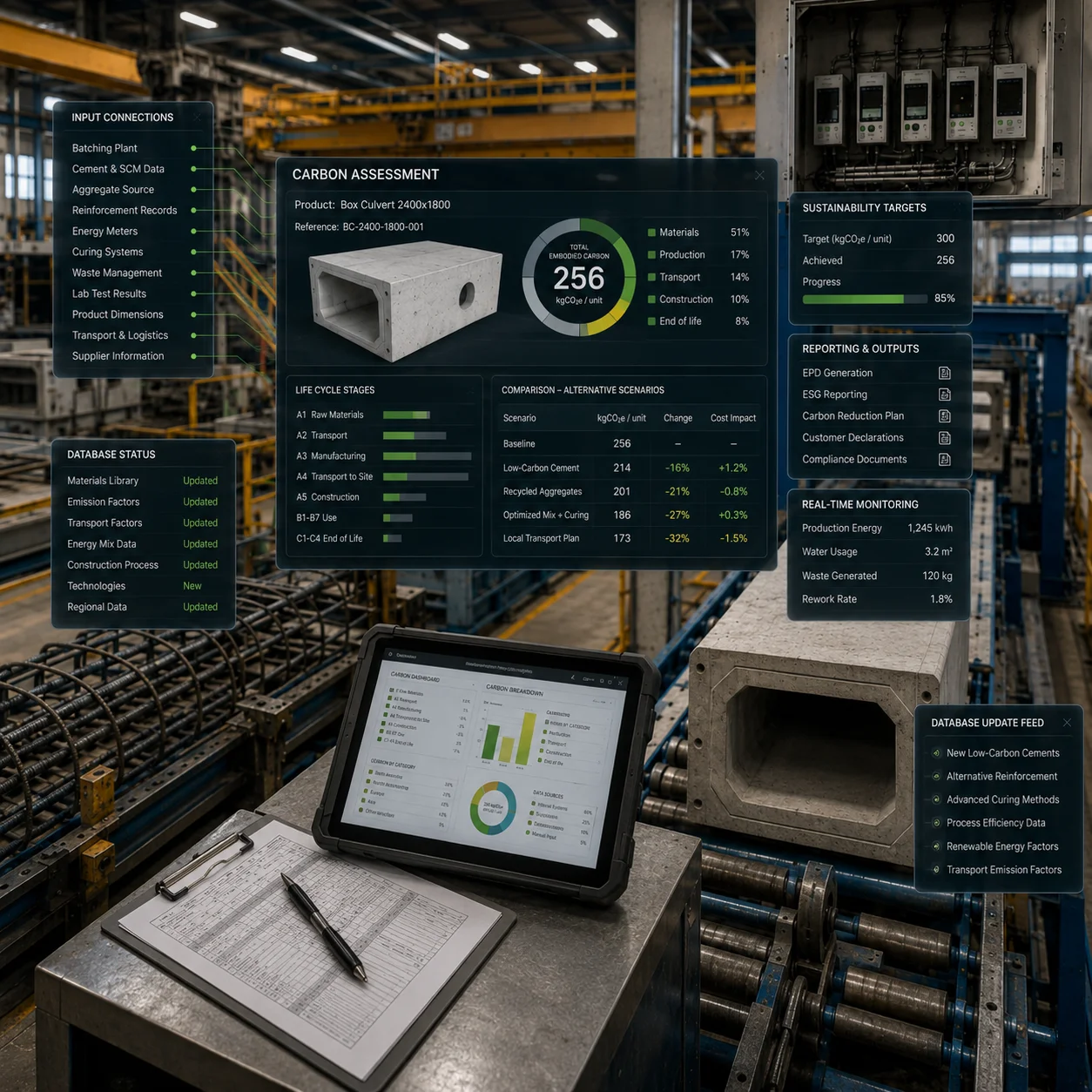
Ofte stillede spørgsmål
Sporing af CO2-emissioner er processen med at estimere og analysere det CO2-aftryk, der genereres gennem hele livscyklussen for et byggeri...
Sporing af emissioner giver dig en klar forståelse af din miljøpåvirkning...
Vi bruger brancheanerkendte metoder...
Lavere emissioner fører til reducerede energiregninger, forbedret effektivitet...
Sporing af CO2-emissioner er værdifuldt på tværs af alle sektorer...
Lignende projekter
Opdag flere innovative projekter:



Gode
Løsninger
Starter Med En SamtaleGode Løsninger Starter Med En Samtale
Vil du udforske, hvordan vores tjenester kan få din virksomhed til at vokse?
Databasestyring af CO2-udledning til bygge- og anlægsinfrastruktur
Et enkelt viaduktprojekt kan indeholde over 300 materialespecifikationer, hvor mange af klimadataene leveres som PDF-filer. Manuel indsamling og indtastning af disse dokumenter koster værdifulde ingeniørtimer og skaber tastefejl, som ofte først opdages måneder senere under en revision. Digital styring af databaser for indlejret CO2 (embodied carbon) erstatter denne manuelle proces med et centralt, struktureret opslagsværk over verificerede emissionskoefficienter, koblet direkte til BIM- og livscyklusvurderinger (LCA). NEXATEK etablerer disse databaser for infrastrukturorganisationer – ofte som et led i et bredere program for digital transformation inden for anlægssektoren.
Formatet er afgørende: En emissionskoefficient gemt som en maskinlæsbar datapost kan søges frem, valideres, versionsstyres og deles via et fælles datamiljø (Common Data Environment, CDE). Det samme tal låst i en scannet PDF-fil forbliver en isoleret oplysning.
 En struktureret database konverterer spredte PDF-værdier til strukturerede data, som ingeniører kan fremsøge, validere og genbruge.
Arkitekturen bag en centraliseret klimadatabase
Et regneark gemmer en emissionskoefficient som et enkelt tal i en isoleret celle. En professionelt styret database gemmer den som en struktureret post med definerede attributter. Disse omfatter den deklarerede enhed, det globale opvarmningspotentiale (Global Warming Potential, GWP) i kilo CO2-ækvivalenter (kgCO2e), de dækkede livscyklusmoduler, det geografiske anvendelsesområde samt gyldighedsperioden. Dataoprindelsesfelter dokumenterer værdiernes kilde, såsom en miljøvaredeklaration (EPD) verificeret i henhold til ISO 14025 og EN 15804.
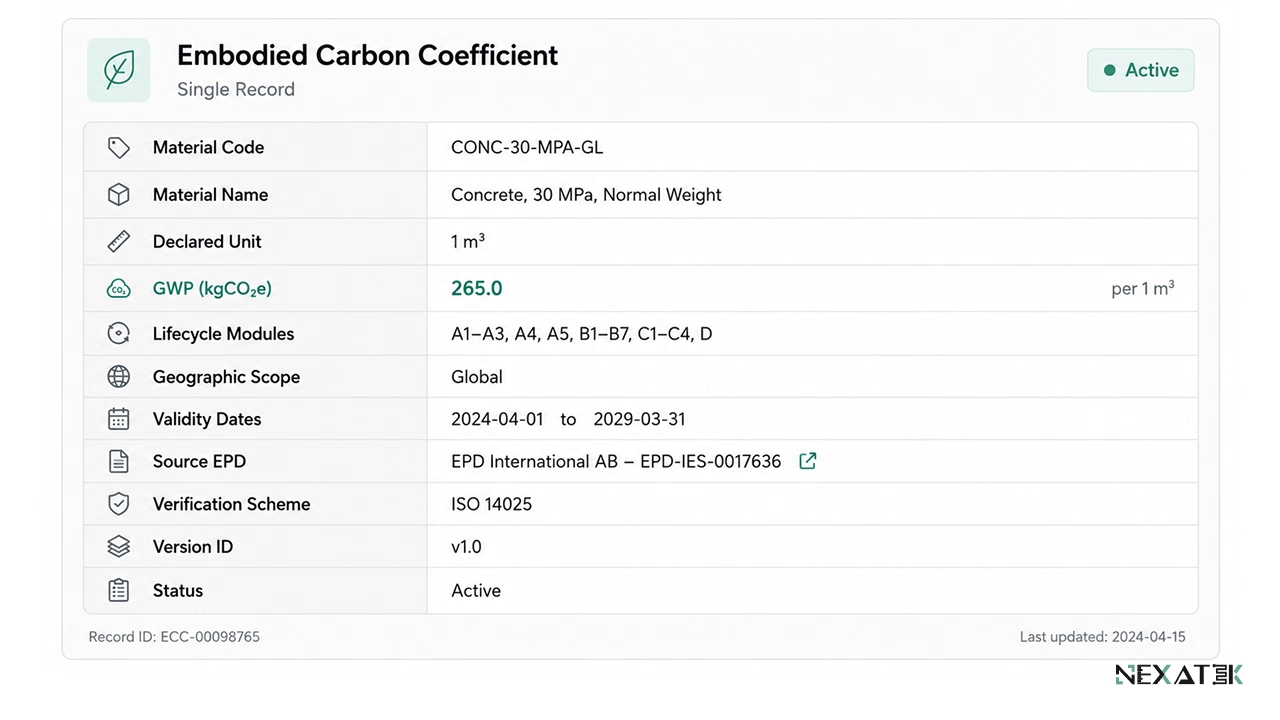 Hver koefficient kræver tilstrækkelig kontekst for at kunne anvendes, kontrolleres, versionsstyres og auditeres på tværs af projekter.
Denne arkitektur løser problemet med fragmenterede data: EPD'er leveres i uensartede PDF-layouts, nationale databaser publiceres i egne formater, og lokale regnearkskopier afviger fra hinanden inden for få måneder.
Versionsstyring er et andet afgørende krav: EPD'er udløber typisk efter fem år, og emissionsfaktorer for elnettet ændrer sig løbende i takt med energiomstillingen. Forældede værdier bevarer deres historiske gyldighedsperiode i systemet, så en beregning foretaget i 2024 forbliver fuldt reproducerbar i 2027.
Generiske referencedatasæt tildeles en fast plads i strukturen: Kilder som Inventory of Carbon and Energy (ICE) udfylder hullerne, hvor der ikke foreligger en specifik leverandørdeklaration. En fast prioritetsregel sikrer ensartede opslag: specifik EPD først, derefter branchesnit, og til sidst generiske værdier.
Indlejret og driftsrelateret CO2 holdes adskilt fra starten: Modultags adskiller produktion (A1-A3), udførelse (A4-A5), brug (B1-B7) og bortskaffelse (C1-C4). Dette muliggør konsistente totalrapporteringer af hele livscyklussen (Whole Life Carbon, WLC) ud fra et samlet datasæt.
Standardisering af EPD-data til BIM-interoperabilitet (IFC & COBie)
Klimadata bliver operationelle i stor skala, når de kobles direkte til bygningsmodellens objekter. Ved at mappe hver datapost til IFC-klasser kan en BIM-integreret database koble en pæl eller et asfaltlag direkte til den korrekte koefficient uden manuelt opslag. Elementnavngivning følger samme disciplin: En post for fabriksbeton indeholder sin IFC-materialebetegnelse parallelt med varebeskrivelsen. Forespørgsler fra forskellige CAD/BIM-værktøjer peger dermed på den samme referencepost.
Enhedsharmonisering er en tilbagevendende udfordring: En model eksporterer beton i kubikmeter, mens leverandøren deklarerer sin EPD pr. ton, og en implicit densitetsantagelse forbinder ofte de to tal i det skjulte. Et professionelt EPD-styringsværktøj gør denne konvertering eksplicit ved at lagre densitetsfaktoren og dens kilde direkte sammen med koefficienten.
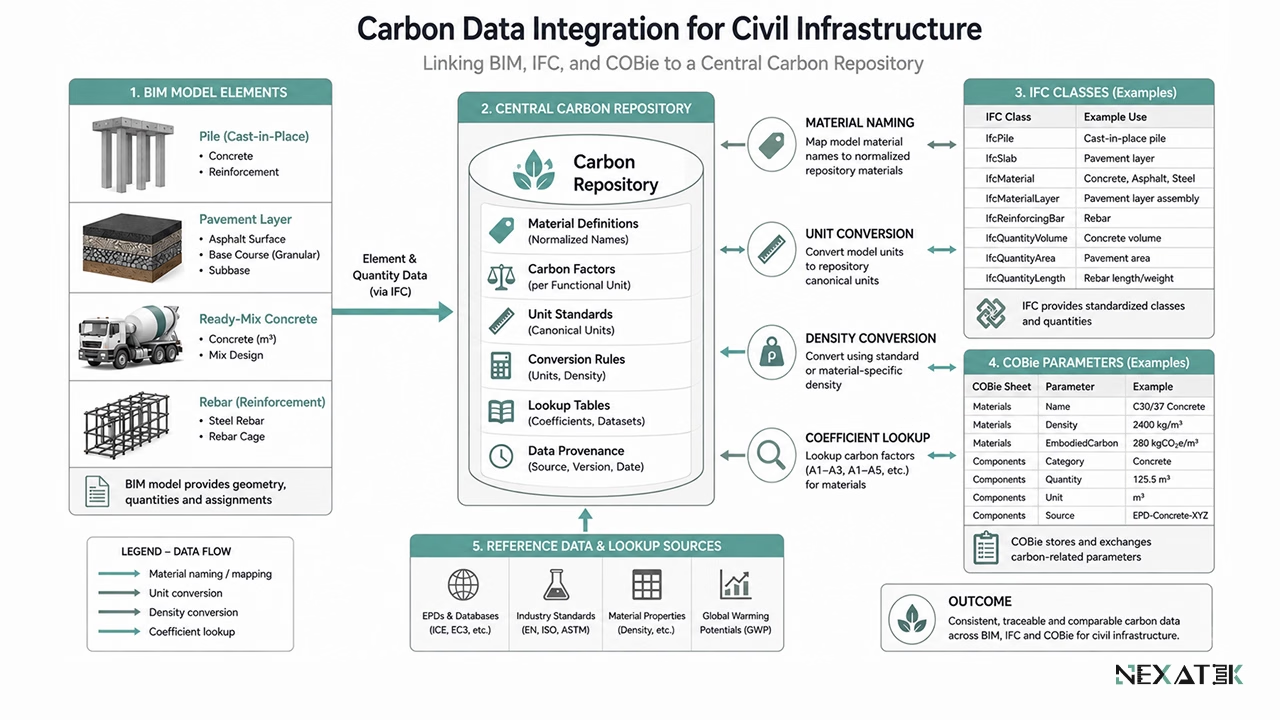 BIM-interoperabilitet forudsætter ensartet materialenomenklatur, præcise enhedskonverteringer og faste referenceparametre.
COBie-parametre viderefører denne struktur til driftsfasen: Klimareferencer følger med over i anlægskartoteket, så driftsherren overtager koefficienter, der er knyttet direkte til de bygningsdele, som vedligeholdelsesteamet administrerer.
Integration af CO2-databaser i anlæggets livscyklus
Klimaspørgsmål ændrer karakter, efterhånden som et anlægsaktiv bevæger sig fra idé til drift. Projekterende ingeniører har brug for benchmarks til modellerne, byggeledelsen har brug for as-built-registrering, og driftsorganisationen skal allokere vedligeholdelsespåvirkninger til de korrekte brugsfase-moduler. Én central database understøtter alle faser, når dataene er forsynet med livscyklustags.
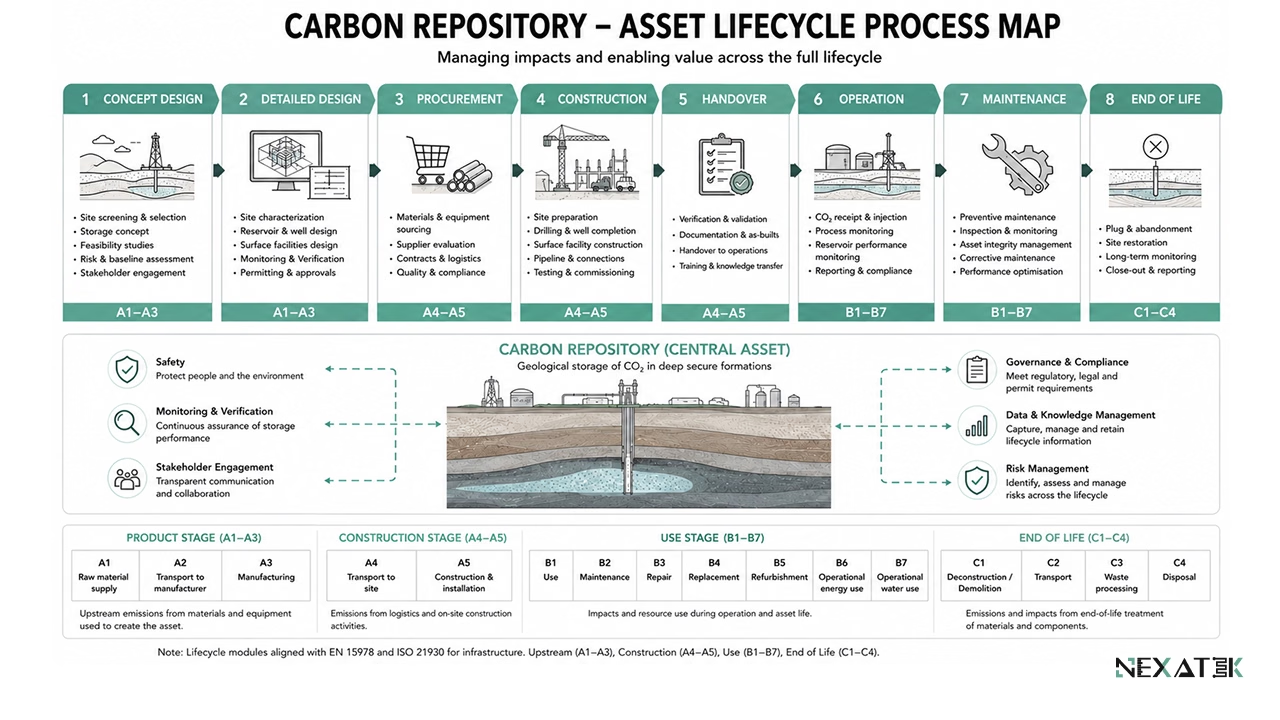 Samme database understøtter dispositionsforslag, udførelse, overdragelse, drift, vedligeholdelse og nedrivning.
Brugsfaseregistreringer (B1-B7) sikrer datagrundlagets værdi årtier efter aflevering: En udskiftning af brolagre eller et nyt slidlag henter opdaterede materialekoefficienter fra samme database, og klimapåvirkningen bogføres i modulerne B2 til B5 uden at forvride de oprindelige anlægstal.
Indledende variantstudier og materialevalg (A1-A3)
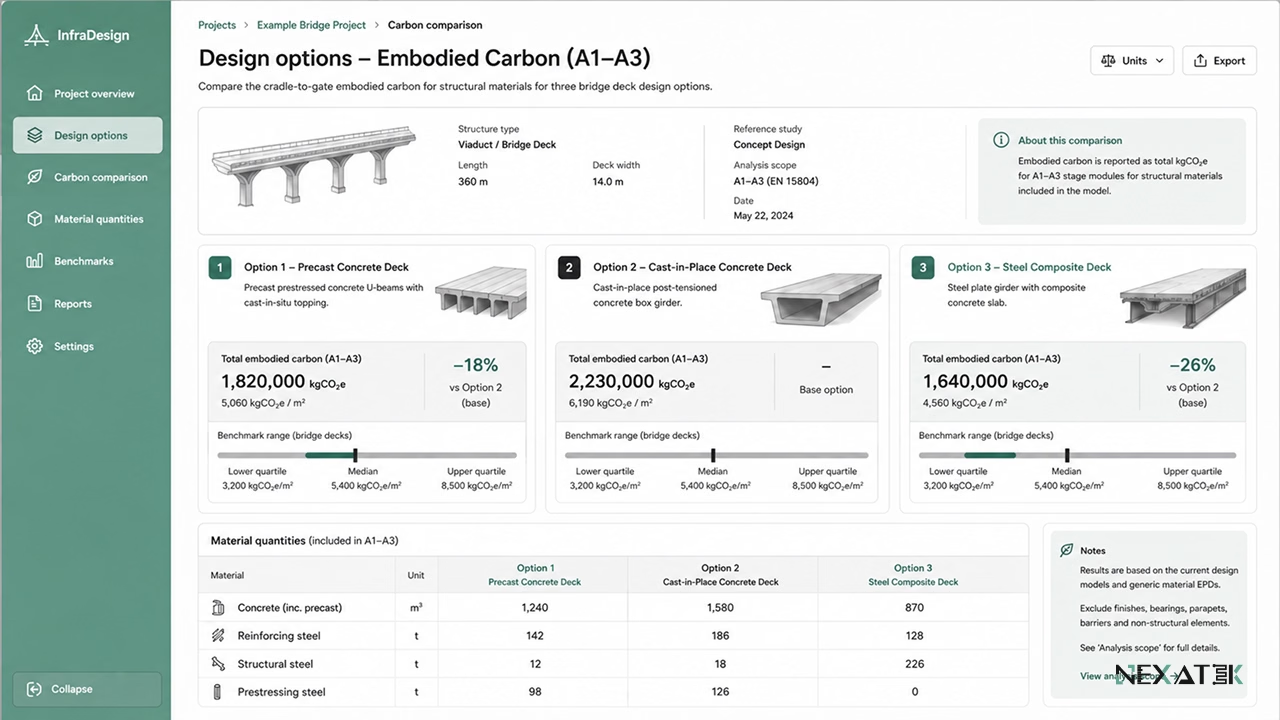
Klimaaftrykket i produktionsfasen (modul A1-A3) fastlægges i det øjeblik, materialerne specificeres. Tidlige sammenligninger af designmuligheder (optioneering) har derfor den største beslutningsmæssige værdi. Software til CO2-optimering i realtid forespørger databasen direkte ud fra projektmængderne, så et dækkoncept returnerer sit klimaaftryk under selve projekteringsmødet frem for i en efterfølgende rapporteringscyklus. Forsinkelsen mellem en designændring og den tilhørende klimavurdering reduceres fra uger til sekunder.
Et regneeksempel illustrerer effekten: Udskiftning af en standard CEM I-beton med en blanding, der indeholder 50 % formalet højovnsslagge, kan reducere A1-A3-værdien pr. kubikmeter med cirka en tredjedel. Databasen opgør forskellen direkte i tons CO2e, skaleret med modellens mængdeudtræk for de respektive alternativer.
Sammenligningsgrundlag hentes fra samme kilde: Median-emissionsintensiteter pr. elementtype, baseret på historiske projekter i databasen, giver ingeniøren et numerisk mål frem for en abstrakt ambition.
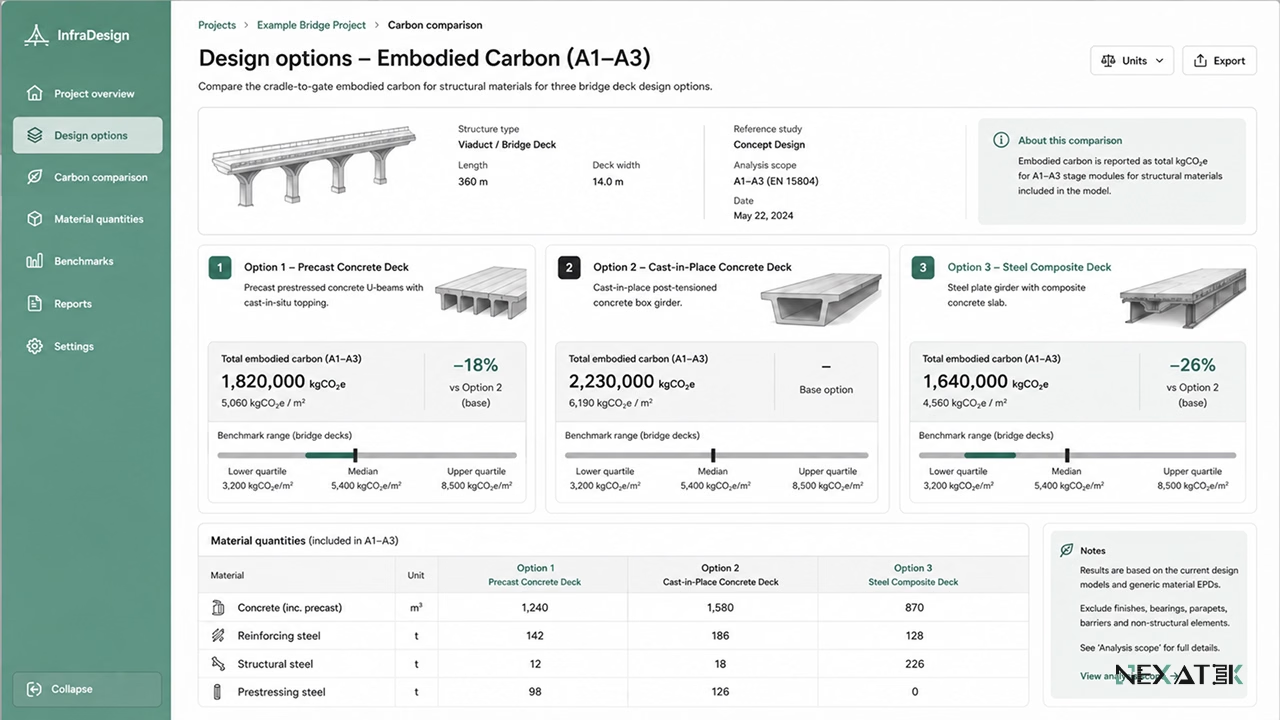 Dashboard-visninger hjælper ingeniører med at benchmarke designalternativer, mens projektbeslutningerne stadig er fleksible.
Overvågning af udledninger i anlægsfasen (A4-A5)
I modulerne for transport (A4) og byggepladsaktiviteter (A5) erstattes teoretiske antagelser af faktiske målinger, når anlægsarbejdet går i gang. Følgesedler dokumenterer kørte afstande, og maskinlogger registrerer brændstofforbruget. Begge dele registreres som as-built-data ved siden af udbudskalkulerne. CO2-sporing i anlægsfasen kvantificerer afvigelserne: En reel transportafstand på 95 km mod en udbudsforudsætning på 40 km fremstår som en målbar difference frem for en fornemmelse.
Byggepladssporing forbinder fysisk dokumentation med A4-A5-data, så projekteringsforudsætninger kan holdes op mod realiteten.
As-built-registreringen sikrer anlæggets langsigtede datakvalitet: De koefficienter, der fastlåses ved aflevering, beskriver anlægget præcis som udført, og fremtidige vedligeholdelsesplaner eller vurderinger af udtjent levetid (C1-C4) tager udgangspunkt i dette datagrundlag.
Teknisk specifikation for databasesynkronisering og API'er
IT-afdelinger vurderer en klimadatabase på dens integrationsevne, ikke udelukkende på dataindholdet. Et REST-API udstiller databasen til tilkoblede fagsystemer: En forespørgsel med materialekode og mængde returnerer matchende koefficient, beregnet kgCO2e-værdi og oprindelsesdata i JSON-format. Batch-endpoints behandler komplette tilbudslister i et enkelt kald.
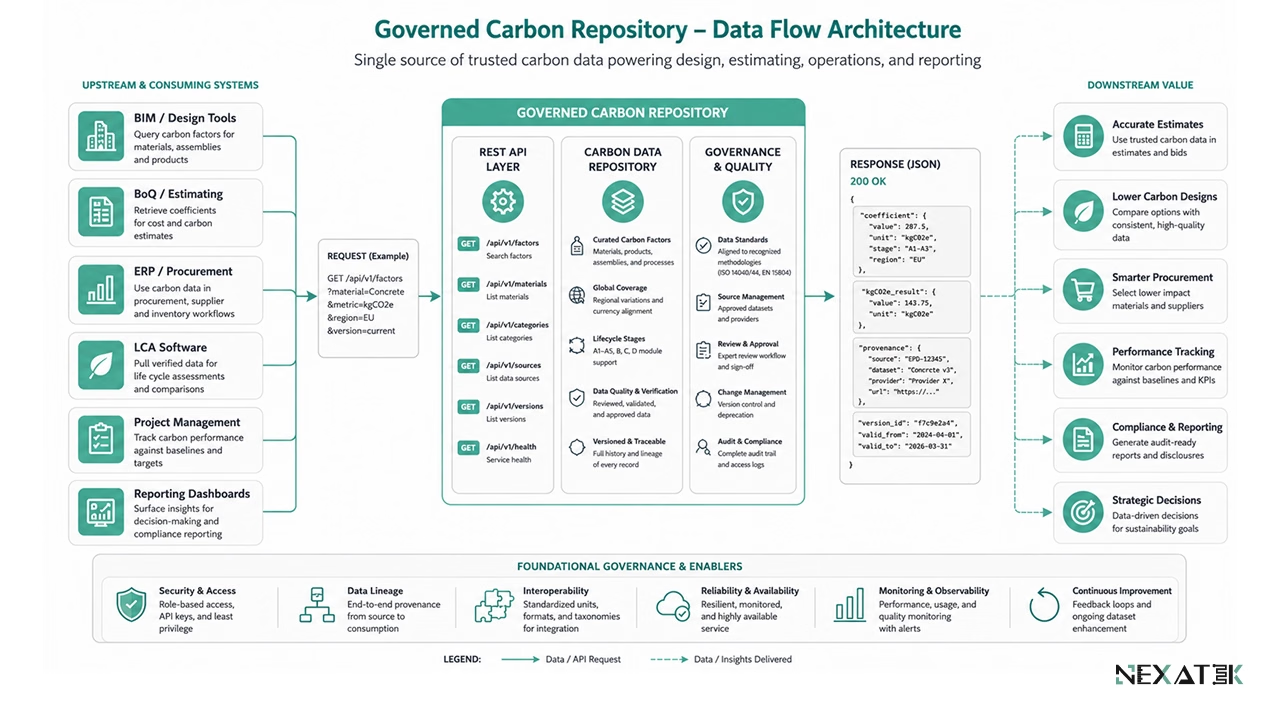 API-adgang gør det muligt for BIM-, mængdeberegnings-, ERP-, LCA- og rapporteringssystemer at benytte samme styrede datakilde.
Synkroniseringen håndterer opdateringsudfordringen: Elnetfaktorer ændres efter faste tidsplaner, og EPD-biblioteker udvides løbende. Automatiserede baggrundsprocesser henter reviderede værdier ind og adviserer forbrugende systemer, hvis en faktor i en åben beregning er blevet erstattet.
Adgangskontrol og revisionssikkerhed fuldender specifikationen: Hvert tilsluttet system autentificeres med egne adgangsnøgler, og ethvert returneret datapunkt bærer versionsidentifikatoren for den beregningsmodel, det blev leveret under. Rate-limits sikrer stabil drift ved store mængdeudtræk.
Disse grænseflader understøtter automatiseret LCA-integration med ERP- og projektstyringsværktøjer. Klimaparametre vises dermed direkte i integrerede virksomhedssystemer side om side med økonomi- og tidsplanlægningsdata.
Automatiseret datamapping og validering af koefficienter
Nye data godkendes gennem systematisk validering: Enhedskontroller afviser en koefficient angivet pr. kvadratmeter, hvis materialelogikken forventer kubikmeter. Grænseværdikontroller sammenligner nye værdier med referencedata og tilbageholder poster, der afviger mere end en given tolerance (f.eks. 40 %), til manuel granskning. Data uden verificeringsordning eller gyldighedsperiode blokeres ved indlæsning.
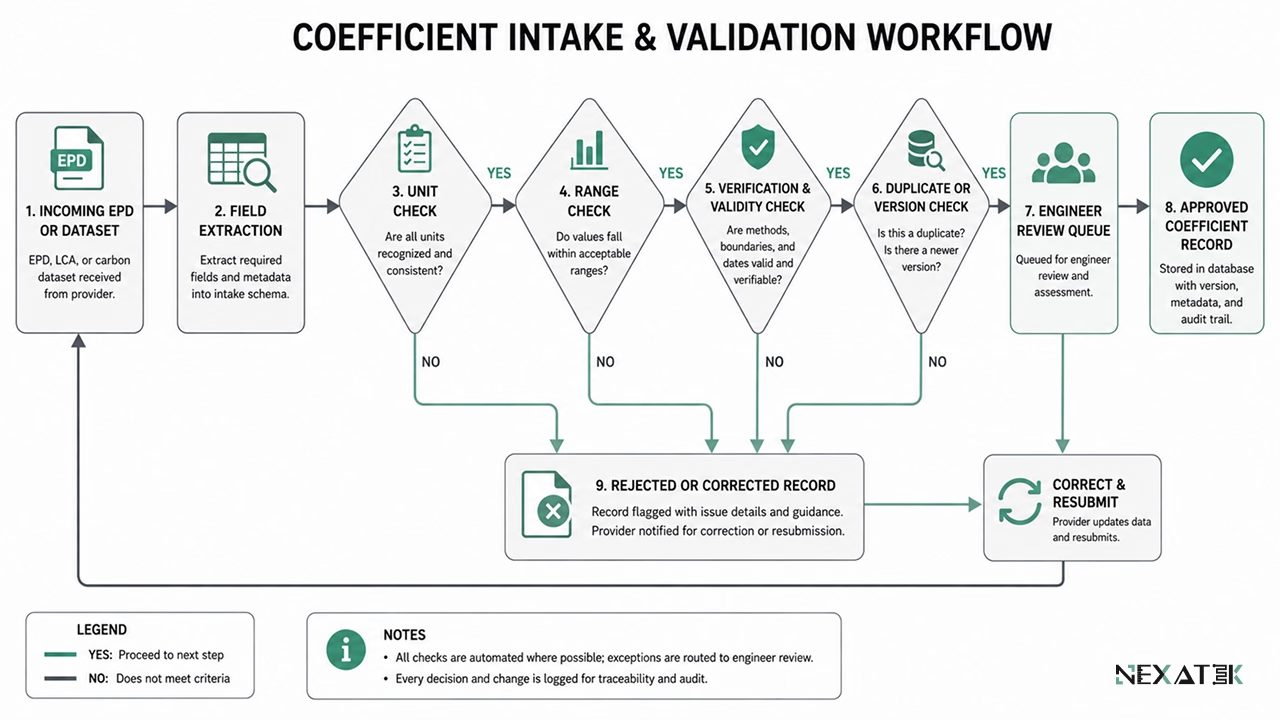 Valideringsregler forhindrer forkerte enheder, manglende kildedokumentation, udløbne data og fejlagtige værdier i rapporterne.
Disse kontroller fanger reelle fejl: En faktor indtastet som 185 kgCO2e, hvor der mentes 1,85, fanges straks i rimelighedskontrollen, før den når ud i projektrapporterne.
Automatiseret datafangst styrer selve deklarationsindlæsningen: Struktureret dataudtræk omdanner en publiceret EPD til en standardiseret post, og en fejlhåndteringskø sender ufuldstændige dokumenter til manuel vurdering. Sådanne arbejdsgange udgør klassisk procesautomatisering i byggeriet anvendt på klimadata.
Lovkrav og branchestandarder (PAS 2080 & RICS)
Rammer for dekarbonisering af infrastruktur kræver dokumenterede fakta frem for overordnede hensigtserklæringer. PAS 2080, den anerkendte standard for CO2-ledelse i infrastruktur, pålægger organisationer at fastlægge baselines og opgøre udledninger over hele værdikæden. RICS' faglige vejledning for Whole Life Carbon fastlægger entydige modulgrænser for rapportering. Begge standarder afhænger af data, der kan spores direkte til kilden.
Databasestrukturen leverer denne sporbarhed automatisk: Ethvert tal i en klimarapport henviser til en navngiven koefficient og dennes dokumenterede gyldighedsperiode. Hvis en auditor spørger, hvorfor en specifik stålværdi blev anvendt i en beregning fra 2025, leveres svaret via et databaseopslag frem for en manuel eftersøgning i projektmapper. Ensartet modultagging sikrer desuden sammenlignelighed på tværs af en hel anlægsportefølje.
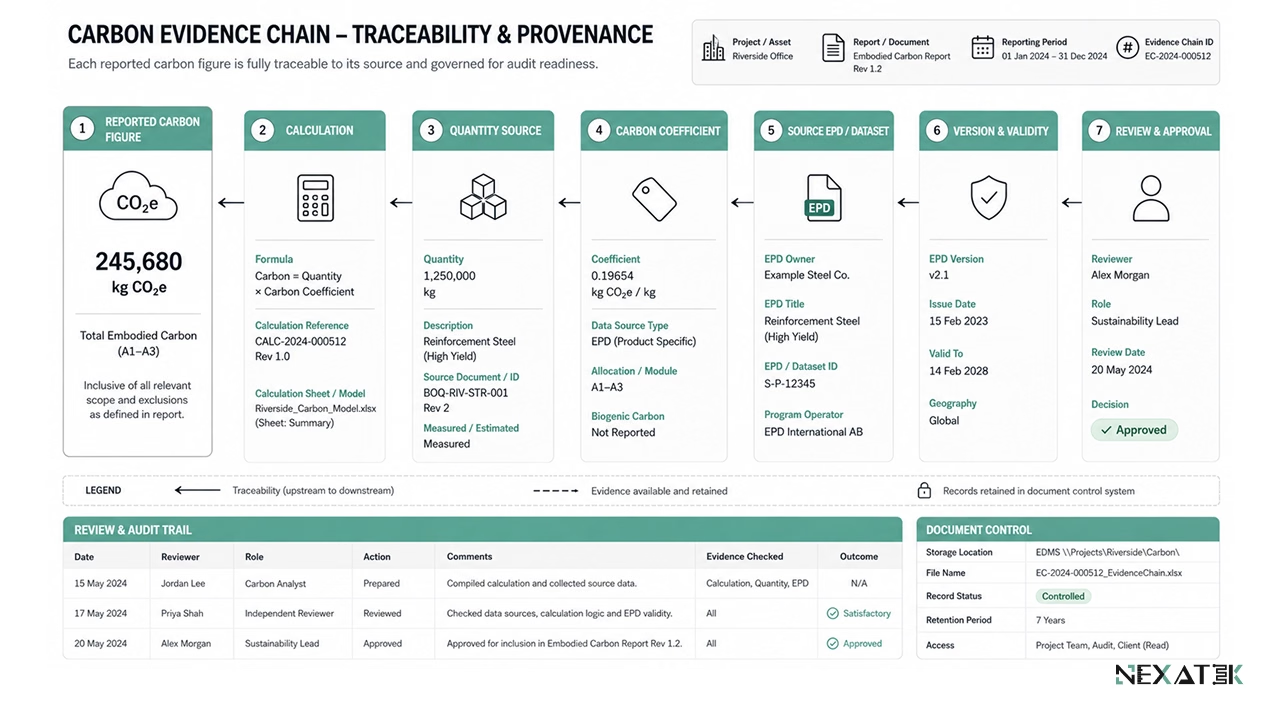 Fuld sporbarhed forbinder det rapporterede tal med koefficienten, kildedokumentet, versionen, gyldighedsperioden og beregningskonteksten.
Det er i indkøbs- og udbudsfasen, at standardiserede data for alvor viser deres forretningsmæssige værdi: Når to bydende deklarerer CO2-aftrykket for den samme betonkvalitet op mod identiske koefficienter, bliver sammenligningen juridisk og fagligt holdbar. Bygherren kan derefter vurdere klimahensyn på lige fod med pris.
Semantisk mapping: Koblingen mellem mængdefortegnelser og emissionskoefficienter
En tilbudsliste beskriver materialer i projektets eget fagsprog: „Beton C32/40, sulfatbestandig, til pæledæk“. En klimadatabase beskriver samme materiale i sin egen nomenklatur, hvor styrkeklasse og cementtype ofte er kodet anderledes. Mellem disse to verdener ligger klassificeringstrinnet, hvor manuelle klimaberegninger typisk mister deres præcision.
Semantisk mapping automatiserer denne proces: Matchningslogikken analyserer hver linje i mængdefortegnelsen, udleder materialeparametre og foreslår den mest præcise koefficient fra materialekataloget, ledsaget af en konfidensscore. Styrkeklasse og cementtype behandles som uafhængige parametre, så selv en ufuldstændig beskrivelse indsnævrer listen over kandidater.
En post som „Armeringsstål B500B, diameter 16 mm“ matches direkte til den relevante armerings-EPD. En flertydig post som „komprimeret råjord, tilkørt“ sendes til en fagkyndig ingeniør til vurdering.
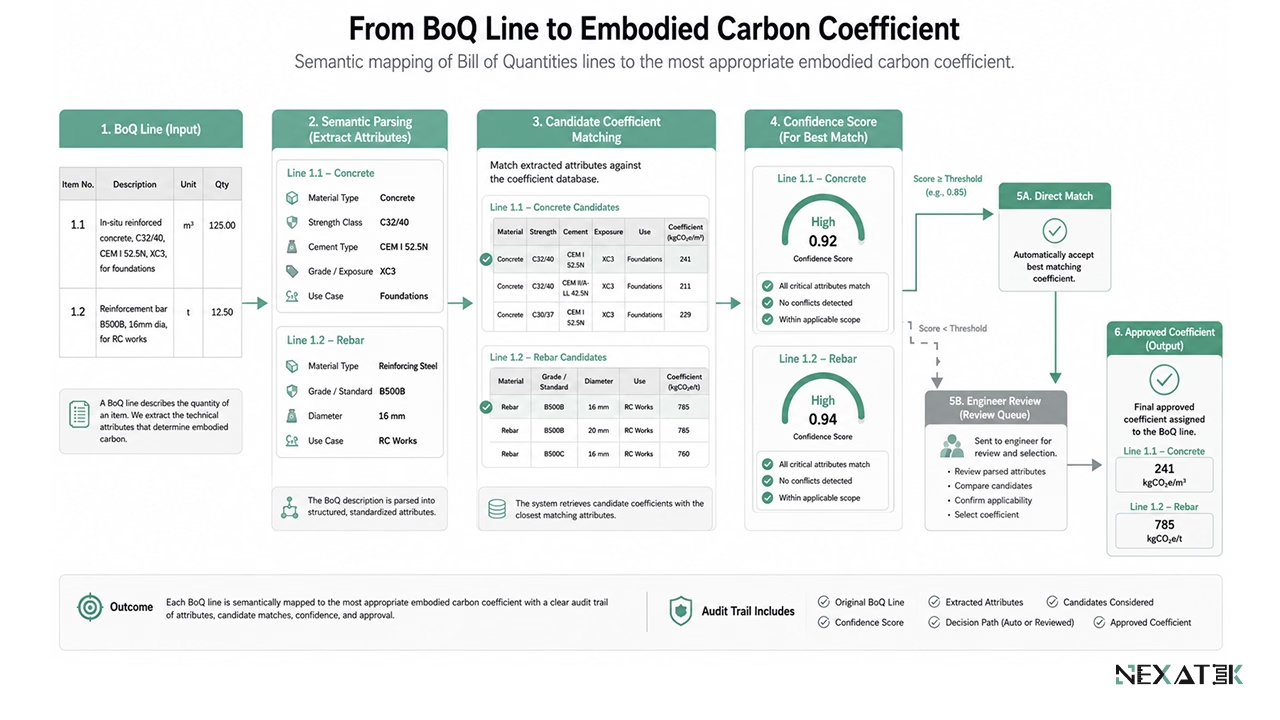 Semantisk matchning konverterer projektbeskrivelser til strukturerede attributter, før den bedst egnede koefficient foreslås.
Fejlklassificering – såsom en standardbetonfaktor tildelt en specialudviklet lavkullstofblanding – forvrider samtlige beregninger, der bygger på fejlen. Automatiseret matchning kombineret med ingeniørgodkendelse sikrer fuld dokumentation for hver truffet beslutning.
Regelsættet forbedres over tid: Bekræftede match føres tilbage til algoritmen, og tilbagevendende formuleringer fra et tilbudsprogram overgår til deterministiske regler. NEXATEK kalibrerer disse matchningsmetoder gennem anvendt ingeniørforskning, hvilket sikrer, at kortlægningslogikken forbliver gennemskuelig, dokumenteret og testbar.