

Online-kalkulatorer for Anleggsteknikk
Utvikle intelligente nettbaserte ingeniørkalkulatorer som forenkler komplekse beregninger, standardiserer designprosedyrer og gir umiddelbare tekniske resultater.
Plattformer for Ingeniørberegninger
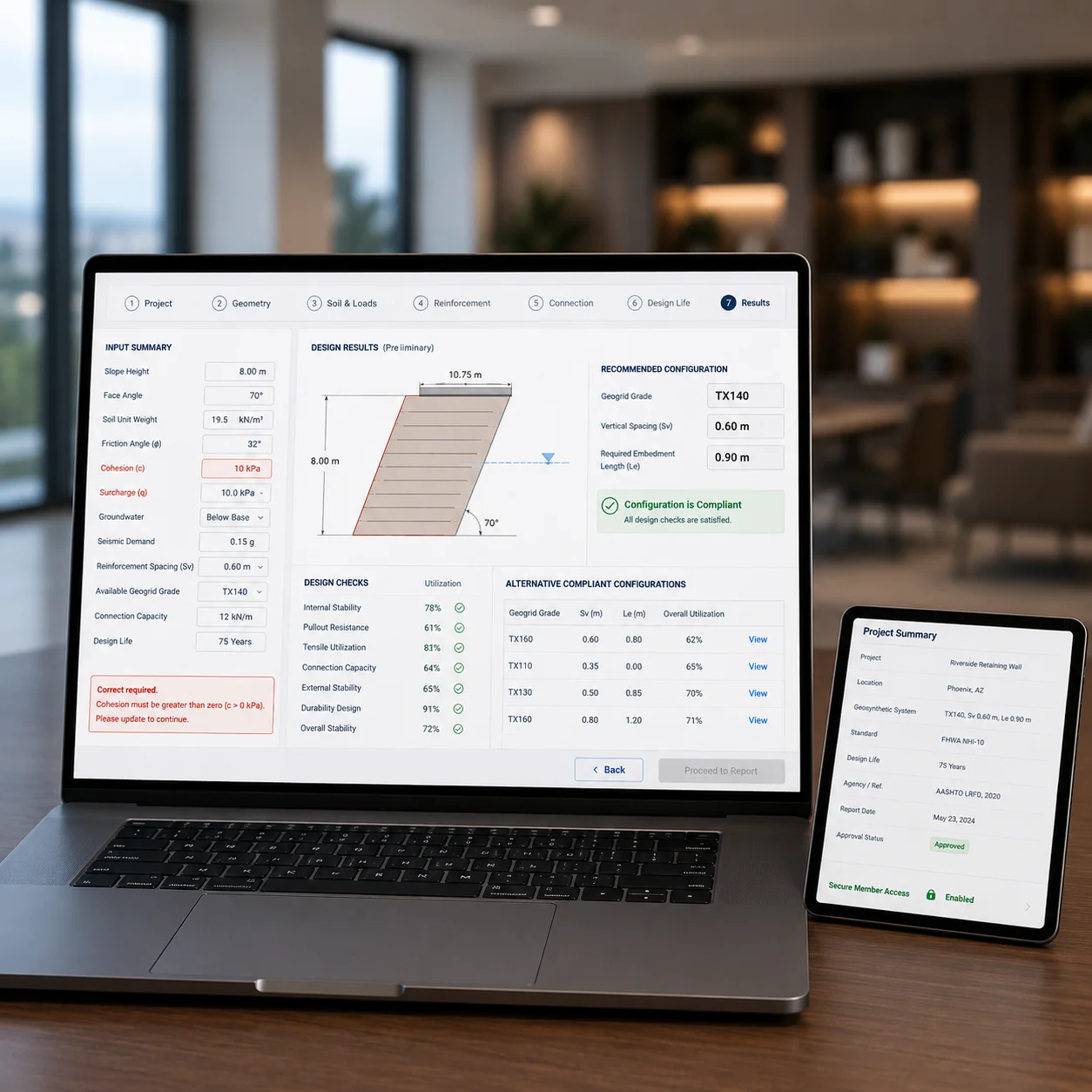
Automatisering og Ingeniørintelligens

Rapportering og Datahåndtering

Bedriftsintegrasjon og Skalerbarhet

Lignende prosjekter
Oppdag flere innovative prosjekter:


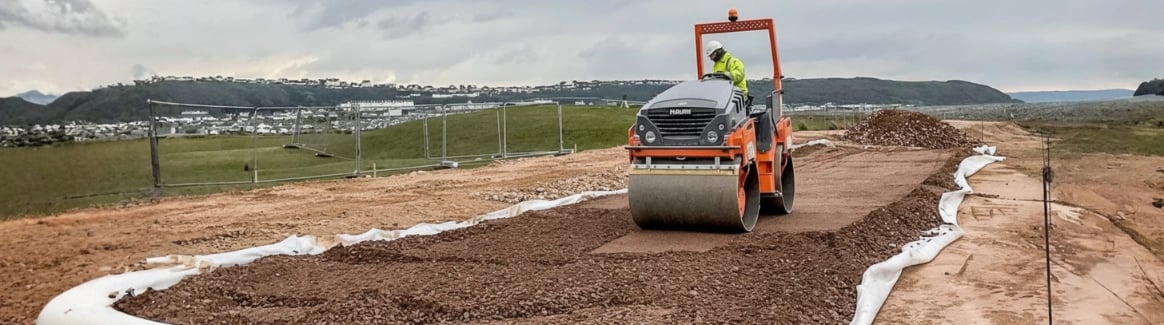



Gode
Løsninger
Starter Med En SamtaleGode Løsninger Starter Med En Samtale
Vil du utforske hvordan våre tjenester kan få bedriften din til å vokse?
Utvikling av nettbaserte beregningsverktøy for bygg og anlegg
Nettbaserte beregningsverktøy for anleggssektoren er nettleserbaserte applikasjoner som utfører definerte ingeniørberegninger basert på strukturerte inndata. Et overslag over pælekapasitet, en mengdeberegning av betong eller en hydraulisk kapasitetskontroll av et rør: Hver beregning følger en dokumentert formel og kan kjøres i en nettleser på få sekunder. Disse verktøyene støtter forhåndsvurderinger og overslagskontroller. De erstatter verken detaljprosjekteringen eller det underliggende ingeniørfaglige skjønnet.
NEXATEK utvikler beregningsverktøy av denne typen for rådgivende ingeniørselskaper og entreprenører, ofte som en del av et mer omfattende program for digital transformasjon. De påfølgende avsnittene definerer verktøykategorien og beskriver bruksområdene fra tidligfase til anleggsutførelse.
 Et fokusert beregningsgrensesnitt hjelper ingeniørteam med å etterprøve forutsetninger før detaljprosjekteringen starter.
Beregningenes rolle i anleggsfagene
Et mellomstort infrastrukturprosjekt genererer tusenvis av enkeltberegninger før anleggsarbeidet starter. Fundamenttrykk, tverrsnittsdimensjoner, masseberegninger, overvannskapasiteter: Hvert eneste mål på en arbeidstegning skriver seg fra et tall som en ingeniør har beregnet og en annen har kontrollert.
Beregningenes betydning for ingeniørfaglige beslutninger
Beregninger danner grunnlag for avgjørende valg. Et estimat over grunnbæreevnen avgjør om en konstruksjon kan direktefundamenteres eller krever pæling. En avrenningsberegning fastsetter dimensjonen for samtlige nedstrøms overvannsrør. Dersom en antatt jorddensitet avviker med 10 prosent, forplanter feilen seg direkte inn i støttemurdimensjoneringen og det tilhørende kostnadsestimatet.
Feil som oppdages sent i prosjektet medfører høye kostnader. En mengdefeil som avdekkes etter kontraktstildeling resulterer i endringskrav. Den samme feilen oppdaget under anbudskalkulasjonen krever kun noen få minutters kontrollarbeid.
Manuelle beregningsprosesser i ingeniørpraksis
De fleste rådgivende ingeniørkontorer utfører fremdeles beregninger via håndskrevne notater og regneark. I en typisk arbeidsflyt utarbeider prosjekterende ingeniør beregningsarket, en senioringeniør kontrollerer det linje for linje, og det godkjente dokumentet arkiveres i prosjektmappen. Metoden er transparent og fleksibel.
Regneark introduserer imidlertid en velkjent feilkilde: En formelcelle overskrives utilsiktet, filen kopieres over til neste oppdrag, og regnefeilen føres videre. Versjonsavvik mellom en formell «endelig» fil og en kontrollørs lokale kopi er en velkjent utfordring i mange miljøer.
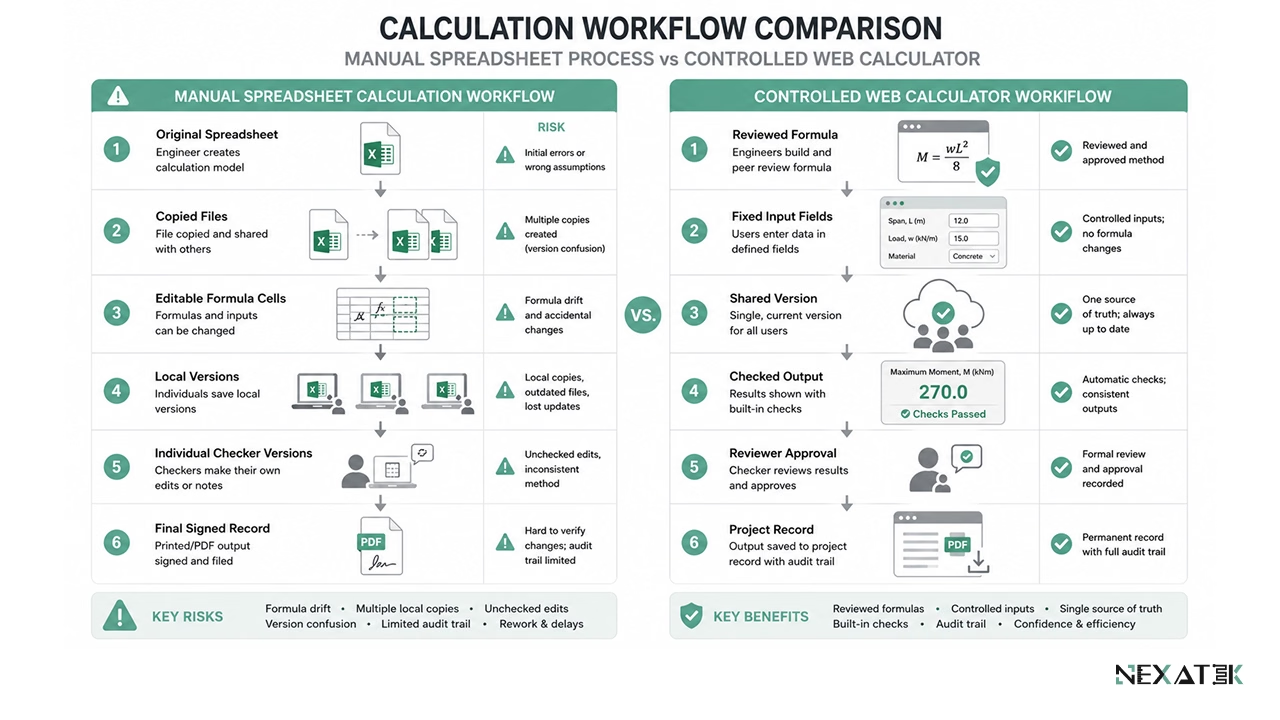 Prosessflyten viser hvor formelavvik, lokale filkopier og ukontrollerte endringer kan oppstå i en manuell beregningsprosess.
Hva er nettbaserte beregningsverktøy for bygg og anlegg?
Et nettbasert ingeniørberegningsverktøy er en webapplikasjon med låst beregningslogikk og enhetsdefinerte inndatafelter. Resultatene presenteres umiddelbart. Virkeområdet holdes bevisst avgrenset: Ett verktøy etterviser bjelkenedbøyning, et annet omregner måledata fra komprimeringskontroller. Dette snevre fokuset sikrer at regnelogikken er fullt etterprøvbar og resultatene entydig reproduserbare.
Slike verktøy skiller seg fra tunge analyse- og dimensjoneringsprogrammer. FE-programvare modellerer hele konstruksjonssystemer med mange samvirkende variabler. En nettbasert kalkulator besvarer derimot én konkret problemstilling, som feltmomentet for en fritt opplagt bjelke.
Forskjellen mellom formler, regneark og nettbaserte verktøy
En formel er teoretisk kunnskap på papir. Legges formelen inn i et regneark, blir den til en lokal implementering som kan redigeres av alle som åpner filen. Et nettbasert beregningsverktøy er en publisert, sentralt forvaltet implementering: én kontrollert versjon med validerte inndatagrenser. Forskjellen handler om kontroll. Ingen kan overskrive en formelcelle i et produksjonssatt webverktøy.
Rådgivende selskaper overfører i økende grad sine interne regneark til nettleserbaserte ingeniørverktøy. Mange virksomheter oppnår dette gjennom skreddersydd webapplikasjonsutvikling tilpasset sine etablerte prosjekteringsrutiner. Regnelogikken kvalitetssikres én gang sentralt og gjøres deretter tilgjengelig for alle medarbeidere i et ensartet grensesnitt.
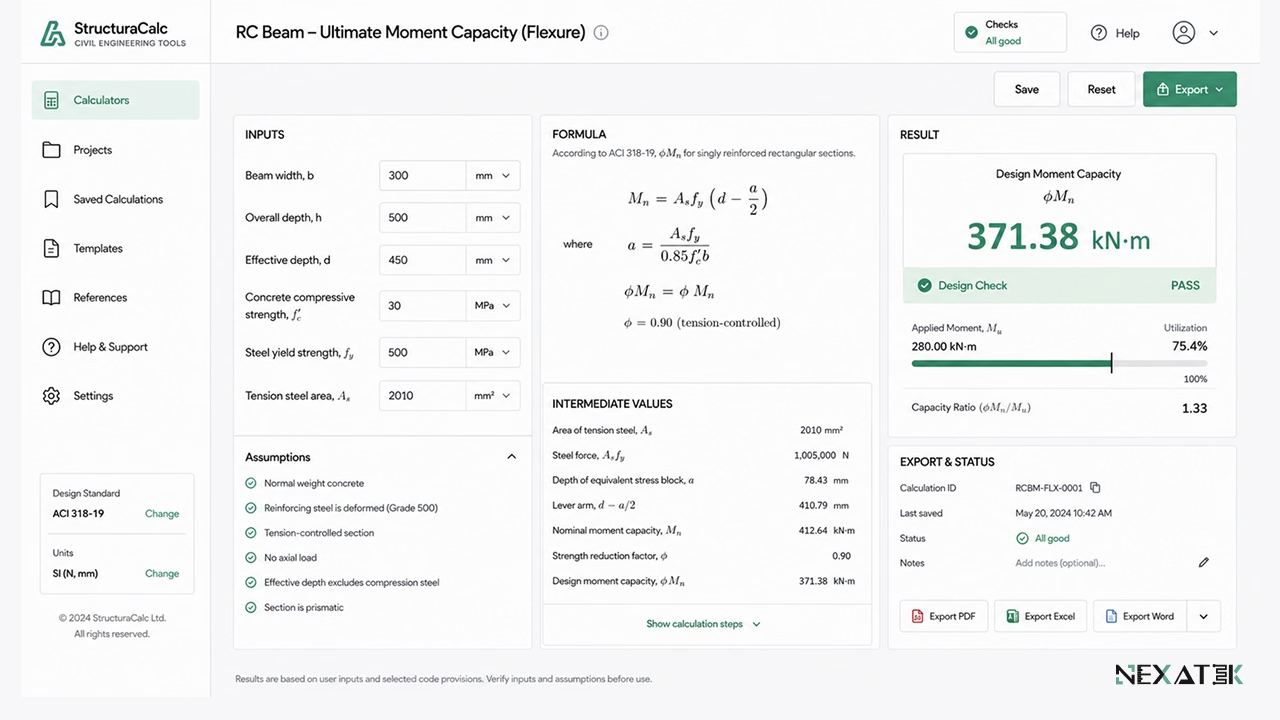 Et kvalitetssikret beregningsgrensesnitt samler inndata, formler, forutsetninger og utdata i ett styrt verktøy.
Typiske bruksområder for beregningsverktøy
Tverrfaglig gransking er et typisk eksempel: En kontrollør behøver et uavhengig referansetall i løpet av et minutt, fremfor å måtte rekonstruere en hel beregningsmodell. Byggemøter er et annet: Spørsmål om nødvendig støpevolum kan avklares direkte på mobilen før møtet går videre. Kalkulasjonsteam benytter mengdeverktøy til å sjekke underentreprenørers tilbud mot egne masseberegninger.
Kategorier av beregningsverktøy for anleggssektoren
Kategoriene følger de tradisjonelle fagdisiplinene. Fire hovedgrupper dekker det meste av det daglige beregningsbehovet i anleggsprosjekter.
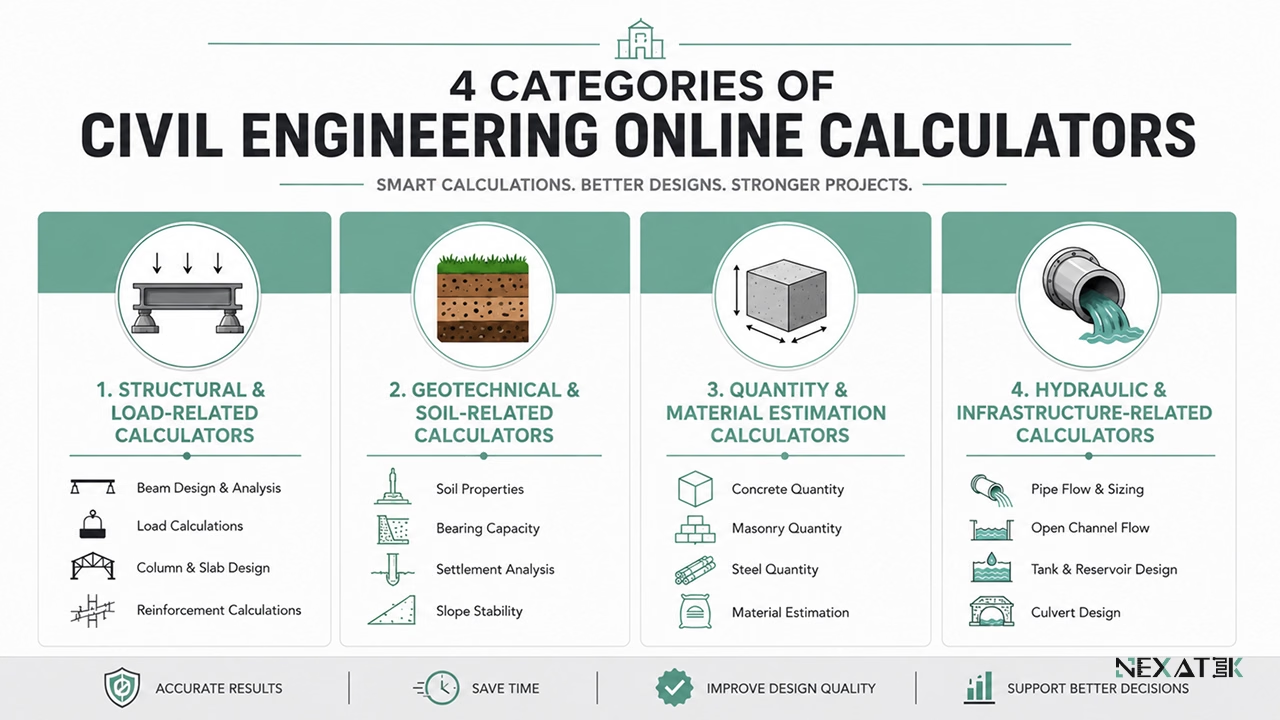 De fire verktøygruppene gjenspeiler de sentrale tekniske problemstillingene som oppstår i bygg- og anleggsprosjekter.
Konstruksjons- og lastberegningsverktøy
Konstruksjonsverktøy håndterer kontroller på komponentnivå: bjelkenedbøyning, bøyemomenter, tverrsnittsparametere og lastkombinasjoner. Sammenhengen er enkel: En 6 meter fritt opplagt bjelke under en jevnt fordelt last på 12 kN/m gir et maksimalt feltmoment på 54 kNm. En nettbasert kalkulator returnerer denne verdien sammen med nedbøyningskontrollen på sekunder.
Geotekniske og jordmekaniske beregningsverktøy
Jordparametere styrer geotekniske beregninger. Verktøy i denne gruppen estimerer bæreevne, jordtrykkskoeffisienter og setninger basert på brukerdefinerte jordmekaniske data. Følsomheten er markant: Å øke en antatt friksjonsvinkel fra 30 til 32 grader endrer det aktive jordtrykket i en slik grad at dimensjonen på en støttemur kan reduseres. Solide geotekniske beregningsverktøy oppgir alltid sin antatte jordmodell eksplisitt.
Beregningsverktøy for masser og materialbehov
Mengdeverktøy omsetter geometriske mål til faktiske materialbestillinger. Et betongdekke på 200 m² med 0,3 m tykkelse krever 60 m³ betong før svinn. Armeringsvekter, forskalingsarealer, asfalttonn og masseprofiler beregnes etter samme logikk. Kalkulatørene overfører disse tallene direkte til mengdebeskrivelsen.
Hydrauliske verktøy og infrastrukturanalyser
Vann- og avløpsverktøy estimerer rørkapasiteter, overflateavrenning, stikkrennedimensjoner og kapasiteter i åpne kanaler basert på nedbørsfelt og fallforhold. Forenklet dimensjonering av overbygningstykkelser i vegbygging tilhører samme gruppe. Infrastrukturverktøy av denne typen understøtter den tidlige dimensjoneringen som går forut for detaljerte nettverksmodeller.
Nettbaserte verktøy vs. manuelle ingeniørberegninger
Sammenligningen mellom nettbaserte beregningsverktøy og manuelle beregninger handler i mindre grad om regnenøyaktighet, og mer om funksjonell egnethet. Begge metoder har sine styrker og begrensninger.
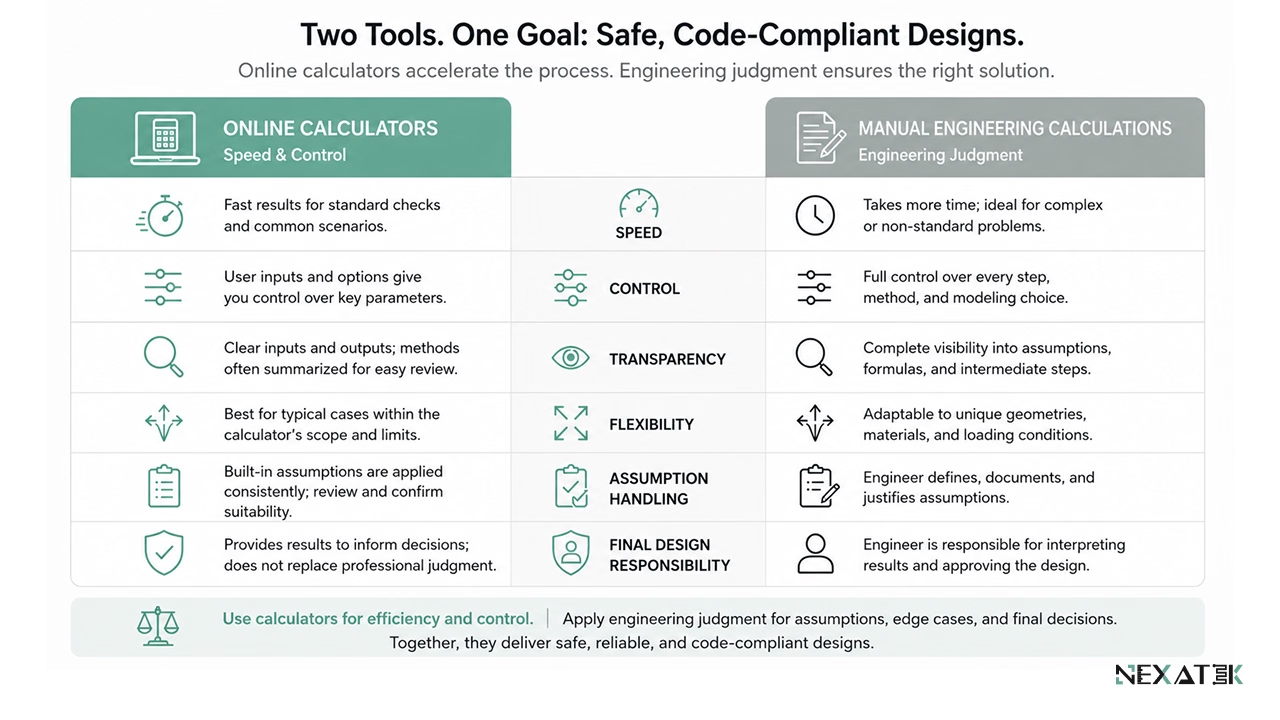 Sammenstillingen synliggjør hvor nettbaserte verktøy sikrer hurtighet og standardisering, og hvor manuelt ingeniørskjønn forblir nødvendig.
Nøyaktighet og begrensninger ved låste forutsetninger
Et beregningsverktøy er nøyaktig like presist som formelen og inndataene det mates med. Låste forutsetninger utgjør den primære begrensningen: Et verktøy konstruert for jevnt fordelt last kan ikke representere en punktlast i en tredjedelspunkt, og et bæreevneverktøy som forutsetter homogen jordbunn vil gi feilaktige svar ved lagdelt grunn. Manuelle beregninger gir ingeniøren mulighet til å tilpasse metoden til faktiske feltforhold. Det nettbaserte verktøyet kan ikke avvike fra sin programmerte logikk.
Transparens i beregningsgangen
Et tradisjonelt beregningsnotat viser hvert ledd i utledningen, og det er nettopp dette kontrollører verdsetter. Webverktøy varierer sterkt på dette punktet: Enkelte viser kun et sluttsvar. Andre presenterer gjeldende formel og samtlige mellomregninger. Verktøy i den sistnevnte gruppen kan etterprøves uavhengig. Den førstnevnte gruppen fordrer uforbeholden tillit, noe som representerer en sårbar posisjon ved uavhengig kontroll.
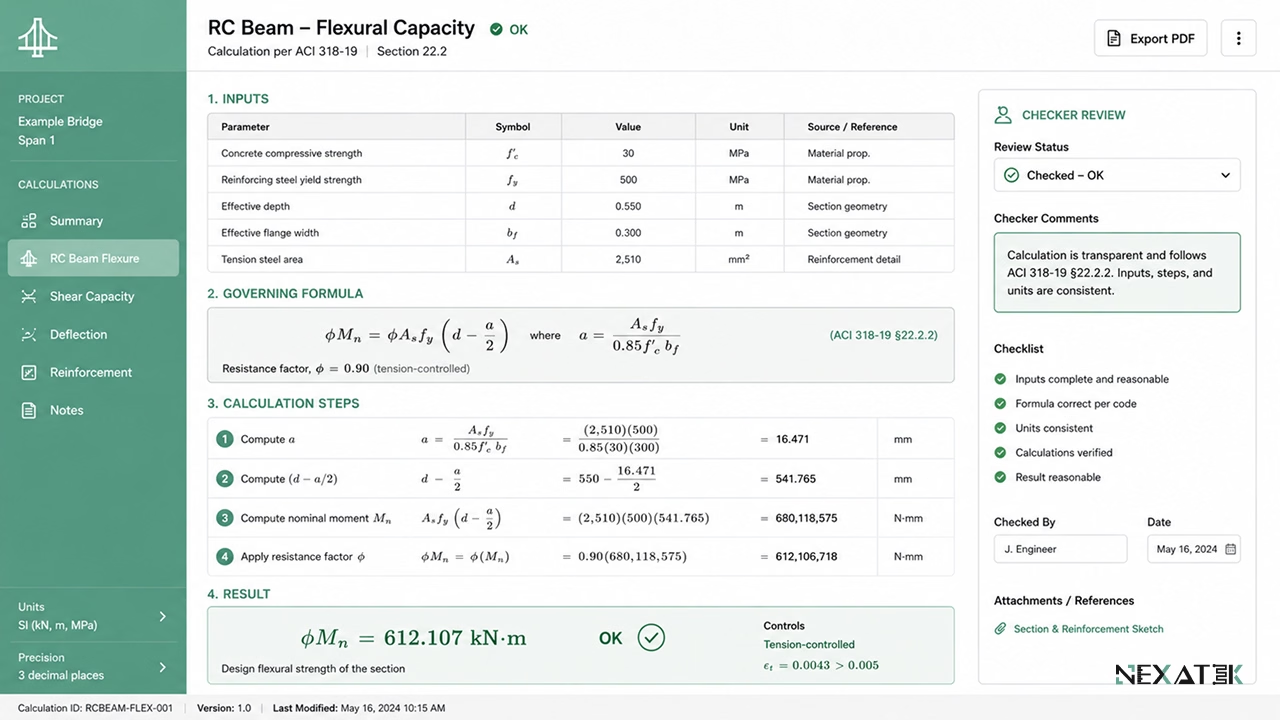 Visning av mellomregninger gjør det vesentlig enklere for en kontrollør å verifisere beregningsresultatet uavhengig.
Hensiktsmessig innpassing i prosjekteringsarbeidet
Plasseringen i prosjektforløpet definerer riktig bruk: Forprosjektering, mulighetsstudier og masseberegninger faller naturlig innenfor kalkulatorenes virkeområde. Det samme gjelder uavhengige overslagskontroller. Endelig dimensjonering for godkjenning gjør det derimot ikke, ettersom prosjekteringsansvaret forutsetter full kontroll over beregningsmetodikk og randbetingelser. Mange rådgivningsselskaper formaliserer dette skillet når de dokumenterer sine beregningsrutiner som ledd i arbeidsflyt- og prosessoptimalisering.
Bruk av beregningsverktøy gjennom prosjektfasene
Tidligfaseberegninger prioriterer tempo over millimeterpresisjon. I konseptfasen har et rådgiverteam som sammenligner to fundamenteringskonsepter behov for dimensjoner med en nøyaktighet på cirka 20 prosent – ikke ferdige armeringstegninger. Beregningsverktøy kutter tidsbruken for slike sammenligninger fra dager til en ettermiddag. Forutsetningene forblir transparente ettersom hvert inndatafelt må fylles ut bevisst.
Byggeplanlegging og kalkulasjon
Entreprenører benytter beregningsverktøy i skjæringspunktet mellom masser og logistikk: Et støpevolum på 61 m³ tilsvarer åtte betongbiler à 8 m³, bestilt til et fastsatt tidspunkt. Forskalingsarealer styrer bemanningsplanene, og masseprofiler definerer transportrutene. Beregningene er matematisk ukompliserte, men feilbestillinger på byggeplassen medfører umiddelbare ekstrakostnader.
Uavhengig kontroll og sidemannskontroll
Uavhengige overslag fanger opp modelleringsfeil. Dersom et avansert analyseprogram leverer et bøyemoment som er ti ganger høyere enn et raskt håndoverslag, skyldes avviket som oftest en enhetsfeil i inndataene til modellen. Et nettbasert verktøy gir kontrolløren dette referansetallet på under ett minutt. NEXATEK designer kontrollkalkulatorer med synlige mellomregninger for nettopp dette formålet.
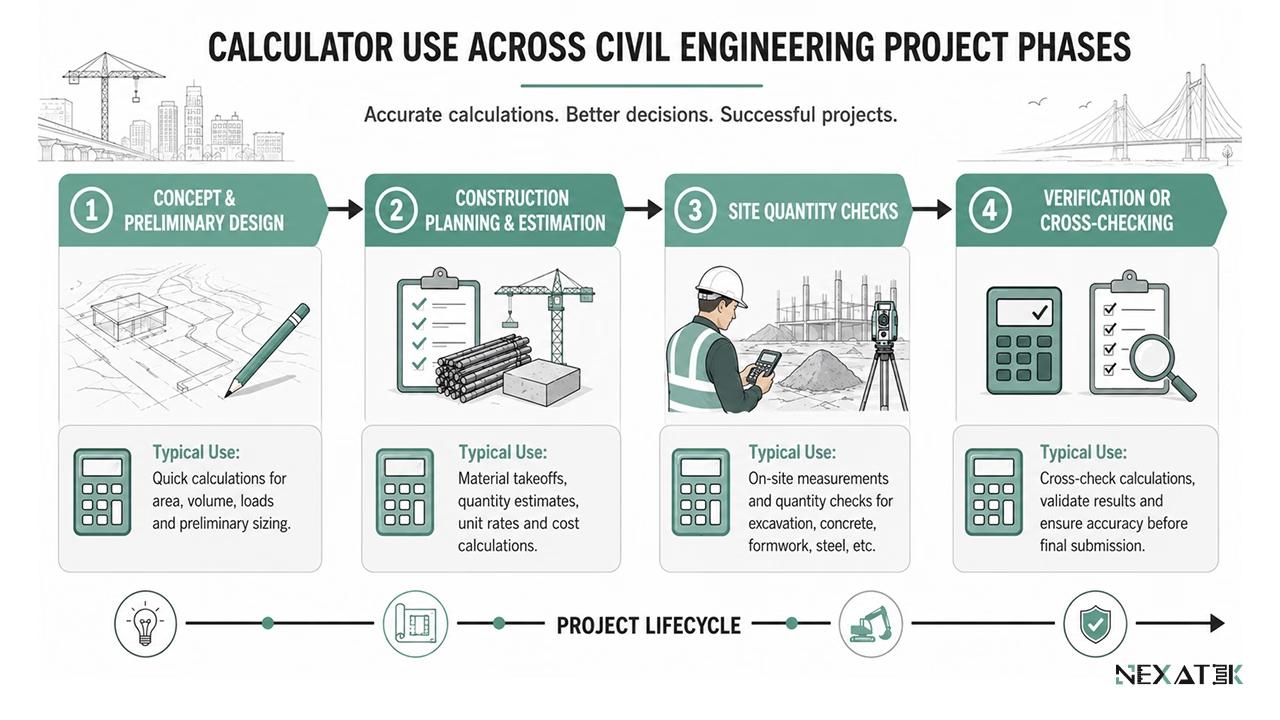 Beregningsverktøy støtter beslutninger under konseptvalg, tilbudskalkulasjon, byggeplanlegging og etterprøving.
Tilpasning til virksomhetstyper i anleggsnæringen
Produsenter av prefabrikkerte betongelementer og rørsystemer mottar daglig tekniske henvendelser fra prosjekterende og entreprenører. Et produktspesifikt beregningsverktøy besvarer standardspørsmål – for eksempel nødvendig overdekning for et nedgravd betongrør – uten at en ingeniør må forfatte et individuelt svar hver gang. Utvikling av slike beregningsverktøy for produsenter inngår typisk i prosjekter innen skreddersydd programvareutvikling, ettersom egenutviklet produktdata bygges direkte inn i beregningslogikken.
Entreprenører og masseberegninger
Kalkulasjonsavdelinger er avhengige av pålitelige massedata. Anleggstekniske kalkulatorer forkorter veien fra arbeidstegning til post i mengdebeskrivelsen. Anleggsledere i felt bruker de samme verktøyene til daglige avstemminger, som å kryssjekke en betongleveranse mot utstøpt geometri loggført i byggedagboken.
Rådgivende ingeniørselskaper
Rådgivere møter beregningspresset tidligst, i anbuds- og konseptfasen. Tilbudsutarbeidelse krever ofte konstruktive forhåndsvurderinger før det foreligger et formelt prosjekteringsbudsjett. Nettbaserte beregningsverktøy gir rådgiveren mulighet til å evaluere konsepter på dette stadiet med sporbare inndata og dokumenterte forutsetninger. Hos NEXATEK tar beregningsprosjekter for rådgivere som regel utgangspunkt i selskapets egne, kvalitetssikrede regneark og formelsamlinger.
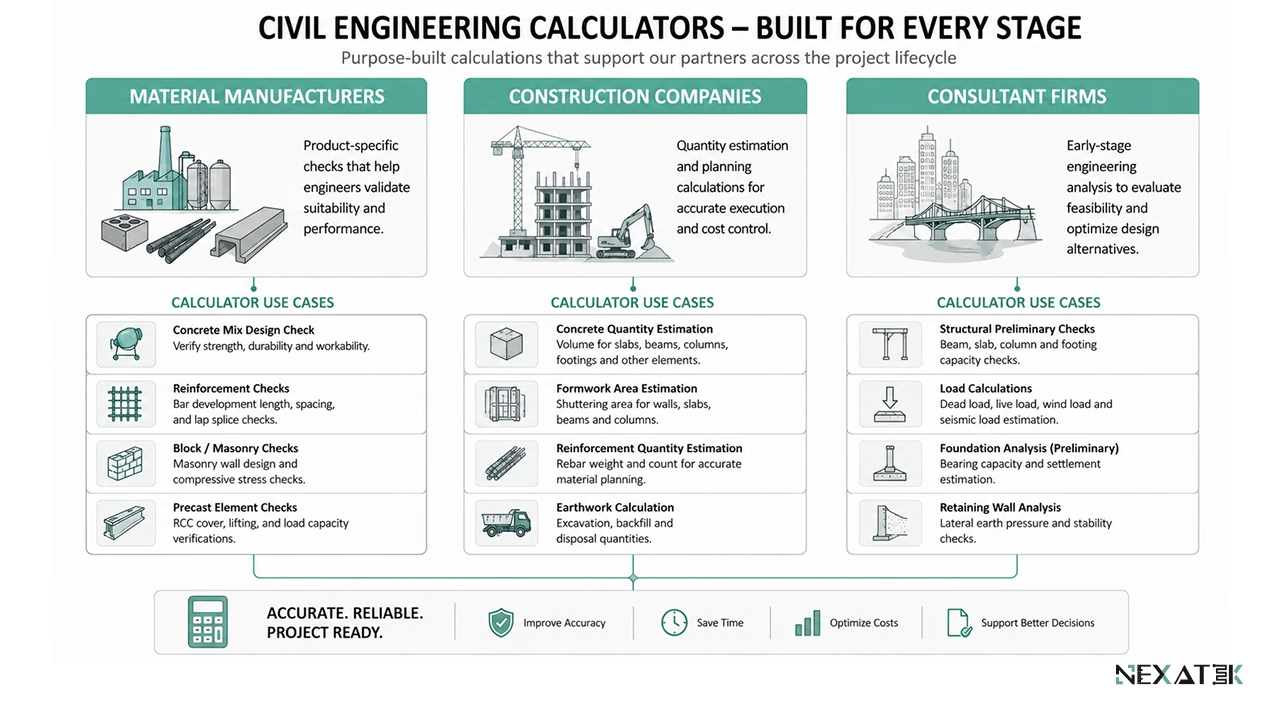 Produsenter, entreprenører og rådgivere anvender beregningsverktøy på ulike måter, men alle bruksområder hviler på sporbare inndata og kontrollert regnelogikk.